

Monterey Bay Aquarium (Monterey) Travel Guide - Free
Explore Monterey Bay Aquarium in Monterey with Evendo's free guide. Find the best shops, historic streets, restaurants, and gems on web or mobile.


Monterey Bay Aquarium in Monterey, California, combines marine science, Cannery Row history, coastal walks, sea otters, cafés and Pacific views.
Coastal Setting and Identity
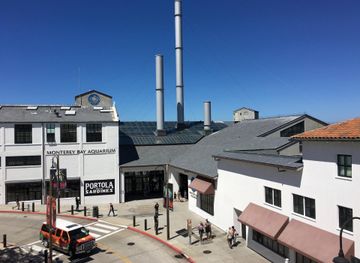
Monterey Bay Aquarium is not a formal neighbourhood, but it anchors the northern end of Cannery Row, Monterey’s best-known waterfront visitor district. The aquarium occupies a former sardine-canning site beside Monterey Bay, where broad windows, sea-facing terraces and the Monterey Bay Coastal Recreation Trail bring the marine environment directly into the visitor experience. Its immediate surroundings combine working waterfront memories, public shoreline, hotels, restaurants, small shops and views across the bay towards the Santa Cruz Mountains.Read more about Monterey Bay Aquarium
From Cannery Row to Conservation
Exploring the Waterfront
Best attractions in Monterey Bay Aquarium
Monterey Bay Aquarium is the district’s defining attraction, presenting the ecology of Monterey Bay through large habitats, interpretive galleries and close views of marine life, including the celebrated kelp-forest environment and sea-otter displays when animals are present. Beyond the building, Cannery Row offers a walk through a former sardine-canning quarter whose warehouses, waterfront structures and literary associations remain visible amid modern visitor businesses. The Monterey Bay Coastal Recreation Trail runs directly past the aquarium, linking it with sea-facing public spaces, rocky shore and views across the bay. San Carlos Beach, near the southern end of Cannery Row, provides another open shoreline setting, while the trail towards Pacific Grove reveals a quieter coastal landscape. Wildlife sightings are possible from public viewpoints, but they depend on season, weather and animal behaviour rather than a guaranteed schedule.
-
Tourist attraction
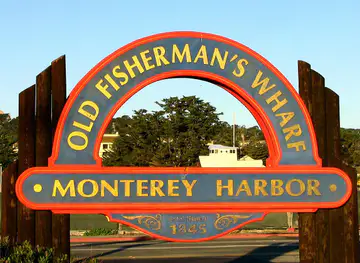
Old Fisherman's Wharf
Experience Monterey's maritime history at Old Fisherman's Wharf: Award-winning dining, unique shops, and abundant marine life await in a stunning waterfront setting.
5 min drive · 1.8 km from neighbourhood centre
-
Aquarium
Monterey Bay Aquarium: Seafood Watch Program
Discover the wonders of the ocean at the Monterey Bay Aquarium, a world-renowned institution dedicated to marine conservation, education, and groundbreaking research on California's Central Coast.
1 min walk · 0.1 km from neighbourhood centre
-
Tourist attraction
Cannery Row
Explore Monterey's Cannery Row: Where history meets marine life, vibrant culture, and stunning waterfront views, offering a unique California experience.
3 min walk · 0.2 km from neighbourhood centre
-
Tourist attraction
Monterey Sea Lions
Experience the vibrant marine life of Monterey Bay with the playful California Sea Lions near Fisherman's Wharf, offering unforgettable wildlife encounters and stunning coastal views year-round.
5 min drive · 1.8 km from neighbourhood centre


Best landmarks in Monterey Bay Aquarium
The principal landmark is the adapted Hovden Cannery, whose industrial structure now houses Monterey Bay Aquarium and preserves a tangible connection with Cannery Row’s sardine-processing era. The aquarium itself has become a symbolic Monterey building, linking public education with the ecological importance of Monterey Bay and its underwater canyon, kelp forests and rich marine food web. Cannery Row’s surviving industrial buildings, waterfront walls and street alignment provide a less monumental but historically significant group of landmarks, recalling the period when fish canneries dominated the shore. The Monterey Bay Coastal Recreation Trail is another defining feature, creating a continuous public edge between urban waterfront and open bay. Steinbeck-related references around Cannery Row add literary significance, although the district’s physical history extends beyond the novel and should also be understood through its labour and fishing communities.
-
Aquarium
Monterey Bay Aquarium: Seafood Watch Program
Explore the Monterey Bay Aquarium, a premier destination for marine life enthusiasts and conservation advocates along California's stunning coastline.
1 min walk · 0.1 km from neighbourhood centre
-
Exhibit
Sea Otters
Explore the captivating Sea Otters exhibit at Monterey Bay Aquarium, where playful marine mammals take center stage in a breathtaking underwater habitat.
1 min walk · 0.1 km from neighbourhood centre
-
Tourist attraction
Monterey Bay Sight Point
Discover the breathtaking views and rich marine life at Monterey Bay Sight Point, a must-visit tourist attraction on California's stunning coastline.
1 min walk · 0.1 km from neighbourhood centre
-
Exhibit
Monterey Bay Habitats
Explore the enchanting Monterey Bay Habitats, where marine ecosystems come alive and unforgettable experiences await in Monterey, California.
1 min walk · 0.1 km from neighbourhood centre


Explore Monterey Bay Aquarium on the map
A handpicked selection of must-see spots in Monterey Bay Aquarium, mapped for you.
Best hotels in Monterey Bay Aquarium
Best restaurants in Monterey Bay Aquarium
Dining around Monterey Bay Aquarium is concentrated along Cannery Row and its nearby side streets, where the former industrial waterfront has been adapted for restaurants, cafés, bakeries and casual visitor-oriented food businesses. Seafood features prominently in the wider Monterey tradition, although menus also span Californian cooking, international dishes, breakfast fare and quick options for aquarium visitors. The bay’s fishing history gives the area a stronger maritime identity than a typical shopping precinct, while views and outdoor seating are often part of the appeal. Cannery Row can be busy, so visitors seeking a quieter meal may prefer a less prominent side street or explore restaurants farther towards central Monterey and Pacific Grove. Restaurant names, menus and opening arrangements change, making it sensible to check current details locally rather than relying on assumptions about availability.
-
Seafood
Bubba Gump Shrimp Co.
Experience coastal dining at Bubba Gump Shrimp Co., where fresh seafood meets American charm on Cannery Row.
3 min walk · 0.2 km from neighbourhood centre
-
Restaurant
Fish Hopper
Discover exquisite seafood dining at Fish Hopper in Monterey - where stunning ocean views meet culinary delight.
3 min walk · 0.3 km from neighbourhood centre
-
Restaurant
Hula's Island Grill
Experience tropical flavors at Hula's Island Grill in Monterey – where fresh ingredients meet vibrant island-inspired cuisine.
6 min walk · 0.5 km from neighbourhood centre
-
Seafood
Chart House
Experience unparalleled seafood dining with stunning ocean views at Chart House in Monterey – where every meal is a celebration of flavor.
8 min walk · 0.6 km from neighbourhood centre


Best bars in Monterey Bay Aquarium
Evenings around Monterey Bay Aquarium are more suited to relaxed waterfront dining, hotel lounges, pubs and bars along Cannery Row than to a concentrated nightclub scene. The atmosphere usually shifts after daytime aquarium visitors have left, with the bay, fog and illuminated visitor buildings providing the setting for an unhurried drink or meal. Some venues cater primarily to visitors, while others serve as informal meeting places for people staying nearby. Cannery Row’s entertainment offer should not be confused with the larger late-night scenes found in some major Californian cities; live music and evening events may be occasional rather than continuous. Visitors walking after dark should keep to familiar, illuminated routes and remember that residential accommodation lies close to the commercial strip, making considerate noise levels important.
-
Bar
The Crown & Anchor
Discover the charm of British dining at The Crown & Anchor, a cozy bar and restaurant in Monterey, California, offering hearty food and a vibrant atmosphere.
6 min drive · 2.1 km from neighbourhood centre
-
Pub
London Bridge Pub
Discover the inviting charm of London Bridge Pub in Monterey, where British tradition meets Californian hospitality in a delightful dining experience.
6 min drive · 2.1 km from neighbourhood centre
-
Bar
Sly McFly's
Experience Monterey's vibrant nightlife at Sly McFly's, offering delicious food, crafted cocktails, and live music along scenic Cannery Row.
3 min walk · 0.3 km from neighbourhood centre
-
Pub
Britannia Arms
Discover the quintessential pub experience at Britannia Arms, where comfort food and local brews meet in a warm and inviting atmosphere.
7 min drive · 2.2 km from neighbourhood centre


Best nightclubs in Monterey Bay Aquarium
Evenings around Monterey Bay Aquarium are more suited to relaxed waterfront dining, hotel lounges, pubs and bars along Cannery Row than to a concentrated nightclub scene. The atmosphere usually shifts after daytime aquarium visitors have left, with the bay, fog and illuminated visitor buildings providing the setting for an unhurried drink or meal. Some venues cater primarily to visitors, while others serve as informal meeting places for people staying nearby. Cannery Row’s entertainment offer should not be confused with the larger late-night scenes found in some major Californian cities; live music and evening events may be occasional rather than continuous. Visitors walking after dark should keep to familiar, illuminated routes and remember that residential accommodation lies close to the commercial strip, making considerate noise levels important.
-
Night club
Sly McFly's
Experience Monterey's nightlife at Sly McFly's, where delicious dining meets live music in a vibrant atmosphere.
3 min walk · 0.3 km from neighbourhood centre
-
Restaurant
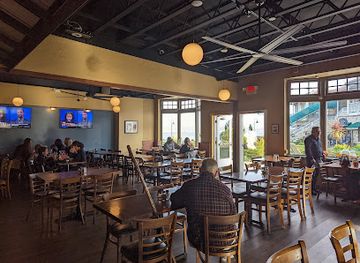
The Salty Seal Brewpub and Sports Bar
Experience the best of pub culture at The Salty Seal Brewpub and Sports Bar in Monterey, featuring delicious food, local brews, and vibrant sports entertainment.
4 min walk · 0.3 km from neighbourhood centre
-
Sports bar
Bulldog Sports Pub
Experience the vibrant atmosphere and delicious fare at Bulldog Sports Pub, Monterey's premier sports bar for food lovers and fans alike.
6 min walk · 0.5 km from neighbourhood centre
-
Bar
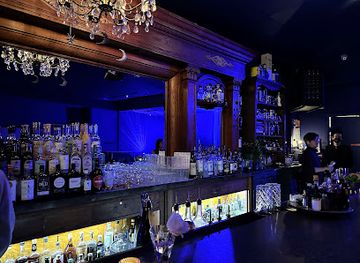
Pearl Hour
Experience the vibrant nightlife at Pearl Hour, Monterey's top bar for craft cocktails and a lively atmosphere.
12 min walk · 1.0 km from neighbourhood centre


Best shops in Monterey Bay Aquarium
Shopping around Monterey Bay Aquarium is largely concentrated on Cannery Row, where visitor retail occupies buildings that once belonged to the waterfront’s industrial economy. Shops typically focus on marine-themed gifts, clothing, souvenirs, books, artwork and California coastal products, alongside convenience retail for people spending a day by the bay. The area is useful for aquarium-related keepsakes and locally themed presents, but it is not Monterey’s main destination for specialist independent shopping or a traditional produce market. The commercial character changes as visitors move away from the aquarium and towards Pacific Grove or central Monterey, where different retail areas and services begin to appear. Because individual shops, galleries and stock change over time, visitors should treat Cannery Row as a compact browsing district rather than expect a fixed collection of specialist retailers.
-
Gift shop
Sea Otter Shirts
Discover unique otter-themed gifts and apparel at Sea Otter Shirts in Monterey, a delightful shopping destination along Cannery Row.
1 min walk · 0.1 km from neighbourhood centre
-
Gift shop
Monterey General Store
Discover unique gifts and local treasures at Monterey General Store, a charming gift shop in the heart of Monterey, California.
4 min walk · 0.3 km from neighbourhood centre
-
Boutique
Cypress Boutique Monterey
Explore unique styles at Cypress Boutique Monterey, a fashionable haven featuring curated men's and women's clothing that captures coastal California charm.
4 min walk · 0.3 km from neighbourhood centre
-
Gift shop
Gift and Book Store
Explore the Gift and Book Store at Monterey Bay Aquarium for unique ocean-themed souvenirs, educational resources, and a delightful shopping experience.
1 min walk · 0.1 km from neighbourhood centre


Monterey Bay Aquarium essentials
Getting There
Getting Around
Safety
Emergency Situations
Do's and Don'ts
Local Tips

From Eve
Local phrases worth knowing
You don't need to get them perfect. A few words go a long way, and locals appreciate the effort.
Basics
| English | Local | Say it |
|---|---|---|
| Hello | Hola | [oh-lah] |
| Goodbye | Adiós | [ah-dee-ohs] |
| Yes | Sí | [see] |
| No | No | [noh] |
| Please/You're welcome | Por favor/De nada | [por fah-vor/deh nah-dah] |
| Thank you | Gracias | [grah-see-ahs] |
| Excuse me/Sorry | Disculpe/Perdón | [dees-kool-peh/pehr-dohn] |
| How are you? | ¿Cómo estás? | [koh-moh ehs-tahs] |
| Fine. And you? | Bien. ¿Y tú? | [byehn. ee too] |
| Do you speak English? | ¿Hablas inglés? | [ah-blahs een-glehs] |
| I don't understand | No entiendo | [noh ehn-tee-ehn-doh] |
Eating & Drinking
| English | Local | Say it |
|---|---|---|
| I'd like to see the menu, please | Me gustaría ver el menú, por favor | [meh goos-tah-ree-ah behr ehl meh-noo, por fah-vor] |
| I don't eat meat | No como carne | [noh koh-moh kahr-neh] |
| Cheers! | ¡Salud! | [sah-lood] |
| I would like to pay, please | Me gustaría pagar, por favor | [meh goos-tah-ree-ah pah-gahr, por fah-vor] |
Emergencies
| English | Local | Say it |
|---|---|---|
| Help! | ¡Ayuda! | [ah-yoo-dah] |
| Go away! | ¡Vete! | [veh-teh] |
| Call the Police! | ¡Llama a la policía! | [yah-mah ah lah poh-lee-see-ah] |
| Call a doctor! | ¡Llama a un doctor! | [yah-mah ah oon dohk-tohr] |
| I'm lost | Estoy perdido | [ehs-toy pehr-dee-doh] |
| I'm ill | Estoy enfermo | [ehs-toy ehn-fehr-moh] |
Shopping
| English | Local | Say it |
|---|---|---|
| I'd like to buy... | Me gustaría comprar... | [meh goos-tah-ree-ah kohm-prahr] |
| I'm just looking | Sólo estoy mirando | [soh-loh ehs-toy meer-ahn-doh] |
| How much is it? | ¿Cuánto cuesta? | [kwan-toh kwehs-tah] |
| That's too expensive | Esto es demasiado caro | [ehs-toh ehs deh-mah-syah-doh kah-roh] |
| Can you lower the price? | ¿Puede bajar el precio? | [pweh-deh bah-har ehl preh-syoh] |
Time & Numbers
| English | Local | Say it |
|---|---|---|
| What time is it? | ¿Qué hora es? | [keh oh-rah ehs] |
| It's one o'clock | Es la una | [ehs lah oo-nah] |
| Half past (10) | Las diez y media | [lahs dyehs ee meh-dee-ah] |
| Morning | Mañana | [mah-nyah-nah] |
| Afternoon | Tarde | [tahr-deh] |
| Evening | Noche | [noh-cheh] |
| Yesterday | Ayer | [ah-yehr] |
| Today | Hoy | [oy] |
| Tomorrow | Mañana | [mah-nyah-nah] |
| 1 | Uno | [oo-noh] |
| 2 | Dos | [dohs] |
| 3 | Tres | [trehs] |
| 4 | Cuatro | [koo-ah-troh] |
| 5 | Cinco | [seen-koh] |
| 6 | Seis | [says] |
| 7 | Siete | [syeh-teh] |
| 8 | Ocho | [oh-choh] |
| 9 | Nueve | [nweh-veh] |
| 10 | Diez | [dyehs] |
Transport & Directions
| English | Local | Say it |
|---|---|---|
| Where's a/the...? | ¿Dónde está el/la...? | [dohn-deh ehs-tah ehl/lah] |
| What's the address? | ¿Cuál es la dirección? | [kwal ehs lah dee-rehk-syon] |
| Can you show me (on the map)? | ¿Puedes mostrarme (en el mapa)? | [pweh-dehs mohs-trar-meh (ehn ehl mah-pah)] |
| When's the next (bus)? | ¿Cuándo es el próximo (autobús)? | [kwan-doh ehs ehl proh-ksee-moh (ow-toh-boos)] |
| A ticket (to ....) | Un boleto (a ...) | [oon boh-leh-toh (ah ...)] |
History of Monterey Bay Aquarium
The Hovden Cannery Era
The site now occupied by Monterey Bay Aquarium formed part of Cannery Row’s sardine-processing waterfront. The Hovden Cannery was among the plants that handled the large sardine catches landed in Monterey during the early twentieth century, when canneries, fishing vessels, railways and associated workers shaped the district’s economy and built environment. Processing activity created employment for fishermen, cannery workers and support businesses, while the bay became increasingly industrialised along the shore. The surviving industrial structure is important because it connects the aquarium to the physical fabric of the former cannery district rather than presenting the waterfront as a newly created tourist zone.
Cannery Row and Literary Memory
By the 1930s and 1940s, Cannery Row had become a dense working district of canneries, warehouses, boarding houses and waterfront businesses. John Steinbeck drew on this environment for his 1945 novel Cannery Row, which transformed the street’s name into an internationally recognised literary reference. Steinbeck’s fictional world was shaped by the people and industrial landscape of Monterey, but it should not be confused with a literal guide to every building or character in the modern district. The later decline of sardine fishing and canning left many structures vacant or altered, changing the local economy and appearance.
The Aquarium Takes Shape
Monterey Bay Aquarium was developed through collaboration between marine scientists, conservationists, architects and supporters who sought to create a public institution focused on the Monterey Bay ecosystem. It opened in 1984 within the adapted Hovden Cannery, retaining the industrial building’s connection with Cannery Row while introducing large habitats and educational displays. The project helped redirect attention towards the ecological importance of the bay, including its kelp forests, deep submarine canyon and rich coastal food web. Its arrival was a major stage in the waterfront’s transition from a declining industrial district to a place centred on public education, research and marine stewardship.
A Conservation-Led Waterfront
Since its opening, the aquarium has expanded its role beyond exhibition into marine research, public conservation campaigns and efforts to communicate the condition of ocean ecosystems. These activities have contributed to Monterey’s international profile as a centre for marine science, alongside institutions elsewhere on the peninsula. Around the aquarium, former industrial land has become a mixture of public shoreline, visitor facilities, accommodation and food businesses, while the Coastal Recreation Trail has strengthened connections along the water. The area remains a layered landscape: a former cannery quarter, a literary setting and a modern gateway to understanding Monterey Bay.
Monterey Bay Aquarium in Photos
Browse through our photo collection highlighting the charm and character of the destination.
Neighbourhoods near Monterey Bay Aquarium
The closest neighbourhoods to Monterey Bay Aquarium, if you have time for more than one stop.
-

-
-


Swipe for more neighbourhoods
Explore more
Explore more of Monterey
Monterey, California pairs Pacific views with the Monterey Bay Aquarium, Cannery Row, historic adobes, coastal wildlife and maritime heritage.
Explore Monterey