

Free Monterey Travel Guide & Mobile App
Plan your Monterey trip with Evendo. Get free guides to top attractions, restaurants, hotels, and bars. Web access or download the mobile app.


Monterey, California pairs Pacific views with the Monterey Bay Aquarium, Cannery Row, historic adobes, coastal wildlife and maritime heritage.
A Coast Shaped by History
Monterey occupies a sheltered stretch of California’s central coast, where the Pacific meets the deep submarine canyon of Monterey Bay. Long before Spanish settlement, the area was home to Indigenous Ohlone communities, including the Rumsen people, whose cultural connections with the coastline remain an essential part of the region’s history. Spanish soldiers and missionaries established a presidio and mission here in 1770, giving Monterey a pivotal role in the colonial development of Alta California. The city later became the Mexican capital of Alta California and, in 1849, hosted the constitutional convention that helped prepare California for statehood.Read more about Monterey
Waterfront Character and Cultural Life
Exploring the Peninsula
When is the best time to visit Monterey?
Best: July–September · 20–21°C| Month | High (°C) | Rainfall (mm) |
|---|---|---|
| January | 14 | 79 |
| February | 16 | 68 |
| March | 16 | 60 |
| April | 16 | 37 |
| May | 18 | 13 |
| June | 19 | 4 |
| July (best) | 20 | 2 |
| August (best) | 21 | 4 |
| September (best) | 20 | 8 |
| October | 18 | 18 |
| November | 15 | 40 |
| December | 14 | 68 |
Getting to and around Monterey
How to get there
Transportation
Best attractions in Monterey
Monterey’s principal attractions bring together marine science, coastal scenery and layered history. The Monterey Bay Aquarium anchors Cannery Row with immersive displays of kelp forests, open-ocean life and local conservation research. Along the waterfront, the Coastal Recreation Trail links public viewpoints with beaches, benches and opportunities to watch seabirds and marine mammals, while Old Fisherman’s Wharf offers harbour views and excursion boats. Monterey State Historic Park introduces the city’s Spanish, Mexican and early American past through preserved adobes, gardens and the old Custom House. The Pacific House Museum and nearby cultural institutions add context to the region’s Indigenous, maritime and civic history. Dennis the Menace Playground provides a family-focused green space beside Lake El Estero, and the Monterey Museum of Art presents Californian and modern works in historic settings. Together, these sites make Monterey a city to explore through both its shoreline and its built heritage.
-
Aquarium
Monterey Bay Aquarium
Discover the wonders of the ocean at the Monterey Bay Aquarium, a world-renowned center for marine life, conservation, and education on historic Cannery Row.
6 min drive · 2.1 km from city centre
-
Tourist attraction
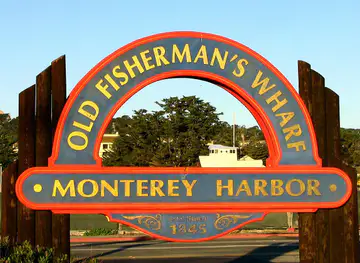
Old Fisherman's Wharf
Discover Monterey's historic waterfront at Old Fisherman's Wharf: Award-winning dining, unique shops, thrilling whale watching, and abundant marine life await in a stunning bay setting.
5 min walk · 0.4 km from city centre
-
Park
Lovers Point Park
Discover breathtaking views, diverse activities, and a rich history at Pacific Grove's iconic Lovers Point Park, a coastal haven for recreation and relaxation on Monterey Bay.
10 min drive · 3.5 km from city centre
-
Golf course
Pebble Beach Golf Links
Experience golfing paradise at Pebble Beach Golf Links, where breathtaking coastal scenery meets challenging play on one of the world's most iconic and historically significant courses.
18 min drive · 6.0 km from city centre


Best landmarks in Monterey
Monterey’s landmarks record its changing role as an Indigenous homeland, Spanish outpost, Mexican capital, American port and modern centre of marine conservation. The Royal Presidio Chapel, associated with the 1770 Spanish settlement, is one of the city’s most important surviving religious buildings. At Monterey State Historic Park, the Spanish and Mexican-era adobe structures include the Pacific House, Custom House and Casa Serrano, while the Custom House is recognised as California’s oldest public building. Colton Hall carries national and state significance as the meeting place of California’s 1849 constitutional convention. Along the shore, Cannery Row’s former industrial buildings evoke the sardine-packing economy and the literary legacy of John Steinbeck. The Monterey Bay Aquarium represents a later chapter in the city’s identity, translating the ecological importance of Monterey Bay into a major public institution devoted to marine education and conservation.
-
Aquarium
Monterey Bay Aquarium
Discover the majestic marine life and conservation efforts at Monterey Bay Aquarium, a premier aquatic destination along California's stunning coastline.
6 min drive · 2.1 km from city centre
-
Tourist attraction
Old Fisherman's Wharf
Explore the historic Old Fisherman's Wharf in Monterey, California - a vibrant destination for seafood lovers and history enthusiasts alike.
5 min walk · 0.4 km from city centre
-
Park
Lovers Point Park
Discover the stunning coastal beauty and recreational charm of Lovers Point Park, a top destination for nature lovers in Pacific Grove, California.
10 min drive · 3.5 km from city centre
-
Shopping mall
Del Monte Shopping Center
Explore Del Monte Shopping Center in Monterey, California, where shopping meets dining and entertainment in a vibrant outdoor setting.
6 min drive · 1.9 km from city centre


Explore Monterey on the map
Plan your Monterey trip on one map. See where the top attractions, landmarks, restaurants, bars and hotels are, find what's near where you're staying, and book hotels and experiences in a few clicks.
Neighbourhoods in Monterey
-

-

-

-


Swipe for more neighbourhoods
Best hotels in Monterey
Best restaurants in Monterey
Monterey’s dining identity is anchored by the Pacific, with seafood restaurants serving locally associated specialities such as fish, crab, oysters and clam chowder, alongside menus shaped by the wider agricultural richness of California’s central coast. Cannery Row and Old Fisherman’s Wharf concentrate many visitor-oriented restaurants, while Alvarado Street and the downtown area offer a broader mix of contemporary Californian cooking, Mexican food, cafés, bakeries and casual dining. The city’s history as a fishing and canning port remains visible in waterfront menus, although present-day cuisine also reflects sustainability concerns and the influence of long-established Mexican-American communities. Farmers’ markets in Monterey and surrounding Peninsula communities provide seasonal fruit, vegetables, prepared foods and regional products. Dining ranges from relaxed counter service to polished restaurants, with coastal views often forming part of the setting rather than a substitute for the food itself.
-
Seafood
Crab House
Discover Crab House in Monterey – where fresh seafood meets vibrant international flavors along Fisherman's Wharf.
7 min walk · 0.5 km from city centre
-
Mexican
El Torito
Experience the rich flavors of Mexico at El Torito in Monterey - where every dish tells a story!
5 min drive · 1.7 km from city centre
-
Seafood
Bubba Gump Shrimp Co.
Experience fresh seafood delights at Bubba Gump Shrimp Co., where culinary creativity meets oceanfront views on Cannery Row.
6 min drive · 1.9 km from city centre
-
Restaurant
Old Fishermen's Grotto
Experience authentic coastal cuisine at Old Fishermen's Grotto—Monterey's premier seafood and steak destination with stunning waterfront views.
6 min walk · 0.5 km from city centre


Best bars in Monterey
Monterey’s evenings are generally relaxed rather than centred on a large nightclub scene. Alvarado Street is the main downtown area for bars, pubs and restaurants, with venues offering craft beer, cocktails, wine and live music in an informal atmosphere. Cannery Row and Old Fisherman’s Wharf provide waterfront drinking and dining, though activity there is shaped strongly by tourism and tends to quieten outside peak periods. The Golden State Theatre on Alvarado Street brings concerts, comedy and other performances to a restored historic venue, while smaller bars and hotel lounges provide quieter places for an evening drink. Seasonal festivals, gallery events and performances at local cultural venues add alternatives to nightlife based on alcohol. Visitors should check current venue arrangements, as opening patterns and entertainment programmes can change, and late-night activity is more limited than in San Francisco or Los Angeles.
-
Seafood
Sandbar & Grill
Experience the best seafood and vibrant atmosphere at Sandbar & Grill in Monterey, where ocean views and delightful dishes await.
6 min walk · 0.5 km from city centre
-
Bar
The Crown & Anchor
Discover The Crown & Anchor, a British-themed bar and restaurant in Monterey, CA, offering delicious food, vibrant ambiance, and local brews.
1 min walk · 0.1 km from city centre
-
Grill
Turn 12 Bar & Grill
Discover the exciting flavors of California at Turn 12 Bar & Grill, where great food meets a thrilling racing atmosphere in Monterey.
1 min walk · 0.1 km from city centre
-
Brewpub
Dust Bowl Brewing Co. Tap Depot
Discover craft beer in a historic train station at Dust Bowl Brewing Co. Tap Depot, a lively brewpub in beautiful Monterey, California.
4 min walk · 0.3 km from city centre


Best nightclubs in Monterey
Monterey’s evenings are generally relaxed rather than centred on a large nightclub scene. Alvarado Street is the main downtown area for bars, pubs and restaurants, with venues offering craft beer, cocktails, wine and live music in an informal atmosphere. Cannery Row and Old Fisherman’s Wharf provide waterfront drinking and dining, though activity there is shaped strongly by tourism and tends to quieten outside peak periods. The Golden State Theatre on Alvarado Street brings concerts, comedy and other performances to a restored historic venue, while smaller bars and hotel lounges provide quieter places for an evening drink. Seasonal festivals, gallery events and performances at local cultural venues add alternatives to nightlife based on alcohol. Visitors should check current venue arrangements, as opening patterns and entertainment programmes can change, and late-night activity is more limited than in San Francisco or Los Angeles.
-
Night club
Sly McFly's
Experience the vibrant nightlife of Monterey at Sly McFly's, where live music, delicious food, and a lively atmosphere await.
5 min drive · 1.8 km from city centre
-
Pub
Britannia Arms
Britannia Arms in Monterey offers a vibrant pub experience with delicious food, refreshing drinks, and a cozy atmosphere perfect for relaxation.
2 min walk · 0.1 km from city centre
-
Cocktail bar
Indian summer
Discover the essence of Monterey nightlife at Indian Summer, a cocktail bar offering exquisite drinks and delightful dining in a vibrant atmosphere.
3 min walk · 0.3 km from city centre
-
Cocktail bar
Alfredo's Cantina
Experience the vibrant nightlife of Monterey at Alfredo's Cantina, where innovative cocktails and a lively atmosphere await every visitor.
4 min walk · 0.3 km from city centre


Best shops in Monterey
Shopping in Monterey is concentrated around Cannery Row, the historic downtown and the Del Monte Center, with a mixture of independent boutiques, galleries, specialist food shops, souvenir retailers and national brands. Cannery Row caters strongly to visitors, offering coastal-themed gifts, local art, clothing and food products in buildings adapted from the former canning district. Downtown streets around Alvarado Street provide a more varied local rhythm, including galleries, books, jewellery and small businesses, while Del Monte Center offers a conventional open-air retail setting. Farmers’ markets in the city and on the wider Peninsula are useful for regional produce, baked goods and prepared foods rather than mass-produced souvenirs. Local purchases may include California wines, artisan ceramics, ocean-themed artwork and packaged food products, but visitors should consider transport and customs rules before carrying agricultural goods across international borders.
-
Shopping mall
Steinbeck Plaza
Experience shopping and local culture at Steinbeck Plaza, a vibrant hub in Monterey, CA, featuring unique shops, eateries, and stunning waterfront views.
5 min drive · 1.8 km from city centre
-
Shopping mall
Carmel Plaza
Explore Carmel Plaza: A luxurious shopping haven in the heart of Carmel-By-The-Sea, offering boutiques, dining, and stunning coastal views.
17 min drive · 5.6 km from city centre
-
Antique store
Cannery Row Antiques Mall
Discover unique antiques, vintage clothing, and local art at Cannery Row Antiques Mall in Monterey, California—a treasure trove for collectors and tourists alike.
18 min walk · 1.5 km from city centre
-
Book store
Luminata Books & Gifts
Explore Luminata Books & Gifts in Monterey, where a world of books and unique gifts awaits every visitor.
6 min walk · 0.5 km from city centre


Get your free copy of our complete guide to Monterey, delivered straight to you.
Everything on this page, from attractions and restaurants to essentials and local phrases, in one PDF you can read offline, print or share.
Already have an account? Sign in
Your Monterey guide is ready.
We'll send it to · Not you? Sign out

Getting your guide ready…
We are putting together a fresh copy of the Monterey guide. This can take up to a minute.
This can take a few moments. If your browser asks, choose Allow so the download can start. You'll find the guide in your Downloads folder.
Nothing happened? Download it again
Sorry, the guide is taking longer than usual. Please try again in a minute, or get it by email instead.
Monterey essentials
Currency and Payment
Safety
Emergency Situations
Do's and Don'ts
Local Tips
From Eve
Local phrases worth knowing
You don't need to get them perfect. A few words go a long way, and locals appreciate the effort.
Basics
| English | Local | Say it |
|---|---|---|
| Hello | Hola | [oh-lah] |
| Goodbye | Adiós | [ah-dee-ohs] |
| Yes | Sí | [see] |
| No | No | [noh] |
| Please/You're welcome | Por favor/De nada | [por fah-vor/deh nah-dah] |
| Thank you | Gracias | [grah-see-ahs] |
| Excuse me/Sorry | Disculpa/Lo siento | [dee-skool-pah/loh see-ehn-toh] |
| How are you? | ¿Cómo estás? | [koh-moh ehs-tahs] |
| Fine. And you? | Bien. ¿Y tú? | [bee-ehn. ee too] |
| Do you speak English? | ¿Hablas inglés? | [ah-blahs een-glays] |
| I don't understand | No entiendo | [noh ehn-tee-ehn-doh] |
Eating & Drinking
| English | Local | Say it |
|---|---|---|
| I'd like to see the menu, please | Me gustaría ver el menú, por favor | [meh goos-tah-ree-ah behr ehl meh-noo, por fah-vor] |
| I don't eat meat | No como carne | [noh koh-moh kahr-neh] |
| Cheers! | ¡Salud! | [sah-lood] |
| I would like to pay, please | Me gustaría pagar, por favor | [meh goos-tah-ree-ah pah-gahr, por fah-vor] |
Emergencies
| English | Local | Say it |
|---|---|---|
| Help! | ¡Ayuda! | [ah-yoo-dah] |
| Go away! | ¡Vete! | [veh-teh] |
| Call the Police! | ¡Llama a la policía! | [yah-mah ah lah poh-lee-see-ah] |
| Call a doctor! | ¡Llama a un médico! | [yah-mah ah oon meh-dee-koh] |
| I'm lost | Estoy perdido | [ehs-toy pehr-dee-doh] |
| I'm ill | Estoy enfermo | [ehs-toy ehn-fehr-moh] |
Shopping
| English | Local | Say it |
|---|---|---|
| I'd like to buy... | Me gustaría comprar... | [meh goos-tah-ree-ah kohm-prahr] |
| I'm just looking | Sólo estoy mirando | [soh-loh ehs-toy meer-ahn-doh] |
| How much is it? | ¿Cuánto cuesta? | [kwahn-toh kwehs-tah] |
| That's too expensive | Eso es muy caro | [eh-soh ehs mwee kah-roh] |
| Can you lower the price? | ¿Puedes bajar el precio? | [pweh-dehs bah-hahr ehl pree-see-oh] |
Time & Numbers
| English | Local | Say it |
|---|---|---|
| What time is it? | ¿Qué hora es? | [keh oh-rah ehs] |
| It's one o'clock | Es la una | [ehs lah oo-nah] |
| Half past (10) | Media (10) | [meh-dee-ah (deh-eez)] |
| Morning | Mañana | [mah-nyah-nah] |
| Afternoon | Tarde | [tahr-deh] |
| Evening | Noche | [noh-cheh] |
| Yesterday | Ayer | [ah-yehr] |
| Today | Hoy | [hoy] |
| Tomorrow | Mañana | [mah-nyah-nah] |
| 1 | Uno | [oo-noh] |
| 2 | Dos | [dohs] |
| 3 | Tres | [trehs] |
| 4 | Cuatro | [kwah-troh] |
| 5 | Cinco | [seeng-koh] |
| 6 | Seis | [sehs] |
| 7 | Siete | [see-eh-teh] |
| 8 | Ocho | [oh-choh] |
| 9 | Nueve | [nweh-veh] |
| 10 | Diez | [dyehs] |
Transport & Directions
| English | Local | Say it |
|---|---|---|
| Where's a/the...? | ¿Dónde está...? | [dohn-deh ehs-tah] |
| What's the address? | ¿Cuál es la dirección? | [kwahl ehs lah dee-rehk-syohn] |
| Can you show me (on the map)? | ¿Puedes mostrarme (en el mapa)? | [pweh-dehs mohs-trahr-meh (ehn ehl mah-pah)] |
| When's the next (bus)? | ¿Cuándo es el próximo (autobús)? | [kwan-doh ehs ehl proh-ksee-moh (ow-toh-boos)] |
| A ticket (to ....) | Un boleto (a ....) | [oon boh-leh-toh (ah)] |
History of Monterey
Ohlone Homelands and Coastal Life
The Monterey area lies within the ancestral homeland of Ohlone peoples, including the Rumsen community associated with the central Monterey Peninsula. Coastal resources, estuaries, grasslands and inland routes supported settled and seasonal patterns of life long before European arrival. Indigenous place knowledge shaped how the shoreline, plants and marine resources were understood, although later Spanish, Mexican and American settlement profoundly disrupted these communities through missionisation, disease, displacement and loss of access to traditional lands. Contemporary interpretations of Monterey’s history increasingly acknowledge this earlier human presence rather than presenting the city’s story as beginning with colonial occupation.
Spanish Settlement and the Presidio
In 1770, Gaspar de Portolá’s expedition established the Presidio of Monterey, while Junípero Serra founded Mission San Carlos Borromeo nearby. The mission was moved to Carmel in 1771, but the presidio remained an important Spanish military and administrative outpost. Monterey’s natural harbour made it a strategic base on the coast of Alta California, linking military authority, missionary activity and maritime supply. The surviving Royal Presidio Chapel, associated with the early settlement, is among the city’s most important reminders of this Spanish period.
Mexican Monterey and Maritime Trade
After Mexican independence from Spain in 1821, Monterey became the capital of the Mexican territory of Alta California. Its port connected the settlement with coastal shipping and international traders, including merchants who exchanged manufactured goods for hides, tallow and other Californian products. The Custom House, built in the early nineteenth century, reflects the importance of regulating this commerce and is recognised as California’s oldest public building. Monterey’s adobe residences and civic structures also preserve the architectural character of the Mexican period, when the town served as the region’s political centre.
American Conquest and Statehood
United States forces occupied Monterey in July 1846 during the Mexican-American War, bringing the city into a new political order. In September 1849, delegates met at Colton Hall for California’s constitutional convention, drafting the document that preceded the state’s admission to the Union in 1850. The convention took place amid intense debate over slavery, representation and the organisation of the new state. Monterey soon lost its role as California’s capital to San Jose and later Sacramento, but Colton Hall and the surrounding historic district retain the physical memory of this formative transition.
The Sardine-Packing Era
During the late nineteenth and early twentieth centuries, Monterey developed a major commercial fishery, with sardines becoming the foundation of an expanding canning industry. The waterfront district that became known as Cannery Row filled with processing plants, warehouses, workers’ housing and immigrant communities drawn by industrial employment. John Steinbeck’s 1945 novel Cannery Row captured aspects of the district’s working life, though literary Monterey should not be treated as a complete historical record. By the mid-twentieth century, overfishing and the collapse of the sardine fishery brought the industry’s dominance to an end.
From Industry to Conservation
After the canneries closed, Monterey’s waterfront underwent a long transformation from industrial fish-processing district to cultural, educational and visitor-oriented shore. The opening of the Monterey Bay Aquarium in 1984 gave Cannery Row a new public identity while drawing attention to the bay’s marine ecology and the need for conservation. Former industrial buildings found new uses, and the city’s economy increasingly combined heritage tourism, marine science, hospitality and public culture. Today, Monterey’s identity rests on both sides of its past: the preserved traces of a working port and a strong international reputation for ocean research and environmental stewardship.
Monterey in Photos
Browse through our photo collection highlighting the charm and character of the destination.
Cities near Monterey
The closest cities to Monterey, if you have time for more than one stop.
-

-

-

-
-


Swipe for more cities
Explore more
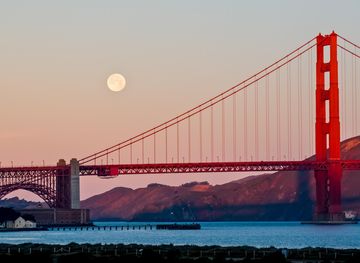
Explore more of California
Discover California: A land of diverse landscapes, iconic cities, and endless adventures, from sun-soaked beaches to towering redwoods and vibrant cultural experiences.
Explore California