

Downtown Monterey (Monterey) Travel Guide - Free
Explore Downtown Monterey in Monterey with Evendo's free guide. Find the best shops, historic streets, restaurants, and gems on web or mobile.


Downtown Monterey blends Spanish-era adobes, historic plazas, museums, Alvarado Street dining and easy walks to California's scenic waterfront.
A Historic Coastal Centre
Downtown Monterey occupies the historic core of a small coastal city on the Monterey Peninsula, stretching around Alvarado Street, Custom House Plaza and the old waterfront. Its compact streets bring together adobe buildings, civic landmarks, independent shops, restaurants and the broad, open spaces of Monterey State Historic Park. Unlike the resort development of nearby Cannery Row, downtown feels closely tied to Monterey's Spanish, Mexican and early American past.Read more about Downtown Monterey
Adobes, Plazas and Public Life
Walking, Eating and Exploring
Best attractions in Downtown Monterey
Downtown Monterey's main attraction is the concentration of historic places within an easily walkable area. Monterey State Historic Park links sites including the Custom House, Pacific House, Casa del Oro and other preserved buildings that illuminate the city's Spanish, Mexican and early American periods. Colton Hall, where California's first constitutional convention met in 1849, adds civic and political history, while Cooper-Molera Adobe offers a more domestic view of nineteenth-century Monterey life. Custom House Plaza provides an open starting point for exploring the old waterfront and central streets, and the Monterey History and Maritime Museum helps place the city within the wider story of the bay. Alvarado Street supplies the contemporary counterpoint, with restaurants, cafés, galleries and independent businesses occupying the historic centre. Fisherman's Wharf is close by, but it is a separate waterfront attraction rather than part of downtown's core.
-
Park
El Estero Park
Discover Monterey's El Estero Park: A vibrant lakeside oasis with the Dennis the Menace Playground, scenic trails, and diverse activities for family fun and relaxation.
11 min walk · 0.9 km from neighbourhood centre
-
Children's museum
Monterey County Youth Museum
Discover hands-on fun and learning at Monterey County Youth Museum, where kids explore interactive exhibits reflecting the region's unique culture and environment, creating lasting memories.
3 min walk · 0.2 km from neighbourhood centre
-
Historical landmark
Monterey Moon Tree
Discover Monterey's Moon Tree: A coast redwood grown from a seed that journeyed to the moon on Apollo 14, planted in 1976 near historic Colton Hall, a symbol of space exploration.
4 min walk · 0.3 km from neighbourhood centre


Best landmarks in Downtown Monterey
The Custom House is downtown Monterey's defining historic structure, a former port building associated with the regulation of trade during the Mexican period and a prominent monument to the city's maritime past. Nearby Pacific House, Casa del Oro and other adobe buildings form part of Monterey State Historic Park, preserving the low, thick-walled architecture characteristic of the old settlement. Colton Hall is equally significant for its civic symbolism: the California constitutional convention met there in 1849 before statehood. Custom House Plaza connects these buildings with the public life of the centre, while the older waterfront edge explains why Monterey developed as a port and administrative capital. Cooper-Molera Adobe adds a domestic and commercial dimension to the story, showing that the district's importance rests not only on grand public buildings but also on surviving structures of everyday urban life.
-
Tourist attraction
Old Fisherman's Wharf
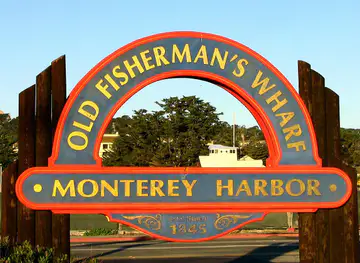
Explore Old Fisherman's Wharf: A historical landmark in Monterey, California, blending fresh seafood, unique shops, and stunning views of the Pacific Ocean.
5 min walk · 0.4 km from neighbourhood centre
-
Historical place
Larkin House
Explore the historic Larkin House in Monterey, California, a charming attraction showcasing early Californian architecture and rich cultural heritage.
3 min walk · 0.3 km from neighbourhood centre
-
 State park
Monterey State Historic Park
Explore Monterey State Historic Park, where history meets stunning coastal views in the heart of California's beautiful coastline.
3 min walk · 0.3 km from neighbourhood centre
-
Historical landmark
House of the Four Winds
Explore the House of the Four Winds, a captivating historical landmark in Monterey, California, showcasing rich history and stunning architecture.
4 min walk · 0.3 km from neighbourhood centre


Explore Downtown Monterey on the map
A handpicked selection of must-see spots in Downtown Monterey, mapped for you.
Best hotels in Downtown Monterey
Best restaurants in Downtown Monterey
Downtown Monterey has a varied, visitor-oriented dining scene concentrated around Alvarado Street and the adjoining historic blocks. Seafood reflects the city's position beside Monterey Bay, while cafés, bakeries, Californian cooking and international cuisines give the centre more range than its heritage architecture might suggest. Long-established local names such as Rosine's Restaurant and Old Monterey Café are associated with the downtown dining landscape, while Alvarado Street Brewery provides a casual setting for locally brewed beer and food. Historic adobes and low-rise commercial buildings house many of the area's restaurants, creating a closer relationship between dining and the old town than in larger resort districts. Visitors will also find coffee, ice cream and informal daytime food around the central streets. Fisherman's Wharf offers additional seafood and waterfront dining nearby, but should be treated as a distinct area rather than folded into downtown's restaurant identity.
-
Restaurant
Old Fishermen's Grotto
Experience Monterey's culinary charm at Old Fishermen's Grotto—where fresh seafood meets delightful steakhouse fare against stunning waterfront views.
6 min walk · 0.5 km from neighbourhood centre
-
American
Rosine's Restaurant
Discover Rosine's Restaurant in Monterey - where American comfort food meets Italian flair in a warm and welcoming atmosphere.
2 min walk · 0.1 km from neighbourhood centre
-
Seafood
Schooners Monterey
Experience fresh seafood dining with stunning ocean views at Schooners Monterey on Cannery Row.
17 min walk · 1.4 km from neighbourhood centre
-
Seafood
Chart House
Experience exquisite seafood and breathtaking ocean views at Chart House in Monterey's iconic Cannery Row.
19 min walk · 1.5 km from neighbourhood centre


Best bars in Downtown Monterey
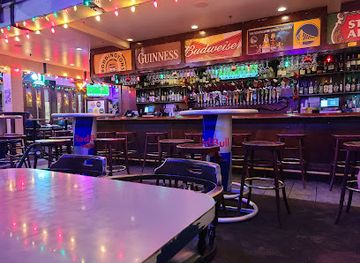
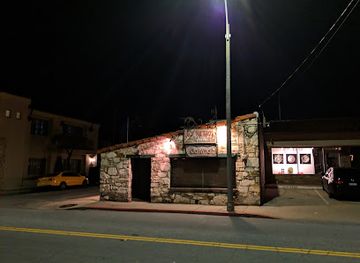
Downtown Monterey's evening life is generally sociable and low-rise rather than dominated by large clubs. Alvarado Street is the main focus, with bars, brewery-style venues, pubs and restaurants providing places to meet after the museums and shops have closed. The area's historic buildings and compact layout make it possible to move between dinner and a drink without crossing a large entertainment district, while live music and events may appear in individual venues or as part of city programming. Nightlife becomes quieter away from the central commercial blocks, particularly near residential streets and heritage sites. Fisherman's Wharf has its own evening atmosphere nearby, but downtown's appeal lies more in casual bars, local beer and conversation than in late-night club culture. Opening times and performances vary, so visitors should check current venue information rather than assume a regular programme.
-
Bar
The Crown & Anchor
Experience the vibrant atmosphere and exquisite flavors at The Crown & Anchor, a premier bar and restaurant in Monterey, California.
1 min walk · 0.1 km from neighbourhood centre
-
Grill
Turn 12 Bar & Grill
Experience the vibrant flavors of Californian cuisine at Turn 12 Bar & Grill in Monterey, where delicious food meets an inviting atmosphere.
1 min walk · 0.1 km from neighbourhood centre
-
Pub
London Bridge Pub
Experience the perfect blend of British pub charm and Californian hospitality at London Bridge Pub in Monterey.
5 min walk · 0.4 km from neighbourhood centre
-
Pub
Britannia Arms
Discover Britannia Arms: A lively pub in Monterey offering delicious food, craft drinks, and a warm atmosphere for a memorable dining experience.
2 min walk · 0.1 km from neighbourhood centre


Best nightclubs in Downtown Monterey
Downtown Monterey's evening life is generally sociable and low-rise rather than dominated by large clubs. Alvarado Street is the main focus, with bars, brewery-style venues, pubs and restaurants providing places to meet after the museums and shops have closed. The area's historic buildings and compact layout make it possible to move between dinner and a drink without crossing a large entertainment district, while live music and events may appear in individual venues or as part of city programming. Nightlife becomes quieter away from the central commercial blocks, particularly near residential streets and heritage sites. Fisherman's Wharf has its own evening atmosphere nearby, but downtown's appeal lies more in casual bars, local beer and conversation than in late-night club culture. Opening times and performances vary, so visitors should check current venue information rather than assume a regular programme.
-
Pub
Britannia Arms
Discover the charm of Britannia Arms in Monterey, where traditional British cuisine meets a lively pub atmosphere for an unforgettable experience.
2 min walk · 0.1 km from neighbourhood centre
-
Cocktail bar
Alfredo's Cantina
Discover the lively spirit of Monterey at Alfredo's Cantina, where creative cocktails meet a vibrant atmosphere for an unforgettable night.
4 min walk · 0.3 km from neighbourhood centre
-
Bar
Pearl Hour
Discover the vibrant nightlife of Monterey at Pearl Hour, where innovative cocktails and a chic atmosphere await your arrival.
14 min walk · 1.1 km from neighbourhood centre
-
Bar
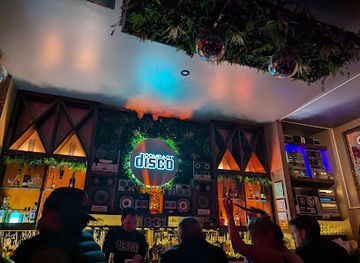
Compact Disco
Experience the lively nightlife at Compact Disco in Monterey, where vibrant atmosphere meets delicious drinks and memorable moments.
2 min walk · 0.1 km from neighbourhood centre

Best shops in Downtown Monterey
Shopping in downtown Monterey is centred on Alvarado Street, the surrounding historic blocks and the streets leading towards Custom House Plaza. Independent boutiques, gift shops, galleries, book-oriented retailers and artisanal businesses sit alongside practical local shops, giving the area a more individual character than a conventional enclosed shopping centre. Visitors can find California-themed crafts, coastal imagery, food gifts and design-led goods, although stock and businesses change over time. The Cooper-Molera Adobe grounds and other heritage sites contribute to the district's interest by combining interpretation with small-scale retail and cultural browsing. Seasonal community markets and events may bring local produce, crafts or makers into the central area, but their schedules should be checked locally. Cannery Row has a separate, more concentrated visitor-shopping scene nearby; downtown shopping is better understood as a dispersed mix of independent retail and historic streets.
-
Gift shop
The Feral Market
Explore The Feral Market in Monterey for unique gifts, local artisan crafts, and stylish clothing that embody the spirit of California's coastal charm.
2 min walk · 0.1 km from neighbourhood centre
-
Gift shop
Pirate's Cove
Explore unique souvenirs and local crafts at Pirate's Cove Gift Shop in Monterey's Fisherman's Wharf.
6 min walk · 0.5 km from neighbourhood centre
-
Gift shop
Maybe On Monday
Explore Maybe On Monday in Monterey for unique gifts, handcrafted jewelry, and local artwork that capture the essence of California's coastal charm.
4 min walk · 0.3 km from neighbourhood centre
-
Clothing store
Monterey Imports
Explore Monterey Imports, your gateway to unique fashion in the heart of Monterey, California, filled with stylish apparel and accessories.
3 min walk · 0.2 km from neighbourhood centre


Downtown Monterey essentials
Getting There
Getting Around
Safety
Emergency Situations
Do's and Don'ts
Local Tips

From Eve
Local phrases worth knowing
You don't need to get them perfect. A few words go a long way, and locals appreciate the effort.
Basics
| English | Local | Say it |
|---|---|---|
| Hello | Howdy | [haw-dee] |
| Goodbye | Adios | [ah-dee-ohs] |
| Yes | Yep | [yep] |
| No | Nope | [nohp] |
| Please/You're welcome | Please/You're welcome | [pleez/yur wel-kum] |
| Thank you | Thanks | [thanks] |
| Excuse me/Sorry | Excuse me/Sorry | [eks-kyooz mee/sor-ee] |
| How are you? | How's it going? | [hows it goh-ing?] |
| Fine. And you? | Good. You? | [good. yoo?] |
| Do you speak English? | Do you speak English? | [doo yoo speek ing-glish?] |
| I don't understand | I don't get it | [eye dohnt get it] |
Eating & Drinking
| English | Local | Say it |
|---|---|---|
| I'd like to see the menu, please | Can I check out the menu? | [kan eye chek out the men-yoo?] |
| I don't eat meat | I'm vegetarian | [eye-m veg-eh-tare-ee-an] |
| Cheers! | Cheers! | [cheers] |
| I would like to pay, please | Can I settle up, please | [kan eye set-ul up pleez] |
Emergencies
| English | Local | Say it |
|---|---|---|
| Help! | Help! | [help] |
| Go away! | Get lost! | [get lost] |
| Call the Police! | Call the Cops! | [call the cops] |
| Call a doctor! | Get a doctor! | [get a doctor] |
| I'm lost | I'm lost | [eye-m lost] |
| I'm ill | I'm sick | [eye-m sik] |
Shopping
| English | Local | Say it |
|---|---|---|
| I'd like to buy... | I want to buy... | [eye want to buy] |
| I'm just looking | I'm just browsing | [eye-m just brow-zing] |
| How much is it? | How much does it cost? | [how much duz it cost?] |
| That's too expensive | That's pricey | [thats prye-see] |
| Can you lower the price? | Can you bring the price down? | [kan yoo bring the price down?] |
Time & Numbers
| English | Local | Say it |
|---|---|---|
| What time is it? | What's the time? | [whats the time] |
| It's one o'clock | It's one | [its one] |
| Half past (10) | Half past ten | [half past ten] |
| Morning | Morning | [morning] |
| Afternoon | Afternoon | [afternoon] |
| Evening | Evening | [evening] |
| Yesterday | Yesterday | [yesterday] |
| Today | Today | [today] |
| Tomorrow | Tomorrow | [tomorrow] |
| 1 | One | [wun] |
| 2 | Two | [too] |
| 3 | Three | [three] |
| 4 | Four | [four] |
| 5 | Five | [five] |
| 6 | Six | [six] |
| 7 | Seven | [seven] |
| 8 | Eight | [ate] |
| 9 | Nine | [nine] |
| 10 | Ten | [ten] |
Transport & Directions
| English | Local | Say it |
|---|---|---|
| Where's a/the...? | Where's the...? | [wheres the] |
| What's the address? | What's the address? | [whats the address] |
| Can you show me (on the map)? | Can you show me (on the map)? | [kan yoo show me (on the map)] |
| When's the next (bus)? | When's the next (bus)? | [whens the next (bus)] |
| A ticket (to ....) | A ticket (to ....) | [a ticket (to)] |
History of Downtown Monterey
A Spanish Presidio and Mission Town
Monterey was founded in 1770 during Spain's expansion along the California coast, when a presidio and Mission San Carlos Borromeo were established beside Monterey Bay. The mission later moved inland to Carmel, while the presidio remained an important military and administrative presence in Monterey. The area now understood as downtown developed around this early settlement, its waterfront and the routes connecting military, religious and civilian activity. Spanish colonial planning, adobe construction and the relationship between civic buildings and open plazas left a lasting imprint on the central district.
Mexican Rule and the Custom House
After Mexican independence from Spain in 1821, Monterey became the capital of Alta California and an increasingly important port for coastal and international trade. The Custom House, begun in 1827 and completed in the following years, reflects the town's role in regulating goods entering the province and is widely regarded as California's oldest government building. Merchants, sailors and officials helped form the compact urban centre around the waterfront, while adobe homes and commercial premises extended inland along streets that remain part of downtown's historic landscape.
American Annexation and Civic Change
United States forces took Monterey in July 1846 during the Mexican-American War, and the town became the site of California's first constitutional convention in 1849. Delegates met at Colton Hall, a civic building constructed in the 1840s, to draft the constitution that preceded statehood in 1850. American administration brought new legal and commercial structures to the old Mexican capital, but downtown retained many earlier buildings and property lines. The juxtaposition of Colton Hall, Pacific House and the adobes records Monterey's transition from provincial capital to American city.
Preservation in the Historic Core
As Monterey developed in the twentieth century, the central district faced the pressures of modern roads, commercial change and new tourism. Local preservation efforts increasingly recognised the value of its adobe buildings, civic sites and waterfront history, leading to the interpretation of Monterey State Historic Park and the conservation of structures such as the Custom House, Pacific House and Cooper-Molera Adobe. Downtown's present identity comes from this combination of active commerce and protected heritage: restaurants, galleries and shops operate within a setting that still conveys the scale of the old town.
Downtown Monterey in Photos
Browse through our photo collection highlighting the charm and character of the destination.
Neighbourhoods near Downtown Monterey
The closest neighbourhoods to Downtown Monterey, if you have time for more than one stop.
-
-

-


Swipe for more neighbourhoods
Explore more
Explore more of Monterey
Monterey, California pairs Pacific views with the Monterey Bay Aquarium, Cannery Row, historic adobes, coastal wildlife and maritime heritage.
Explore Monterey