Background

Palo Alto Baylands Nature Preserve

Discover a serene escape in Palo Alto's Baylands Nature Preserve: a vast marshland teeming with wildlife, offering scenic trails and a tranquil connection to nature along the San Francisco Bay.

4.7

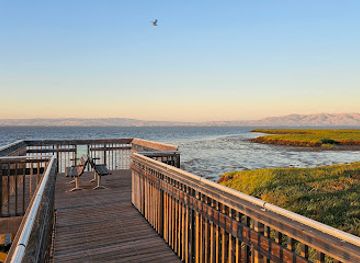
Escape the Silicon Valley bustle at the Palo Alto Baylands Nature Preserve, a sprawling 1,940-acre sanctuary of undisturbed marshland. This haven for wildlife offers 15 miles of multi-use trails, perfect for hiking, birdwatching, and enjoying panoramic views of the San Francisco Bay. The preserve's diverse habitats, from tidal and freshwater marshes to sloughs and grasslands, attract a stunning array of bird species, making it a renowned spot for birders. Explore the Lucy Evans Baylands Nature Interpretive Center, discover the Byxbee Park Hills, or simply soak in the tranquility of this natural gem. Whether you're a seasoned nature enthusiast or a casual visitor, the Baylands provides a refreshing escape and a chance to connect with the beauty of the Bay Area's ecosystem. Remember to bring your binoculars and keep an eye out for the endangered Ridgway's Rail!

A brief summary to Baylands Nature Preserve

Local tips

  • Bring binoculars for optimal birdwatching, especially during migratory seasons (fall and spring).
  • Wear layers, as Bay Area weather can change quickly from chilly and foggy to warm and sunny.
  • Check the tide charts before visiting to see the mudflats teeming with shorebirds during low tide.
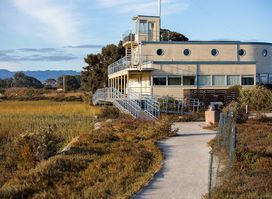
  • Visit the Lucy Evans Baylands Nature Interpretive Center to learn about the preserve's ecology and history.
  • Be aware that dogs are allowed on leash only, and are prohibited in special nesting areas.
widget icon

Getting There

  • Driving

    From Highway 101, take the Embarcadero Road exit and head east. Continue on Embarcadero Road for approximately 1.25 miles until you reach the Baylands Nature Preserve. Parking is available in several lots throughout the preserve, including near the Lucy Evans Baylands Nature Interpretive Center and the Palo Alto Duck Pond. Parking is free. Be aware that parking lots can fill up, especially on weekends. An alternative is to park near the Palo Alto Boat Launch area.

  • Public Transport

    While public transportation directly to the Baylands Nature Preserve is limited, the Palo Alto 'E' shuttle bus comes to the edge of the preserve. The closest stop is at the intersection of Embarcadero Road and Geng Road, approximately a 1.25-mile walk to the preserve's main areas. From this intersection, you can access trains and buses serving the entire Bay Area. Caltrain to California Avenue station, followed by a bus or taxi ride, is another option. A taxi/ride-share from the California Avenue Caltrain station to the Baylands will cost approximately $15-$20.

  • Walking/Biking

    If you are already in the vicinity of Palo Alto, consider walking or biking to the Baylands Nature Preserve. The preserve is accessible via the Bay Trail, a multi-use trail that encircles the San Francisco Bay. From downtown Palo Alto, head east on Embarcadero Road. The Baylands are easily accessible by bike from many parts of Palo Alto and surrounding cities, with dedicated bike lanes along Embarcadero Road. There are bike racks available at various locations within the preserve.

Unlock the Best of Baylands Nature Preserve

Buy tickets

    No tickets available

Book tours with entry

    No tours available

Book tours without entry

    No tours available

Discover more about Baylands Nature Preserve

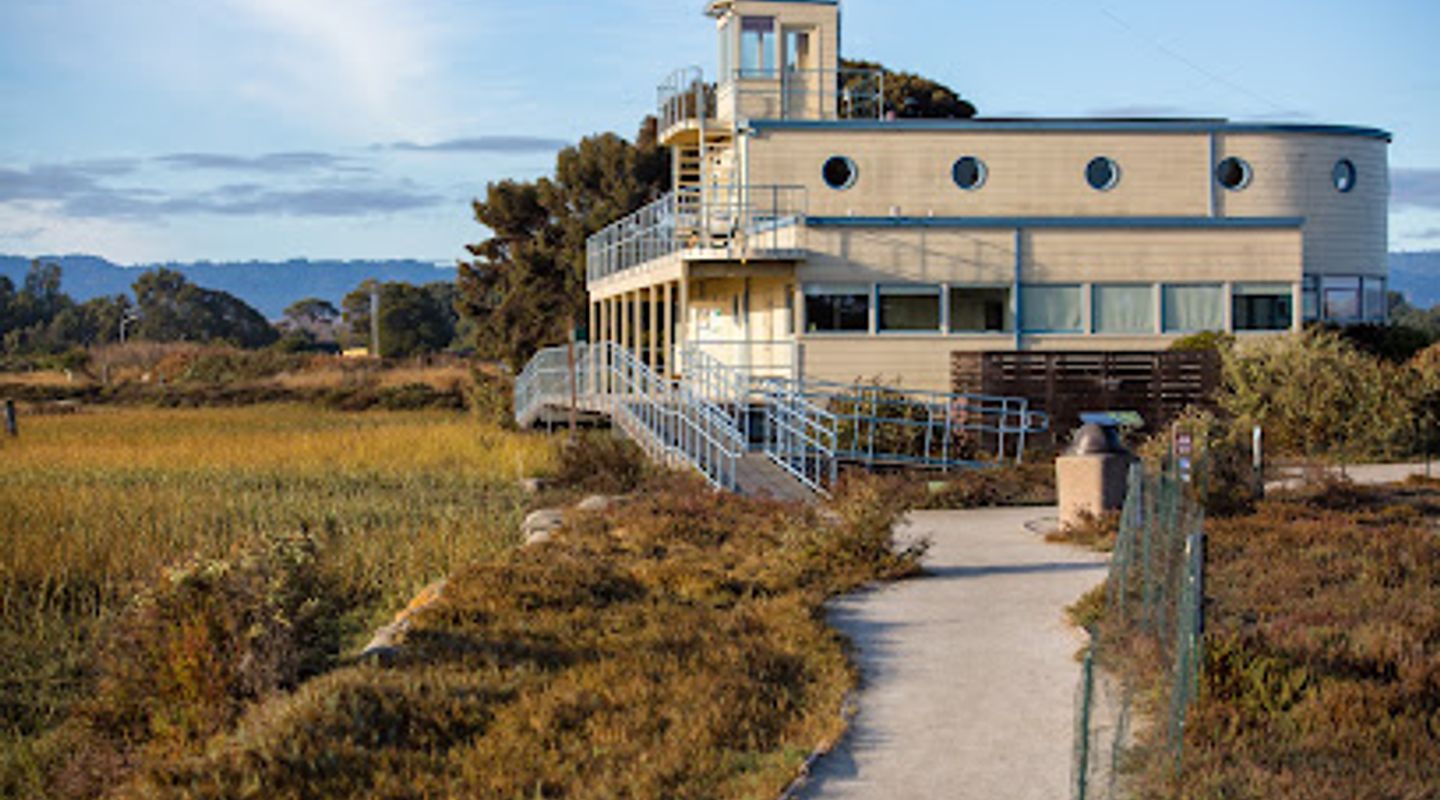
The Palo Alto Baylands Nature Preserve, officially known as the Baylands Nature Preserve, stands as the largest remaining tract of undisturbed marshland along the San Francisco Bay. Encompassing 1,940 acres in both Palo Alto and East Palo Alto, this natural haven offers a unique blend of tidal and freshwater habitats, attracting a diverse array of wildlife and providing a serene escape for visitors. Originally, the Baylands' salt marshes stretched far inland, providing essential resources for Native Americans and early settlers. In 1921, the City of Palo Alto initiated its stewardship of the area with the purchase of 40 acres. Over the decades, the Baylands evolved, with plans for recreational facilities like a yacht harbor and swimming pool, alongside essential infrastructure such as the Palo Alto Airport. In the 1960s, a shift towards conservation led to the Baylands being designated as parkland, preserving its natural beauty for future generations. The preserve boasts 15 miles of multi-use trails, inviting hikers, bikers, and nature enthusiasts to explore its diverse landscapes. The Lucy Evans Baylands Nature Interpretive Center serves as an educational hub, offering insights into the Baylands' ecology and history. The center's exhibits, designed with accessibility in mind, provide valuable information in both English and Spanish. A boardwalk extends from the center into the marsh, offering panoramic views and opportunities to observe the local wildlife. Birdwatching is a major draw, with the Baylands considered one of the best spots on the West Coast. The preserve's location along the Pacific Flyway makes it a crucial stopover for migratory birds, while a substantial resident population thrives year-round. Keep an eye out for the endangered Ridgway's Rail, a elusive species that calls the Baylands home. The Duck Pond, originally a saltwater swimming pool, now attracts a wide variety of waterfowl and gulls. Beyond birdwatching, the Baylands offers a range of recreational activities. Explore the Byxbee Park Hills, a unique landscape built on a former landfill, now transformed into a blend of nature and art. Visit the Baylands Sailing Station for opportunities to explore the sloughs and open bay by boat. Enjoy a picnic amidst the serene surroundings, or simply take a leisurely stroll along the trails, soaking in the tranquility of this natural oasis. The Baylands is not only a place of natural beauty but also a testament to conservation efforts. The Emily Renzel Wetlands, a restoration project completed in 1992, showcases the ongoing commitment to enhancing the Baylands' ecosystem. The Harriet Mundy Marsh stands as a reminder of the importance of community activism in preserving natural spaces. Whether you're a seasoned birder, a hiking enthusiast, or simply seeking a peaceful escape, the Palo Alto Baylands Nature Preserve offers a rich and rewarding experience. Its diverse habitats, abundant wildlife, and commitment to conservation make it a true gem of the San Francisco Bay Area. Visiting the Baylands is a journey through time, from its early days as a resource for indigenous peoples to its current role as a protected natural area. The preserve's history is intertwined with the story of Palo Alto itself, reflecting the city's evolution from a small town to a center of innovation and environmental awareness. The Baylands stands as a reminder of the importance of preserving natural spaces amidst urban development, offering a sanctuary for both wildlife and people. As you explore the Baylands, take a moment to appreciate the vision of John Fletcher Byxbee Jr., Palo Alto's City Engineer from 1906 to 1941, who first conceived of the area as a recreational space. His legacy lives on in the Byxbee Park Hills, a testament to his commitment to creating a vibrant and accessible community. The Baylands is also a tribute to the dedication of individuals like Lucy Evans and Harriet Mundy, whose tireless efforts helped to protect this precious natural resource from commercial development. The Baylands is more than just a park; it's a living laboratory, a place where visitors can learn about the delicate balance of the Bay Area's ecosystem and the importance of conservation. Whether you're observing migratory birds, exploring the marshland trails, or simply enjoying the peace and quiet, the Baylands offers a unique opportunity to connect with nature and appreciate the beauty of the San Francisco Bay.

Popular Experiences near Baylands Nature Preserve

Popular Hotels near Baylands Nature Preserve

Select Currency