Serenity in San Diego: The Japanese Friendship Garden
Discover a serene oasis in Balboa Park: Immerse yourself in Japanese culture, wander through tranquil gardens, and experience the beauty of San Diego's Japanese Friendship Garden.
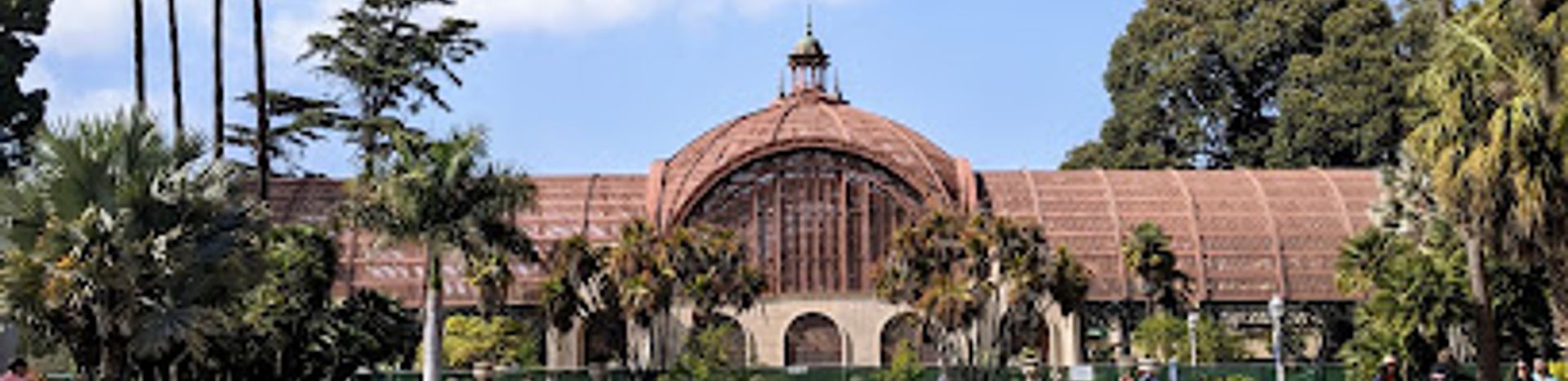
Escape the bustle of San Diego at the Japanese Friendship Garden, a 12-acre oasis nestled in Balboa Park. This meticulously designed garden, also known as San-Kei-En, embodies the spirit of friendship between San Diego and its sister city, Yokohama. Wander through diverse landscapes showcasing Japanese horticultural techniques adapted to the Californian climate. Discover koi ponds teeming with life, serene Zen gardens perfect for meditation, and the tranquil Inamori Pavilion. Experience seasonal delights, from the vibrant Cherry Blossom Festival to year-round cultural programs, including tea ceremonies and ikebana workshops. Whether seeking a peaceful retreat or cultural immersion, the Japanese Friendship Garden offers a unique and enriching experience for all visitors, fostering a deeper appreciation for Japanese aesthetics and the enduring bond between two cities.
A brief summary to Japanese Friendship Garden and Museum
- 2215 Pan American E Rd, San Diego, Balboa Park, California, 92101, US
- +1619-232-2721
- Visit website
Local tips
- Visit during the annual Cherry Blossom Festival in spring for a spectacular display of blooming cherry trees and traditional Japanese cultural performances.
- Check the garden's event calendar for workshops on ikebana, calligraphy, or tea ceremonies to deepen your understanding of Japanese arts.
- Take advantage of the free admission for San Diego residents on the third Tuesday of each month.
- Allow at least 2-3 hours to fully explore the garden's diverse landscapes, including the upper and lower gardens, koi pond, and Zen garden.
- Be mindful of photography rules; permits are required for professional equipment during public hours.

Getting There
-
Public Transport
Several MTS (Metropolitan Transit System) bus routes serve Balboa Park. Routes 3, 7, 120, and Rapid 215 have stops on the east and west sides of the park. From downtown, Rapid 215 and Route 7 are convenient options, utilizing dedicated bus lanes on Park Boulevard. Exit at the Park Blvd and Zoo Pl stop, a short walk from the Japanese Friendship Garden. A one-way fare is $2.50, but using the PRONTO app allows for unlimited transfers within two hours. Youth 18 and under ride free with a Youth Opportunity Pass.
-
Free Tram
Take advantage of the free Balboa Park Tram, which operates daily from Inspiration Point (Park Blvd and Presidents Way). The tram runs every 10-15 minutes and stops at the Plaza de Panama, a short walk to the garden. The tram is free and ADA accessible.
-
Driving
Parking in Balboa Park is free, but can be challenging during peak times. Several lots are available, including Inspiration Point, the Organ Pavilion lot, and the Natural History Museum lot. From the main parking areas, follow signs towards the Japanese Friendship Garden. Be aware that traffic can be heavy, especially during events. Consider using Inspiration Point and the free tram to avoid parking hassles.
-
Taxi/Ride-Share
Taxis, Ubers, and Lyfts can drop off and pick up passengers at the central traffic circle by the Pan American Plaza. From there, it's a short walk to the Japanese Friendship Garden. Expect to pay around $10-15 for a ride from downtown San Diego, depending on traffic.
Discover more about Japanese Friendship Garden and Museum
Iconic landmarks you can’t miss

House of England
0.2 km
Explore the House of England in San Diego's Balboa Park, a cultural gem celebrating British heritage with engaging exhibits and community events.
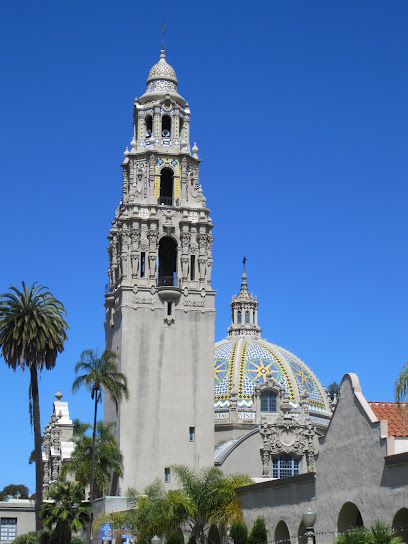
Museum of Us
0.3 km
Explore the rich tapestry of human culture and history at the Museum of Us in Balboa Park, San Diego—a unique destination for curious travelers.
Cabrillo Bridge
0.4 km
Discover the beauty and history of Cabrillo Bridge, an architectural gem in Balboa Park, San Diego, perfect for memorable walks and breathtaking views.
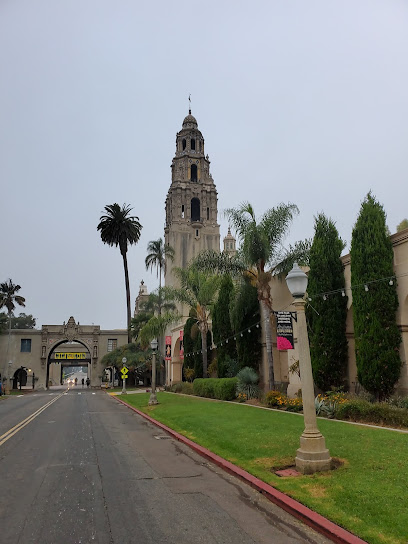
San Diego Air & Space Museum
0.6 km
Explore the wonders of aviation and space at the San Diego Air & Space Museum, where history meets innovation in a stunning setting.
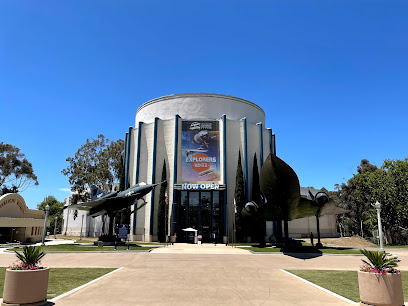
San Diego Zoo
0.7 km
Discover a world of wildlife and botanical wonders at the San Diego Zoo, a leading conservation organization committed to protecting endangered species and inspiring a passion for nature.
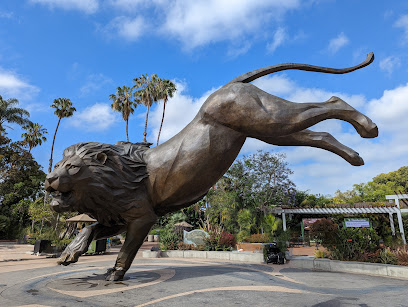
Balboa Park
0.7 km
Discover Balboa Park: A cultural paradise in San Diego with stunning gardens, historic museums, and vibrant events for every traveler.
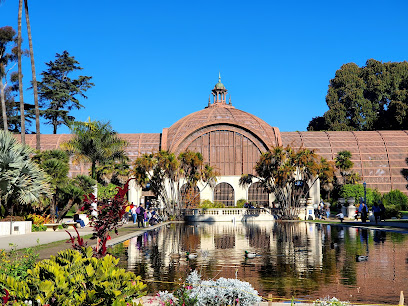
San Diego Old Fire Alarm Communications Building
0.9 km
Discover the San Diego Old Fire Alarm Communications Building, a historical landmark showcasing the evolution of fire safety in a picturesque park setting.
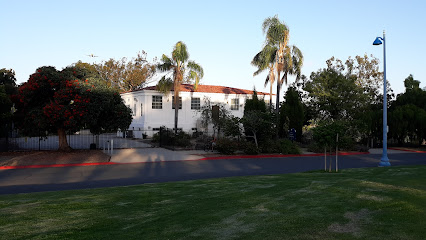
Long-Waterman House
1.3 km
Explore the Long-Waterman House, a historical landmark in San Diego's Bankers Hill, where timeless architecture meets lush gardens and rich history.
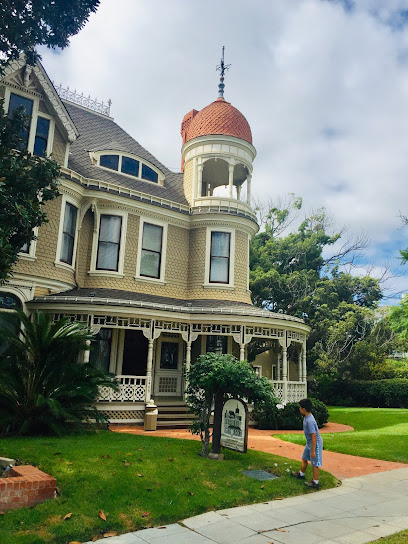
Golden Hill Fountain Grotto
1.4 km
Explore the Golden Hill Fountain Grotto, a serene historical landmark in Balboa Park, San Diego, blending stunning architecture with tranquil nature.
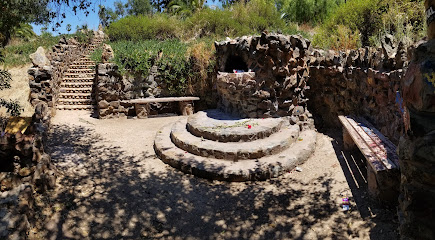
Marston House
1.5 km
Explore Marston House in San Diego for a captivating journey through early 20th-century architecture and rich local history amidst beautiful gardens.
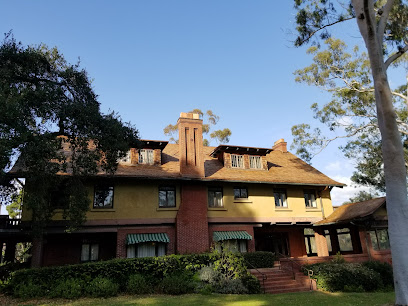
Coulter House
1.6 km
Explore the historical charm of Coulter House in San Diego, a stunning landmark near the iconic Spruce Street Suspension Bridge, revealing the city's rich past.
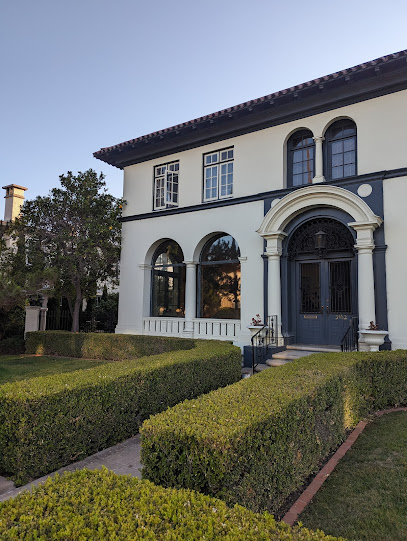
Amici House
1.7 km
Discover the Italian heritage of San Diego at Amici House, a cultural center that highlights the rich history and traditions of the Italian community.
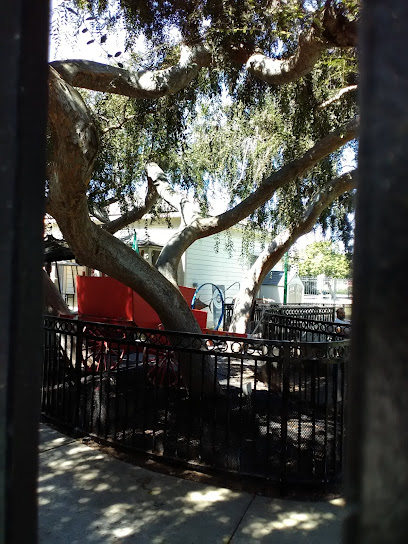
Our Lady of the Rosary Catholic Church
1.8 km
Discover the architectural beauty and tranquil atmosphere of Our Lady of the Rosary Catholic Church in Downtown San Diego, a must-visit spiritual landmark.
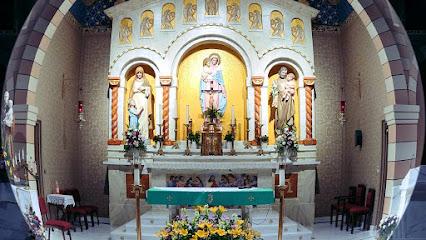
Spruce Street Suspension Bridge
1.8 km
Discover the Spruce Street Suspension Bridge, a historic landmark in San Diego offering breathtaking views and a serene atmosphere for all visitors.
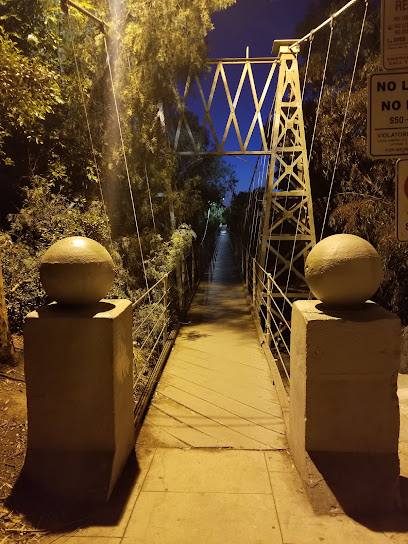
Piazza Basilone
1.8 km
Discover the serene Piazza Basilone in downtown San Diego, a historical landmark honoring WWII hero John Basilone amidst tranquil gardens.
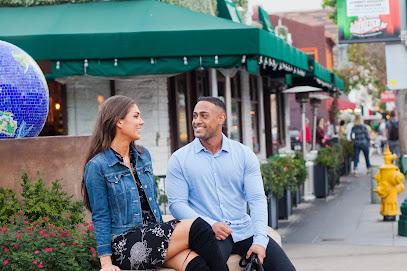
Unmissable attractions to see

Casa del Rey Moro Garden
0.1 km
Experience the enchanting beauty of Casa del Rey Moro Garden in Balboa Park, where Moorish design meets stunning natural landscapes.
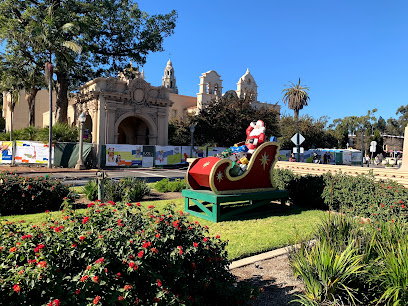
Spreckels Organ Pavilion
0.1 km
Discover the enchanting Spreckels Organ Pavilion in Balboa Park, where music meets stunning architecture in a vibrant outdoor setting.
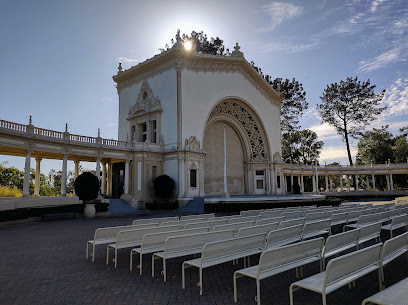
El Cid Campeador Statue
0.1 km
Discover the El Cid Campeador Statue, a magnificent sculpture in Balboa Park, celebrating Spanish heritage and artistry amidst stunning surroundings.
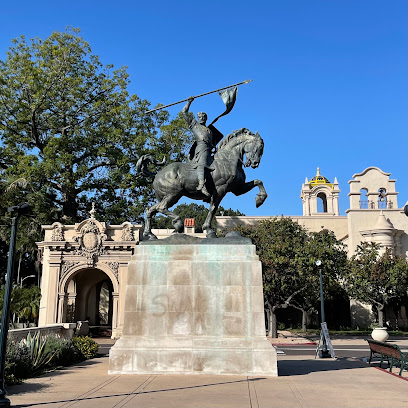
The Prado at Balboa Park
0.1 km
Experience exquisite Californian cuisine in the heart of Balboa Park, where culinary artistry meets stunning landscapes.
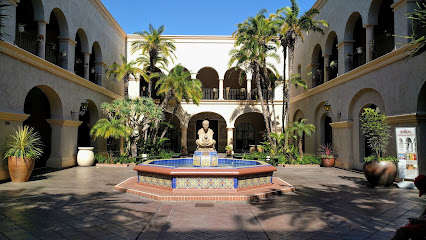
Spreckels Organ Society
0.1 km
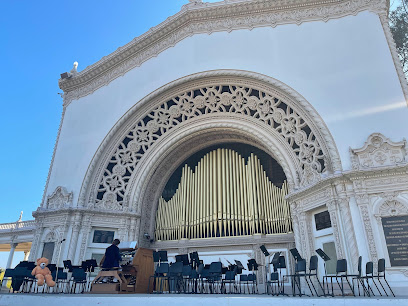
Experience majestic outdoor concerts at the Spreckels Organ Society, featuring one of the largest pipe organs in the world in beautiful Balboa Park.
1549 El Prado
0.1 km
Explore Balboa Park's stunning architecture, lush gardens, and world-class museums in the heart of San Diego, California.

Plaza de Panama
0.1 km
Explore the iconic Plaza de Panama at Balboa Park, a cultural and historical landmark in San Diego, filled with art, gardens, and captivating architecture.
Balboa Park Visitors Center
0.1 km
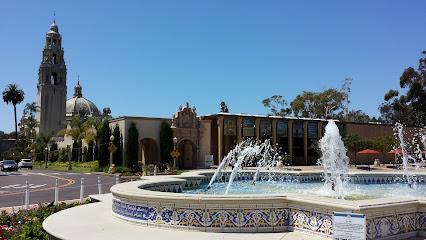
Explore Balboa Park's cultural treasures at the Visitors Center, your essential guide to San Diego's iconic park experience.
Balboa Park Explorer
0.1 km
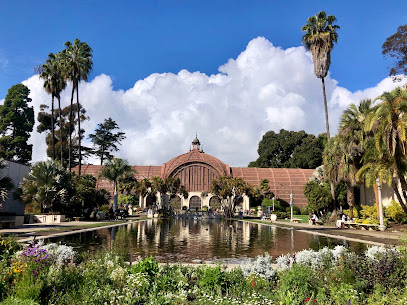
Discover Balboa Park Explorer: A Cultural Oasis with Gardens, Museums, and History in San Diego.
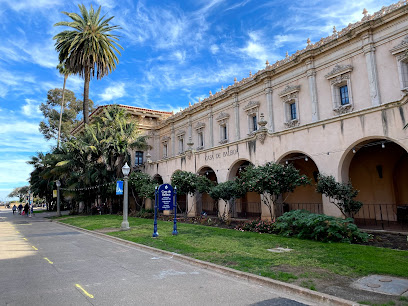
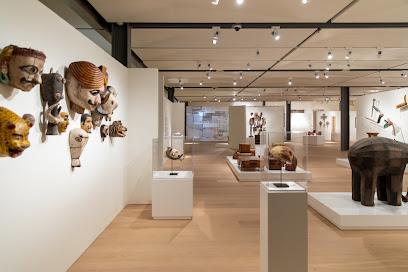
Mingei International Museum
0.1 km
Discover the Mingei International Museum in Balboa Park, where folk art and craftsmanship from around the world come to life in an inspiring setting.
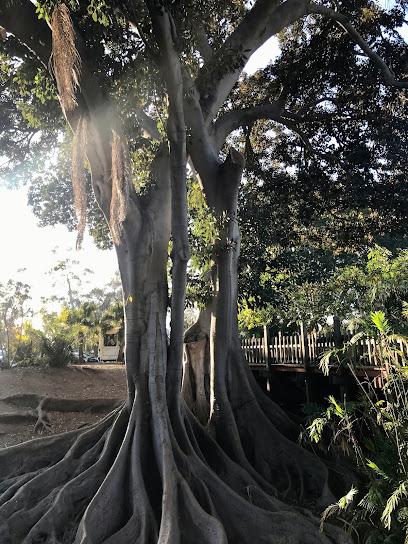
Palm Canyon Trail
0.1 km
Discover the breathtaking beauty of Palm Canyon Trail, a serene hiking area in San Diego's Balboa Park, perfect for nature lovers and adventure seekers alike.
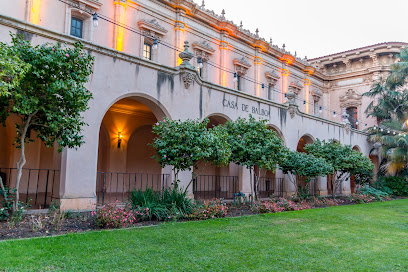
Casa de Balboa
0.2 km
Discover Casa de Balboa, a stunning historical landmark in Balboa Park, showcasing San Diego's rich cultural heritage and artistic treasures.
ICA San Diego / Central
0.2 km
Discover contemporary creativity and cultural dialogue at ICA San Diego, a vibrant art center in the heart of Balboa Park.
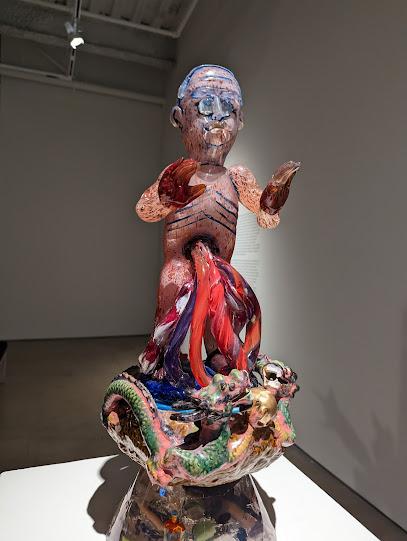
Museum of Photographic Arts at The San Diego Museum of Art
0.2 km
Explore the Museum of Photographic Arts in San Diego, a vibrant hub of photography and multimedia art nestled within Balboa Park.
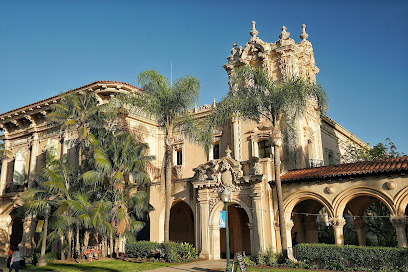
San Diego Model Railroad Museum
0.2 km
Discover the intricate world of trains at the San Diego Model Railroad Museum in Balboa Park, a must-see for tourists and families alike.
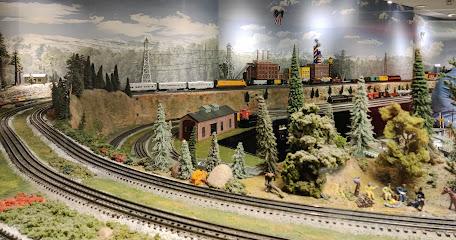
Essential places to dine

Prado
0.1 km
Discover the exquisite flavors of Californian cuisine at Prado in Balboa Park – where great food meets stunning scenery.
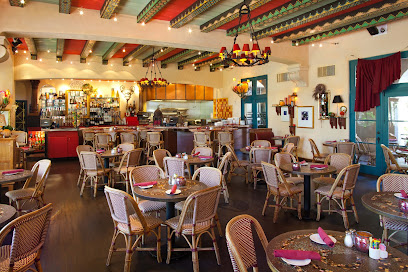
Panama 66
0.2 km
Discover Panama 66 in Balboa Park – where American flavors meet artistic ambiance amidst stunning surroundings.
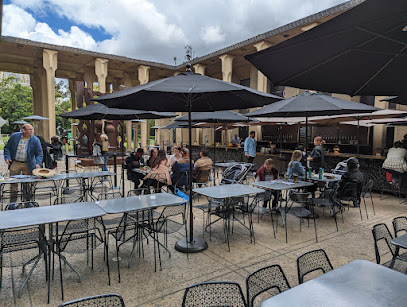
Busy Bee Cafe
0.5 km
Experience family-friendly dining at Busy Bee Cafe in San Diego Zoo, offering delicious American cuisine amid thrilling wildlife adventures.
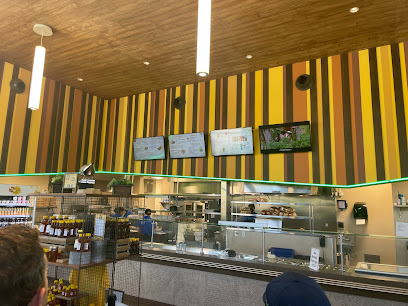
Sweet Shack
0.5 km
Discover Sweet Shack in Balboa Park: a must-visit American restaurant offering delightful dishes and a cozy atmosphere for all visitors.
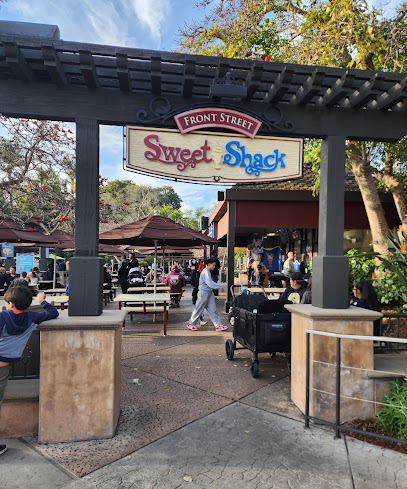
Safari Kitchen
0.5 km
Discover delicious hamburgers at Safari Kitchen in San Diego's Balboa Park – where taste meets adventure.
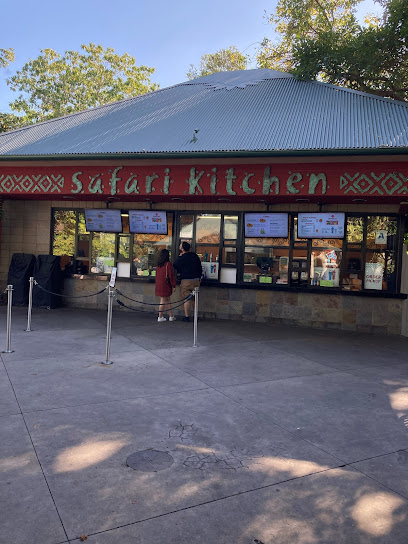
Albert's Restaurant
0.5 km
Experience delightful American cuisine at Albert's Restaurant in San Diego Zoo—perfect for families seeking great food amid wildlife.
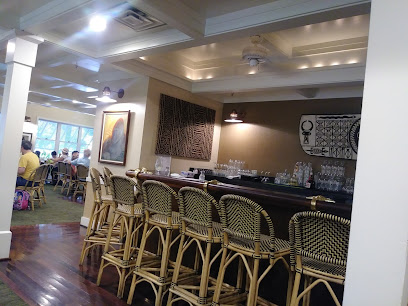
Sabertooth Grill
0.9 km
Experience delightful American cuisine amidst the beauty of Balboa Park at Sabertooth Grill – perfect for families and tourists alike.
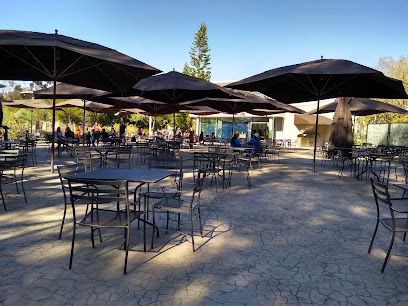
Mister A's
1.0 km
Experience fine dining at its best with stunning views at Mister A's in San Diego - where American meets French cuisine.
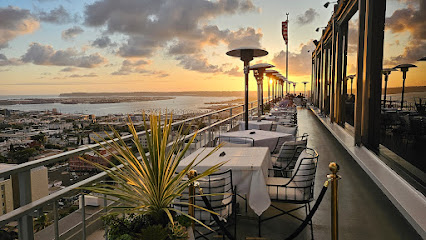
Parc Bistro-Brasserie
1.1 km
Discover authentic French cuisine at Parc Bistro-Brasserie in San Diego - your destination for delightful breakfasts, brunches, and seafood specialties.
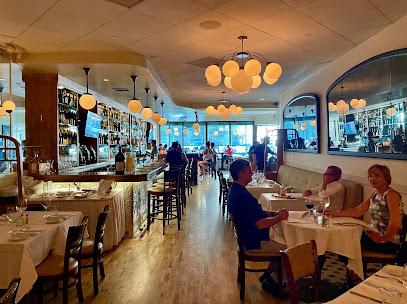
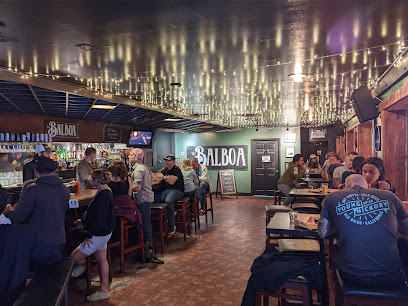
The Balboa
1.1 km
Discover the vibrant flavors of San Diego at The Balboa Grill & Bar – where great food meets friendly service.
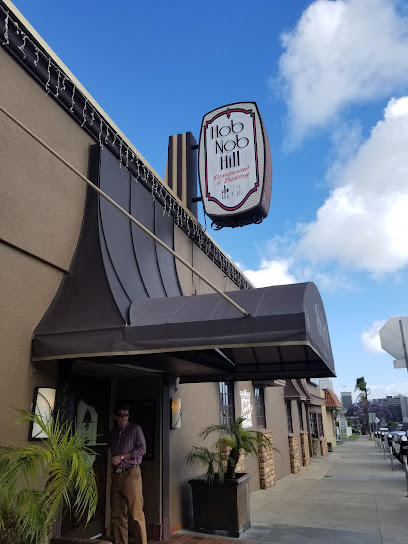
Hob Nob Hill
1.3 km
Discover the charm of Hob Nob Hill in San Diego: where classic American comfort food meets cozy diner vibes.
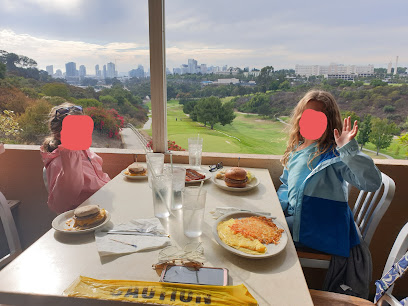
Tobeys 19th Hole Restaurant
1.3 km
Discover delicious American breakfast at Tobeys 19th Hole Restaurant in Balboa Park, where quality meets affordability.
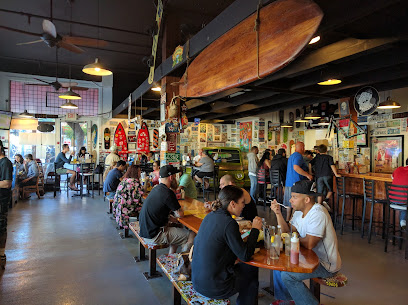
Hodad's Downtown
1.7 km
Experience the best of San Diego’s burger scene at Hodad's Downtown – where flavor meets fun in every bite.
GlassDoor Restaurant
1.8 km
Experience authentic Mexican flavors in the heart of San Diego at GlassDoor Restaurant—where delicious food meets vibrant culture.
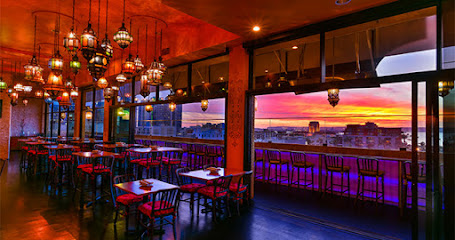
House of Blues Restaurant & Bar
1.8 km
Discover the vibrant fusion of live music and Southern cuisine at House of Blues Restaurant & Bar in San Diego's lively Downtown.
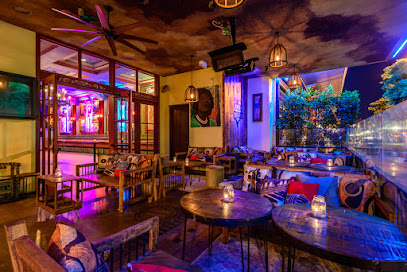
Markets, malls and hidden boutiques

Bibliotique
0.2 km
Explore Bibliotique in Balboa Park, San Diego for unique gifts, artisan crafts, and memorable souvenirs reflecting the local culture.
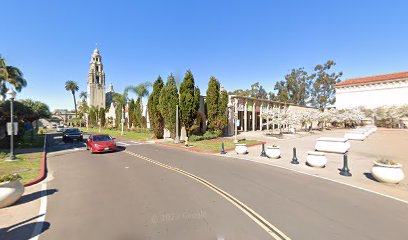
United Nations International Gift Shop
0.2 km
Explore the United Nations International Gift Shop in San Diego for unique gifts, books, and clothing that celebrate global cultures and promote peace.
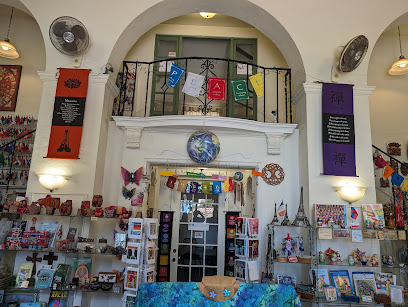
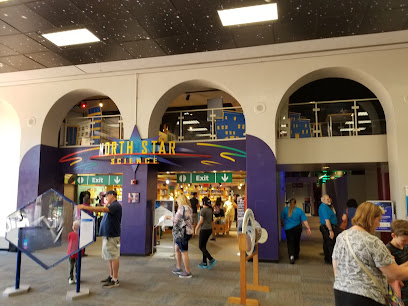
North Star Science Store
0.3 km
Explore the North Star Science Store in Balboa Park, a unique gift shop filled with science-themed treasures for curious minds and adventurers.
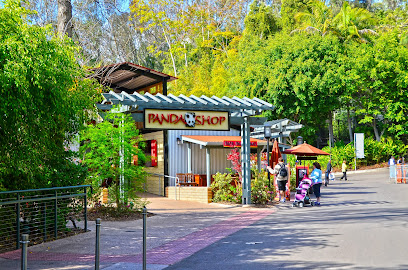
Panda Shop
0.6 km
Discover unique panda-themed gifts and local crafts at the charming Panda Shop in San Diego's Balboa Park, perfect for all ages.
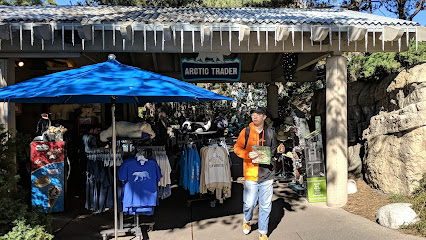
Arctic Trader
0.6 km
Discover unique gifts and souvenirs that celebrate San Diego's wildlife at Arctic Trader, located in beautiful Balboa Park.
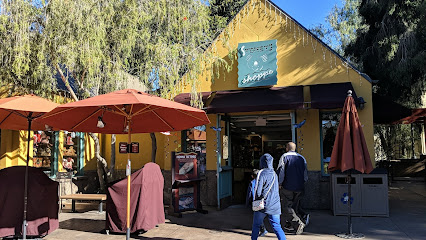
Sydney's Shoppe
0.8 km
Discover unique gifts and souvenirs at Sydney's Shoppe, the charming gift shop in San Diego's iconic Balboa Park.
Tusker's Trunk
0.9 km
Uncover unique wildlife-themed souvenirs and gifts at Tusker's Trunk, the charming shop in San Diego Zoo, perfect for all ages.
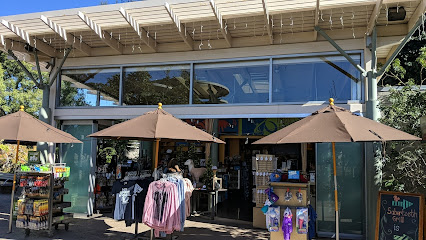
Rosamariposa
1.8 km
Explore Rosamariposa, a charming gift shop in Downtown San Diego, offering unique treasures that capture the essence of local artistry and culture.
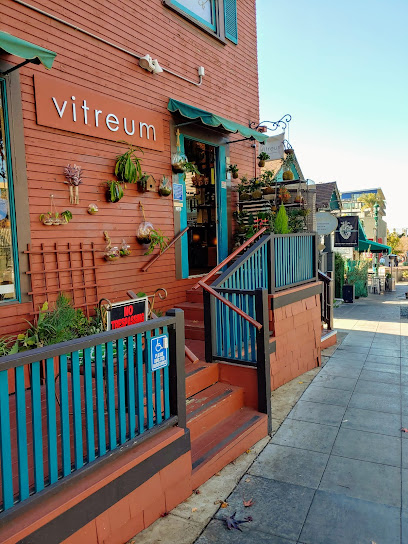
Vitreum
1.8 km
Explore Vitreum, San Diego's unique gift shop offering locally crafted treasures and artisanal gifts that capture the city's vibrant spirit.
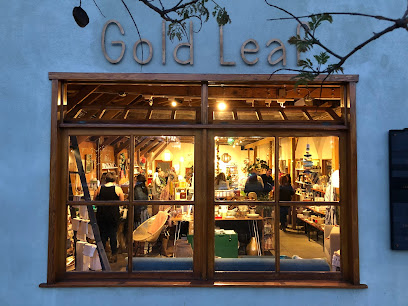
Gold Leaf
1.9 km
Explore Gold Leaf in South Park, San Diego - a charming gift shop offering unique home goods, children's toys, and stylish furniture for every taste.
Bad Madge & Co.
1.9 km
Explore a curated collection of vintage clothing and unique furniture at Bad Madge & Co. in San Diego's charming South Park neighborhood.
Stroll
2.0 km
Explore Stroll Boutique in Downtown San Diego for unique fashion and gifts that embody the coastal charm of California.
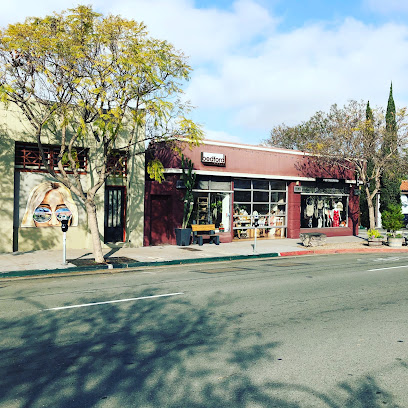
Dream Boutique
2.1 km
Explore Dream Boutique in San Diego's Gaslamp Quarter for unique women's fashion, jewelry, and art that celebrates local creativity.
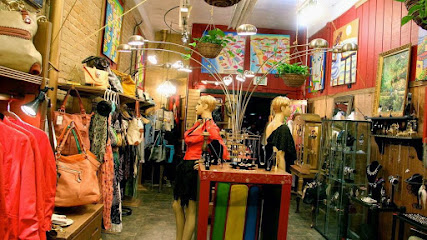
Wotown Vintage
2.2 km
Explore Wotown Vintage in San Diego: A unique fusion of vintage clothing, local art, and skate culture awaits you.
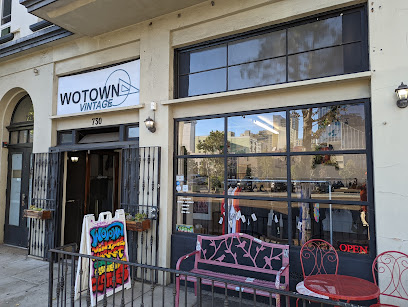
Wild Dove Boutique
2.2 km
Explore Wild Dove Boutique in Downtown San Diego for trendy clothing and accessories that capture the essence of modern fashion.

Essential bars & hidden hideouts

Lady Carolyn's Pub
0.3 km
Experience the charm of Lady Carolyn's Pub in Balboa Park, where cozy ambiance meets delightful beverages in San Diego's cultural heart.
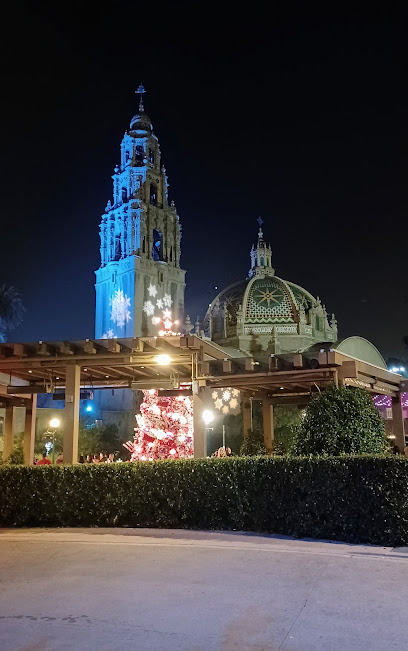
The Corner Drafthouse
1.0 km
Experience the best of Californian cuisine and craft beer at The Corner Drafthouse, a vibrant bar and restaurant in San Diego's Bankers Hill.
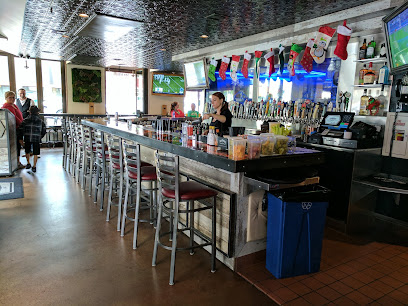
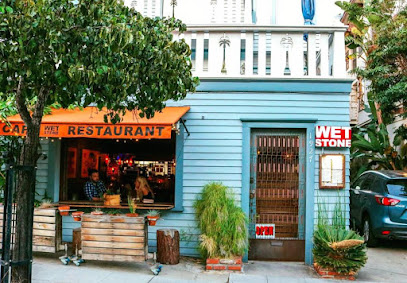
Wet Stone Wine Bar & Cafe
1.1 km
Discover the exquisite flavors and cozy ambiance at Wet Stone Wine Bar & Cafe, a San Diego dining destination for wine lovers and food enthusiasts alike.
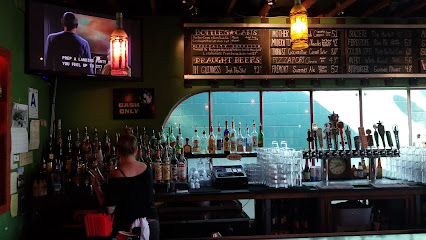
Whistle Stop Bar
1.9 km
Experience the vibrant culture of South Park at Whistle Stop Bar, where live music meets a laid-back atmosphere in San Diego.
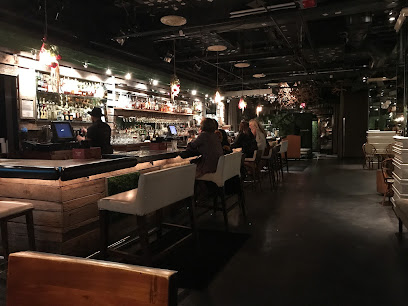
Vin de Syrah
1.9 km
Discover the enchanting Vin de Syrah, a premier wine bar in San Diego's Gaslamp Quarter, offering exquisite wines and an inviting atmosphere.
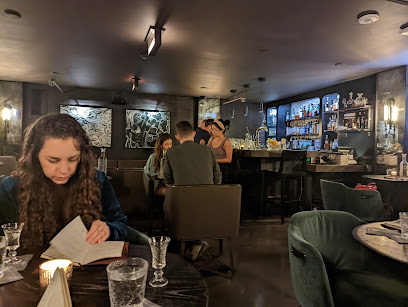
Room 56
2.0 km
Experience the vibrant nightlife at Room 56, San Diego's top cocktail bar, featuring innovative drinks and a stylish atmosphere.
Gaslamp Tavern
2.0 km
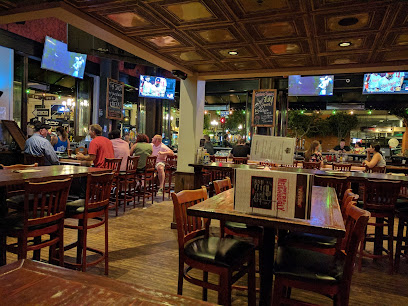
Experience the lively atmosphere of Gaslamp Tavern, where great food and sports combine in the heart of San Diego's Gaslamp Quarter.
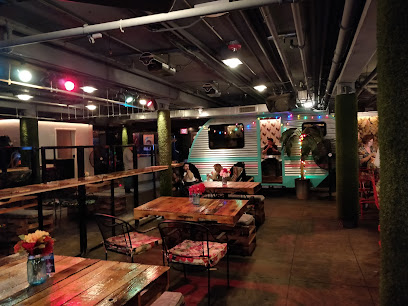
Trailer Park After Dark
2.0 km
Discover the quirky charm of Trailer Park After Dark, a unique bar and restaurant in San Diego's Gaslamp Quarter offering creative cocktails and delicious food.
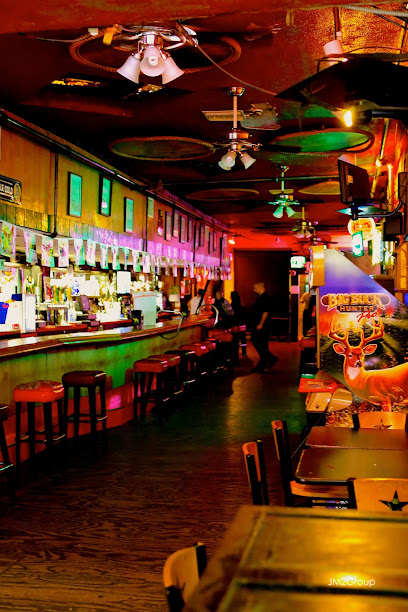
Star Bar
2.0 km
Discover the excitement of Star Bar in San Diego's Gaslamp Quarter, where karaoke and sports come together for an unforgettable nightlife experience.
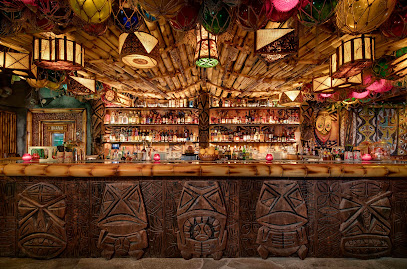
False Idol
2.1 km
Discover False Idol, a tiki bar in San Diego offering exotic cocktails and an immersive island atmosphere that delights every visitor.
The Tipsy Crow
2.1 km
Experience the vibrant nightlife at The Tipsy Crow, a top bar in San Diego's Gaslamp Quarter, offering drinks, bites, and unforgettable memories.
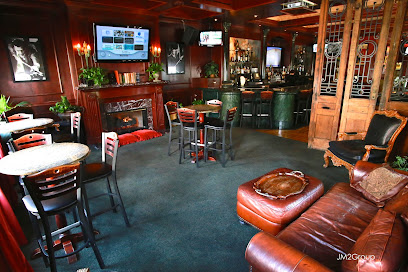
Noble Experiment
2.1 km
Discover Noble Experiment, an upscale speakeasy bar in San Diego offering craft cocktails and a unique prohibition-era experience in a hidden setting.
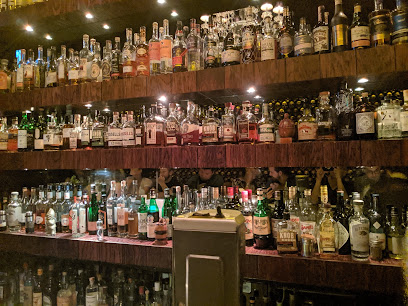
Neighborhood
2.1 km
Discover the vibrant flavors of San Diego at this dynamic gastropub, where gourmet cuisine meets a lively bar atmosphere.
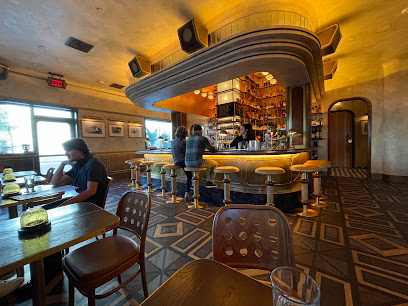
Young Blood
2.1 km
Discover Young Blood, the cocktail bar in Downtown San Diego where vintage charm meets innovative mixology for an unforgettable nightlife experience.
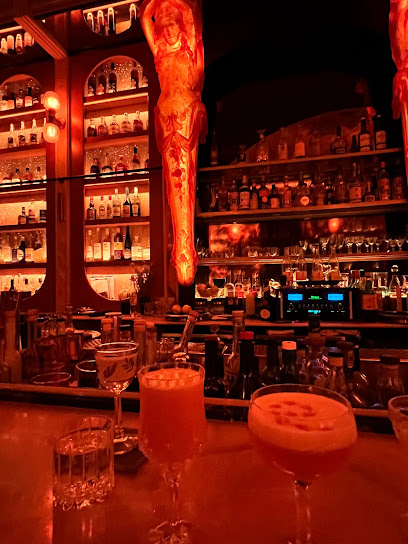
Whiskey Girl
2.2 km
Experience the vibrant nightlife at Whiskey Girl, a top sports bar and live music venue in San Diego's Gaslamp Quarter.