The Mushroom Beach House: La Jolla's Coastal Enigma
Discover La Jolla's iconic Mushroom Beach House: A futuristic coastal landmark with stunning views and a unique history, nestled beneath dramatic cliffs.
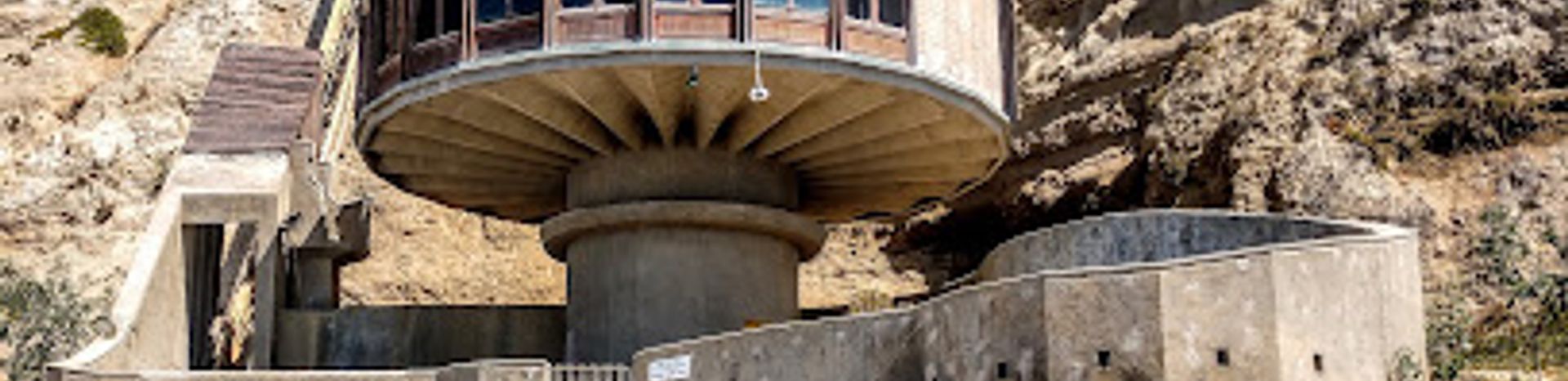
The Mushroom Beach House, also known as the Bell Pavilion, is a striking architectural oddity nestled at the base of the cliffs along Black's Beach in La Jolla. Designed by Dale Naegle in 1968 for Sam Bell of Bell's Potato Chips, this futuristic-looking structure resembles a mushroom, hence its nickname. Built to withstand the elements, including potential landslides and earthquakes, the house features a unique circular design and panoramic ocean views. While the tramway that once provided access from the cliffs above is no longer in operation and the house is currently uninhabited, the Mushroom House remains a captivating landmark and a testament to innovative coastal architecture, drawing curious visitors to the beach below. Its unique design and somewhat isolated location make it a must-see for architecture enthusiasts and beachgoers alike, offering a glimpse into La Jolla's quirky and unconventional side.
A brief summary to Mushroom Beach House
- 9036 La Jolla Shores Ln, La Jolla, La Jolla, California, 92037, US
Local tips
- Check the tide charts before visiting; access to the Mushroom House is easiest during low tide.
- Wear comfortable shoes for the hike down to Black's Beach, as the trail can be steep and uneven.
- Bring water and snacks, as there are no facilities on Black's Beach.
- Be aware that Black's Beach is known as a clothing-optional beach, though this is not officially sanctioned.
- Consider visiting the nearby Salk Institute for another architectural marvel in the La Jolla area.

Getting There
-
Walking
The Mushroom Beach House is best accessed by walking along Black's Beach from either La Jolla Shores or Torrey Pines State Beach. From La Jolla Shores, walk north along the beach for approximately 20 minutes, passing the Scripps Pier. The house will be visible at the base of the cliffs. Be mindful of the tide, as portions of the beach may be impassable during high tide. There are no associated costs for accessing the beach.
-
Public Transport
If arriving by public transport, take MTS Bus Route 30 to La Jolla Shores Dr & Calle Frescota. From there, walk west towards the beach and follow the walking directions above. A single ride on the bus costs $2.50. Alternatively, take the UC San Diego Blue Line Trolley to the Voigt Drive station. From there, you can take a short bus ride or rideshare to La Jolla Shores.
-
Taxi/Ride-Share
From central La Jolla, a taxi or ride-share to the La Jolla Shores beach parking lot will cost approximately $15-20. From there, follow the walking directions above. Parking at the La Jolla Shores parking lot is free, but spaces are limited, especially during peak season.
Discover more about Mushroom Beach House
Iconic landmarks you can’t miss

New Scripps/Administration Building
0.8 km
Explore the New Scripps Administration Building, a cornerstone of marine science and research in the stunning coastal setting of La Jolla, California.
La Jolla Project
1.1 km
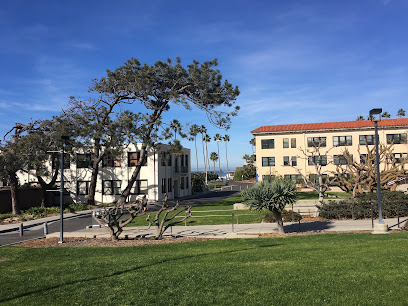
Explore the La Jolla Project, a stunning outdoor sculpture collection in San Diego that merges contemporary art with breathtaking coastal views.
Sun God
1.4 km
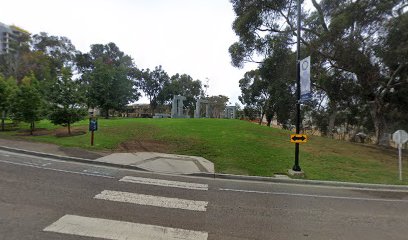
Discover the 'Sun God' sculpture in La Jolla, California—an iconic artwork that embodies creativity and cultural vibrancy amidst stunning surroundings.
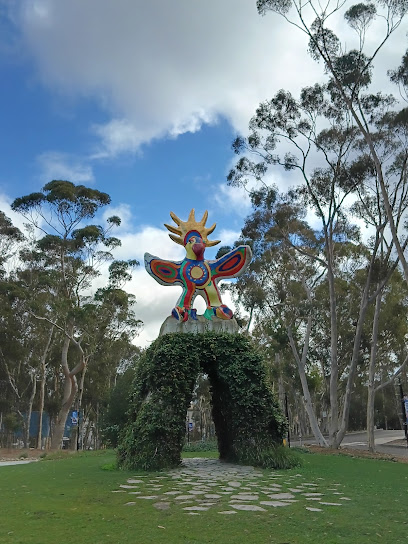
Salk Institute for Biological Studies
1.8 km
Explore the Salk Institute for Biological Studies, where cutting-edge research meets stunning architecture amidst the breathtaking coastal landscape of La Jolla.
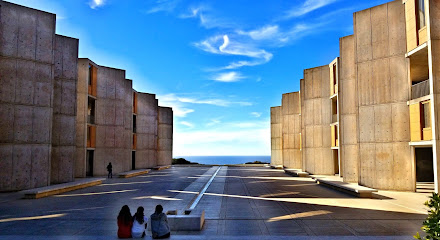
Epstein Family Amphitheater
1.9 km
Discover the Epstein Family Amphitheater in La Jolla, where nature meets live music for an unforgettable cultural experience.
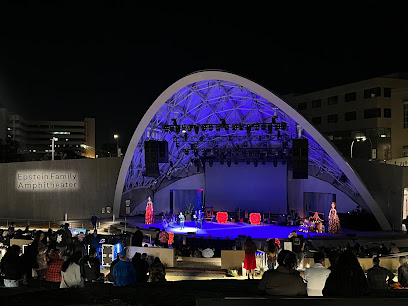
Tombstones memorials
3.0 km
Explore the Tombstones Memorials in La Jolla, a serene tribute to legendary watermen, beautifully set against California's stunning coastline.
The Cave Store
3.1 km
Discover The Cave Store in La Jolla, California – a unique blend of adventure, shopping, and breathtaking coastal views.
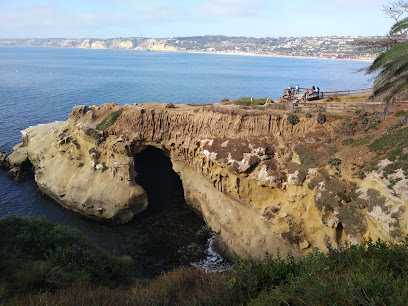
Sunny Jim's Sea Cave
3.1 km
Explore Sunny Jim's Sea Cave in La Jolla, a unique natural wonder showcasing stunning coastal views and diverse marine life.
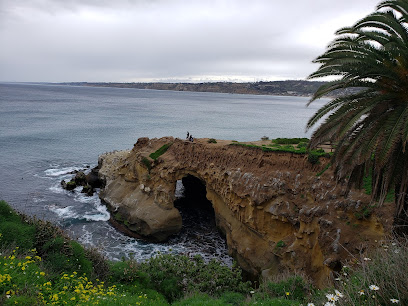
Lifeguard La Jolla Cove
3.1 km
Discover the stunning beauty of Lifeguard La Jolla Cove, a coastal paradise perfect for sunbathing, swimming, and exploring vibrant marine life.
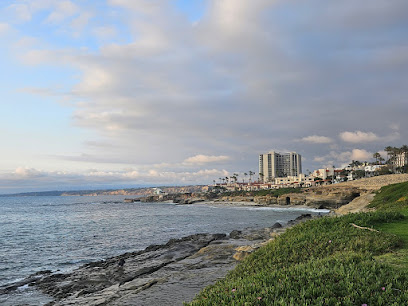
Boomer Beach
3.1 km
Experience the tranquil beauty of Boomer Beach in La Jolla, San Diego, where golden sands, stunning sunsets, and a vibrant community await you.
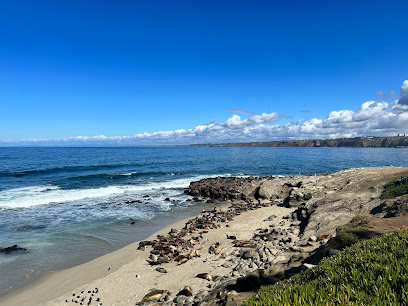
Legends Gallery
3.2 km
Discover the artistic soul of La Jolla at Legends Gallery, featuring stunning art collections and a vibrant atmosphere.
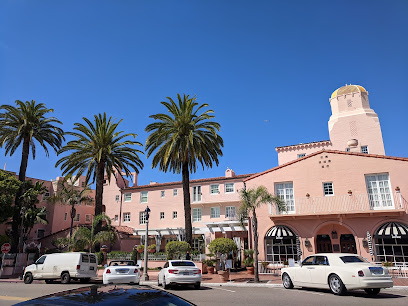
Ellen Browning Scripps Park
3.2 km
Discover the beauty of Ellen Browning Scripps Park, a serene coastal escape in La Jolla, perfect for relaxation, picnics, and stunning ocean views.
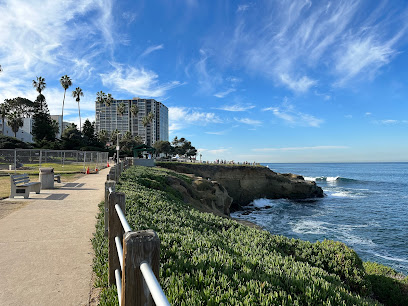
Shell Beach
3.4 km
Explore the hidden gem of Shell Beach in La Jolla, California, where stunning ocean views, tide pools, and tranquility await.
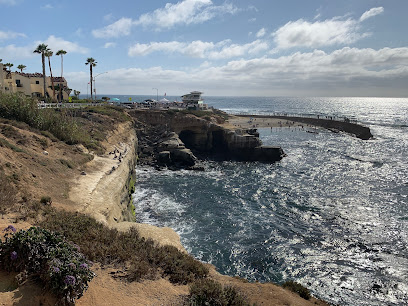
Soledad Mountain
3.6 km
Explore the breathtaking Soledad Mountain in La Jolla, where stunning views of San Diego and outdoor adventures await.
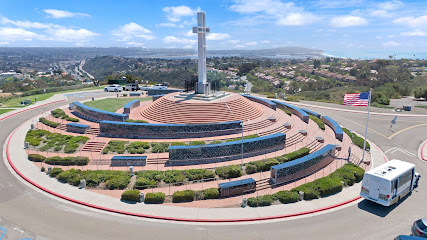
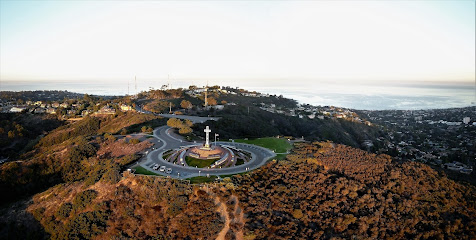
Mount Soledad
3.7 km
Discover the stunning views and rich history at Mount Soledad, a must-visit scenic spot in La Jolla, California.
Unmissable attractions to see

La Jolla Shores Ln
0.1 km
Experience the coastal beauty of La Jolla Shores, a perfect beach destination in San Diego, filled with adventure, dining, and breathtaking views.

Scripps Coastal Reserve
0.5 km
Explore the breathtaking beauty of Scripps Coastal Reserve, a nature preserve in La Jolla, California, known for its stunning views and diverse ecosystems.
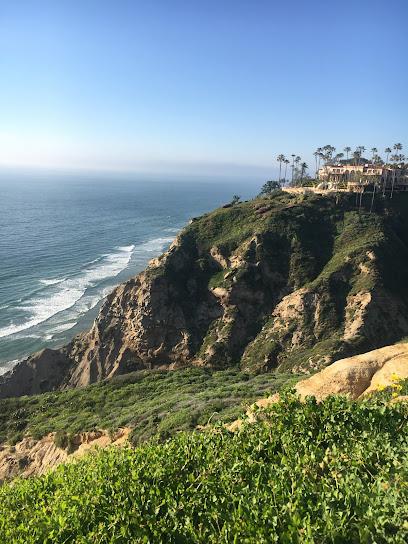
Torrey Pines City Beach
0.6 km
Experience the breathtaking beauty of Torrey Pines City Beach, a serene escape in La Jolla with golden sands and stunning coastal views.
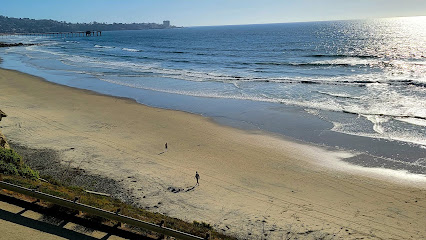
Birch Aquarium
0.7 km
Explore the vibrant marine world at Birch Aquarium in La Jolla, California, featuring stunning exhibits and breathtaking ocean views for all ages.
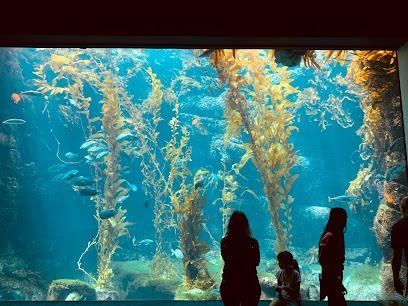
La Jolla Trail
1.4 km
Discover the breathtaking coastal beauty of La Jolla Trail, a premier hiking destination in San Diego, California, perfect for nature lovers and outdoor adventures.
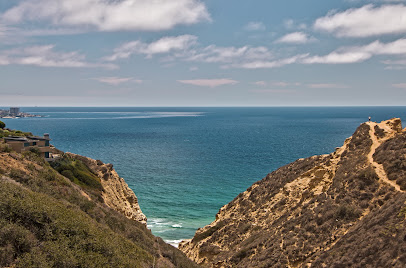
La Jolla Shores Park
1.6 km
Explore La Jolla Shores Park, a stunning coastal park in California renowned for its beautiful beach, tide pools, and recreational activities for all ages.
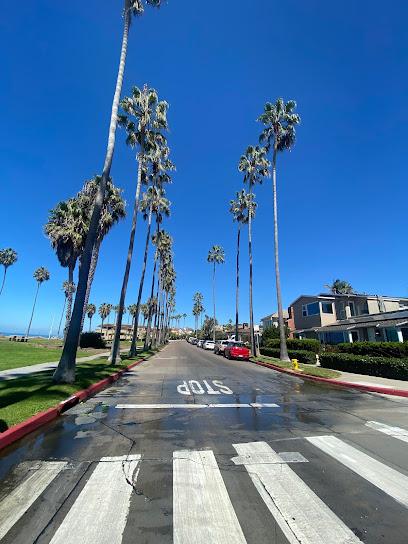
Geisel Library
1.7 km
Discover the architectural beauty and academic spirit of Geisel Library at UC San Diego, a must-visit for tourists and book lovers alike.
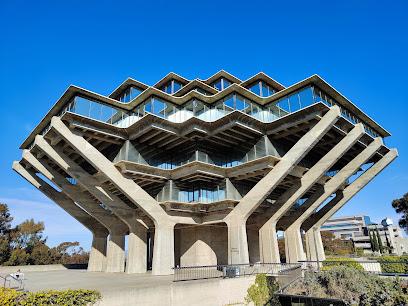
Kellogg Park
1.7 km
Discover the serene beauty of Kellogg Park in La Jolla, a coastal paradise perfect for picnics, recreation, and stunning ocean views.
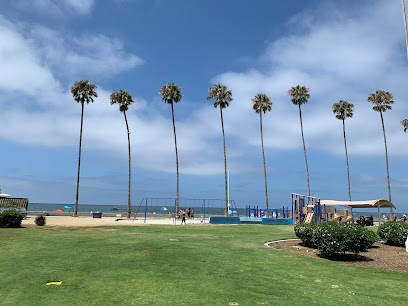
La Jolla Shores Beach
1.7 km
Discover a mile-long sandy paradise in La Jolla, perfect for swimming, surfing, kayaking, and family fun with stunning ocean views.
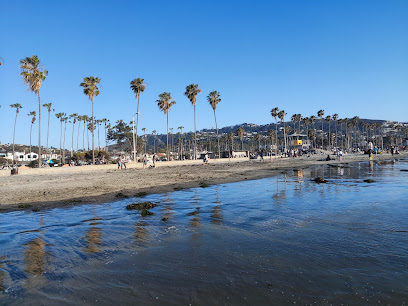
Stuart Collection
1.9 km
Explore the Stuart Collection in La Jolla, a stunning outdoor sculpture park showcasing innovative artworks by renowned artists amidst beautiful landscapes.
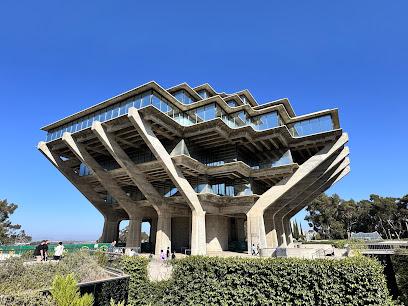
Torrey Pines Gliderport
2.0 km
Experience breathtaking views and the thrill of flight at Torrey Pines Gliderport, a historical landmark in La Jolla, California.
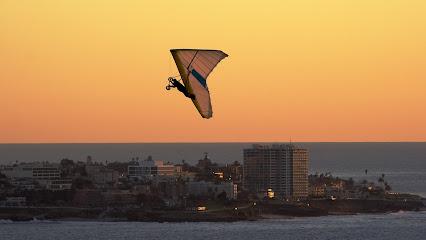
Everyday California
2.1 km
Explore the beauty of La Jolla's coastline with Everyday California's kayaking tours, surf lessons, and exciting water sports activities.

La Jolla Kayak
2.1 km
Discover the beauty of Southern California's coastline with La Jolla Kayak, offering unforgettable kayak tours and rentals in La Jolla.
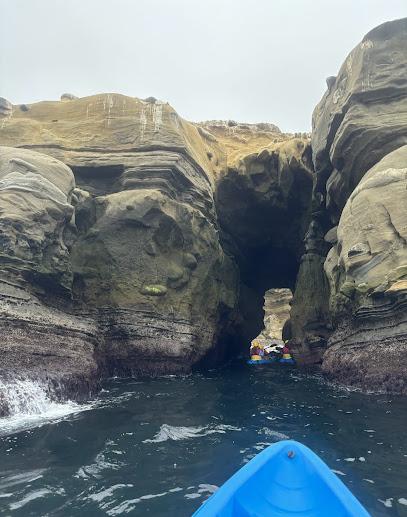
San Diego - La Jolla Underwater Park
2.3 km
Explore La Jolla Underwater Park, a protected marine reserve where adventure meets breathtaking ocean views and vibrant marine life along the California coastline.
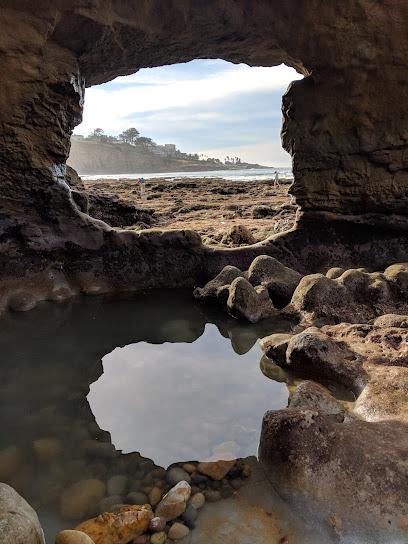
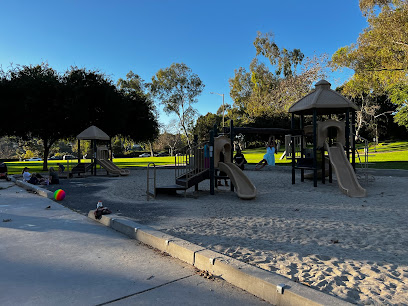
Villa La Jolla Park
2.3 km
Explore the tranquil beauty of Villa La Jolla Park, a hidden gem in La Jolla, California, perfect for relaxation and nature lovers.
Essential places to dine

Urban Plates
1.9 km
Experience the best of American cuisine at Urban Plates in La Jolla—fresh ingredients, diverse menu options, and a welcoming atmosphere await you.
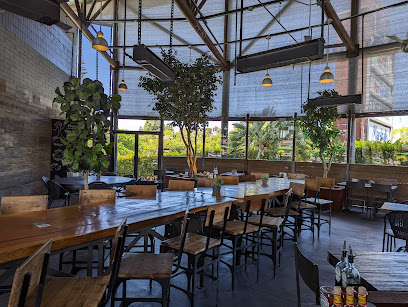
Humphreys La Jolla Grill
2.0 km
Experience exquisite American cuisine with stunning ocean views at Humphreys La Jolla Grill – a culinary gem in Southern California.
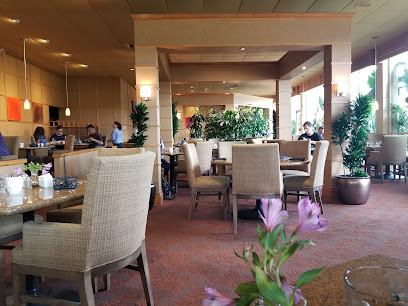
Shores Restaurant
2.0 km
Experience exquisite Californian and seafood cuisine at Shores Restaurant in La Jolla with stunning ocean views and a welcoming atmosphere.
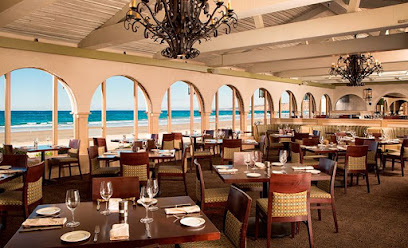
Shorehouse Kitchen
2.0 km
Discover Shorehouse Kitchen in La Jolla: where fresh Californian cuisine meets stunning ocean views for an unforgettable breakfast experience.
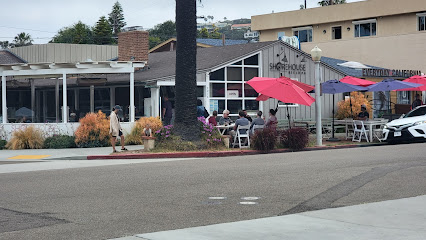
Shore Rider Bar
2.0 km
Discover delicious grilled dishes and refreshing drinks at Shore Rider Bar in La Jolla - where coastal dining meets vibrant atmosphere.
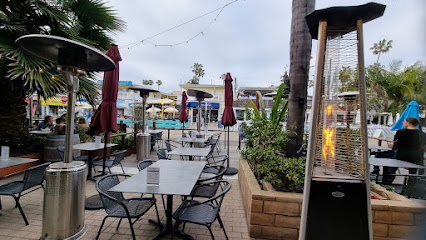
Piatti
2.0 km
Experience authentic Italian cuisine at Piatti in La Jolla - where fresh ingredients meet stunning ocean views for an unforgettable dining experience.
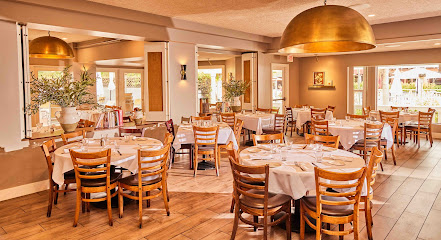
Sandpiper Wood Fired Grill & Oysters
2.1 km
Experience the best seafood at Sandpiper Wood Fired Grill & Oysters in La Jolla, where coastal flavors meet cozy ambiance.
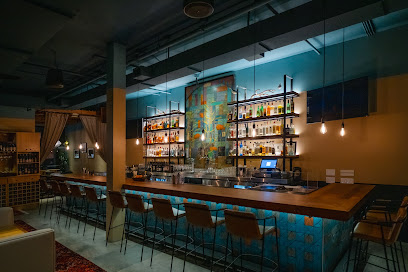
Osteria Romantica
2.1 km
Experience authentic Italian cuisine at Osteria Romantica in La Jolla—where every dish tells a story of tradition and flavor.
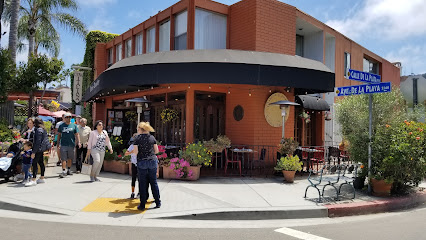
Barbarella Restaurant & Bar
2.1 km
Experience European elegance at Barbarella Restaurant & Bar in La Jolla - where culinary delights meet coastal charm.
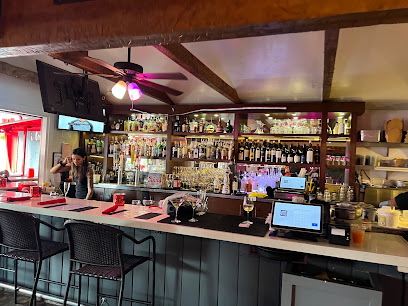
Sea & Sky
2.3 km
Experience exquisite Californian cuisine with stunning ocean views at Sea & Sky in La Jolla - perfect for breakfast, brunch, and fine dining.
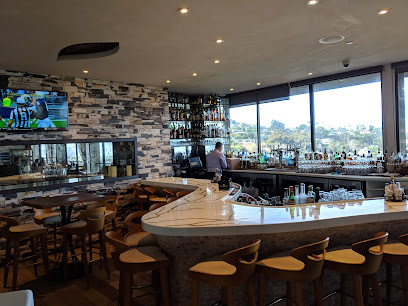
The Marine Room
2.4 km
Experience fine dining at The Marine Room in La Jolla, where Californian seafood meets stunning ocean views for an unforgettable meal.
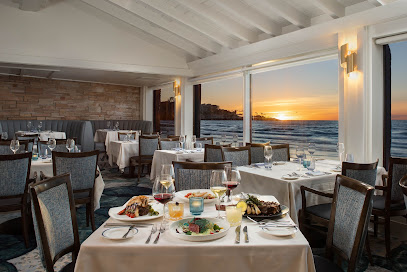
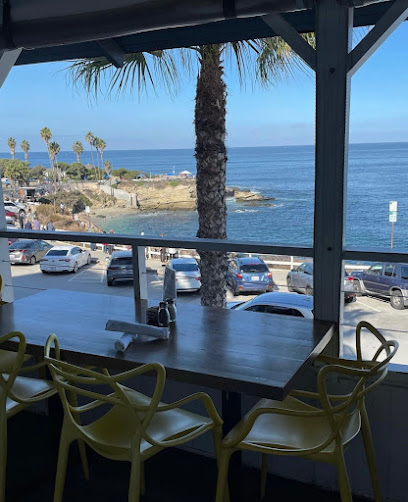
Brockton Villa
3.1 km
Experience exquisite American cuisine with ocean views at Brockton Villa in La Jolla - where every meal is a seaside delight.
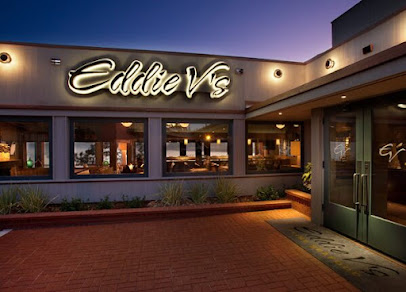
Eddie V's Prime Seafood
3.1 km
Discover Eddie V's Prime Seafood in La Jolla - where exquisite seafood meets fine dining amidst stunning ocean views and live jazz music.
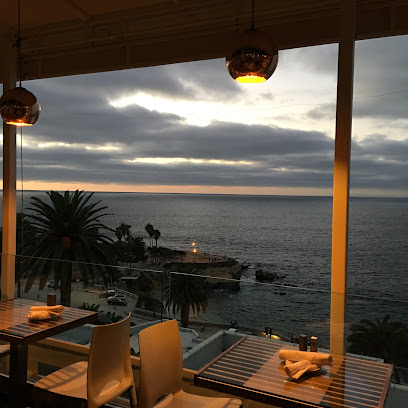
George's at the Cove
3.1 km
Experience fine Californian cuisine with breathtaking ocean views at George's at the Cove in La Jolla - where every meal is unforgettable.
Duke's La Jolla
3.2 km
Experience authentic Hawaiian cuisine at Duke's La Jolla with breathtaking ocean views and vibrant island-inspired decor.
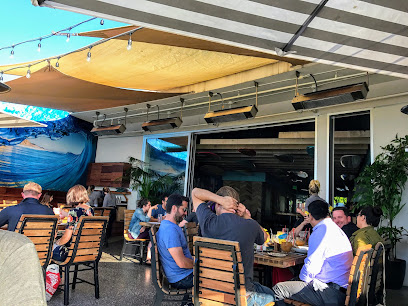
Markets, malls and hidden boutiques

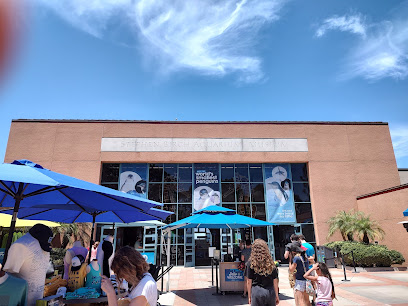
Birch Aquarium Gift Shop
0.7 km
Discover unique marine-themed gifts and souvenirs at the Birch Aquarium Gift Shop in La Jolla, California.
The Shops at La Jolla Village
1.9 km
Discover a vibrant shopping experience at The Shops at La Jolla Village, where upscale boutiques meet delightful dining options in a picturesque setting.

Sea Hive La Jolla
2.0 km
Explore Sea Hive La Jolla for eclectic gifts, vintage clothing, and local artisan treasures in a charming coastal setting.
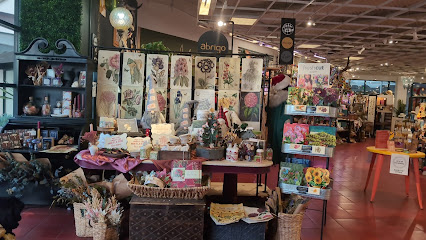
La Jolla Village Square
2.0 km
Explore the vibrant shops and delightful dining options at La Jolla Village Square, a must-visit shopping destination in sunny California.

Ocean Girl-Surf Boutique
2.0 km
Discover the best in beach fashion and surf gear at Ocean Girl-Surf Boutique in La Jolla, California, where the surf culture thrives.
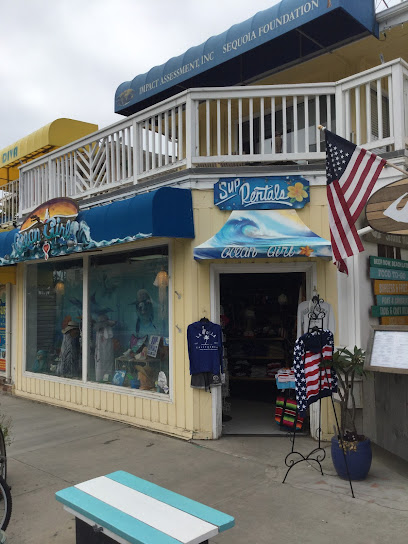
Gift Shop
2.9 km
Explore a delightful gift shop in La Jolla, featuring unique treasures and local crafts that capture the spirit of California's coastal beauty.
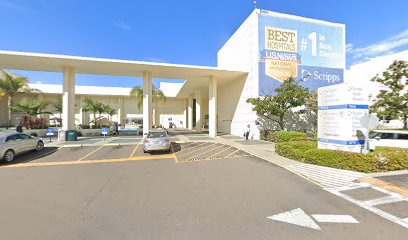
Lulumars Boutique
3.1 km
Discover the charm of Lulumars Boutique in La Jolla, where unique gifts and local artistry come together to create unforgettable shopping experiences.
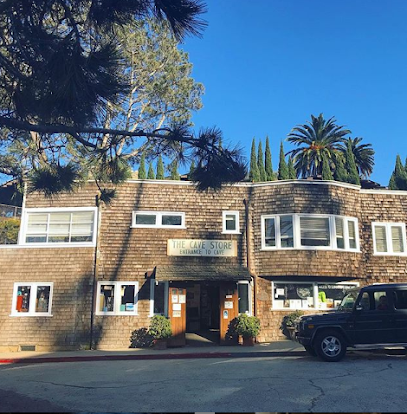
GK Fashion House
3.1 km
Discover exclusive couture and stylish pieces at GK Fashion House, La Jolla's premier boutique for the fashion-forward traveler.
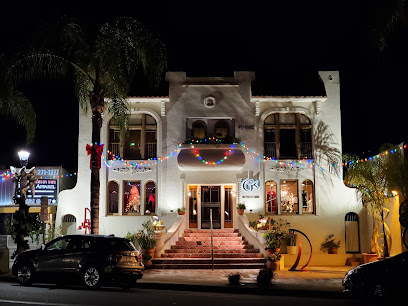
Simple Laguna
3.1 km
Discover the essence of California style at Simple Laguna, a boutique in the heart of La Jolla offering unique clothing and accessories.

The Shop La Jolla
3.1 km
Explore The Shop La Jolla for unique clothing and artwork that embodies the spirit of Southern California's coastal style.
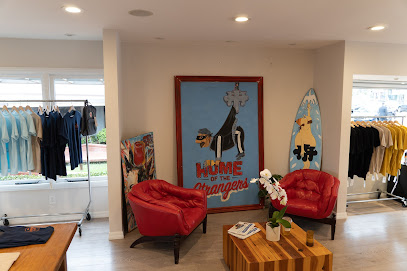
Lissilaa Boutique
3.1 km
Explore Lissilaa Boutique in La Jolla for a unique shopping experience featuring stylish clothing and accessories that capture California's coastal charm.
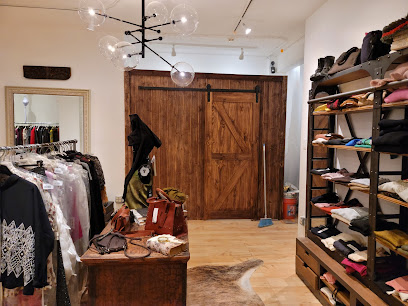
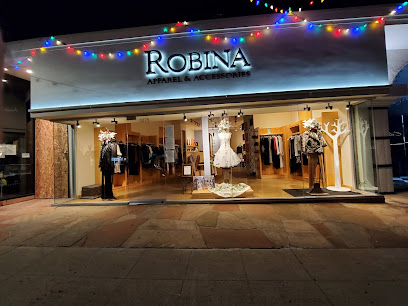
Robina
3.1 km
Explore Robina in La Jolla for unique fashion and home goods that reflect Southern California's charm and style.
Mila Boutique
3.1 km
Explore Mila Boutique in La Jolla for a unique selection of women's fashion that captures the essence of coastal California living.

The International Shops
3.2 km
Explore The International Shops in La Jolla: a vibrant shopping mall featuring unique boutiques and delicious dining options by the stunning California coast.
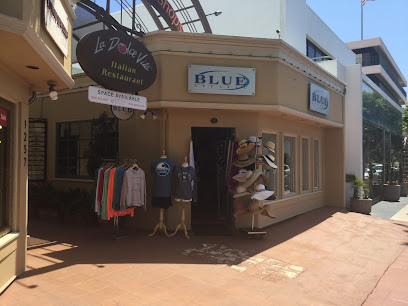
Blue Apparel
3.2 km
Explore Blue Apparel in La Jolla for stylish clothing and unique souvenirs that capture the spirit of California's beautiful coastline.
Essential bars & hidden hideouts

West Bar
0.9 km
Experience the lively atmosphere of West Bar in La Jolla, where exquisite cocktails meet the coastal charm of Southern California.
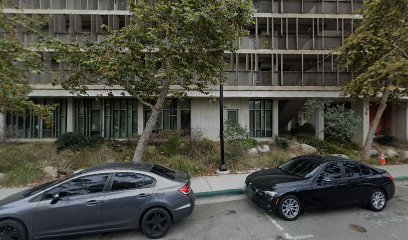
Shooters
2.0 km
Discover the vibrant nightlife of La Jolla at Shooters, where crafted cocktails and a lively atmosphere await you in this coastal gem.
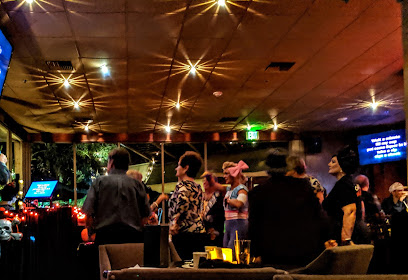
Hiatus Pool Lounge
2.3 km
Experience the ultimate relaxation at Hiatus Pool Lounge in La Jolla, offering ocean views and delicious cocktails in a serene atmosphere.
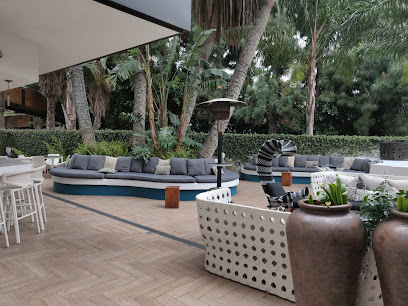
Drift La Jolla
2.5 km
Experience the perfect blend of relaxation and gourmet dining at Drift La Jolla, where coastal charm meets culinary excellence.
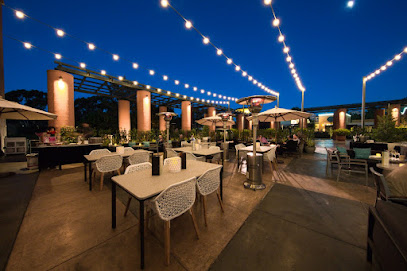
We Olive & Wine Bar
3.3 km
Experience gourmet olive oils, fine wines, and artisanal delicacies at We Olive & Wine Bar, a must-visit destination in La Jolla.
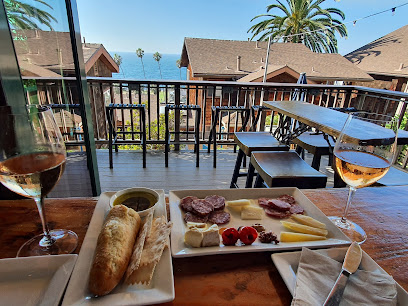
La Sala Lounge
3.3 km
Experience the charm of La Jolla at La Sala Lounge, where exquisite cocktails meet breathtaking ocean views in a stylish ambiance.
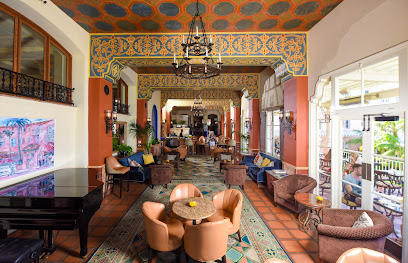
The Whaling Bar
3.3 km
Discover the coastal culinary delights at The Whaling Bar in La Jolla, where fresh seafood meets artisan cocktails in a stunning oceanfront setting.
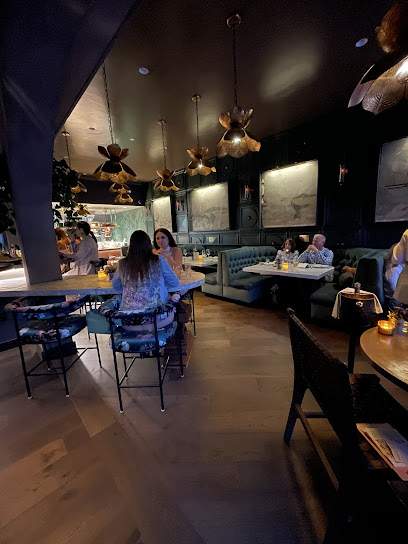
The Hive La Jolla
3.4 km
Discover a whimsical bar experience at The Hive La Jolla, featuring stunning floral decor and a vibrant atmosphere for unforgettable moments.
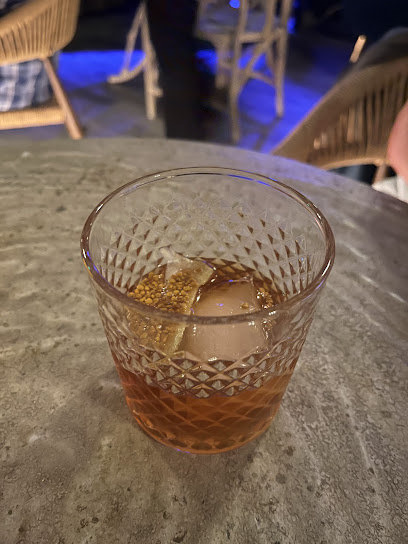
Hennessey's Tavern
3.5 km
Discover the lively spirit of Hennessey's Tavern in La Jolla, where Irish charm meets Californian flair in a perfect pub setting.
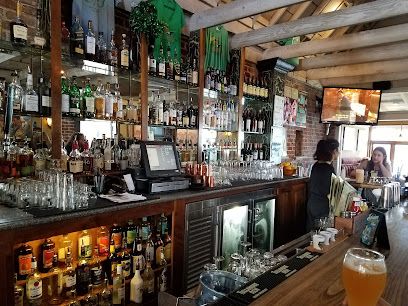
The Wine Bar
3.6 km
Experience the essence of La Jolla at The Wine Bar, where exquisite wines and delicious bites await in a charming atmosphere.
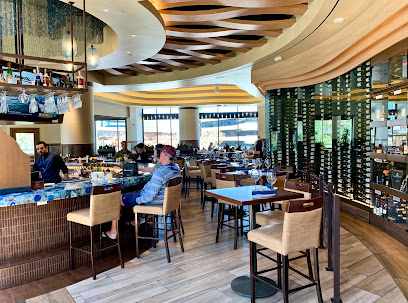
Raised by Wolves
3.7 km
Discover San Diego's hidden gem - Raised by Wolves, a speakeasy cocktail bar with innovative drinks and a captivating atmosphere.
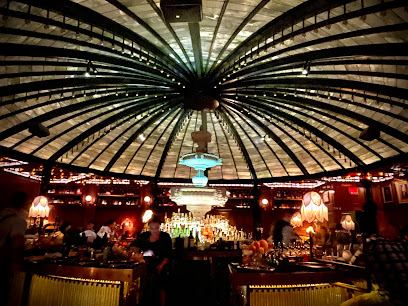
KnB Bistro
3.8 km
Experience the culinary magic of KnB Bistro in La Jolla, where fresh ingredients meet innovative flavors for an unforgettable dining adventure.
Nautilus Tavern
5.1 km
Experience the essence of American cuisine at Nautilus Tavern, a beloved coastal eatery in La Jolla known for its fresh ingredients and inviting atmosphere.
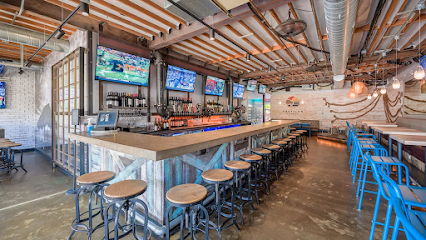
West End PB
7.2 km
Experience the vibrant atmosphere of West End PB in San Diego's Pacific Beach, offering delicious food and drinks for an unforgettable coastal outing.
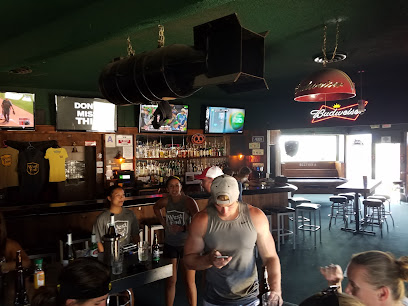
The Silver Fox Lounge
8.1 km
Experience the vibrant nightlife of Pacific Beach at The Silver Fox Lounge, where craft cocktails meet a lively atmosphere.
Nightclubs & after hour spots

Sun God Lounge
1.6 km
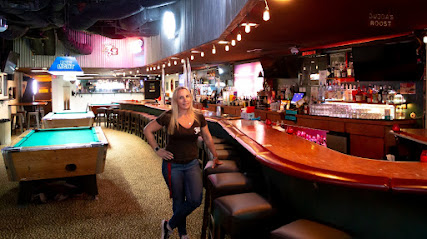
Experience the lively atmosphere of Sun God Lounge in La Jolla, where relaxation meets social engagement in a stunning coastal setting.
Middle Earth Lounge
1.7 km
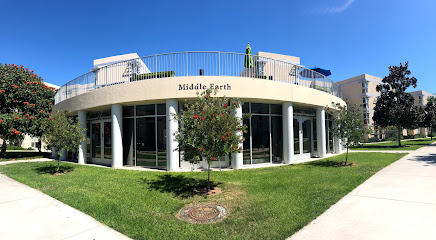
Discover the lively Middle Earth Lounge in La Jolla, CA; a perfect blend of delicious food, crafted drinks, and vibrant nightlife for all visitors.
Woo Karaoke
1.9 km
Unleash your inner star at Woo Karaoke, La Jolla's premier karaoke bar with live music, vibrant atmosphere, and unforgettable performances.
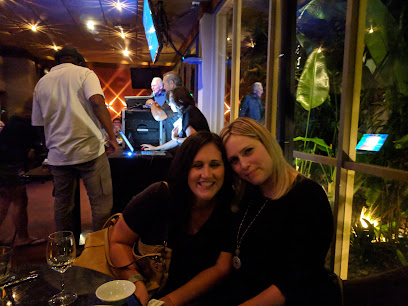
The Comedy Store - La Jolla
4.0 km
Experience an unforgettable night of laughter at The Comedy Store in La Jolla, California - where humor and entertainment meet stunning coastal charm.
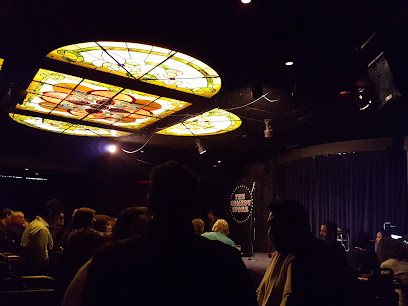
Nite Owl Cocktail Lounge
7.9 km
Discover the vibrant nightlife at Nite Owl Cocktail Lounge in Pacific Beach, San Diego, where great cocktails and a lively atmosphere await.
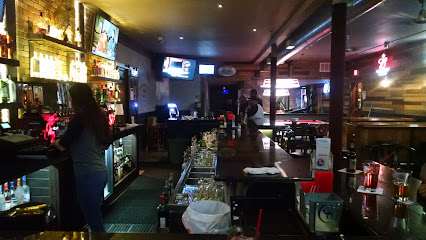
The Collective
8.2 km
Experience the vibrant nightlife at The Collective, Pacific Beach's premier venue for live music and handcrafted cocktails.
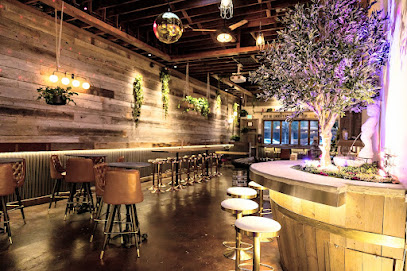
PB Avenue
8.3 km
Discover PB Avenue, a vibrant night club in San Diego's Pacific Beach, offering lively music, delicious drinks, and an unforgettable nightlife experience.
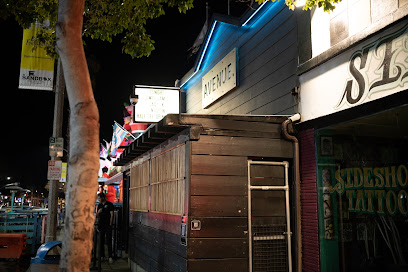
Bert's Bar West
8.7 km
Discover the vibrant nightlife at Bert's Bar West in Pacific Beach, San Diego—where great drinks, music, and fun await every night.
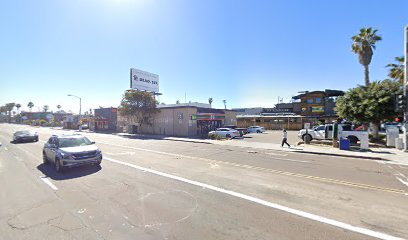
Winstons Beach Club
13.9 km
Experience the vibrant nightlife of San Diego at Winstons Beach Club, where live music, comedy, and karaoke create unforgettable moments.
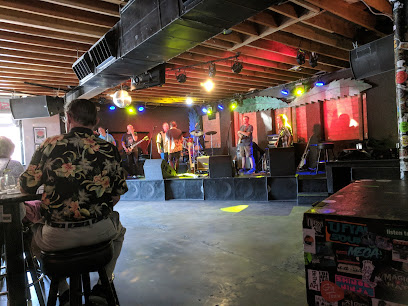
The Hole in the Wall
14.8 km
Experience the vibrant atmosphere at The Hole in the Wall, a historical bar in San Diego offering delicious food, cocktails, and entertaining karaoke nights.
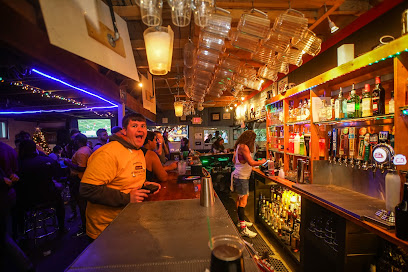
Spin Nightclub
15.4 km
Discover the vibrant nightlife of San Diego at Spin Nightclub, where live music meets an electrifying atmosphere for an unforgettable experience.
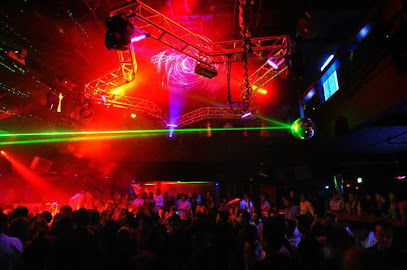
Blue Agave Night Club
16.8 km
Discover the energetic nightlife at Blue Agave Night Club in San Diego, where vibrant music and affordable drinks create unforgettable nighttime experiences.
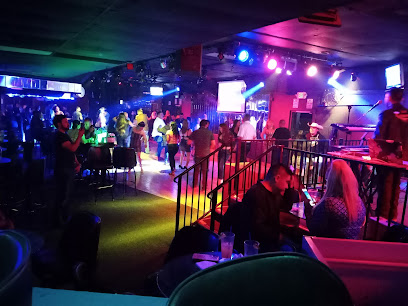
Phantom Lounge and Nightclub
19.4 km
Experience the dynamic nightlife of San Diego at Phantom Lounge and Nightclub, where great cocktails, music, and ambiance come together for an unforgettable evening.
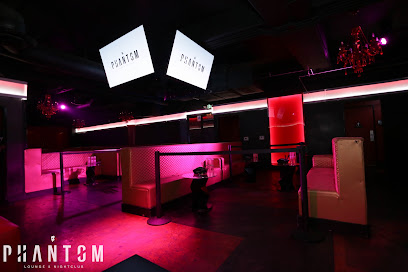
Bloom Nightclub
19.4 km
Unleash your inner party animal at Bloom Nightclub, the heartbeat of San Diego's nightlife, featuring electrifying music and a chic atmosphere.

Parq Nightclub
19.5 km
Discover the ultimate nightlife experience at Parq Nightclub, where world-class DJs, exquisite cocktails, and an electrifying atmosphere await in Downtown San Diego.