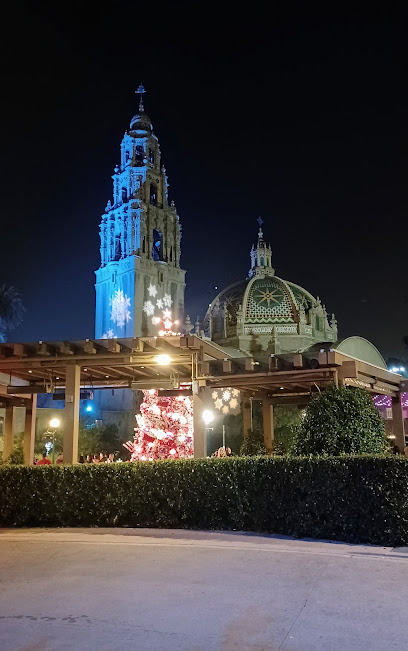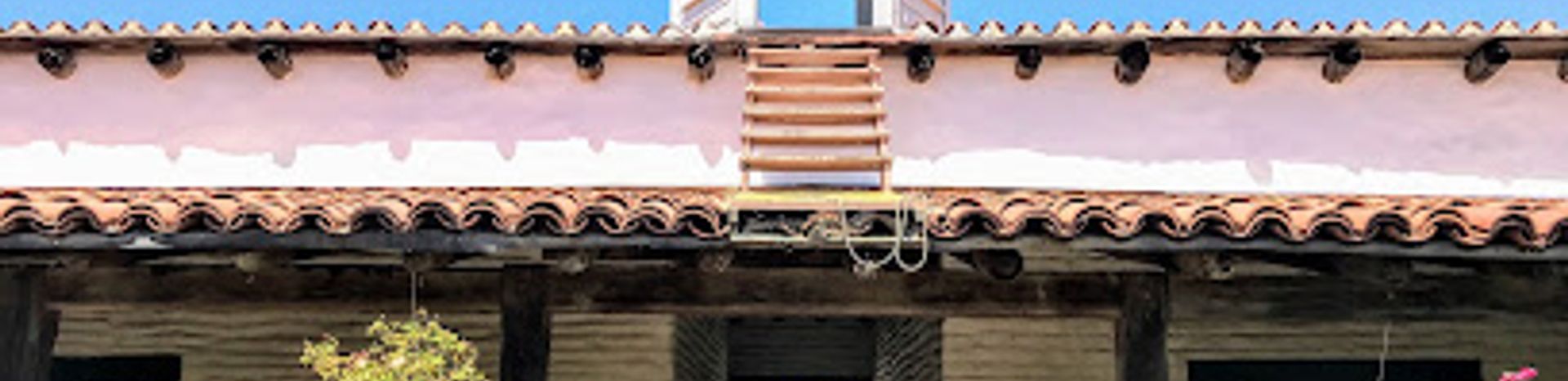
La Casa de Estudillo: A Window into California's Past
Step back in time at La Casa de Estudillo in Old Town San Diego, a beautifully preserved adobe home showcasing California's rich Spanish-Mexican heritage and captivating stories.
La Casa de Estudillo, nestled in the heart of Old Town San Diego State Historic Park, offers a captivating glimpse into California's Mexican era. Built between 1827 and 1829, this meticulously restored adobe home was once the residence of the prominent Estudillo family and stands as one of the oldest and finest examples of Spanish-Mexican architecture in California. Explore its thirteen rooms, arranged around a serene courtyard, and imagine life in the early 19th century. From its role as a social hub and even a temporary chapel, to its later association with Helen Hunt Jackson's novel 'Ramona,' La Casa de Estudillo has witnessed pivotal moments in San Diego's history. Today, it serves as a museum, inviting visitors to step back in time and experience the rich cultural heritage of this region. Admission is free, making it an accessible and enriching experience for all.
A brief summary to La Casa de Estudillo
- 4000 Mason St, San Diego, Old Town, California, 92110, US
- +1619-220-5422
Local tips
- Visit during the week to avoid weekend crowds and enjoy a more peaceful exploration of the house and grounds.
- Check the Old Town San Diego State Historic Park website for special events, demonstrations, and guided tours that can enhance your visit.
- Allow at least one to two hours to fully explore La Casa de Estudillo and the surrounding Old Town San Diego State Historic Park.

Getting There
-
Walking
La Casa de Estudillo is located within Old Town San Diego State Historic Park. From the central plaza area, walk north on San Diego Avenue, then turn right onto Mason Street. The Casa de Estudillo will be on your right, a short walk from the main street. The walk is generally flat and easy.
-
Public Transport
The Old Town Transit Center, served by the San Diego Trolley, Coaster, Amtrak and numerous bus routes, is located a short walk from the park entrance. From the Transit Center, follow the signs for Old Town San Diego State Historic Park. Walk north along the main pathway into the park, then follow the walking directions above. A one-way fare on the San Diego Trolley or a local bus is approximately $2.50.
-
Driving
If driving, be aware that parking in Old Town can be limited, especially during peak season. Free parking lots are available near the Old Town San Diego State Historic Park, but they can fill up quickly. Look for parking along Wallace Street. From the parking area, walk towards the main entrance of the park and follow signs to the central plaza, then follow the walking directions above. Parking fees are not applicable in the free lots, but paid parking options nearby may cost around $10-$20 for a few hours.
Discover more about La Casa de Estudillo
Iconic landmarks you can’t miss

Old Town - jail
0.1 km
Discover the Old Town Jail, a historic landmark in San Diego that reveals the intriguing stories of the 19th-century Californian justice system.

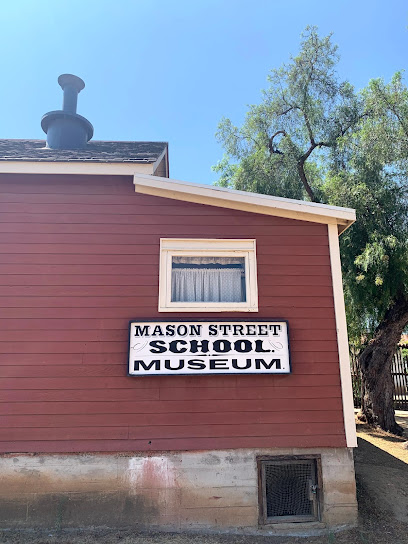
Mason Street Schoolhouse
0.1 km
Explore the Mason Street Schoolhouse, a captivating museum in Old Town San Diego that reveals California's educational history and charm.
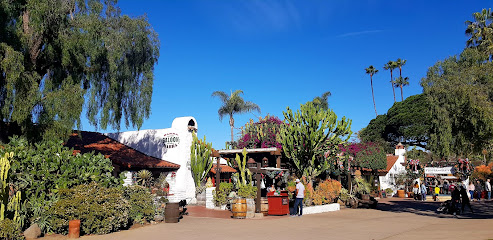
Plaza De Las Armas
0.1 km
Discover the birthplace of California at Plaza de Las Armas in Old Town San Diego, where history comes alive through preserved architecture, vibrant culture, and authentic Mexican flavors.
La Casa de Machado y Stewart
0.1 km
Discover the historical significance of La Casa de Machado y Stewart in San Diego's Old Town, where California's rich heritage comes to life.
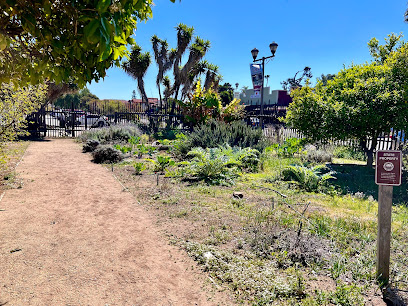
Mormon Battalion Historic Site
0.3 km
Experience the remarkable journey of the Mormon pioneers at the historic Mormon Battalion site in San Diego, where history and faith intertwine.
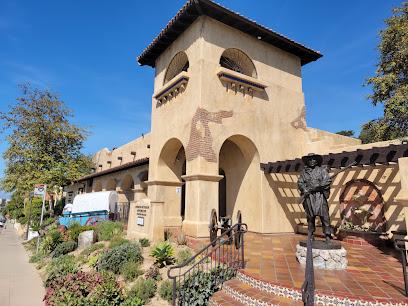
La Casa de Lopez
0.3 km
Explore La Casa de Lopez, a historical gem in Old Town San Diego, showcasing the city's rich Mexican heritage and architectural beauty.
San Diego Ghosts
0.3 km
Explore the haunted history of San Diego with thrilling ghost tours that blend folklore, history, and spine-tingling stories in a unique adventure.
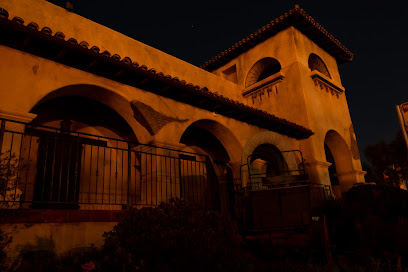
Senlis Cottage
0.3 km
Explore the rich history of San Diego at Senlis Cottage, a beautifully preserved 1880s landmark in Heritage Park.
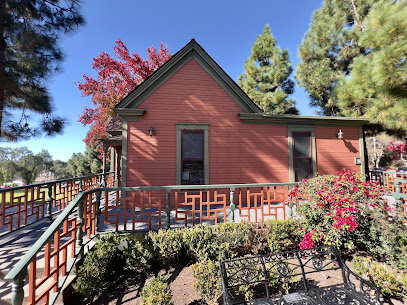
Sherman-Gilbert House
0.4 km
Discover the Victorian elegance of the Sherman-Gilbert House, a historical gem in San Diego's Heritage Park, showcasing 19th-century architecture and rich cultural history.
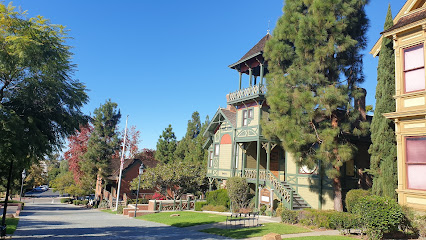
Burton House
0.4 km
Explore the rich history of California at Burton House, a charming historical landmark in Old Town San Diego, showcasing early settler life.
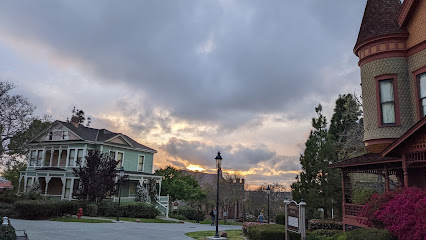
Bushyhead House
0.4 km
Discover the rich history and architectural beauty of Bushyhead House, a landmark in Old Town San Diego that brings the past to life.
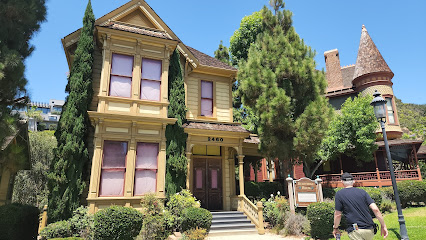
Fort Stockton
0.4 km
Explore Fort Stockton, a historical gem in San Diego, where rich history meets stunning views, perfect for every traveler.
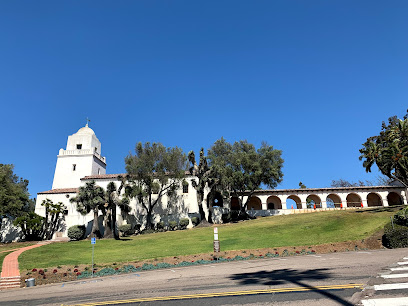
Christian House
0.4 km
Explore the Christian House, a historical landmark in Old Town San Diego, where rich culture and fascinating history await every visitor.
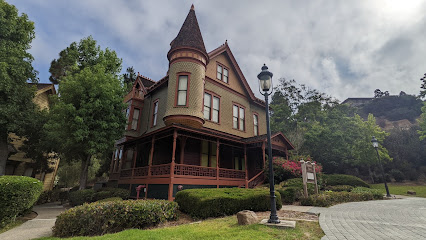
Witches Tower
0.6 km
Discover the mystique of Witches Tower, a historical landmark in San Diego's Old Town, blending rich history with captivating views.
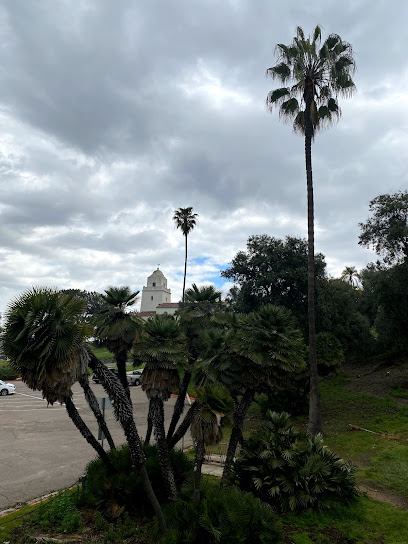
Serra Palm (Site)
0.6 km
Experience the historical essence of Serra Palm in Old Town San Diego, where California's rich legacy unfolds in a beautiful, serene setting.
Unmissable attractions to see

Old Town San Diego State Historic Park
0.1 km
Explore the rich history and vibrant culture of California at Old Town San Diego State Historic Park, a living museum of the state's heritage.
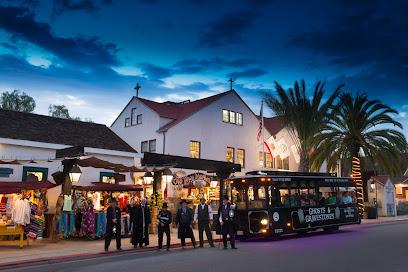
Ghosts & Gravestones Tour San Diego
0.1 km
Experience the chilling tales of San Diego's haunted history with the Ghosts & Gravestones Tour, exploring eerie legends and ghostly encounters.
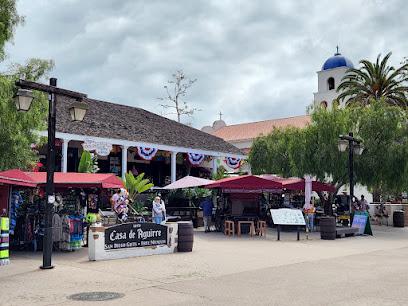
Old Town Market
0.1 km
Explore Old Town Market in San Diego – a lively blend of shopping, history, and authentic cuisine in California's vibrant cultural heart.
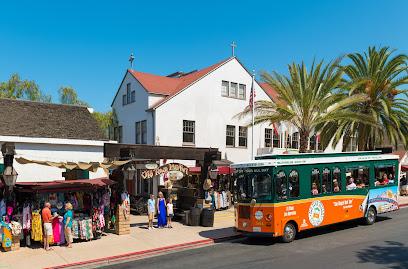
Old Town Trolley Tours
0.1 km
Discover San Diego's rich history and vibrant culture with Old Town Trolley Tours, the ultimate sightseeing adventure in Southern California.
Immaculate Conception Catholic Church
0.2 km
Explore the Immaculate Conception Catholic Church in Old Town San Diego - a serene blend of spirituality and architectural beauty.
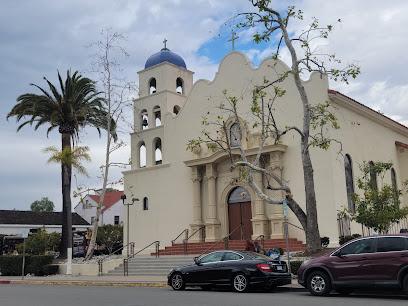
Old Town San Diego
0.2 km
Step back in time at Old Town San Diego, a vibrant historic district filled with culture, cuisine, and California's rich heritage.
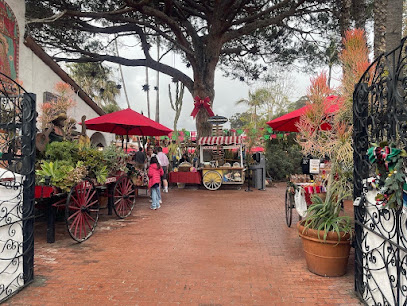
McCoy House
0.2 km
Explore San Diego's vibrant history at the McCoy House, a captivating museum in Old Town San Diego State Historic Park.
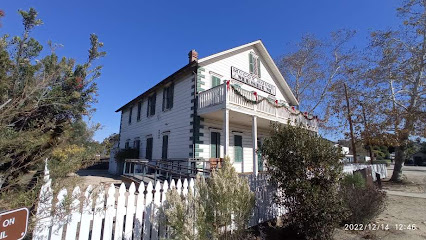
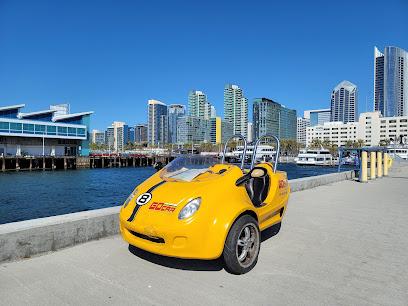
GoCar Tours
0.2 km
Experience San Diego like never before with GoCar Tours, offering fun, GPS-guided adventures through the city's iconic attractions and hidden treasures.
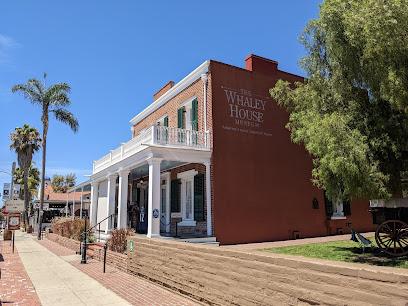
Whaley House Museum
0.3 km
Discover the haunted history of the Whaley House Museum in San Diego's Old Town, where the past and the paranormal blend seamlessly into an unforgettable experience.
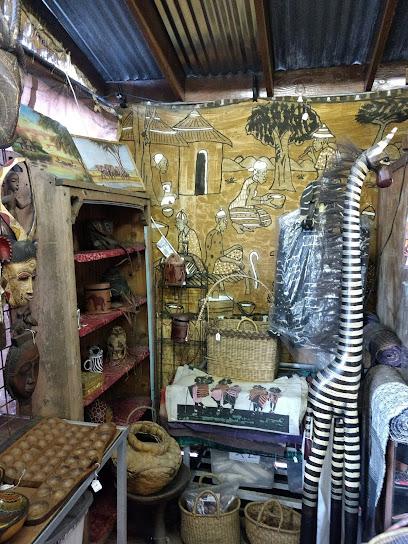
Casa Del Rey Moro African Latin Museum
0.3 km
Explore the vibrant cultures of Africa and Latin America at Casa Del Rey Moro African Latin Museum in San Diego's historic Old Town.
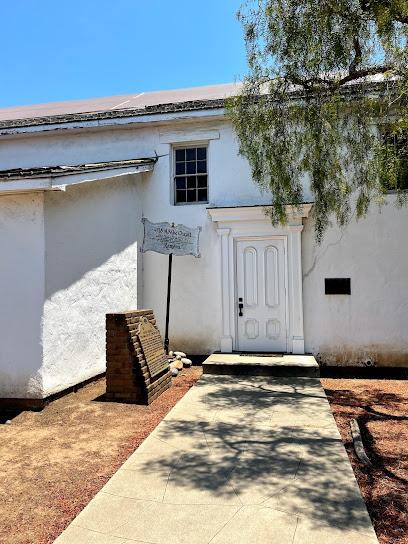
The Adobe Chapel
0.4 km
Discover the rich heritage of California at The Adobe Chapel in San Diego's historic Old Town, a serene spot for reflection and celebration.
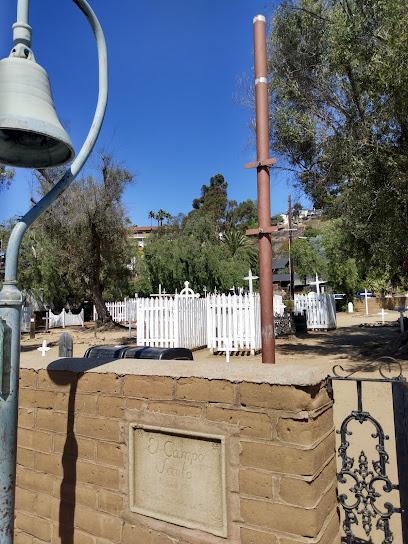
El Campo Santo
0.4 km
Discover the serene beauty and historical significance of El Campo Santo Cemetery in Old Town San Diego, a peaceful tribute to the region's rich heritage.
Heritage County Park
0.5 km
Explore the elegance of San Diego's historical architecture and lush landscapes at Heritage County Park, a treasure trove of California's past.
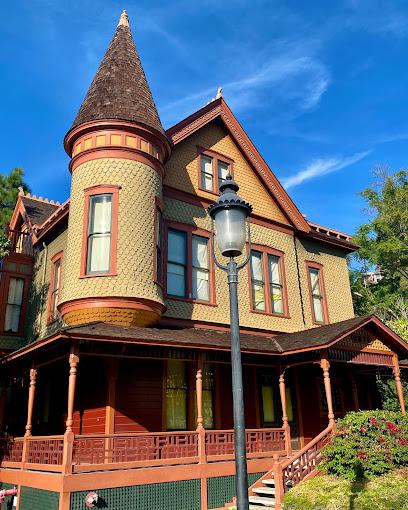
Sheriff's Museum and Educational Center
0.5 km
Discover San Diego's law enforcement history at the Sheriff's Museum and Educational Center, where community and safety come together in engaging exhibits.
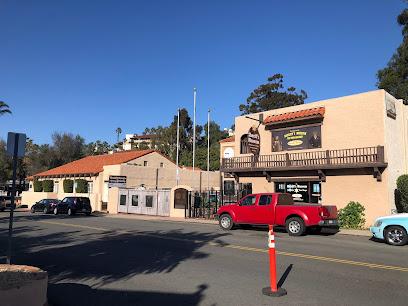
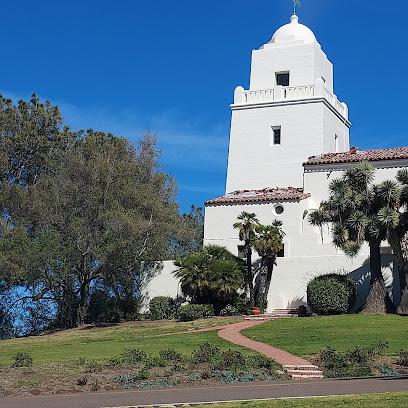
Presidio Park
0.5 km
Explore Presidio Park in San Diego: A serene park with rich history, stunning views, and diverse wildlife, perfect for outdoor enthusiasts and history buffs alike.
Essential places to dine

Barra Barra
0.1 km
Experience the vibrant taste of Mexico at Barra Barra in San Diego's historic Old Town - a must-visit for food lovers!
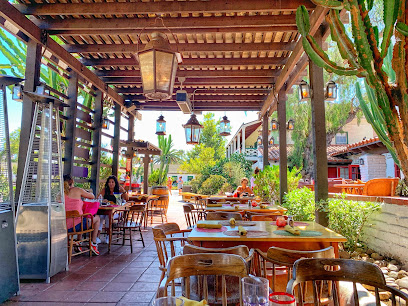
Casa de Reyes
0.1 km
Experience authentic Mexican flavors and vibrant culture at Casa de Reyes in San Diego's historic Old Town.
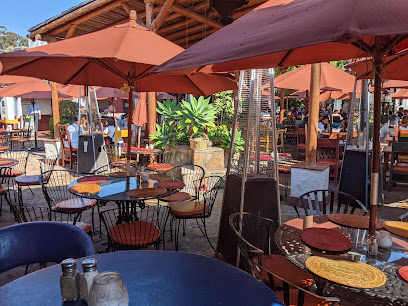
Encuentro Cafe former The Congress Cafe
0.2 km
Discover Encuentro Cafe in San Diego: Experience authentic Venezuelan flavors in a charming atmosphere.
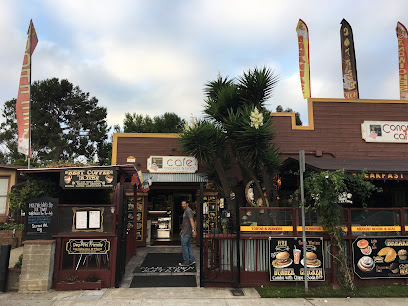
Rockin' Baja Lobster - Old Town
0.3 km
Experience the vibrant flavors of seafood and Mexican cuisine at Rockin' Baja Lobster in Old Town San Diego.
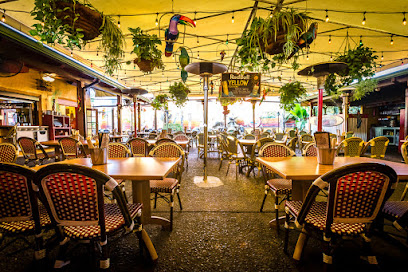
Casa Guadalajara
0.3 km
Experience authentic Mexican cuisine at Casa Guadalajara in San Diego's historic Old Town - where every meal is a fiesta!
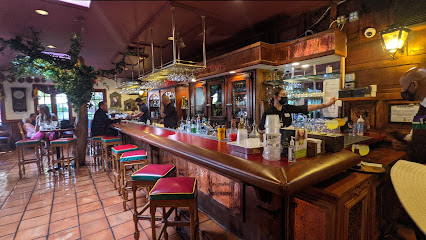
Old Town Tequila Factory Restaurant & Cantina
0.3 km
Experience the essence of Mexico at Old Town Tequila Factory Restaurant & Cantina with authentic dishes and an extensive tequila selection.
Cafe Coyote
0.3 km
Savor authentic Mexican flavors at Cafe Coyote in Old Town San Diego – where every meal is a fiesta!
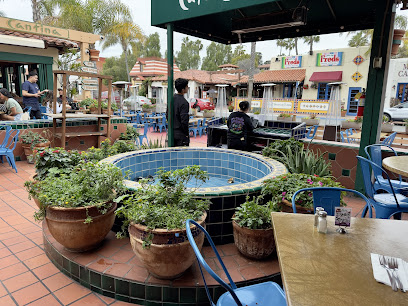
Tahona Bar
0.4 km
Discover authentic Mexican cuisine at Tahona Bar in Old Town San Diego—where every dish tells a story.
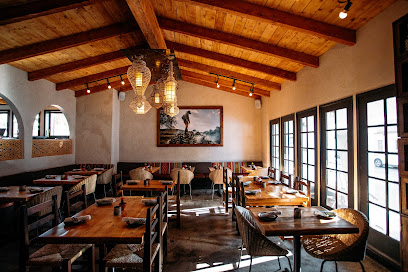
Trattoria Don Pietro - Sicilian Italian Cuisine
0.4 km
Experience authentic Sicilian cuisine at Trattoria Don Pietro in San Diego's historic Old Town – a culinary journey like no other.
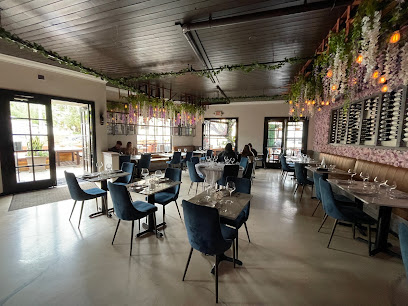
Jack & Giulio's Italian Restaurant
0.5 km
Experience the essence of Italy at Jack & Giulio's Italian Restaurant in Old Town San Diego – where every meal is a celebration of authentic flavors.
Corvette Diner
1.9 km
Dive into retro vibes at Corvette Diner in San Diego – where delicious American food meets arcade fun in a nostalgic setting.
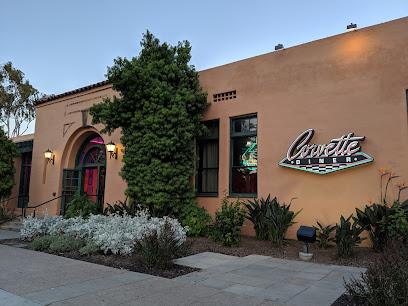
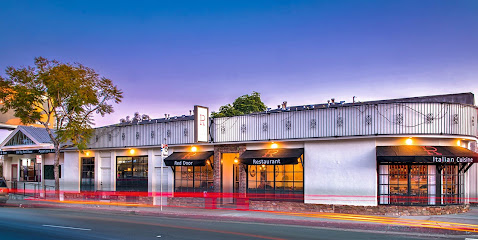
The Red Door
2.5 km
Experience the essence of Italy at The Red Door in Hillcrest - where authentic cuisine meets exceptional wine in a charming setting.
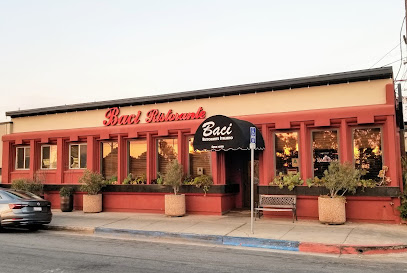
Baci Restaurant
3.2 km
Discover Baci Restaurant in San Diego: A fine dining experience blending Italian tradition with fresh seafood flavors.
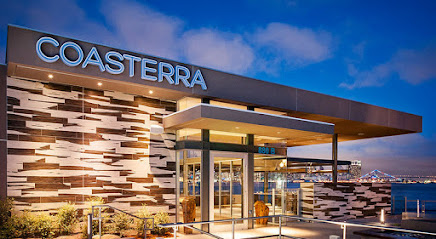
Coasterra
3.4 km
Experience exquisite Mexican cuisine and breathtaking bay views at Coasterra – where fine dining meets coastal charm in San Diego.
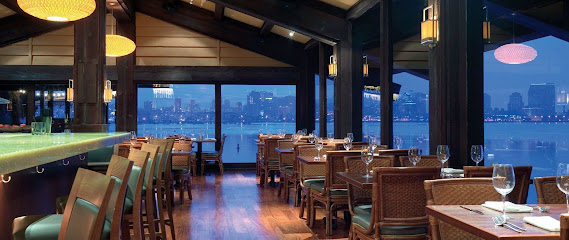
Island Prime
3.4 km
Experience exquisite steak and stunning waterfront views at Island Prime, San Diego's top fine dining destination.
Markets, malls and hidden boutiques

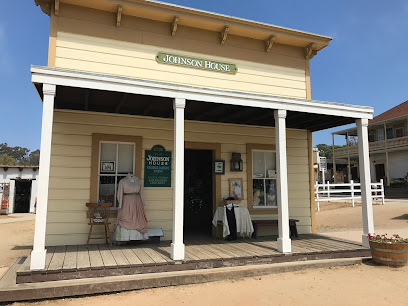
The Johnson House
0.0 km
Explore a treasure trove of antiques and vintage clothing in San Diego's historic Old Town at The Johnson House, where every item tells a story.
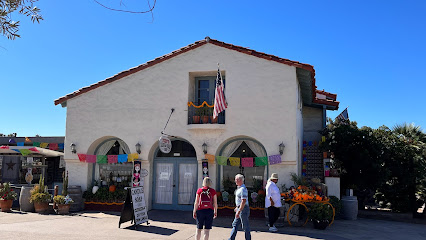
La Paloma Old Town
0.1 km
Explore La Paloma Old Town, a charming gift shop in San Diego's historic district, offering unique souvenirs and local crafts that celebrate California's culture.
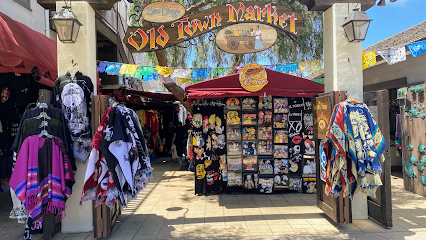
Best of old town
0.1 km
Explore Old Town San Diego, a vibrant blend of history, culture, and authentic Mexican cuisine in California's birthplace.
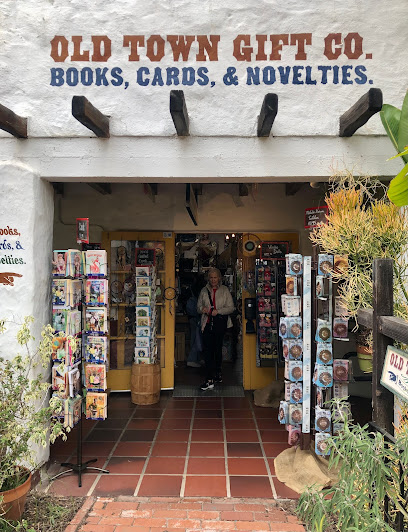
Old Town Gifts
0.1 km
Explore Old Town Gifts in San Diego for unique souvenirs and local artisan treasures that embody California's rich culture.
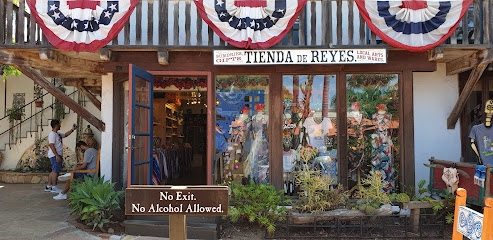
Tienda de Reyes
0.1 km
Explore Tienda de Reyes: A Treasure Trove of Local Crafts, Clothing, and Souvenirs in San Diego's Historic Old Town.
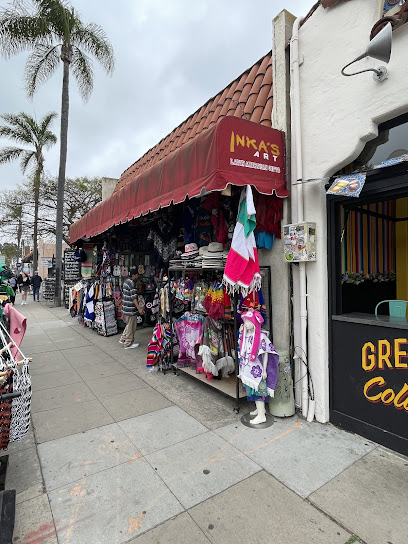
Inka's Art
0.2 km
Explore Inka's Art in Old Town San Diego for unique crafts, vintage clothing, and local artistry that captures the spirit of the region.
Pablo’s of Old Town
0.2 km
Discover unique handcrafted gifts at Pablo’s of Old Town, celebrating San Diego's vibrant culture and local artisans.

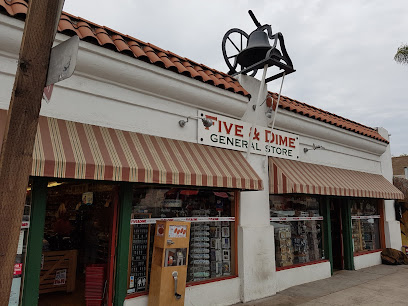
FIVE AND DIME GENERAL STORE
0.2 km
Explore the Five and Dime General Store in Old Town San Diego for unique gifts, local snacks, and a taste of the region's vibrant culture.
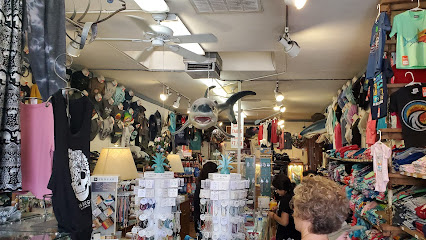
Treasures By the Sea
0.3 km
Explore Treasures By the Sea in Old Town San Diego for unique gifts, local artisan crafts, and delightful souvenirs that capture the spirit of your travels.
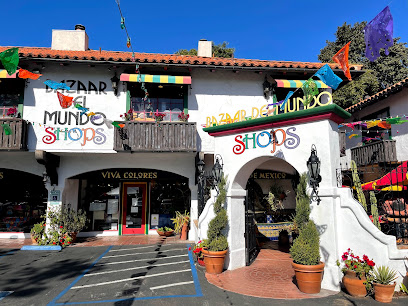
Bazaar Del Mundo
0.3 km
Discover authentic California crafts and unique souvenirs at Bazaar Del Mundo, a vibrant gift shop in San Diego's historic Old Town.
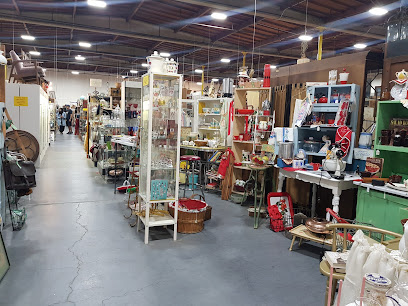
San Diego's Largest Vintage and Antique Mall
1.4 km
Explore the largest vintage and antique mall in San Diego, where every corner holds a unique treasure waiting to be discovered.
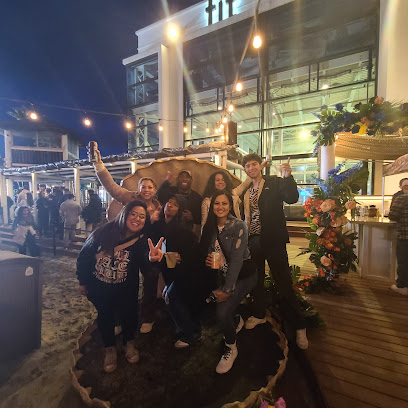
Beach House
2.4 km
Explore the Beach House in Point Loma, San Diego - your ultimate destination for stylish beachwear and accessories to elevate your coastal experience.
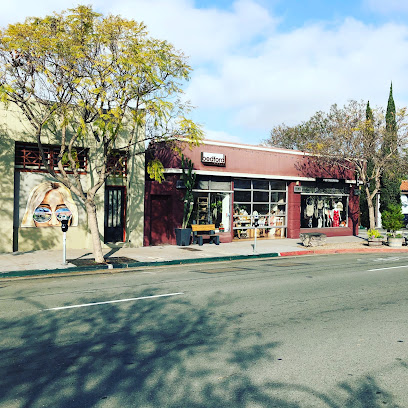
Stroll
3.7 km
Explore Stroll Boutique in Downtown San Diego for unique fashion and gifts that embody the coastal charm of California.
Vervor Shop
4.2 km
Explore Vervor Shop in San Diego for unique handmade gifts, local art, and unforgettable treasures that capture the spirit of Southern California.
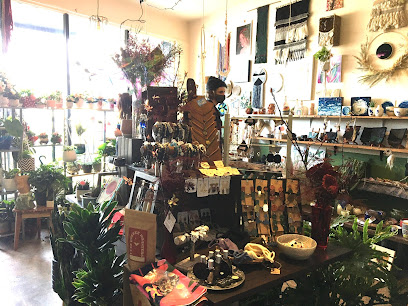
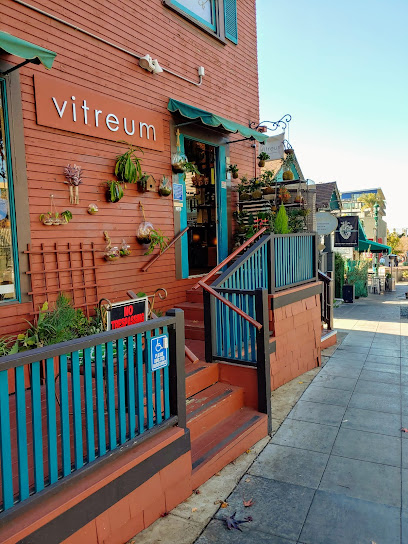
Vitreum
4.3 km
Explore Vitreum, San Diego's unique gift shop offering locally crafted treasures and artisanal gifts that capture the city's vibrant spirit.
Essential bars & hidden hideouts

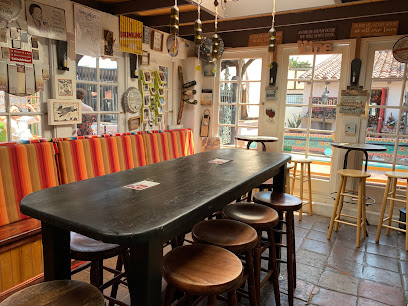
Rose's Tasting Room
0.1 km
Experience a delightful blend of local wines and craft beers in a warm, inviting atmosphere at Rose's Tasting Room in San Diego's Old Town.
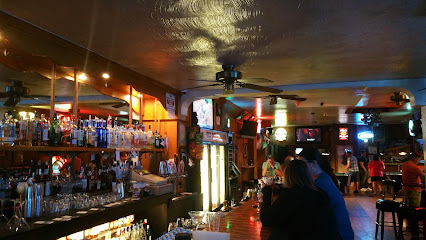
Old Town Saloon
0.3 km
Experience the lively atmosphere of Old Town Saloon, a historic dive bar in San Diego with affordable drinks and a welcoming vibe.
BW Hacienda Hotel Old Town
0.3 km
Discover the vibrant history and culture of San Diego at BW Hacienda Hotel Old Town, your gateway to unforgettable experiences.
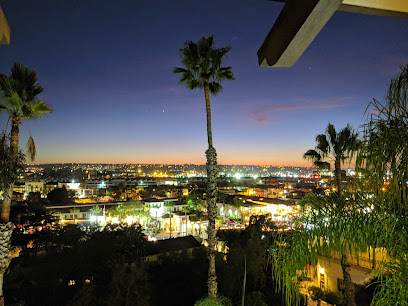
Oculto 477
0.4 km
Discover Oculto 477, a vibrant bar in Old Town San Diego, offering unique cocktails and an eclectic atmosphere perfect for relaxation and socializing.
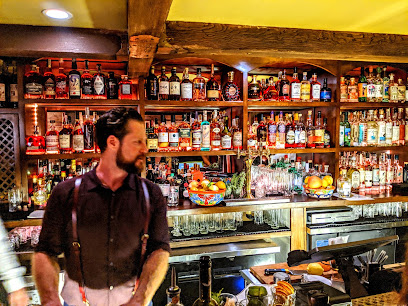
El Agave Restaurant & Tequileria
0.7 km
Discover the vibrant flavors of Mexico at El Agave Restaurant & Tequileria, a fine dining experience in the heart of San Diego's Old Town.
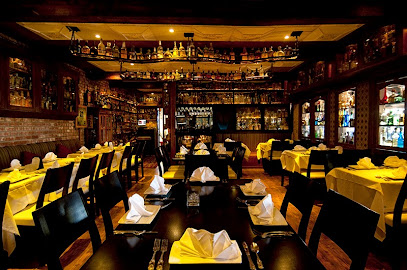
Home & Away
0.9 km
Discover the ultimate sports bar experience in San Diego at Home & Away, where great food, drinks, and excitement await every sports fan.
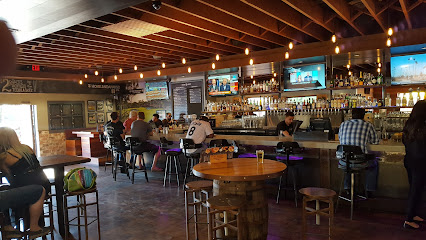
Sidecar Bar
2.0 km
Discover Sidecar Bar in San Diego – a lively spot with craft beers, cocktails, and a fun atmosphere perfect for a night out.
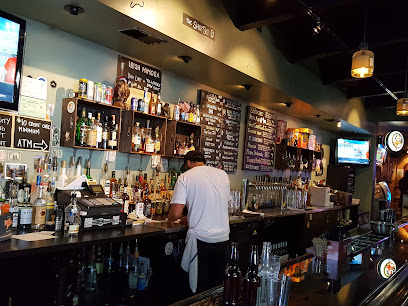
The Corner Drafthouse
4.3 km
Experience the best of Californian cuisine and craft beer at The Corner Drafthouse, a vibrant bar and restaurant in San Diego's Bankers Hill.
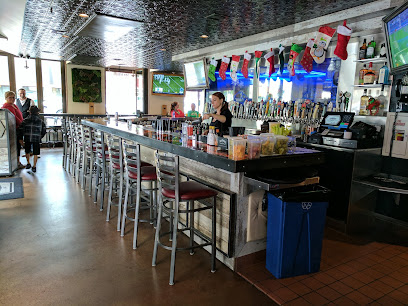
Lucy's Tavern
4.5 km
Discover Lucy's Tavern, a lively cocktail bar in San Diego's Point Loma, offering creative drinks and a welcoming atmosphere for all.
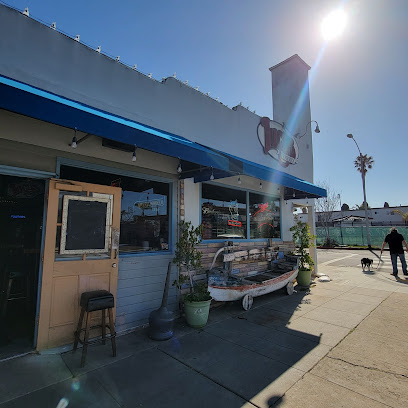
False Idol
4.5 km
Discover False Idol, a tiki bar in San Diego offering exotic cocktails and an immersive island atmosphere that delights every visitor.
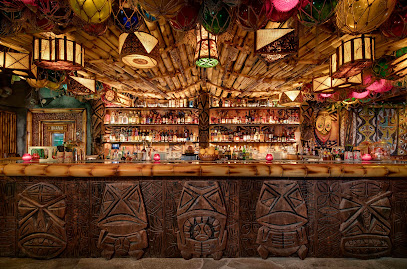
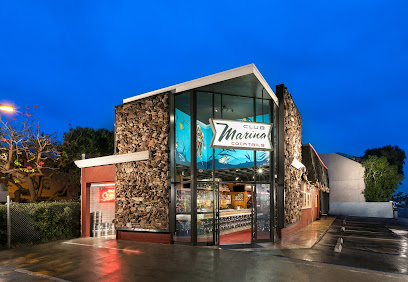
Club Marina
4.6 km
Experience the vibrant nightlife at Club Marina, a top cocktail bar in San Diego's scenic Point Loma, known for its signature drinks and lively atmosphere.
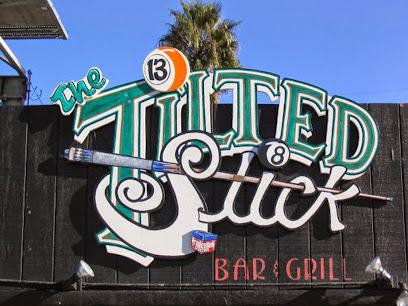
The Tilted Stick Bar & Grill
4.6 km
Experience the vibrant atmosphere and delicious grill offerings at The Tilted Stick Bar & Grill, a favorite among locals and tourists alike in San Diego.
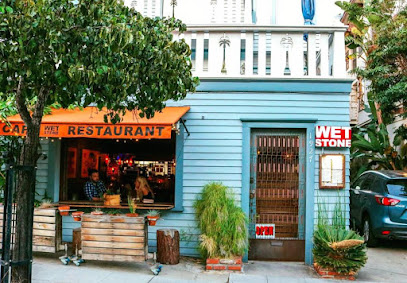
Wet Stone Wine Bar & Cafe
4.6 km
Discover the exquisite flavors and cozy ambiance at Wet Stone Wine Bar & Cafe, a San Diego dining destination for wine lovers and food enthusiasts alike.
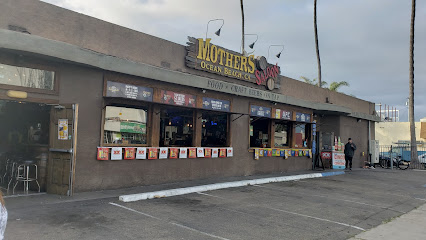
Northside Tavern
4.6 km
Experience the ultimate sports bar atmosphere at Northside Tavern with delicious food, refreshing drinks, and live music in Point Loma, San Diego.
Lady Carolyn's Pub
4.9 km
Experience the charm of Lady Carolyn's Pub in Balboa Park, where cozy ambiance meets delightful beverages in San Diego's cultural heart.