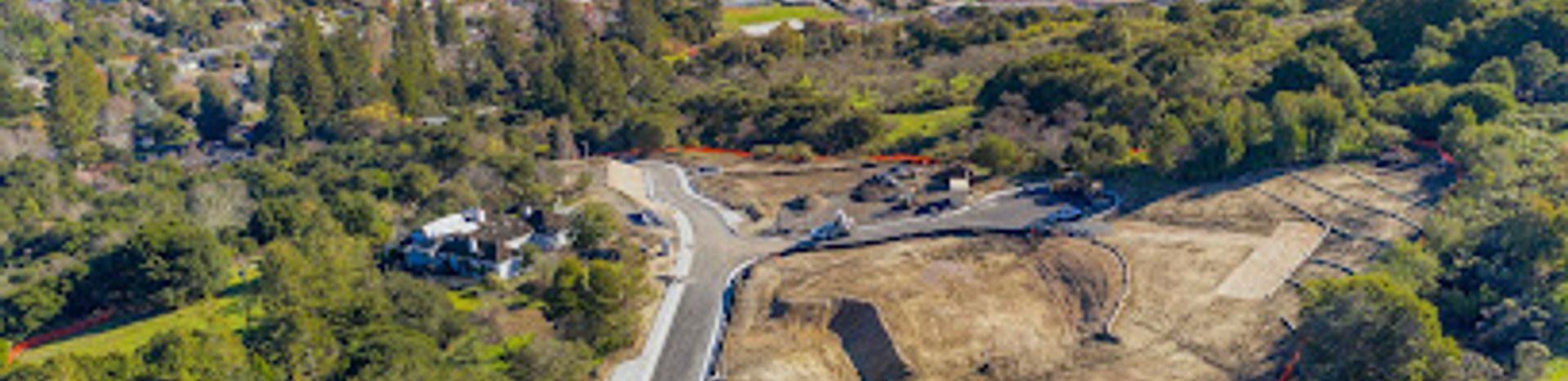
Joaquin Moraga Adobe: A Window to California's Rancho Era
Discover California's Rancho history at the Joaquin Moraga Adobe in Orinda, the oldest surviving building in Contra Costa County, with plans to open as a museum in 2025.
The Joaquin Moraga Adobe, built in 1841, stands as the oldest surviving building in Contra Costa County, offering a tangible link to California's Rancho era. Constructed by Don Joaquin Moraga, grandson of the prominent Spanish explorer José Joaquin Moraga, the adobe represents a significant piece of regional history. The Friends of the Joaquin Moraga Adobe acquired the Adobe with plans to open in 2025. The Adobe is envisioned as a museum and learning center, providing insights into the lives of early California settlers and the Moraga family's legacy. While privately owned for many years and not generally accessible to the public, recent efforts have focused on preserving and restoring the adobe, with the goal of opening it for tours and educational programs, allowing visitors to step back in time and experience life in the 1840s.
A brief summary to Joaquin Moraga Adobe (California Historical Landmark No. 509)
- 24 Adobe Ln, Orinda, California, 94563, US
Local tips
- Check the Friends of the Joaquin Moraga Adobe website for updated information on opening hours and tour schedules.
- Consider visiting during a special event or living history demonstration to fully immerse yourself in the Rancho era.
- Combine your visit with a trip to other historical sites in the Lamorinda area to gain a broader understanding of the region's past.

Getting There
-
Driving
From central Orinda, head south on Moraga Way. Turn left onto Glorietta Boulevard, then right onto Donna Maria Way. Turn right onto Adobe Lane. The Joaquin Moraga Adobe will be on your right. Limited street parking is available near the site.
-
Public Transport
From Orinda BART, take County Connection Route 6 towards Moraga. Get off at the Moraga Rd + Alta Mesa Dr stop. From there, walk along Moraga Road, turn left onto Donna Maria Way, then turn right onto Adobe Lane. The Joaquin Moraga Adobe will be on your right. A single ride on County Connection is $2.50 in cash, or $2.00 with a Clipper card.
Discover more about Joaquin Moraga Adobe (California Historical Landmark No. 509)
Iconic landmarks you can’t miss

Joaquin Moraga Adobe (California Historical Landmark No. 509)
0.0 km
Explore the Joaquin Moraga Adobe, a historical landmark in Orinda, California, showcasing the essence of early Californian architecture and culture.
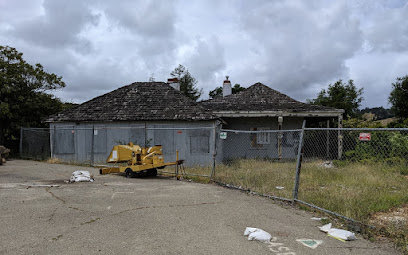
The Browning Monument
4.6 km
Explore the Browning Monument in Oakland's Joaquin Miller Park, a serene historical landmark honoring the legacy of poet Robert Browning amidst nature's beauty.
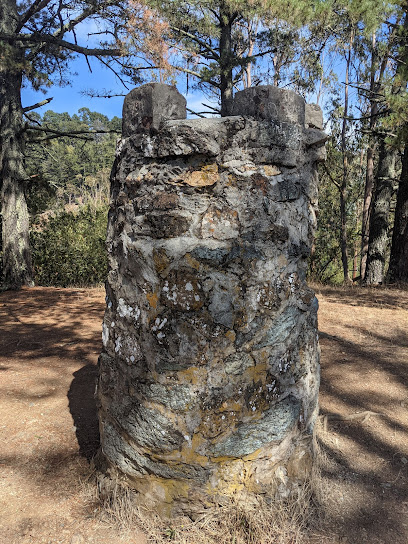
Joaquin Miller Abbey
5.0 km
Explore the historical beauty of Joaquin Miller Abbey, a serene landmark nestled in the lush landscapes of Joaquin Miller Park in Oakland, California.
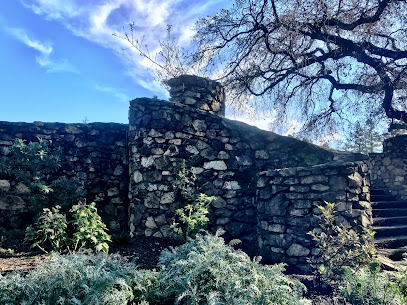
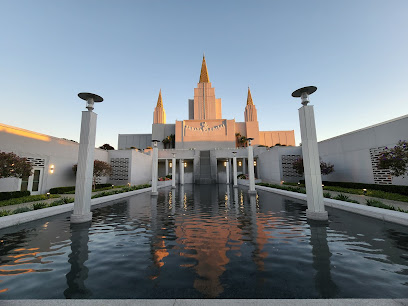
Oakland California Temple
5.6 km
Experience peace and beauty at the Oakland California Temple, a stunning architectural gem surrounded by serene gardens in the heart of Oakland, CA.
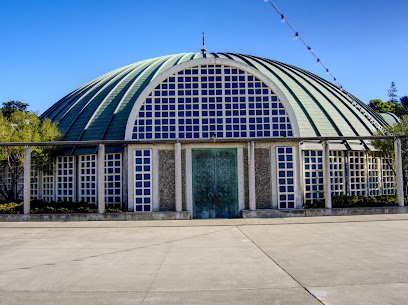
Ascension Cathedral
5.6 km
Discover the exquisite beauty and tranquility of Ascension Cathedral, a Greek Orthodox gem in Oakland's Lincoln Highlands, perfect for spiritual reflection and cultural exploration.
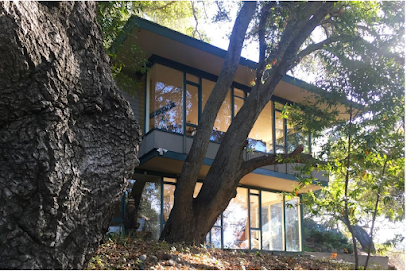
The Paul Hamilton House
5.9 km
Discover Orinda's architectural heritage at the Paul Hamilton House, a landmark of mid-century modern design and Second Bay Tradition.
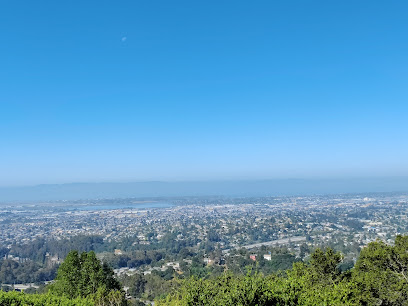
Leona Heights Park
6.0 km
Experience the natural beauty and tranquility of Leona Heights Park in Oakland, California, where stunning views and serene trails await your exploration.
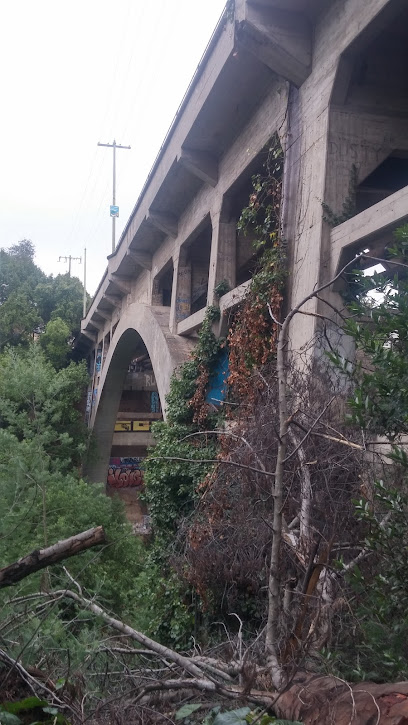
Leimert Bridge
6.3 km
Discover the beauty and artistry of Leimert Bridge in Oakland, a scenic landmark that connects communities and showcases local culture.
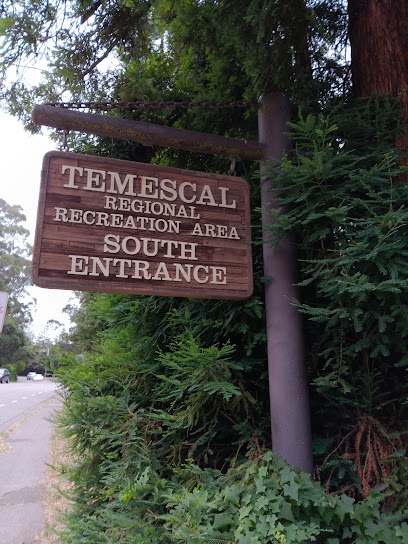
Temescal South Entrance
6.5 km
Explore the serene trails and breathtaking vistas at Temescal South Entrance, a natural oasis in Oakland perfect for outdoor adventures and relaxation.
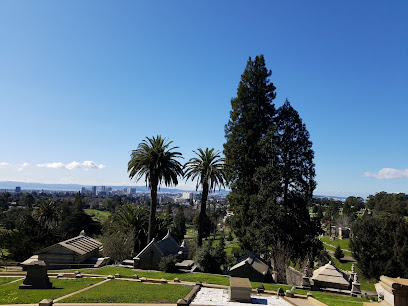
Merritt Mausoleum
7.5 km
Discover the Merritt Mausoleum, a historical landmark in Oakland, CA, celebrating the city's rich heritage amidst serene gardens and stunning architecture.
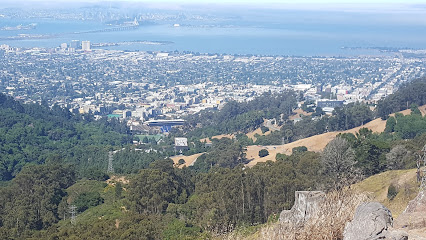
Grizzly Peak
7.9 km
Discover the breathtaking views and serene hiking trails at Grizzly Peak, one of Berkeley's most scenic outdoor destinations.
Piedmont Funeral Services and Mountain View Cemetery
8.1 km
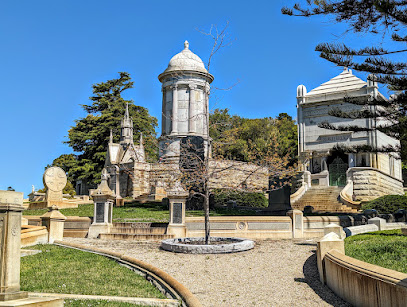
Explore the tranquil beauty of Piedmont Funeral Services and Mountain View Cemetery in Oakland, where history and serenity meet stunning Bay Area views.
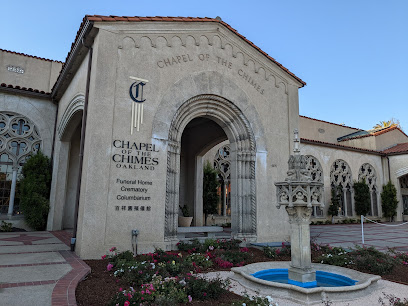
Chapel of the Chimes Oakland Funeral Home, Crematory and Columbarium
8.2 km
Discover the serene beauty of the Chapel of the Chimes, a unique architectural gem and tranquil sanctuary for reflection in Oakland, California.
Bilger / Rockridge Quarry Site
8.3 km
Discover the historic Bilger Rockridge Quarry Site in Oakland, California, where rich mining heritage meets stunning natural beauty.
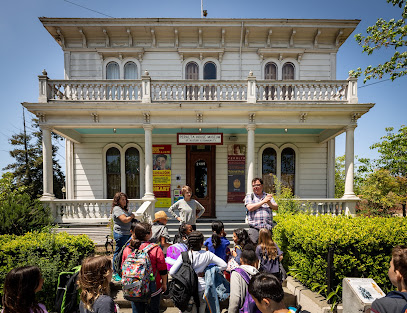
Peralta Hacienda Historical Park
8.4 km
Explore the historical essence and natural beauty of Peralta Hacienda Historical Park in Oakland, a serene retreat that celebrates California's rich heritage.
Unmissable attractions to see

Huckleberry Botanic Regional Preserve
3.6 km
Explore a unique East Bay treasure: rare native plants, stunning views, and a peaceful escape in the Oakland Hills' Huckleberry Botanic Regional Preserve.
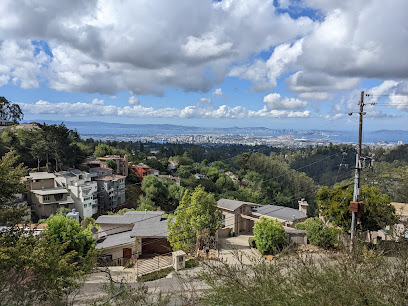
Reinhardt Redwood Regional Park
3.6 km
Experience the serene beauty and towering redwoods of Reinhardt Redwood Regional Park, a breathtaking natural retreat in Oakland, California.
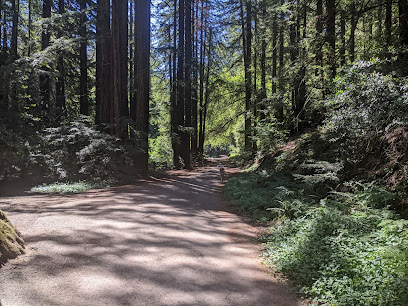
Roberts Regional Recreation Area
3.7 km
Discover Oakland's Redwood Retreat: Hike scenic trails, picnic among towering trees, and enjoy family fun at Roberts Regional Recreation Area, a natural escape in the East Bay.
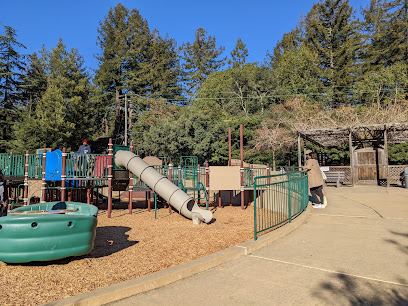
Site of Blossom Rock Navigation Trees
4.0 km
Visit the site of Oakland's historic Blossom Rock Navigation Trees, where towering redwoods once guided ships through the bay.
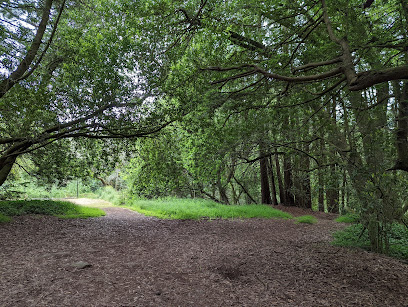
Joaquin Miller Park
4.2 km
Discover Oakland's Joaquin Miller Park: Hike redwood trails, explore historic monuments, and escape to nature in the heart of the East Bay.
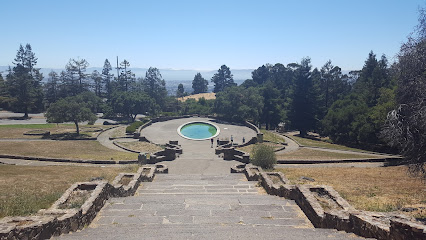
Sibley Volcanic Regional Preserve
4.6 km
Hike through volcanic history, explore scenic trails, and discover panoramic views at Oakland's unique Sibley Volcanic Regional Preserve.
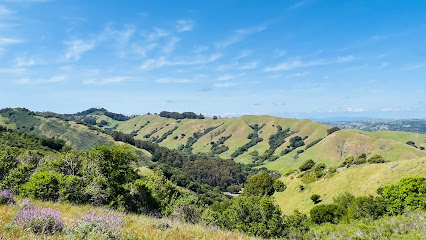
Pyramid to Moses
4.7 km
Explore the stunning Pyramid to Moses in Joaquin Miller Park—an iconic monument offering breathtaking views and a serene hiking experience.
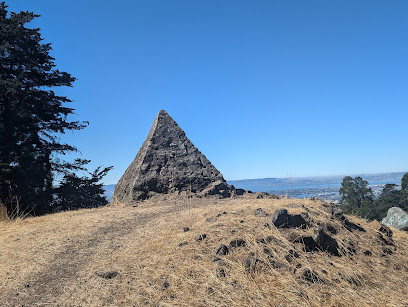
Reinhardt Redwood Regional Park Redwood Gate
4.7 km
Discover the breathtaking beauty of Reinhardt Redwood Regional Park, a serene escape into nature's wonders in Oakland, California.
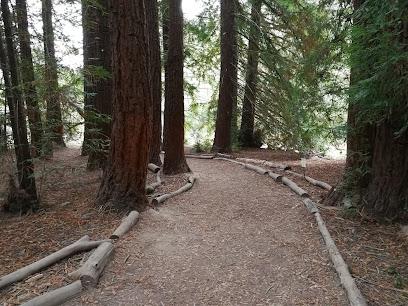
Siesta Valley Recreation Area
5.7 km
Experience the natural beauty and tranquility of Siesta Valley Recreation Area in Orinda, CA, a perfect retreat for outdoor enthusiasts and nature lovers.
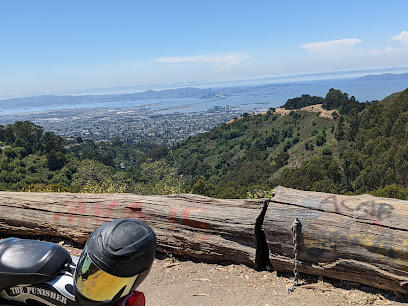
Grizzly Peak Overlook - KPFA Tower pullout
6.5 km
Discover the stunning views and serene sunsets at Grizzly Peak Overlook, a must-visit attraction in Berkeley, California.
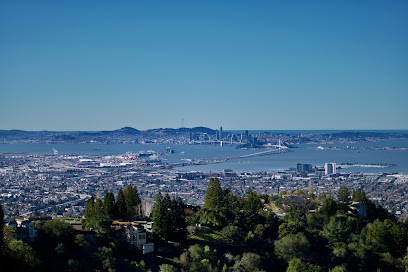
Grizzly Peak Blvd Overlook
6.7 km
Experience stunning vistas and serene nature at Grizzly Peak Blvd Overlook, a must-visit scenic spot in Berkeley, California.
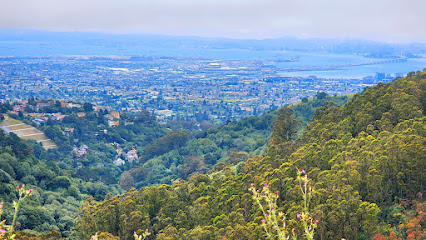
Leona Canyon Regional Open Space Preserve
6.8 km
Discover Oakland's hidden gem: Leona Canyon Regional Open Space Preserve, a tranquil escape with wooded trails and stunning views in the heart of the East Bay.
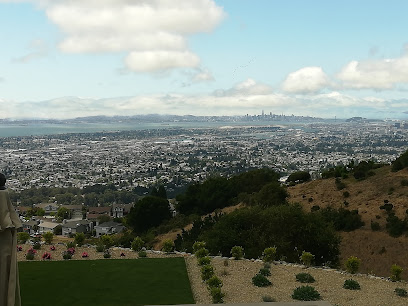
Temescal Regional Recreation Area
7.0 km
Discover the serene beauty of Temescal Regional Recreation Area, where lush landscapes and outdoor activities await in Oakland, California.
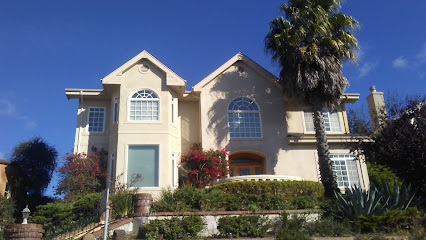
Ostrander Park
7.1 km
Experience the tranquil beauty of Ostrander Park in Oakland, a perfect escape for nature lovers and families with scenic views and lush greenery.
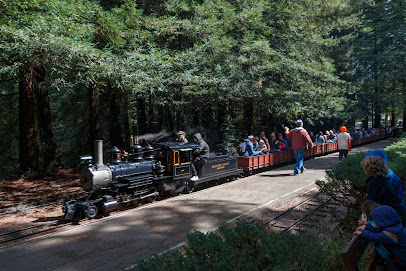
Tilden Park Steam Train at the Redwood Valley Railway
7.2 km
Experience a nostalgic steam train ride through redwood forests at Tilden Park's Redwood Valley Railway. A family-friendly adventure since 1952.
Essential places to dine

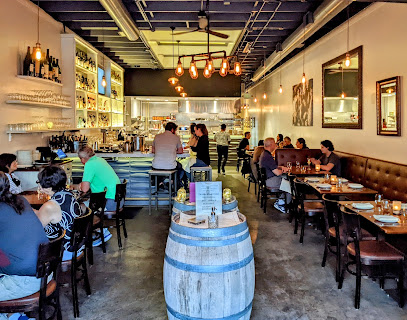
Perle Wine Bar and Restaurant
5.2 km
Discover a delightful blend of French and Italian cuisine at Perle Wine Bar in Oakland's scenic Montclair district.
The Hideout Kitchen & Cafe
6.1 km
Discover delightful American cuisine at The Hideout Kitchen & Cafe in Lafayette - a cozy spot for food lovers seeking fresh flavors.
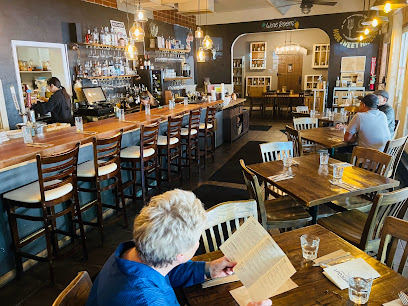
Bellanico Restaurant and Wine Bar
7.2 km
Discover authentic Italian flavors at Bellanico Restaurant and Wine Bar in Glenview, Oakland – where every meal is a delightful journey through Italy.
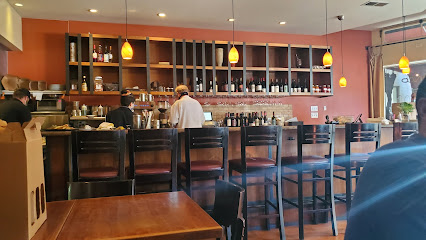
Bombera
7.3 km
Experience the vibrant flavors of Mexico at Bombera, Oakland's premier destination for authentic Mexican cuisine and craft cocktails.
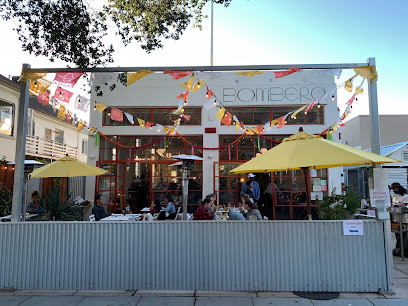
Creekside Grill
7.8 km
Experience delightful American cuisine at Creekside Grill in Walnut Creek - where comfort food meets scenic views.

LIMEWOOD BAR & RESTAURANT
7.9 km
Experience upscale dining at Limewood Bar & Restaurant in Berkeley with seasonal dishes and breathtaking views in Claremont Hills.
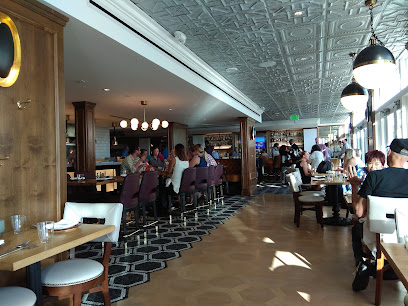
Rick & Ann's Restaurant
8.1 km
Experience delightful American cuisine at Rick & Ann's Restaurant in Berkeley - your go-to spot for breakfast and brunch delights!
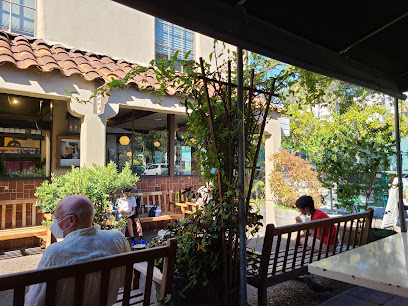
Il Pavone
8.2 km
Experience authentic Italian cuisine at Il Pavone in Walnut Creek – where every meal feels like a journey through Italy.
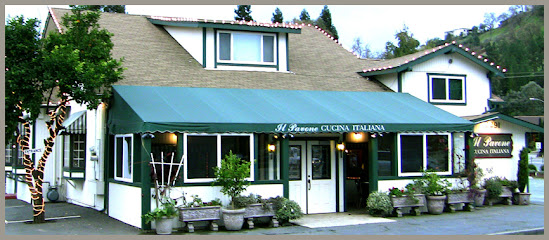
Enoteca Molinari
8.6 km
Experience authentic Italian dining at Enoteca Molinari in Oakland - where exquisite flavors meet warm hospitality.
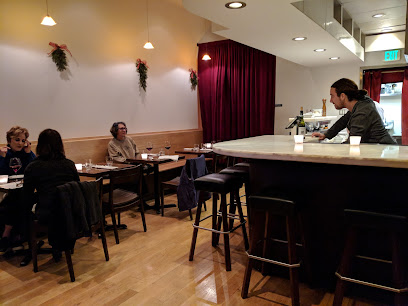
Kitchen Story Oakland
8.6 km
Experience unique New American cuisine with Korean influences at Kitchen Story Oakland - a must-visit brunch spot in Rockridge.
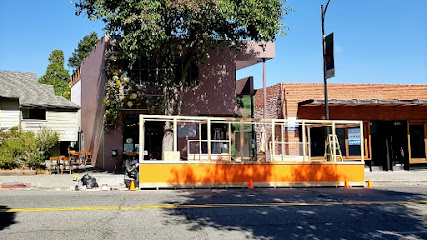
A16
8.6 km
Experience authentic Italian cuisine at A16 in Oakland's Rockridge neighborhood, featuring wood-fired pizzas and handcrafted pastas in a cozy setting.
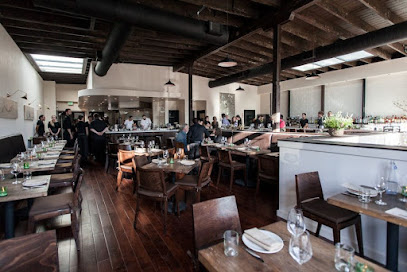
À Côté
8.6 km
Experience exquisite French-Italian dining at À Côté in Oakland's Rockridge neighborhood; where every dish tells a delicious story.
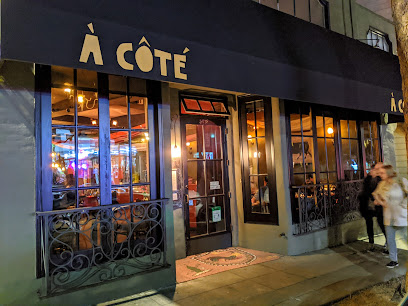
Belly - Rockridge
8.6 km
Discover Belly - Rockridge: Oakland's premier destination for exquisite Asian fusion cuisine in a stylish setting.
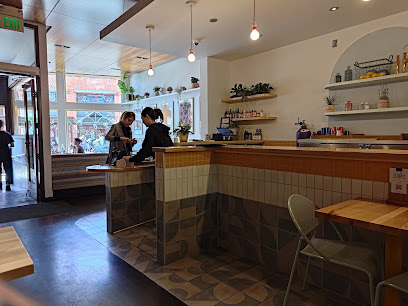
Crepevine Restaurants
8.6 km
Experience the delightful taste of crepes and American cuisine at Crepevine Restaurants in Oakland's charming Rockridge neighborhood.
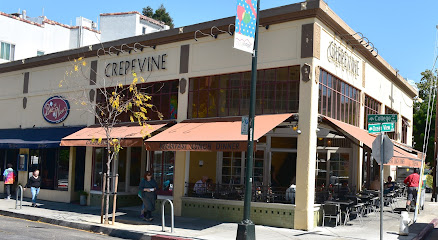
Belotti Ristorante E Bottega
8.6 km
Savor authentic Italian cuisine at Belotti Ristorante E Bottega – where tradition meets flavor in every dish.
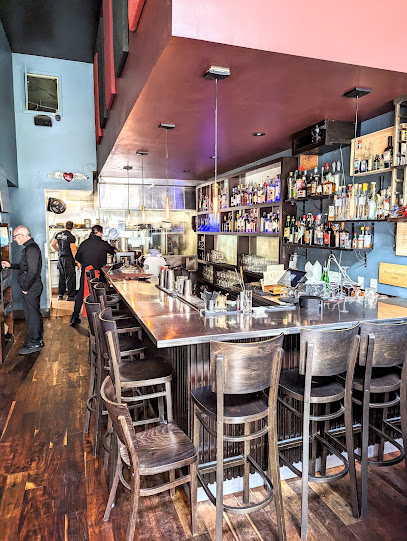
Markets, malls and hidden boutiques

Pelago
5.3 km
Explore the charming gift shop Pelago in Oakland, offering unique treasures and locally sourced crafts perfect for memorable gifts.
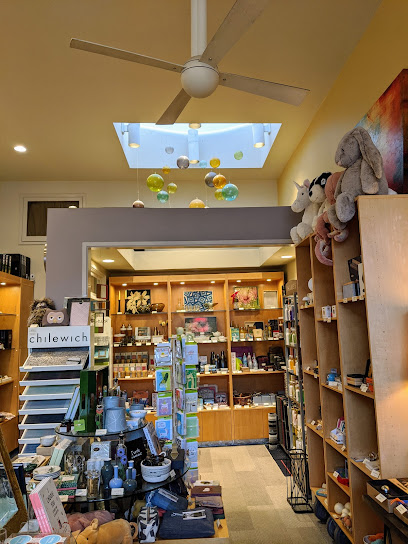
Folks' Art
5.3 km
Explore Oakland's creative spirit at Folks' Art, your go-to gift shop for unique handmade treasures and local artistry.
Mac Gift Shop
6.8 km
Explore Oakland's vibrant culture through unique gifts at Mac Gift Shop, your go-to destination for local artisan products.
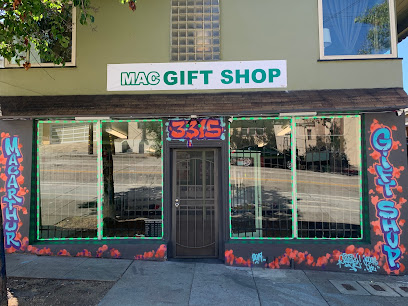
Mischief
7.0 km
Explore Mischief, a vibrant gift shop and art school in Oakland, where creativity and unique treasures await every visitor.
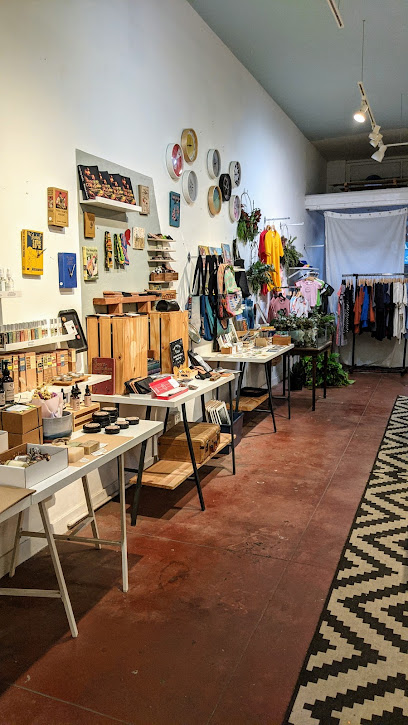
All Things Vintage
7.7 km
Explore All Things Vintage in Oakland, California, where timeless fashion meets unique treasures for every style enthusiast.
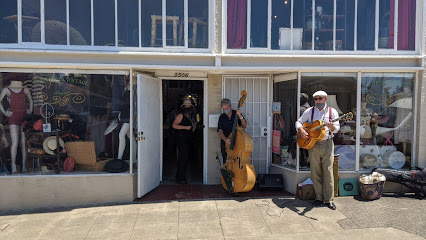
E-Z Exotic Gift Shop
8.0 km
Discover unique treasures at E-Z Exotic Gift Shop in Oakland, where every item reflects the vibrant local culture.
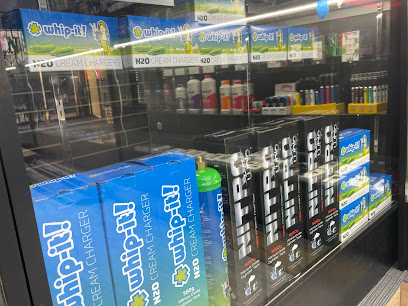
Ellington & French
8.1 km
Explore the charm of Ellington & French, Berkeley's beloved gift shop offering unique treasures and local artisan crafts.
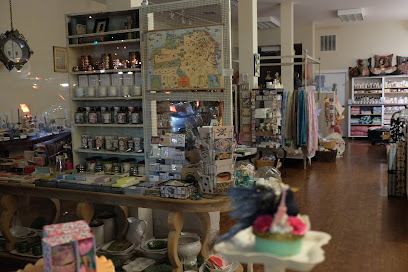
The Ridge
8.4 km
Discover a vibrant shopping experience at The Ridge in Oakland, featuring diverse stores, delightful dining, and a lively atmosphere that reflects local culture.
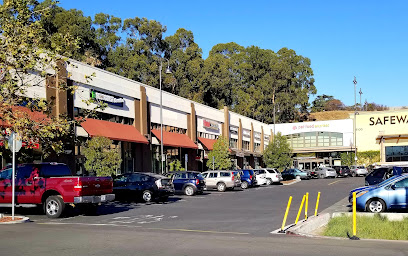
Nathan & Co
8.6 km
Discover a delightful gift shop in Oakland's Rockridge neighborhood, featuring unique souvenirs and thoughtful gifts for every occasion.
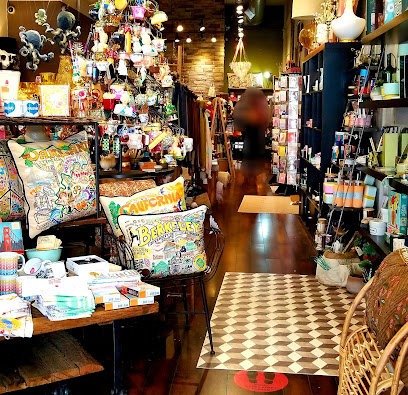
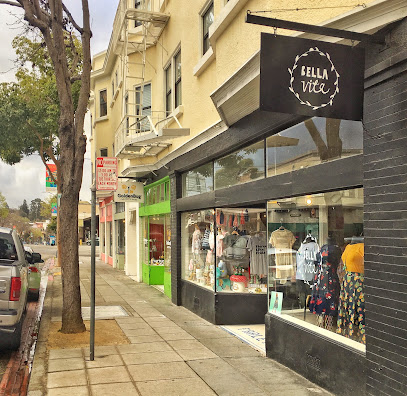
Bella Vita
8.6 km
Explore Bella Vita in Oakland, where unique gifts, stylish accessories, and charming children's clothing await you in a delightful boutique setting.
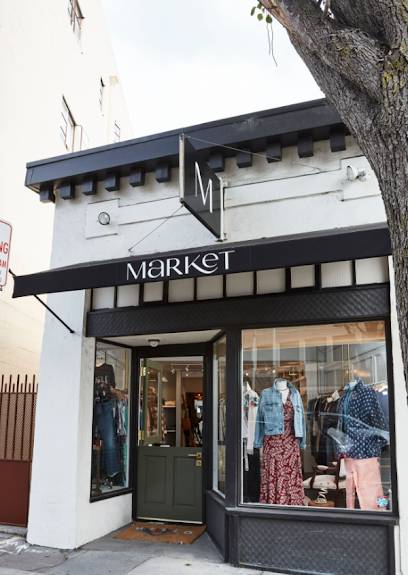
Market
8.6 km
Explore Market in Rockridge, Oakland - a stylish women's clothing boutique offering curated fashion and local artisan goods.
Lesley Evers | Rockridge Store
8.6 km
Explore unique women's fashion and gifts at Lesley Evers, the boutique that embodies Oakland's vibrant style and local artistry.
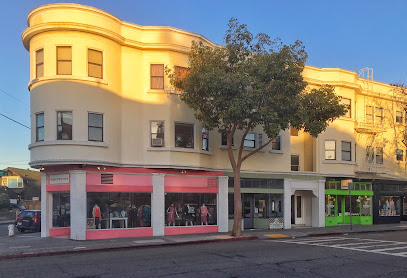
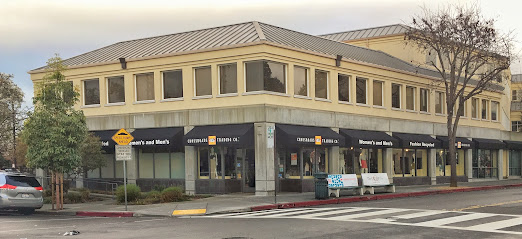
Crossroads Trading
8.7 km
Explore sustainable fashion at Crossroads Trading, a unique used clothing store in Oakland’s Rockridge neighborhood, where style meets thrift.
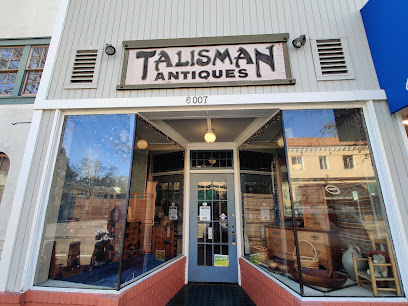
Talisman Antiques
8.7 km
Unearth timeless treasures at Talisman Antiques, Oakland's charming antique store, showcasing unique artifacts and local artistry.
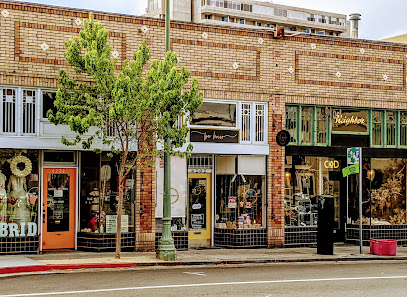
Good Stock
8.7 km
Explore Good Stock in Oakland for unique jewelry and boutique treasures that celebrate local artisanship and creativity.
Essential bars & hidden hideouts

McNally's Irish Pub
8.6 km
Discover the authentic taste of Ireland at McNally's Irish Pub in Oakland, where great food meets lively ambiance.
Ben 'N Nick's Bar & Grill
8.6 km
Experience the vibrant flavors of Oakland at Ben 'N Nick's Bar & Grill, where gastropub meets American cuisine in a lively atmosphere.
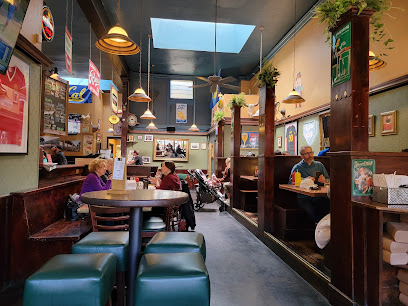
George & Walt's
8.6 km
Discover the vibrant atmosphere and delightful flavors at George & Walt's, Oakland's premier cocktail bar and grill.
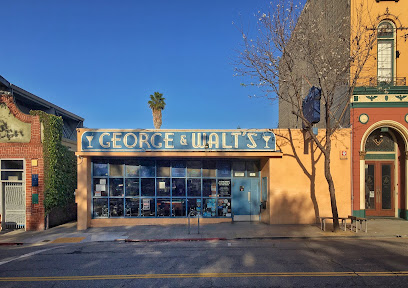
Rockridge Improvement Club
8.6 km
Discover the lively atmosphere of Rockridge Improvement Club, Oakland's premier bar and event venue offering unique cocktails and vibrant entertainment.
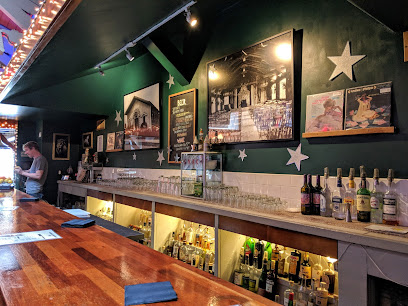
Beer Baron Whiskey Bar & Kitchen
8.6 km
Experience the perfect blend of grilled cuisine and whiskey at Beer Baron Whiskey Bar & Kitchen in Oakland, CA.
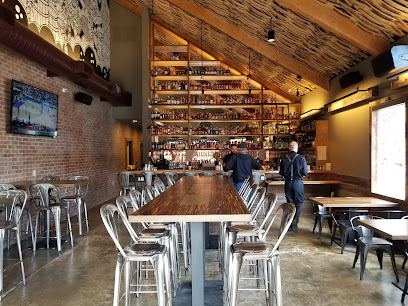
Redfield Cider Bar & Bottle Shop
8.6 km
Discover the best of craft ciders at Redfield Cider Bar & Bottle Shop in Oakland, a perfect retreat for cider lovers and casual drinkers alike.
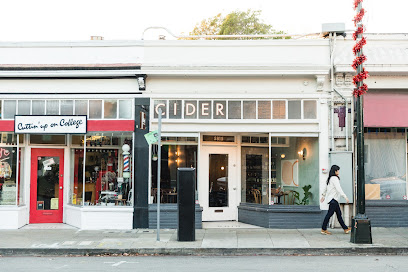
The Graduate
8.7 km
Experience the vibrant atmosphere and friendly service at The Graduate, a lively bar in Oakland's Rockridge neighborhood, perfect for socializing and relaxation.
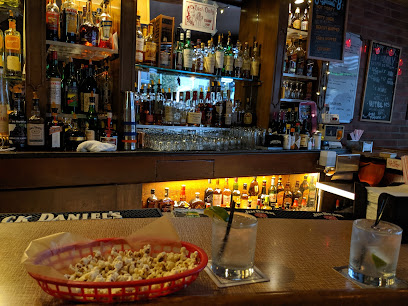
CAÑA Cuban Parlor & Cafe
8.9 km
Savor authentic Cuban cuisine at CAÑA Cuban Parlor & Cafe, Oakland's vibrant destination for delicious food and drinks.
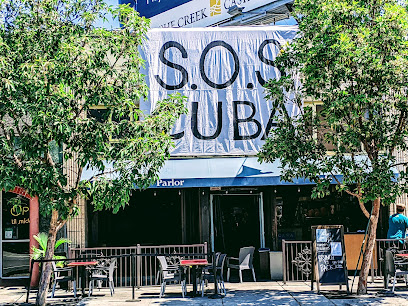
Heart & Dagger Saloon
8.9 km
Experience the vibrant nightlife at Heart & Dagger Saloon, Oakland's cozy bar featuring craft cocktails, friendly service, and a lively atmosphere.
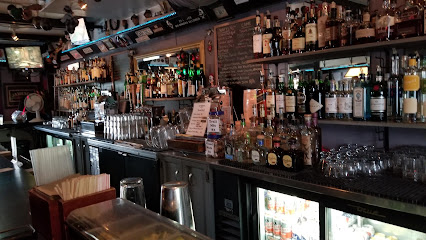
The Lodge
9.3 km
Discover the cozy charm of The Lodge, a beloved bar in Oakland's Piedmont Avenue, offering craft cocktails, local brews, and a warm atmosphere.
Freehouse
9.3 km
Discover Freehouse, Berkeley's favorite American restaurant and pub, serving delicious food and drinks in a friendly atmosphere.
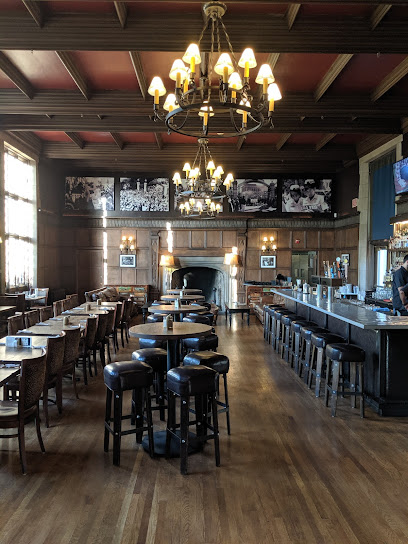
The Tap Haus
9.6 km
Experience the lively ambiance at The Tap Haus in Berkeley, a perfect blend of great drinks, pool games, and vibrant nightlife.
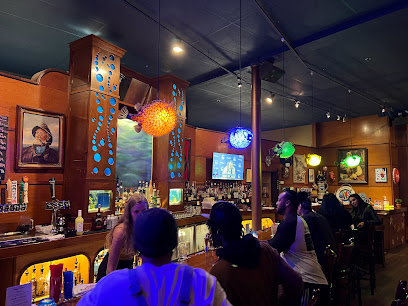
Kingfish Pub & Cafe
9.6 km
Discover the lively charm of Kingfish Pub & Cafe in Oakland, where delicious food meets an extensive drink selection in a vibrant atmosphere.
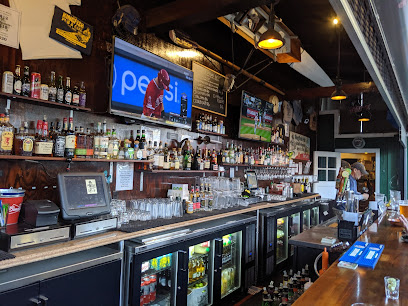
Roses' Taproom
9.6 km
Discover the vibrant atmosphere and diverse drink selection at Roses' Taproom, a must-visit bar in Oakland's lively Temescal neighborhood.
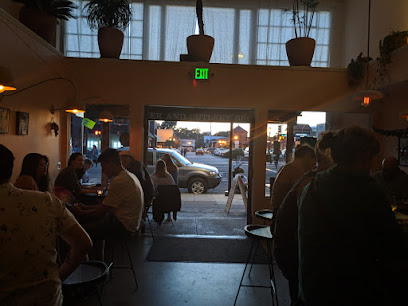
The Avenue Bar
9.6 km
Experience the vibrant atmosphere and eclectic charm of The Avenue Bar in Oakland's Temescal district, where great drinks and good company await.
Nightclubs & after hour spots

Lounge 3411
6.9 km
Discover the vibrant nightlife at Lounge 3411 in Oakland's Dimond District, featuring live Blues music and a cozy atmosphere for all.
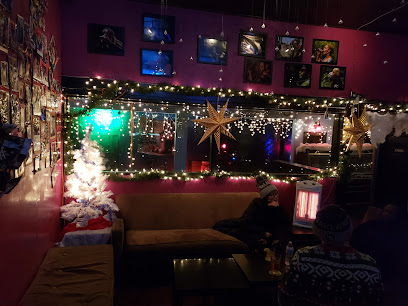
Kona Club
8.3 km
Discover Kona Club in Oakland: A tropical bar oasis with exotic cocktails, live music, and a vibrant atmosphere, perfect for a night out.
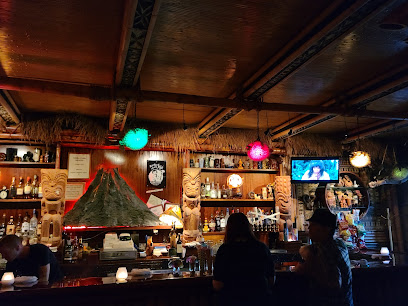
White Horse Inn
9.4 km
Experience the lively spirit and innovative cocktails of White Horse Inn, a welcoming bar in Oakland's vibrant nightlife scene.
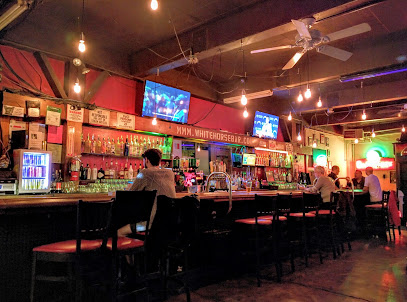
La Frontera Night Club
9.6 km
Experience the vibrant nightlife at La Frontera Night Club in Oakland, featuring live music, delicious food, and a lively atmosphere.
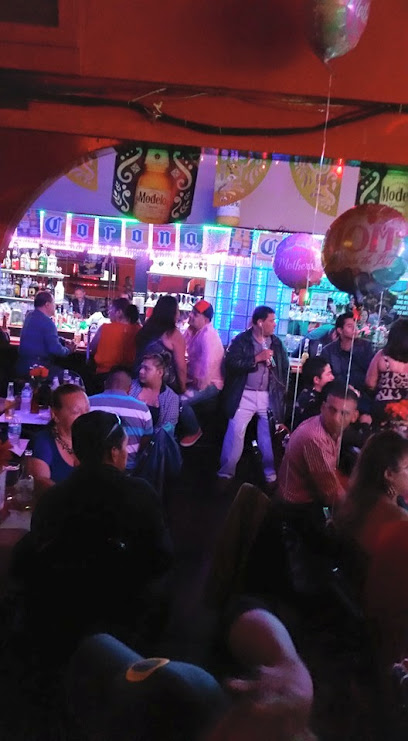
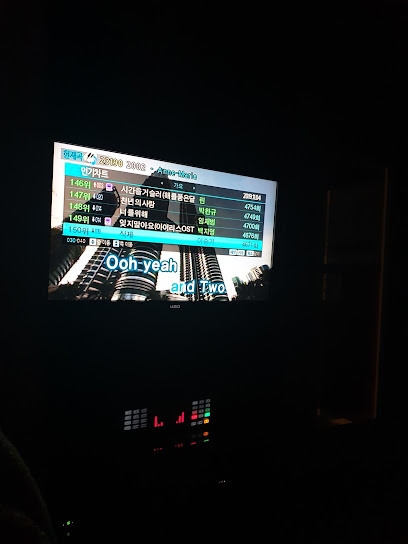
Jaguar Karaoke Berkeley
9.6 km
Discover the ultimate karaoke experience at Jaguar Karaoke Berkeley, where music and fun unite in a vibrant atmosphere.
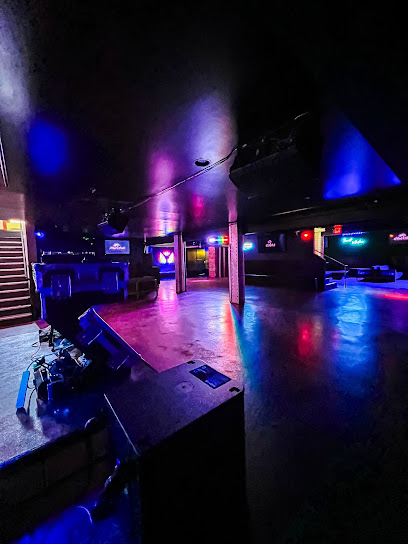
Club Cali
9.6 km
Dive into the vibrant nightlife of Berkeley at Club Cali, where music, dancing, and unforgettable memories come alive every night.
jazz at lesher center
10.2 km
Discover the heart and soul of jazz music at the Lesher Center, Walnut Creek's premier venue for live performances and unforgettable experiences.
Aura
10.2 km
Discover the electrifying nightlife experience at Aura Nightclub in Walnut Creek, California, where music, dancing, and fun await.
AU Lounge
10.3 km
Discover the vibrant nightlife at AU Lounge in Oakland, where expertly crafted cocktails and a lively atmosphere await.
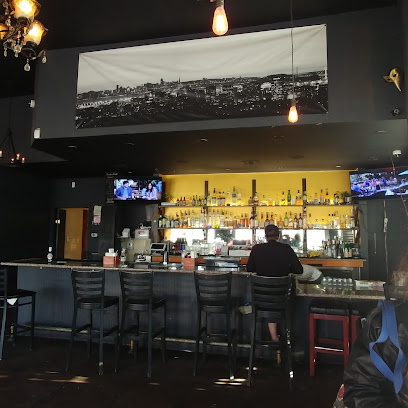
Eli's Mile High Club
10.4 km
Experience the soulful sounds and delicious bites at Eli's Mile High Club, Oakland's premier blues venue and bar & grill.
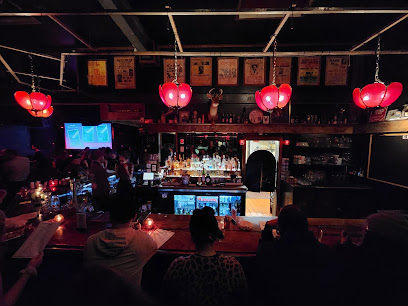
Drop 84
10.4 km
Experience the pulse of Berkeley's nightlife at Drop 84, where unforgettable nights and vibrant energy come alive.
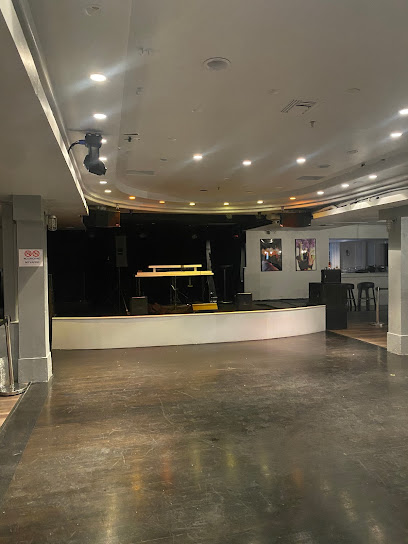
Thee Stork Club
10.6 km
Discover the vibrant nightlife at Thee Stork Club, Oakland's premier night club and cocktail bar offering unforgettable experiences.
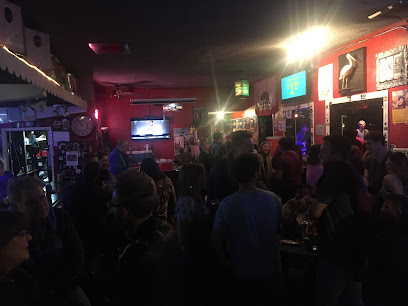
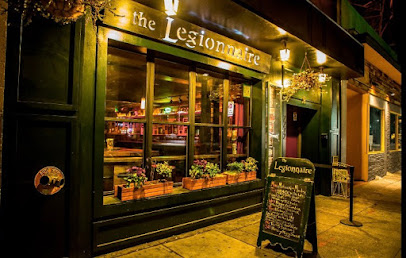
The Legionnaire Saloon
10.7 km
Experience the vibrant nightlife at the Legionnaire Saloon, Oakland's go-to karaoke bar for fun, music, and unforgettable memories.
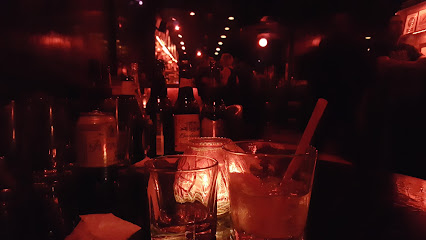
Ruby Room
10.7 km
Experience vibrant nightlife at The Ruby Room in Oakland, where stylish decor meets delicious drinks and unforgettable memories.
C4 Enrichment Organization
10.8 km
Experience creativity and community at C4 Enrichment Organization, a vibrant hub for dance, education, and artistic expression in Walnut Creek, CA.