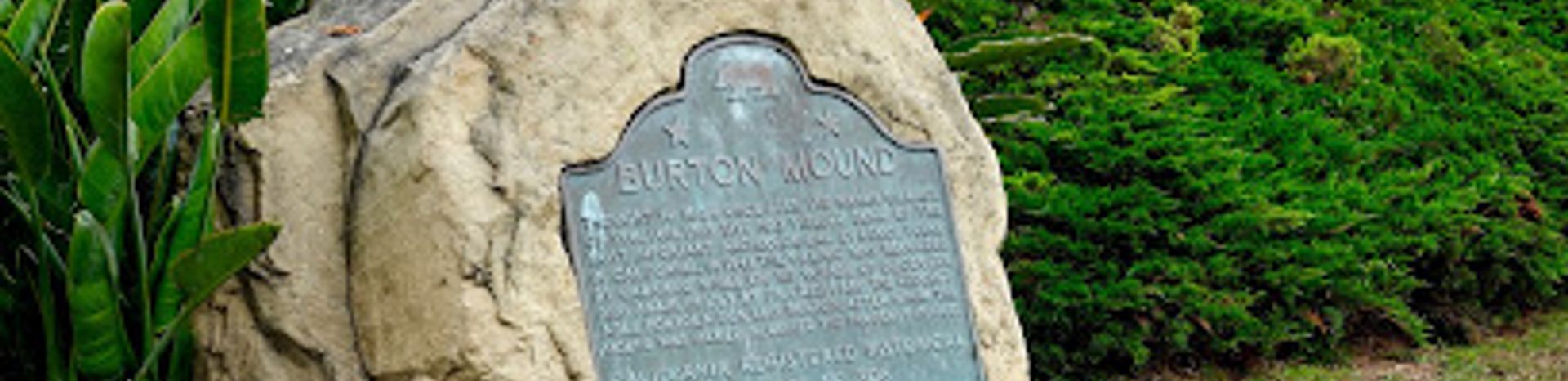
Burton Mound: A Window to Santa Barbara's Past
Discover the historical significance of Burton Mound State Historical Landmark in Santa Barbara, the site of the Chumash village of Syujtun, and explore California's rich indigenous past.
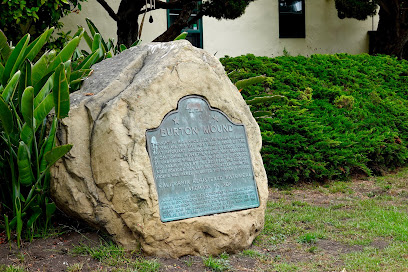
Burton Mound State Historical Landmark, nestled in Santa Barbara's Ambassador Park, marks the site of Syujtun, a significant Chumash village. In 1542, Juan Rodríguez Cabrillo documented the village, followed by visits from Fr. Crespí and Portolá in 1769. Don Luis Burton acquired the land in 1860, lending his name to the mound. Archaeological excavations in 1923 unearthed over 2,500 artifacts, now housed in the National Museum of the American Indian. Today, the landmark offers a serene space to reflect on the area's rich indigenous history and the layers of cultures that have shaped Santa Barbara. The landmark serves as a reminder of the Chumash people's enduring legacy and their deep connection to this coastal land. Visitors can appreciate the historical significance of this location and its role in California's past.
A brief summary to Burton Mound State Historical Landmark
- W Mason St, Santa Barbara, West Beach, California, 93101, US
Local tips
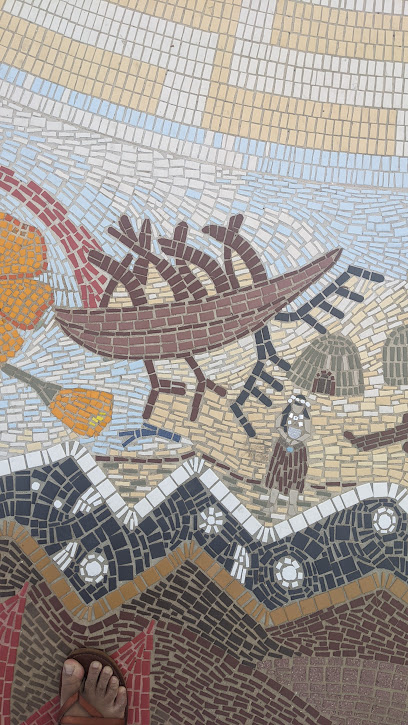
- Visit the Syuxtun Story Circle on Cabrillo Boulevard to learn about Chumash legends through a beautiful mosaic.
- Explore the Santa Barbara Museum of Natural History for in-depth exhibits on Chumash history and culture.
- Combine your visit with a stroll along West Beach to enjoy the scenic views of the ocean and Channel Islands.

Getting There
-
Walking
From the intersection of Cabrillo Boulevard and Chapala Street, walk north on Chapala Street for approximately 0.1 miles. Turn right onto W Mason Street. Ambassador Park, where Burton Mound is located, will be on your left. The walk is generally flat and takes about 5-10 minutes. This route offers views of the coastline and nearby landmarks.
-
Public Transport
The Santa Barbara MTD Line 12 offers service near Burton Mound. From downtown Santa Barbara, take Line 12 towards the harbor and disembark at the Cabrillo & Castillo Street stop. From there, walk one block north on Castillo Street, then turn left onto W Mason Street. The park will be on your right. A single ride fare is $1.75.
-
Taxi/Ride-Share
A taxi or ride-share from downtown Santa Barbara to Burton Mound will typically cost between $8 and $12, depending on traffic and demand. The ride takes approximately 5-10 minutes. Request your drop-off at the intersection of W Mason Street and Burton Circle for direct access to Ambassador Park.
-
Driving
If driving, approach Burton Mound via Cabrillo Boulevard. Turn north onto either Chapala Street or Castillo Street, then turn onto W Mason Street. Limited street parking is available along W Mason Street and Burton Circle. Parking is free, but spaces can be scarce, especially during peak tourist season. Consider alternative parking options further from the beach if necessary.
Discover more about Burton Mound State Historical Landmark
Iconic landmarks you can’t miss

Burton Mound State Historical Landmark
0.0 km
Discover the historical landmark of Burton Mound in Santa Barbara, the site of the ancient Chumash village of Syujtun, and reflect on the rich cultural heritage of the California coast.
Syuxtun Story Circle
0.1 km
Discover the Syuxtun Story Circle on Santa Barbara's West Beach: a vibrant mosaic celebrating the Chumash people's history, culture, and enduring connection to the land.
Veterans' Memorial Building
0.1 km
A historic waterfront landmark honoring veterans and serving as a vibrant community hub in Santa Barbara, hosting events and offering stunning ocean views.
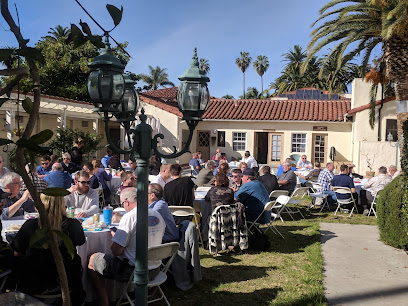
Waterfront Santa Barbara
0.2 km
Discover Santa Barbara's vibrant waterfront: historic Stearns Wharf, bustling harbor, scenic beaches, and endless ocean adventures await along California's captivating coast.
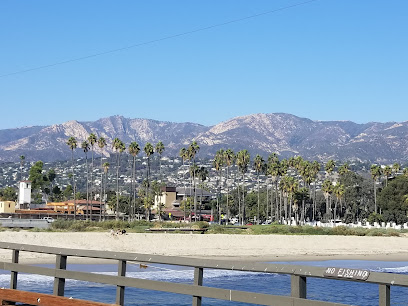
Funk Zone Studios
0.4 km
Explore the vibrant Funk Zone Studios in Santa Barbara, where art, photography, and creativity come together in a colorful coastal atmosphere.
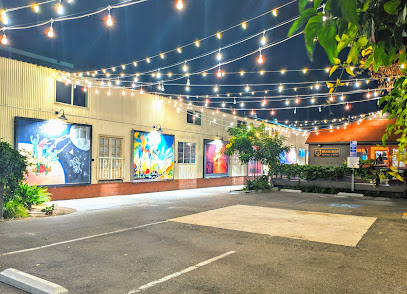
Area 5.1 Winery
0.4 km
Discover unconventional wine blends in a quirky, alien-themed tasting room located in Santa Barbara's Funk Zone, offering an out-of-this-world experience with live music and a vibrant atmosphere.
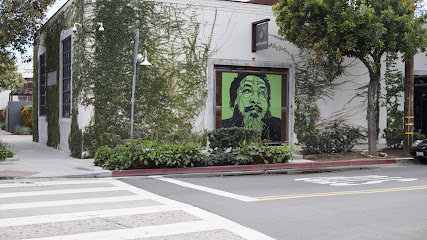
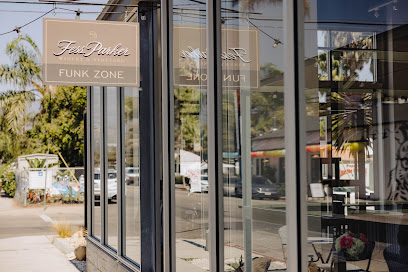
Fess Parker Funk Zone
0.5 km
Experience the acclaimed wines of Fess Parker Winery in the heart of Santa Barbara's Funk Zone, a vibrant arts district offering a modern tasting experience and a taste of local wine heritage.
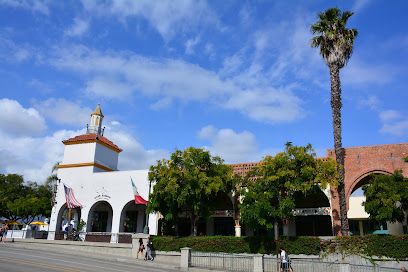
Andalucia Building
0.5 km
Discover the Andalucia Building in Santa Barbara: A unique Moorish-style landmark on State Street, blending history, architecture, and downtown charm for an unforgettable experience.
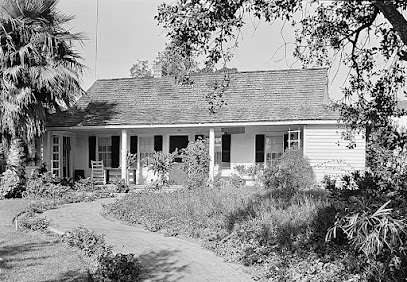
Hastings Adobe
0.6 km
Discover the Hastings Adobe in Santa Barbara, a historic landmark built in 1854, blending New England charm with California history, offering a glimpse into the past.
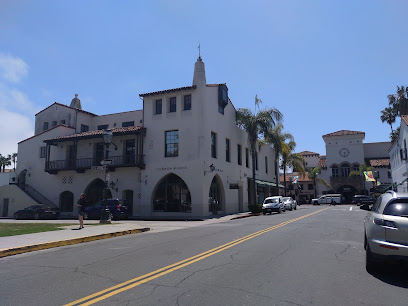
De La Guerra Plaza
1.2 km
Experience the vibrant heart of Santa Barbara at De la Guerra Plaza, a historic public square surrounded by iconic architecture, where community and culture come alive.
Casa Covarrubias
1.2 km
Step back in time at Casa Covarrubias, a beautifully preserved 1817 adobe offering a glimpse into Santa Barbara's rich history and the lives of its prominent early families.

Paseo de la Guerra
1.2 km
Explore the historic Paseo de la Guerra in Santa Barbara, a landmark that embodies the rich cultural heritage of California's coastal history.

El Paseo "Street in Spain"
1.2 km
Discover the charm and history of El Paseo Street in Santa Barbara, Spain, where vibrant culture meets stunning architecture for an unforgettable experience.
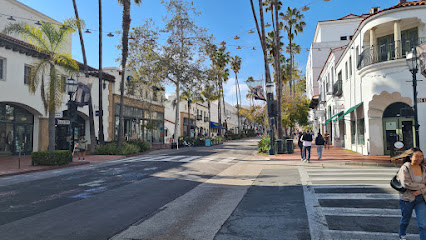
The Orena Adobe
1.2 km
Discover the Orena Adobe in Santa Barbara: a historic landmark showcasing Spanish Colonial heritage and the blending of cultures in California's captivating past.

Santa Barbara Old Japantown Plaque
1.4 km
Explore Santa Barbara's rich cultural tapestry at the Old Japantown Plaque, honoring the legacy of the Japanese community that once thrived in this historic city.

Unmissable attractions to see

West Beach
0.2 km
Experience sun, sea, and Santa Barbara charm at West Beach, a vibrant waterfront destination with activities for everyone.
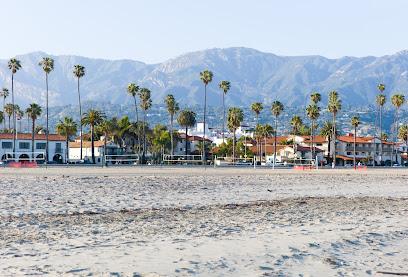
MOXI, The Wolf Museum of Exploration + Innovation
0.3 km
Explore the wonders of science and creativity at MOXI, The Wolf Museum of Exploration + Innovation in Santa Barbara, a family-friendly attraction for all ages.

State Street Visitor Center
0.3 km
Explore Santa Barbara's beauty from the State Street Visitor Center, your gateway to local attractions, dining, and events.
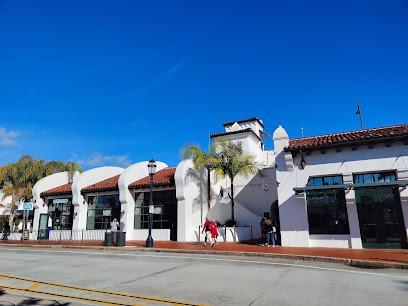
Moreton Bay Fig Tree
0.4 km
Discover the iconic Moreton Bay Fig Tree in Santa Barbara, a historical landmark that offers shade, beauty, and a glimpse into the area's rich heritage.
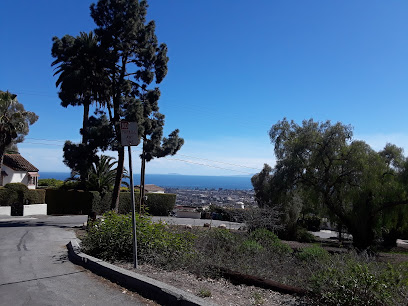
Old Spanish Days Carriage
0.4 km
Discover the vibrant heritage of Santa Barbara at the Old Spanish Days Carriage, where culture and history come to life in captivating events and traditions.
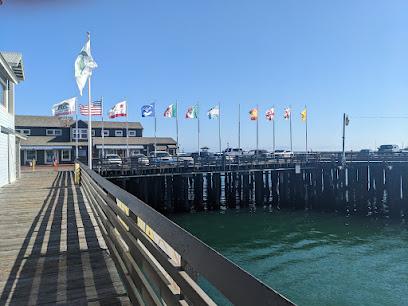
Stearns Wharf
0.4 km
Explore California's oldest working wharf in Santa Barbara: stunning views, unique shops, fresh seafood, and family fun await!
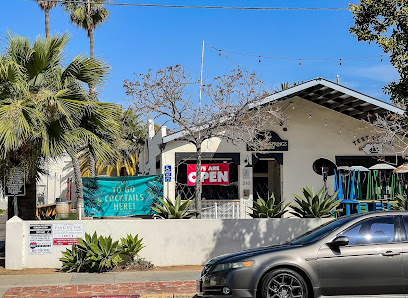
The Funk Zone
0.5 km
Explore Santa Barbara's Funk Zone, a vibrant blend of art, culture, and culinary delights in California's coastal gem.
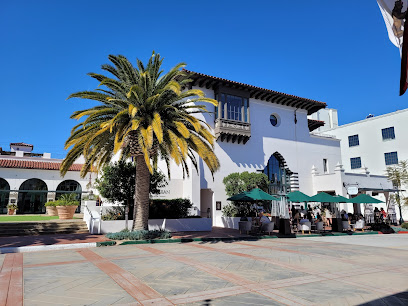
Pier Santa Barbara
0.5 km
Discover the enchanting Pier Santa Barbara, where breathtaking ocean views, unique shops, and delightful dining experiences await every visitor.
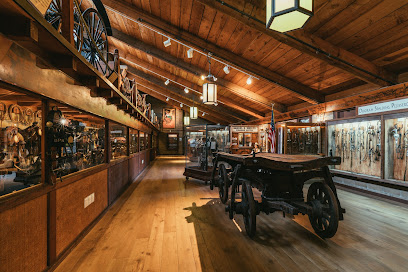
Santa Barbara Carriage and Western Art Museum
0.6 km
Explore the enchanting Santa Barbara Carriage and Western Art Museum, where history and artistry merge in a delightful showcase of the American West.

Fernald Mansion
0.6 km
Explore the historic Fernald Mansion in Santa Barbara, a captivating museum showcasing rich history and stunning architecture in a serene garden setting.
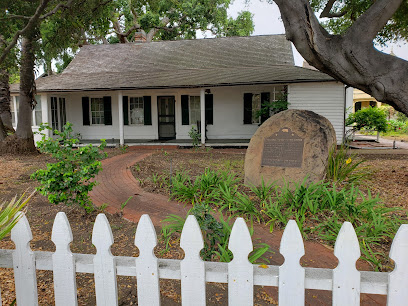
Santa Barbara Museum of Natural History Sea Center
0.6 km
Discover marine life and natural history at the Santa Barbara Museum of Natural History Sea Center, where education meets adventure on Stearns Wharf.
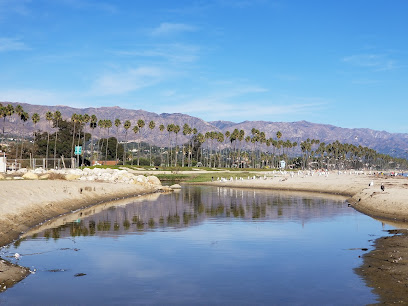
217 Stearns Wharf
0.6 km
Experience the historic Stearns Wharf in Santa Barbara for stunning ocean views, delightful dining, and unique shopping adventures.
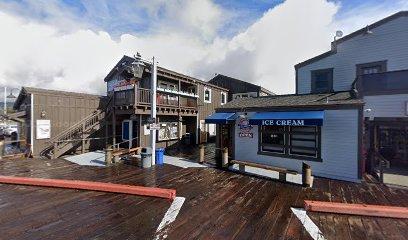
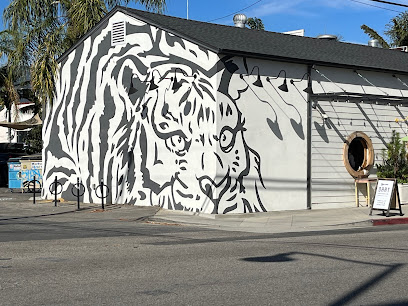
Funk Zone Art Mural
0.6 km
Explore the Funk Zone Art Mural in Santa Barbara – a vibrant outdoor gallery showcasing stunning murals and the city's rich artistic culture.
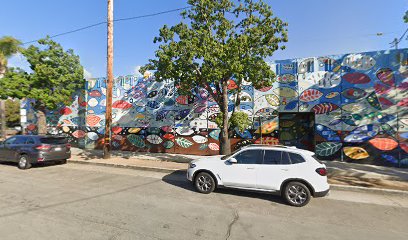
Eat This Shoot That!
0.7 km
Discover Santa Barbara's culinary delights at Eat This Shoot That! - a unique food tour experience on Stearns Wharf, perfect for foodies and travelers alike.
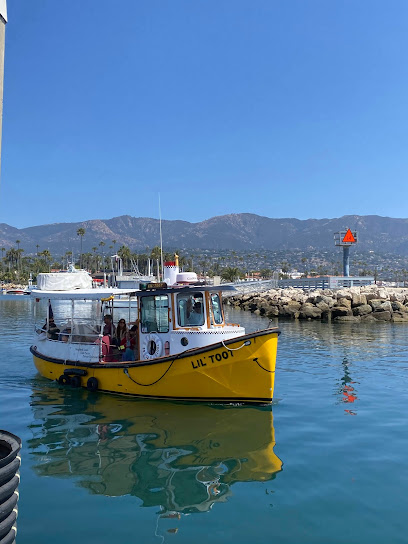
Lil' Toot Santa Barbara
0.7 km
Experience the breathtaking beauty of Santa Barbara's coastline with a delightful boat ride aboard Lil' Toot, where adventure meets scenic tranquility.
Essential places to dine

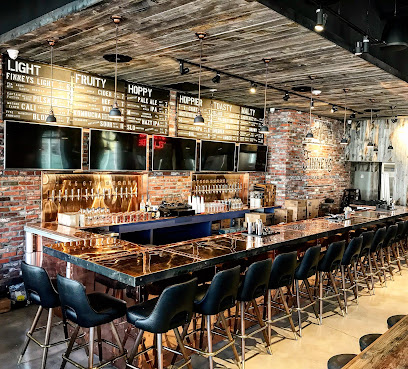
Finney's Crafthouse - Santa Barbara
0.3 km
Experience culinary excellence at Finney's Crafthouse in Santa Barbara - where New American flavors meet craft cocktails in a vibrant atmosphere.
Santo Mezcal
0.3 km
Discover authentic Mexican cuisine at Santo Mezcal in Santa Barbara – where tradition meets modern flair in every delicious bite.
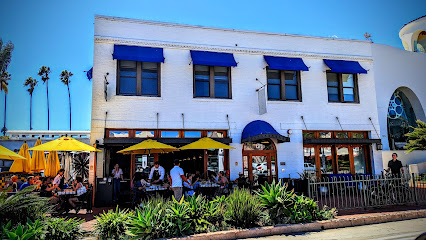
Toma Restaurant & Bar
0.3 km
Discover Toma Restaurant & Bar in Santa Barbara for exquisite Italian and Mediterranean cuisine paired with stunning coastal views.
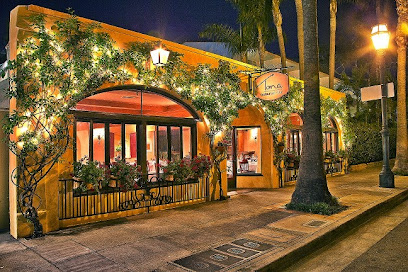
Blackbird
0.3 km
Discover the exquisite flavors and vibrant atmosphere at Blackbird, Santa Barbara's premier destination for fine dining and crafted cocktails.
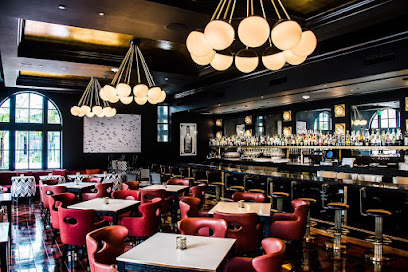
Bluewater Grill
0.3 km
Experience exquisite seafood dining with stunning ocean views at Bluewater Grill in Santa Barbara.
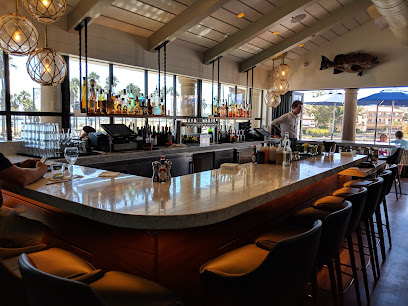
Loquita Santa Barbara
0.4 km
Savor authentic Spanish cuisine at Loquita Santa Barbara, where vibrant flavors meet modern dining in an enchanting atmosphere.
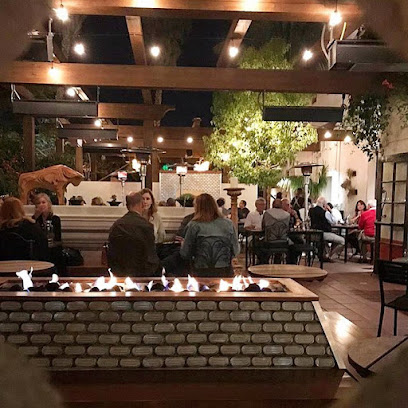
The Lark Santa Barbara
0.4 km
Experience exquisite New American cuisine at The Lark Santa Barbara, where seasonal ingredients meet culinary creativity in an inviting atmosphere.
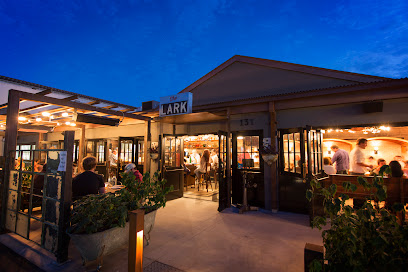
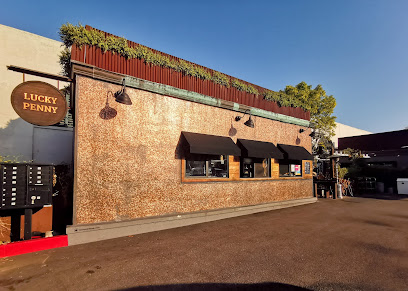
Lucky Penny
0.4 km
Discover the best gourmet pizzas and sandwiches at Lucky Penny in Santa Barbara – where flavor meets casual dining.
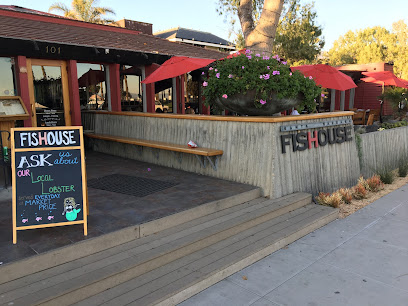
Santa Barbara FisHouse
0.5 km
Discover exquisite seafood and breathtaking ocean views at Santa Barbara FisHouse - where every meal is a coastal celebration.
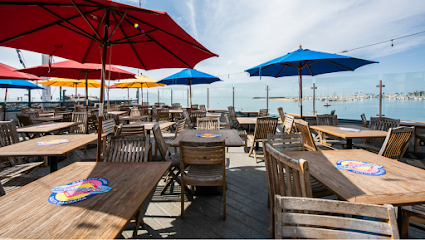
Longboard's Grill
0.5 km
Experience exquisite American and seafood dishes at Longboard's Grill while enjoying breathtaking views on Stearns Wharf in Santa Barbara.
Shalhoob's Funk Zone Patio
0.6 km
Experience authentic American barbecue at Shalhoob's Funk Zone Patio in Santa Barbara - where flavor meets fun!
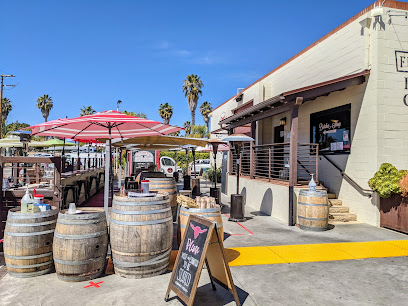
Waterline
0.6 km
Discover Waterline: A unique restaurant in Santa Barbara combining delicious American cuisine with inspiring local art.
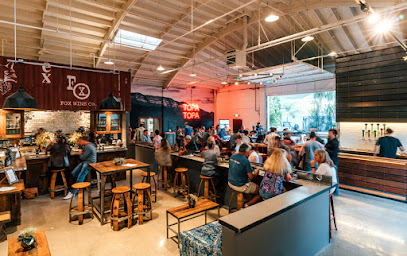
The Nook Santa Barbara
0.6 km
Discover modern American cuisine at The Nook Santa Barbara – where flavors meet coastal charm.
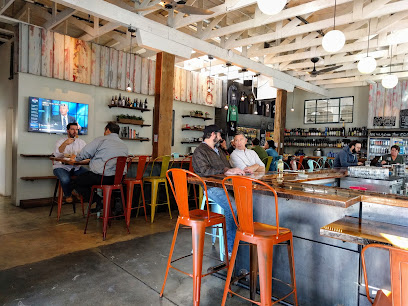
The Drunken Crab Santa Barbara
0.6 km
Experience vibrant coastal dining at The Drunken Crab in Santa Barbara – where fresh seafood meets a lively bar atmosphere.
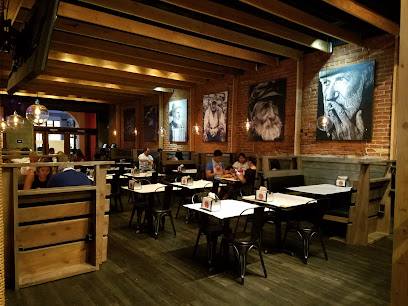
Moby Dick Restaurant
0.7 km
Experience exquisite seafood and stunning coastal views at Moby Dick Restaurant in Santa Barbara's iconic Stearns Wharf.
Markets, malls and hidden boutiques

The Blue Door
0.4 km
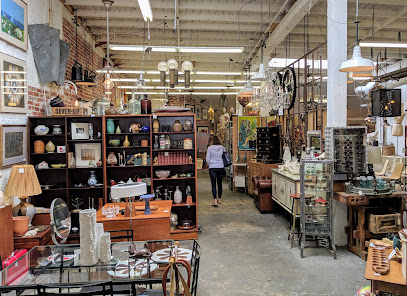
Explore The Blue Door in Santa Barbara: A hidden gem filled with unique antiques, art, and home goods that capture the essence of timeless elegance.
Loveworn
0.4 km
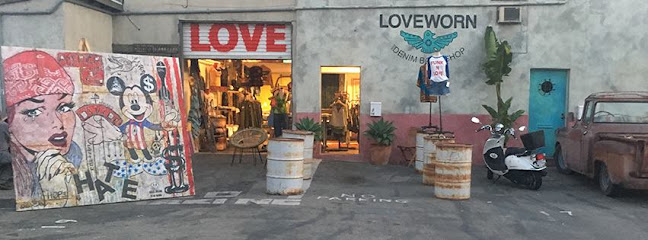
Experience the perfect fusion of fashion and art at Loveworn in Santa Barbara, where every piece tells a story of creativity and culture.
The Shopkeepers
0.5 km
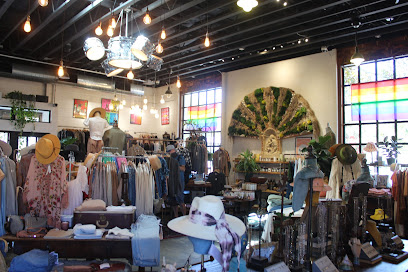
Explore The Shopkeepers in Santa Barbara for a unique shopping experience featuring clothing, accessories, and local style.
Dylan Star Boutique
0.5 km
Explore the unique styles of Dylan Star Boutique, a women's clothing store in Santa Barbara, offering curated fashion and local artisan finds.
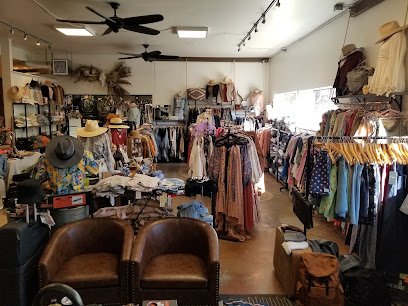
Stabiles Boutique
0.5 km
Explore Stabiles Boutique in Santa Barbara for unique gifts, art supplies, and local treasures that make perfect memories.
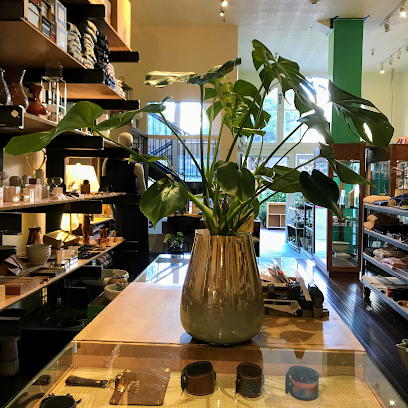
Jules by the Sea - FUNK ZONE
0.6 km
Explore the vibrant Funk Zone at Jules by the Sea, a charming gift shop offering unique souvenirs and locally crafted treasures.
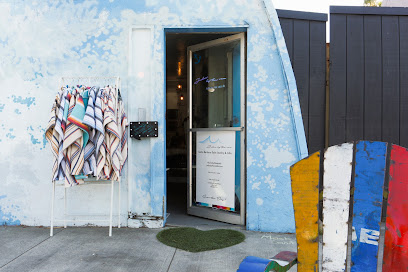
Old Wharf Trading Co
0.6 km
Explore Old Wharf Trading Co on Stearns Wharf, where unique gifts and local artisan treasures await every visitor in Santa Barbara.
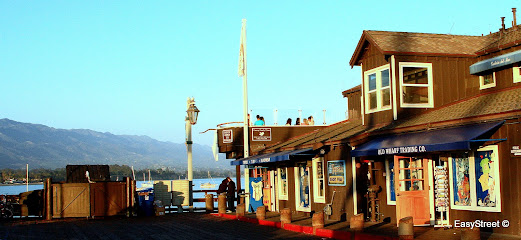
Deep Blue Sea
0.6 km
Explore Deep Blue Sea, the ultimate gift shop in Santa Barbara for unique ocean-themed souvenirs and local crafts.
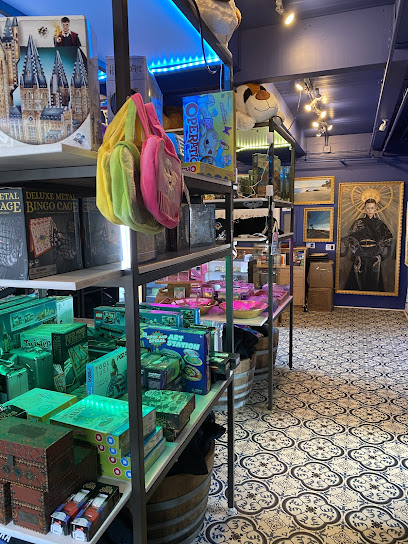
Asher Market
0.8 km
Discover unique gifts and local treasures at Asher Market in Santa Barbara, offering a delightful mix of clothing and accessories for all ages.
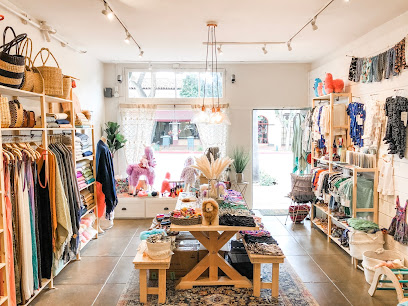
The Vintage Fox, Antiques & Gift Shoppe
0.9 km
Explore The Vintage Fox in Santa Barbara for unique antiques, vintage clothing, and one-of-a-kind gifts that capture the spirit of your travels.
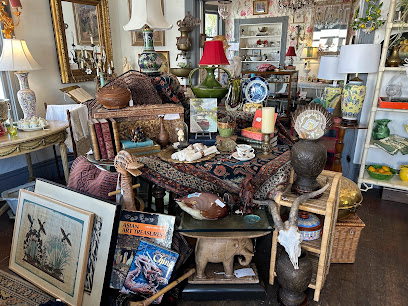
Urban Outfitters
1.0 km
Experience Santa Barbara's stylish vibe at Urban Outfitters, where fashion, beauty, and home goods meet in a vibrant shopping atmosphere.
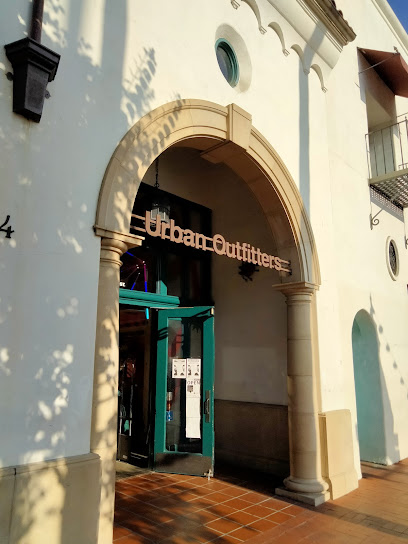
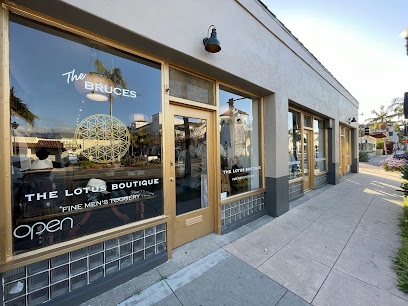
The Lotus Boutique
1.0 km
Explore The Lotus Boutique in Santa Barbara for unique clothing and accessories that reflect the local culture and charm.
Arzoo’s woVen
1.0 km
Discover unique handmade gifts at Arzoo's woVen in Santa Barbara, where local artistry and vibrant culture come together in an unforgettable shopping experience.
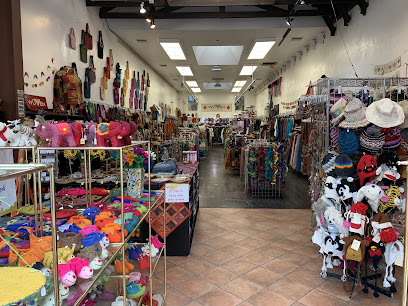
Only In Santa Barbara
1.0 km
Shop unique gifts and souvenirs that capture the essence of Santa Barbara at Only In Santa Barbara, a must-visit destination for travelers.
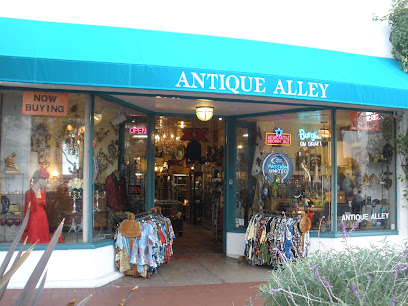
Antique Alley
1.0 km
Explore Antique Alley in Santa Barbara for a unique blend of vintage treasures, art, and local charm that captures the essence of California's rich history.
Essential bars & hidden hideouts

Rodeo Room
0.4 km
Discover Rodeo Room in Santa Barbara: a unique cocktail bar blending artisanal drinks and a chic atmosphere for an unforgettable nightlife experience.
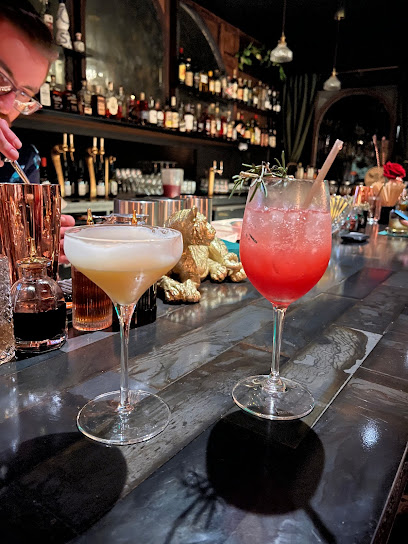
Test Pilot
0.4 km
Discover the vibrant atmosphere and innovative cocktails at Test Pilot, the ultimate cocktail bar in Santa Barbara, California.
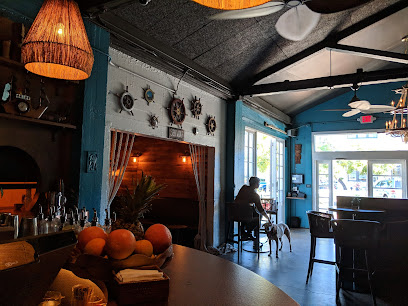
Pearl Social Santa Barbara
0.4 km
Experience the best of Santa Barbara's nightlife at Pearl Social, a lively cocktail bar with innovative drinks and live music in a vibrant atmosphere.
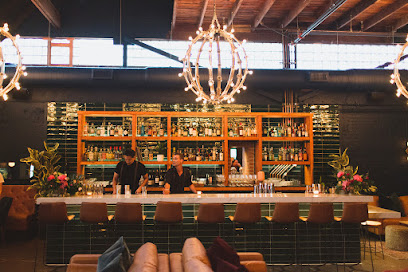
STUDIO Bar & Soundroom
0.5 km
Discover the lively STUDIO Bar & Soundroom in Santa Barbara, where live music, creative cocktails, and a vibrant atmosphere await.
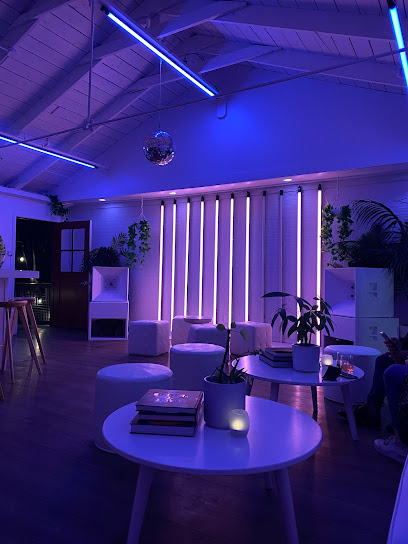
Brass Bear Brewing & Bistro
0.5 km
Discover the best of Santa Barbara's craft beer scene at Brass Bear Brewing & Bistro, where delicious food meets a relaxing beer garden experience.
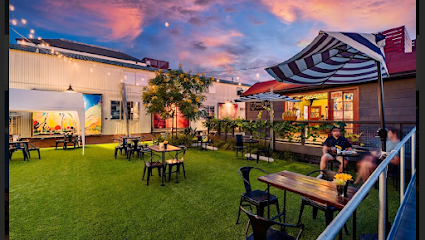
Shaker Mill
0.6 km
Experience innovative cocktails and a lively atmosphere at Shaker Mill, the go-to cocktail bar in Santa Barbara's Lower State neighborhood.
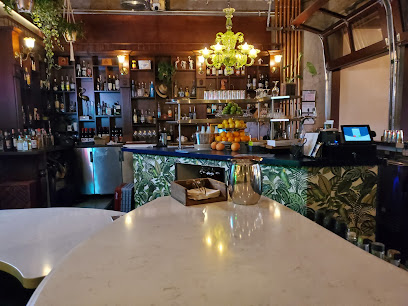
Whiskey Richards
0.7 km
Experience the vibrant nightlife at Whiskey Richards, Santa Barbara's beloved bar with live music, pool tables, and a welcoming atmosphere.
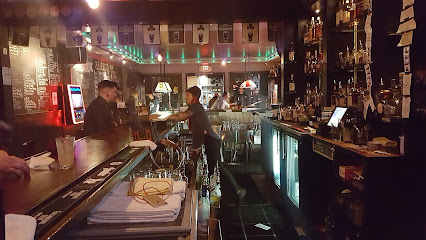
Santa Barbara Wine Therapy
0.7 km
Experience the ultimate wine journey at Santa Barbara Wine Therapy, a charming bar offering exquisite local and international wines paired with delectable bites.
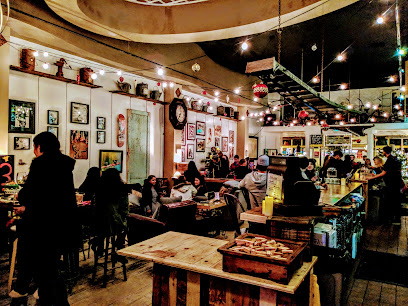
Unbearable Skee Lodge
0.7 km
Experience the vibrant atmosphere of Unbearable Skee Lodge, where craft beer meets fun arcade games in Santa Barbara's lively bar scene.
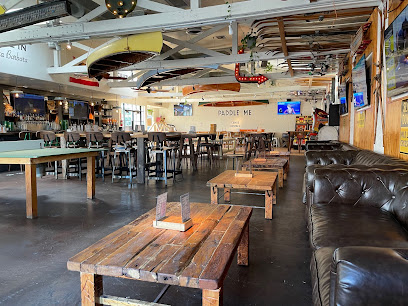
O'Malleys Bar
0.8 km
Discover O'Malleys Bar in Santa Barbara, a vibrant cocktail bar offering expertly crafted drinks and a lively atmosphere for an unforgettable night out.
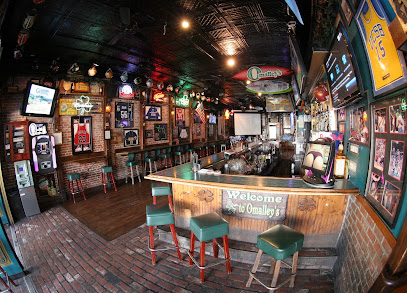
Dusk Bar
0.8 km
Experience the vibrant nightlife of Santa Barbara at Dusk Bar, where creative cocktails and a relaxing atmosphere await every visitor.
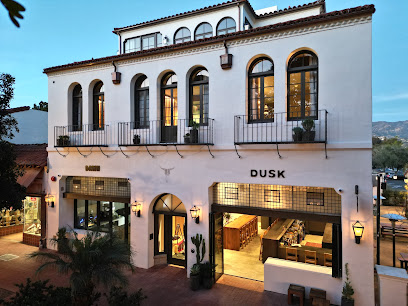
Old Kings Road
0.8 km
Discover the vibrant atmosphere and delightful offerings of Old Kings Road, a beloved pub in Santa Barbara perfect for relaxation and local flavor.
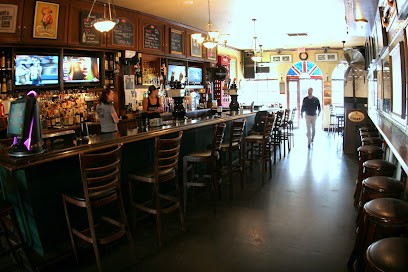
The Bobcat Room
1.0 km
Experience the vibrant retro charm of The Bobcat Room in Santa Barbara, where unique cocktails and lively atmosphere await every visitor.
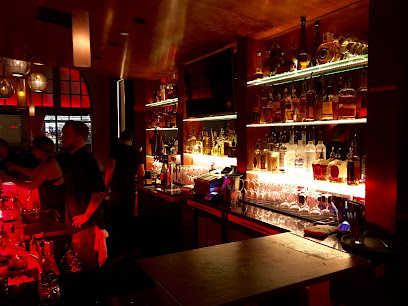
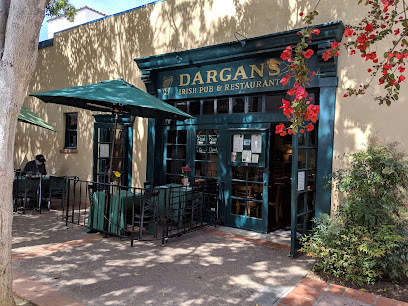
Dargan's
1.0 km
Experience authentic Irish hospitality at Dargan's, a lively pub in Santa Barbara offering delicious cuisine and live entertainment.
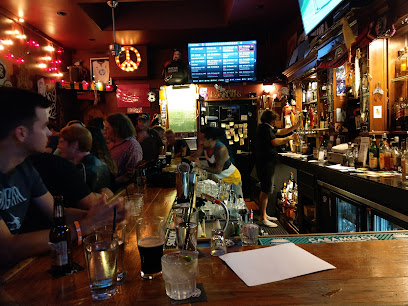
Press Room
1.0 km
Experience the vibrant nightlife at The Press Room, a charming bar in Santa Barbara offering generous pours and a welcoming atmosphere for all.
Nightclubs & after hour spots

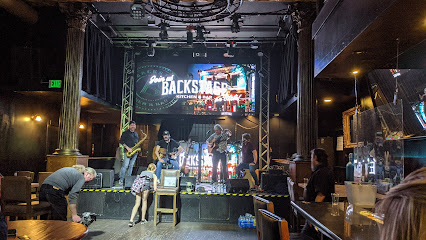
Backstage Santa Barbara
0.6 km
Discover the lively nightlife of Backstage Santa Barbara - a premier bar and lounge featuring cocktails, music, and unforgettable experiences.
MLounge
0.6 km
Experience the vibrant nightlife of Santa Barbara at MLounge, where unique cocktails and a stylish atmosphere await you.
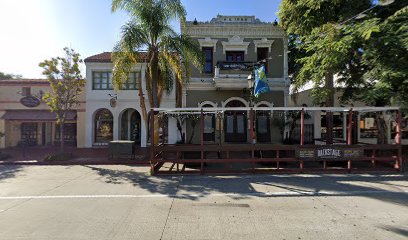
The vip
0.6 km
Experience the heartbeat of Santa Barbara's nightlife at The VIP, where unforgettable nights and vibrant energy await.
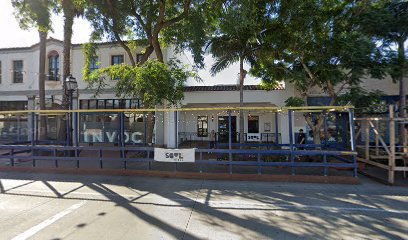
Indochine
0.7 km
Experience the vibrant nightlife of Santa Barbara at Indochine, a lively night club offering eclectic music and a welcoming atmosphere.
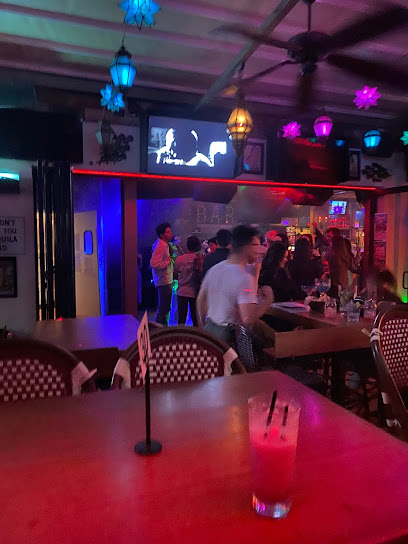
Sandbar
0.8 km
Savor authentic Mexican cuisine and vibrant nightlife at Sandbar, a must-visit spot in Santa Barbara for food lovers and partygoers alike.
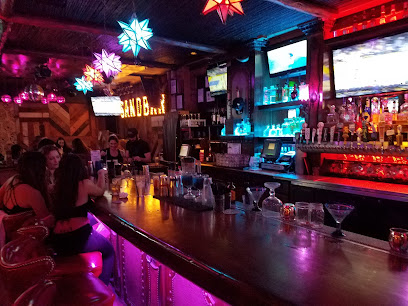
The Red Piano
0.8 km
Discover the charm of The Red Piano in Santa Barbara, a premier piano bar offering live music, exquisite cocktails, and a vibrant nightlife experience.
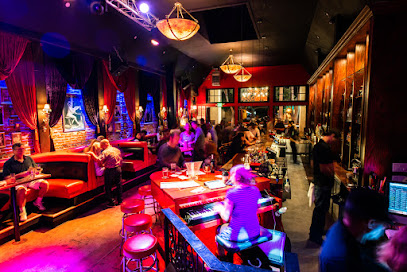
EOS Lounge
0.8 km
Discover the vibrant nightlife at EOS Lounge in Santa Barbara, where live music meets craft cocktails in a stylish lounge atmosphere.
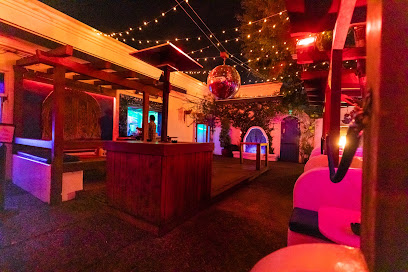
Wildcat Lounge
1.0 km
Discover the vibrant nightlife at Wildcat Lounge in Santa Barbara, featuring creative cocktails, lively atmosphere, and late-night fun.
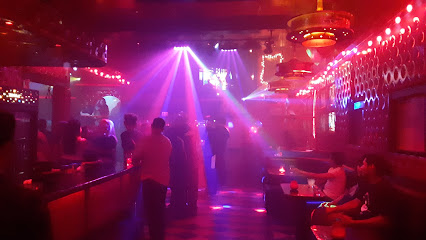
SOhO Restaurant & Music Club
1.9 km
Discover Santa Barbara's nightlife at SOhO Restaurant & Music Club, where dining meets live music in an intimate setting.
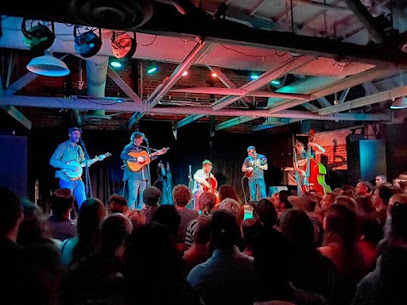
La Pachanga
1.9 km
Experience the electrifying atmosphere at La Pachanga, Santa Barbara's premier night club featuring vibrant music, delicious drinks, and unforgettable dance nights.
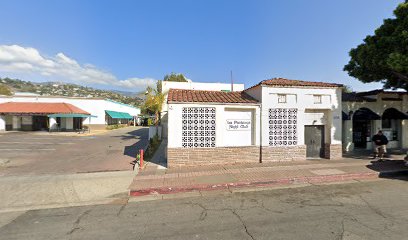
Emerson Lower Rooms
5.3 km
Discover the energetic nightlife of Emerson Lower Rooms in Montecito, California, where music and camaraderie create unforgettable memories.
The Tower Club, Oxnard
51.7 km
Experience the elegance of The Tower Club in Oxnard, where stunning views, exquisite cocktails, and vibrant nightlife await.
Ruby's Cafe
52.8 km
Discover the vibrant flavors and festive atmosphere of Ruby's Cafe, a premier Mexican dining experience in Oxnard, California.
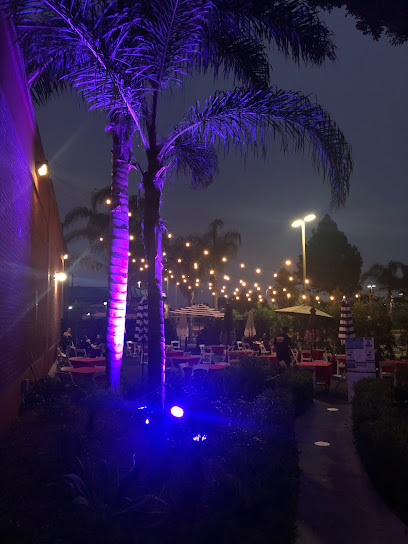
VidaLive!
53.0 km
Discover the lively nightlife at VidaLive! in Oxnard, California, where vibrant drinks and a friendly atmosphere await.
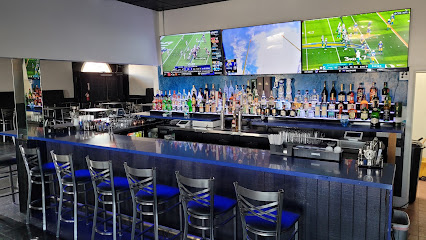
Spearmint Rhino Gentlemen's Club Oxnard
55.2 km
Discover the vibrant adult entertainment scene at Spearmint Rhino Gentlemen's Club Oxnard, where nightlife comes alive with exhilarating performances.