Applegate-Lassen Emigrant Trail, Shasta Cascade Travel Guide
Discover the rugged beauty and poignant history of the Applegate-Lassen Emigrant Trail, where pioneers forged a path to new lives in the American West during the 1840s Gold Rush era.
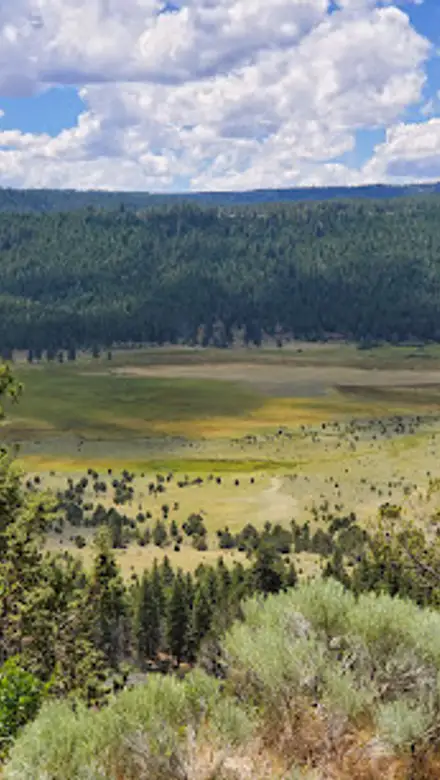
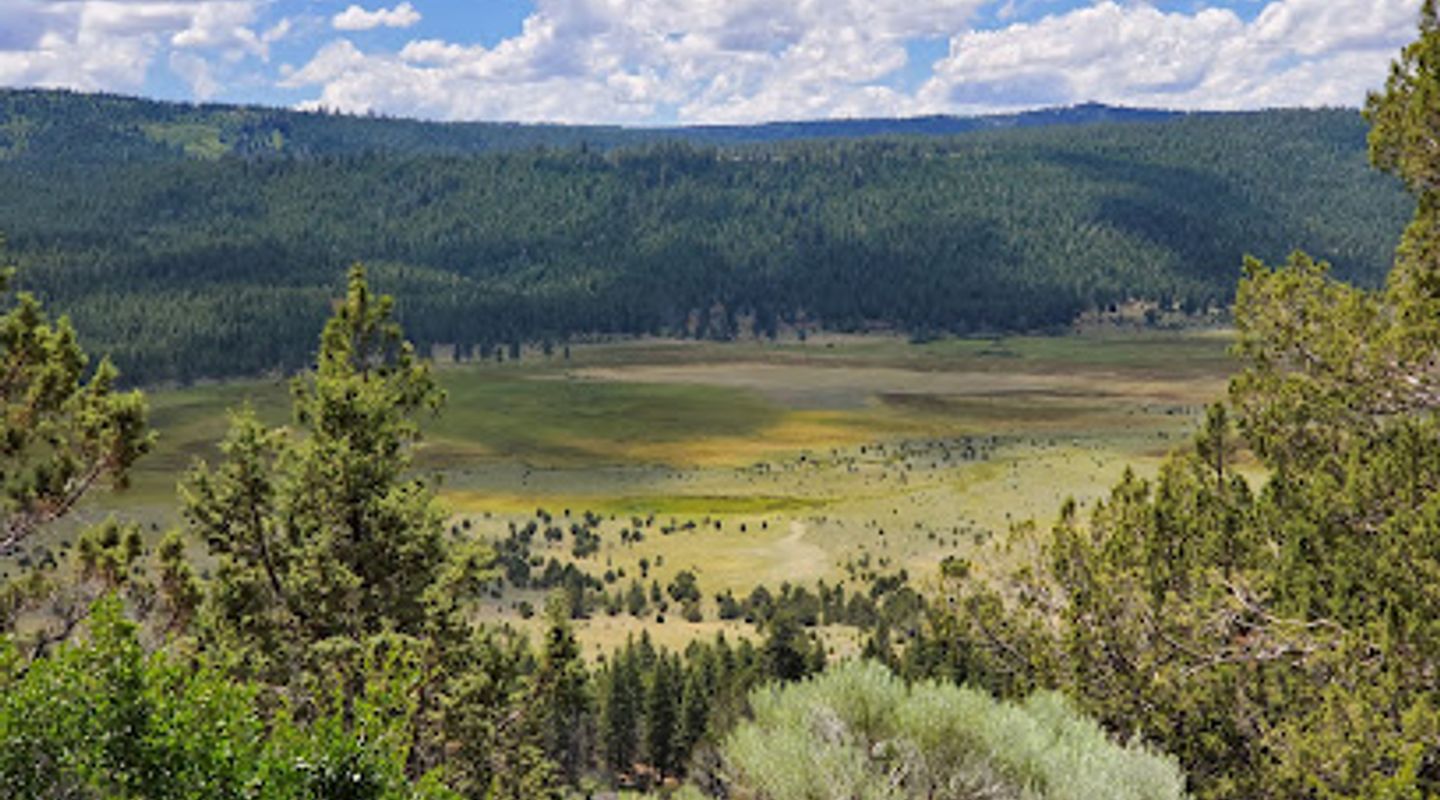
The Applegate-Lassen Emigrant Trail, marked by Fandango Pass, is a significant historical landmark where the Applegate and Lassen Trails converged, offering a glimpse into the arduous journeys of 19th-century pioneers. Established in 1846, the Applegate Trail aimed to provide a safer route to the Oregon Territory, while the Lassen Trail, pioneered in 1848, guided gold rush hopefuls to Northern California. Today, visitors can explore this rugged terrain, imagining the wagon trains that once traversed these paths. While the trail presents a challenging landscape, the historical markers and scenic vistas offer a poignant connection to the past, inviting reflection on the resilience and determination of early American settlers. The area's remoteness adds to its allure, providing a sense of solitude and a unique opportunity to step back in time and appreciate the sacrifices made by those who sought new lives in the West.
A brief summary to Applegate-Lassen Emigrant Trail
- Fandango Pass Rd, Lake City, California, 96115, US

Know before you go
Hi, I'm Eve. Here are a few practical things to know before exploring Applegate-Lassen Emigrant Trail.
- Visit the Modoc County Historical Museum in Alturas or the Klamath County Museum for background information before exploring the trail.
- Check weather conditions and road closures, especially during winter months, as access can be limited.
- Bring plenty of water, snacks, and appropriate gear, as services are limited in the area.
- Respect private property and stay on marked trails to preserve the historical integrity of the area.
- Consider visiting during the spring or fall for more moderate temperatures and fewer crowds.
Do you manage this location?
Take control to get all the benefits, like improved information, better appearance, and stronger visibility across AI-powered discovery. Learn more about listing your business on Evendo
Activate your presenceOther nearby places you may find interesting
The closest places of the same kind, if this one is not quite what you had in mind.
Explore Applegate-Lassen Emigrant Trail on the Map
A handpicked selection of must-see spots near Applegate-Lassen Emigrant Trail, mapped for you.
Getting There
-
Driving
To reach the Applegate-Lassen Emigrant Trail (Fandango Pass) from Alturas, CA, head east on Highway 299. Continue onto County Road 1 (Surprise Valley Road) and drive north. Turn east onto Fandango Pass Road. The historical marker is approximately 4 miles west of Surprise Valley Road on the south side of Fandango Pass Road. Note that Fandango Pass Road is a gravel road and can be rough in places. Check local conditions before travel. There are no fees or tolls to access the area. Parking is available at the turnout near the historical marker.
Discover more about Applegate-Lassen Emigrant Trail
More to explore near Applegate-Lassen Emigrant Trail
-

Best experiences near Applegate-Lassen Emigrant Trail
-

Best hotels near Applegate-Lassen Emigrant Trail
-

Best attractions near Applegate-Lassen Emigrant Trail
-

Best shops near Applegate-Lassen Emigrant Trail
-

Best restaurants near Applegate-Lassen Emigrant Trail
-

Best bars near Applegate-Lassen Emigrant Trail







Your all‑in‑one travel companion app
Explore expert travel guides, compare and book tours, experiences, hotels, and more—all from the palm of your hand. Download now for seamless trip planning wherever your wanderlust takes you.


Explore More of Shasta Cascade

Looking beyond Applegate-Lassen Emigrant Trail? Discover Shasta Cascade for broader travel guides, local hot-spots, and regional highlights.
Explore Shasta Cascade
Explore the Tule Lake National Monument, a poignant reminder of Japanese American incarceration during WWII, and reflect on themes of injustice, resilience, and civil rights.

Discover the pioneering spirit at Chimney Rock Historical Monument, where a unique rock chimney tells the story of early settlers in Modoc County and the rugged beauty of the Pit River Valley.