El Palo Alto: Witness to History
Visit El Palo Alto, a historic redwood in Palo Alto, California, and connect with over 1000 years of California history, from Ohlone settlements to Spanish exploration and the founding of Stanford University.
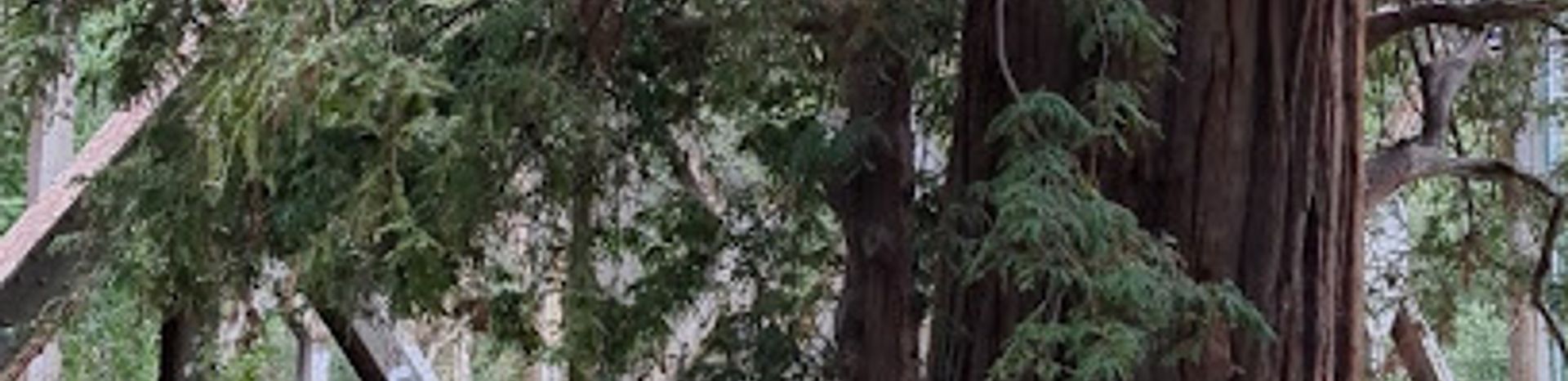
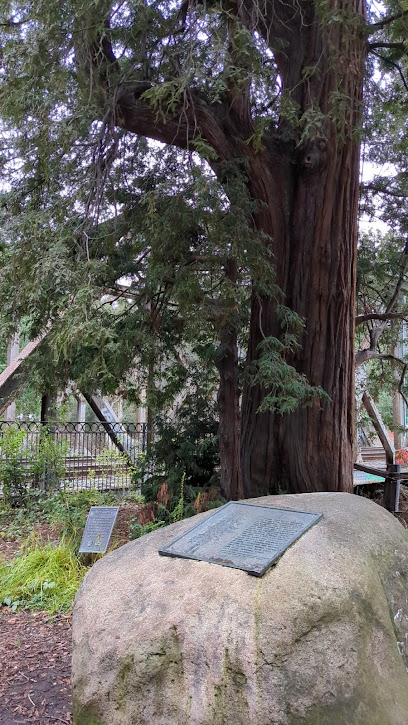
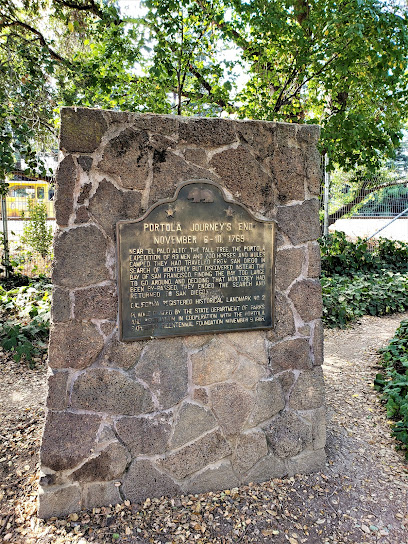
El Palo Alto, a towering coast redwood, stands as a silent sentinel and the namesake of the city of Palo Alto. This over 1000-year-old tree, California Historical Landmark No. 2, witnessed the arrival of Spanish explorers, the establishment of missions, and the birth of Stanford University. Once part of a twin-trunk redwood, it served as a vital landmark for early travelers. Today, El Palo Alto resides in a small park along San Francisquito Creek, a testament to resilience and a tangible link to California's rich past. Visitors can reflect on its enduring presence and learn about the area's history through interpretive plaques, making it a worthwhile stop for those interested in local lore and natural beauty. The park offers a peaceful respite and a chance to connect with a living piece of history.
A brief summary to El Palo Alto Tree - Namesake Tree of City of Palo Alto
- El Palo Alto Park, 117 Palo Alto Ave, Palo Alto, Downtown North, California, 94301, US
- Visit website
Local tips
- Visit during the spring or fall for mild weather and optimal conditions to explore the park and enjoy the surrounding natural beauty.
- Take time to read the interpretive plaques around the park to learn about the rich history and ecological significance of El Palo Alto and the surrounding area.
- Combine your visit with a trip to nearby Stanford University to explore its campus and learn more about the institution whose seal features El Palo Alto.

Getting There
-
Walking
From the Palo Alto Caltrain Station, head northeast on University Avenue, then turn left onto El Camino Real. Walk north for approximately 0.7 miles. Turn left onto Palo Alto Avenue. El Palo Alto Park will be on your left, a short walk towards the San Francisquito Creek. The walk is about 15-20 minutes. Note that parking near the park is limited and can be difficult to find, especially during peak hours.
-
Public Transport
From the Palo Alto Transit Center, several SamTrans bus routes (e.g., 280, 281, ECR) stop near El Camino Real and Palo Alto Avenue. Check the SamTrans schedule for the most up-to-date information. Get off at the stop closest to the intersection of El Camino Real and Palo Alto Avenue, then walk east on Palo Alto Avenue towards the park. A single ride on SamTrans costs $2.25. Alternatively, the Palo Alto Link (PAL) offers rides within a limited service area for $3.50 per trip ($1 for students, seniors, disabled, and low-income riders).
-
Driving
From US-101, take the Embarcadero Road exit west. Continue on Embarcadero Road, then turn right onto Alma Street. Drive north on Alma Street and turn right onto Palo Alto Avenue. El Palo Alto Park will be on your right. Street parking is available, but it can be limited, especially during peak hours. Be aware of parking restrictions and time limits. Parking is free, but time limits may be enforced. There are parking changes in Palo Alto, and parking may not be available in the Palo Alto Courthouse parking lot.
Discover more about El Palo Alto Tree - Namesake Tree of City of Palo Alto
Iconic landmarks you can’t miss

El Palo Alto Tree - Namesake Tree of City of Palo Alto
0.0 km
Discover the historic El Palo Alto tree, a centuries-old redwood symbolizing Palo Alto's rich heritage and natural beauty, nestled in a serene park setting.
California Historical Landmark No. 2
0.1 km
Explore California Historical Landmark No. 2 in Menlo Park, where the rich tapestry of California's history comes alive amidst beautiful surroundings.
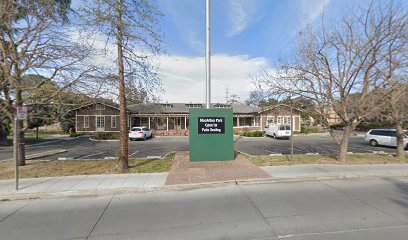
Hostess House
0.6 km
Explore Hostess House, a historical landmark in Palo Alto, California, where history and community spirit come alive in a charming setting.
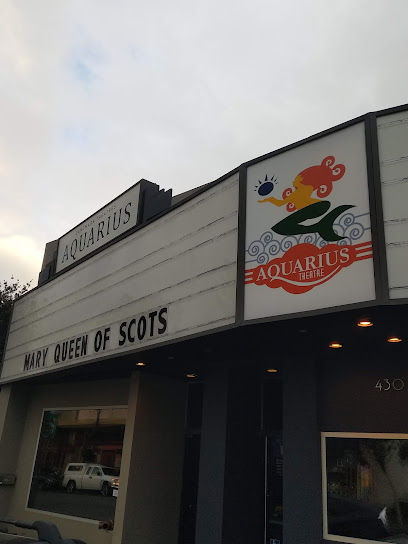
Landmark's Aquarius Theatre
0.6 km
Discover unique films and the charm of cinema at Landmark's Aquarius Theatre in the heart of Palo Alto.
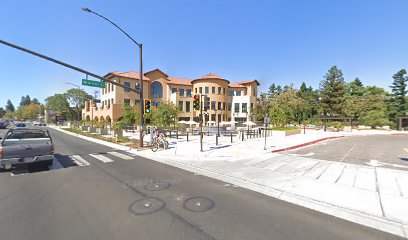
Middle Plaza
0.7 km
Explore Middle Plaza, a captivating historical landmark in Menlo Park, California, showcasing rich heritage and stunning architecture amidst serene surroundings.
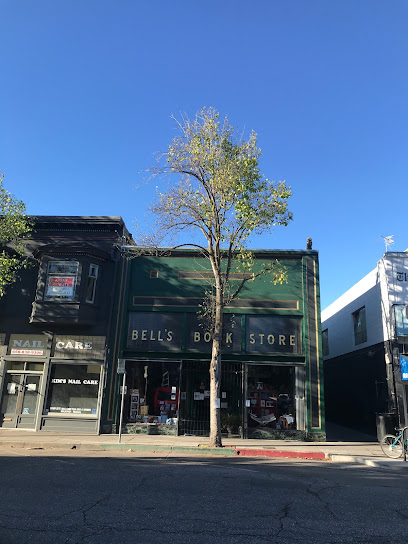
Bell's Books
0.8 km
Explore Bell's Books in Palo Alto, a literary haven featuring an extensive collection of new and used books that delights bibliophiles and tourists alike.
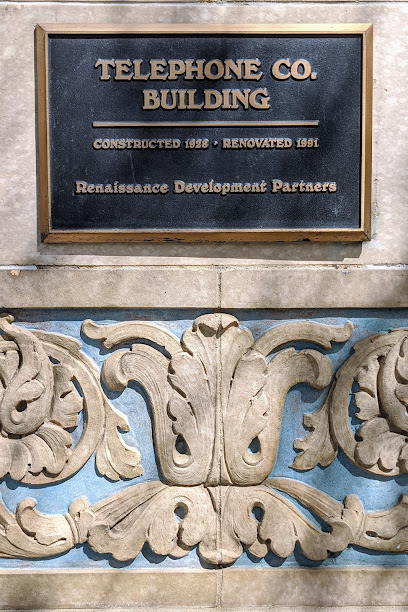
Telephone Co. Building (Built 1928)
0.8 km
Discover the Telephone Co. Building in Palo Alto, a 1928 historical landmark that beautifully showcases the city's architectural heritage.
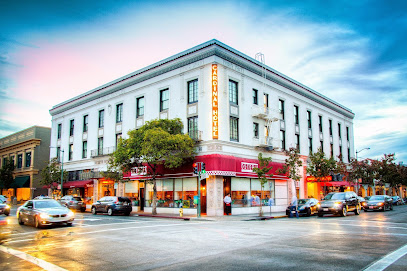
The Cardinal Hotel
0.8 km
Experience the charm and elegance of The Cardinal Hotel, your perfect sanctuary in the heart of Palo Alto, California.
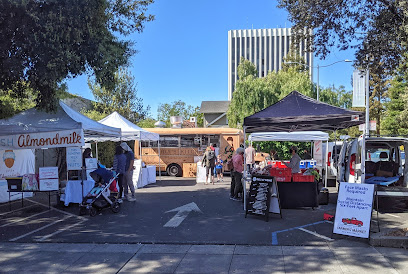
Downtown Palo Alto Farmers' Market
1.0 km
Explore the Downtown Palo Alto Farmers' Market for fresh produce, artisanal goods, and a vibrant community atmosphere every Saturday morning in California.
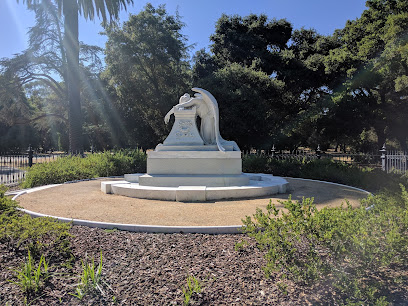
Angel of Grief
1.1 km
Discover the poignant beauty of the Angel of Grief in Palo Alto, a touching monument that encapsulates themes of love and remembrance amidst serene landscapes.
Menlo Park Historical Association
1.1 km
Explore the captivating history of Menlo Park at the Menlo Park Historical Association, where local stories come alive for all to enjoy.
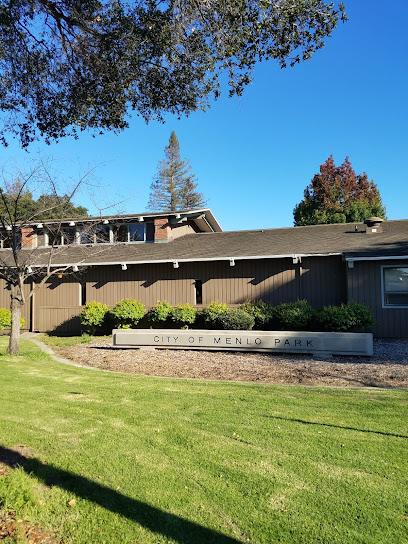
Jack W. Lyle Park
1.2 km
Experience the beauty of nature at Jack W. Lyle Park, Menlo Park's charming urban oasis for relaxation, recreation, and family fun.
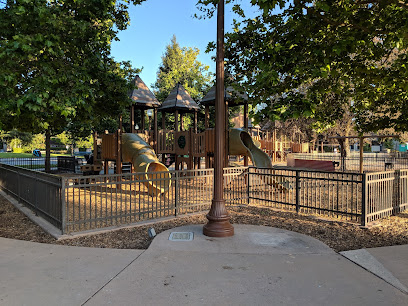
Menlo Park Station
1.4 km
Explore Menlo Park Station, your gateway to the Bay Area, offering easy access to scenic views, vibrant culture, and historical landmarks.
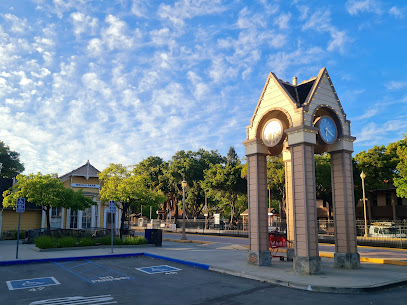
Menlo Park Design District
1.4 km
Explore the Menlo Park Design District, a vibrant shopping destination filled with unique boutiques, art galleries, and charming cafes in Menlo Park, California.
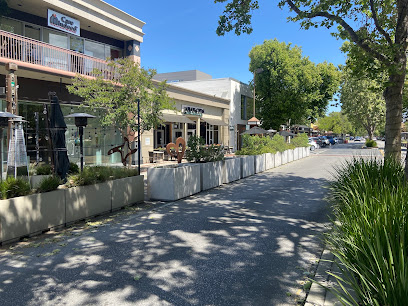
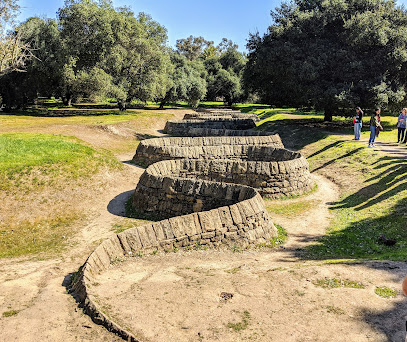
Stone River by Andy Goldsworthy
1.6 km
Discover the enchanting Stone River by Andy Goldsworthy, where art and nature converge into a breathtaking outdoor sculpture in Stanford, California.
Unmissable attractions to see

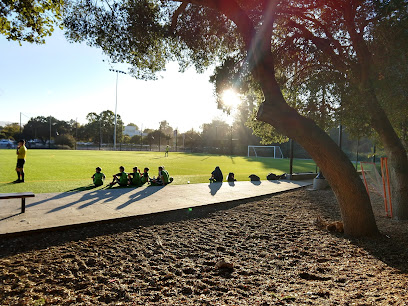
El Camino Park
0.3 km
Discover the tranquility of El Camino Park in Palo Alto, a scenic destination offering recreational activities, lush landscapes, and community events.
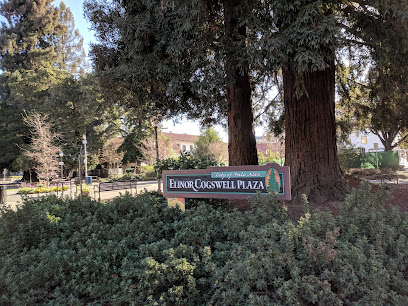
Cogswell Plaza
0.6 km
Explore Cogswell Plaza, a serene park in Palo Alto, where tranquility meets nature amidst the city's vibrant atmosphere.
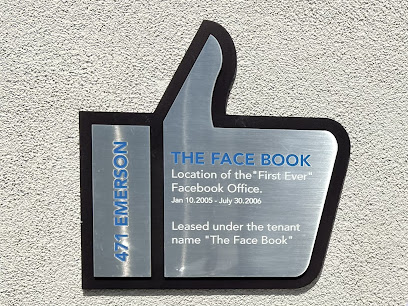
Facebook’s First Office Plaque
0.7 km
Explore the historic significance of Facebook's First Office Plaque in Palo Alto, where innovation meets the roots of social media.
Lytton Plaza
0.7 km
Experience the charming Lytton Plaza in Palo Alto, a vibrant blend of park and urban life, perfect for relaxation and cultural exploration.
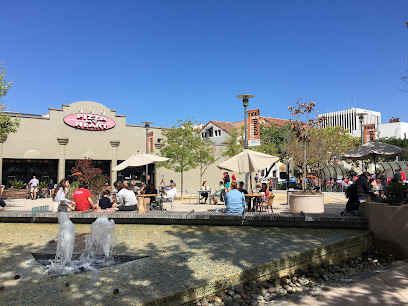
The Wine Room
0.8 km
Explore a world of fine wines and exquisite tapas at The Wine Room, Palo Alto's premier wine bar and culinary destination.
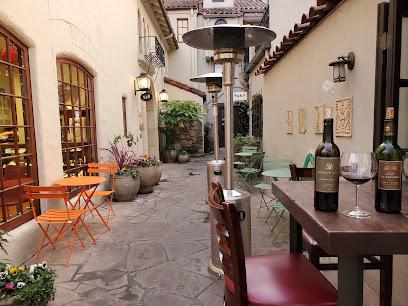
The Rose & Crown
0.8 km
Discover the vibrant atmosphere of The Rose & Crown, Palo Alto's favorite pub for craft beers, delicious food, and local charm in a welcoming setting.
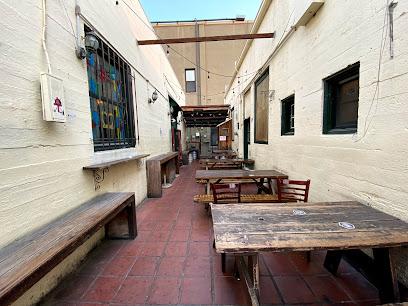
Burgess Park
0.8 km
Discover Menlo Park's vibrant heart at Burgess Park: a hub for recreation, community events, and family fun, easily accessible near downtown and Caltrain.
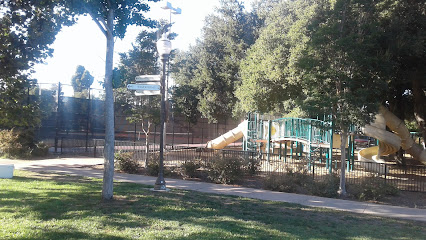
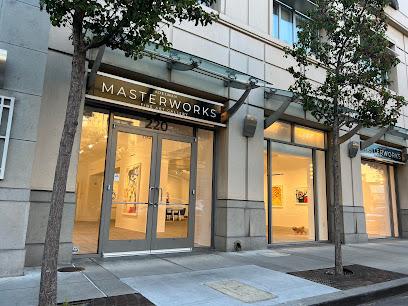
Masterworks Fine Art Gallery
0.9 km
Discover the vibrant art scene at Masterworks Fine Art Gallery in Palo Alto, showcasing exquisite collections and art restoration services.
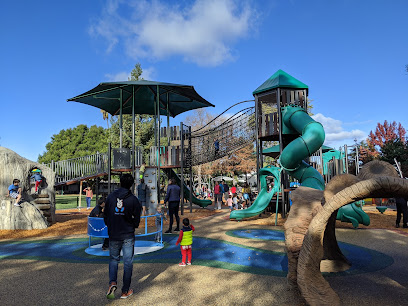
Nealon Park
0.9 km
Discover a vibrant community hub in Menlo Park, offering inclusive play areas, sports facilities, and tranquil green spaces for relaxation and recreation for the whole family.
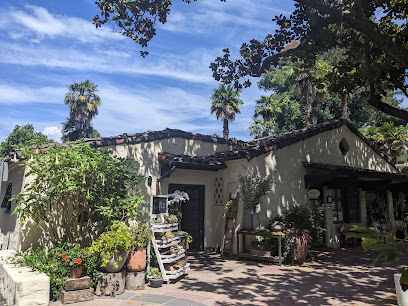
Allied Arts Guild
1.0 km
Discover a historic Spanish Colonial oasis in Menlo Park, where art, gardens, unique shops, and a charming cafe blend seamlessly to support Lucile Packard Children's Hospital.
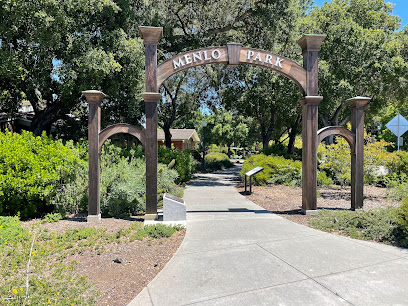
Menlo Park Gates
1.2 km
Discover the historical Menlo Park Gates, a symbol of the city's Irish heritage, located near the Menlo Park Library, offering a glimpse into the past and a connection to the community's roots.
The Museum of American Heritage
1.2 km
Explore the Museum of American Heritage in Palo Alto, where history comes alive through fascinating exhibits and engaging educational programs.
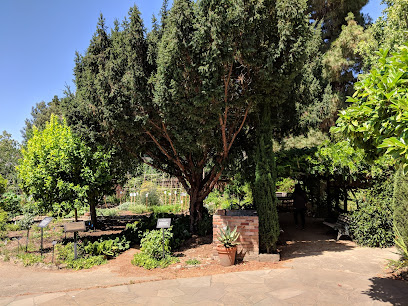
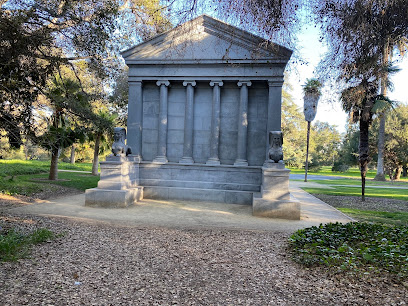
Stanford Mausoleum
1.2 km
Discover the Stanford Mausoleum in Palo Alto, a historical landmark honoring the legacy of Leland Stanford with stunning architecture and serene surroundings.
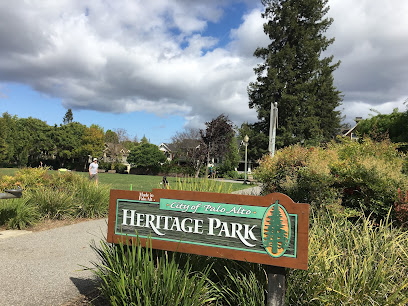
Heritage Park
1.2 km
Discover a peaceful downtown retreat at Heritage Park in Palo Alto, featuring a vibrant playground, community art, and a tranquil atmosphere for relaxation and recreation.
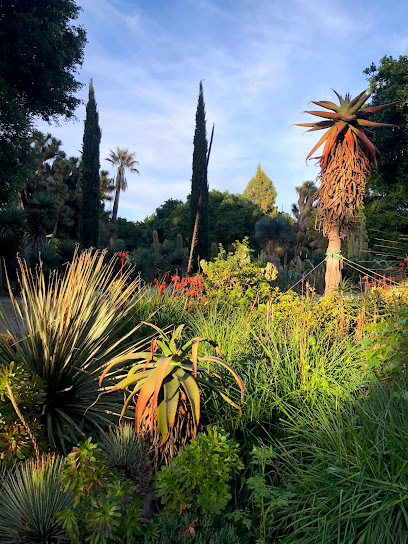
Arizona Garden
1.3 km
Discover the tranquil beauty of Arizona Garden at Stanford University, a stunning oasis filled with native plants and vibrant colors perfect for relaxation and photography.
Essential places to dine

Menlo Tavern
0.2 km
Experience the best of Californian cuisine at Menlo Tavern in Menlo Park – where fresh flavors meet warm hospitality.
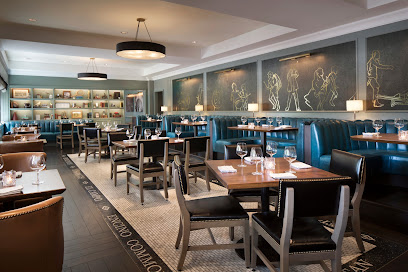
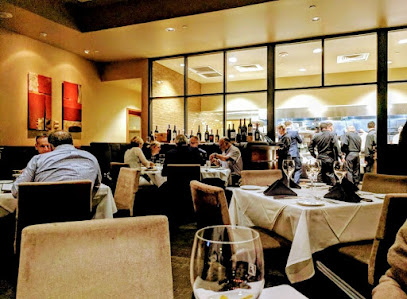
Fleming’s Prime Steakhouse & Wine Bar
0.3 km
Experience unparalleled steak perfection and exquisite wines at Fleming's Prime Steakhouse & Wine Bar in Palo Alto.
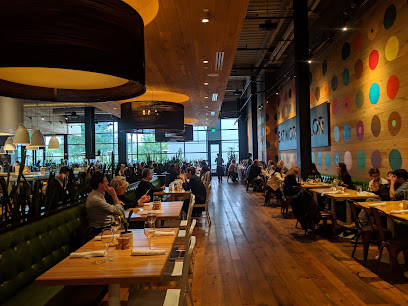
True Food Kitchen
0.4 km
Discover True Food Kitchen in Palo Alto: where health meets flavor in an inviting atmosphere with diverse organic dishes.
The Melt
0.5 km
Discover the delightful world of American comfort food at The Melt in Palo Alto - where gourmet grilled sandwiches meet casual dining.
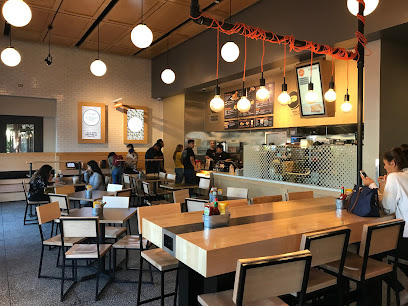
Pacific Catch
0.6 km
Experience fresh and sustainable seafood at Pacific Catch in Palo Alto's Stanford Shopping Center - where flavor meets environmental responsibility.
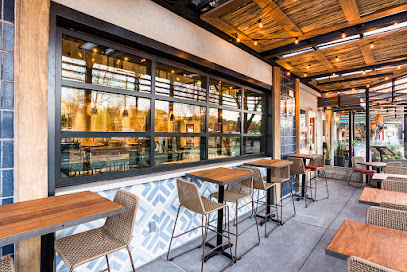
Evvia Estiatorio
0.6 km
Experience authentic Greek cuisine at Evvia Estiatorio in Palo Alto, where every dish tells a story steeped in Mediterranean tradition.
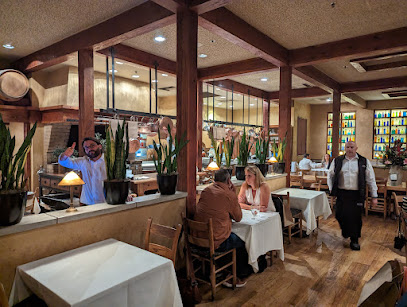
BIRD DOG
0.6 km
Discover Bird Dog in Palo Alto: A premier destination for innovative American cuisine blending seasonal ingredients and culinary artistry.
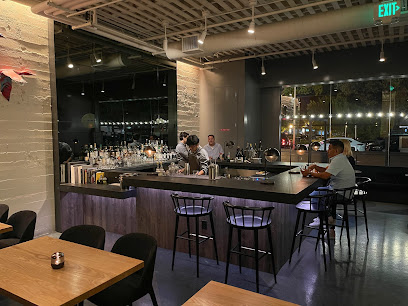
Rangoon Ruby Burmese Cuisine
0.7 km
Experience authentic Burmese cuisine at Rangoon Ruby in Palo Alto – where tradition meets flavor in every dish.
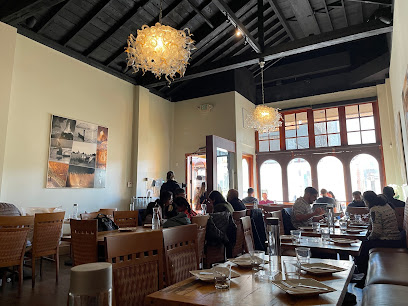
Steam
0.7 km
Discover authentic dim sum at Steam in Palo Alto - a culinary gem offering a delightful array of Asian flavors.
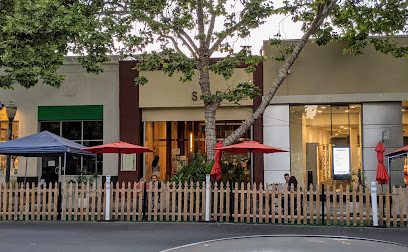
The Redwood by Chef Julien
0.7 km
Experience innovative cuisine at The Redwood by Chef Julien in Palo Alto – where fresh ingredients meet exceptional dining.
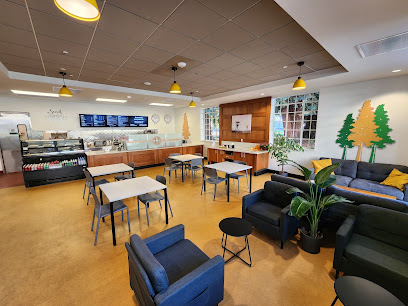
Local Union 271
0.7 km
Experience vibrant New American cuisine with organic flair at Local Union 271 in Palo Alto – a must-visit for food enthusiasts.
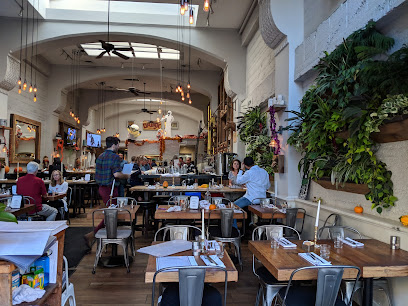
Oren's Hummus
0.7 km
Experience the vibrant flavors of Israeli cuisine at Oren's Hummus in Palo Alto—where tradition meets taste in every delicious dish.
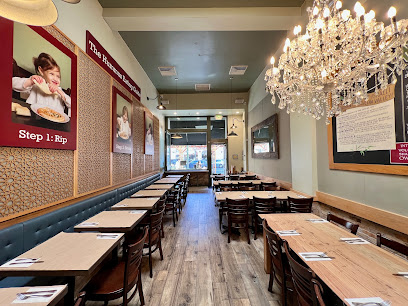
Sweet Maple
0.7 km
Discover the flavors of California at Sweet Maple, where brunch meets creativity in the heart of Palo Alto.
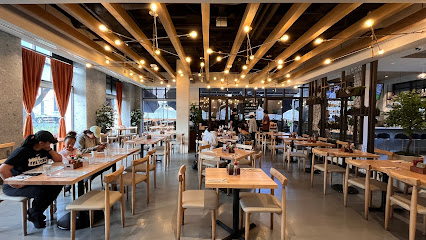
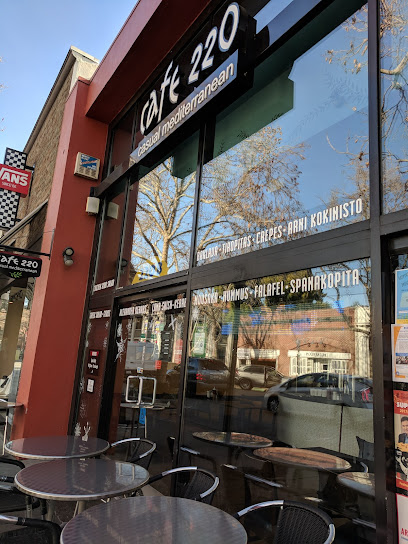
Cafe 220
0.7 km
Discover authentic Mediterranean cuisine at Cafe 220 in Palo Alto—your gateway to Greek and Turkish flavors.
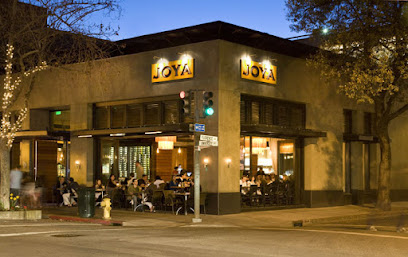
JOYA Restaurant and Lounge
0.8 km
Discover the vibrant flavors of Latin America at JOYA Restaurant and Lounge - a tapas haven in Palo Alto offering culinary delights.
Markets, malls and hidden boutiques

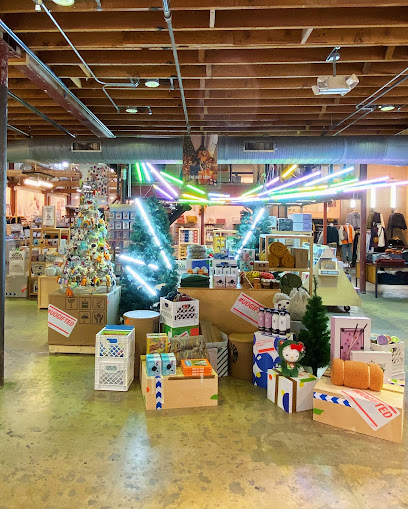
Urban Outfitters
0.4 km
Explore Urban Outfitters in Palo Alto for trendy clothing, unique home goods, and stylish accessories in a vibrant shopping atmosphere.
Bloomingdale's
0.4 km
Explore luxury shopping at Bloomingdale's in Palo Alto, where fashion meets elegance and an exceptional shopping experience awaits.
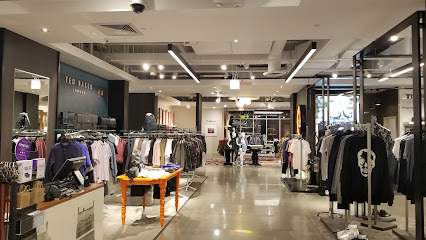
Jenni Kayne Palo Alto
0.4 km
Explore Jenni Kayne Palo Alto for chic women's fashion, stylish home goods, and a unique shopping experience in the heart of California.
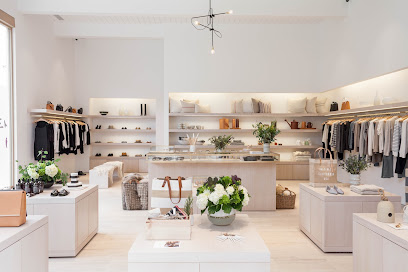
Anthropologie
0.4 km
Explore the vibrant offerings of Anthropologie in Palo Alto, where fashion meets artistry in a stylish shopping experience.
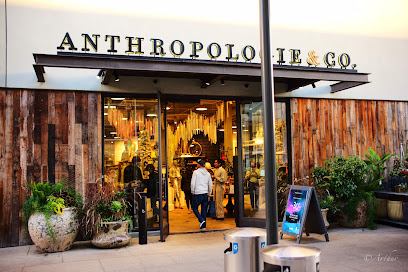
Stanford Shopping Center
0.4 km
Discover luxury shopping and dining at Stanford Shopping Center, a premier destination in Palo Alto, California, surrounded by scenic beauty.
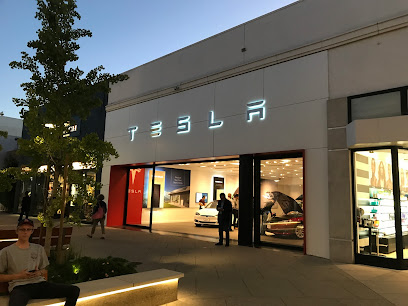
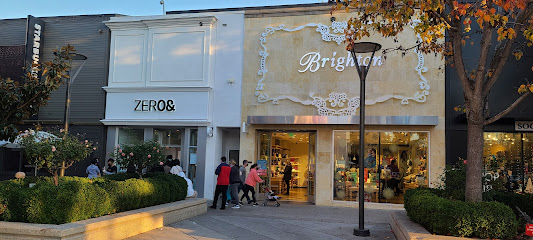
Brighton
0.5 km
Explore Brighton in Palo Alto for a delightful selection of unique gifts and stylish accessories that capture the spirit of California.
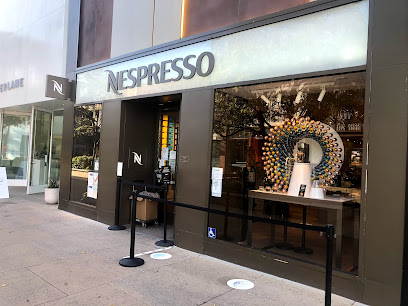
Nespresso Boutique Palo Alto
0.5 km
Explore the art of coffee at Nespresso Boutique Palo Alto, where premium machines and exquisite blends await every coffee lover.
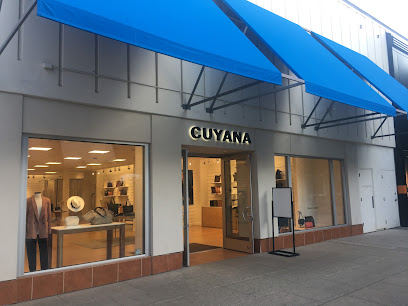
Cuyana
0.5 km
Explore Cuyana in Palo Alto for sustainable luxury fashion accessories that combine elegance with ethical craftsmanship and timeless style.
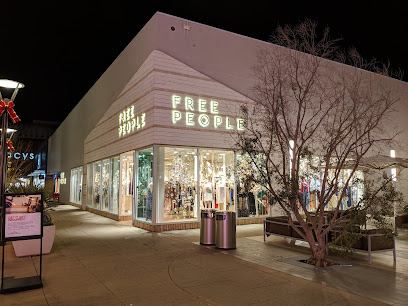
Free People
0.5 km
Explore Free People in Palo Alto: A chic women's clothing store offering vintage styles, trendy accessories, and beauty supplies for the modern fashionista.
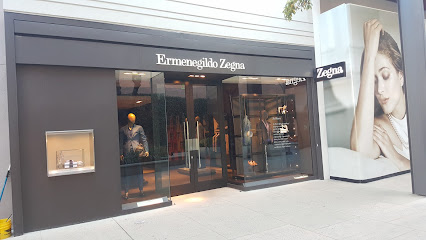
Zegna Boutique
0.6 km
Discover the elegance of men's fashion at Zegna Boutique in Palo Alto, where luxury meets style in every stitch.
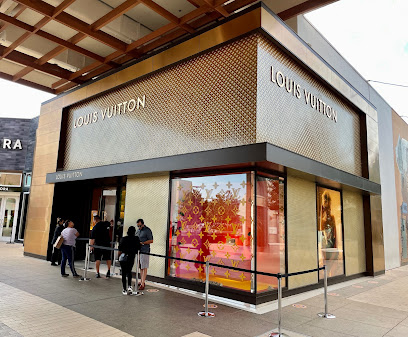
Louis Vuitton Palo Alto
0.6 km
Experience unparalleled luxury at Louis Vuitton Palo Alto, where timeless craftsmanship meets modern elegance in a premier shopping destination.
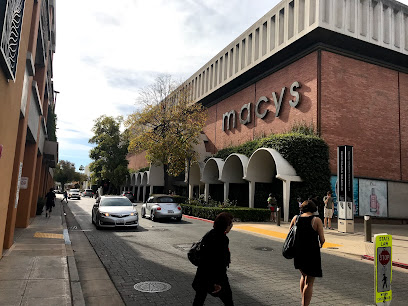
Macy's
0.6 km
Discover a shopper's paradise at Macy's Stanford Shopping Center, where fashion meets convenience in the heart of Palo Alto.
Stanford Center Palo Alto
0.6 km
Discover the elegance of luxury shopping at Stanford Center Palo Alto, featuring Burberry and other high-end brands in a vibrant atmosphere.
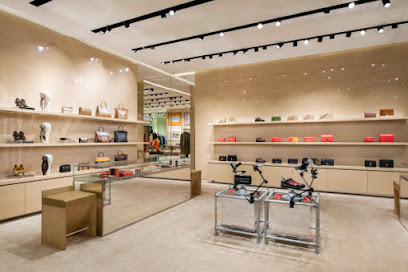
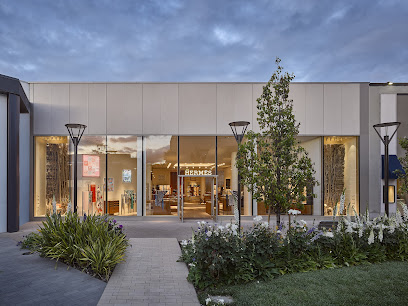
Hermès
0.7 km
Discover the elegance of Hermès in Palo Alto, where luxury leather goods and fashion accessories await every discerning traveler.
Snack Shop
0.7 km
Discover the perfect pit stop at the Snack Shop in Menlo Park, California, for quick snacks and refreshing beverages amidst your adventures.
Essential bars & hidden hideouts

The Patio @ Rudy's
0.6 km
Experience the ultimate blend of sports, dining, and nightlife at The Patio @ Rudy's in Palo Alto, where every game is a celebration.
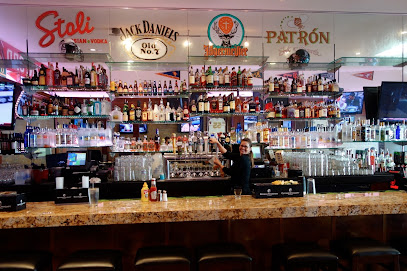
MacArthur Park Restaurant and Bar
0.6 km
Discover the culinary delights of MacArthur Park Restaurant and Bar in Palo Alto, a premier destination for American cuisine, steak, and fine wines.
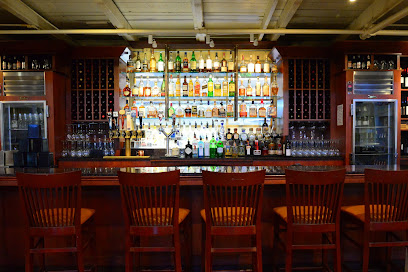
Scotty's Bar & Grill
0.8 km
Scotty's Bar & Grill in Palo Alto offers delicious grilled dishes, cocktails, and a lively atmosphere perfect for socializing and relaxation.
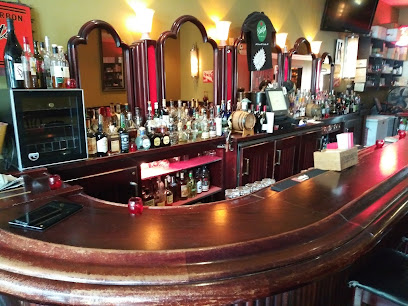
Hidden Tap And Barrel Palo Alto
0.8 km
Discover the vibrant nightlife at Hidden Tap And Barrel in Palo Alto – a haven for craft beer lovers and cocktail enthusiasts alike.
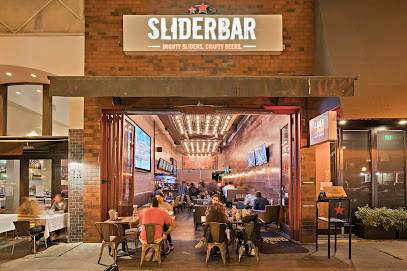
SliderBar Restaurant
0.8 km
Experience the vibrant atmosphere and delicious American cuisine at SliderBar Restaurant in Palo Alto, a perfect spot for food lovers and craft beer enthusiasts.
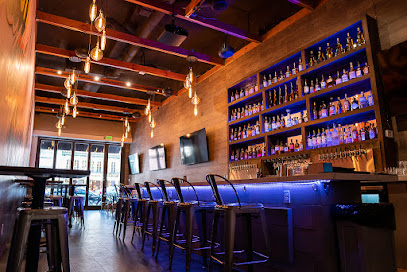
Vino Locale
0.9 km
Vino Locale: A wine bar and restaurant in Palo Alto, offering exquisite wines, delicious small bites, and vibrant live music in a cozy atmosphere.
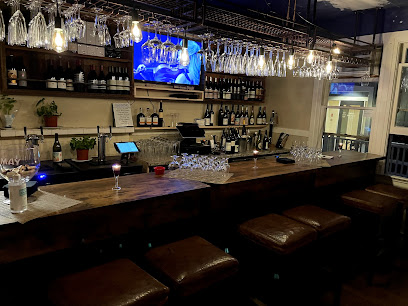
President's Terrace
1.0 km
Experience innovative cocktails and delightful dishes at President's Terrace, the vibrant bar and restaurant in the heart of Palo Alto.
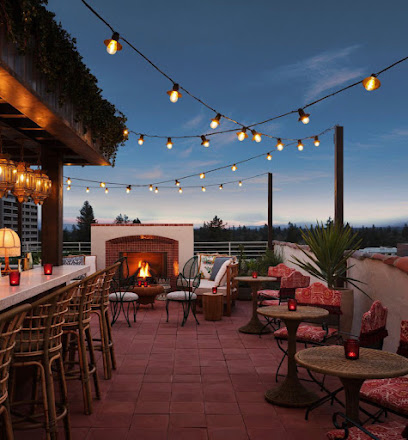
Moods. Wine Bar
3.2 km
Discover Moods. Wine Bar, Palo Alto's cozy spot for exquisite wines and craft beers, where every sip speaks of California's rich vineyard heritage.
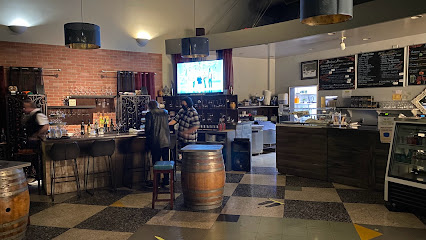
Freewheel Brewing Company
3.8 km
Experience the best of craft beer and American cuisine at Freewheel Brewing Company in Redwood City, where great taste meets vibrant entertainment.
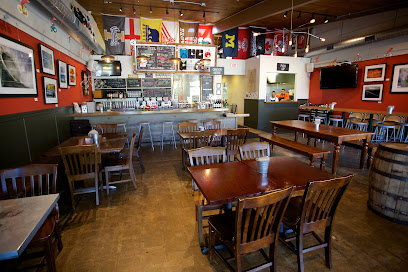
Atherton Club San Luis
3.9 km
Atherton Club San Luis: A vibrant bar experience in Menlo Park, California, blending relaxation and socialization for an unforgettable night out.
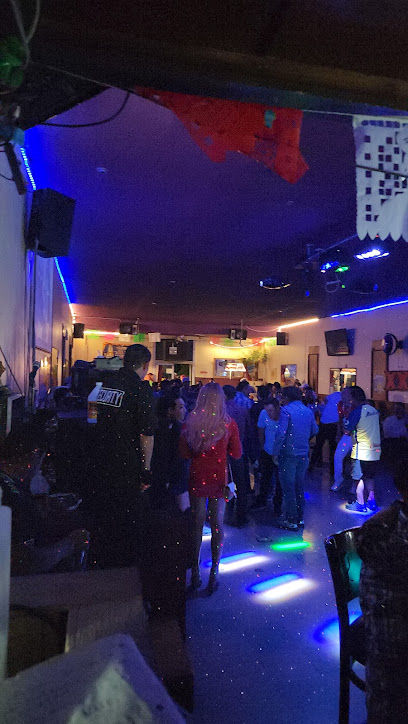
kicks Sports and Grill
4.3 km
Experience the thrill of sports and the taste of great food at Kicks Sports and Grill in Redwood City, where every game is a celebration.
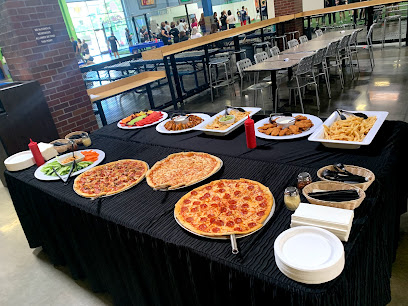
Cocktailbar Santana
4.7 km
Discover Cocktailbar Santana in Menlo Park: Where eclectic cocktails meet a vibrant atmosphere for an unforgettable nightlife experience.
Mazzocco's Club
4.8 km
Discover Mazzocco's Club, where exquisite cocktails meet a vibrant atmosphere in the heart of Redwood City - a cocktail lover's paradise.
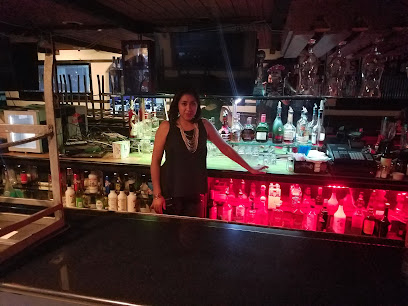
The Library & Bar
4.8 km
Experience the charm of The Library & Bar in Menlo Park, where exquisite drinks meet a cozy atmosphere perfect for socializing or unwinding.
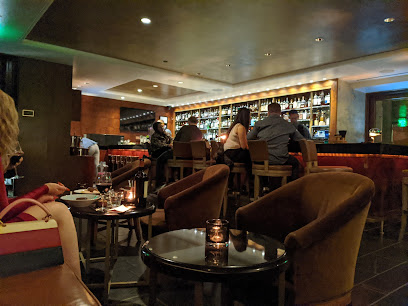
Pool Garden Terrace at Rosewood Sand Hill
4.8 km
Experience the elegance of outdoor dining at the Pool Garden Terrace, where exquisite grilled cuisine meets serene surroundings in Menlo Park.