Freeman Junction: A Crossroads of History
Explore the crossroads of California's past at Freeman Junction, where explorers, pioneers, and bandits left their mark on the Mojave Desert landscape, a testament to the state's rich heritage.
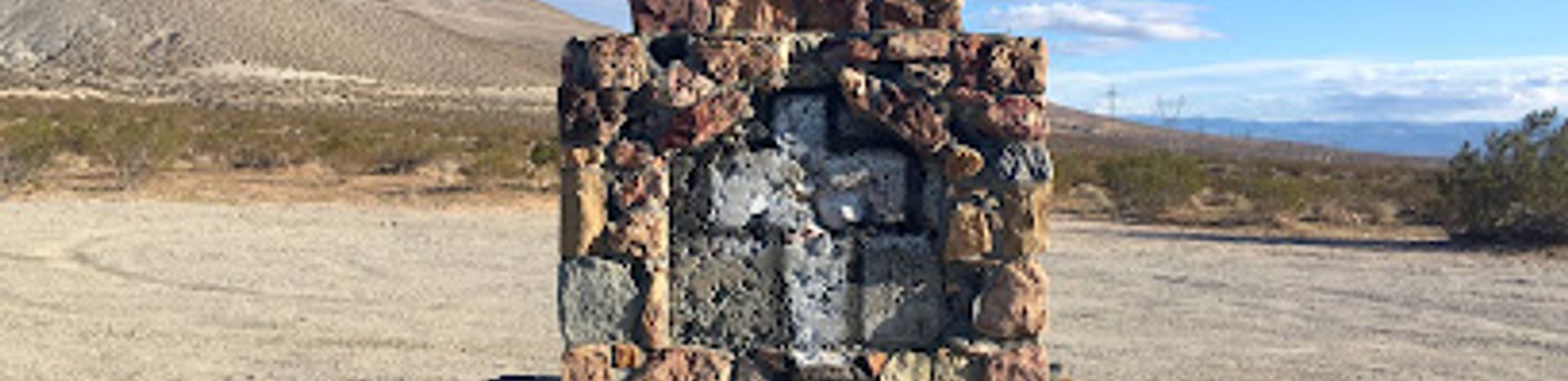
Freeman Junction, a California Historical Landmark, marks a significant crossroads in the state's past. Explorer Joseph R. Walker traversed this area in 1834, discovering Walker Pass and opening a route through the Sierra Nevada. Later, it served as a crucial point for '49ers escaping Death Valley, as they split off towards the gold fields. The infamous bandit Tiburcio Vásquez also frequented this junction, preying on travelers. Today, the landmark offers a glimpse into California's rich history, connecting visitors with tales of exploration, hardship, and lawlessness amidst the stark beauty of the Mojave Desert. While the original marker has been reported missing, a California Historical Landmark street sign remains, a testament to the area's enduring legacy. It's a place to reflect on the diverse stories that have shaped this vibrant state.
A brief summary to Freeman Junction/California Historical Landmark No. 766
- 52899 CA-178, Inyokern, California, 93527, US
Local tips
- Visit during early morning or late afternoon for the best lighting for photography and to avoid the desert heat.
- Bring water and snacks, as there are no services available directly at the landmark.
- Check local maps for nearby attractions like Red Rock Canyon State Park to enhance your visit.
- Read up on the history of Freeman Junction before you go to fully appreciate its significance.
- Be respectful of the environment and pack out everything you pack in.

Getting There
-
Driving
Freeman Junction is located at the intersection of CA-14 and CA-178. From Inyokern, head east on CA-178 for approximately 7 miles. The landmark will be on your right, just before the junction with CA-14. There is no dedicated parking area, but you can pull over safely on the shoulder of the road. Be mindful of traffic. Road conditions can vary, so check Caltrans for the latest updates before you go. There are no fees or tolls associated with accessing the landmark.
-
Taxi/Ride-Share
If you are in Ridgecrest, a taxi or ride-share service (Uber/Lyft) can take you to Freeman Junction. The ride is approximately 12 miles and takes about 20 minutes. Expect to pay around $30-$40 for a one-way trip. Confirm the fare with the driver or app before you begin your journey.
Discover more about Freeman Junction/California Historical Landmark No. 766
Iconic landmarks you can’t miss

Freeman Junction/California Historical Landmark No. 766
0.0 km
Explore Freeman Junction, California Historical Landmark No. 766, where history meets serene landscapes in Inyokern, a must-visit for every traveler.
Red Rock Canyon State Park
24.7 km
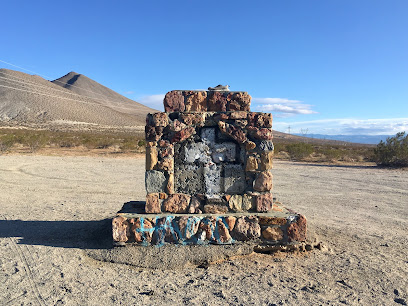
Discover the stunning landscapes and geological wonders of Red Rock Canyon State Park, a true desert paradise in California.
Cesar E. Chavez National Monument
72.5 km
Explore the legacy of Cesar E. Chavez at this inspiring national monument dedicated to labor rights and social justice in California.
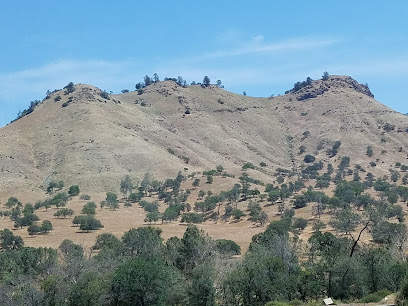
Old Town State Historic Landmark
73.8 km
Experience the rich history of California at Old Town State Historic Landmark, a serene destination in Golden Hills showcasing captivating architecture and cultural heritage.
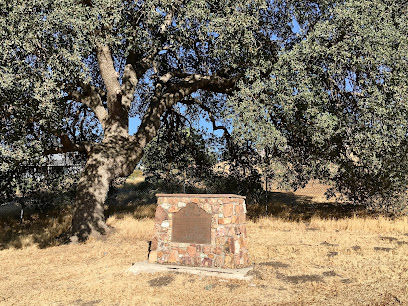
Garces Baptismal Site/ California Historical Landmark No. 631
93.4 km
Explore the Garces Baptismal Site, a significant California Historical Landmark that celebrates the intersection of culture and history amidst stunning natural beauty.
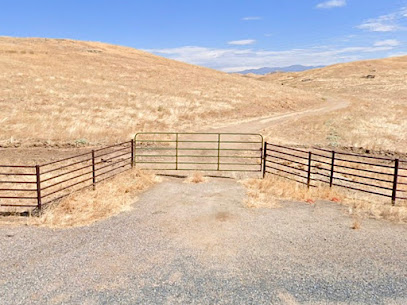
The Historic Sunset Camp
99.8 km
Explore the Historic Sunset Camp in Bakersfield, California – a remarkable journey through the Dust Bowl era and a vital piece of American history.
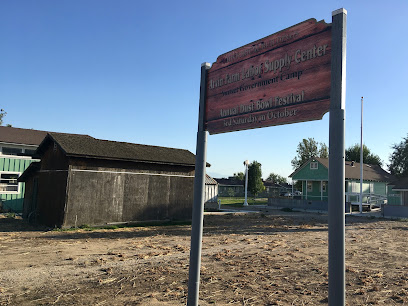
Unmissable attractions to see

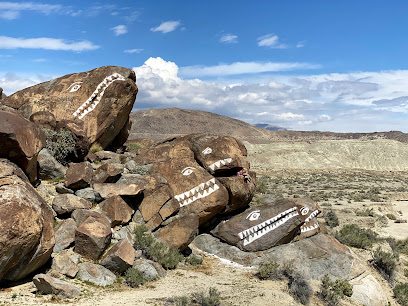
Fish Rocks
43.9 km
Explore the stunning geological formations and cultural significance of Fish Rocks in Trona, California, a must-see tourist attraction for nature lovers.
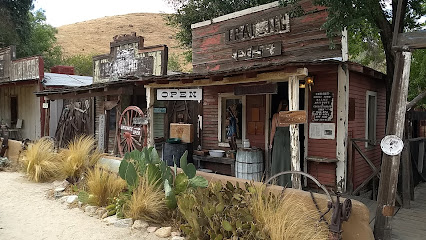
Silver City Ghost Town
52.8 km
Explore the Wild West at Silver City Ghost Town, a captivating museum and antique store in Bodfish, California, rich in history and adventure.
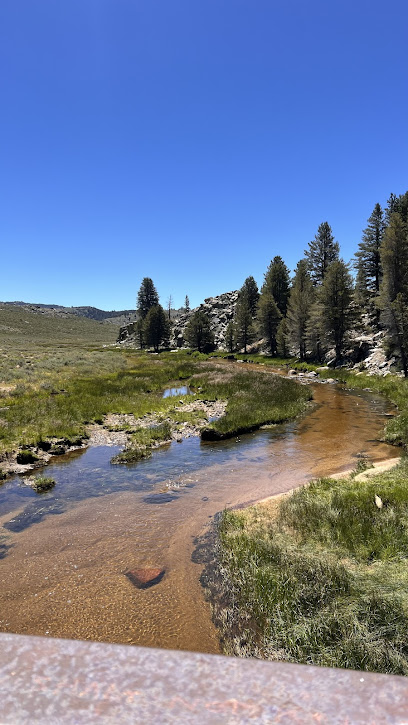
South Sierra Wilderness
67.0 km
Discover the breathtaking beauty and adventure of South Sierra Wilderness, a hidden gem in California's Sierra Nevada mountains, perfect for outdoor lovers.
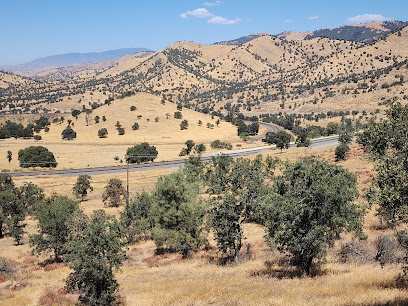
Tehachapi Loop
72.6 km
Explore the Tehachapi Loop, an incredible engineering marvel offering stunning views and a unique experience for train enthusiasts and nature lovers in California.
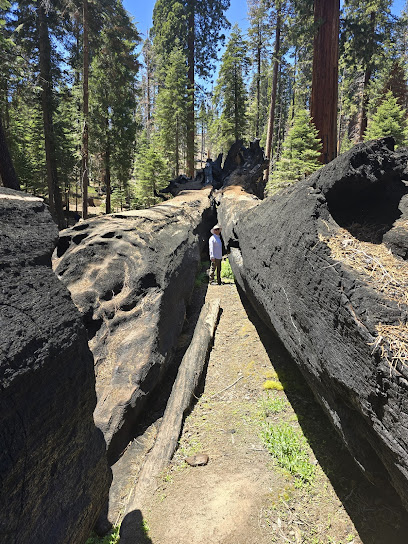
Trail of 100 Giants Trailhead
74.8 km
Discover the breathtaking beauty of the Trail of 100 Giants, a stunning hiking area featuring majestic giant sequoias in California's picturesque landscape.
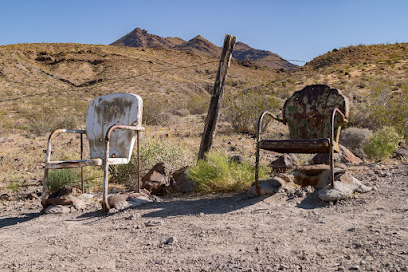
Barker Ranch
79.3 km
Discover the haunting beauty of Barker Ranch in Death Valley, where history meets the stark allure of California's desert landscape.
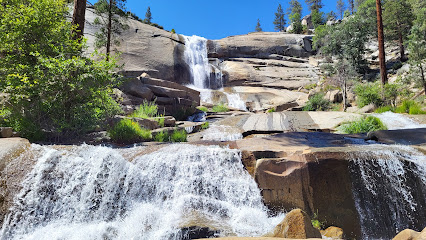
Sequoia National Forest
80.6 km
Explore the breathtaking Sequoia National Forest in California, home to towering giant sequoias, diverse wildlife, and stunning landscapes, perfect for all outdoor enthusiasts.
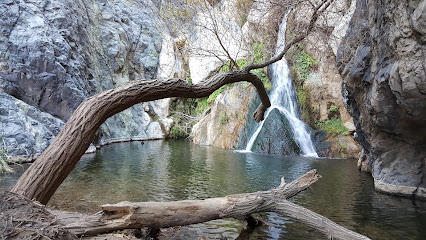
Darwin Falls
87.0 km
Explore the enchanting Darwin Falls in Death Valley National Park, where serene hikes and stunning waterfalls meet desert beauty.
Golden Trout Wilderness
87.4 km
Explore the breathtaking landscapes and diverse wildlife of Golden Trout Wilderness, a must-visit national forest in the Sierra Nevada mountains.
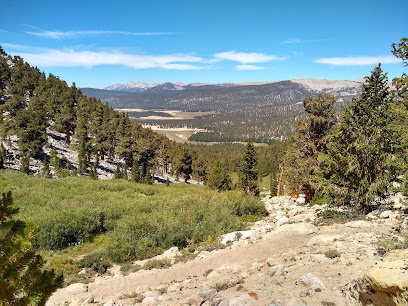
Darwin Falls Trailhead
88.1 km
Explore the hidden gem of Darwin Falls Trailhead in Death Valley National Park, where breathtaking landscapes meet serene waterfalls.
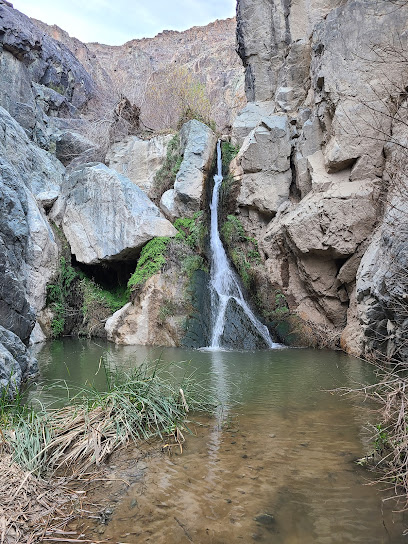
Father Crowley Overlook
89.3 km
Discover stunning desert vistas and breathtaking sunsets at Father Crowley Overlook, a must-see destination in Death Valley National Park.
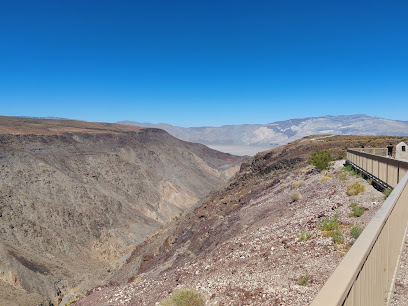
Death Valley National Park Sign
89.8 km
Experience the breathtaking extremes of Death Valley National Park, a stunning landscape of deserts, mountains, and natural wonders in California.
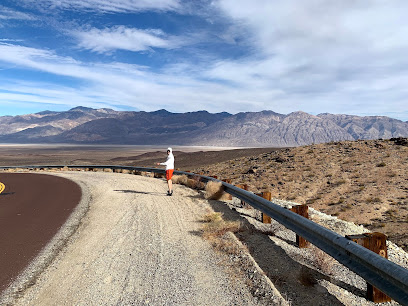
California Living Museum
90.5 km
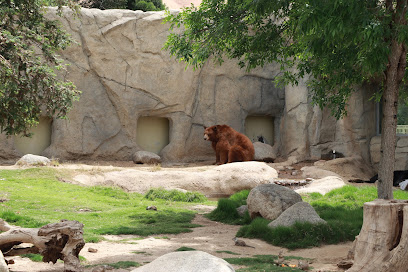
Discover the California Living Museum: a unique zoo celebrating the state's wildlife and conservation efforts in a serene setting.
Kern River County Park
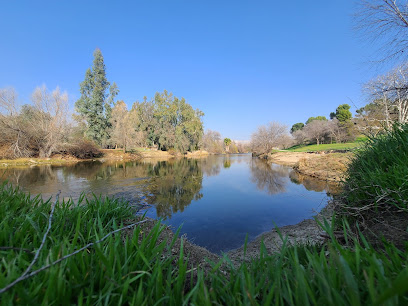
91.0 km
Explore the serene landscapes and outdoor adventures at Kern River County Park, a perfect retreat in Bakersfield, California.
The Ernst Quarries
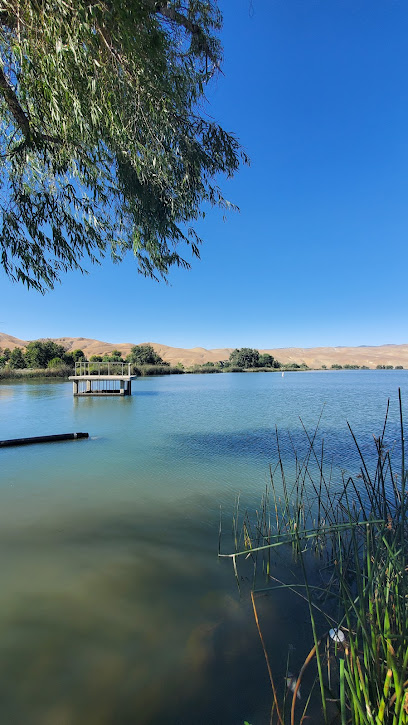
91.4 km
Discover the ancient secrets of The Ernst Quarries, a nature preserve in Bakersfield, California, rich in fossils and natural beauty.
Essential places to dine

Ewings on the Kern
49.5 km
Experience mouthwatering steaks and local American cuisine at Ewings on the Kern, where culinary excellence meets riverside charm in beautiful Kernville.
Johnny McNally's Fairview Lodge- Restaurant
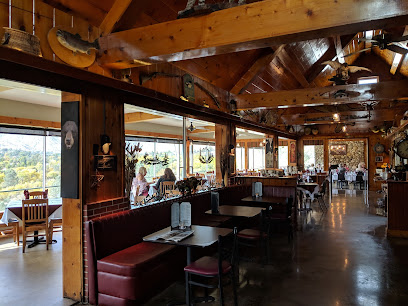
64.1 km
Experience culinary delights amidst breathtaking scenery at Johnny McNally's Fairview Lodge in Kernville, California - where adventure meets comfort.
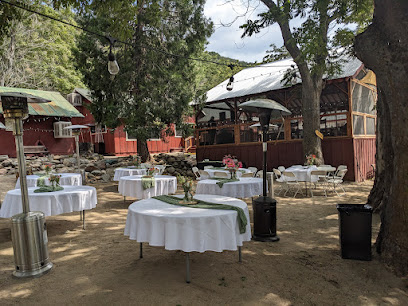
Deer Creek Lodge Restaurant
77.5 km
Experience delicious American cuisine amidst stunning natural beauty at Deer Creek Lodge Restaurant in California Hot Springs.
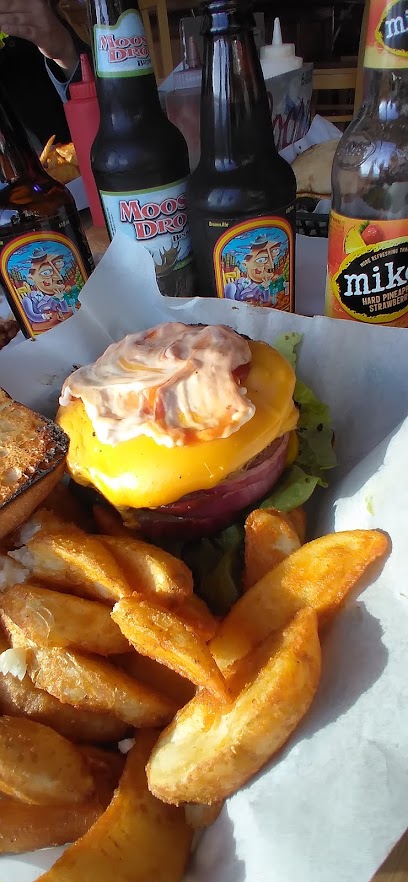
The Big Red Barn, Murray Family Farms
84.0 km
Experience farm-fresh delights at The Big Red Barn – where culinary excellence meets family fun in Bakersfield's beautiful countryside.
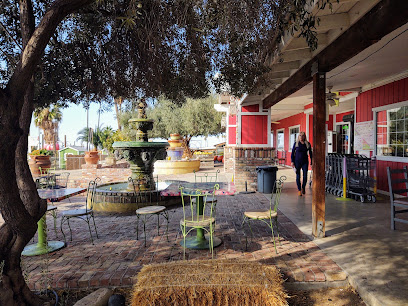
Pierpoint Bar & Grill
88.2 km
Discover delicious grill cuisine at Pierpoint Bar & Grill in Springville – where every meal is an unforgettable experience.
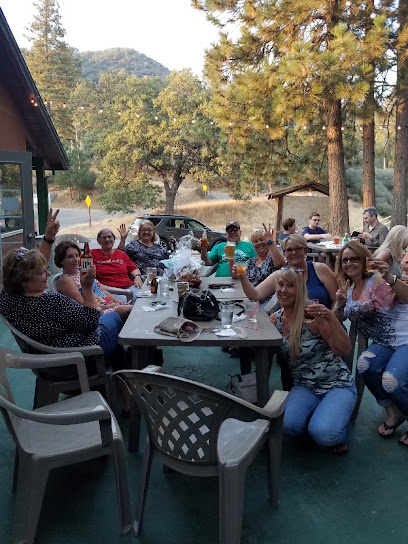
Renegade Room
98.5 km
Savor authentic American flavors at Renegade Room in Bakersfield—where delicious food meets welcoming hospitality.
Markets, malls and hidden boutiques

Lah-De-Dah
49.9 km
Discover unique antiques, handmade crafts, and local artwork at Lah-De-Dah, Kernville's charming gift shop for every traveler.
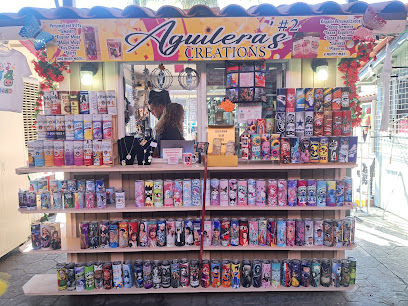
Aguilera's Creations Inc
99.7 km
Explore Aguilera's Creations Inc in Bakersfield for unique handcrafted gifts and souvenirs that capture the spirit of California.
Essential bars & hidden hideouts

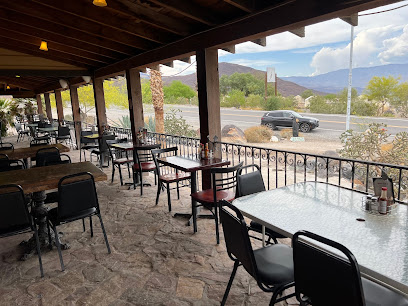
Panamint Springs Restaurant
91.0 km
Discover the charm of Panamint Springs Restaurant, where delicious food meets breathtaking desert views in the heart of California.
Grenadier Cocktail Lounge
99.1 km
Experience the art of mixology at Grenadier Cocktail Lounge, Bakersfield's premier destination for exquisite cocktails and vibrant nightlife.