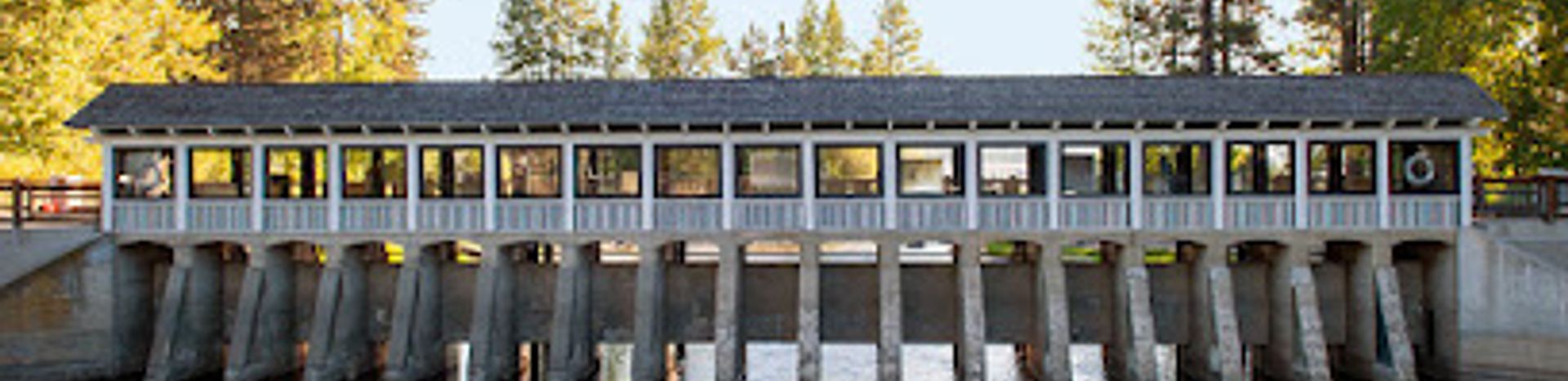
Lake Tahoe Outlet Gates: A Historical Landmark
Discover the historic Lake Tahoe Outlet Gates in Tahoe City, marking the start of the Truckee River and the site of the 'Tahoe Water War'.
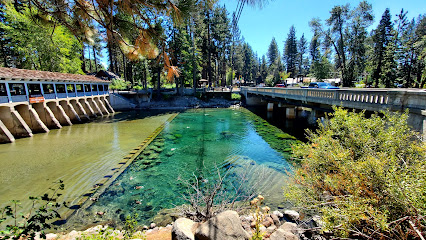
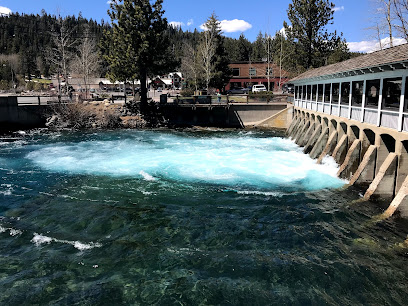
The Lake Tahoe Outlet Gates, California Historical Landmark No. 797, mark the beginning of the Truckee River and the site of the historic 'Tahoe Water War'. These gates have played a crucial role in water management and regional development since 1870.
A brief summary to Lake Tahoe Outlet Gates (California Historical Landmark No. 797)
- 73 N Lake Blvd, Tahoe City, California, 96145, US
Local tips
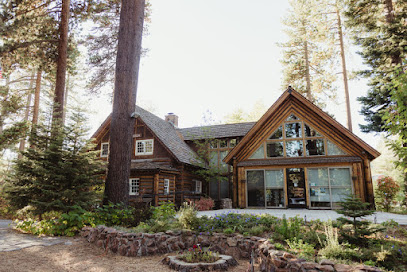
- Visit the Gatekeeper's Cabin Museum adjacent to the gates to learn about the history of Lake Tahoe and the role of the gatekeepers.
- Take a stroll across 'Fanny Bridge' and observe the large trout that gather below the dam.
- Explore William B. Layton Park, located next to the gates, for picnic spots and scenic views of Lake Tahoe and the Truckee River.
- Check out the interpretive plaques near the gates to understand the region's water systems, wildlife, and ecology.

Getting There
-
Walking
From Tahoe City's main area, the Lake Tahoe Outlet Gates are easily accessible by foot. Head west along North Lake Boulevard (Highway 89) towards the Truckee River Bridge. The gates are located on the southwest corner of the bridge.
-
Public Transport
Tahoe Truckee Area Regional Transit (TART) provides bus service to Tahoe City. From the Tahoe City Transit Center, walk west along North Lake Boulevard (Highway 89) towards the Truckee River Bridge. The Tahoe City Transit Center is located just south of Fanny Bridge. A single ride on TART costs around $2.
-
Driving
If driving, approach Tahoe City via Highway 89 or Highway 28. The Lake Tahoe Outlet Gates are located at the intersection of these highways, on the southwest corner of the Truckee River Bridge. Parking is available in various lots in Tahoe City, including the Jackpine Public Parking Lot and the Grove Street Parking Lot. Parking costs vary, with some free options and paid lots charging hourly or daily rates. Be aware that parking can be limited during peak seasons.
Discover more about Lake Tahoe Outlet Gates (California Historical Landmark No. 797)
Iconic landmarks you can’t miss

North Lake Tahoe Resort Association
0.1 km
Uncover North Lake Tahoe's hidden treasures at the Visitor Center, your ultimate guide to adventure and exploration in this stunning destination.
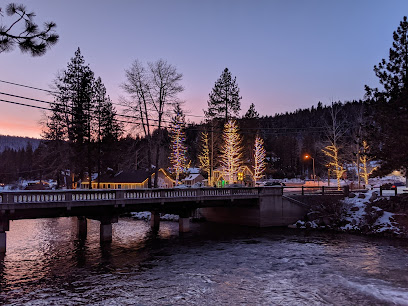
Tesla Supercharger
0.1 km
Recharge your Tesla and immerse yourself in the stunning beauty of Tahoe City, where eco-friendly travel meets breathtaking landscapes.
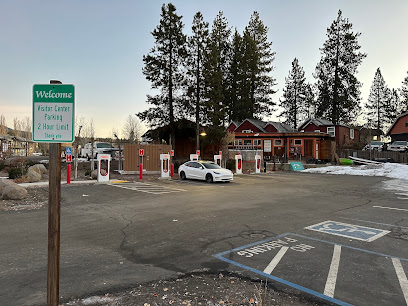
Unique Nail Spa
0.2 km
Discover tranquility and beauty at Unique Nail Spa in Tahoe City, offering relaxing nail services and a holistic wellness experience.
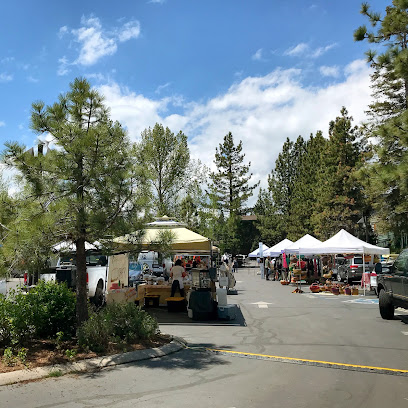
Tahoe City Farmers' Market, Commons Beach (May-Oct)
0.3 km
Discover fresh, local produce, artisanal goods, and community spirit at the Tahoe City Farmers' Market, a weekly lakeside celebration from May to October.
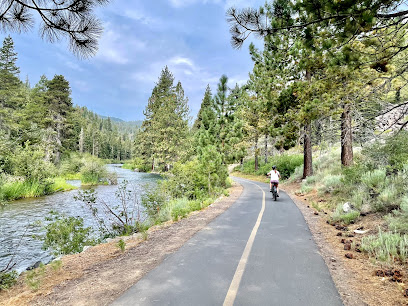
64 Acres Tahoe Rim Trail Trailhead
0.4 km
Discover Lake Tahoe's backcountry: Hike, bike, or ride the Tahoe Rim Trail from the easily accessible 64 Acres Trailhead in Tahoe City.
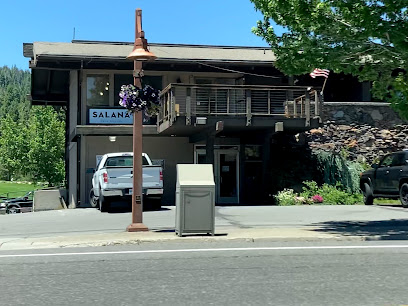
Tahoe Trunk Show
0.4 km
Explore the Tahoe Trunk Show for unique gifts, local art, and handcrafted jewelry, embodying the spirit of Lake Tahoe in every piece.
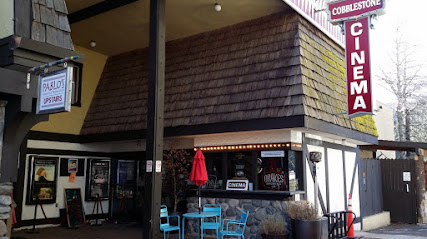
Tahoe Art Haus & Cinema
0.4 km
Discover a unique cinematic experience at Tahoe Art Haus & Cinema, where indie films meet a cozy bar and vibrant community events.
Tahoe Tap Haus
0.4 km
Experience Tahoe City's vibrant gastropub scene at Tahoe Tap Haus, offering craft beers, creative California pub fare, and stunning lake views in a family-friendly atmosphere.
Uncorked Tahoe City
0.4 km
Discover limited-production wines from around the world in a cozy Tahoe City setting, with curated flights, knowledgeable staff, and delectable pairings for an unforgettable tasting experience.
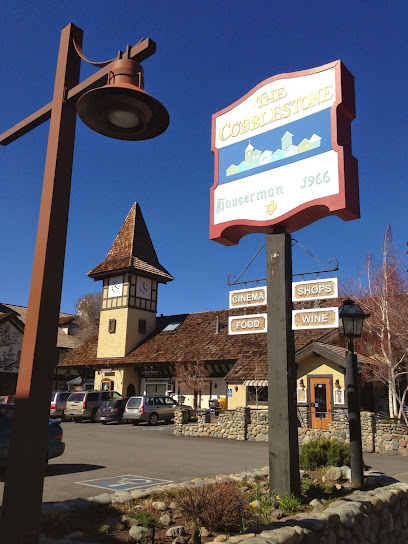
Cobblestone Center
0.5 km
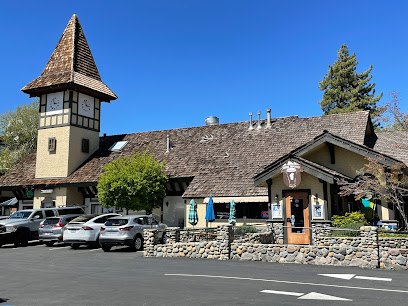
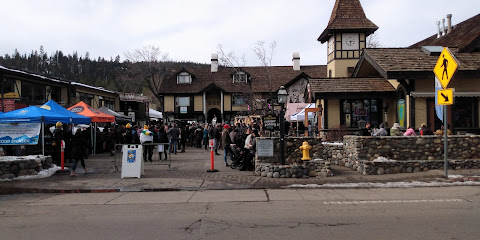
Discover unique shops, dining, and entertainment in a charming Bavarian-style village at the heart of Tahoe City, Lake Tahoe.

Hemmings & Jarrett
0.5 km
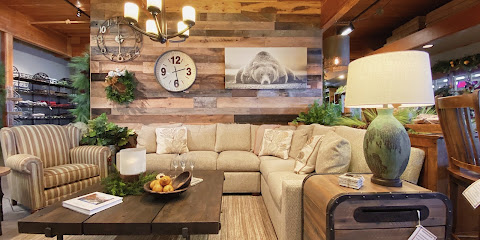
Explore Hemmings & Jarrett in Tahoe City for exquisite furniture and decor that blends style with the spirit of Lake Tahoe.
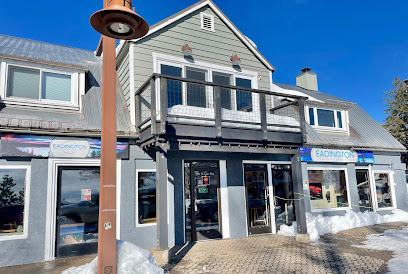
The Eadington Gallery
0.6 km
Explore the artistic heart of Tahoe City at The Eadington Gallery, where local talent meets stunning photography in a picturesque setting.
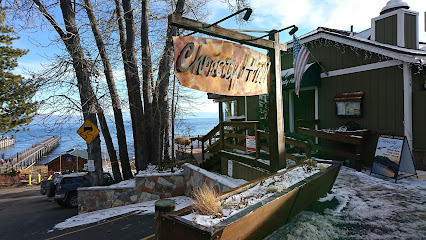
Christy Hill
0.6 km
Fine dining with panoramic lake views in Tahoe City, offering modern American cuisine and an award-winning wine list. Perfect for a special occasion.
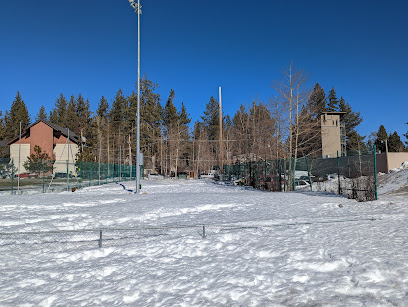
Tahoe City Dog Park
0.7 km
Explore the beauty of Tahoe City at the Dog Park, where furry friends can play and socialize in a stunning natural setting surrounded by nature.
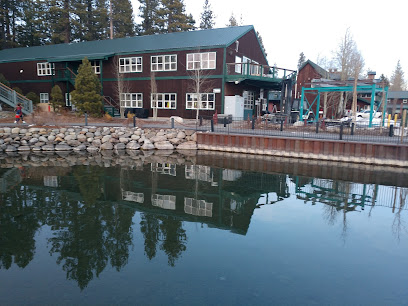
Tahoe City Dock
0.7 km
Discover outdoor adventures and serene lakeside experiences at Tahoe City Dock, the perfect destination for water activities and breathtaking views.
Unmissable attractions to see

Lake Tahoe Dam
0.0 km
Experience the serene beauty of Lake Tahoe Dam, a stunning scenic spot perfect for nature lovers and outdoor enthusiasts in Tahoe City, California.
William B Layton Park
0.0 km
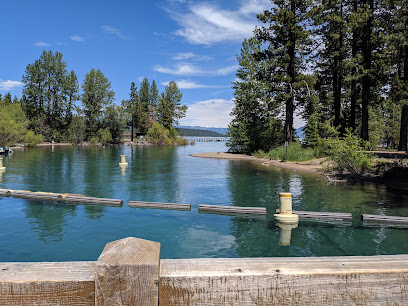
Discover the beauty and tranquility of William B Layton Park in Tahoe City, a perfect retreat for nature lovers and families alike.
Gatekeeper's Museum
0.1 km
Explore Lake Tahoe's rich heritage and natural beauty at Gatekeeper's Museum, a must-visit for history enthusiasts and nature lovers alike.
North Lake Tahoe Historical Society
0.1 km
Explore the captivating history of North Lake Tahoe at the North Lake Tahoe Historical Society, where heritage meets stunning natural beauty.
North Lake Tahoe Visitor Center in Tahoe City
0.1 km
Explore North Lake Tahoe like a local at the Visitor Center in Tahoe City, your one-stop hub for maps, guides, and insider tips for an unforgettable experience.
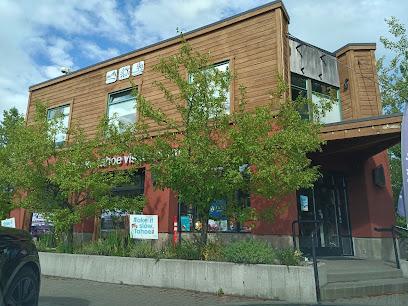
Tahoe City
0.1 km
Explore Tahoe City, California - a beautiful lakeside destination perfect for outdoor adventures, local culture, and breathtaking scenery.
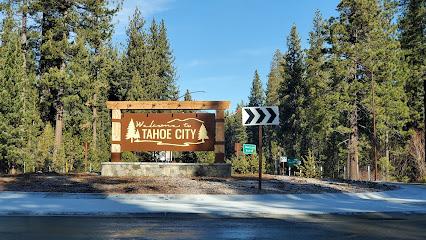
Truckee River Rafting
0.2 km
Discover the thrilling adventure of Truckee River Rafting, where stunning landscapes meet exhilarating water fun in the heart of Lake Tahoe.
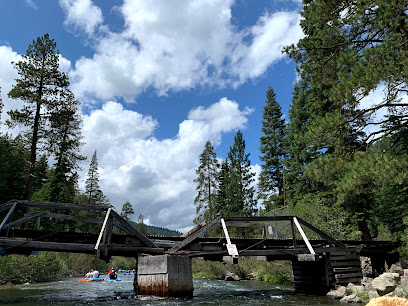
Tahoe City Winter Sports Park
0.3 km
Explore the excitement of Tahoe City Winter Sports Park, your ultimate destination for ice skating and winter fun amid stunning alpine scenery.
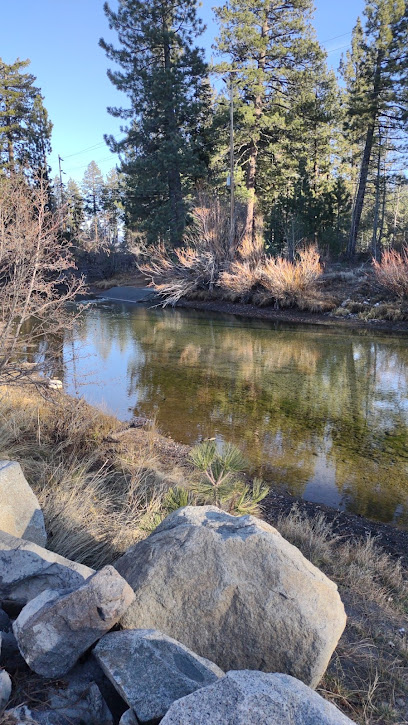
Commons Beach
0.4 km
Explore Commons Beach, a scenic retreat in Tahoe City, CA, offering sandy shores, recreational activities, and stunning views of Lake Tahoe.
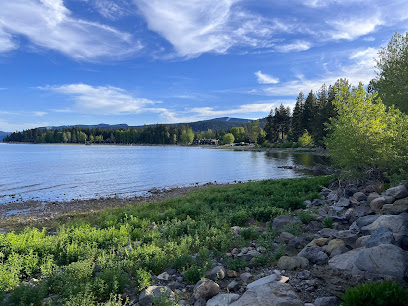
Tahoe City Downtown Association
0.4 km
Explore Tahoe City, where stunning lake views meet outdoor adventures and charming local culture for the perfect getaway.
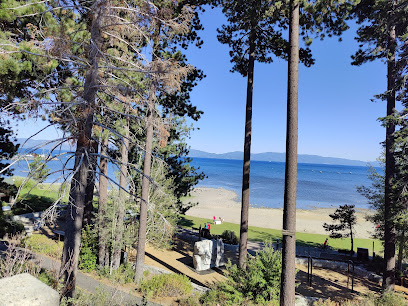
Tahoe City North Trailhead
0.5 km
Discover the breathtaking trails and stunning vistas at Tahoe City North Trailhead, a must-visit hiking area near Lake Tahoe.
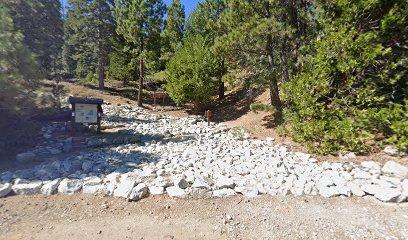
Tahoe City Kayak and Paddleboard Shop
0.5 km
Experience the beauty of Lake Tahoe with kayak and paddleboard rentals at Tahoe City Kayak and Paddleboard Shop, your gateway to aquatic adventure.
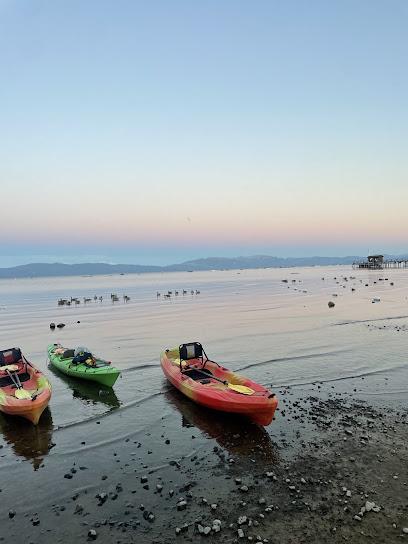
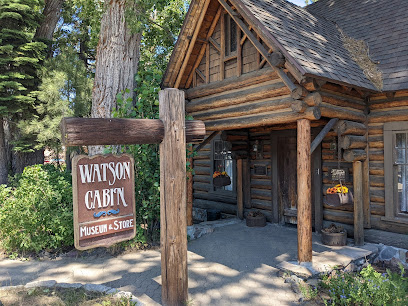
Watson Cabin Museum
0.6 km
Explore the historic Watson Cabin Museum in Tahoe City, a captivating journey through Lake Tahoe's rich history and early settler life.
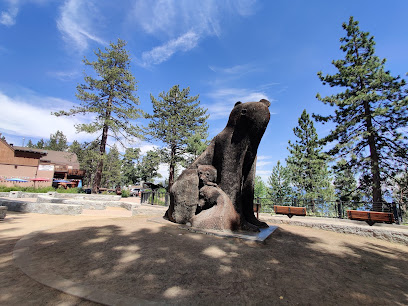
Penny Bear | Heritage Plaza
0.6 km
Explore the enchanting Penny Bear sculpture at Heritage Plaza, a unique artistic gem in Tahoe City that showcases local creativity and charm.
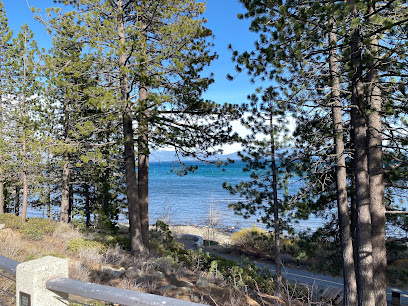
Heritage Plaza
0.6 km
Discover the tranquil beauty of Heritage Plaza, a scenic park in Tahoe City offering stunning lake views and enriching historical displays.
Essential places to dine

Bridgetender Tavern and Grill
0.1 km
Experience the best of American cuisine at Bridgetender Tavern and Grill with stunning views of Lake Tahoe in every bite.
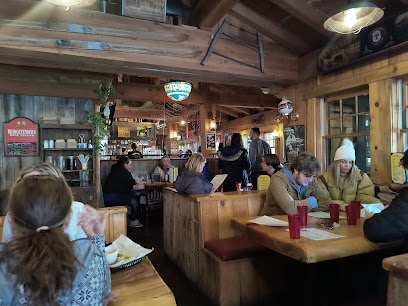
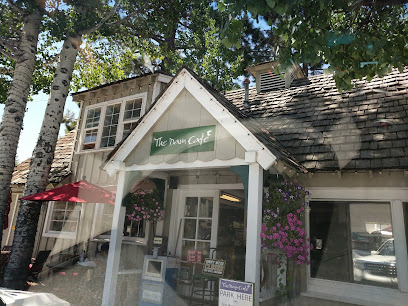
The Dam Cafe
0.1 km
Experience delightful dining at The Dam Cafe in Tahoe City—where healthful food meets stunning lake views!
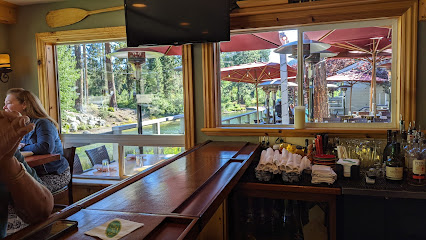
River Grill
0.1 km
Experience exquisite American cuisine at River Grill while enjoying breathtaking views of Lake Tahoe's stunning scenery.
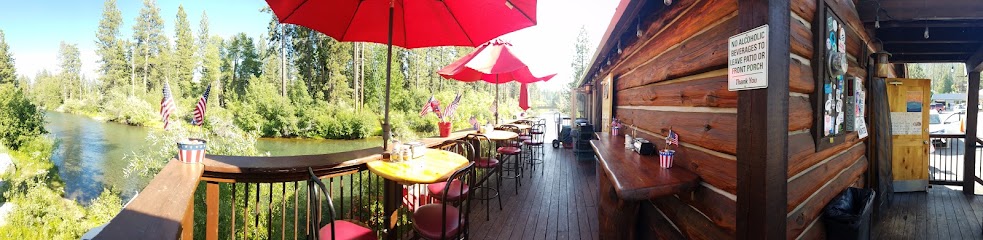
Front Street Station Pizza
0.3 km
Experience the delightful fusion of pizza and Mexican cuisine at Front Street Station Pizza in beautiful Tahoe City.
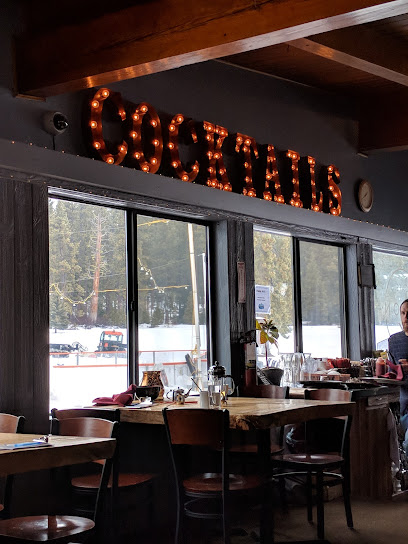
Cafe Zenon
0.3 km
Discover Café Zenon: A charming breakfast café in Tahoe City serving delectable dishes amidst stunning lake views.
Pepper's
0.3 km
Discover delicious tacos and burritos at Pepper's in Tahoe City - where flavor meets affordability amidst stunning mountain views.
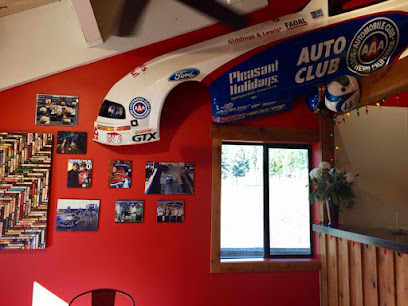
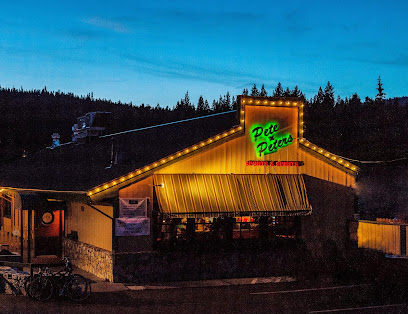
Pete 'n Peters
0.3 km
Experience the vibrant flavors of Mexico at Pete 'n Peters - your go-to sports bar in Tahoe City with delicious tacos and refreshing drinks.
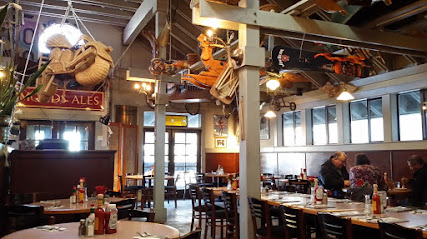
Rosie's Café
0.6 km
Discover Rosie's Café in Tahoe City - your go-to destination for delicious American breakfasts in a cozy lakeside setting.
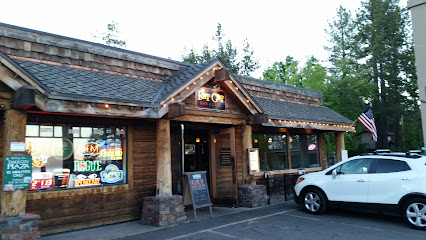
Fat Cat Bar & Grill
0.7 km
Discover delicious American cuisine at Fat Cat Bar & Grill in Tahoe City - where great food meets stunning lake views!
BLUEFISH
0.7 km
Discover Bluefish in Tahoe City - where fresh local ingredients meet creative culinary artistry in a welcoming atmosphere.
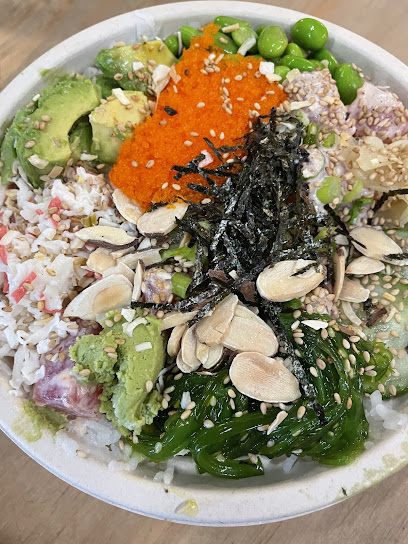
Moe's Original BBQ
0.8 km
Experience authentic Southern barbecue at Moe's Original BBQ in Tahoe City—home to mouthwatering smoked meats and vibrant live music.
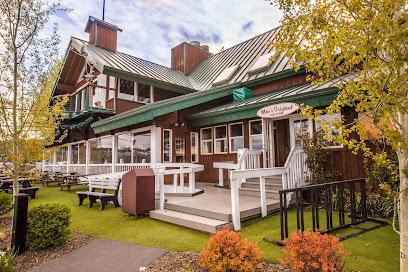
Tahoe City Sushi
0.8 km
Experience exquisite sushi and delightful Japanese cuisine in the heart of Tahoe City with breathtaking views of Lake Tahoe.
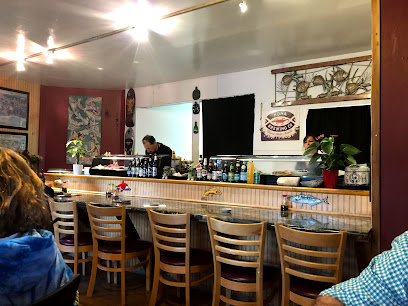
Jake's On The Lake
0.8 km
Experience exquisite American and Asian cuisine at Jake's On The Lake, where stunning lake views meet culinary excellence.
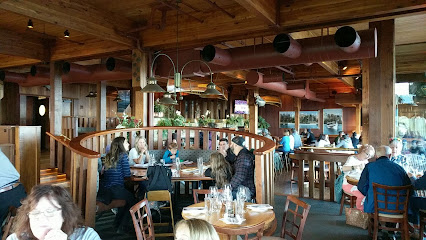
Stony Ridge Uncommon Kitchen
0.9 km
Experience the best of eclectic cuisine at Stony Ridge Uncommon Kitchen in Tahoe City—where local flavors meet creative cooking.
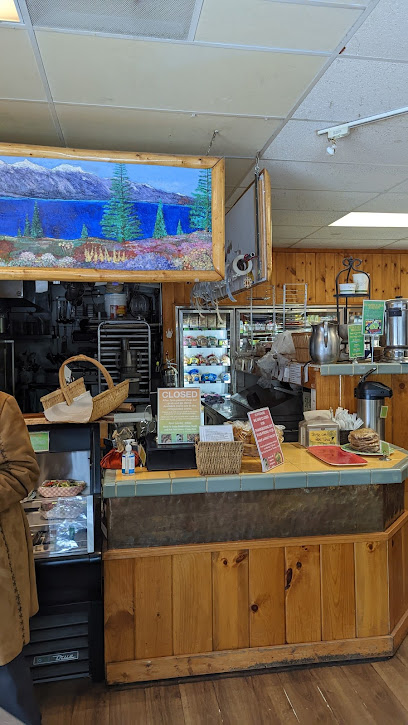
Thai Kitchen
1.0 km
Savor authentic Thai cuisine amidst stunning Lake Tahoe views at Thai Kitchen - an unmissable culinary experience.
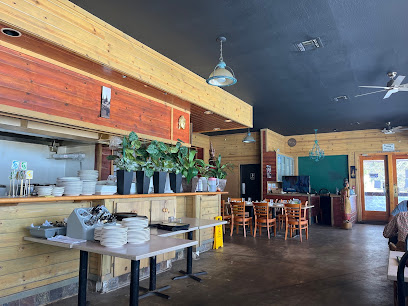
Markets, malls and hidden boutiques

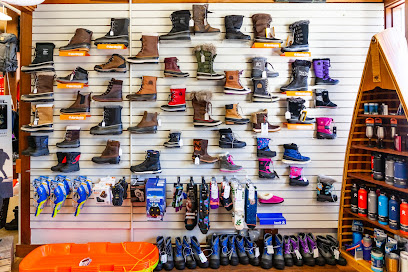
Willard's Sport Shop
0.1 km
Discover outdoor adventure at Willard's Sport Shop in Tahoe City, offering rentals and gear for skiing, biking, and water sports in stunning Lake Tahoe.
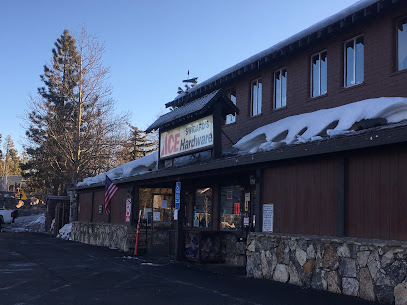
Swigard's Ace Hardware
0.2 km
Discover Swigard's Ace Hardware in Tahoe City, your ultimate destination for home improvement, tools, and expert advice in a welcoming atmosphere.
Tahoe Logowear Co
0.2 km
Explore Tahoe Logowear Co for unique custom embroidery, capturing the essence of Lake Tahoe through quality apparel and exceptional service.
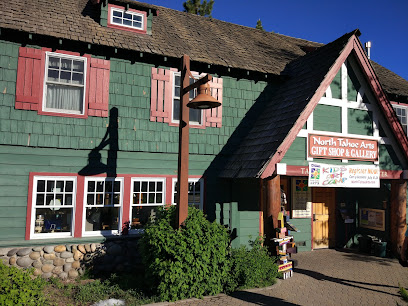
North Tahoe Arts
0.3 km
Discover unique handcrafted art and gifts at North Tahoe Arts, the heart of Tahoe City's vibrant art scene.
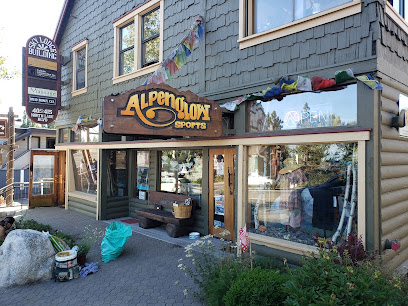
Alpenglow Sports
0.3 km
Explore the great outdoors with Alpenglow Sports, your premier destination for ski gear, camping supplies, and outdoor apparel in Tahoe City.
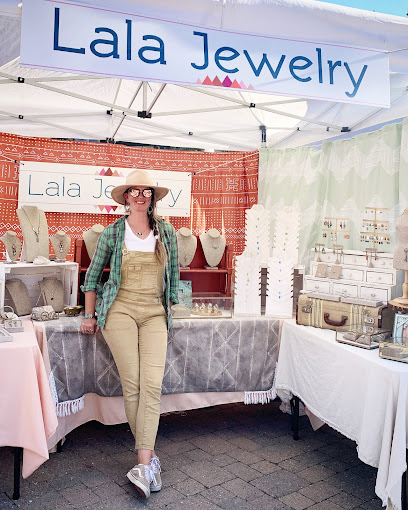
Lala Jewelry inside North Tahoe Arts
0.3 km
Explore Lala Jewelry at North Tahoe Arts for handcrafted treasures that capture the essence of the Tahoe region's artistry and beauty.
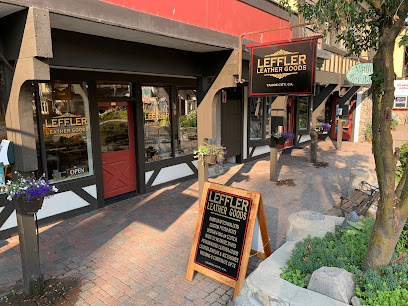
Leffler Leather Goods
0.4 km
Explore the exquisite craftsmanship of Leffler Leather Goods in Tahoe City, offering unique handmade leather products for all tastes.
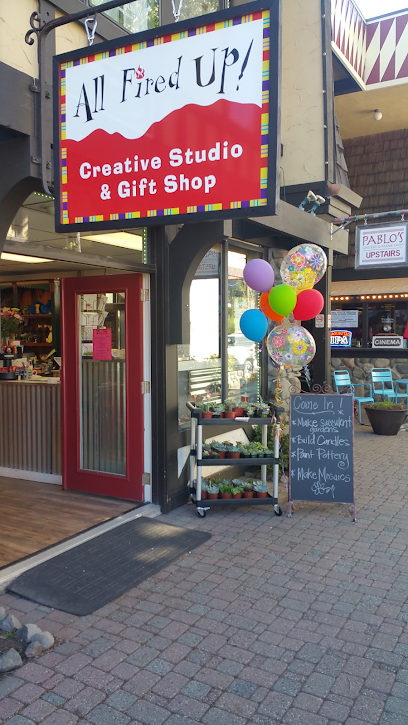
The Hot Spot Tahoe ~ Pottery Painting Candle Making & More
0.4 km
Discover creativity at The Hot Spot Tahoe, where pottery painting meets candle making in a delightful art cafe experience.
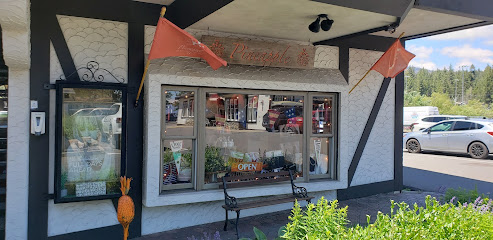
Pineapple Tahoe
0.4 km
Explore Pineapple Tahoe for unique gifts and local crafts that capture the essence of Lake Tahoe's charm and beauty.
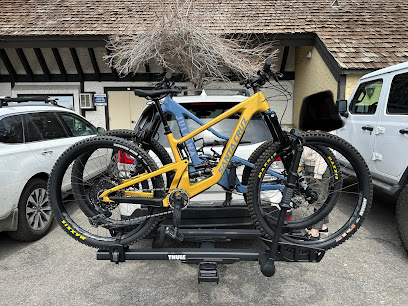
Gravity Shop
0.4 km
Discover the ultimate cycling experience at Gravity Shop in Tahoe City, a friendly hub for bike repairs and local trail knowledge.
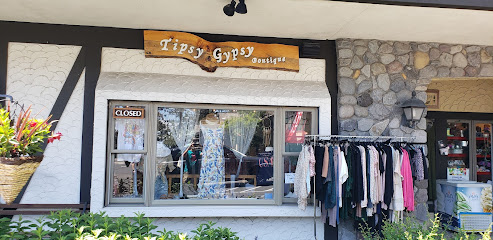
Tipsy Gypsy Boutique
0.5 km
Explore Tipsy Gypsy Boutique in Tahoe City for unique clothing and exquisite locally crafted jewelry, capturing the essence of Lake Tahoe.
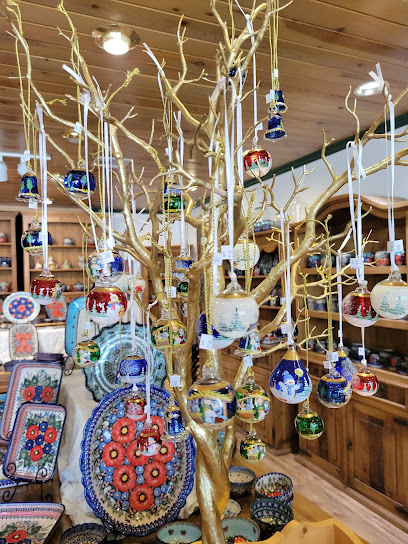
Alpine Heritage
0.5 km
Discover unique gifts that reflect the beauty of the Sierra Nevada at Alpine Heritage, Tahoe City's charming gift shop.
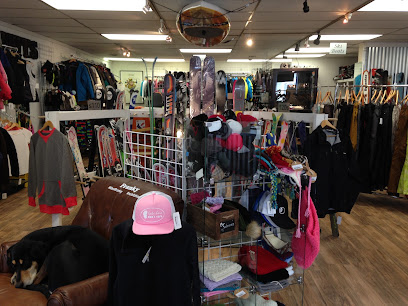
New & Used Tahoe Sports
0.5 km
Discover unbeatable deals on ski and snowboard gear at New & Used Tahoe Sports, your go-to consignment shop in Tahoe City, California.
Lather & Fizz Bath Boutique
0.5 km
Explore Lather & Fizz Bath Boutique in Tahoe City for luxurious bath products that pamper your skin and elevate your self-care rituals.
Geared For Games
0.5 km
Explore a world of imagination at Geared For Games, Tahoe City's charming toy store filled with unique toys, games, and unforgettable adventures.
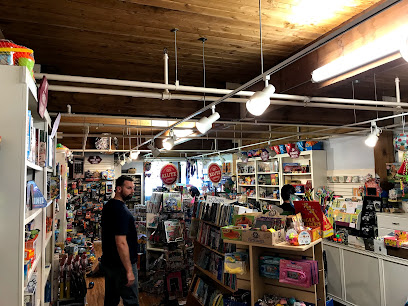
Essential bars & hidden hideouts

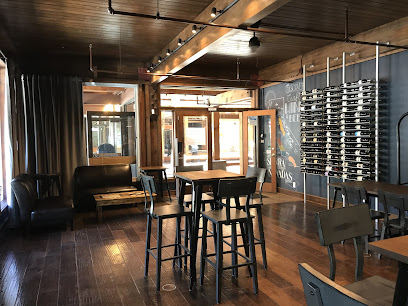
Tahoe Wine Collective
0.9 km
Discover the finest local wines at Tahoe Wine Collective, a hidden gem in Tahoe City, perfect for wine enthusiasts and casual visitors alike.
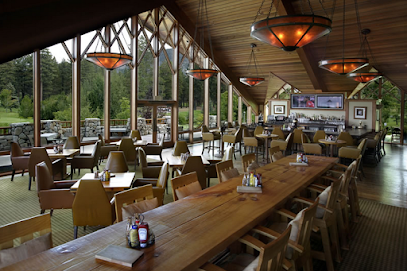
Brooks' Bar & Deck
27.9 km
Experience American cuisine with stunning lake views at Brooks' Bar & Deck, a premier dining destination on the shores of Lake Tahoe.
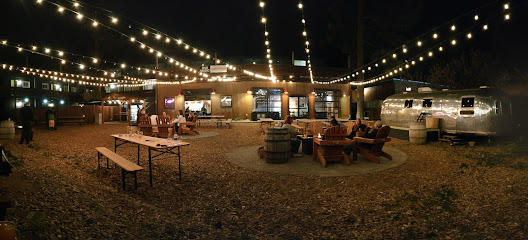
Basecamp Beer Garden
28.8 km
Experience the vibrant atmosphere and local flavors at Basecamp Beer Garden in South Lake Tahoe, where relaxation meets adventure in a stunning setting.
The Idle Hour | Lake Tahoe
28.8 km
Explore The Idle Hour: A wine bar, candy store, and event venue that encapsulates the spirit of Lake Tahoe with live music and delightful treats.
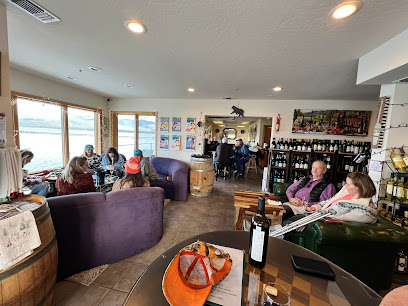
Mott Canyon Tavern & Grill
28.8 km
Discover Mott Canyon Tavern & Grill in Stateline, NV - a cozy spot for mouth-watering grill favorites and refreshing drinks, perfect for any tourist.
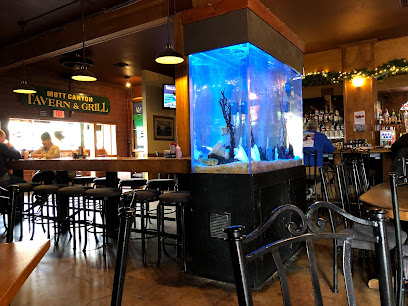
Mountain Bar
28.8 km
Discover the vibrant nightlife at Mountain Bar in Stateline, NV, where scenic views meet a lively atmosphere for the perfect evening out.
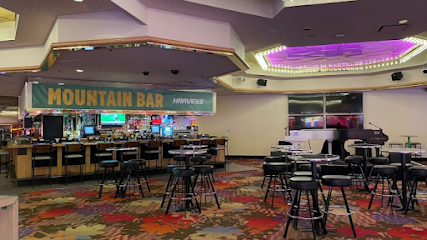
The Beach Tiki Bar
28.9 km
Experience the tropical paradise of The Beach Tiki Bar in South Lake Tahoe, where refreshing cocktails and stunning lake views create unforgettable memories.
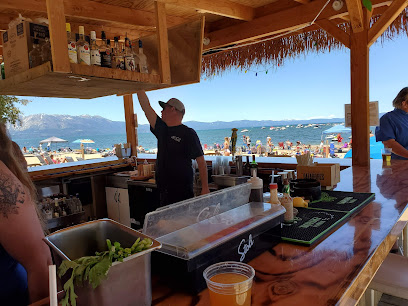
Lucky Beaver, Bar & Burger
28.9 km
Discover Lucky Beaver: a vibrant sports bar and grill in Stateline, NV, serving delicious burgers and lively entertainment for an unforgettable experience.
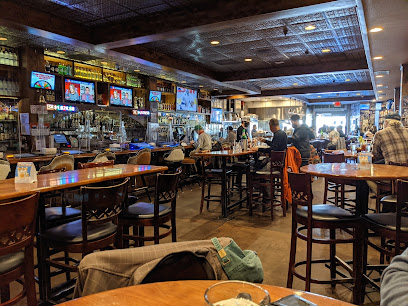
Audible's Sports Bar and Gaming
28.9 km
Discover the excitement of Audible's Sports Bar and Gaming in Stateline, NV - where sports, gaming, and delicious food create unforgettable moments.
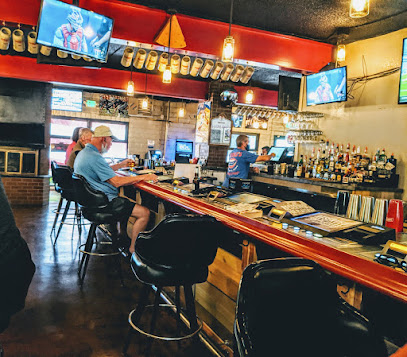
Center Bar
28.9 km
Experience the vibrant nightlife of Lake Tahoe at Center Bar, where great drinks and a lively atmosphere await.
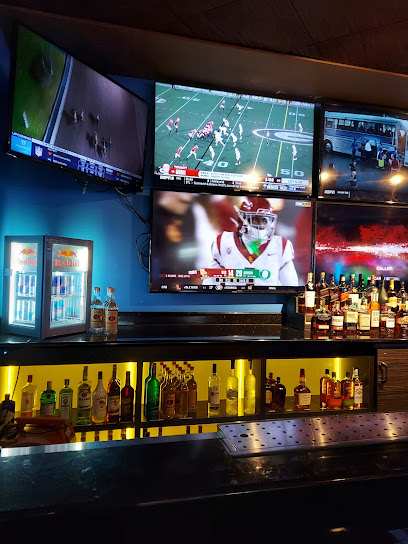
MacDuff's Pub
28.9 km
Discover MacDuff's Pub in South Lake Tahoe - a local favorite for hearty meals, refreshing drinks, and a warm, inviting atmosphere.
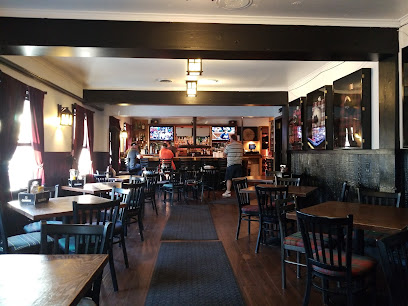
Sidelines Sports Pub
28.9 km
Catch the excitement of live sports at Sidelines Sports Pub, where delicious food and a friendly atmosphere make every visit unforgettable.
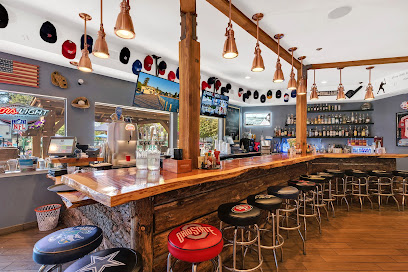
California Bar
28.9 km
Experience the vibrant nightlife at California Bar, nestled in Harrah's Lake Tahoe, perfect for unwinding with friends and enjoying live entertainment.
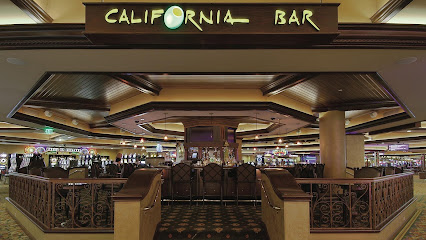
Cliché Lounge
28.9 km
Experience the vibrant nightlife and cozy ambiance of Cliché Lounge in Harrah's Lake Tahoe, where relaxation meets entertainment.

McLennan’s Bar
28.9 km
Experience the lively atmosphere and refreshing cocktails at McLennan’s Bar in Harrah's Lake Tahoe, the perfect nightlife destination.