

Free Hayward Travel Guide & Mobile App
Plan your Hayward trip with Evendo. Get free guides to top attractions, restaurants, hotels, and bars. Web access or download the mobile app.


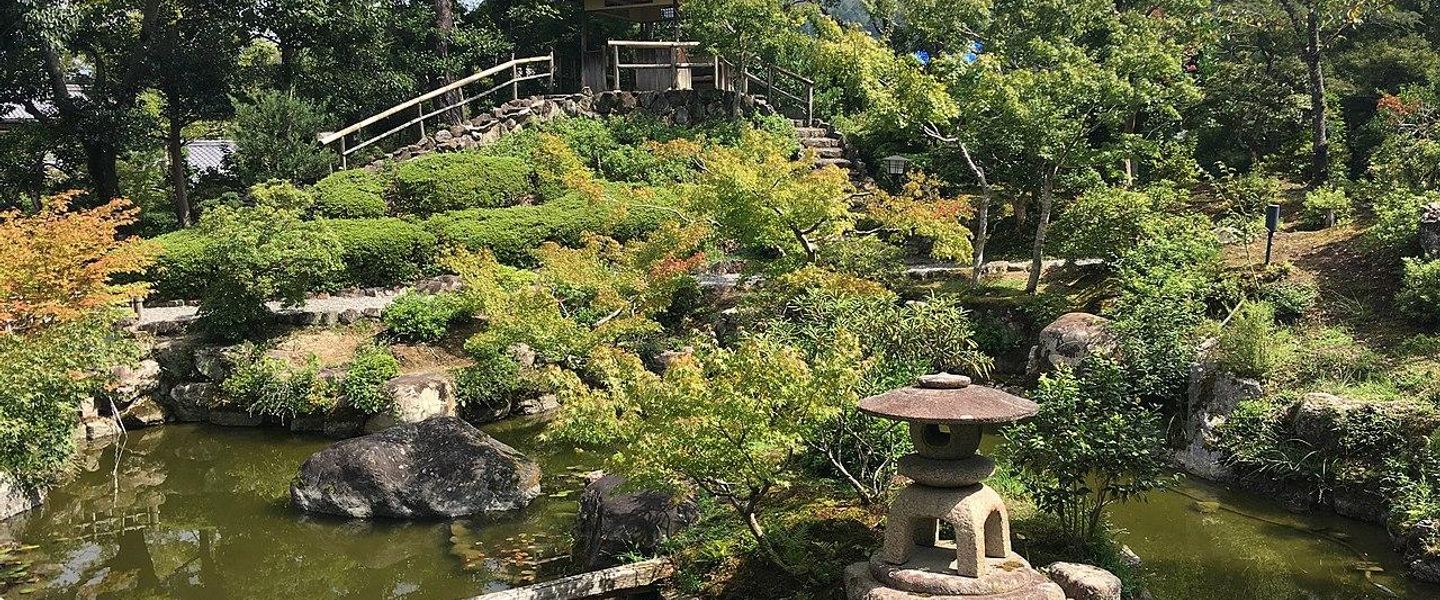


Hayward, California blends East Bay history, Japanese gardens, shoreline trails, diverse dining and easy access to San Francisco, Oakland and regional parks.
A Crossroads in the East Bay
Hayward lies on the eastern shore of San Francisco Bay, between Oakland and San Jose, with the Berkeley Hills and inland parks rising to the east. Its location gives the city a distinctly Californian character: suburban streets and busy transport corridors meet wetlands, oak-covered hills, community gardens and broad views across the bay. Hayward is part of the wider East Bay urban region, yet its open spaces and varied neighbourhoods create a more spacious rhythm than the dense centres nearby.Read more about Hayward
History in the Landscape
Gardens, Shoreline and Open Space
When is the best time to visit Hayward?
Best: July–September · 24–25°C| Month | High (°C) | Rainfall (mm) |
|---|---|---|
| January | 16 | 100 |
| February | 17 | 85 |
| March | 19 | 80 |
| April | 21 | 55 |
| May | 22 | 25 |
| June | 24 | 10 |
| July (best) | 25 | 3 |
| August (best) | 25 | 3 |
| September (best) | 24 | 10 |
| October | 22 | 35 |
| November | 18 | 75 |
| December | 16 | 100 |
Getting to and around Hayward
How to get there
Transportation
Best attractions in Hayward
Hayward's attractions range from cultivated gardens to open East Bay landscapes. The Japanese Gardens, among the earliest public Japanese gardens in California, offer bridges, ponds, stonework and carefully arranged planting in a quiet civic setting. At the Hayward Shoreline Interpretive Center and surrounding bay wetlands, interpretive displays and trails introduce tidal habitat, restoration and the birds that use the shoreline. The Hayward Area Historical Society presents local stories through exhibitions and objects connected with Ohlone history, the rancho era, agriculture and the 1868 earthquake. Garin Regional Park adds a rural dimension with rolling grassland, wooded areas, historic farm traces and extensive views, while Don Castro Regional Recreation Area provides a reservoir, picnic facilities and walking routes in a greener inland setting. Sulphur Creek Nature Center, with its emphasis on local wildlife and environmental education, offers a more intimate nature experience. Together these sites show Hayward as a city of gardens, bay ecology and accessible regional open space.
-
Skydiving center
iFLY Indoor Skydiving - SF Bay
Unleash your inner adventurer at iFLY Indoor Skydiving in Union City, CA, where the thrill of flight awaits for everyone, no experience necessary.
24 min drive · 7.9 km from city centre
-
Tourist attraction
Cannery Park
Experience the serene beauty of Cannery Park in Hayward, California, a perfect retreat for nature lovers and families alike.
18 min walk · 1.5 km from city centre
-
Museum
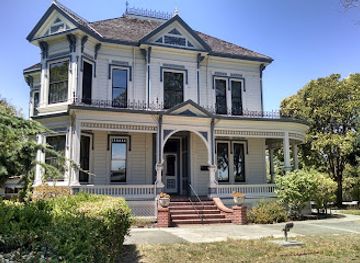
McConaghy House
Discover the charm of the McConaghy House Museum in Hayward, California, a historical gem that showcases the region's rich heritage.
11 min drive · 3.6 km from city centre
-
Museum
Museum Of History & Culture
Explore Hayward's rich history at the Museum of History & Culture, where local stories and artifacts bring the past to life.
11 min walk · 0.9 km from city centre

Best landmarks in Hayward
Hayward's landmarks express its civic history, seismic geography and relationship with the landscape. The Hayward Area Historical Society's collections and historic downtown context preserve the story of the settlement that grew around William Hayward's nineteenth-century enterprise. Hayward City Hall represents the city's modern civic centre, while Heritage Plaza provides a public setting for community events and local interpretation. The Hayward Japanese Gardens is a cultural landmark as well as a landscaped park, using ponds, bridges, stone features and planting to create a distinctly formal setting. The Hayward Fault, although a geological feature rather than a monument, is an essential part of the city's identity and runs through the urban area. Along the western edge, the restored wetlands and interpretive facilities of Hayward Shoreline connect the city to San Francisco Bay, demonstrating how environmental protection has become part of its contemporary public landscape.
-
Shopping mall
Southland Mall
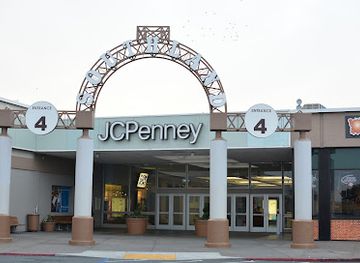
Explore Southland Mall in Hayward, California for an exceptional shopping experience with diverse stores, dining, and entertainment options.
8 min drive · 2.7 km from city centre
-
Botanical garden
Japanese Gardens
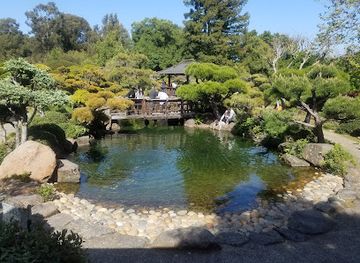
Discover the serene beauty of the Japanese Gardens in Hayward, California, where nature and culture unite in a peaceful botanical haven.
16 min walk · 1.3 km from city centre
-
Self-storage facility
Extra Space Storage
Discover your ideal storage solution at Extra Space Storage in Hayward, California—perfect for travelers and locals alike.
13 min walk · 1.0 km from city centre
-
Hamburger
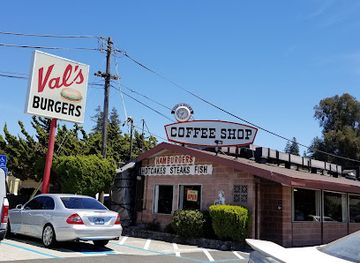
Val's Burgers
Experience the iconic Val's Burgers in Hayward, CA, where mouthwatering flavors and a cozy atmosphere come together for the perfect burger experience.
7 min drive · 2.2 km from city centre

Explore Hayward on the map
Plan your Hayward trip on one map. See where the top attractions, landmarks, restaurants, bars and hotels are, find what's near where you're staying, and book hotels and experiences in a few clicks.
Best hotels in Hayward
Best restaurants in Hayward
Hayward's dining scene reflects the East Bay's substantial cultural diversity, with Mexican, Filipino, South Asian, Chinese, Vietnamese, Korean and other culinary traditions represented alongside American cafés, bakeries and familiar casual restaurants. Downtown has the greatest concentration of independent eateries and is convenient for combining food with civic and cultural visits, while the Southland and Mission Boulevard areas offer a broader, more dispersed selection. Visitors will find taquerias, noodle shops, barbecue, bakeries and restaurants serving rice-based and spice-rich dishes that reflect the city's immigrant communities. Produce, fruit and food-processing traditions belong to the area's agricultural past, although contemporary dining is primarily urban and international. Food shopping at Asian and Latino markets can reveal ingredients and prepared foods less familiar to visitors, while California's wider farm-to-table influence appears in seasonal produce and modern menus.
-
Italian
Olive Garden Italian Restaurant
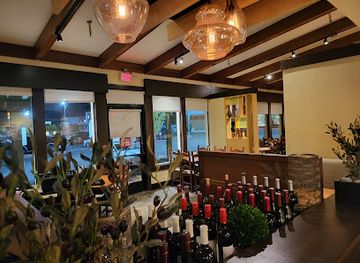
Experience the warmth of family dining at Olive Garden - where authentic Italian cuisine meets Mediterranean delights in Hayward.
10 min drive · 3.3 km from city centre
-
Nepalese
Aama Kitchen
Experience the vibrant flavors of Nepal at Aama Kitchen, where authentic cuisine meets a warm atmosphere in Hayward.
8 min walk · 0.6 km from city centre
-
American
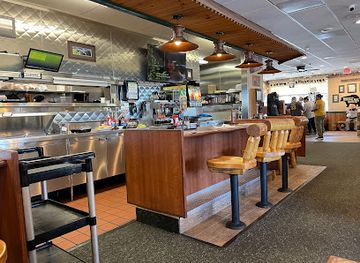
Black Bear Diner Hayward
Experience the comforting tastes of America at Black Bear Diner Hayward – your go-to spot for breakfast classics and family favorites.
10 min drive · 3.5 km from city centre
-
Hamburger
Val's Burgers
Indulge in handcrafted burgers at Val's Burgers in Hayward - where flavor meets tradition in every bite.
7 min drive · 2.2 km from city centre

Best bars in Hayward
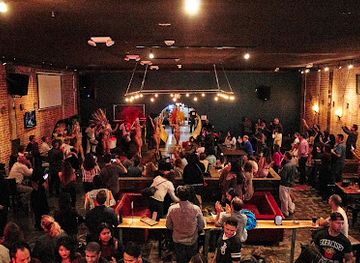
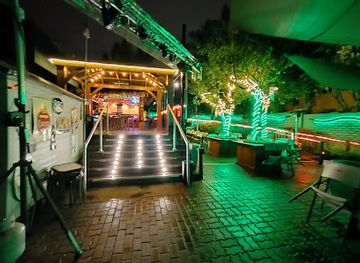
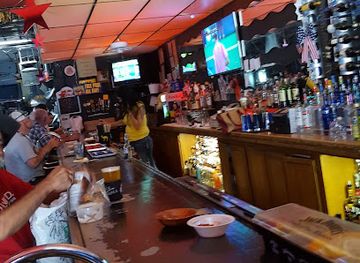
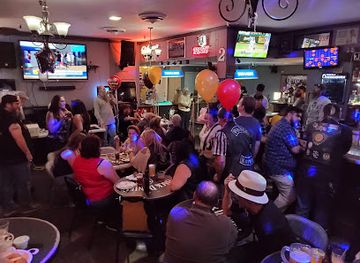
Hayward's evening scene is modest and locally oriented rather than built around a large nightclub district. Downtown provides the most walkable choice of pubs, casual bars, lounges and restaurants where residents gather after work, while other venues are scattered along major commercial roads and are generally easier to reach by car or ride service. Live music and community performances may appear through local arts programming and at venues connected with the university, but schedules change and should be checked in advance. The city is also close enough to Oakland, Berkeley and San Francisco for visitors seeking a wider selection of concerts, theatre, comedy, cocktail bars or late-night clubs. Evening walks near the bay or in regional parks are not a substitute for nightlife, as trails and natural areas have limited lighting and closing rules.
-
Restaurant
Applebee's Grill + Bar
Discover a welcoming atmosphere and delicious American cuisine at Applebee's Grill + Bar in Hayward, California, perfect for families and friends alike.
8 min drive · 2.7 km from city centre
-
Lounge
The Dirty Bird Lounge
Discover the vibrant ambiance and delightful menu at The Dirty Bird Lounge in Hayward, California - your perfect escape for relaxation and enjoyment.
6 min walk · 0.5 km from city centre
-
Pub
The Bistro
Experience the vibrant atmosphere of The Bistro, Hayward's premier pub featuring live music, delicious food, and a welcoming ambiance.
6 min walk · 0.5 km from city centre
-
Bar
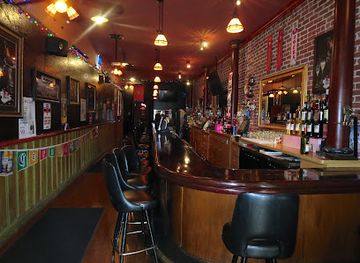
The World Famous Turf Club
Experience the vibrant nightlife at The World Famous Turf Club, a premier cocktail bar in Hayward, California, perfect for socializing and unwinding.
7 min walk · 0.6 km from city centre


Best nightclubs in Hayward
Hayward's evening scene is modest and locally oriented rather than built around a large nightclub district. Downtown provides the most walkable choice of pubs, casual bars, lounges and restaurants where residents gather after work, while other venues are scattered along major commercial roads and are generally easier to reach by car or ride service. Live music and community performances may appear through local arts programming and at venues connected with the university, but schedules change and should be checked in advance. The city is also close enough to Oakland, Berkeley and San Francisco for visitors seeking a wider selection of concerts, theatre, comedy, cocktail bars or late-night clubs. Evening walks near the bay or in regional parks are not a substitute for nightlife, as trails and natural areas have limited lighting and closing rules.
-
Lounge
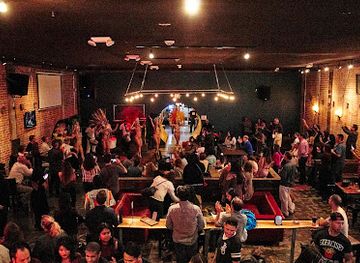
The Dirty Bird Lounge
Experience the vibrant social scene at The Dirty Bird Lounge in Hayward, California – a perfect blend of bar, restaurant, and lively entertainment.
6 min walk · 0.5 km from city centre
-
Bar
The World Famous Turf Club
Discover the lively nightlife at The World Famous Turf Club, where cocktails flow and friendships blossom in the heart of Hayward, California.
7 min walk · 0.6 km from city centre
-
Bar
Funky Monkey
Experience the vibrant atmosphere at Funky Monkey, Hayward's premier cocktail bar with innovative drinks and delicious food, perfect for a night out.
7 min walk · 0.6 km from city centre
-
Bar
Dark Horse Lounge
Discover the lively atmosphere at Dark Horse Lounge, Hayward's favorite sports bar with great food, drinks, and entertainment!
9 min drive · 3.1 km from city centre
Best shops in Hayward
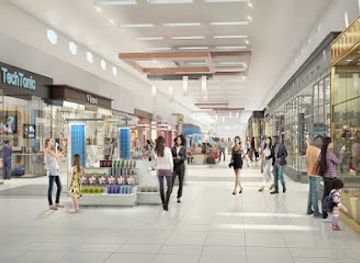
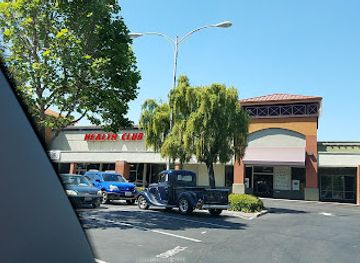
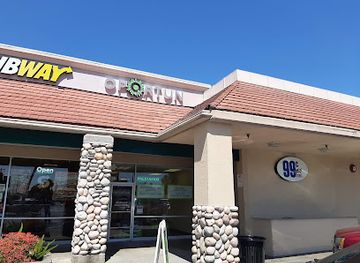
Shopping in Hayward combines practical suburban retail with independent businesses and food shopping shaped by the city's diverse communities. Southland Mall is the principal enclosed shopping centre, with mainstream shops and services, while nearby commercial corridors contain restaurants, specialist groceries and smaller retailers. Downtown offers a more local streetscape, with independent businesses and everyday services rather than a concentrated luxury or designer quarter. Farmers' market activity and seasonal community events provide opportunities to browse Californian produce and prepared foods, although dates and locations can vary. International supermarkets and neighbourhood food shops are particularly useful for discovering Mexican, Filipino, South Asian and East Asian ingredients, snacks and household goods. Visitors looking for crafts or distinctive souvenirs may find more choice in the wider Bay Area than in Hayward itself, but locally themed items and regional food products provide a practical connection with East Bay life.
-
Shopping mall
Southland Mall
Experience the best of shopping, dining, and entertainment at Southland Mall in Hayward, California, your ultimate shopping destination.
8 min drive · 2.7 km from city centre
-
Department store
Macy's
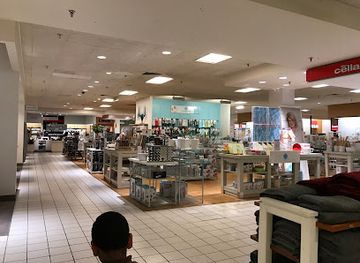
Explore Macy's in Hayward for a captivating shopping experience with an array of fashion, beauty, and home goods to satisfy every taste.
9 min drive · 2.9 km from city centre
-
Shopping mall
Fairway Park Shopping Center
Discover diverse shopping, dining, and entertainment at Fairway Park Shopping Center in Hayward, California.
20 min drive · 6.7 km from city centre
-
Shopping mall
Creekside Center
Explore diverse shopping and dining options at Creekside Center in Hayward, California – a vibrant shopping mall for all tastes.
7 min drive · 2.3 km from city centre
Get your free copy of our complete guide to Hayward, delivered straight to you.
Everything on this page, from attractions and restaurants to essentials and local phrases, in one PDF you can read offline, print or share.
Already have an account? Sign in
Your Hayward guide is ready.
We'll send it to · Not you? Sign out

Getting your guide ready…
We are putting together a fresh copy of the Hayward guide. This can take up to a minute.
This can take a few moments. If your browser asks, choose Allow so the download can start. You'll find the guide in your Downloads folder.
Nothing happened? Download it again
Sorry, the guide is taking longer than usual. Please try again in a minute, or get it by email instead.
Hayward essentials
Currency and Payment
Safety
Emergency Situations
Do's and Don'ts
Local Tips
From Eve
Local phrases worth knowing
You don't need to get them perfect. A few words go a long way, and locals appreciate the effort.
Basics
| English | Local | Say it |
|---|---|---|
| Hello | Hey | [hey] |
| Goodbye | Later | [ley-ter] |
| Yes | Yeah | [yeh] |
| No | Nah | [nah] |
| Please/You're welcome | Please/No worries | [pleez/no wuhr-eez] |
| Thank you | Thanks | [th-angks] |
| Excuse me/Sorry | Sorry | [sor-ee] |
| How are you? | How's it going? | [hows it goh-ing?] |
| Fine. And you? | Good. You? | [good. yoo?] |
| Do you speak English? | You speak English? | [yoo speak ing-glish?] |
| I don't understand | I don't get it | [i dont get it] |
Eating & Drinking
| English | Local | Say it |
|---|---|---|
| I'd like to see the menu, please | Can I see the menu? | [kan eye see the men-yoo?] |
| I don't eat meat | I'm vegetarian | [im ve-jeh-tair-ee-an] |
| Cheers! | Cheers! | [cheers!] |
| I would like to pay, please | Check, please | [chek, pleez] |
Emergencies
| English | Local | Say it |
|---|---|---|
| Help! | Help! | [help!] |
| Go away! | Get outta here! | [get out-ah here!] |
| Call the Police! | Call the cops! | [call the cops!] |
| Call a doctor! | Call a doc! | [call a doc!] |
| I'm lost | I'm lost | [im lost] |
| I'm ill | I'm sick | [im sik] |
Shopping
| English | Local | Say it |
|---|---|---|
| I'd like to buy... | I wanna buy... | [eye wanna buy...] |
| I'm just looking | Just looking | [just look-ing] |
| How much is it? | How much? | [how much?] |
| That's too expensive | Too pricey | [too pry-cee] |
| Can you lower the price? | Can you do better? | [kan yoo doh bet-ter?] |
Time & Numbers
| English | Local | Say it |
|---|---|---|
| What time is it? | What time is it? | [what time is it?] |
| It's one o'clock | It's one | [its one] |
| Half past (10) | Ten-thirty | [ten-thur-tee] |
| Morning | Morning | [mor-ning] |
| Afternoon | Afternoon | [af-ter-noon] |
| Evening | Evening | [ee-ven-ing] |
| Yesterday | Yesterday | [yes-ter-day] |
| Today | Today | [toh-day] |
| Tomorrow | Tomorrow | [toh-mor-row] |
| 1 | One | [wun] |
| 2 | Two | [too] |
| 3 | Three | [three] |
| 4 | Four | [for] |
| 5 | Five | [fahyv] |
| 6 | Six | [siks] |
| 7 | Seven | [sev-uhn] |
| 8 | Eight | [eyt] |
| 9 | Nine | [nine] |
| 10 | Ten | [ten] |
Transport & Directions
| English | Local | Say it |
|---|---|---|
| Where's a/the...? | Where's the...? | [wheres thee] |
| What's the address? | What's the addy? | [whats thee add-ee?] |
| Can you show me (on the map)? | Can you show me (on the map)? | [kan yoo show mee on thee map?] |
| When's the next (bus)? | When's the next (bus)? | [whens thee next bus?] |
| A ticket (to ....) | One ticket (to ....) | [wun tik-it too] |
History of Hayward
Ohlone Lands and Early Settlement
Before European settlement, the Hayward area formed part of the homeland of Ohlone peoples, whose communities used the bay shore, marshes, grasslands and inland valleys for fishing, gathering and hunting. Spanish expeditions entered the wider region in the late eighteenth century, followed by the establishment of Mission San José in 1797 near present-day Fremont. Mission ranching altered Indigenous life and reshaped the landscape through livestock, introduced crops and new political control. After Mexican independence, the mission system was secularised and land in the East Bay was distributed through ranchos, creating the agricultural pattern that preceded the modern city.
Rancho San Lorenzo and Mexican California
The Hayward valley became associated with Rancho San Lorenzo, a Mexican-era land grant held by Guillermo Castro. The rancho covered a substantial area of what is now central and southern Hayward, where cattle ranching and agriculture developed alongside surviving Indigenous communities and growing Californio settlements. The Mexican period ended when California was transferred to the United States after the Mexican-American War, but the rancho's boundaries and agricultural use influenced later property divisions. The name San Lorenzo also survives in the neighbouring community and in local historical references.
William Hayward and the Town's Foundation
William Hayward, a businessman from New England, arrived in California during the Gold Rush and established a hotel and commercial presence near the old rancho lands in the 1850s. His name became attached to the settlement, which expanded as farmers, merchants and transport links gathered around the growing town. Hayward incorporated as a municipality in 1876. Agriculture, particularly fruit growing and other crops suited to the East Bay climate, shaped the local economy, while the town developed civic institutions, schools and commercial streets that laid the foundations of present-day downtown.
The 1868 Hayward Earthquake
On 21 October 1868, a major earthquake ruptured the Hayward Fault, causing severe damage across the East Bay and destroying or damaging buildings in the Hayward area. The event remains central to the city's historical identity because the fault runs through the urban region and continues to influence building standards, public planning and earthquake preparedness. Although the modern city is far larger than the nineteenth-century settlement, the earthquake provides an enduring link between Hayward's past and its physical geography. Interpretive material and local markers help explain the relationship between the fault and the built environment.
Agriculture, Canning and Industry
During the late nineteenth and early twentieth centuries, Hayward's fertile surroundings supported orchards, farms and food-processing businesses. Canning and agricultural packing connected local producers with wider Californian markets, while rail and road improvements strengthened the town's commercial role. As the East Bay industrialised, manufacturing and distribution joined agriculture as important sources of employment. Population growth brought new neighbourhoods, schools and civic facilities, gradually transforming Hayward from a small farming centre into an urban community linked to Oakland, San Francisco and the southern East Bay.
Postwar Growth and a Diverse City
After the Second World War, housing construction, improved highways and the Bay Area's expanding economy accelerated Hayward's growth. Industrial districts, shopping centres and suburban neighbourhoods spread across the valley, while later immigrants and newcomers added Filipino, Latino, South Asian, African American and many other cultural influences to the city's social life. California State University, East Bay, which developed from a teachers' college into a university, became an important educational institution. Today, Hayward's identity combines older agricultural and civic traces with a diverse population, regional transport connections and protected landscapes along the bay and hills.
Hayward in Photos
Browse through our photo collection highlighting the charm and character of the destination.
Cities near Hayward
The closest cities to Hayward, if you have time for more than one stop.
-

-

-

-

-


Swipe for more cities
Explore more
Explore more of California
Discover California: A land of diverse landscapes, iconic cities, and endless adventures, from sun-soaked beaches to towering redwoods and vibrant cultural experiences.
Explore California