

Free San Leandro Travel Guide & Mobile App
Plan your San Leandro trip with Evendo. Get free guides to top attractions, restaurants, hotels, and bars. Web access or download the mobile app.


San Leandro, California, pairs Bay Area history with Japanese gardens, waterfront walks, diverse dining and easy access to Oakland, San Francisco and parks.
A Storied East Bay Community
San Leandro occupies a low-lying stretch of Alameda County between Oakland and Hayward, where the eastern shore of San Francisco Bay meets the foothills of the East Bay. Its history is visible in the compact downtown, historic homes, civic buildings and long-established neighbourhoods that grew around agriculture, industry and transport. The city developed from a nineteenth-century farming community into a diverse suburban centre, while retaining a distinct local identity separate from larger neighbouring cities.Read more about San Leandro
Gardens, Heritage and Waterfront Paths
A Diverse East Bay Base
When is the best time to visit San Leandro?
Best: July–September · 24–25°C| Month | High (°C) | Rainfall (mm) |
|---|---|---|
| January | 16 | 80 |
| February | 17 | 70 |
| March | 18 | 70 |
| April | 19 | 40 |
| May | 21 | 20 |
| June | 23 | 10 |
| July (best) | 24 | 2 |
| August (best) | 25 | 2 |
| September (best) | 24 | 10 |
| October | 21 | 20 |
| November | 18 | 50 |
| December | 16 | 70 |
Getting to and around San Leandro
How to get there
Transportation
Best attractions in San Leandro
San Leandro's attractions are varied without being overwhelming. Casa Peralta, one of the city's best-known historic properties, introduces the Estudillo family's nineteenth-century rancho-era legacy through its Spanish Colonial Revival architecture and preserved interiors. The San Leandro History Museum, located in the former Carnegie Library, provides a concise account of local Indigenous, agricultural, civic and industrial development. Memorial Park is a pleasant place to combine open lawns with the San Leandro Japanese Gardens, whose ponds, bridges and planting create a quiet change of pace. At the waterfront, San Leandro Marina Park offers broad bay views, walking paths and space for watching changing weather and light across the water. Downtown's older streets, independent businesses and public buildings reward a slower wander, while nearby parks and the East Bay hills provide opportunities for more substantial outdoor excursions beyond the city's central sightseeing circuit.
-
Zoo
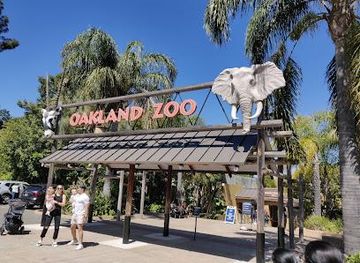
Oakland Zoo
Discover wildlife from around the world at the Oakland Zoo, a conservation leader in the beautiful Oakland Hills.
15 min drive · 5.1 km from city centre
-
Tourist attraction
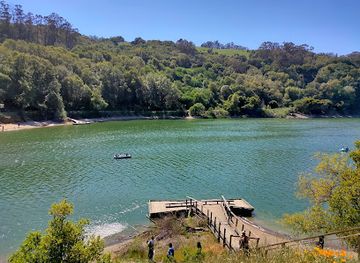
Chabot Park
A hidden gem in San Leandro's hills, Chabot Park offers a rustic escape with picnic spots, play areas, disc golf, and connections to Lake Chabot trails.
13 min drive · 4.4 km from city centre
-
Tourist attraction
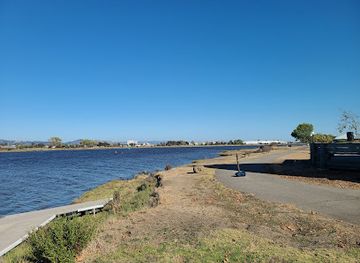
Martin Luther King Jr. Regional Shoreline
Discover a peaceful urban escape at Martin Luther King Jr. Regional Shoreline in Oakland, with trails, birdwatching, and stunning bay views.
15 min drive · 4.9 km from city centre
-
Park
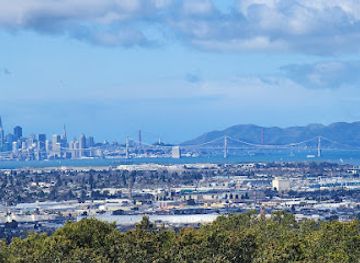
Knowland Park
Discover Oakland's wild side at Knowland Park: Hike scenic trails, enjoy panoramic bay views, and explore diverse ecosystems minutes from the city.
19 min drive · 6.3 km from city centre
Best landmarks in San Leandro
Casa Peralta is San Leandro's most distinctive historic residence, built in the early twentieth century in a Spanish Colonial Revival manner for local businessman and landowner José Joaquín Estudillo Peralta; its decorative details recall the area's rancho-era associations. The former San Leandro Carnegie Library, now the San Leandro History Museum, represents the civic ambitions of the early twentieth century and the spread of public libraries across the United States. San Leandro's Japanese Gardens in Memorial Park form a cultural and landscape landmark, with carefully arranged water, stone, bridges and planting rather than a monumental structure. City Hall and the older downtown civic fabric reflect later municipal growth, while the marina's shoreline setting expresses the city's relationship with San Francisco Bay. Together these places trace San Leandro's passage from rancho landscape to incorporated town and diverse suburban city.
-
Park
Marina Park
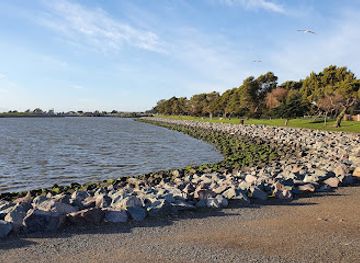
Discover San Leandro's Marina Park: A waterfront haven with playgrounds, trails, stunning bay views, and recreational activities for all ages, perfect for a day of fun and relaxation.
7 min drive · 2.4 km from city centre
-
Park
Martin Luther King Jr. Regional Shoreline
Discover a revitalized shoreline oasis in Oakland, offering birdwatching, trails, windsurfing, and stunning bay views – a perfect escape into nature and recreation.
15 min drive · 4.9 km from city centre
-
Park
Oyster Bay Regional Shoreline
Discover Oyster Bay Regional Shoreline in San Leandro: a revitalized park with trails, birdwatching, art, and stunning bay views, reborn from a former landfill into a natural haven.
9 min drive · 3.1 km from city centre
-
Event venue
Dunsmuir Hellman Historic Estate
Discover Oakland's hidden gem: the Dunsmuir Hellman Historic Estate. Explore a Gilded Age mansion and gardens, a serene escape into history and architectural splendor.
14 min drive · 4.7 km from city centre


Explore San Leandro on the map
Plan your San Leandro trip on one map. See where the top attractions, landmarks, restaurants, bars and hotels are, find what's near where you're staying, and book hotels and experiences in a few clicks.
Best hotels in San Leandro
Best restaurants in San Leandro
San Leandro's dining scene reflects the East Bay's long-established immigrant communities and its position between Oakland and the southern inner bay. Mexican restaurants and taquerias sit alongside Chinese, Filipino, Vietnamese, Indian and other Asian cuisines, while American cafés, bakeries and casual family-run establishments serve the city's everyday needs. Commercial corridors around downtown and East 14th Street offer more choice than the waterfront, where dining is quieter and less concentrated. Filipino food is especially characteristic of the wider local landscape, with dishes such as adobo, pancit and lumpia appearing alongside broader regional specialities; menus vary by restaurant and community tradition. Independent bakeries, coffee shops and take-away counters make useful stops between museums and parks, while the city's suburban form means that food exploration is generally neighbourhood-based rather than centred on one formal market district.
-
Family-friendly
Harry's Hofbrau
Experience hearty comfort food at Harry's Hofbrau in San Leandro - perfect for families seeking delicious meals in a welcoming atmosphere.
9 min drive · 3.0 km from city centre
-
Mexican
El Torito
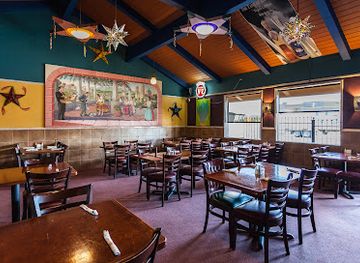
Experience vibrant Mexican cuisine at El Torito by San Leandro Marina, offering authentic flavors and stunning waterfront views.
8 min drive · 2.5 km from city centre
-
Mexican
La Piñata
Discover authentic Mexican flavors at La Piñata in San Leandro – where every meal is a celebration of culture and taste.
6 min walk · 0.5 km from city centre
-
American
Horatio's
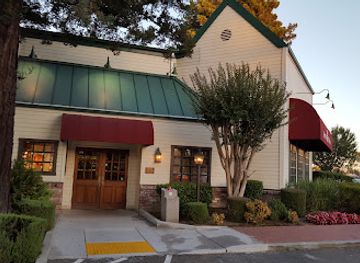
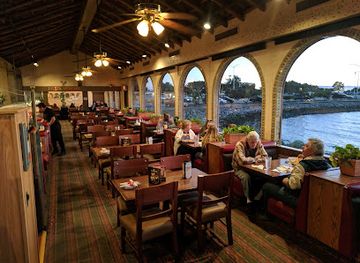
Experience upscale American dining at Horatio's, where fresh seafood meets prime steaks in a stunning waterfront setting.
7 min drive · 2.4 km from city centre
Best bars in San Leandro
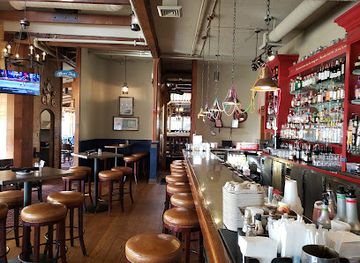
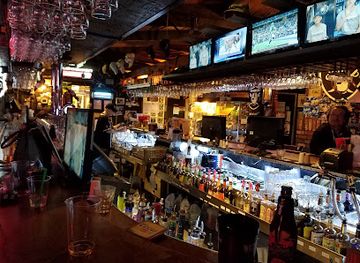
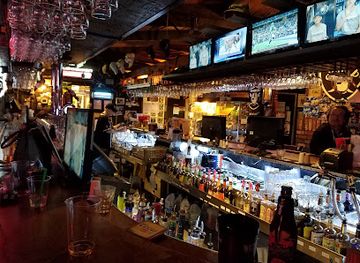
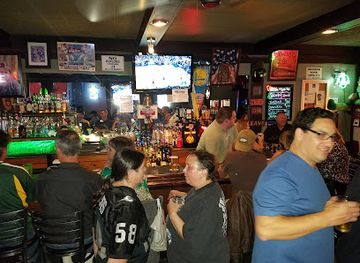
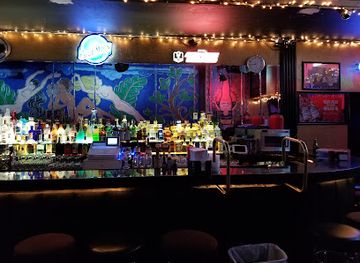
San Leandro's evening scene is modest and locally oriented rather than built around large clubs. Downtown and the East 14th Street corridor provide neighbourhood bars, relaxed restaurants and casual places for drinks, while live entertainment and a broader late-night choice are more strongly associated with nearby Oakland and Berkeley. Sports bars, lounges and family-run establishments reflect the city's residential character, and some restaurants become social meeting places after work and at weekends. The San Leandro Marina is better suited to an early evening walk and views across the bay than to a concentrated nightlife circuit. Visitors should expect venues to be dispersed and should verify current hours, age requirements and transport options, particularly when returning from Oakland or San Francisco by BART or road.
-
American
SONS OF LIBERTY ALEHOUSE
Discover the best of American cuisine and craft cocktails in a lively sports bar setting at Sons of Liberty Alehouse in San Leandro.
7 min drive · 2.2 km from city centre
-
Bar
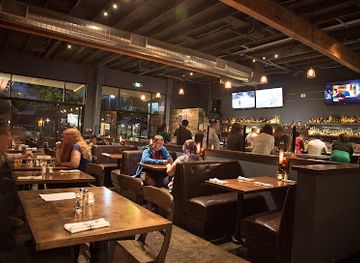
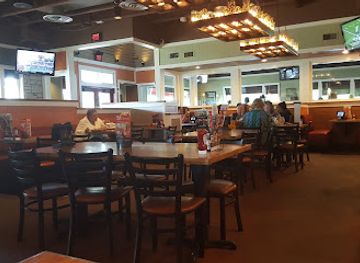
Chili's Grill & Bar
Experience the perfect blend of American and Tex-Mex cuisine at Chili's Grill & Bar in San Leandro, where flavor and fun meet.
10 min drive · 3.3 km from city centre
-
Brewery
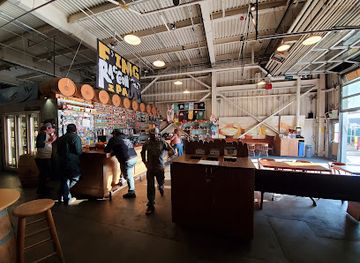
Drake's Brewing Company
Discover the essence of craft brewing at Drake's Brewing Company in San Leandro, where flavorful beers and a vibrant atmosphere await.
5 min drive · 1.8 km from city centre
-
Sports bar
Rickey's Sports Lounge
Experience the ultimate sports bar vibe at Rickey's Sports Lounge in San Leandro, where great food, live sports, and entertainment come together.
9 min drive · 3.0 km from city centre
Best nightclubs in San Leandro
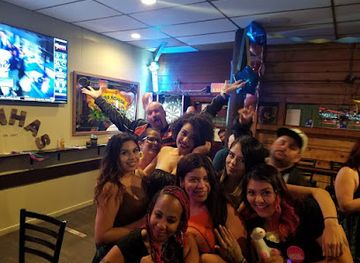
San Leandro's evening scene is modest and locally oriented rather than built around large clubs. Downtown and the East 14th Street corridor provide neighbourhood bars, relaxed restaurants and casual places for drinks, while live entertainment and a broader late-night choice are more strongly associated with nearby Oakland and Berkeley. Sports bars, lounges and family-run establishments reflect the city's residential character, and some restaurants become social meeting places after work and at weekends. The San Leandro Marina is better suited to an early evening walk and views across the bay than to a concentrated nightlife circuit. Visitors should expect venues to be dispersed and should verify current hours, age requirements and transport options, particularly when returning from Oakland or San Francisco by BART or road.
-
Sports bar
Rickey's Sports Lounge
Discover the ultimate sports lounge in San Leandro, offering food, fun, and entertainment for all ages in a vibrant atmosphere.
9 min drive · 3.0 km from city centre
-
Cocktail bar
Ryan's
Discover Ryan's, a lively cocktail bar in San Leandro, offering creative drinks, karaoke nights, and an inviting atmosphere for all visitors.
5 min drive · 1.8 km from city centre
-
Cocktail bar
Cunha's Cocktails
Experience the vibrant atmosphere and masterfully crafted cocktails at Cunha's Cocktails in Old San Leandro, the perfect spot for an unforgettable night out.
6 min drive · 2.1 km from city centre
-
Night club
Club Caliente
Discover the electrifying atmosphere of Club Caliente, San Leandro's top night club, where vibrant music and unforgettable nights come alive.
8 min drive · 2.5 km from city centre
Best shops in San Leandro
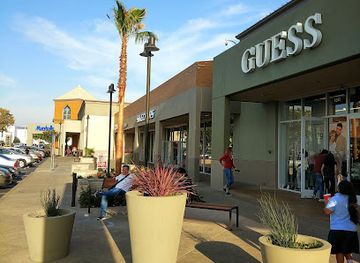
Shopping in San Leandro is centred on everyday commercial districts rather than a celebrated luxury quarter. Downtown offers independent businesses, cafés, services and small retailers within a walkable historic core, while East 14th Street and nearby corridors have a broader mix of practical shops, restaurants and specialist businesses. Bayfair Center provides an enclosed retail setting with larger stores and services, though its offer changes over time. San Leandro's most distinctive purchases are often connected to its food culture: Asian groceries, Filipino ingredients, Mexican specialities, baked goods and imported pantry products reflect the communities that have shaped the city. Visitors can also find locally made items and practical souvenirs through independent businesses, but should approach craft and heritage shopping as a small-scale neighbourhood experience rather than a dedicated market tradition.
-
Department store
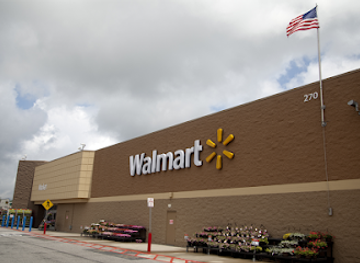
Walmart
Explore Walmart in San Leandro for affordable shopping, offering a diverse selection of groceries, clothing, electronics, and more.
5 min drive · 1.7 km from city centre
-
Shopping mall
Bayfair Center
Explore Bayfair Center, a premier shopping mall in San Leandro, CA, featuring diverse shops and delectable dining options for every taste.
10 min drive · 3.3 km from city centre
-
Shopping mall
San Leandro Plaza
Discover San Leandro Plaza: A vibrant shopping mall in California featuring diverse retail and dining experiences for every visitor.
7 min drive · 2.2 km from city centre
-
Shopping mall
Marina Square Center
Explore Marina Square Center, San Leandro's vibrant shopping mall with diverse stores, dining, and entertainment for an unforgettable experience.
8 min walk · 0.7 km from city centre
Get your free copy of our complete guide to San Leandro, delivered straight to you.
Everything on this page, from attractions and restaurants to essentials and local phrases, in one PDF you can read offline, print or share.
Already have an account? Sign in
Your San Leandro guide is ready.
We'll send it to · Not you? Sign out

Getting your guide ready…
We are putting together a fresh copy of the San Leandro guide. This can take up to a minute.
This can take a few moments. If your browser asks, choose Allow so the download can start. You'll find the guide in your Downloads folder.
Nothing happened? Download it again
Sorry, the guide is taking longer than usual. Please try again in a minute, or get it by email instead.
San Leandro essentials
Currency and Payment
Safety
Emergency Situations
Do's and Don'ts
Local Tips
From Eve
Local phrases worth knowing
You don't need to get them perfect. A few words go a long way, and locals appreciate the effort.
Basics
| English | Local | Say it |
|---|---|---|
| Hello | Hey | [hay] |
| Goodbye | Later | [lay-ter] |
| Yes | Yeah | [yeh] |
| No | Nah | [nah] |
| Please/You're welcome | Please | [pleez] |
| Thank you | Thanks | [th-anks] |
| Excuse me/Sorry | Sorry | [sor-ee] |
| How are you? | How you doin'? | [how yoo doin] |
| Fine. And you? | Good. How 'bout you? | [good how bout yoo] |
| Do you speak English? | You speak English? | [yoo speak ing-lish] |
| I don't understand | I don't get it | [I don't get it] |
Eating & Drinking
| English | Local | Say it |
|---|---|---|
| I'd like to see the menu, please | Menu, please | [men-yoo pleez] |
| I don't eat meat | No meat for me | [no meet for mee] |
| Cheers! | Cheers! | [cheers] |
| I would like to pay, please | Check, please | [ch-ek pleez] |
Emergencies
| English | Local | Say it |
|---|---|---|
| Help! | Help! | [help] |
| Go away! | Get lost! | [get lost] |
| Call the Police! | Police! | [po-lice] |
| Call a doctor! | Doctor! | [doc-tor] |
| I'm lost | Lost | [lost] |
| I'm ill | Sick | [sick] |
Shopping
| English | Local | Say it |
|---|---|---|
| I'd like to buy... | I wanna buy... | [I wanna buy] |
| I'm just looking | Just lookin' | [just look-in] |
| How much is it? | How much? | [how much] |
| That's too expensive | Too much | [too much] |
| Can you lower the price? | Can you do better? | [can yoo do bet-ter] |
Time & Numbers
| English | Local | Say it |
|---|---|---|
| What time is it? | What time? | [what time] |
| It's one o'clock | One o'clock | [wun o'clock] |
| Half past (10) | Half ten | [half ten] |
| Morning | Morning | [mor-ning] |
| Afternoon | Afternoon | [af-ter-noon] |
| Evening | Evening | [eve-ning] |
| Yesterday | Yesterday | [yes-ter-day] |
| Today | Today | [to-day] |
| Tomorrow | Tomorrow | [to-mor-row] |
| 1 | One | [wun] |
| 2 | Two | [too] |
| 3 | Three | [three] |
| 4 | Four | [four] |
| 5 | Five | [five] |
| 6 | Six | [six] |
| 7 | Seven | [seven] |
| 8 | Eight | [ate] |
| 9 | Nine | [nine] |
| 10 | Ten | [ten] |
Transport & Directions
| English | Local | Say it |
|---|---|---|
| Where's a/the...? | Where's the...? | [where's the] |
| What's the address? | Address? | [ad-dress] |
| Can you show me (on the map)? | Show me | [show me] |
| When's the next (bus)? | Next bus? | [next bus] |
| A ticket (to ....) | Ticket | [tic-ket] |
History of San Leandro
Ohlone Homelands and Spanish Settlement
The San Leandro area lies within the homeland of Ohlone peoples, who lived across the East Bay in communities adapted to its bayshore, wetlands and inland landscapes. Spanish colonisation altered this world in the late eighteenth century, particularly after the establishment of Mission San José in 1797. Mission agriculture and ranching extended into the region, bringing forced labour and profound disruption to Indigenous communities. After Mexico gained independence from Spain in 1821, large land grants reshaped the East Bay. Much of present-day San Leandro formed part of Rancho San Leandro, granted to José Joaquín Estudillo in 1842. The rancho's name ultimately became that of the city, linking the modern community to a landscape transformed by colonial and Mexican-era landholding.
The Founding of San Leandro
American settlement expanded rapidly after California joined the United States in 1850. San Leandro became the county seat of Alameda County in 1855, a position that encouraged the construction of civic buildings and strengthened its role as a regional service centre, although the county seat moved to Oakland in 1873. The town incorporated as a municipality in 1872. Agriculture remained important, especially orchards, vegetables and flowers grown on the fertile plain between the bay and the hills. Early commercial streets, churches and residences established the town's civic pattern, while access to roads and rail helped connect its farms and merchants with Oakland, San Francisco and wider California markets.
Railways, Orchards and Industry
Transport and agriculture shaped San Leandro's nineteenth- and early twentieth-century economy. Rail connections through the East Bay made it easier to ship produce and receive manufactured goods, while canneries and food-processing businesses developed alongside orchards and market gardens. The region became associated with fruit cultivation, particularly cherries and other crops suited to its mild climate. As industrial employment expanded, San Leandro gradually moved beyond its rural origins. Commercial buildings and modest homes spread away from the original centre, and local institutions grew to serve an increasingly settled population. The surviving historic properties of the period reflect this transition from agricultural town to connected East Bay municipality.
Wartime Production and Suburban Growth
The Second World War accelerated industrial change across the East Bay. Manufacturing, transport and defence-related employment attracted workers and encouraged the development of new housing, while the road network and post-war automobile culture further integrated San Leandro into the expanding metropolitan area. The city annexed surrounding areas during the twentieth century, increasing its residential and industrial footprint. Traditional agricultural land gave way to factories, commercial districts and suburban streets, although portions of the older townscape remained. This period also brought major demographic change, with migrants from elsewhere in the United States and new arrivals from Asia, Latin America and the Pacific contributing to the community's later cultural character.
A Diverse Contemporary City
Late twentieth- and early twenty-first-century San Leandro developed as a diverse residential and employment centre within the inner East Bay. The arrival of BART service in 1972 strengthened connections with Oakland, San Francisco and other parts of the region, while industrial and technology businesses continued to occupy substantial areas of the city. Preservation of places such as Casa Peralta, the former Carnegie Library and the San Leandro Japanese Gardens provides tangible links to different stages of local history. Today, the city combines an established civic core with varied immigrant communities, shoreline recreation and an economy shaped by manufacturing, services and regional accessibility.
San Leandro in Photos
Browse through our photo collection highlighting the charm and character of the destination.
Cities near San Leandro
The closest cities to San Leandro, if you have time for more than one stop.
-

-

-

-

-


Swipe for more cities
Explore more
Explore more of California
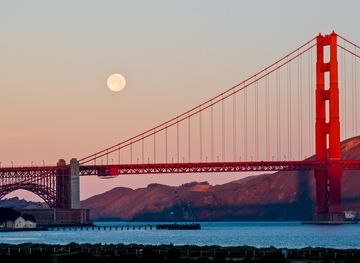
Discover California: A land of diverse landscapes, iconic cities, and endless adventures, from sun-soaked beaches to towering redwoods and vibrant cultural experiences.
Explore California