

Ridge Route Historical Marker, Westside Travel Guide
Discover the legacy of California's first mountain highway, a testament to early 20th-century engineering and a vital link between regions.
The Ridge Route Historical Marker commemorates the engineering marvel that was California's first mountain highway, connecting Northern and Southern California in 1915. This winding road, with its countless curves, played a vital role in the state's development, fostering commerce and tourism before being replaced by modern highways.
A brief summary to Ridge Route Historical Marker
- Santa Clarita, Valencia, California, 91355, US
- Click to display

Know before you go
Hi, I'm Eve. Here are a few practical things to know before exploring Ridge Route Historical Marker.
- Explore the remaining sections of the original Ridge Route for a scenic drive back in time.
- Visit the Vista Del Lago Visitor Center near Gorman to learn more about the history of the Ridge Route.
- Take photos of the historical marker and the surrounding landscape, capturing the essence of this historic landmark.
Do you manage this location?
Take control to get all the benefits, like improved information, better appearance, and stronger visibility across AI-powered discovery. Learn more about listing your business on Evendo
Activate your presenceOther nearby places you may find interesting
The closest places of the same kind, if this one is not quite what you had in mind.
Explore Ridge Route Historical Marker on the Map
A handpicked selection of must-see spots near Ridge Route Historical Marker, mapped for you.
Getting There
-
Driving
The Ridge Route Historical Marker is located off Interstate 5 (I-5) in Santa Clarita. From I-5, exit at Vista Del Lago Road and follow the signs to the Vista Del Lago Visitor Center. The marker is located in the parking lot of the visitor center. Parking is free at the visitor center.
-
Public Transport
While direct public transportation to the Ridge Route Historical Marker at the Vista Del Lago Visitor Center is limited, you can take Santa Clarita Transit to কাছাকাছি locations within Santa Clarita. From there, you may need to use a ride-sharing service or taxi to reach the visitor center. Santa Clarita Transit offers various local routes , with fares typically around $1-$2 for a single ride. Check the Santa Clarita Transit website or app for the most up-to-date route information and schedules.
Discover more about Ridge Route Historical Marker
More to explore near Ridge Route Historical Marker













Your all‑in‑one travel companion app
Explore expert travel guides, compare and book tours, experiences, hotels, and more—all from the palm of your hand. Download now for seamless trip planning wherever your wanderlust takes you.


Explore More of Westside
Looking beyond Ridge Route Historical Marker? Discover Westside for broader travel guides, local hot-spots, and regional highlights.
Explore Westside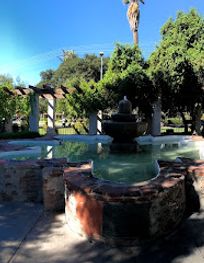
Discover a tranquil replica of a Spanish fountain in Mission Hills' Brand Park, a serene reminder of California's mission past and a testament to preservation.
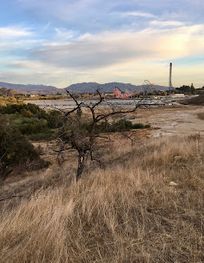
Discover the rich history of Valencia at the Rancho San Francisco Historical Marker, a fascinating glimpse into California's past.
