Cambodia-Vietnam Monument: A Symbol of Friendship and History
A landmark in Phnom Penh commemorating the complex relationship between Cambodia and Vietnam, offering a space for reflection on history and the enduring quest for peace.
The Cambodia-Vietnam Monument, located on Samdach Sothearos Blvd in Phnom Penh, stands as a powerful reminder of the complex relationship between Cambodia and Vietnam. Erected in 1979, the monument commemorates Vietnam's role in ousting the Khmer Rouge regime. While initially a symbol of gratitude, it has also become a focal point for political debate, representing the intricate historical ties between the two nations. The monument features socialist-realist style sculptures of soldiers and civilians, set within a peaceful park setting. Visiting offers a chance to reflect on the shared history and the sacrifices made during a turbulent period. The surrounding park provides a tranquil escape from the city's bustle, making it a worthwhile stop for those interested in understanding Cambodia's modern history and its connection to Vietnam.
A brief summary to Cambodia-Vietnam Monument
- Samdach Sothearos Blvd (3), Phnom Penh, Khan Doun Penh, KH
Local tips
- Visit in the early morning or late afternoon to avoid the midday heat and to experience the park when it's most active with locals.
- Dress respectfully when visiting, as the monument is a place of remembrance and reflection.
- Take time to read the inscriptions and historical information available near the monument to gain a deeper understanding of its significance.
- Combine your visit with a trip to the nearby Royal Palace and Wat Botum to explore more of Phnom Penh's cultural and historical sites.
- Be mindful of the different perspectives surrounding the monument's history and significance, and approach your visit with an open mind.

Getting There
-
Walking
From the Independence Monument, walk north along Norodom Blvd, then turn left onto Sihanouk Blvd. Continue west until you reach Samdach Sothearos Blvd, where you'll turn right. The Cambodia-Vietnam Monument will be on your left within Botum Park. The walk is approximately 15-20 minutes, offering a chance to see other city landmarks along the way.
-
Tuk-Tuk
Tuk-tuks are readily available throughout Phnom Penh. A short ride from the city center, such as from the riverside area or the Royal Palace, to the Cambodia-Vietnam Monument typically costs between $1 to $3, depending on your negotiation skills and the distance. Agree on the fare with the driver before starting your journey.
-
Public Transport
Phnom Penh City Bus line 03 passes near the Cambodia-Vietnam Monument. Check the latest bus routes and schedules. The fare is 1500 KHR (approximately $0.37 USD) per ride. Disembark at a stop along Samdach Sothearos Blvd near Botum Park and walk a short distance to the monument.
Discover more about Cambodia-Vietnam Monument
Iconic landmarks you can’t miss

Cambodia-Vietnam Monument
0.0 km
A landmark in Phnom Penh commemorating the complex relationship between Cambodia and Vietnam, offering a space for reflection on history and the enduring quest for peace.

Marady tuktuk tours
0.3 km
Discover Phnom Penh's hidden gems and iconic landmarks with friendly local drivers on an authentic tuk-tuk adventure.
Phnom Penh
0.6 km
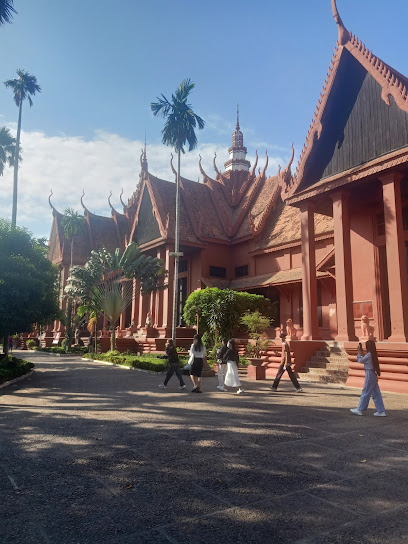
Experience the rich history and vibrant culture of Phnom Penh, Cambodia's bustling capital filled with stunning landmarks and delicious cuisine.
ក្រុងចតុមុខមង្គល សកលកម្ពុជាធិបតី សិរីធរ បវរឥន្ទបត្តបុរីរដ្ឋរាជសីមា មហានគរ
0.6 km
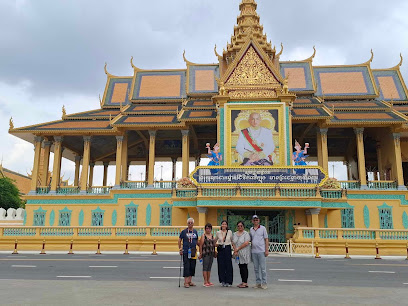
Discover Phnom Penh, the 'City of Four Faces': Where Khmer history, colonial charm, and modern vibrancy converge at four mighty rivers.
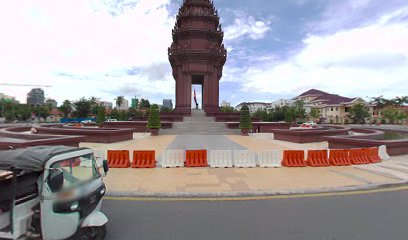
Norodom Sihanouk Museum/Preah Reach Damnak Chan
0.6 km
Explore the life and legacy of King Norodom Sihanouk at this Phnom Penh museum, showcasing his impact on Cambodia's history and culture.
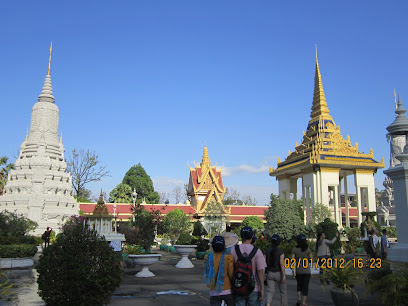
Monument to the Constitution
0.7 km
A symbol of Cambodia's commitment to its constitution, the rule of law, and national unity, located in the heart of Phnom Penh.
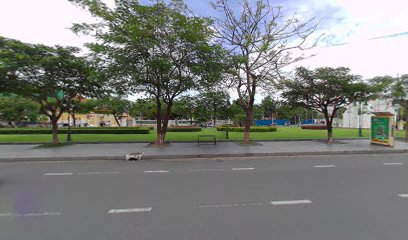
Bassac Street
0.7 km
Experience the vibrant nightlife, diverse cuisine, and artistic expressions of modern Cambodia on Phnom Penh's bustling Bassac Street.
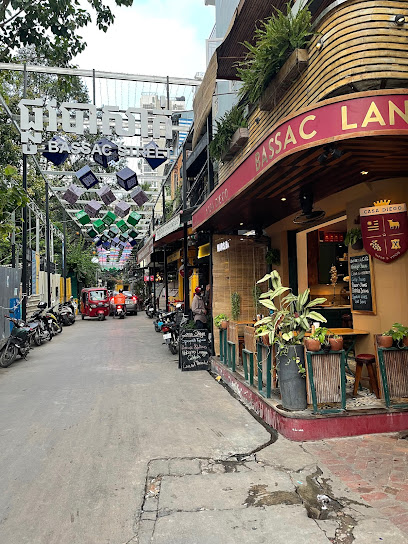
Malis Norodom
0.7 km
Experience authentic Cambodian flavors in an elegant setting at Malis Norodom, Phnom Penh's premier fine dining destination.
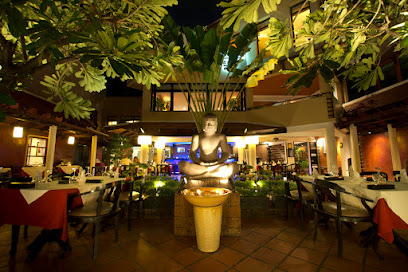
Mad Monkey Phnom Penh
1.0 km
Experience Phnom Penh's vibrant culture and connect with fellow travelers at Mad Monkey, the heart of Cambodia's capital.
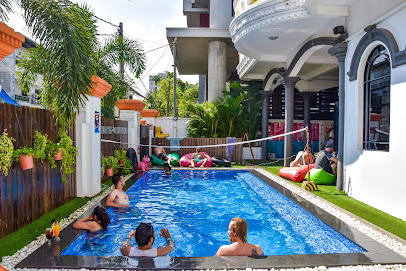
Sculpture of Decho Meas & Decho Yat
1.1 km
Discover the Sculpture of Decho Meas & Decho Yat on Phnom Penh's vibrant Sisowath Quay, a powerful tribute to Cambodian heritage.
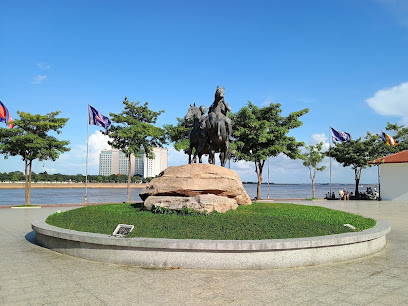
Meta House
1.2 km
Explore Cambodia's vibrant arts scene at Phnom Penh's Meta House, a hub for local & international talent since 2007, with exhibitions & events.
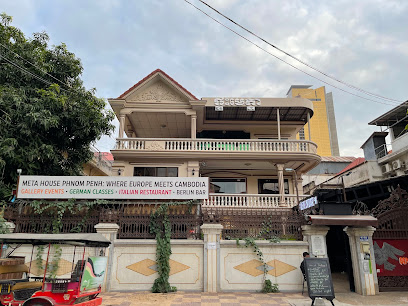
Independence Monument Daun Penh
1.2 km
A towering lotus-shaped monument in Phnom Penh, commemorating Cambodia's independence and honoring its heroes, surrounded by tranquil gardens.
Hiko Teppanyaki Noro Mall Branch
1.2 km
Experience authentic Japanese Teppanyaki in Phnom Penh at Hiko Teppanyaki Noro Mall, offering fresh flavors and captivating culinary artistry.
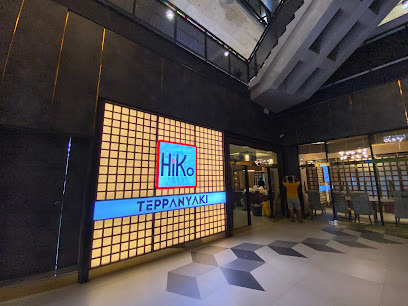
Amazing Cambodia
1.3 km
Discover authentic Cambodian crafts and souvenirs at Amazing Cambodia in Phnom Penh, supporting local artisans and sustainable practices.
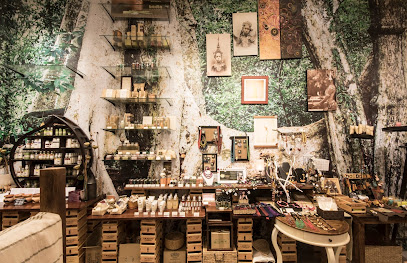
Koh Pich City Hall
1.3 km
Discover modern Khmer architecture at Koh Pich City Hall, a symbol of Phnom Penh's progress, surrounded by tranquil gardens on Diamond Island.
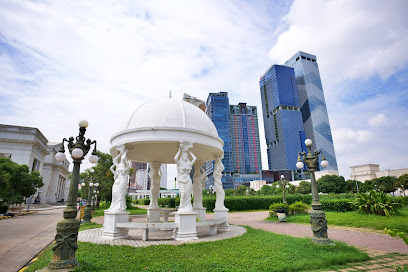
Unmissable attractions to see

Fountain Dragons
0.2 km
Experience the enchanting beauty of Fountain Dragons, a captivating tourist attraction in Phnom Penh, where artistry and culture converge.
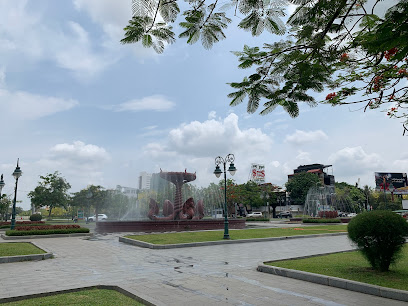
Wat Botum Park
0.3 km
Experience the tranquil beauty of Wat Botum Park, a cultural oasis in Phnom Penh perfect for relaxation and exploration of Cambodian heritage.
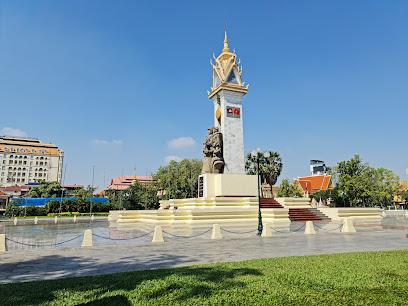
Statue of Samdech Choun Nath
0.4 km
Explore the Statue of Samdech Choun Nath, a striking memorial park in Phnom Penh that honors Cambodian heritage and culture amidst serene surroundings.
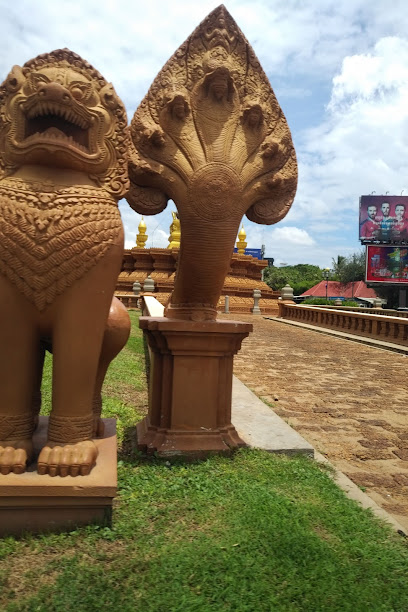
Statue of His Majesty Preah Bat Samdech Preah Norodom Sihanouk
0.4 km
Discover the rich heritage of Cambodia at the Statue of His Majesty Preah Bat Samdech Preah Norodom Sihanouk, a historic landmark in Phnom Penh.
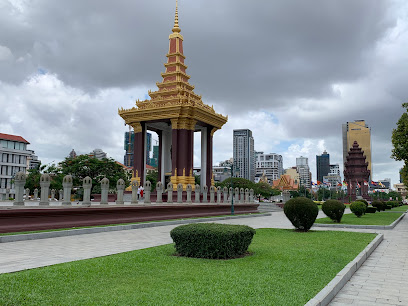
Mondap Hill
0.4 km
Explore the tranquility and rich history of Mondap Hill in Phnom Penh, a captivating tourist attraction that promises breathtaking views and cultural insights.
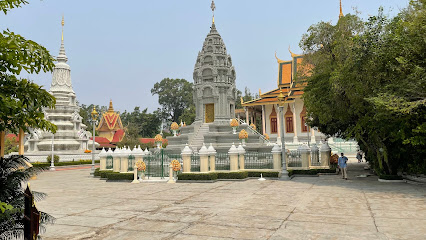
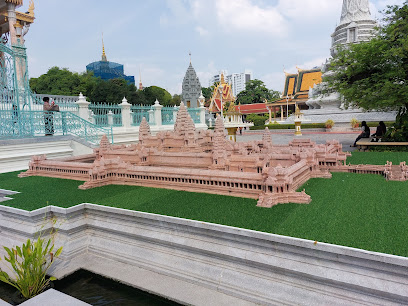
Model of Angkor Wat
0.4 km
Discover the grandeur of Angkor Wat in miniature form at this Phnom Penh attraction, a tribute to Cambodia's rich cultural heritage and architectural brilliance.
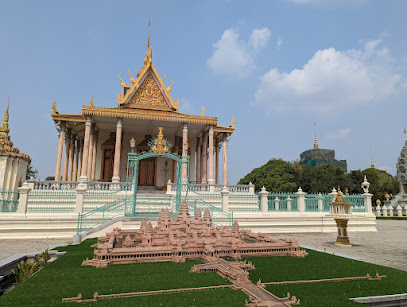
Silver Pagoda
0.4 km
Explore the majestic Silver Pagoda, a breathtaking Buddhist temple filled with history, culture, and stunning architecture in Phnom Penh, Cambodia.
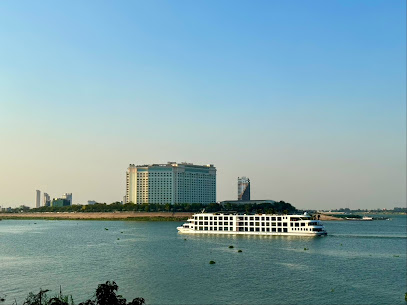
Mekong river
0.5 km
Experience the serenity and cultural richness of the Mekong River in Phnom Penh, a must-visit destination for every traveler exploring Cambodia.
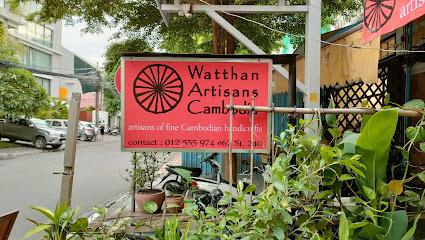
Watthan Artisans Cambodia (240)
0.5 km
Explore a vibrant hub of Cambodian artistic handicrafts at Watthan Artisans, where tradition meets creativity in every unique piece.
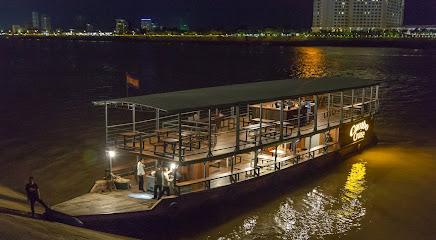
Cambo Cruise - Departures/Arrivals
0.5 km
Discover the vibrant Riverside Path in Phnom Penh, where scenic boat cruises meet the rich culture of Cambodia along the enchanting Mekong River.
Independence Monument
0.6 km
A majestic lotus-shaped monument in Phnom Penh, commemorating Cambodia's independence and honoring its heroes; a symbol of freedom and resilience.
Fountain
0.6 km
Explore the Fountain in Phnom Penh, a charming attraction that combines serene beauty with vibrant cultural experiences in the heart of the city.
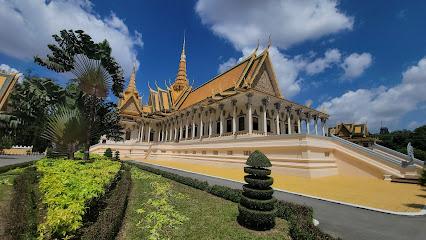
Royal Palace
0.6 km
Explore the Royal Palace of Phnom Penh, a breathtaking blend of history and culture, showcasing the grandeur of Cambodia's royal legacy.
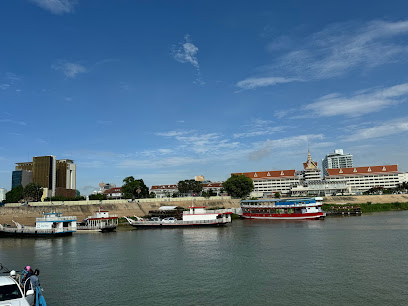
Promenade
0.6 km
Discover the enchanting Promenade in Phnom Penh, a scenic riverside retreat blending culture, cuisine, and captivating views.
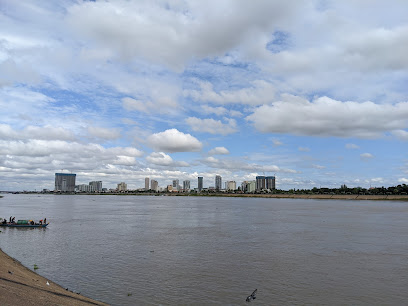
Bassac Square
0.7 km
Discover the vibrant flavors and lively atmosphere of Bassac Square, Phnom Penh's premier destination for dining and nightlife.
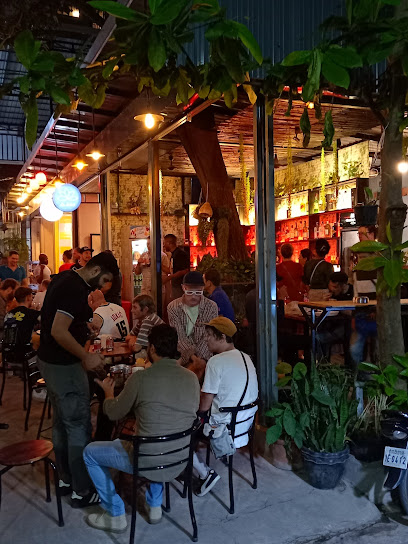
Essential places to dine

2Pangea
0.4 km
Discover the vibrant flavors of Cambodia and beyond at 2Pangea, where every meal is a celebration of culinary excellence.
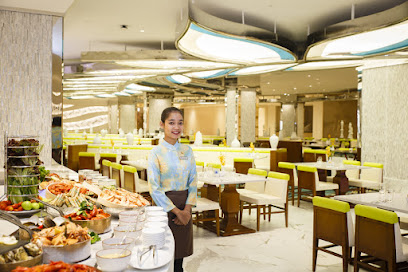
Mealea Restaurant, Fine Dining, Western & Traditional Asian Cuisine
0.4 km
Discover culinary excellence at Mealea Restaurant in Chumne—where Western flavors meet traditional Asian cuisine for an unforgettable dining experience.
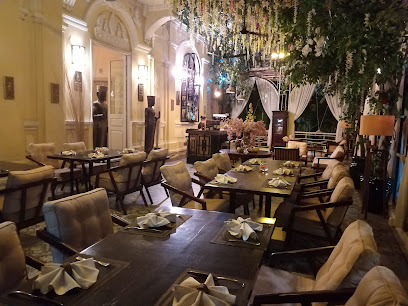
Banana Tree Restaurant
0.4 km
Experience delightful flavors at Banana Tree Restaurant in Phnom Penh – where local meets international cuisine in an inviting ambiance.
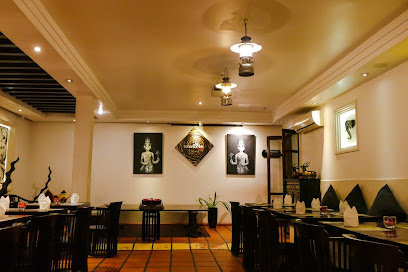
Yi Sang Riverside
0.6 km
Discover Yi Sang Riverside in Phnom Penh: where local flavors meet stunning riverside views for an unforgettable dining experience.
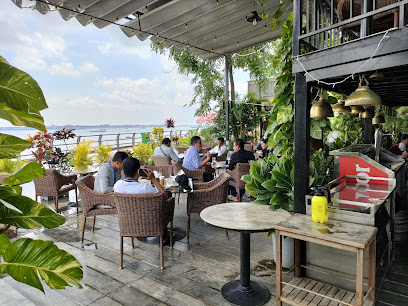
Baldwin's Bistro
0.6 km
Experience culinary artistry at Baldwin's Bistro in Phnom Penh – where local flavors meet international cuisine.
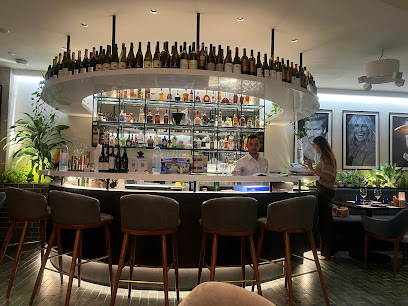
1995 Atmosphére Bistrot
0.6 km
Experience exquisite French cuisine at 1995 Atmosphére Bistrot in Phnom Penh - where culinary tradition meets modern elegance.
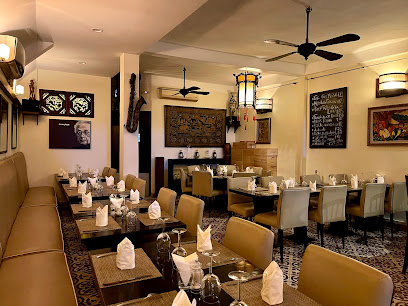
VEHAA | Restaurant & Bar
0.6 km
Discover delicious food and live music at VEHAA | Restaurant & Bar in Phnom Penh – a culinary gem blending local flavors with vibrant nightlife.
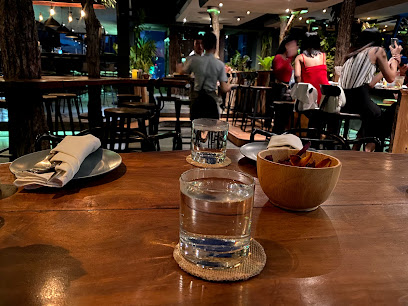
Elia Greek Kitchen Bassac Lane
0.7 km
Savor authentic Greek cuisine at Elia Greek Kitchen - a culinary gem in Phnom Penh's Bassac Lane.
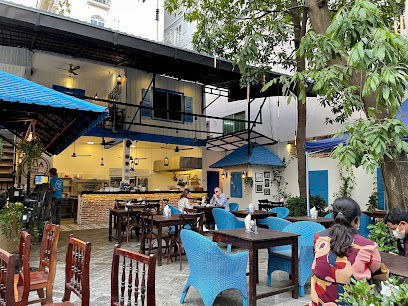
Namaste India Restaurant ( Bassak Street )
0.7 km
Indulge in the vibrant flavors of India at Namaste India Restaurant, where every dish tells a story.
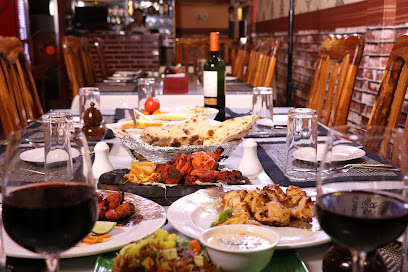
Gorkha Palace Phnom Penh Indian and Nepalese Restaurant
0.7 km
Discover the rich flavors of India and Nepal at Gorkha Palace Phnom Penh – where culinary tradition meets modern dining.
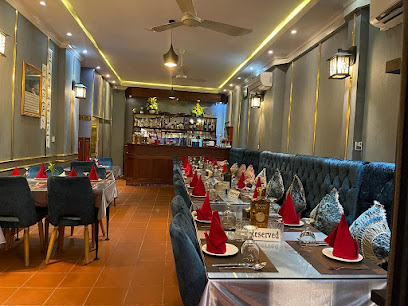
Villa 5 Contemporary Cuisine
0.7 km
Experience the fusion of tradition and innovation at Villa 5 Contemporary Cuisine in Phnom Penh – where every meal is a celebration of flavor.
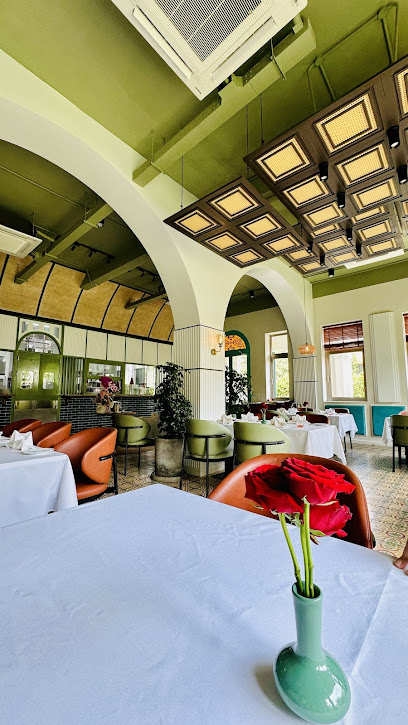
Burgershack
0.8 km
Savor gourmet burgers in the heart of Phnom Penh at Burgershack, where flavor meets atmosphere.
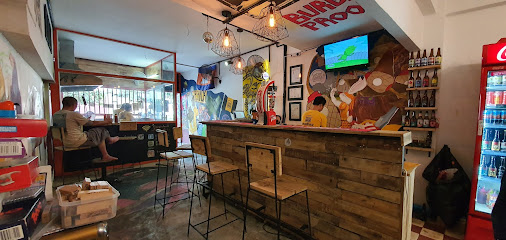
Le Langka
0.8 km
Discover authentic French cuisine at Le Langka, where exquisite flavors meet Cambodian charm in Phnom Penh's culinary scene.
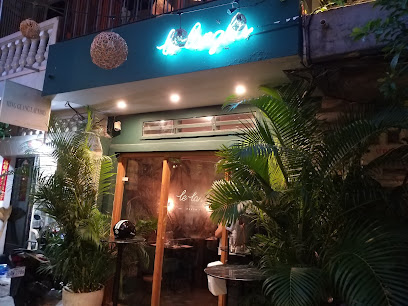
Mara Steak, Wok & Wine
0.8 km
Discover the perfect blend of Asian flavors and premium steaks at Mara Steak, Wok & Wine in the heart of Phnom Penh.
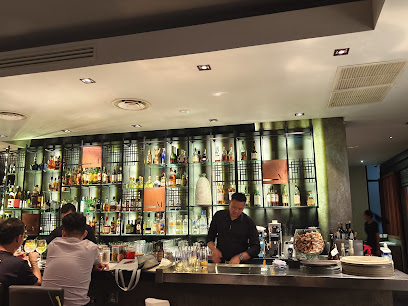
Magnolia Restaurant
0.8 km
Discover the essence of Asian dining at Magnolia Restaurant – where authentic flavors meet family-friendly hospitality in the heart of Phnom Penh.
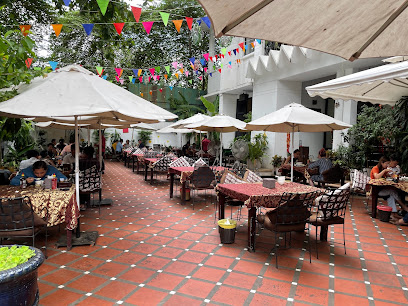
Markets, malls and hidden boutiques

Jasmine Boutique co., Ltd
0.1 km
Explore unique clothing and local fashion at Jasmine Boutique in Phnom Penh, a must-visit for style enthusiasts and tourists alike.
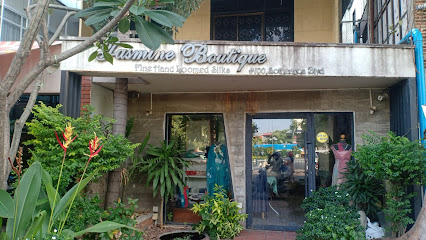
Rajana Crafts
0.2 km
Discover the artistry of Cambodia at Rajana Crafts in Phnom Penh, where every purchase supports local artisans and showcases rich cultural heritage.
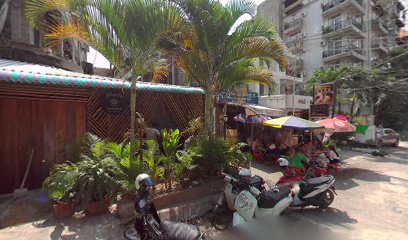
A.N.D
0.4 km
Discover the charm of Cambodian fashion at A.N.D, a boutique in Phnom Penh offering unique clothing and accessories with local flair.
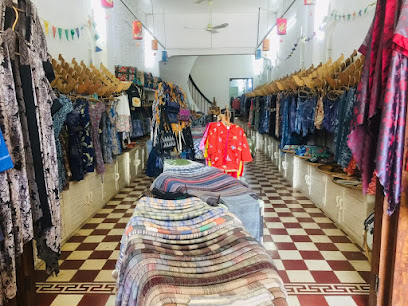
FAIR WEAVE
0.4 km
Explore unique handicrafts and scrapbooking supplies at FAIR WEAVE, a charming gift shop in Phnom Penh, perfect for memorable souvenirs.
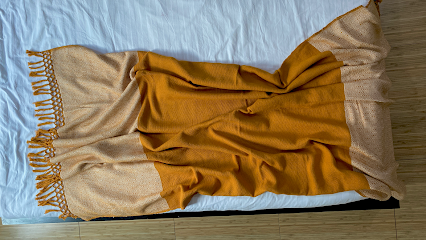
The Green Store 240
0.5 km
Discover unique Cambodian souvenirs and local crafts at The Green Store 240, your ultimate shopping destination in Phnom Penh.
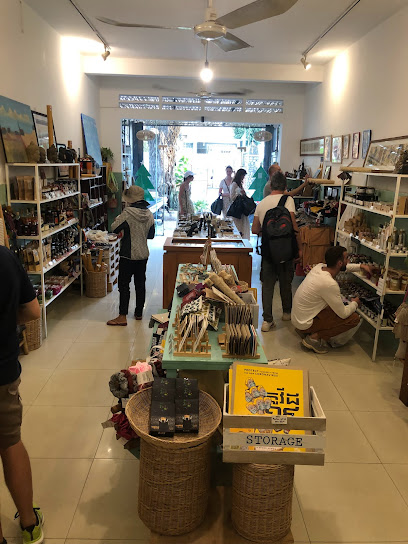
Phnom Penh Souvenir Shop
0.5 km
Explore the Phnom Penh Souvenir Shop for authentic Cambodian gifts, handcrafted treasures, and unique keepsakes that celebrate the rich culture of Cambodia.
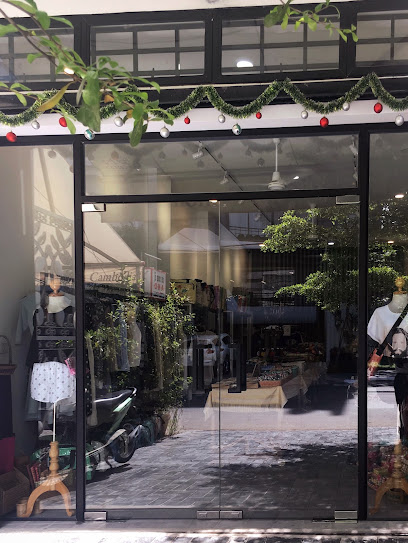
Elsewhere, Cambodia
0.6 km
Shop unique fashion accessories that celebrate Cambodian culture at Elsewhere in Phnom Penh, the perfect spot for souvenirs and stylish finds.
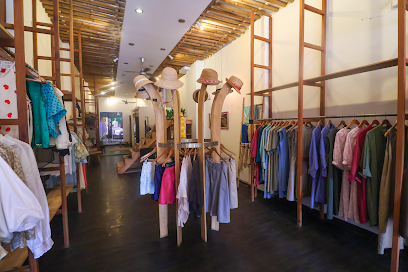
Asian Mint Collection
0.6 km
Explore the charming Asian Mint Collection in Phnom Penh for unique gifts and cultural treasures that celebrate Cambodia's rich heritage.
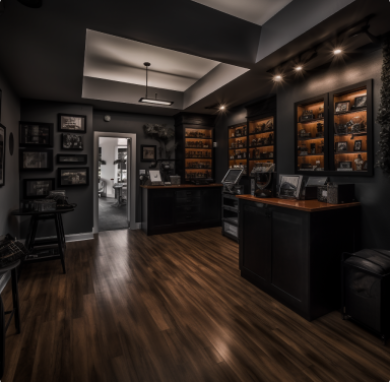
no name
0.6 km
Explore the vibrant local stores of Phnom Penh, where culture, craftsmanship, and community come together in a shopping experience like no other.
SHOP
0.6 km
Explore Phnom Penh's vibrant fashion scene at a unique clothing store offering traditional and contemporary styles.
ពិភពបោះដុំខោអាវកូនក្មេង ពីស្រុកក្រៅ
0.6 km
Explore a vibrant children's clothing store in Phnom Penh, offering stylish and practical outfits for every little adventurer's wardrobe.
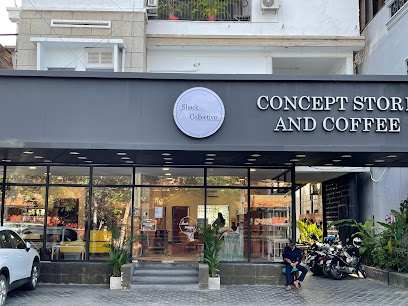
Shack Collective
0.9 km
Discover the charm of Cambodian craftsmanship at Shack Collective, a boutique in Phnom Penh offering unique handmade gifts and fashion.
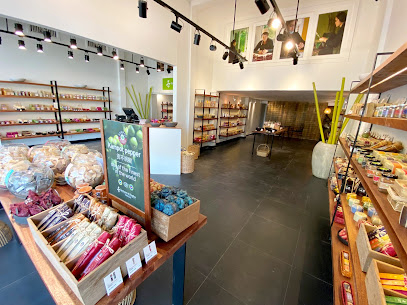
Senteurs d'Angkor (Phnom Penh)
0.9 km
Discover the essence of Cambodia at Senteurs d'Angkor, a gift shop filled with unique handicrafts, textiles, and local delicacies in Phnom Penh.
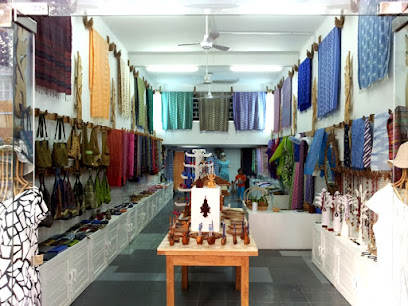
Artisan Village
1.0 km
Explore the rich tapestry of Cambodian craftsmanship at Artisan Village, where local artisans bring their creativity to life in stunning handmade products.
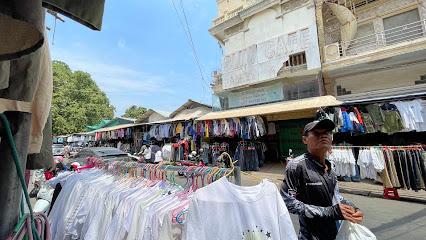
Clothes Shop
1.0 km
Explore a unique watch store in Phnom Penh, where craftsmanship meets tradition, offering exquisite timepieces for every style.
Essential bars & hidden hideouts

The Box Office - Craft Beer and Cocktail Bar
0.2 km
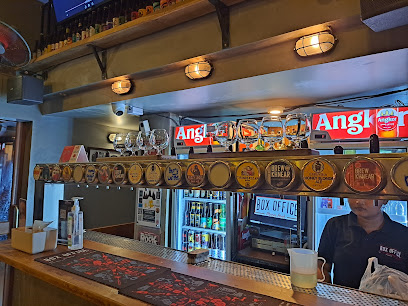
Discover the best craft beers and cocktails at The Box Office, Phnom Penh's vibrant pub offering a taste of British cuisine and local flavors.
Voodoo Boulevard Cocktail Bar
0.2 km
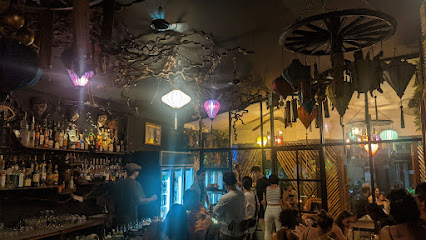
Experience the vibrant nightlife at Voodoo Boulevard Cocktail Bar, Phnom Penh's premier destination for cocktails, live music, and unforgettable moments.
AKASA Skybar
0.3 km
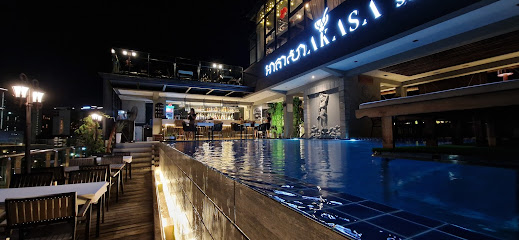
Experience the best of Phnom Penh's skyline at AKASA Skybar, where exquisite cocktails meet vibrant nightlife in a stunning rooftop setting.
JOY BAR
0.4 km
Unwind at Joy Bar in Phnom Penh, where vibrant nightlife meets refreshing drinks and a welcoming atmosphere.
Shakalaka
0.6 km
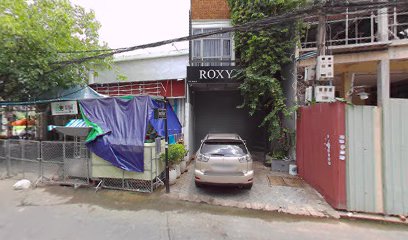
Discover the lively nightlife at Shakalaka, Phnom Penh's premier pub and cocktail bar, offering a vibrant atmosphere and an extensive drink menu.
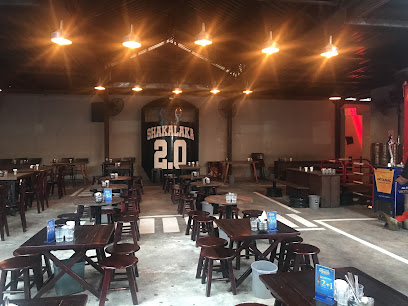
Botanico Craft Beer Garden
0.6 km
Experience the vibrant atmosphere of Botanico Craft Beer Garden in Phnom Penh, where craft beers, delicious food, and live music come together.
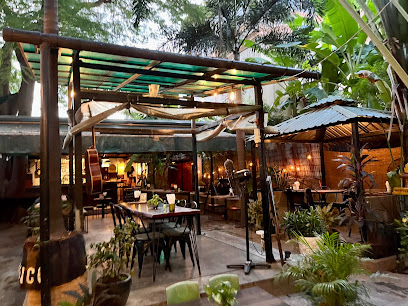
Darlin' Darlin' Music Lounge
0.6 km
Discover the essence of Phnom Penh nightlife at Darlin' Darlin' Music Lounge, where live music meets an unforgettable atmosphere.
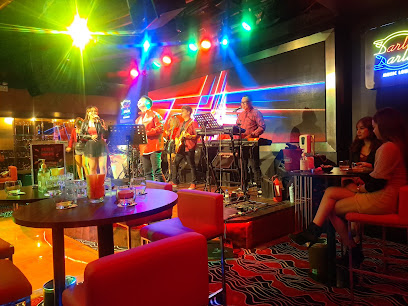
Hub Street Cocktails
0.7 km
Discover the vibrant nightlife of Phnom Penh at Hub Street Cocktails, where refreshing cocktails and a lively atmosphere await.
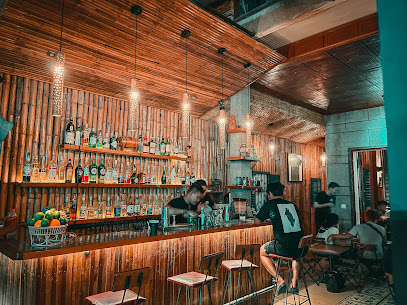
Kute Gin Bar
0.7 km
Discover Kute Gin Bar in Phnom Penh, a vibrant nightlife destination with an extensive gin selection and an unforgettable atmosphere.
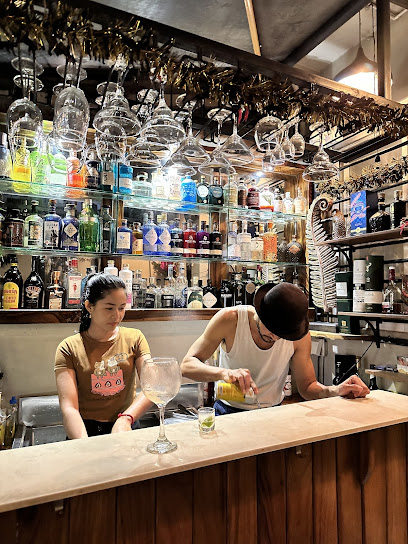
Amret Palace Pool Bar
0.7 km
Discover the Amret Palace Pool Bar in Phnom Penh, where luxury meets relaxation with stunning views and exceptional service.
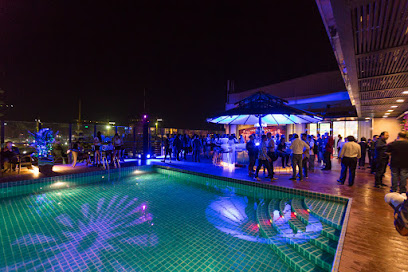
Cloud
0.7 km
Discover Cloud, a trendy bar in Phnom Penh where affordable drinks meet a vibrant atmosphere, perfect for tourists seeking a unique nightlife experience.
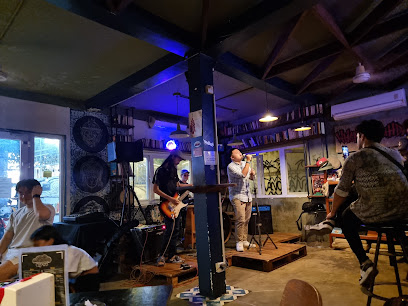
Back Street Bar
0.7 km
Experience the energetic nightlife of Phnom Penh at Back Street Bar, where vibrant music and refreshing cocktails create the perfect escape.
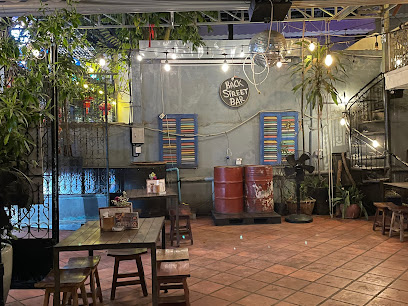
White Rabbit
0.7 km
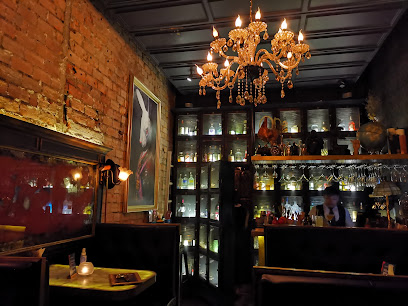
Discover the whimsical White Rabbit Bar in Phnom Penh, where enchanting decor meets creative cocktails for an unforgettable night out.
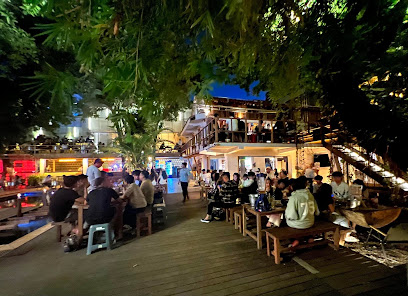
The Woods
0.7 km
Experience the vibrant nightlife at The Woods, Phnom Penh's popular pub and bar, offering a fantastic selection of drinks in a lively setting.
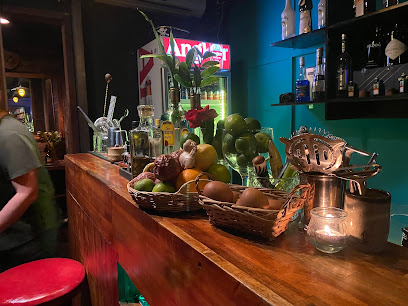
Margarita Cocktail Bar
0.8 km
Experience the vibrant nightlife of Phnom Penh at Margarita Cocktail Bar, where expertly crafted cocktails and a lively atmosphere await you.
Nightclubs & after hour spots

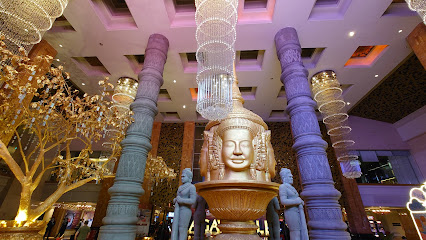
Naga World Night Club
0.5 km
Experience the vibrant nightlife at Naga World Night Club in Phnom Penh, where music, dancing, and unforgettable memories await.
F Club
0.6 km
Discover the pulse of Phnom Penh's nightlife at F Club, where electrifying music and vibrant energy come alive every night.
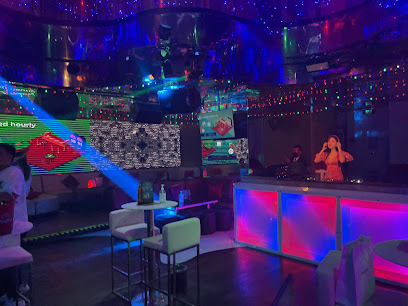
HClub Nightclub, Restaurant & Bar
0.7 km
Discover the vibrant nightlife at HClub Nightclub, Restaurant & Bar in Phnom Penh, where dining meets dancing in an unforgettable atmosphere.
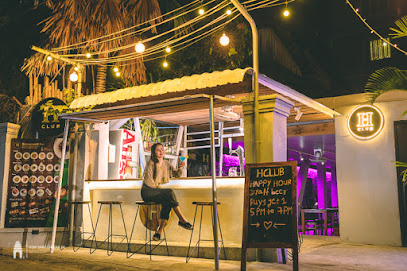
THE CAGE
0.7 km
Discover the vibrant nightlife at The Cage, Phnom Penh's premier night club offering electrifying music and unforgettable dance experiences.
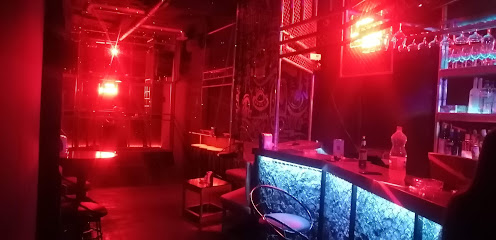
នឹក Ex2 Lounge
0.7 km
Discover the heart of Phnom Penh's nightlife at នឹក Ex2 Lounge, where vibrant music and electric ambiance come together for an unforgettable experience.
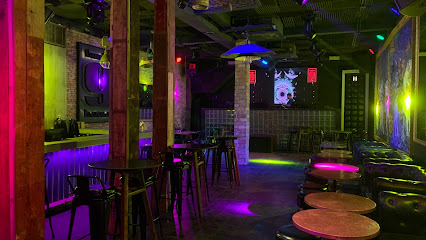
Phantom Club
0.8 km
Experience Phnom Penh's vibrant nightlife at Phantom Club, where dazzling lights, great music, and unforgettable nights await those ready to dance.

Space Club Phnom Penh
0.8 km
Discover the vibrant nightlife of Space Club Phnom Penh, where pulsating beats and electric atmosphere create unforgettable nights.

Epic Club
0.8 km
Experience the vibrant nightlife of Phnom Penh at Epic Club, where electrifying music and an energetic crowd create an unforgettable party atmosphere.
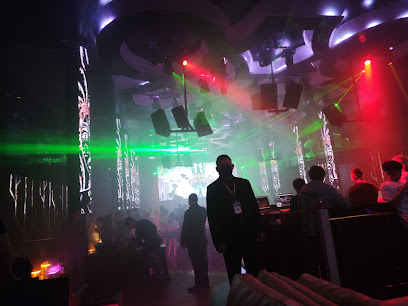
LOVE - Phnom Penh
0.8 km
Immerse yourself in Phnom Penh's vibrant nightlife at LOVE, where music meets excitement for an unforgettable experience.
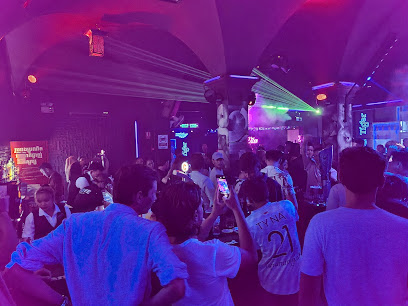
ULTRA CLUB CAMBODIA
0.9 km
Discover Phnom Penh's energetic nightlife at ULTRA CLUB CAMBODIA, where world-class DJs and vibrant parties await every night.
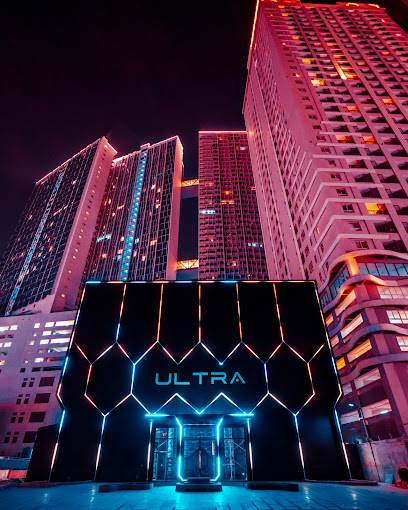
Central X Club
1.0 km
Experience the pulse of Phnom Penh at Central X Club, where nightlife thrives with electrifying music and an unforgettable atmosphere.
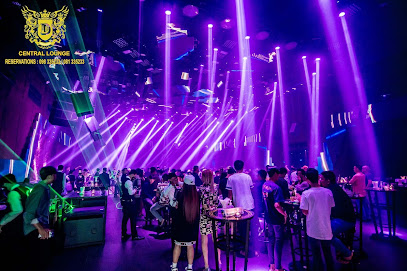
ECL club
1.1 km
Experience the vibrant nightlife of Phnom Penh at ECL Club, where electrifying beats and a lively atmosphere await every night.
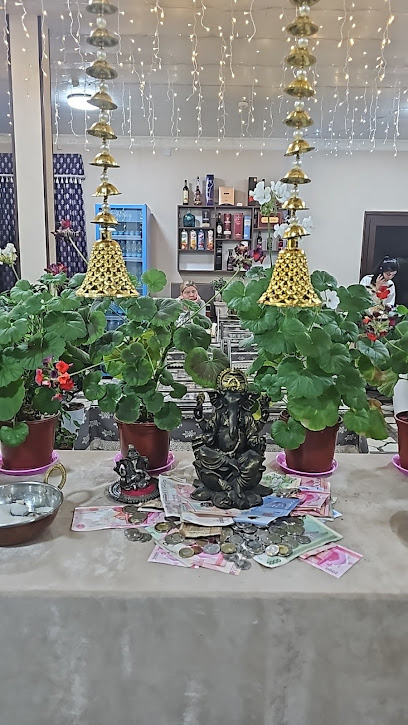
Pontoon Club
1.3 km
Discover the heartbeat of Phnom Penh's nightlife at Pontoon Club, where live music and electric vibes await every night!
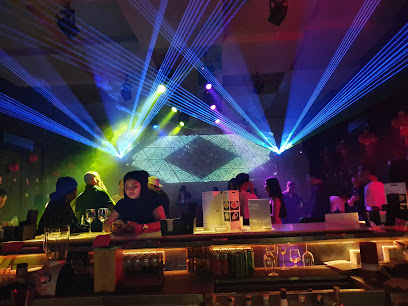
Heart Of Darkness
1.3 km
Discover the vibrant nightlife at Heart Of Darkness, Phnom Penh's premier disco club, where the music never stops and the energy is contagious.
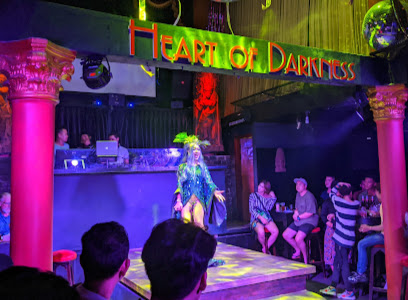
Secrets Bar & Club
1.4 km
Experience the vibrant nightlife at Secrets Bar & Club in Phnom Penh, where music, dance, and unforgettable moments await.