

British Columbia Interior, Canada Travel Guide
Discover the diverse landscapes and vibrant culture of British Columbia Interior, from the lush vineyards of the Okanagan Valley to the snowy slopes of Big White and Sun Peaks.
British Columbia Interior, often referred to as the heart of British Columbia, is a land of diverse landscapes, from dense forests to rolling hills and serene lakes. This region offers a unique blend of natural beauty and vibrant towns, making it a perfect destination for all kinds of travelers. The Okanagan Valley is one of the highlights of the British Columbia Interior. Known for its world-class vineyards and orchards, this area is a paradise for wine lovers and food enthusiasts. Don’t miss a wine tour at one of the many award-winning wineries, where you can taste some of the best wines Canada has to offer. Outdoor enthusiasts will find plenty to love in the BC Interior. The region is dotted with numerous national parks and hiking trails, offering opportunities for camping, fishing, and wildlife spotting. In winter, destinations like Big White and Sun Peaks transform into snowy wonderlands perfect for skiing and snowboarding. The BC Interior is also rich in culture and history. Visit the charming town of Kelowna to explore local art galleries, museums, and boutiques. For a glimpse into the region’s past, head to the historic gold rush town of Barkerville, where you can step back in time and experience life as it was in the 1800s.

Know before you go
Hi, I'm Eve. Here are a few practical things to know before exploring British Columbia Interior.
- Visit in the fall to experience the region's stunning autumn foliage and harvest season.
- Book winery tours in advance, especially during the peak summer season.
- Pack layers of clothing; weather can vary greatly between regions.
- Check for local festivals and events which often showcase the best of local culture and cuisine.
- If planning to ski, reserve accommodations early as popular resorts fill up quickly.
Destinations in British Columbia Interior
Resorts, valleys and scenic spots worth a trip of their own.

Explore British Columbia Interior: Things to Do, Places to Eat, Hotels & More
Handpicked recommendations for top attractions, local dining, accommodations, and more

Top Attractions & Sightseeing in British Columbia Interior
Top-rated picks
Best Attractions

Yonge-Dundas Square
Discover Toronto's Yonge-Dundas Square, a vibrant hub of culture, entertainment, and shopping in the heart of downtown Toronto.

Mattamy Athletic Centre
Experience the vibrant world of sports at Mattamy Athletic Centre, Toronto's premier athletic hub for fitness and community engagement.

Lighthouse ArtSpace Toronto
Immerse yourself in the vibrant world of art at Lighthouse ArtSpace Toronto, where creativity and technology unite for an unforgettable experience.

The Tall Ship Kajama
Sail into adventure aboard the Tall Ship Kajama, Toronto's iconic sailing experience offering stunning views and rich maritime history.

Best landmarks in British Columbia Interior
Top-rated picks
Best Landmarks

Fort Anne National Historic Site
Explore Canada's oldest National Historic Site in Annapolis Royal, Nova Scotia, and discover centuries of Scottish, French, and English conflict.

Port Dalhousie Range Rear Lighthouse
Explore the historic Port Dalhousie Range Rear Lighthouse, a charming landmark offering scenic views and a glimpse into the area's maritime heritage.

St. James Cemetery and Crematorium
Discover Toronto's oldest cemetery: a peaceful sanctuary with stunning architecture, rich history, and notable figures, in the heart of the city.

100 Queen St W
A landmark of modern architecture in the heart of Toronto, home to city government and vibrant public space.

Best restaurants in British Columbia Interior


Best shops in British Columbia Interior
Top-rated picks
Best Shops

Erin Mills Town Centre
Discover the vibrant shopping experience at Erin Mills Town Centre, where style, flavor, and entertainment come together in Mississauga.

Conestoga Mall
Explore Conestoga Mall in Waterloo for a diverse shopping experience, delectable dining options, and family-friendly entertainment in Ontario.
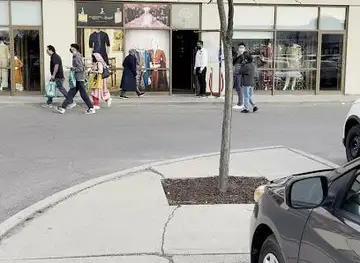
J. Junaid Jamshed - Toronto
Explore J. Junaid Jamshed in Mississauga for a unique blend of traditional and modern fashion, perfect for all occasions.

Hatley Boutique Toronto Distillery District
Explore unique women's, children's, and baby clothing at Hatley Boutique in Toronto's historic Distillery District.

Explore British Columbia Interior on the Map
A handpicked selection of must-see spots in British Columbia Interior, mapped for you.
British Columbia Interior Essentials
-
British Columbia Interior can be accessed by various means. The main international gateway is Vancouver International Airport (YVR), from where you can take a domestic flight to Kelowna International Airport (YLW) or Kamloops Airport (YKA). Alternatively, you can drive from Vancouver via the Trans-Canada Highway (Highway 1), which offers stunning scenic views. For those preferring public transport, Greyhound buses and VIA Rail services connect Vancouver with major towns in the Interior.
-
Once in the British Columbia Interior, you have several transportation options. Renting a car is highly recommended as it allows for flexibility in exploring remote areas and national parks. Public transport is available in larger towns like Kelowna and Kamloops, including buses and taxis. Biking is a popular option for short distances, and bike rentals are widely available. Some areas also offer boat or ferry services, especially around lakes and rivers.
-
The currency used in British Columbia is the Canadian Dollar (CAD). Credit and debit cards are widely accepted in most establishments, including hotels, restaurants, and shops. However, it's advisable to carry some cash, especially when traveling to smaller towns or rural areas where card facilities may be limited. ATMs are readily available in urban centers but may be scarce in remote areas.
-
British Columbia Interior is generally safe for tourists. However, it is wise to exercise standard precautions such as avoiding poorly lit areas at night and keeping an eye on personal belongings in crowded places. Some areas in larger towns like Kelowna and Kamloops may have higher crime rates, particularly in neighborhoods known for drug-related activities. Always stay informed about local advisories and avoid risky areas.
-
In case of an emergency, dial 911 for immediate assistance. Emergency services, including police, fire, and medical, are well-equipped to handle crises. Most towns have hospitals or clinics; Kelowna General Hospital and Royal Inland Hospital in Kamloops are the major medical facilities. It's advisable to have travel insurance that covers medical emergencies and to carry a basic first-aid kit.
-
Fashion: DO dress in layers, as the weather can change rapidly. DON'T wear overly flashy or revealing clothing. Religion: DO respect local customs and places of worship. DON'T make loud noises or take photos in sacred areas without permission. Public Transport: DO be punctual, as public transport runs on a schedule. DON'T speak loudly or play loud music on public transport. Greetings: DO greet people with a friendly 'hello' or a handshake. DON'T ignore local customs, such as maintaining personal space. Eating & Drinking: DO try local wines and regional cuisine. DON'T tip less than 15% in restaurants, as it is considered rude.
-
To experience British Columbia Interior like a local, visit the Okanagan Valley's wineries and sample some of Canada's best wines. Take part in local farmers' markets to enjoy fresh produce and artisanal goods. Engage with locals, who are typically friendly and willing to share insights about the area's history and culture. Don't miss out on outdoor activities such as hiking, fishing, and skiing, which are popular among residents.
When is the best time to visit British Columbia Interior?
Useful Local Phrases for British Columbia Interior
You don't need to speak the language perfectly. Even learning a few simple words can make conversations warmer—and locals usually appreciate the effort.
— Eve

Here are the phrases I use most often in British Columbia Interior. Try a few—you'll be surprised how far they go! 😊
❤️
-
- HelloHiya
[Hyee-uh] - GoodbyeSee ya
[See yah] - YesYep
[Yep] - NoNope
[Nope] - Please/You're welcomeNo problem
[No prob-lum] - Thank youThanks a lot
[Thanks uh lot] - Excuse me/SorryPardon me
[Pardon mee] - How are you?How's it going?
[How's it goin'?] - Fine. And you?Good, and you?
[Good, an' you?] - Do you speak English?You speak English?
[You speak English?] - I don't understandI don’t get it
[I don’t get it]
- HelloHiya
-
- I'd like to see the menu, pleaseCan I see the menu?
[Can I see the men-oo?] - I don't eat meatI’m a vegetarian
[I’m a vege-tair-ee-an] - Cheers!Cheers!
[Cheers!] - I would like to pay, pleaseCan I get the bill, please?
[Can I get the bill, please?]
- I'd like to see the menu, pleaseCan I see the menu?
-
- Help!Help!
[Help!] - Go away!Leave me alone!
[Leave me alone!] - Call the Police!Call the cops!
[Call the cops!] - Call a doctor!Get a doctor!
[Get a doctor!] - I'm lostI can’t find my way
[I can’t find my way] - I'm illI’m not feeling well
[I’m not feelin' well]
- Help!Help!
-
- I'd like to buy...I want to buy...
[I want to buy...] - I'm just lookingJust browsing
[Just browsin'] - How much is it?What’s the price?
[What’s the price?] - That's too expensiveThat’s a bit pricey
[That’s a bit pricy] - Can you lower the price?Can you make it cheaper?
[Can you make it cheaper?]
- I'd like to buy...I want to buy...
-
- What time is it?What’s the time?
[What’s the time?] - It's one o'clockIt's one
[It's one] - Half past (10)Half ten
[Half ten] - MorningMorning
[Morning] - AfternoonAfternoon
[Afternoon] - EveningEvening
[Evening] - YesterdayYesterday
[Yesterday] - TodayToday
[Today] - TomorrowTomorrow
[Tomorrow] - 1One
[One] - 2Two
[Two] - 3Three
[Three] - 4Four
[Four] - 5Five
[Five] - 6Six
[Six] - 7Seven
[Seven] - 8Eight
[Eight] - 9Nine
[Nine] - 10Ten
[Ten]
- What time is it?What’s the time?
-
- Where's a/the...?Where’s a...?
[Where’s a...?] - What's the address?What’s the address?
[What’s the address?] - Can you show me (on the map)?Can you show me on the map?
[Can you show me on the map?] - When's the next (bus)?When’s the next bus?
[When’s the next bus?] - A ticket (to ....)A ticket to ...
[A ticket to ...]
- Where's a/the...?Where’s a...?
History of British Columbia Interior
-
Long before European settlers arrived, the British Columbia Interior was home to a multitude of First Nations peoples. The Secwepemc, Nlaka'pamux, and Okanagan nations are among the many who thrived in the region, developing rich cultures and complex societies. Archaeological evidence shows that these groups have lived in the area for thousands of years, utilizing its abundant natural resources for hunting, fishing, and gathering. Traditional practices, languages, and art forms continue to influence the region's culture today.
-
In the late 18th and early 19th centuries, the British Columbia Interior became a focal point for the fur trade. European fur traders, primarily from the Hudson's Bay Company and the North West Company, established trading posts throughout the region. These posts facilitated trade between European settlers and First Nations peoples, exchanging goods such as furs, tools, and textiles. The fur trade profoundly impacted the social and economic landscape of the region, leading to increased exploration and eventual settlement.
-
The discovery of gold in the Fraser River in 1858 sparked a massive influx of prospectors to the British Columbia Interior, marking the beginning of the Fraser River Gold Rush. Thousands of miners flocked to the area, establishing boomtowns and creating a bustling, albeit short-lived, economy. The Cariboo Gold Rush followed in the 1860s, bringing even more settlers and leading to the construction of the famous Cariboo Wagon Road. These gold rushes played a crucial role in the development and settlement of the region.
-
The completion of the Canadian Pacific Railway (CPR) in 1885 was a transformative event for the British Columbia Interior. The railway connected the region to the rest of Canada, facilitating trade, travel, and communication. Towns like Kamloops and Revelstoke grew rapidly as key railway hubs. The railway also opened up the interior to more significant agricultural and industrial development, fundamentally changing the region's economic landscape.
-
The Okanagan Valley, known for its temperate climate and fertile soil, has become one of Canada's premier wine-producing regions. The wine industry in the Okanagan began to take off in the late 20th century, with vineyards and wineries popping up throughout the valley. This boom has turned the area into a major tourist destination, attracting wine enthusiasts from around the world. Today, the Okanagan is celebrated for its diverse range of high-quality wines and picturesque vineyards.
-
The British Columbia Interior is home to a vibrant array of cultural festivals and events that celebrate the region's diverse heritage. The Kamloops Powwow, the Armstrong IPE (Interior Provincial Exhibition), and the Kelowna Apple Triathlon are just a few examples. These events offer a glimpse into the local traditions, arts, and community spirit, providing both residents and visitors with unique cultural experiences.
Neighbouring Regions of British Columbia Interior
The closest regions to British Columbia Interior, if you have time for more than one.



Your all‑in‑one travel companion app
Explore expert travel guides, compare and book tours, experiences, hotels, and more—all from the palm of your hand. Download now for seamless trip planning wherever your wanderlust takes you.


Explore More of Canada
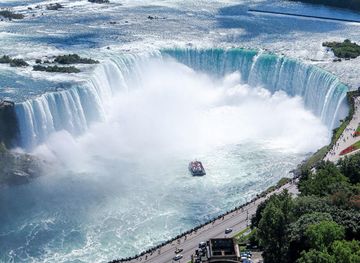
Looking beyond British Columbia Interior? Discover Canada for broader travel guides, local hot-spots, and regional highlights.
Explore CanadaBritish Columbia Interior in Photos
Browse through our photo collection highlighting the charm and character of the destination.


The Enchanting Heart of British Columbia Interior
British Columbia Interior, often referred to as the heart of British Columbia, is a land of diverse landscapes, from dense forests to rolling hills and serene lakes. This region offers a unique blend of natural beauty and vibrant towns, making it a perfect destination for all kinds of travelers. The Okanagan Valley is one of the highlights of the British Columbia Interior. Known for its world-class vineyards and orchards, this area is a paradise for wine lovers and food enthusiasts. Don’t miss a wine tour at one of the many award-winning wineries, where you can taste some of the best wines Canada has to offer. Outdoor enthusiasts will find plenty to love in the BC Interior. The region is dotted with numerous national parks and hiking trails, offering opportunities for camping, fishing, and wildlife spotting. In winter, destinations like Big White and Sun Peaks transform into snowy wonderlands perfect for skiing and snowboarding. The BC Interior is also rich in culture and history. Visit the charming town of Kelowna to explore local art galleries, museums, and boutiques. For a glimpse into the region’s past, head to the historic gold rush town of Barkerville, where you can step back in time and experience life as it was in the 1800s.