

Free Thompson-Nicola Travel Guide & Mobile App
Explore Thompson-Nicola with free travel guides. Discover regional history, expert tips, proposed trips, and audio guides on web or mobile app.


Explore Thompson-Nicola for river valleys, Indigenous heritage, ranch country, mountain resorts and the waterfalls and wilderness of Wells Gray.
Read more about Thompson-Nicola
When is the best time to visit Thompson-Nicola?
Best: June–August · 20–23°C| Month | High (°C) | Rainfall (mm) |
|---|---|---|
| January | -2 | 25 |
| February | 0 | 20 |
| March | 5 | 25 |
| April | 9 | 30 |
| May | 16 | 35 |
| June (best) | 20 | 30 |
| July (best) | 23 | 25 |
| August (best) | 23 | 25 |
| September | 19 | 30 |
| October | 11 | 35 |
| November | 2 | 30 |
| December | -1 | 25 |
Getting to and around Thompson-Nicola
How to get there
Transportation
Best attractions in Thompson-Nicola
Thompson-Nicola's attractions are defined by scale and contrast. Around Kamloops, visitors can combine the Secwépemc Museum and Heritage Park, Kamloops Museum and Archives, BC Wildlife Park, riverfront recreation and trails through dry grassland and open hills. The Lac du Bois Grasslands Protected Area offers a close view of the region's distinctive semi-arid ecology, while Kamloops Lake and nearby provincial parks provide opportunities for boating, fishing, camping and wildlife observation. South of the city, Merritt and the Nicola Valley introduce ranch landscapes, lakes, cultural institutions and outdoor routes. Along the Thompson corridor, the historic interpretation at Hat Creek Ranch adds context to the Cariboo road era. Farther north, Clearwater opens the way to Wells Gray Provincial Park, whose waterfalls, volcanic formations, forests and lakes support hiking, canoeing and longer wilderness trips. Sun Peaks provides organised mountain recreation in winter and summer, although conditions and facilities vary seasonally. The broad distances make this a region for planned touring rather than a single concentrated sightseeing circuit.
-
Sculpture
Nikola Tesla Plaza
Discover the artistic tribute to Nikola Tesla at the breathtaking Nikola Tesla Plaza near Niagara Falls, where innovation meets nature.
Best landmarks in Thompson-Nicola
The meeting point of the North and South Thompson rivers is Thompson-Nicola's defining geographical landmark and explains Kamloops's historic importance as a place of travel and exchange. Within the city, the Secwépemc Museum and Heritage Park connects visitors with the land and culture of Tk'emlúps te Secwépemc, while the city's railway heritage reflects its later role as an interior transport centre. The open slopes and geological forms around Kamloops, including the Lac du Bois Grasslands landscape, provide a strong visual contrast with the forested North Thompson. In the southern corridor, the historic buildings, road traces and preserved interpretation at Hat Creek Ranch evoke the Cariboo Wagon Road era. Wells Gray's Helmcken Falls is one of the region's most recognisable natural landmarks, dropping into a deep canyon created by volcanic and river processes; nearby waterfalls and lava-formed landscapes broaden the story. Sun Peaks's mountain setting and the ranching landscape of the Nicola Valley are less monumental but equally characteristic, showing how settlement, recreation and working country coexist across the region.
-
Tourist information center
Destination Niagara Falls - Destination Niagara Canada
Discover Niagara Falls through the eyes of expert guides at Destination Niagara Falls, your gateway to breathtaking landscapes and thrilling adventures.
Explore Thompson-Nicola on the map
Plan your trip on one map. See where the top cities, national parks and sights are, and book hotels and experiences in a few clicks.
Best hotels in Thompson-Nicola
Best restaurants in Thompson-Nicola
Dining in Thompson-Nicola reflects the interior of British Columbia: ranching, farming, river valleys, forestry communities and a growing outdoor-tourism economy. Kamloops has the region's broadest range of restaurants, cafés, bakeries, breweries and international cuisines, while Merritt, Clearwater, Ashcroft, Cache Creek and smaller communities tend to centre on practical cafés, pubs, family restaurants and locally focused establishments. Menus may feature British Columbian salmon and other Pacific Northwest ingredients alongside beef, game, seasonal vegetables and baked goods, though not every dish is exclusive to the region. Farm stands, roadside produce sellers and local markets are useful places to find fruit, preserves and other products from the southern interior. In rural districts, opening days and hours can be limited, particularly outside the main summer season, so it is sensible to plan meals and supplies around the larger service centres. Kamloops and Sun Peaks offer the most varied contemporary dining, while historic roadhouse settings and community pubs provide a stronger sense of the region's transport and ranching past.
-
Steak
Northern Inn & Steak House
Discover the heart of Manitoba dining at Northern Inn & Steak House – where every steak is a masterpiece crafted with passion.
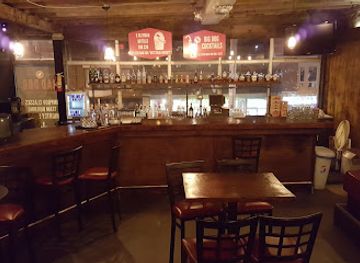
Best bars in Thompson-Nicola
Evening life in Thompson-Nicola is concentrated in Kamloops, with a mixture of traditional pubs, breweries, restaurants, cocktail-led venues, live music and occasional late-night entertainment. Merritt has a strong country-music association and a community-oriented pub and performance culture, while Clearwater, Cache Creek, Ashcroft and smaller towns generally offer quieter evenings based around restaurants, hotel lounges and local pubs rather than a large club scene. Sun Peaks has seasonal après-ski and resort nightlife, with activity varying according to the winter and summer calendars. Kamloops's student population and cultural venues add variety, but the overall atmosphere remains more relaxed than that of Vancouver or Victoria. In rural areas, distances and limited late transport make it important to arrange a safe journey back to accommodation; drinking is not necessary to enjoy the region's evening food, music and cultural life.
-
Performing arts theater
Theatre Aquarius
Discover the enchanting world of performing arts at Theatre Aquarius, Hamilton's premier theater for captivating performances and unforgettable experiences.
-
Education center
Bad Dog Comedy Studio
Discover the heart of Toronto's comedy scene at Bad Dog Comedy Studio, where laughter meets creativity in an unforgettable experience.
-
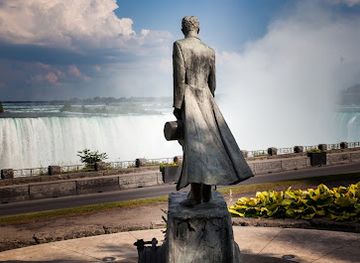
Sculpture
Nikola Tesla Plaza
Discover the artistic tribute to Nikola Tesla at Tesla Plaza, a peaceful oasis along the Niagara River, celebrating innovation and creativity.
-
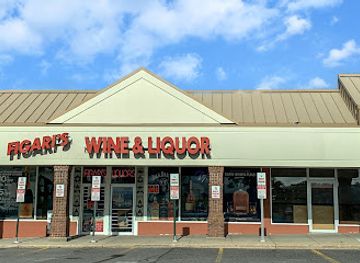
Wine store
Figari’s Wine and Liquor
Explore a curated selection of fine wines and liquors at Figari’s Wine and Liquor in the Village of the Branch.
Best nightclubs in Thompson-Nicola
Evening life in Thompson-Nicola is concentrated in Kamloops, with a mixture of traditional pubs, breweries, restaurants, cocktail-led venues, live music and occasional late-night entertainment. Merritt has a strong country-music association and a community-oriented pub and performance culture, while Clearwater, Cache Creek, Ashcroft and smaller towns generally offer quieter evenings based around restaurants, hotel lounges and local pubs rather than a large club scene. Sun Peaks has seasonal après-ski and resort nightlife, with activity varying according to the winter and summer calendars. Kamloops's student population and cultural venues add variety, but the overall atmosphere remains more relaxed than that of Vancouver or Victoria. In rural areas, distances and limited late transport make it important to arrange a safe journey back to accommodation; drinking is not necessary to enjoy the region's evening food, music and cultural life.
-
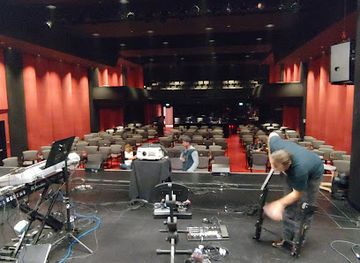
Performing arts theater
Salle Georges-Codling
Discover the heart of Quebec's performing arts at Salle Georges-Codling, where entertainment meets cultural expression in a welcoming atmosphere.
Best shops in Thompson-Nicola
Shopping in Thompson-Nicola is centred on practical town services, independent retailers, food producers, galleries and locally made goods rather than large luxury districts. Kamloops has the region's widest choice of high-street shops, bookshops, outdoor-equipment retailers, galleries and food outlets, with larger commercial areas on the urban fringe. Merritt's compact centre reflects its ranching and country-music identity, while Clearwater and the Thompson corridor provide supplies, outdoor gear, souvenirs and small independent businesses for park visitors. Farmers' markets and seasonal farm stands are good places to look for fruit, preserves, baked goods and other products from the interior, although locations and operating dates change. Craft studios and galleries may offer pottery, textiles, woodwork, jewellery and Indigenous art, but buyers should ask about provenance and purchase from reputable sources. Regional food products, locally roasted coffee, books about the landscape and well-made outdoor equipment are generally more useful souvenirs than generic merchandise.
-
Needlework shop
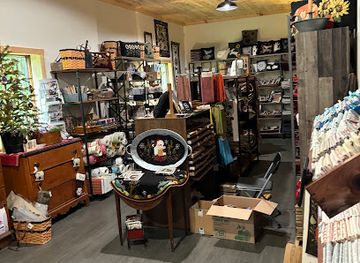
Hobby House Needleworks
Discover your creative side at Hobby House Needleworks, a charming needlework shop filled with quality supplies and inspiration for every crafting enthusiast.
-
Ballet school
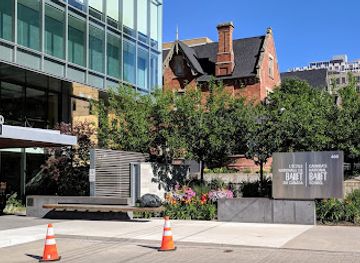
Canada's National Ballet School
Experience the world of ballet at Canada's National Ballet School, where artistry and education come together in Toronto's vibrant cultural scene.
-
Funeral home
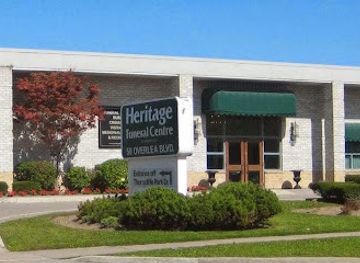
Heritage Funeral Centre - O'Connor Bros. & Ralph Day Chapels
Heritage Funeral Centre in Toronto: Compassionate care and personalized services for honoring lives in a serene setting.
-
Art gallery
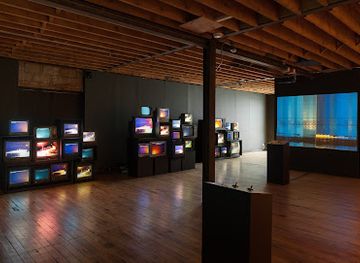
InterAccess
Discover contemporary art and engaging learning experiences at InterAccess in Toronto's Old Town, a hub for creativity and innovation.
Get your free copy of our complete guide to Thompson-Nicola, delivered straight to you.
Everything on this page, from attractions and restaurants to essentials and local phrases, in one PDF you can read offline, print or share.
Already have an account? Sign in
Your Thompson-Nicola guide is ready.
We'll send it to · Not you? Sign out

Getting your guide ready…
We are putting together a fresh copy of the Thompson-Nicola guide. This can take up to a minute.
This can take a few moments. If your browser asks, choose Allow so the download can start. You'll find the guide in your Downloads folder.
Nothing happened? Download it again
Sorry, the guide is taking longer than usual. Please try again in a minute, or get it by email instead.
Thompson-Nicola essentials
Currency and Payment
Safety
Emergency Situations
Do's and Don'ts
Local Tips
From Eve
Local phrases worth knowing
You don't need to get them perfect. A few words go a long way, and locals appreciate the effort.
Basics
| English | Local | Say it |
|---|---|---|
| Hello | Hey | [hey] |
| Goodbye | See ya | [see yah] |
| Yes | Yeah | [yeh] |
| No | Nope | [nohp] |
| Please/You're welcome | No problem | [noh prob-luhm] |
| Thank you | Thanks | [thanks] |
| Excuse me/Sorry | Sorry | [sor-ree] |
| How are you? | How's it going? | [how's it goin'] |
| Fine. And you? | Good. You? | [good. you?] |
| Do you speak English? | Do ya speak English? | [doo yah speek ing-glish?] |
| I don't understand | I don’t get it | [I don’t get it] |
Eating & Drinking
| English | Local | Say it |
|---|---|---|
| I'd like to see the menu, please | Can I see the menu? | [kan I see the men-yoo?] |
| I don't eat meat | I’m a vegetarian | [I’m a vege-tair-i-an] |
| Cheers! | Cheers! | [cheers] |
| I would like to pay, please | Can I get the bill? | [kan I get the bil?] |
Emergencies
| English | Local | Say it |
|---|---|---|
| Help! | Help! | [help] |
| Go away! | Leave me alone! | [leave me a-lone!] |
| Call the Police! | Call the cops! | [call the cops] |
| Call a doctor! | Get a doctor! | [get a doc-tor] |
| I'm lost | I’m lost | [I’m lost] |
| I'm ill | I’m sick | [I’m sick] |
Shopping
| English | Local | Say it |
|---|---|---|
| I'd like to buy... | I wanna buy... | [I wanna buy...] |
| I'm just looking | Just browsing | [just brows-ing] |
| How much is it? | What’s the price? | [what’s the price?] |
| That's too expensive | That’s pricey | [that’s pry-see] |
| Can you lower the price? | Can you make it cheaper? | [can you make it chee-per?] |
Time & Numbers
| English | Local | Say it |
|---|---|---|
| What time is it? | What’s the time? | [what’s the time?] |
| It's one o'clock | It's one | [it's one] |
| Half past (10) | Half past ten | [half past ten] |
| Morning | Morning | [morning] |
| Afternoon | Afternoon | [afternoon] |
| Evening | Evening | [evening] |
| Yesterday | Yesterday | [yes-ter-day] |
| Today | Today | [to-day] |
| Tomorrow | Tomorrow | [to-mor-row] |
| 1 | One | [one] |
| 2 | Two | [two] |
| 3 | Three | [three] |
| 4 | Four | [four] |
| 5 | Five | [five] |
| 6 | Six | [six] |
| 7 | Seven | [seven] |
| 8 | Eight | [eight] |
| 9 | Nine | [nine] |
| 10 | Ten | [ten] |
Transport & Directions
| English | Local | Say it |
|---|---|---|
| Where's a/the...? | Where's the...? | [where's the...?] |
| What's the address? | What’s the address? | [what’s the ad-dress?] |
| Can you show me (on the map)? | Can you point it out? | [can you point it out?] |
| When's the next (bus)? | When's the next bus? | [when's the next bus?] |
| A ticket (to ...) | One ticket to ... | [one ticket to ...] |
History of Thompson-Nicola
Indigenous Nations and Ancient Trade Routes
The Thompson-Nicola region has been home to Indigenous peoples since long before written records. Secwépemc communities occupy much of the Thompson and North Thompson country, while Nlaka'pamux and Syilx communities have longstanding connections in parts of the southern and western region. Rivers, trails, fishing grounds and seasonal harvesting areas supported movement and trade across the interior. Archaeological evidence and living cultural knowledge demonstrate that these landscapes are not empty wilderness but places shaped by generations of stewardship, ceremony and community life.
Fur Trade and Fort Kamloops
The fur trade brought new commercial networks into the interior during the early nineteenth century. In 1812, David Stuart of the Pacific Fur Company established a post at the junction of the Thompson rivers; the Hudson's Bay Company later took control and developed the site as Fort Kamloops. The post became an important point in the company's interior network and a meeting place between Indigenous traders and European newcomers. Its location helped establish Kamloops as a continuing centre of transport and exchange.
Gold Rush Routes and the Cariboo Road
The Fraser Canyon and Cariboo gold rushes transformed travel through the central interior in the 1850s and 1860s. Roads, pack trails and stopping places expanded as prospectors, freighters and suppliers moved north. The route through the Thompson country connected river transport and overland travel, while ranches and roadhouses developed to serve the traffic. Hat Creek Ranch, near Cache Creek, preserves part of this transport story and illustrates how the gold rush accelerated colonial settlement and commercial change.
Railways and the Making of Kamloops
The arrival of the Canadian Pacific Railway in the 1880s altered the scale and direction of movement through the region. Kamloops became a railway, trading and service centre, while stations and sidings supported settlement, ranching and resource shipments elsewhere in the interior. The railway reduced reliance on older river and wagon routes and linked local economies with British Columbia's coast and the wider Canadian market. Its legacy remains visible in the region's town plans, industrial history and continuing position on major east-west transport corridors.
Ranching, Agriculture and Resource Development
Dry grasslands and valley bottoms encouraged cattle ranching, hay production and other forms of agriculture, particularly around Kamloops, the Nicola Valley and the Thompson corridor. Mining also became important, with copper and other mineral developments supporting communities and transport infrastructure. Forestry expanded in the more heavily wooded northern districts. These industries shaped settlement patterns and remain part of the regional economy, although tourism, education, healthcare, technology and public services now play substantial roles in the larger centres.
Residential Schools and Historical Reckoning
The former Kamloops Indian Residential School, operated by the Catholic Church and later administered within Canada's residential-school system, operated at Tk'emlúps te Secwépemc from 1890 until 1969. It was the largest institution of its kind in Canada and forcibly separated many Indigenous children from their families, language and culture. Survivors and Indigenous communities continue to lead the work of remembrance, accountability and healing. Visitors should approach related places and interpretation with respect and recognise that this history is living and ongoing.
Conservation and the Contemporary Interior
During the twentieth century, parts of Thompson-Nicola gained protection for their distinctive grasslands, forests, lakes, volcanic features and waterfalls. Wells Gray Provincial Park, established in 1939, became the region's best-known large protected landscape, while other provincial parks and protected areas safeguard habitats closer to Kamloops and the North Thompson. Modern Thompson-Nicola is consequently shaped by both working landscapes and recreation, with communities negotiating conservation, wildfire resilience, Indigenous rights, resource use and visitor access.
Thompson-Nicola in Photos
Browse through our photo collection highlighting the charm and character of the destination.
Neighbouring regions of Thompson-Nicola
The closest regions to Thompson-Nicola, if you have time for more than one.
-

-

-

-

-


Swipe for more regions
Explore more
Explore more of Canada
Discover Canada's breathtaking landscapes, diverse cities, and rich cultural heritage. A must-visit destination for outdoor adventures and vibrant urban experiences.
Explore Canada