Free Alberta Travel Guide & Mobile App
Explore Alberta with free travel guides. Discover regional history, expert tips, proposed trips, and audio guides on web or mobile app.


Explore Alberta's Rocky Mountain parks, prairie cities, dinosaur badlands, Indigenous heritage and wide-open landscapes through every season.
When is the best time to visit Alberta?
Best: June–August · 20–23°C| Month | High (°C) | Rainfall (mm) |
|---|---|---|
| January | -6 | 14 |
| February | -3 | 13 |
| March | 3 | 15 |
| April | 10 | 17 |
| May | 16 | 34 |
| June (best) | 20 | 60 |
| July (best) | 23 | 50 |
| August (best) | 22 | 45 |
| September | 17 | 35 |
| October | 8 | 23 |
| November | 1 | 19 |
| December | -4 | 17 |
Getting to and around Alberta
How to get there
Transportation
Top city travel guides in Alberta
The cities of Alberta, and the easiest places to base yourself.
-

-


Swipe for more cities
Best attractions in Alberta
-
Stadium
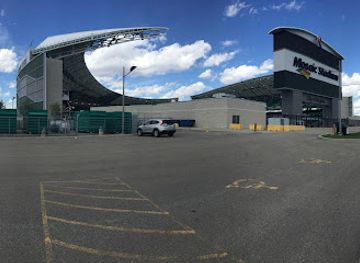
Mosaic Stadium
Discover the excitement of Mosaic Stadium in Regina, a premier venue for sports and entertainment, and experience Saskatchewan's vibrant culture.
-
Tourist attraction
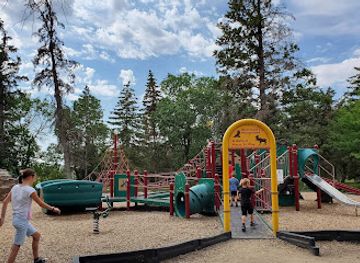
Saskatoon Forestry Farm Park & Zoo
Explore nature and wildlife at Saskatoon Forestry Farm Park & Zoo, a family-friendly attraction blending education with outdoor fun in Saskatchewan.
-
Tourist attraction
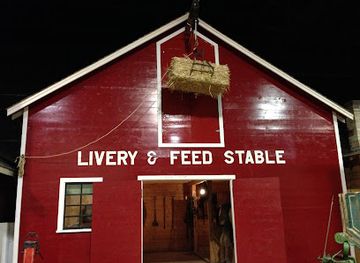
Western Development Museum (WDM) - Saskatoon
Discover the rich history of Saskatchewan at the Western Development Museum in Saskatoon – a captivating journey through time.
-
Museum
Royal Saskatchewan Museum
Explore Saskatchewan's rich natural history and cultural heritage at the Royal Saskatchewan Museum, where fascinating exhibits await every visitor.


Best landmarks in Alberta
-
Stadium
Mosaic Stadium
Discover the vibrant atmosphere of Mosaic Stadium in Regina, Saskatchewan, a premier venue for sports and entertainment that embodies local pride.
-
Movie theater
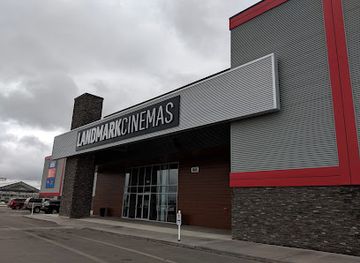
Landmark Cinemas Saskatoon
Discover the magic of movies at Landmark Cinemas Saskatoon, where cinematic experiences come to life in style and comfort.
-
Zoo
Saskatoon Forestry Farm Park & Zoo
Experience the beauty of nature and wildlife at Saskatoon Forestry Farm Park & Zoo, a must-visit destination for families and nature enthusiasts.
-
Park
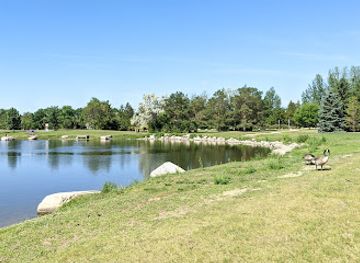
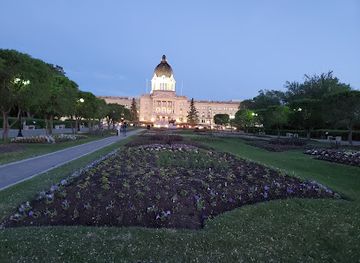
Wascana Place
Discover the beauty of Wascana Place, a tranquil park in Regina, Saskatchewan, where nature meets culture in a picturesque setting.
Explore Alberta on the map
Plan your trip on one map. See where the top cities, national parks and sights are, and book hotels and experiences in a few clicks.
Best hotels in Alberta
Best restaurants in Alberta
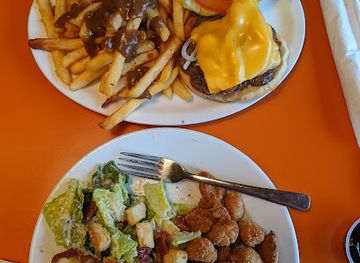
Alberta's dining reflects both its agricultural base and its increasingly diverse cities. Beef is prominent, joined by bison, game where legally and responsibly sourced, grains, pulses, greenhouse produce and berries. Calgary and Edmonton have the broadest range of restaurants, from contemporary Canadian cooking and Indigenous-led dining to cuisines brought by generations of immigrants. Mountain communities combine cafés, bakeries, casual restaurants and hotel dining, often catering to hikers and skiers, while rural towns may centre on family restaurants, diners, pubs and community markets. Farmers' markets provide seasonal vegetables, preserves, baking and locally made products, and craft breweries are found in many urban and regional centres. Visitors should distinguish Alberta's ranching and prairie produce from foods associated with Canada generally; menus frequently reinterpret local ingredients rather than follow a single fixed provincial cuisine.
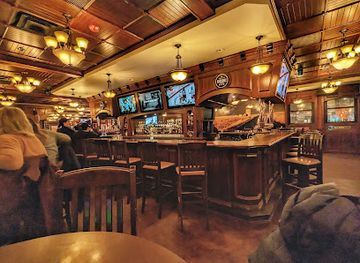
Best bars in Alberta
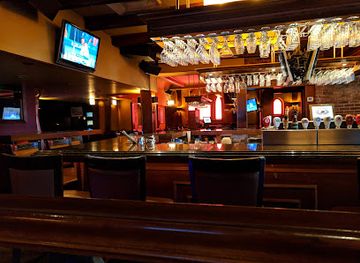
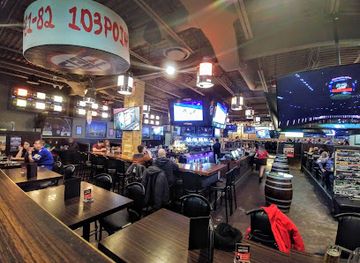
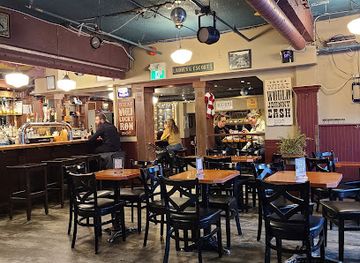
Evening life in Alberta varies considerably between its cities, mountain communities and rural towns. Calgary has the province's broadest concentration of cocktail bars, breweries, live-music venues and late-night entertainment, with additional activity associated with its festival and western-event calendar. Edmonton offers a substantial pub, music, theatre and arts scene, supported by its large student and cultural communities. Banff, Canmore and Jasper have relaxed après-ski and outdoor-oriented evenings, including pubs, breweries, restaurants and live music rather than a continuous club culture. Smaller communities generally focus on local pubs, lounges, community events and dining, with earlier closing patterns than the major cities. Seasonal demand can make mountain venues busy, while winter weather and long rural distances are important reasons to plan transport rather than drive after drinking.
-
Grill
Sir Winston Churchill Pub
Discover the lively charm of Sir Winston Churchill Pub, a premier spot for grill cuisine and vibrant nightlife in Montreal.
-
Sports bar
The Canadian Brewhouse (Winnipeg)
Discover the vibrant Canadian sports bar experience at The Canadian Brewhouse in Winnipeg, where great food meets exciting sports.
-
Bar
The Laff
Immerse yourself in Ottawa's nightlife at The Laff, a lively bar and live music venue offering a delicious menu and vibrant entertainment.
-
Pub
Hudsons Saskatoon
Discover Hudsons Saskatoon, a lively pub and restaurant, offering delicious food and drinks in the heart of the city, perfect for tourists and locals alike.
Best nightclubs in Alberta
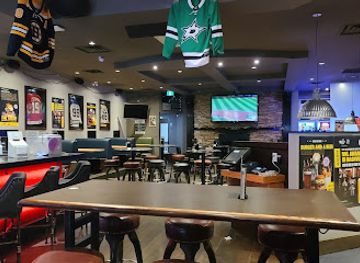
Evening life in Alberta varies considerably between its cities, mountain communities and rural towns. Calgary has the province's broadest concentration of cocktail bars, breweries, live-music venues and late-night entertainment, with additional activity associated with its festival and western-event calendar. Edmonton offers a substantial pub, music, theatre and arts scene, supported by its large student and cultural communities. Banff, Canmore and Jasper have relaxed après-ski and outdoor-oriented evenings, including pubs, breweries, restaurants and live music rather than a continuous club culture. Smaller communities generally focus on local pubs, lounges, community events and dining, with earlier closing patterns than the major cities. Seasonal demand can make mountain venues busy, while winter weather and long rural distances are important reasons to plan transport rather than drive after drinking.
Best shops in Alberta
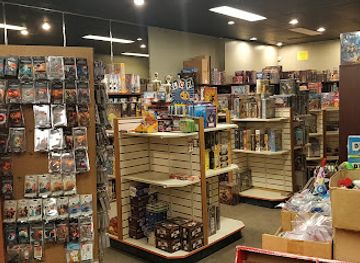
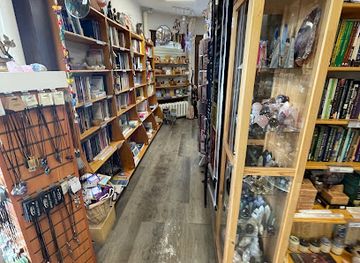
Shopping in Alberta ranges from urban retail districts and large centres to independent mountain-town shops, farmers' markets and rural main streets. Calgary offers the broadest selection of fashion, design, books, galleries and western-inspired goods, while Edmonton combines established shopping areas with independent retailers, cultural venues and craft producers. Banff, Canmore and Jasper are oriented towards outdoor equipment, practical travel clothing, art, jewellery, locally made products and souvenirs, although visitors should look beyond generic merchandise for regional work. Farmers' markets across the province sell seasonal produce, baking, preserves, honey and prepared foods, and craft breweries and food producers provide portable regional gifts. In the badlands and prairie communities, galleries, museums and artisan studios are useful places to find ceramics, textiles, paintings and Indigenous art; buy Indigenous-made work from reputable sellers who identify artists and communities clearly.
-
Gift shop
Manitou Springs Resort and Mineral Spa
Experience wellness and relaxation at Manitou Springs Resort and Mineral Spa, where natural mineral waters meet serene landscapes in Saskatchewan.
-
Game store
Dragon's Den Games
Explore a world of games at Dragon's Den Games, Saskatoon's premier destination for board games, RPGs, and a vibrant gamer community.
-
Gift shop
Agawa Crafts and the Canadian Carver
Explore Agawa Crafts and the Canadian Carver in Ontario for unique, handcrafted gifts that celebrate local artistry and culture.
-
Gift shop
Aware House Books
Discover Aware House Books in Regina: a unique gift shop and bookstore offering a blend of literature, candles, and metaphysical treasures.


Get your free copy of our complete guide to Alberta, delivered straight to you.
Everything on this page, from attractions and restaurants to essentials and local phrases, in one PDF you can read offline, print or share.
Already have an account? Sign in
Your Alberta guide is ready.
We'll send it to · Not you? Sign out

Getting your guide ready…
We are putting together a fresh copy of the Alberta guide. This can take up to a minute.
This can take a few moments. If your browser asks, choose Allow so the download can start. You'll find the guide in your Downloads folder.
Nothing happened? Download it again
Sorry, the guide is taking longer than usual. Please try again in a minute, or get it by email instead.
Alberta essentials
Currency and Payment
Safety
Emergency Situations
Do's and Don'ts
Local Tips
From Eve
Local phrases worth knowing
You don't need to get them perfect. A few words go a long way, and locals appreciate the effort.
Basics
| English | Local | Say it |
|---|---|---|
| Hello | Howdy | [haʊdi] |
| Goodbye | See ya | [si jə] |
| Yes | Yep | [jɛp] |
| No | Nah | [nɑ] |
| Please/You're welcome | You bet | [ju bɛt] |
| Thank you | Thanks | [θæŋks] |
| Excuse me/Sorry | Sorry 'bout that | [sɔri baʊt ðæt] |
| How are you? | How's it going? | [haʊz ɪt ˈgoʊɪŋ] |
| Fine. And you? | Good. You? | [ɡʊd. ju?] |
| Do you speak English? | Do ya speak English? | [du jə spiːk ˈɪŋɡlɪʃ] |
| I don't understand | I don't get it | [aɪ doʊnt ɡɛt ɪt] |
Eating & Drinking
| English | Local | Say it |
|---|---|---|
| I'd like to see the menu, please | Can I see the menu, please? | [kæn aɪ si ðə ˈmɛnjuː pliz] |
| I don't eat meat | I'm a vegetarian | [aɪm ə ˌvɛdʒəˈtɛriən] |
| Cheers! | Cheers! | [tʃɪrz] |
| I would like to pay, please | Can I get the bill, please? | [kæn aɪ ɡɛt ðə bɪl pliz] |
Emergencies
| English | Local | Say it |
|---|---|---|
| Help! | Help! | [hɛlp] |
| Go away! | Get lost! | [ɡɛt lɔst] |
| Call the Police! | Call 911! | [kɔl naɪn wʌn wʌn] |
| Call a doctor! | Get a doctor! | [ɡɛt ə ˈdɑktər] |
| I'm lost | I'm lost | [aɪm lɔst] |
| I'm ill | I'm not feeling well | [aɪm nɑt ˈfiːlɪŋ wɛl] |
Shopping
| English | Local | Say it |
|---|---|---|
| I'd like to buy... | I'd like to grab... | [aɪd laɪk tə ɡræb] |
| I'm just looking | Just browsing, thanks | [dʒʌst ˈbraʊzɪŋ, θæŋks] |
| How much is it? | What’s the price? | [wʌts ðə praɪs] |
| That's too expensive | That's way too pricey | [ðæts weɪ tu ˈpraɪsi] |
| Can you lower the price? | Can you make it cheaper? | [kæn jə meɪk ɪt ˈtʃiːpər] |
Time & Numbers
| English | Local | Say it |
|---|---|---|
| What time is it? | What time is it? | [wʌt taɪm ɪz ɪt] |
| It's one o'clock | It's one o'clock | [ɪts wʌn əˈklɑk] |
| Half past (10) | Half past ten | [hæf pæst tɛn] |
| Morning | Morning | [ˈmɔrnɪŋ] |
| Afternoon | Afternoon | [ˌæftərˈnun] |
| Evening | Evening | [ˈivnɪŋ] |
| Yesterday | Yesterday | [ˈjɛstərdeɪ] |
| Today | Today | [təˈdeɪ] |
| Tomorrow | Tomorrow | [təˈmɔroʊ] |
| 1 | One | [wʌn] |
| 2 | Two | [tu] |
| 3 | Three | [θri] |
| 4 | Four | [fɔr] |
| 5 | Five | [faɪv] |
| 6 | Six | [sɪks] |
| 7 | Seven | [ˈsɛvən] |
| 8 | Eight | [eɪt] |
| 9 | Nine | [naɪn] |
| 10 | Ten | [tɛn] |
Transport & Directions
| English | Local | Say it |
|---|---|---|
| Where's a/the...? | Where's the...? | [wɛrz ðə] |
| What's the address? | What's the address? | [wʌts ði əˈdrɛs] |
| Can you show me (on the map)? | Can you point it out on the map? | [kæn jə pɔɪnt ɪt aʊt ɑn ðə mæp] |
| When's the next (bus)? | When's the next bus? | [wɛn z ðə nɛkst bʌs] |
| A ticket (to ....) | A ticket to ... | [ə ˈtɪkɪt tə ...] |
History of Alberta
Indigenous Cultures and Ancient Landscapes
Alberta has been home to Indigenous peoples for thousands of years, including the Blackfoot Confederacy, Îyârhe Nakoda, Tsuut’ina, Cree, Dene, Métis and other nations. Archaeological evidence records long-standing relationships with the grasslands, rivers, foothills and boreal forests, while places such as Head-Smashed-In Buffalo Jump preserve evidence of sophisticated communal hunting practices. Indigenous histories remain living traditions rather than a prelude to colonial settlement, and visitors encounter them through cultural interpretation, contemporary art, language revitalisation and guided experiences across the province.
The Fur Trade and Early European Exploration
From the late eighteenth century, fur-trade networks connected Alberta's rivers and plains to companies operating across western and northern North America. Trading posts and river routes brought European goods into existing Indigenous economies, while explorers and surveyors gradually mapped the region for commercial and imperial purposes. The North Saskatchewan River corridor became particularly important, linking the interior with wider trade systems. These relationships involved cooperation, competition, disease and profound disruption, and they laid foundations for later colonial expansion.
Treaties, Settlement and the Railway
During the nineteenth century, the Canadian state negotiated numbered treaties with Indigenous nations while extending administrative control westward. The arrival of the Canadian Pacific Railway in the 1880s accelerated settlement, trade and tourism, and helped establish Calgary and Edmonton as important centres. Railway advertising promoted the Rocky Mountains as a destination, while farming communities expanded across the prairie. The period also brought dispossession, restrictions on Indigenous life and the difficult transition from established Indigenous economies to a settler agricultural society.
Alberta Becomes a Province, 1905
Alberta entered Confederation as a province in 1905, with Edmonton selected as its capital and Calgary becoming a major commercial centre. Early provincial development relied heavily on agriculture, rail connections and the growth of towns along transport corridors. Immigration from Europe and other parts of Canada enlarged the farming population, while Métis communities continued to maintain their own social and economic networks. Provincial institutions, schools and municipal governments expanded rapidly, although political power and land ownership remained deeply unequal.
Oil, Gas and the Modern Economy
The discovery of major oil reserves at Leduc, south of Edmonton, in 1947 transformed Alberta's economic and demographic history. Petroleum development stimulated investment, employment, urban growth and new transport infrastructure, helping Calgary become a headquarters for the energy industry. Oil and gas remain important, but the province's economy also includes agriculture, forestry, tourism, technology, education and manufacturing. Energy development has brought prosperity as well as continuing debates over land use, climate policy, Indigenous rights and environmental responsibility.
National Parks and Conservation
Banff, established in 1885 around the Cave and Basin hot springs, was Canada's first national park and became central to the development of Canadian tourism. Jasper, Waterton Lakes and other protected areas later extended conservation across Alberta's mountain ecosystems, forests and grasslands. The park system preserved important habitats and created a major visitor economy, but its history also includes the displacement and exclusion of Indigenous people and the management of landscapes without their consent. Contemporary conservation increasingly recognises Indigenous knowledge and partnerships.
Contemporary Alberta
Modern Alberta is shaped by rapid urbanisation, immigration, energy production, agricultural innovation, Indigenous resurgence and a strong culture of outdoor recreation. Calgary and Edmonton have become diverse metropolitan centres, while smaller communities retain distinctive agricultural, industrial and regional identities. The province continues to balance economic development with protection of mountains, watersheds, grasslands and forests. Museums, heritage sites and cultural organisations increasingly present a more inclusive account of Alberta, connecting Indigenous histories, settler experiences and the environmental consequences of change.
Alberta in Photos
Browse through our photo collection highlighting the charm and character of the destination.
Neighbouring regions of Alberta
The closest regions to Alberta, if you have time for more than one.
-

-

-

-

-


Swipe for more regions