
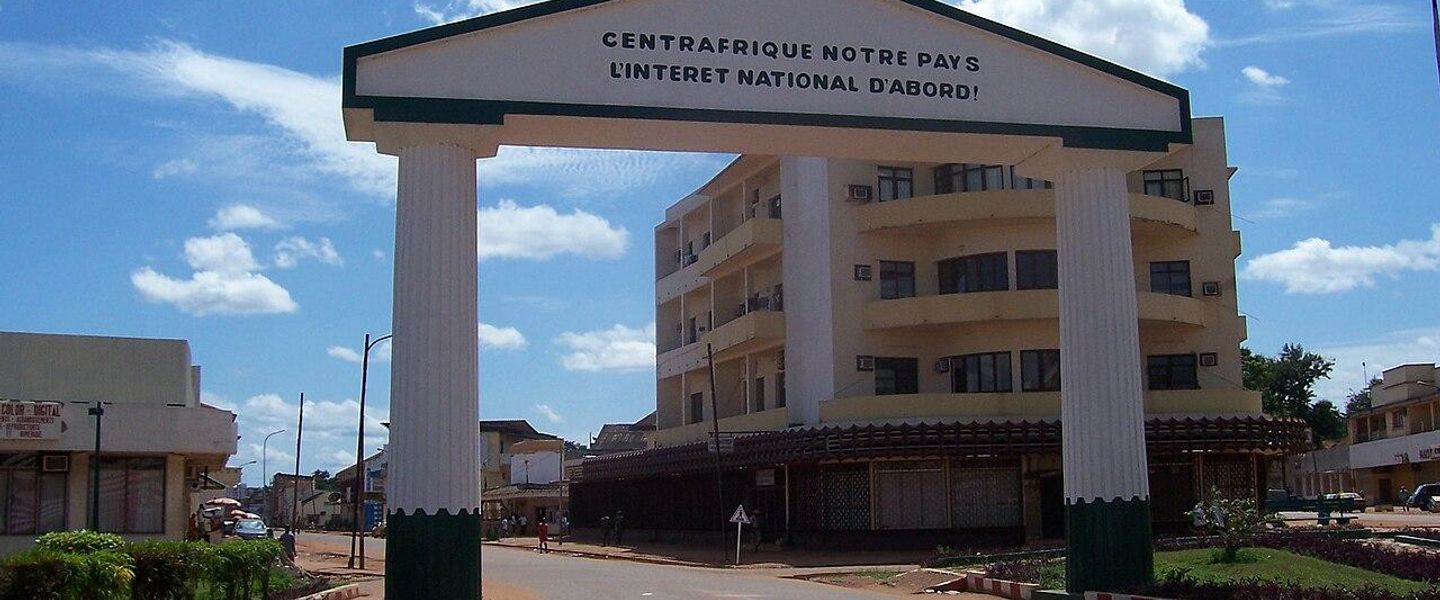
Bangui, Central African Republic Travel Guide
Experience the vibrant culture, rich history, and natural beauty of Bangui, the captivating capital of the Central African Republic.
Bangui, the capital city of the Central African Republic, is a hidden gem waiting to be explored. Situated on the banks of the Ubangi River, this vibrant city offers a unique blend of natural beauty, cultural richness, and historical significance. As you wander through the bustling markets, you'll find a treasure trove of local handicrafts, aromatic spices, and fresh produce. The warm and welcoming locals add to the city's charm, making every interaction memorable. A visit to the Boganda National Museum is a must for history enthusiasts. Here, you can delve into the rich heritage of the region, with exhibits showcasing traditional artifacts, ancient tools, and fascinating historical narratives. The Notre-Dame of Bangui Cathedral, with its stunning architecture, is another landmark that captures the spiritual essence of the city. Nature lovers will be enchanted by the scenic beauty of Bangui. The lush green landscapes, interspersed with the river's serene flow, create a picturesque setting. The city's parks and gardens offer a peaceful retreat from the urban hustle and bustle. For a unique experience, take a boat ride on the Ubangi River, where you can enjoy the tranquil waters and observe the diverse birdlife. Bangui also serves as a gateway to the Central African Republic's pristine national parks and wildlife reserves. A short drive from the city will take you to some of the most untouched and biodiverse ecosystems in Africa. Whether you're an adventure seeker or a culture enthusiast, Bangui offers a rich tapestry of experiences that will leave you longing for more.

Know before you go
Hi, I'm Eve. Here are a few practical things to know before exploring Bangui.
- Visit the Boganda National Museum early in the day to avoid the crowds and make the most of your visit.
- Try the local cuisine at the markets, especially the fresh fish dishes and traditional stews.
- Hire a local guide for a more immersive experience and to learn about the city's hidden gems and history.
- Carry cash in local currency as card payments are not widely accepted.
- Respect local customs and dress modestly, especially when visiting religious sites.
Explore Bangui: Things to Do, Places to Eat, Hotels & More
Handpicked recommendations for top attractions, local dining, accommodations, and more

Top Attractions & Sightseeing in Bangui
Top-rated picks
Best Attractions

Notre-Dame of Bangui Cathedral
Explore the magnificent Notre-Dame of Bangui Cathedral, a historical and architectural marvel in the heart of Central African Republic's capital.

Grande Mosquée de Bangui
Discover the Grande Mosquée de Bangui, a stunning architectural gem symbolizing faith and culture in the heart of Central African Republic.

Boganda National Museum
Discover the fascinating history and culture of Central Africa at Boganda National Museum in the heart of Bangui.

Best landmarks in Bangui
Top-rated picks
Best Landmarks

Notre-Dame of Bangui Cathedral
Discover the architectural beauty and cultural significance of Notre-Dame of Bangui Cathedral, a landmark of hope in the heart of Central African Republic.

Grande Mosquée de Bangui
Explore the Grande Mosquée de Bangui, an architectural gem and a symbol of peace in Central African Republic's vibrant cultural landscape.

Hotel Levy's
Experience Bangui from Hotel Levy's, offering comfortable accommodations and a central location for exploring the city's vibrant culture.

Boganda National Museum
Explore the vibrant culture and history of the Central African Republic at the Boganda National Museum, a treasure trove of art and heritage in Bangui.

Best restaurants in Bangui
Top-rated picks
Best Restaurants

Relais des Chasses
Experience authentic Central African flavors at Relais des Chasses, where delightful cuisine meets warm hospitality in Bangui.
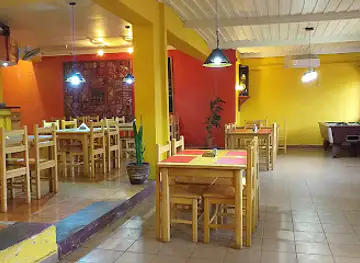
5 FOURCHETTES
Discover authentic Indian flavors at 5 Fourchettes in Bangui - where every dish tells a story.

L'Avenue Restaurant & Pâtisserie
Experience the best of Bangui's culinary delights at L'Avenue Restaurant & Pâtisserie – where tradition meets modernity in every dish.

Cafrina
Experience authentic Central African cuisine at Cafrina in Bangui – where every meal tells a story.

Best bars in Bangui
Top-rated picks
Best Bars

Relais des Chasses
Experience the rich flavors of Central African cuisine at Relais des Chasses, a cozy restaurant and bed & breakfast in Bangui.

5 FOURCHETTES
Discover a world of flavors at 5 FOURCHETTES, Bangui's premier destination for authentic Indian cuisine, offering a unique dining experience.

L'Avenue Restaurant & Pâtisserie
Experience the rich flavors and inviting atmosphere at L'Avenue Restaurant & Pâtisserie in Bangui, a culinary delight for all food lovers.

Cafrina
Experience the authentic flavors of Central African cuisine at Cafrina, a must-visit restaurant in Bangui.

Best nightclubs in Bangui
Top-rated picks
Best Nightclubs

Sewa Bar
Experience the heartbeat of Bangui's nightlife at Sewa Bar, where vibrant atmosphere meets delicious drinks and live music.

Le Balafon
Discover the vibrant nightlife of Bangui at Le Balafon, a lively bar offering local drinks and unforgettable atmosphere.

Bangui Rock Club
Experience the vibrant fitness scene at Bangui Rock Club, a premier gym in Bangui offering modern facilities and a welcoming atmosphere for tourists.

Mbiyé
Discover the lively ambiance of Mbiyé Bar in Bangui, where local culture meets refreshing drinks and vibrant social interaction.

Best shops in Bangui
Top-rated picks
Best Shops

Relais des Chasses
Experience the authentic flavors of Central Africa at Relais des Chasses, a charming restaurant and bed & breakfast in Bangui.

Bangui-M'Poko International Airport
Discover the gateway to Central Africa at Bangui-M'Poko International Airport, your starting point for adventure and cultural immersion.

5 FOURCHETTES
Discover the flavors of India in Bangui at 5 Fourchettes, where a culinary journey awaits in a cozy and vibrant setting.

Rayan Super Market
Explore Bangui's vibrant shopping scene at Rayan Super Market, where local and international products meet in a welcoming atmosphere.

Explore Bangui on the Map
A handpicked selection of must-see spots in Bangui, mapped for you.
Bangui Essentials
-
Bangui, the capital of the Central African Republic, is primarily accessed by air. The Bangui M'Poko International Airport (BGF) is the main entry point for international travelers. Several airlines operate flights to Bangui from various international destinations, including Air France, Kenya Airways, and Royal Air Maroc. Once at the airport, taxis and private transfers are available to take you to your accommodation.
-
Within Bangui, transportation options include taxis, motorcycle taxis (locally known as 'boda-bodas'), and minibuses. Taxis are a common and relatively affordable means of getting around, but it's important to negotiate the fare before starting your journey. Motorcycle taxis are faster but come with increased safety risks. Minibuses, often crowded, serve as the primary form of public transport for locals. If you prefer more control over your travel, renting a car with a driver is a viable option.
-
The official currency of the Central African Republic is the Central African CFA Franc (XAF). Credit cards are not widely accepted, and ATMs are limited, so it is advisable to carry enough cash for your expenses. Major hotels and some upscale restaurants may accept credit cards, but always check in advance. Currency exchange services are available at the airport and in some parts of the city.
-
Safety is a significant concern in Bangui. Some areas, such as the PK5 neighborhood, have high crime rates and are best avoided, especially after dark. Petty crime, such as pickpocketing and bag snatching, is common in crowded places like markets and public transport hubs. Always stay vigilant, keep your belongings secure, and avoid displaying valuables. It's recommended to use reputable taxi services and avoid walking alone at night.
-
In case of emergency, the local emergency number for police is 117, and for medical emergencies, it is 118. Major hospitals in Bangui include the Hôpital Communautaire and Hôpital de l'Amitié. It's advisable to have comprehensive travel insurance that covers medical emergencies and evacuation. For minor health issues, there are pharmacies throughout the city where you can purchase over-the-counter medications.
-
Fashion: Do dress modestly, especially when visiting religious or traditional sites. Avoid wearing revealing or flashy clothing. Religion: Do respect local customs and religious practices. Always ask for permission before taking photographs inside religious sites. Public Transport: Do be courteous and patient. Public transport can be crowded and chaotic. Don't argue with drivers or other passengers. Greetings: Do greet people with a handshake and a smile. It's polite to ask about someone's well-being before diving into conversation. Eating & Drinking: Do try local dishes and accept food or drink offerings graciously. Don't refuse hospitality, as it may be considered rude.
-
To experience Bangui like a local, visit the Central Market where you can buy fresh produce, local crafts, and textiles. Engage with locals, as they are often friendly and willing to share stories about their culture and daily life. Don't miss visiting the Boganda National Museum to learn about the country's history and heritage. For a unique experience, take a boat ride on the Ubangi River, offering a different perspective of the city and its surroundings.
When is the best time to visit Bangui?
Useful Local Phrases for Bangui
You don't need to speak the language perfectly. Even learning a few simple words can make conversations warmer—and locals usually appreciate the effort.
— Eve

Here are the phrases I use most often in Bangui. Try a few—you'll be surprised how far they go! 😊
❤️
-
- HelloMbote
[m-boh-teh] - GoodbyeNa bisso
[nah bee-soh] - YesEe
[eh] - NoTe
[teh] - Please/You're welcomeS'il vous plaît
[seel voo pleh] - Thank youMokili
[moh-kee-lee] - Excuse me/SorryPardon
[par-dohn] - How are you?Oyo na yo?
[oh-yoh nah yoh] - Fine. And you?Nabana. Na yo?
[nah-bah-nah nah yoh] - Do you speak English?O yo parle l'anglais?
[oh yoh parl l'ahn-gleh] - I don't understandNani na komprende
[nah-nee nah kohm-pren-day]
- HelloMbote
-
- I'd like to see the menu, pleaseNingui na banga menu, s'il vous plaît
[neen-gee nah ban-gah meh-nu, seel voo pleh] - I don't eat meatNani na mangé viande
[nah-nee nah mahn-zhey v'yahnd] - Cheers!A votre santé!
[ah voh-truh sahn-tay] - I would like to pay, pleaseNingui na paye, s'il vous plaît
[neen-gee nah pah-yeh, seel voo pleh]
- I'd like to see the menu, pleaseNingui na banga menu, s'il vous plaît
-
- Help!Aide!
[ehd] - Go away!Va t'en!
[vah tahn] - Call the Police!Appelle la Police!
[ah-pehl lah poh-lees] - Call a doctor!Appelle un docteur!
[ah-pehl uhn doh-ktehr] - I'm lostNa perdu
[nah pair-doo] - I'm illNa malade
[nah mah-lahd]
- Help!Aide!
-
- I'd like to buy...Ningui na achete...
[neen-gee nah ah-sheh-tay] - I'm just lookingNa just regader
[nah zhuh-st reh-gah-day] - How much is it?C'est combien?
[seh kohm-byen] - That's too expensiveC'est trop cher
[seh troh shair] - Can you lower the price?Ou peux baisser le prix?
[oo puh beh-say luh pree]
- I'd like to buy...Ningui na achete...
-
- What time is it?Quel heure est-il?
[kel uhr eh-teel] - It's one o'clockIl est une heure
[eel eh uhn uhr] - Half past (10)Demi (10)
[duh-mee (diz)] - MorningMatin
[mah-tahn] - AfternoonAprès-midi
[ah-preh-mee-dee] - EveningSoir
[swahr] - YesterdayHier
[ee-ehr] - TodayAujourd'hui
[oh-zhoor-dwee] - TomorrowDemain
[duh-mahn] - 1Un
[uhn] - 2Deux
[duh] - 3Trois
[trwah] - 4Quatre
[katr] - 5Cinq
[sank] - 6Six
[sees] - 7Sept
[set] - 8Huit
[weet] - 9Neuf
[nurf] - 10Dix
[deez]
- What time is it?Quel heure est-il?
-
- Where's a/the...?Où est le/la...?
[oo eh luh/lah] - What's the address?Quelle est l'adresse?
[kel eh l'ah-dress] - Can you show me (on the map)?Peux-tu me montrer?
[puh tu meh mohn-tray] - When's the next (bus)?Quand est le prochain (bus)?
[kahn eh luh proh-shen] - A ticket (to ....)Un billet (pour....)
[uhn bee-yay (poor)]
- Where's a/the...?Où est le/la...?
History of Bangui
-
Bangui was founded by French colonialists in 1889 as a military post. Its strategic location along the Ubangi River made it an ideal spot for trade and military operations. The name 'Bangui' is derived from the Bobangi word for 'rapids,' referencing the nearby river's turbulent waters.
-
During the colonial period, Bangui served as an administrative center for French Equatorial Africa. The city's infrastructure, including roads, schools, and hospitals, was developed to support French colonial administration and settlers.
-
Following the Central African Republic's independence from France in 1960, Bangui became the capital city. The subsequent decades were marked by political instability, including coups and conflicts, which significantly impacted the city's development and infrastructure.
-
One of the most infamous periods in Bangui's history was during the rule of Jean-Bédel Bokassa, who declared himself Emperor of the Central African Empire in 1976. His reign was marked by extravagant spending and human rights abuses, which left deep scars on the city and its inhabitants.
-
Despite political challenges, Bangui has seen various economic developments over the years. The city is a crucial hub for trade and commerce within the country, with bustling markets such as the Boganda National Museum Market and the Boy Rabe Market, where locals and visitors alike can experience the vibrant culture and daily life of the Central African Republic.
-
Bangui is rich in cultural heritage, with numerous sites and institutions that celebrate the history and traditions of the Central African Republic. The Boganda National Museum, named after the country's first Prime Minister, showcases artifacts and exhibits that highlight the region's diverse ethnic groups and historical events.
-
In recent years, Bangui has faced numerous challenges, including ongoing political instability and security issues. Despite these difficulties, the city's resilient population continues to rebuild and strive for a better future, preserving their cultural identity and heritage.
-
Bangui boasts several architectural landmarks that reflect its historical and cultural evolution. Notable structures include the Presidential Palace, the Notre-Dame of Bangui Cathedral, and the Barthélemy Boganda Stadium, each offering a glimpse into the city's colonial past and modern aspirations.
Neighbouring Regions of Bangui
The closest regions to Bangui, if you have time for more than one.


Your all‑in‑one travel companion app
Explore expert travel guides, compare and book tours, experiences, hotels, and more—all from the palm of your hand. Download now for seamless trip planning wherever your wanderlust takes you.


Explore More of Central African Republic

Looking beyond Bangui? Discover Central African Republic for broader travel guides, local hot-spots, and regional highlights.
Explore Central African RepublicBangui in Photos
Browse through our photo collection highlighting the charm and character of the destination.
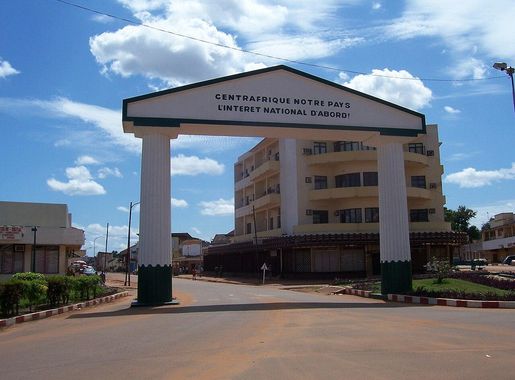


Discover the Heart of Africa: Bangui
Bangui, the capital city of the Central African Republic, is a hidden gem waiting to be explored. Situated on the banks of the Ubangi River, this vibrant city offers a unique blend of natural beauty, cultural richness, and historical significance. As you wander through the bustling markets, you'll find a treasure trove of local handicrafts, aromatic spices, and fresh produce. The warm and welcoming locals add to the city's charm, making every interaction memorable. A visit to the Boganda National Museum is a must for history enthusiasts. Here, you can delve into the rich heritage of the region, with exhibits showcasing traditional artifacts, ancient tools, and fascinating historical narratives. The Notre-Dame of Bangui Cathedral, with its stunning architecture, is another landmark that captures the spiritual essence of the city. Nature lovers will be enchanted by the scenic beauty of Bangui. The lush green landscapes, interspersed with the river's serene flow, create a picturesque setting. The city's parks and gardens offer a peaceful retreat from the urban hustle and bustle. For a unique experience, take a boat ride on the Ubangi River, where you can enjoy the tranquil waters and observe the diverse birdlife. Bangui also serves as a gateway to the Central African Republic's pristine national parks and wildlife reserves. A short drive from the city will take you to some of the most untouched and biodiverse ecosystems in Africa. Whether you're an adventure seeker or a culture enthusiast, Bangui offers a rich tapestry of experiences that will leave you longing for more.