

Free Sangha-Mbaéré Travel Guide & Mobile App
Explore Sangha-Mbaéré with free travel guides. Discover regional history, expert tips, proposed trips, and audio guides on web or mobile app.


Explore Sangha-Mbaéré in the Central African Republic for rainforest wildlife, Dzanga Bai, river journeys and carefully guided conservation travel.
Read more about Sangha-Mbaéré
When is the best time to visit Sangha-Mbaéré?
Best: November–January · 30–31°C| Month | High (°C) | Rainfall (mm) |
|---|---|---|
| January (best) | 30 | 4 |
| February | 31 | 5 |
| March | 31 | 7 |
| April | 32 | 8 |
| May | 32 | 8 |
| June | 32 | 11 |
| July | 32 | 12 |
| August | 31 | 13 |
| September | 31 | 11 |
| October | 31 | 10 |
| November (best) | 31 | 6 |
| December (best) | 31 | 5 |
Getting to and around Sangha-Mbaéré
How to get there
Transportation
Destinations in Sangha-Mbaéré
Resorts, valleys and scenic spots worth a trip of their own.
-

-


Swipe for more destinations
Best attractions in Sangha-Mbaéré
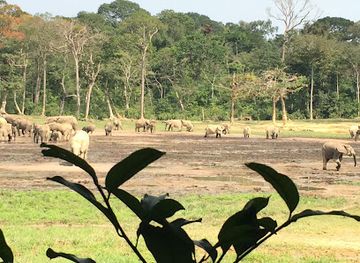
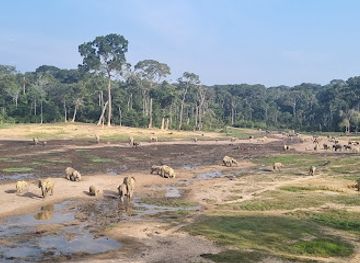
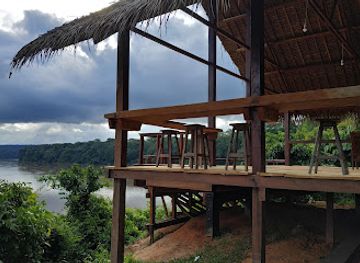
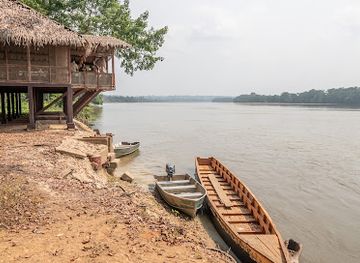
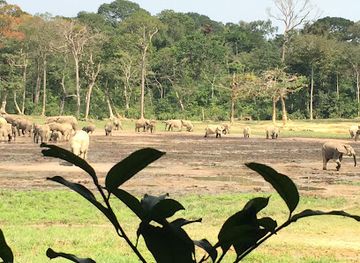
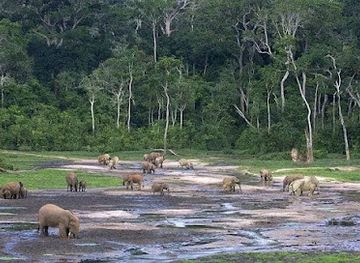
The principal attraction of Sangha-Mbaéré is the Dzanga-Sangha Protected Areas, where guided forest excursions reveal the scale and complexity of the south-western rainforest. Dzanga Bai is the best-known site: a mineral-rich clearing that attracts forest elephants and other wildlife, usually observed from a purpose-built platform or designated viewpoint under strict guidance. Other excursions may focus on primates, forest buffalo, sitatunga, birds and the changing signs of animal activity along forest tracks, although sightings are never guaranteed. River journeys on the Sangha provide a different perspective, opening views of forest margins and waterways that support fishing and transport. Cultural activities arranged with local communities can introduce forest knowledge, crafts and livelihoods when conducted with consent and appropriate local benefit. Bayanga itself is a small conservation settlement rather than a conventional tourist town, with attractions centred on the surrounding protected landscape. The wider Sangha Trinational lies across borders in Cameroon and the Republic of the Congo; those neighbouring parks are not attractions within Sangha-Mbaéré and require separate border and travel arrangements.
-
Nature preserve
Dzanga Bai (The Village of Elephants)
Experience the breathtaking beauty of Dzanga Bai, a premier nature preserve in the Central African Republic, home to majestic elephants and diverse wildlife.
-
National park
Dzanga-Sangha National Park
Embark on an unforgettable journey through Dzanga-Sangha National Park, a sanctuary of biodiversity and stunning landscapes in Central Africa.
-
 Tourist attraction
Village NDJALOBEKOÉ
Experience the authenticity of Cameroon in Village NDJALOBEKOÉ, a hidden gem rich in culture, tradition, and stunning natural beauty.
Best landmarks in Sangha-Mbaéré
Dzanga Bai is Sangha-Mbaéré’s most recognisable natural landmark, a broad mineral clearing in the forest whose name has become closely associated with gatherings of forest elephants. Its importance is ecological as well as visual: mineral-rich ground draws wildlife into an open space within otherwise dense rainforest, allowing carefully managed observation. The Sangha River is another defining landmark, marking the prefecture’s western forest geography and linking the Central African section of the rainforest to neighbouring conservation areas. Around Bayanga, the transition between settlement, forest tracks and protected woodland illustrates the region’s unusual relationship between conservation infrastructure and remote community life. The wider Dzanga-Sangha landscape is significant because it forms part of the Sangha Trinational World Heritage site, shared ecologically with protected areas across the borders of Cameroon and the Republic of the Congo. Those neighbouring sections are not within Sangha-Mbaéré, but their connection explains why the prefecture’s forests have international importance. Unlike more built-up Central African destinations, the region’s landmarks are primarily ecological places rather than monuments, cathedrals or historic urban architecture.
-
Hotel
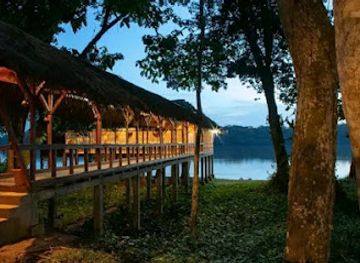
Sangha Lodge
Discover the tranquil beauty of Sangha Lodge in Djomo, a serene hotel retreat perfect for nature lovers and adventure seekers alike.
-
Hotel
Doli Lodge
Discover the beauty of Bayanga at Doli Lodge, an inviting hotel offering comfort, local culture, and unforgettable wildlife experiences in the heart of the Central African Republic.
-
Nature preserve
Dzanga Bai (The Village of Elephants)
Explore Dzanga Bai, a breathtaking nature preserve in Central African Republic, home to magnificent African forest elephants and rich biodiversity.
-
National park
Dzanga-Sangha National Park
Discover the rich biodiversity and stunning landscapes of Dzanga-Sangha National Park, a true gem for wildlife enthusiasts and nature lovers.
Explore Sangha-Mbaéré on the map
Plan your trip on one map. See where the top cities, national parks and sights are, and book hotels and experiences in a few clicks.
Best hotels in Sangha-Mbaéré
Best restaurants in Sangha-Mbaéré
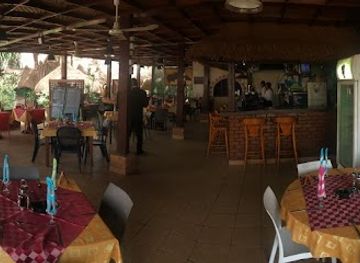
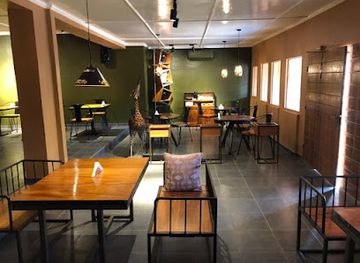
Dining in Sangha-Mbaéré is shaped by remoteness rather than by a developed restaurant scene. Visitors generally eat at their lodge, camp or organised base in Bayanga, with meals planned around supplies brought in from larger towns or transported through difficult routes. Rice, plantain, cassava, beans, vegetables, chicken and fish may appear alongside Central African preparations, while seasonal forest produce can form part of local diets. Food experiences should never encourage the consumption or purchase of protected wildlife, and visitors should check how operators source meat and other ingredients. Markets and informal food stalls are limited compared with Bangui, so special dietary requirements, snacks and water should be discussed before departure. Shared meals can offer a useful introduction to everyday regional cooking, but travellers should not expect a choice of cafés, bars or fine-dining venues. The most responsible approach is to support accommodation and catering arrangements that employ local staff and purchase lawful produce from nearby communities.
-
Restaurant
Restaurant Celeste
Discover authentic Central African cuisine at Restaurant Celeste in Bangui – where tradition meets taste.
Best bars in Sangha-Mbaéré
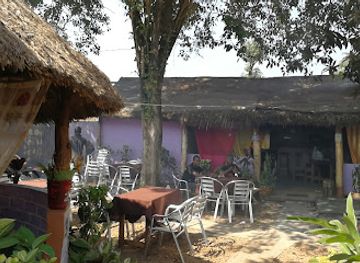
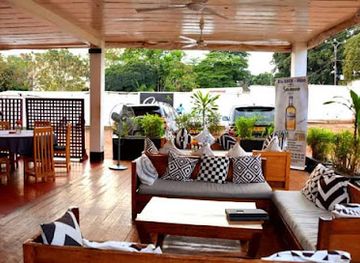
Sangha-Mbaéré does not have a conventional nightlife scene, and Bayanga should not be approached as a destination for clubs or late-night entertainment. Evenings generally centre on lodge or camp meals, conversation, quiet observation of the forest and occasional informal gatherings. Small local drinking places may exist, but availability, security and opening arrangements are variable and should not be assumed. Alcohol should be consumed moderately, particularly where roads, boats, wildlife excursions or early departures are involved. The sounds of the forest after dark are part of the region’s atmosphere, but visitors must follow accommodation rules, use torches and never leave a camp or guided area alone. Operators may sometimes organise cultural presentations or community activities, but these should be locally agreed rather than treated as scheduled nightlife. The region’s evening character is best understood through its remote environment and conservation setting, not through bars or nightclubs.
-
Restaurant
Relais des Chasses
Experience the essence of Bangui at Relais des Chasses, where culinary delights meet Central African hospitality in a cozy atmosphere.
-
Restaurant
5 FOURCHETTES
Experience the vibrant flavors of Central Africa at 5 FOURCHETTES, a must-visit restaurant in Bangui for food lovers.
-
Restaurant
Cafrina
Experience the rich flavors of Bangui at Cafrina, a culinary haven offering both local and international dishes in a warm atmosphere.
-
Restaurant
Restaurant Le M'
Discover the authentic flavors of Central Africa at Restaurant Le M', a must-visit culinary experience in Bangui.
Best nightclubs in Sangha-Mbaéré
-
Hotel
Doli Lodge
Experience the beauty of Dzanga-Sangha National Park at Doli Lodge, where comfort meets adventure in the heart of nature.
-
National park
Dzanga-Ndoki National Park
Explore the breathtaking landscapes and diverse wildlife of Dzanga-Ndoki National Park, a must-visit destination for nature lovers in Central Africa.
-
Park
Dzanga Sangha Park HQ
Discover the breathtaking biodiversity and rich cultural heritage of Dzanga Sangha Park HQ in the Central African Republic.
Best shops in Sangha-Mbaéré
Shopping in Sangha-Mbaéré is limited and practical, with no substantial retail district or dependable range of specialist shops. Bayanga may offer basic locally made goods and everyday supplies, but visitors should bring essential toiletries, medicines, batteries, snacks and other specialist items from Bangui or their point of departure. Potential purchases include locally produced crafts, woven articles, carvings and small souvenirs, provided they are made and sold lawfully without protected animal materials or illegally collected forest products. Ask guides or accommodation staff about appropriate sources and pay a fair price rather than bargaining aggressively over modest amounts. Regional food products may be available through informal community sales, but supply is seasonal and transport constraints can affect availability. Avoid purchasing ivory, skins, feathers, bones, live animals, rare timber or archaeological objects; these may breach conservation or customs laws even when offered for sale. Shopping here is best treated as limited support for local livelihoods, not as a major activity within a remote wildlife destination.
-
Shopping mall
Village Market
Explore the vibrant Village Market in Nairobi for a unique blend of shopping, dining, and cultural experiences that reflect the heart of Kenya.
-
Souvenir store
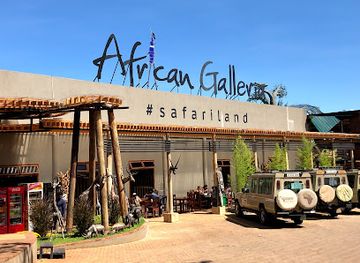
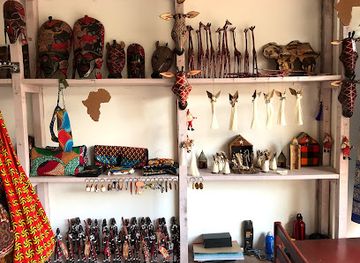
African Galleria
Explore the vibrant craftsmanship of Tanzania at African Galleria, where every souvenir tells a unique story of culture and artistry.
-
Gift shop
Mama Africa Gift Shop
Explore Mama Africa Gift Shop: Your destination for authentic Tanzanian souvenirs, antiques, and local art that support local communities.
-
Shopping mall
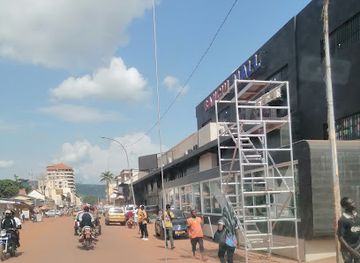
Bangui Mall
Explore Bangui Mall for a unique shopping experience intertwined with local culture, cuisine, and entertainment in the heart of Central African Republic.
Get your free copy of our complete guide to Sangha-Mbaéré, delivered straight to you.
Everything on this page, from attractions and restaurants to essentials and local phrases, in one PDF you can read offline, print or share.
Already have an account? Sign in
Your Sangha-Mbaéré guide is ready.
We'll send it to · Not you? Sign out

Getting your guide ready…
We are putting together a fresh copy of the Sangha-Mbaéré guide. This can take up to a minute.
This can take a few moments. If your browser asks, choose Allow so the download can start. You'll find the guide in your Downloads folder.
Nothing happened? Download it again
Sorry, the guide is taking longer than usual. Please try again in a minute, or get it by email instead.
Sangha-Mbaéré essentials
Currency and Payment
Safety
Emergency Situations
Do's and Don'ts
Local Tips
From Eve
Local phrases worth knowing
You don't need to get them perfect. A few words go a long way, and locals appreciate the effort.
Basics
| English | Local | Say it |
|---|---|---|
| Hello | Mbote | [m-bo-tay] |
| Goodbye | Na ko yeke | [na ko yeh-kay] |
| Yes | Oyo | [oh-yo] |
| No | Te | [tay] |
| Please/You're welcome | S'il vous plaît | [seel voo pleh] |
| Thank you | Mesi | [meh-see] |
| Excuse me/Sorry | Mokolo | [mo-ko-lo] |
| How are you? | Ndenge nini? | [ndeng-eh nee-nee] |
| Fine. And you? | Nzoto. Na yo? | [nzo-toh. nah yo?] |
| Do you speak English? | O yeke lingala? | [oh yeh-kay lin-gah-lah] |
| I don't understand | Nani na yeke | [nah-nee nah yeh-kay] |
Eating & Drinking
| English | Local | Say it |
|---|---|---|
| I'd like to see the menu, please | Ninaka na yeke menu, s'il vous plaît | [nee-nah-kah nah yeh-kay meh-nu, seel voo pleh] |
| I don't eat meat | Nani n'na te nyama | [nah-nee n'na tay nyah-mah] |
| Cheers! | Na ndogo! | [nah n-do-go] |
| I would like to pay, please | Ninaka na yeke kobonga, s'il vous plaît | [nee-nah-kah nah yeh-kay koh-bon-gah, seel voo pleh] |
Emergencies
| English | Local | Say it |
|---|---|---|
| Help! | Yango! | [yan-go] |
| Go away! | Yaka! | [yah-kah] |
| Call the Police! | Bona Police! | [bo-nah po-lees] |
| Call a doctor! | Bona dokita! | [bo-nah do-kee-tah] |
| I'm lost | Nani n'na zinga | [nah-nee n'na zing-ah] |
| I'm ill | Nani n'na yeke nzoto | [nah-nee n'na yeh-kay nzo-toh] |
Shopping
| English | Local | Say it |
|---|---|---|
| I'd like to buy... | Ninaka na yeke zinga... | [nee-nah-kah nah yeh-kay zing-ah] |
| I'm just looking | Nani na yeke na zinga | [nah-nee nah yeh-kay nah zing-ah] |
| How much is it? | Ndenge mbongo? | [ndeng-eh m-bon-go] |
| That's too expensive | Oye mbongo te | [oh-yeh m-bon-go tay] |
| Can you lower the price? | O yeke na yeke mbongo? | [oh yeh-kay nah yeh-kay m-bon-go] |
Time & Numbers
| English | Local | Say it |
|---|---|---|
| What time is it? | Ndenge mibele? | [ndeng-eh mee-beh-leh] |
| It's one o'clock | Oye mboko moko | [oh-yeh m-bo-ko mo-ko] |
| Half past (10) | Ndenge mibele nkoni (10) | [ndeng-eh mee-beh-leh n-koh-nee (10)] |
| Morning | Ntolo | [n-toh-lo] |
| Afternoon | Bokoko | [bo-koh-koh] |
| Evening | Mokolo | [mo-ko-lo] |
| Yesterday | Loboko | [lo-bo-koh] |
| Today | Lobongo | [lo-bon-go] |
| Tomorrow | Loboko lobi | [lo-bo-koh lo-bee] |
| 1 | Moko | [mo-ko] |
| 2 | Mokolo | [mo-ko-lo] |
| 3 | Mpatio | [mpa-tee-oh] |
| 4 | Mokono | [mo-ko-no] |
| 5 | Mokolo mine | [mo-ko-lo mee-neh] |
| 6 | Mokolo moke | [mo-ko-lo mo-keh] |
| 7 | Mokolo nsambo | [mo-ko-lo n-sam-bo] |
| 8 | Mokolo nwete | [mo-ko-lo n-weh-teh] |
| 9 | Mokolo nsambo mine | [mo-ko-lo n-sam-bo mee-neh] |
| 10 | Mokolo zoro | [mo-ko-lo zo-ro] |
Transport & Directions
| English | Local | Say it |
|---|---|---|
| Where's a/the...? | Eka na ...? | [eh-kah nah ...?] |
| What's the address? | Ndenge adres? | [ndeng-eh ah-dres] |
| Can you show me (on the map)? | O yeke na yeke (na katanga)? | [oh yeh-kay nah yeh-kay (nah kah-tan-gah)?] |
| When's the next (bus)? | Ndenge bus ya lobi? | [ndeng-eh boos yah lo-bee?] |
| A ticket (to ....) | Mokolo (na ...) | [mo-ko-lo nah ...] |
History of Sangha-Mbaéré
Forest communities and precolonial exchange
Long before modern administrative boundaries, the south-western forests were inhabited and used by communities with extensive knowledge of seasonal plants, animals, waterways and forest paths. BaAka communities have traditionally maintained close relationships with the rainforest, while other communities developed farming, fishing, hunting and trading systems around forest settlements and rivers. Exchange across the Sangha basin connected people who now live in different countries. These older patterns remain important to understanding the region, even though contemporary land use, conservation rules and political borders have changed access to forest resources.
Colonial Ubangi-Shari and the Sangha basin
During the colonial period, the area became part of French Equatorial Africa and later Ubangi-Shari, the territory that preceded the Central African Republic. Colonial administration was distant and uneven in this heavily forested region, but river routes, concessionary interests and mission activity linked the south-west to wider commercial networks. The boundaries imposed during this period cut across older patterns of movement in the Sangha basin. After independence in 1960, Sangha-Mbaéré remained one of the country’s least accessible and least urbanised areas.
Forest commodities and transport links
Timber became an important commercial resource in the south-western forests, with logging roads and concession areas influencing settlement and employment. The sector brought income and transport connections but also raised lasting questions about forest management, local access to resources and the effects of road construction on wildlife. Because Sangha-Mbaéré is far from Bangui and separated from the capital by difficult roads, commercial activity has always depended heavily on seasonal access and river or air transport. Forestry remains part of the region’s modern economic history, alongside conservation and subsistence livelihoods.
Creation of the Dzanga-Sangha protected areas
The Dzanga-Sangha Special Reserve and Dzanga-Sangha National Park were established in 1990 to protect a major block of south-western rainforest and its wildlife. The protected areas include Dzanga Bai, where forest elephants and other animals gather at mineral-rich clearings, as well as extensive habitat for primates, buffalo and forest antelope. Their creation marked a shift towards internationally supported conservation and research. It also created new tensions and opportunities for neighbouring communities, whose livelihoods and customary forest use have had to be considered alongside wildlife protection.
The Sangha Trinational landscape
Conservation planning increasingly recognised that wildlife and waterways do not stop at national frontiers. The Dzanga-Sangha areas in the Central African Republic were therefore linked conceptually and institutionally with Lobéké National Park in Cameroon and Nouabalé-Ndoki National Park in the Republic of the Congo. Together they form the Sangha Trinational, inscribed on the UNESCO World Heritage List in 2012 for its large, relatively intact Central African rainforest ecosystem. The designation highlights the regional importance of cooperation, although travel between the three national sections remains a specialised undertaking.
Contemporary conservation and community participation
Since the late twentieth century, Sangha-Mbaéré has become associated internationally with rainforest research, wildlife protection and carefully managed nature tourism. Conservation organisations, park authorities and local communities have worked around Bayanga to develop guiding, monitoring and community-oriented initiatives. Progress has been affected by the Central African Republic’s wider political and security difficulties, as well as by the practical costs of operating in a remote forest. Today the prefecture’s future depends on balancing biodiversity protection, lawful local livelihoods, responsible tourism and the security of people living near the protected areas.
Sangha-Mbaéré in Photos
Browse through our photo collection highlighting the charm and character of the destination.
Neighbouring regions of Sangha-Mbaéré
The closest regions to Sangha-Mbaéré, if you have time for more than one.
-

-

-

-

-


Swipe for more regions
Explore more

Explore more of Central African Republic
Explore the Central African Republic: A land of untamed wilderness, rich culture, and unforgettable adventures in the heart of Africa.
Explore Central African Republic