

Free Kémo Travel Guide & Mobile App
Explore Kémo with free travel guides. Discover regional history, expert tips, proposed trips, and audio guides on web or mobile app.


Kémo travel guide covering Sibut, savannah landscapes, river country, local markets, practical transport and essential security advice in Central African Republic.
Read more about Kémo
When is the best time to visit Kémo?
Best: December–February · 30–32°C| Month | High (°C) | Rainfall (mm) |
|---|---|---|
| January (best) | 31 | 5 |
| February (best) | 32 | 10 |
| March | 34 | 20 |
| April | 34 | 40 |
| May | 33 | 60 |
| June | 32 | 100 |
| July | 31 | 120 |
| August | 31 | 120 |
| September | 31 | 100 |
| October | 31 | 60 |
| November | 31 | 30 |
| December (best) | 30 | 5 |
Getting to and around Kémo
How to get there
Transportation
Best attractions in Kémo
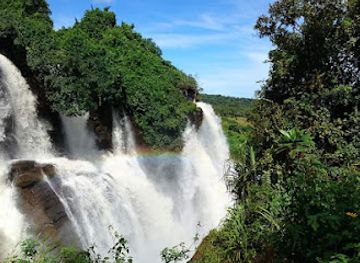
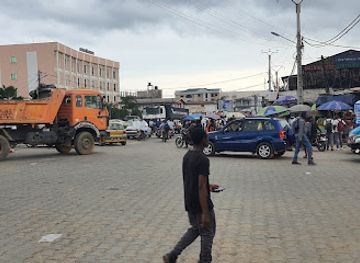
Kémo has a modest and largely informal attraction landscape rather than a developed programme of ticketed sights. Sibut is the main place to observe everyday commerce, administrative life and the movement of goods along the eastward road corridor. Local markets, cultivated countryside and the seasonal landscapes around the Kémo River offer insight into the prefecture's rural economy, although visits require permission, local guidance and careful security planning. Roadside settlements and river crossings can reveal the transition from Bangui's metropolitan environment to central savannah country, but they are working landscapes rather than leisure facilities. There are no widely established international visitor circuits, major museum network or dependable resort infrastructure in the prefecture. Outdoor observation, local conversations arranged through trusted contacts and an understanding of agriculture and transport are more realistic experiences than independent sightseeing. Visitors should not travel to remote areas simply in search of scenery, as distances, medical limitations, weather and insecurity can turn a short excursion into a serious logistical problem. Kémo is therefore best approached as a place of geographic and social interest for prepared travellers, researchers and organisations with a clear reason to be present.
-
Mosque
Grande Mosquée de Bangui
Discover the Grande Mosquée de Bangui, an architectural gem and cultural landmark in the heart of Central African Republic, rich in history and spiritual significance.
-
National park
Manovo-Gounda-Saint Floris National Park
Experience the breathtaking wildlife and natural beauty of Manovo-Gounda-Saint Floris National Park, a UNESCO World Heritage site in Central Africa.
-
Museum
Boganda National Museum
Explore the cultural heritage of the Central African Republic at the Boganda National Museum, a treasure trove of history and art in Bangui.


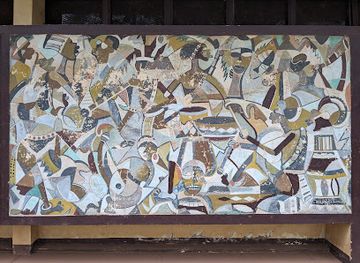
Best landmarks in Kémo
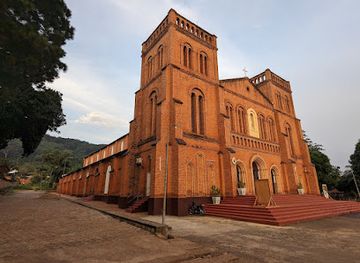
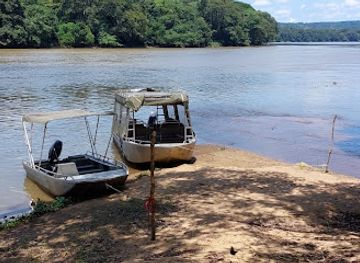
Sibut itself is Kémo's principal built reference point, serving as the prefectural capital and as a visible marker of the road connection between Bangui and the Central African interior. Its significance lies in its administrative, commercial and transport role rather than in a concentration of monumental architecture. The Kémo River is the prefecture's defining natural landmark, giving the region its name and illustrating the seasonal waterways that shape settlement, agriculture and travel. The eastward road corridor is also a functional landmark: its changing surface, bridges, roadside markets and settlements show how a landlocked prefecture remains connected to the national capital. Beyond Sibut, Kémo's most meaningful landmarks are often modest churches, public buildings, market spaces, river crossings and cultivated landscapes whose importance is local and contemporary. These places should be visited with permission and local guidance, especially where infrastructure or security installations are involved. Travellers should not expect a dense collection of castles, ancient monuments or formally preserved heritage sites, and should avoid attributing attractions from Bangui or neighbouring prefectures to Kémo.
-
Cathedral
Notre-Dame of Bangui Cathedral
Discover the Notre-Dame of Bangui Cathedral, an architectural and spiritual landmark in the heart of the Central African Republic.
-
Tourist attraction
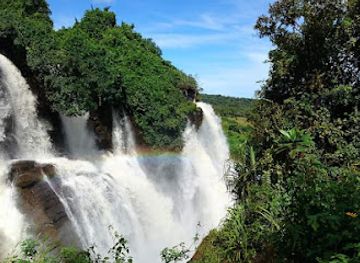
Chutes de Boali
Discover the breathtaking beauty of Chutes de Boali, a stunning waterfall in the heart of Central African Republic, ideal for nature lovers and explorers.
-
Tour operator
Central African Republic Travel and Tours
Embark on an unforgettable journey through the stunning landscapes and vibrant culture of the Central African Republic with tailored tours for every adventurer.
-
Mosque
Grande Mosquée de Bangui
Discover the Grande Mosquée de Bangui, a symbol of faith, culture, and peaceful coexistence in the heart of the Central African Republic.

Explore Kémo on the map
Plan your trip on one map. See where the top cities, national parks and sights are, and book hotels and experiences in a few clicks.
Best hotels in Kémo
Best restaurants in Kémo
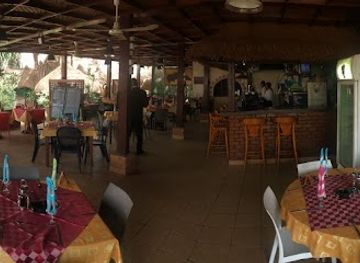
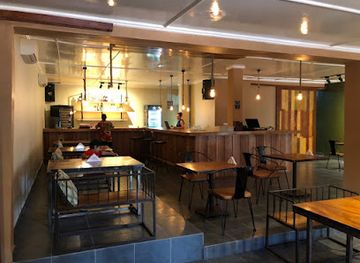
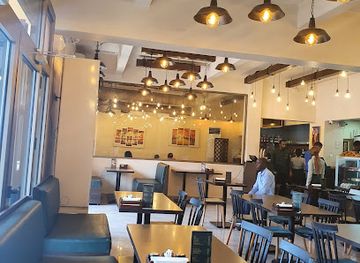
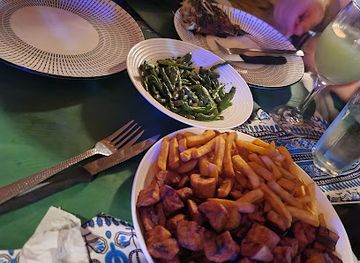
Dining in Kémo is primarily local, practical and dependent on what is available in Sibut and along the road corridor. Small eateries and informal food stalls may serve staples such as cassava, maize, rice, plantain, beans, seasonal vegetables and sauces, with meat or fish available according to supply. Grilled foods and simple roadside meals may appear in market areas, but hygiene, storage and water standards vary, so visitors should choose busy outlets, eat food cooked thoroughly and use treated or bottled water. Central African culinary traditions are diverse, and recipes differ between households and communities rather than forming a single Kémo menu. Visitors staying with an organisation or local host may encounter home cooking that reflects regional agricultural produce more closely than commercial establishments. There is little basis for expecting a formal fine-dining scene, dependable international menus or extensive café culture outside limited urban settings. Bring dietary essentials and medication from Bangui, and agree meal arrangements in advance when travelling into rural districts.
-
Restaurant
Relais des Chasses
Discover authentic Central African flavors at Relais des Chasses, where culinary delights meet warm hospitality in the heart of Bangui.
-
Restaurant
5 FOURCHETTES
Discover the rich culinary heritage of Bangui at 5 Fourchettes – where every dish tells a story.
-
Restaurant
L'Avenue Restaurant & Pâtisserie
Experience exquisite dining at L'Avenue Restaurant & Pâtisserie in Bangui—where local flavors meet culinary artistry.
-
Restaurant
Cafrina
Experience the rich flavors of Central African cuisine at Cafrina in Bangui – where every meal tells a story.
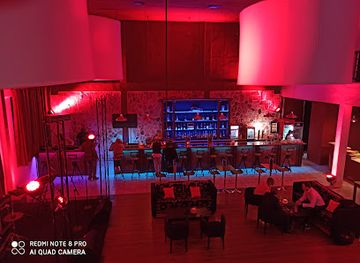
Best bars in Kémo
Kémo does not have a developed nightlife industry comparable with a capital city or major regional centre. In Sibut, evening social life is more likely to centre on modest local bars, small restaurants, conversation and music than on formal nightclubs. Outside the town, hospitality may take place in homes or community settings, but visitors should participate only through trusted local introductions. Alcohol should be approached moderately, particularly because roads, medical services and security support are limited. Avoid walking around after dark, displaying valuables or treating busy drinking places as tourist venues. Opening arrangements, music and available drinks are informal and can change with security conditions, supply and local events. For international visitors, the practical evening priority is a secure base, charged communications and a pre-arranged return plan rather than seeking entertainment across the prefecture.
-
Restaurant
Le Boj, Douala
Discover the flavors of Douala at Le Boj, a premier restaurant and lounge offering exquisite cuisine and vibrant nightlife.
-
Hotel
Atlantic Palace Hotel
Discover luxury and comfort at Atlantic Palace Hotel, a premier destination in Pointe-Noire, offering exceptional accommodations and dining experiences.
-
 Hotel
HotelElaïs Hôtel
Experience luxury and local charm in Pointe-Noire at Elaïs Hôtel, your ideal retreat for relaxation and exploration.
-
Hotel
Villa Madiba
Discover the vibrant culture and comfort of Villa Madiba, a premier hotel in Pointe-Noire, Congo-Brazzaville.
Best nightclubs in Kémo
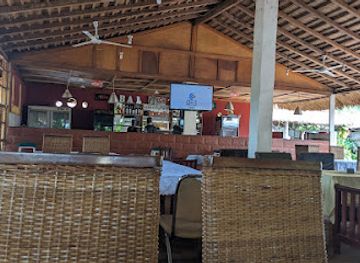
Kémo does not have a developed nightlife industry comparable with a capital city or major regional centre. In Sibut, evening social life is more likely to centre on modest local bars, small restaurants, conversation and music than on formal nightclubs. Outside the town, hospitality may take place in homes or community settings, but visitors should participate only through trusted local introductions. Alcohol should be approached moderately, particularly because roads, medical services and security support are limited. Avoid walking around after dark, displaying valuables or treating busy drinking places as tourist venues. Opening arrangements, music and available drinks are informal and can change with security conditions, supply and local events. For international visitors, the practical evening priority is a secure base, charged communications and a pre-arranged return plan rather than seeking entertainment across the prefecture.
-
Bar
Sewa Bar
Experience the vibrant nightlife of Bangui at Sewa Bar, where delicious drinks and a lively atmosphere await.
-
Bar
Le Balafon
Experience the vibrant nightlife of Bangui at Le Balafon, a lively bar offering local drinks, music, and a welcoming atmosphere.
-
Gym
Bangui Rock Club
Stay fit and energized at Bangui Rock Club, a premier gym in the heart of Bangui, offering modern facilities and a vibrant atmosphere for all fitness levels.
-
Bar
La Verdure
Experience the vibrant nightlife of Bangui at La Verdure, where drinks and ambiance blend for an unforgettable evening.



Best shops in Kémo
Shopping in Kémo is centred on local markets and everyday trade rather than dedicated visitor retail. Sibut offers the best chance to find basic provisions, household goods, clothing, mobile-phone services and produce brought from surrounding farming communities. Seasonal crops, cassava products, vegetables, grains and other foodstuffs reflect the prefecture's agricultural economy, while roadside stalls sell practical goods for travellers and local residents. Handcrafts may be available through personal contacts, but there is no dependable network of specialist craft shops or established souvenir boutiques. Ask before photographing market activity and negotiate courteously where bargaining is customary; do not handle produce or merchandise without permission. Visitors seeking reliable supplies, medicines, batteries, communications credit or durable travel equipment should obtain them in Bangui before proceeding. Shopping in Kémo is best understood as participation in a working local economy, not as a conventional tourist retail experience.
-
Truck stop
Carrefour Rhone Poulenc
Experience the bustling atmosphere and local flavors at Carrefour Rhone Poulenc, a key truck stop in Douala, Cameroon, perfect for travelers.
-
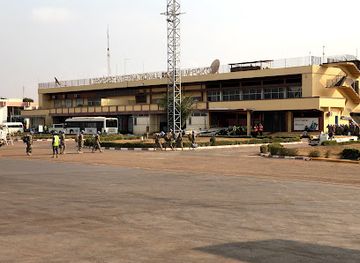
International airport
Bangui-M'Poko International Airport
Discover the Central African Republic through Bangui-M'Poko International Airport, your welcoming gateway to adventure and exploration.
-
Shopping mall
Bangui Mall
Explore Bangui Mall: A vibrant shopping destination blending local culture with global brands in the heart of Bangui.
-
Tourist attraction
Chutes de Boali
Explore the stunning Chutes de Boali, a breathtaking waterfall in the Central African Republic, surrounded by lush nature and serene landscapes.

Get your free copy of our complete guide to Kémo, delivered straight to you.
Everything on this page, from attractions and restaurants to essentials and local phrases, in one PDF you can read offline, print or share.
Already have an account? Sign in
Your Kémo guide is ready.
We'll send it to · Not you? Sign out

Getting your guide ready…
We are putting together a fresh copy of the Kémo guide. This can take up to a minute.
This can take a few moments. If your browser asks, choose Allow so the download can start. You'll find the guide in your Downloads folder.
Nothing happened? Download it again
Sorry, the guide is taking longer than usual. Please try again in a minute, or get it by email instead.
Kémo essentials
Currency and Payment
Safety
Emergency Situations
Do's and Don'ts
Local Tips
From Eve
Local phrases worth knowing
You don't need to get them perfect. A few words go a long way, and locals appreciate the effort.
Basics
| English | Local | Say it |
|---|---|---|
| Hello | Mbote | [m-boh-tay] |
| Goodbye | Ayo | [ah-yoh] |
| Yes | O | [oh] |
| No | Te | [teh] |
| Please/You're welcome | S'il vous plaît | [seel voo pleh] |
| Thank you | Mersi | [mehr-see] |
| Excuse me/Sorry | Pardon | [pahr-dohn] |
| How are you? | Nako na? | [nah-koh nah] |
| Fine. And you? | Nako malamu. O na? | [nah-koh mah-lah-moo. oh nah] |
| Do you speak English? | O parle anglais? | [oh pahr-lay ahn-glay] |
| I don't understand | Nani na komprende | [nah-nee nah kohm-pren-day] |
Eating & Drinking
| English | Local | Say it |
|---|---|---|
| I'd like to see the menu, please | Nako yeke menu, s'il vous plaît | [nah-koh yeh-keh meh-noo, seel voo pleh] |
| I don't eat meat | Nani na mangé viande | [nah-nee nah mahn-geh vyahnd] |
| Cheers! | Santé! | [sahn-tay] |
| I would like to pay, please | Nako yeke payer, s'il vous plaît | [nah-koh yeh-keh pah-yay, seel voo pleh] |
Emergencies
| English | Local | Say it |
|---|---|---|
| Help! | Aide! | [ed] |
| Go away! | Tondé! | [ton-day] |
| Call the Police! | Appelle la police! | [ah-pehl lah poh-lees] |
| Call a doctor! | Appelle un médecin! | [ah-pehl uhn may-deh-sin] |
| I'm lost | Nani na égaré | [nah-nee nah eh-gah-ray] |
| I'm ill | Nani na malade | [nah-nee nah mah-lahd] |
Shopping
| English | Local | Say it |
|---|---|---|
| I'd like to buy... | Nako yeke acheter... | [nah-koh yeh-keh ah-sheh-tay] |
| I'm just looking | Nako na tondé | [nah-koh nah ton-day] |
| How much is it? | Mbote nango? | [m-boh-tay nahn-goh] |
| That's too expensive | Ayo é très cher | [ah-yoh eh treh shair] |
| Can you lower the price? | O na aba prix? | [oh nah ah-bah pree] |
Time & Numbers
| English | Local | Say it |
|---|---|---|
| What time is it? | Nango mbala? | [nahn-goh mm-bah-lah] |
| It's one o'clock | É mbala moko | [eh mm-bah-lah moh-koh] |
| Half past (10) | É mbala zongo (10) | [eh mm-bah-lah zohn-goh (10)] |
| Morning | Matin | [mah-tahn] |
| Afternoon | Après-midi | [ah-pray mee-dee] |
| Evening | Soir | [swahr] |
| Yesterday | Hier | [ee-ehr] |
| Today | Aujourd'hui | [oh-zhoor dwee] |
| Tomorrow | Demain | [deh-manh] |
| 1 | Moko | [moh-koh] |
| 2 | Mbala | [mm-bah-lah] |
| 3 | Mokolo | [moh-koh-loh] |
| 4 | Naye | [nah-yeh] |
| 5 | Tala | [tah-lah] |
| 6 | Nze | [nzeh] |
| 7 | Né | [neh] |
| 8 | Mokolo mwango | [moh-koh-loh mwah-ngoh] |
| 9 | Tika | [tee-kah] |
| 10 | Luka | [loo-kah] |
Transport & Directions
| English | Local | Say it |
|---|---|---|
| Where's a/the...? | Nango na ...? | [nahn-goh nah ...?] |
| What's the address? | Nango adresse? | [nahn-goh ah-dress] |
| Can you show me (on the map)? | O na yeke montrer (sur la carte)? | [oh nah yeh-keh mohn-tray (sur lah kart)] |
| When's the next (bus)? | Nango mbala bus ya yeke? | [nahn-goh mm-bah-lah boos yah yeh-keh] |
| A ticket (to ....) | Un ticket (pour ...) | [uhn tee-kay (poor ...)] |
History of Kémo
Precolonial communities and river corridors
Before colonial rule, the area now called Kémo was shaped by farming communities, local authorities and long-distance exchange across the savannah and river systems of the central Ubangi region. The historical record for individual settlements is uneven, but the prefecture's position between the Bangui area and the interior encouraged movement of people, livestock and goods. Local identities and languages developed through both settled cultivation and wider regional interaction, leaving a social landscape that cannot be reduced to a single ethnic or political history.
French conquest and the creation of Ubangi-Shari
French expansion into the central Ubangi basin during the late nineteenth and early twentieth centuries brought military posts, taxation and new administrative boundaries to the region. Kémo subsequently formed part of Ubangi-Shari, the French territory that later became the Central African Republic. Colonial rule reorganised trade and labour, introduced mission activity and connected settlements to routes serving administrative centres. It also imposed coercive systems whose effects, including population disruption and economic extraction, remained significant after independence.
The Sibut transport corridor
Sibut's importance grew from its location on the eastward route from Bangui through the central interior. Roads and administrative services linked the settlement to the colonial and later national economy, while markets developed around the movement of agricultural produce and imported goods. The corridor remains one of Kémo's defining features. Its significance is practical rather than monumental: the road connects the capital with inland prefectures, but maintenance, seasonal weather and insecurity have repeatedly affected the reliability of travel.
Independence and the Central African Republic
The Central African Republic became independent from France in 1960. Kémo then became part of the new republic's system of prefectural administration, with Sibut serving as its capital. National governments sought to extend education, health care, roads and public administration beyond Bangui, but the country's vast distances and limited resources made this difficult. The prefecture's history since independence therefore reflects both the state's efforts to connect the interior and the persistent gap between formal administrative structures and everyday access to services.
Conflict, displacement and humanitarian pressures
Political crises and armed conflict have repeatedly affected the Central African Republic, including the central road corridors around Kémo. The crisis that intensified from 2013 led to insecurity, displacement, disrupted trade and pressure on communities across much of the country. Conditions have varied over time and between localities, but the legacy remains visible in cautious travel practices, humanitarian activity and the fragility of transport and public services. Current conditions must always be assessed locally rather than inferred from older accounts.
Contemporary Kémo
Today Kémo remains primarily a rural prefecture whose economy depends on agriculture, local commerce, public administration and movement along the Bangui-interior route. Sibut continues to function as the principal urban and service centre, while smaller settlements depend on periodic markets and informal transport. Contemporary life combines older farming and trading patterns with mobile communications, religious institutions and humanitarian support. The prefecture's development is closely tied to road access, security and the wider political and economic fortunes of the Central African Republic.
Kémo in Photos
Browse through our photo collection highlighting the charm and character of the destination.
Neighbouring regions of Kémo
The closest regions to Kémo, if you have time for more than one.
-

-

-

-

-


Swipe for more regions
Explore more

Explore more of Central African Republic
Explore the Central African Republic: A land of untamed wilderness, rich culture, and unforgettable adventures in the heart of Africa.
Explore Central African Republic