

Free Lobaye Travel Guide & Mobile App
Explore Lobaye with free travel guides. Discover regional history, expert tips, proposed trips, and audio guides on web or mobile app.


Explore Lobaye in the Central African Republic for forest landscapes, river communities, Mbaïki and the birthplace of national founder Barthélemy Boganda.
Read more about Lobaye
When is the best time to visit Lobaye?
Best: November–January · 30°C| Month | High (°C) | Rainfall (mm) |
|---|---|---|
| January (best) | 30 | 30 |
| February | 32 | 50 |
| March | 33 | 70 |
| April | 32 | 100 |
| May | 31 | 110 |
| June | 31 | 120 |
| July | 30 | 110 |
| August | 30 | 110 |
| September | 30 | 100 |
| October | 31 | 80 |
| November (best) | 30 | 60 |
| December (best) | 30 | 30 |
Getting to and around Lobaye
How to get there
Transportation
Best attractions in Lobaye
Lobaye's attractions are primarily landscape-based, historical and community-led rather than built for large-scale tourism. Mbaïki offers the region's most practical introduction, with local markets, agricultural commerce and access to information about nearby villages and forest areas. The road south-west from Bangui provides changing views of red earth, woodland and cultivated clearings, although conditions vary considerably with the season. Bobangui, the birthplace of Barthélemy Boganda, is the region's most important historical destination and should be visited with local arrangements. Visitors may also organise guided forest and river excursions, but these require permission, careful transport planning and respect for community rights. Lobaye's forest environments support birdlife, plant diversity and livelihoods connected with hunting, gathering and farming, yet this is not a region where wildlife encounters or visitor facilities can be guaranteed. The strongest experiences come from combining Boganda's history with conversations about farming, forest use and contemporary rural Central African life.
-
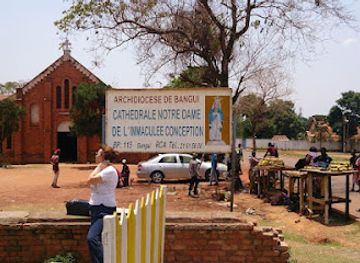
Cathedral
Notre-Dame of Bangui Cathedral
Discover the architectural beauty and cultural significance of Notre-Dame of Bangui Cathedral, a must-visit spiritual landmark in Central African Republic.
Best landmarks in Lobaye
The defining historic landmark of Lobaye is Bobangui, associated with Barthélemy Boganda, the political leader whose ideas and career helped shape the modern Central African Republic. Its importance is national as well as local, and visitors should confirm what memorial or interpretive facilities are accessible before travelling. Mbaïki's administrative and commercial setting reflects the region's development under colonial rule and its continuing role as the prefecture's principal town, although it is not a monumental urban centre. Beyond built heritage, the Lobaye River and surrounding forest landscape form the region's most significant geographical landmarks. They explain the distribution of settlements, farming and trade, and remain central to local livelihoods. The visual character of red-earth roads, dense vegetation and cultivated clearings is itself part of Lobaye's identity, but river and forest visits should be undertaken with local guidance because access, weather and security can change.
-
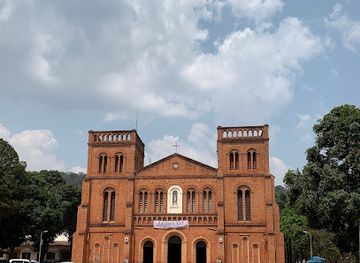
Cathedral
Notre-Dame of Bangui Cathedral
Explore the stunning Notre-Dame of Bangui Cathedral, a symbol of faith and resilience in the heart of the Central African Republic, rich in history and culture.
-
 National park
Mbaéré Bodingué National Park
Explore the unique wildlife and breathtaking landscapes of Mbaéré Bodingué National Park, a paradise for nature lovers and adventure seekers in Central Africa.
Explore Lobaye on the map
Plan your trip on one map. See where the top cities, national parks and sights are, and book hotels and experiences in a few clicks.
Best hotels in Lobaye
Best restaurants in Lobaye
Dining in Lobaye is informal and closely tied to household farming and local markets rather than to a developed restaurant industry. In Mbaïki, visitors may find simple eateries serving staples such as cassava, plantain, rice, beans, greens and grilled or stewed meat, with availability changing according to season and supply. Fish may be available near river communities, but it should not be assumed at every meal. Local coffee-growing history gives the region an agricultural identity, although consistently prepared coffee is not guaranteed outside established accommodation. In villages, food arrangements should be made through a host or guide and discussed in advance, especially for longer excursions. Carrying safe drinking water and some packaged food is sensible. Dining etiquette is generally uncomplicated: accept food graciously, wash hands when invited and avoid wasting provisions in places where supplies are limited.
-
Restaurant
La Brasserie
Experience the perfect blend of French cuisine and live music at La Brasserie in Bangui – where every meal is a celebration!
-
Restaurant
La Tourangelle
Experience authentic Central African cuisine at La Tourangelle in Bangui—where flavor meets culture in every dish.
-
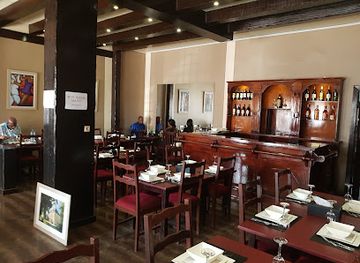
Restaurant
Bar restaurant fleur de la lobaye
Experience authentic Central African cuisine at Bar Restaurant Fleur de la Lobaye in Bangui - where every meal tells a story.
Best bars in Lobaye
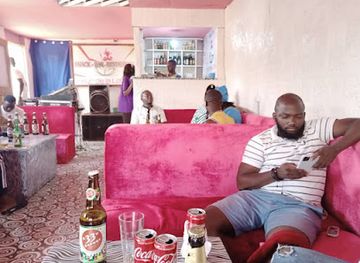
Lobaye does not have a major nightclub scene, and evening life is concentrated in modest bars, small restaurants and social meeting places in Mbaïki and larger settlements. Local beer, soft drinks and other refreshments may be available, while music and conversation are more characteristic than formal late-night entertainment. In rural areas, people generally return home early, and visitors should avoid walking unaccompanied after dark or travelling between settlements at night. Accommodation may be able to indicate reputable places, but opening arrangements and security conditions can change. Alcohol should be approached with restraint, particularly where roads, communications and medical support are limited. For visitors seeking cultural contact, a locally arranged community or music event is more appropriate than expecting a commercial nightlife district.
-
Restaurant
Relais des Chasses
Experience authentic Central African cuisine and warm hospitality at Relais des Chasses, your culinary gem in Bangui.
-
Restaurant
La Brasserie
Experience the best of French cuisine and live music at La Brasserie, a must-visit restaurant in Bangui.
-
Bar
Sewa Bar
Experience the vibrant nightlife of Bangui at Sewa Bar, where cocktails, music, and friendly faces come together for an unforgettable evening.
-
Bar
Le Balafon
Experience the vibrant nightlife of Bangui at Le Balafon, a bar that offers a blend of local charm and a lively atmosphere.

Best nightclubs in Lobaye
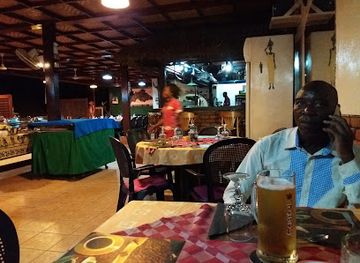
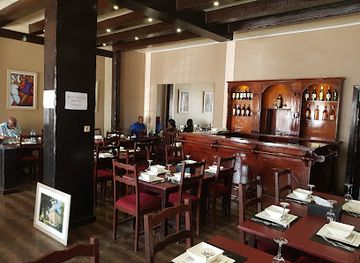
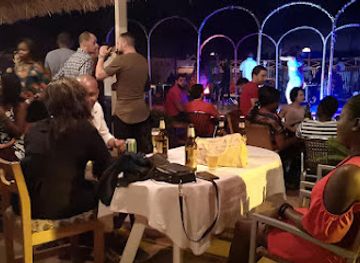
Lobaye does not have a major nightclub scene, and evening life is concentrated in modest bars, small restaurants and social meeting places in Mbaïki and larger settlements. Local beer, soft drinks and other refreshments may be available, while music and conversation are more characteristic than formal late-night entertainment. In rural areas, people generally return home early, and visitors should avoid walking unaccompanied after dark or travelling between settlements at night. Accommodation may be able to indicate reputable places, but opening arrangements and security conditions can change. Alcohol should be approached with restraint, particularly where roads, communications and medical support are limited. For visitors seeking cultural contact, a locally arranged community or music event is more appropriate than expecting a commercial nightlife district.
-
Night club
Zodiaque
Discover the heart of Bangui's nightlife at Zodiaque, where vibrant music and dance create unforgettable memories.

Best shops in Lobaye
Shopping in Lobaye is centred on local markets and everyday trade rather than on dedicated visitor retail. Mbaïki is the most practical place to look for food provisions, household goods and locally produced agricultural goods, while roadside and village markets may offer seasonal cassava products, plantains, fruits, vegetables and other produce. Coffee is associated with Lobaye's agricultural history, but packaging, quality and availability vary, so buy only from a trusted local seller. Visitors may encounter simple baskets, carved objects or other crafts, but these should be purchased through fair, community-approved channels and never made from protected wildlife, archaeological material or illegally harvested forest products. Carry sufficient cash in Central African CFA francs, as card payments are generally unavailable. Retail options diminish quickly outside Mbaïki, making the town the place to obtain essentials before rural travel.
-
Supermarket
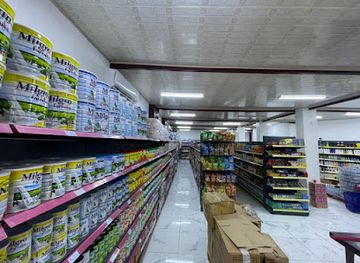
Rayan Super Market
Experience the vibrant local culture and diverse products at Rayan Super Market in Bangui, a must-visit for every traveler.
-
Shopping mall
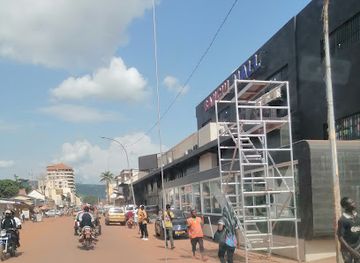
Bangui Mall
Explore Bangui Mall: A vibrant shopping destination blending local culture and international retail in the heart of Bangui.
-
Grocery store
Corail
Discover the vibrant flavors of Bangui at Corail Grocery Store, where local culture and fresh produce come together.
-
Shopping mall
Log base PX
Discover shopping, dining, and entertainment at Log Base PX, the vibrant shopping mall in the heart of Bangui, Central African Republic.


Get your free copy of our complete guide to Lobaye, delivered straight to you.
Everything on this page, from attractions and restaurants to essentials and local phrases, in one PDF you can read offline, print or share.
Already have an account? Sign in
Your Lobaye guide is ready.
We'll send it to · Not you? Sign out

Getting your guide ready…
We are putting together a fresh copy of the Lobaye guide. This can take up to a minute.
This can take a few moments. If your browser asks, choose Allow so the download can start. You'll find the guide in your Downloads folder.
Nothing happened? Download it again
Sorry, the guide is taking longer than usual. Please try again in a minute, or get it by email instead.
Lobaye essentials
Currency and Payment
Safety
Emergency Situations
Do's and Don'ts
Local Tips
From Eve
Local phrases worth knowing
You don't need to get them perfect. A few words go a long way, and locals appreciate the effort.
Basics
| English | Local | Say it |
|---|---|---|
| Hello | Mbote | [m-bo-te] |
| Goodbye | Na nyanga | [na n-yanga] |
| Yes | Ee | [e-e] |
| No | O | [o] |
| Please/You're welcome | S'il vous plaît | [si'l vu ple] |
| Thank you | Mekolo | [me-ko-lo] |
| Excuse me/Sorry | Kokisa | [ko-ki-sa] |
| How are you? | Nako o ya? | [na-ko o ya] |
| Fine. And you? | Nako zamba. Na yo? | [na-ko zam-ba na yo] |
| Do you speak English? | O zali koloba anglais? | [o za-li ko-lo-ba an-glai] |
| I don't understand | Naboli te | [na-bo-li te] |
Eating & Drinking
| English | Local | Say it |
|---|---|---|
| I'd like to see the menu, please | Naza na wanga menu, s'il vous plaît | [na-za na wan-ga me-nu si'l vu ple] |
| I don't eat meat | Naboli kolia nyama | [na-bo-li ko-li-a nya-ma] |
| Cheers! | Tango! | [tan-go] |
| I would like to pay, please | Naza na wanga soko, s'il vous plaît | [na-za na wan-ga so-ko si'l vu ple] |
Emergencies
| English | Local | Say it |
|---|---|---|
| Help! | Toya! | [to-ya] |
| Go away! | Tika! | [ti-ka] |
| Call the Police! | Koleka Polisi! | [ko-le-ka po-li-si] |
| Call a doctor! | Koleka medecin! | [ko-le-ka me-de-cin] |
| I'm lost | Naza na finga | [na-za na fin-ga] |
| I'm ill | Naza na sala | [na-za na sa-la] |
Shopping
| English | Local | Say it |
|---|---|---|
| I'd like to buy... | Naza na wanga zinga... | [na-za na wan-ga zin-ga] |
| I'm just looking | Naza na zanga | [na-za na zan-ga] |
| How much is it? | Mokolo ya ya? | [mo-ko-lo ya ya] |
| That's too expensive | O o zamba mingi | [o o zam-ba min-gi] |
| Can you lower the price? | O kanisa kobola soko? | [o ka-ni-sa ko-bo-la so-ko] |
Time & Numbers
| English | Local | Say it |
|---|---|---|
| What time is it? | Ntango ya ya? | [n-tan-go ya ya] |
| It's one o'clock | Ena ntango ya moko | [e-na n-tan-go ya mo-ko] |
| Half past (10) | Mitango ya libwa | [mi-tan-go ya li-bwa] |
| Morning | Mokolo | [mo-ko-lo] |
| Afternoon | Mokolo ya mwala | [mo-ko-lo ya mwa-la] |
| Evening | Mokolo ya lola | [mo-ko-lo ya lo-la] |
| Yesterday | Kolo ya pamba | [ko-lo ya pam-ba] |
| Today | Kolo ya lelo | [ko-lo ya le-lo] |
| Tomorrow | Kolo ya lobi | [ko-lo ya lo-bi] |
| 1 | Moko | [mo-ko] |
| 2 | Mibale | [mi-ba-le] |
| 3 | Misato | [mi-sa-to] |
| 4 | Mibale na moko | [mi-ba-le na mo-ko] |
| 5 | Mitano | [mi-ta-no] |
| 6 | Mokolo na mitano | [mo-ko-lo na mi-ta-no] |
| 7 | Mokolo na zomi | [mo-ko-lo na zo-mi] |
| 8 | Mokolo na mwala | [mo-ko-lo na mwa-la] |
| 9 | Mokolo na libwa | [mo-ko-lo na li-bwa] |
| 10 | Zomi | [zo-mi] |
Transport & Directions
| English | Local | Say it |
|---|---|---|
| Where's a/the...? | E na wapi...? | [e na wa-pi] |
| What's the address? | Nani ya l'adresse? | [na-ni ya la-dress] |
| Can you show me (on the map)? | O kanisa na linga na map? | [o ka-ni-sa na lin-ga na map] |
| When's the next (bus)? | Ntango ya mboka e na? | [n-tan-go ya mbo-ka e na] |
| A ticket (to ....) | Soko ya (na ...) | [so-ko ya na] |
History of Lobaye
Early communities and forest economies
The territory of modern Lobaye has long been occupied by communities whose lives were connected with forest resources, river systems, hunting, gathering and shifting cultivation. Later agricultural settlements expanded the cultivation of cassava, plantains and other food crops, while exchange linked villages to wider routes across the south-west. Written records are limited compared with the richness of oral histories and local knowledge, so the region's earlier past is best understood through archaeology, linguistics and community traditions rather than a single continuous political narrative.
French colonial rule and the creation of Lobaye
During the late nineteenth and early twentieth centuries, French authority expanded over the territory then known as Ubangi-Shari. Colonial administration reorganised local territories, imposed taxation and relied on forced labour and compulsory production systems. In the forested south-west, rubber collection, timber extraction and agricultural schemes became important to the colonial economy. Mbaïki developed as an administrative and commercial centre, and roads linking it with Bangui and other posts tied Lobaye more closely to the colonial capital.
Agricultural concessions and colonial exploitation
Lobaye's forests and fertile clearings were drawn into concessionary and state-controlled production, especially through rubber and later coffee and other cash crops. These systems brought infrastructure and new commercial networks but also placed heavy demands on local communities, whose labour and land were controlled by colonial authorities. The legacy remains visible in the region's agricultural landscape and in memories of coercion, displacement and unequal economic relationships. Timber and smallholder farming continue to influence Lobaye's economy, although under very different legal and political conditions.
Barthélemy Boganda and Bobangui
Barthélemy Boganda was born at Bobangui in Lobaye in 1910 and became a Catholic priest, political organiser and advocate for African rights. In 1946 he entered French politics as the first Central African elected to the French National Assembly, where he opposed colonial discrimination and forced labour. He later founded the Mouvement pour l'évolution sociale de l'Afrique noire, or MESAN, and promoted a broader vision of Central African unity. His death in an aircraft crash in 1959 came shortly before independence, but Bobangui and Lobaye remain central to his national memory.
From Ubangi-Shari to independence
The territory became the Central African Republic in 1958 and achieved independence from France in 1960. Lobaye entered the new state with an economy still dependent on rural production, forestry and road connections centred on Bangui. The post-colonial period brought changing administrations, development programmes and periods of instability that affected transport, public services and investment. Mbaïki retained its role as the principal town of the prefecture, while many remote communities continued to rely primarily on local agriculture and river-forest resources.
Contemporary Lobaye
Today Lobaye combines a historically important political landscape with predominantly rural livelihoods. Coffee, food crops, timber-related activity and local trade remain significant, while conservation and community-based initiatives have sought to give greater recognition to forest environments and Indigenous knowledge. Development is constrained by weak infrastructure and insecurity in parts of the country, making responsible, locally organised travel essential. The region's contemporary story is therefore one of continuity and change: older forest and agricultural economies coexist with national heritage, administrative centres and efforts to improve rural opportunity.
Lobaye in Photos
Browse through our photo collection highlighting the charm and character of the destination.
Neighbouring regions of Lobaye
The closest regions to Lobaye, if you have time for more than one.
-

-

-

-

-


Swipe for more regions
Explore more

Explore more of Central African Republic
Explore the Central African Republic: A land of untamed wilderness, rich culture, and unforgettable adventures in the heart of Africa.
Explore Central African Republic