

Ombella-M'Poko, Central African Republic Travel Guide
Discover the untamed beauty and rich culture of Ombella-M'Poko, a hidden gem in the Central African Republic perfect for nature lovers and adventure seekers.
Ombella-M'Poko, located in the heart of the Central African Republic, offers a unique blend of natural beauty and vibrant culture. This region is a paradise for nature lovers, with lush forests, rolling hills, and picturesque rivers. The wildlife here is diverse and abundant, making it an ideal destination for safaris and bird-watching. You can expect to see elephants, lions, and a variety of bird species in their natural habitats. Aside from its natural attractions, Ombella-M'Poko is also rich in cultural heritage. The local communities are known for their warm hospitality and traditional crafts. Visitors can immerse themselves in the local way of life by participating in cultural festivals, exploring traditional markets, and visiting local villages. These experiences provide a deep insight into the customs and traditions of the Central African Republic. For those seeking adventure, Ombella-M'Poko offers numerous outdoor activities such as hiking, fishing, and river rafting. The region's rivers and lakes are perfect for water sports, while the trails through the forests and hills offer breathtaking views and thrilling hikes. Whether you are looking to relax in nature, learn about a new culture, or seek adventure, Ombella-M'Poko has something for everyone.

Know before you go
Hi, I'm Eve. Here are a few practical things to know before exploring Ombella-M'Poko.
- Visit during the dry season (December to April) to avoid heavy rains and enjoy the best outdoor activities.
- Hire a local guide for safaris and cultural tours to enhance your experience and ensure safety.
- Carry insect repellent and sun protection; the area is tropical and can be very sunny.
- Respect local customs and traditions; always ask for permission before taking photos of people.
- Learn a few basic phrases in Sango, the national language, to better connect with the locals.
Explore Ombella-M'Poko: Things to Do, Places to Eat, Hotels & More
Handpicked recommendations for top attractions, local dining, accommodations, and more

Top Attractions & Sightseeing in Ombella-M'Poko


Best landmarks in Ombella-M'Poko
Top-rated picks
Best Landmarks

Notre-Dame of Bangui Cathedral
Explore the stunning Notre-Dame of Bangui Cathedral, an architectural marvel and spiritual hub in the heart of Central Africa.

Chutes de Boali
Experience the stunning beauty of Chutes de Boali, a breathtaking waterfall in the heart of Central African Republic, perfect for nature lovers and adventure seekers.

Best restaurants in Ombella-M'Poko
Top-rated picks
Best Restaurants

Relais des Chasses
Experience authentic Central African cuisine and cozy accommodations at Relais des Chasses in Bangui.

5 FOURCHETTES
Discover the rich flavors of India at 5 Fourchettes in Bangui – a culinary delight you won't want to miss!

L'Avenue Restaurant & Pâtisserie
Savor exquisite Central African cuisine at L'Avenue Restaurant & Pâtisserie in Bangui - where tradition meets modernity.

Cafrina
Discover the flavors of Central Africa at Cafrina, a charming restaurant in Bangui offering diverse dishes and warm hospitality.

Best bars in Ombella-M'Poko
Top-rated picks
Best Bars

La Brasserie
Experience exquisite French cuisine and live music at La Brasserie, a vibrant culinary gem in Bangui, Central African Republic.

SANGO
Discover the rich flavors of Central African cuisine at SANGO, a beloved restaurant in the heart of Bangui.

Chutes de Boali
Experience the breathtaking beauty of Chutes de Boali, a stunning waterfall in the Central African Republic, perfect for nature lovers and adventure seekers.

Sewa Bar
Experience the lively nightlife of Bangui at Sewa Bar, where refreshing drinks meet vibrant local culture in a friendly atmosphere.


Best shops in Ombella-M'Poko
Top-rated picks
Best Shops

Rayan Super Market
Explore the vibrant offerings of Rayan Super Market in Bangui, where local flavors and essential goods come together in a lively shopping experience.

Bangui Mall
Experience the vibrant shopping scene at Bangui Mall, where local culture meets modern retail in the heart of the Central African Republic.

Chutes de Boali
Explore the breathtaking Chutes de Boali, a stunning waterfall in Central Africa, offering a perfect blend of natural beauty and cultural experiences.

Corail
Explore Corail, Bangui's vibrant grocery store, offering fresh local produce and unique delicacies that embody Central African flavors.

Explore Ombella-M'Poko on the Map
A handpicked selection of must-see spots in Ombella-M'Poko, mapped for you.
Ombella-M'Poko Essentials
-
Ombella-M'Poko is located in the Central African Republic. The primary gateway for international travelers is Bangui M'Poko International Airport (BGF), situated in the capital city, Bangui, which is within Ombella-M'Poko prefecture. From the airport, you can take a taxi or arrange for a private transfer to your destination. Major airlines like Air France and Kenya Airways operate flights to Bangui. Overland travel from neighboring countries is possible but not recommended due to security concerns.
-
Within Ombella-M'Poko, local taxis and motorcycle taxis (motos) are common means of transportation. For longer distances, minibuses (bush taxis) and buses connect various towns and villages. Renting a car is an option but requires caution due to road conditions and safety issues. It is advisable to hire a local driver who is familiar with the area. Public transport schedules can be irregular, so plan accordingly.
-
The official currency in the Central African Republic is the Central African CFA Franc (XAF). Cash is the preferred method of payment, as credit cards are rarely accepted outside major hotels and establishments in Bangui. ATMs are available in Bangui but may be limited in rural areas. It's advisable to carry sufficient cash for your needs while traveling in Ombella-M'Poko.
-
Safety is a significant concern in the Central African Republic, including Ombella-M'Poko. Crime rates, including theft and armed robbery, are high, especially in Bangui. Avoid walking alone, particularly at night, and stay vigilant in crowded areas. Certain neighborhoods in Bangui, like the PK5 area, are known for higher crime rates and should be avoided. Always travel with a reputable guide or local contact and keep abreast of current security advisories.
-
In case of an emergency, dial 117 for the police and 118 for medical assistance. Bangui has the best medical facilities in the region, but they may still be limited compared to Western standards. It is crucial to have comprehensive travel insurance that covers medical evacuation. For minor health issues, pharmacies in Bangui can provide over-the-counter medications. Carry a basic first aid kit and any personal medications you may need.
-
Fashion: Do dress modestly and avoid wearing flashy jewelry or expensive accessories. Religion: Do respect local religious practices. Many people in Ombella-M'Poko are Christians or follow traditional beliefs. Public Transport: Do be patient, as public transport can be crowded and schedules irregular. Don't argue with drivers or conductors. Greetings: Do greet people with a handshake and a smile. It's polite to use formal titles when addressing elders or officials. Eating & Drinking: Do try local foods, but ensure they are well-cooked to avoid foodborne illnesses. Don't drink tap water; always use bottled or purified water.
-
To experience Ombella-M'Poko like a local, visit the bustling markets in Bangui, such as the Marché Central, where you can buy fresh produce, crafts, and textiles. Engage with locals who are often hospitable and willing to share insights about their culture and daily life. Try local dishes like cassava, yams, and various stews. For a unique cultural experience, attend a traditional dance or music performance. Always be respectful and mindful of local customs and traditions.
When is the best time to visit Ombella-M'Poko?
Useful Local Phrases for Ombella-M'Poko
You don't need to speak the language perfectly. Even learning a few simple words can make conversations warmer—and locals usually appreciate the effort.
— Eve

Here are the phrases I use most often in Ombella-M'Poko. Try a few—you'll be surprised how far they go! 😊
❤️
-
- HelloBokou
[boh-koo] - GoodbyeA la prochaine
[ah lah proh-shehn] - YesOui
[wee] - NoNon
[noh] - Please/You're welcomeS'il vous plaît
[seel voo pleh] - Thank youMerci
[mehr-see] - Excuse me/SorryPardon
[par-dohn] - How are you?Comment ça va?
[koh-mohn sah vah] - Fine. And you?Bien. Et toi?
[byehn. eh twah] - Do you speak English?Parles-tu anglais?
[parl tuh ahn-glay] - I don't understandJe ne comprends pas
[zhuh nuh kohm-prahn pah]
- HelloBokou
-
- I'd like to see the menu, pleaseJe voudrais voir le menu, s'il vous plaît
[zhuh voo-dray vwah leuh meh-nu, seel voo pleh] - I don't eat meatJe ne mange pas de viande
[zhuh nuh mahnj pah deh vyahnd] - Cheers!Santé!
[sahn-tay] - I would like to pay, pleaseJe voudrais payer, s'il vous plaît
[zhuh voo-dray pay-ay, seel voo pleh]
- I'd like to see the menu, pleaseJe voudrais voir le menu, s'il vous plaît
-
- Help!Au secours!
[oh suh-koor] - Go away!Allez-vous en!
[ah-lay voo ahn] - Call the Police!Appelez la police!
[ah-peh-lay lah poh-lees] - Call a doctor!Appelez un médecin!
[ah-peh-lay uhn meh-deh-seen] - I'm lostJe suis perdu
[zhuh swee pair-doo] - I'm illJe suis malade
[zhuh swee mah-lahd]
- Help!Au secours!
-
- I'd like to buy...Je voudrais acheter...
[zhuh voo-dray ah-sheh-tay] - I'm just lookingJe regarde juste
[zhuh ruh-gard zhuhst] - How much is it?C'est combien?
[seh kohm-byen] - That's too expensiveC'est trop cher
[seh troh shair] - Can you lower the price?Pouvez-vous baisser le prix?
[poo-vay voo beh-say leuh pree]
- I'd like to buy...Je voudrais acheter...
-
- What time is it?Quelle heure est-il?
[kel uhr eh-teel] - It's one o'clockIl est une heure
[eel eh ewn uhr] - Half past (10)Dix heures et demie
[dees uhr eh duh-mee] - MorningMatin
[mah-tahn] - AfternoonAprès-midi
[ah-preh mee-dee] - EveningSoir
[swahr] - YesterdayHier
[ee-ehr] - TodayAujourd'hui
[oh-zhoor-dwee] - TomorrowDemain
[duh-mehn] - 1Un
[uhn] - 2Deux
[duhr] - 3Trois
[trwah] - 4Quatre
[katr] - 5Cinq
[sank] - 6Six
[sees] - 7Sept
[seht] - 8Huit
[weet] - 9Neuf
[nuhf] - 10Dix
[dees]
- What time is it?Quelle heure est-il?
-
- Where's a/the...?Où est un/une...?
[oo eh uhn/eewn] - What's the address?Quelle est l'adresse?
[kel eh lah-dress] - Can you show me (on the map)?Pouvez-vous me montrer (sur la carte)?
[poo-vay voo muh mohn-tray (sur lah kart)] - When's the next (bus)?Quand est le prochain (bus)?
[kahn eh luh proh-shan (boos)] - A ticket (to ....)Un billet (pour ....)
[uhn bee-yay (poor ....)]
- Where's a/the...?Où est un/une...?
History of Ombella-M'Poko
-
Before the advent of colonial rule, the region now known as Ombella-M'Poko was inhabited by various ethnic groups such as the Gbaya, Banda, and Mandja. These communities thrived on agriculture, hunting, and fishing, and they developed intricate social and political structures. The region was also a crossroads for trade routes connecting different parts of Central Africa, facilitating the exchange of goods and cultures.
-
In the late 19th century, the area came under French colonial rule as part of the territory known as Oubangui-Chari, which later became the Central African Republic. The French implemented policies that significantly altered local governance, economy, and social structures. Infrastructure projects such as roads and railways were initiated, though often at great human cost due to forced labor.
-
During World War II, Ombella-M'Poko, like the rest of French Equatorial Africa, supported the Free French Forces against the Axis powers. The post-war period saw increased demands for self-governance, leading to political reforms. In 1946, Barthélemy Boganda, a key political figure from the region, was elected to the French National Assembly, advocating for greater autonomy for Central African territories.
-
The Central African Republic gained independence from France on August 13, 1960. Ombella-M'Poko played a significant role in the early years of nation-building. The region's administrative center, Bimbo, became a focal point for governmental and developmental activities. However, the country soon faced political instability, which also impacted Ombella-M'Poko.
-
Ombella-M'Poko is rich in cultural heritage, with diverse ethnic groups preserving their unique traditions, languages, and arts. Traditional music, dance, and festivals are integral to the community's social life. The region is also known for its artisanal crafts, including weaving, pottery, and wood carving, which are often showcased in local markets and cultural events.
-
In recent decades, Ombella-M'Poko has faced numerous challenges, including political instability, economic difficulties, and social unrest. Despite these issues, the people of the region have shown remarkable resilience. Various local and international organizations have been working to improve infrastructure, healthcare, and education, aiming to foster a more stable and prosperous future for Ombella-M'Poko.
Neighbouring Regions of Ombella-M'Poko
The closest regions to Ombella-M'Poko, if you have time for more than one.
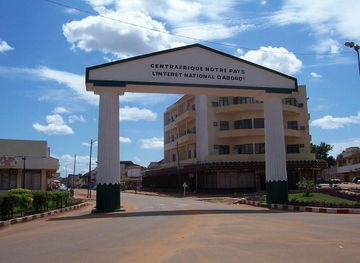


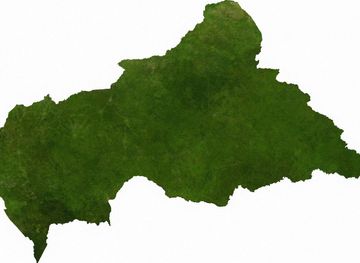

Your all‑in‑one travel companion app
Explore expert travel guides, compare and book tours, experiences, hotels, and more—all from the palm of your hand. Download now for seamless trip planning wherever your wanderlust takes you.


Explore More of Central African Republic

Looking beyond Ombella-M'Poko? Discover Central African Republic for broader travel guides, local hot-spots, and regional highlights.
Explore Central African RepublicOmbella-M'Poko in Photos
Browse through our photo collection highlighting the charm and character of the destination.


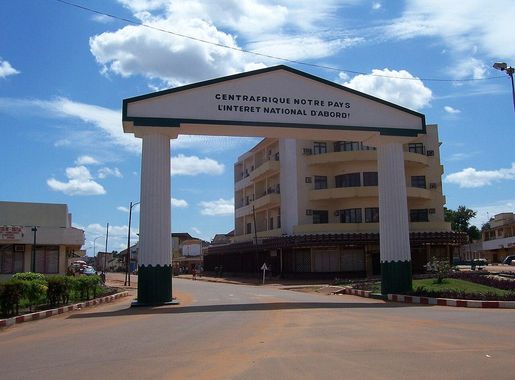


The Enchanting Wilderness of Ombella-M'Poko
Ombella-M'Poko, located in the heart of the Central African Republic, offers a unique blend of natural beauty and vibrant culture. This region is a paradise for nature lovers, with lush forests, rolling hills, and picturesque rivers. The wildlife here is diverse and abundant, making it an ideal destination for safaris and bird-watching. You can expect to see elephants, lions, and a variety of bird species in their natural habitats. Aside from its natural attractions, Ombella-M'Poko is also rich in cultural heritage. The local communities are known for their warm hospitality and traditional crafts. Visitors can immerse themselves in the local way of life by participating in cultural festivals, exploring traditional markets, and visiting local villages. These experiences provide a deep insight into the customs and traditions of the Central African Republic. For those seeking adventure, Ombella-M'Poko offers numerous outdoor activities such as hiking, fishing, and river rafting. The region's rivers and lakes are perfect for water sports, while the trails through the forests and hills offer breathtaking views and thrilling hikes. Whether you are looking to relax in nature, learn about a new culture, or seek adventure, Ombella-M'Poko has something for everyone.