

Free Nana-Mambéré Travel Guide & Mobile App
Explore Nana-Mambéré with free travel guides. Discover regional history, expert tips, proposed trips, and audio guides on web or mobile app.


Nana-Mambéré combines Bouar’s megalithic heritage, western highlands, Gbaya cultural landscapes and rural Central African travel.
Read more about Nana-Mambéré
When is the best time to visit Nana-Mambéré?
Best: November–January · 30–31°C| Month | High (°C) | Rainfall (mm) |
|---|---|---|
| January (best) | 31 | 4 |
| February | 32 | 9 |
| March | 34 | 18 |
| April | 33 | 35 |
| May | 31 | 41 |
| June | 29 | 44 |
| July | 28 | 46 |
| August | 28 | 49 |
| September | 29 | 43 |
| October | 30 | 28 |
| November (best) | 30 | 14 |
| December (best) | 30 | 7 |
Getting to and around Nana-Mambéré
How to get there
Transportation
Top city travel guides in Nana-Mambéré
The cities of Nana-Mambéré, and the easiest places to base yourself.

Swipe for more cities
Best landmarks in Nana-Mambéré
-
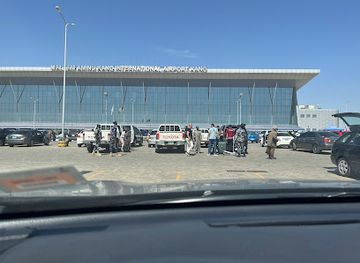
Airport
Aérodrome de Carnot
Discover the wonders of Central Africa from Aérodrome de Carnot, your gateway to stunning wildlife, vibrant cultures, and breathtaking landscapes.
Explore Nana-Mambéré on the map
Plan your trip on one map. See where the top cities, national parks and sights are, and book hotels and experiences in a few clicks.
Best hotels in Nana-Mambéré
Best restaurants in Nana-Mambéré
Dining in Nana-Mambéré is mainly local and informal, centred on home cooking, market food, small eateries and modest roadside establishments rather than a developed restaurant industry. Staples commonly encountered in the western Central African Republic include cassava, maize, plantains, beans, rice, groundnuts and seasonal vegetables, often served with sauces and, where available, chicken, fish or goat. Bouar offers the widest choice of prepared food and supplies, but visitors should not expect consistent menus, refrigeration or card payment. Markets are useful for understanding the region’s food economy and for buying produce, although food and water hygiene require care. French and Central African influences appear alongside local cooking practices, while the agricultural surroundings make fresh seasonal ingredients more accessible than imported products. Travellers heading into rural areas should carry safe drinking water, packaged essentials and any special dietary provisions, as supply interruptions are possible.
-
Restaurant
Cuisine A
Experience the rich flavors of Central Africa at Cuisine A in Bangui - where tradition meets taste.

Best bars in Nana-Mambéré
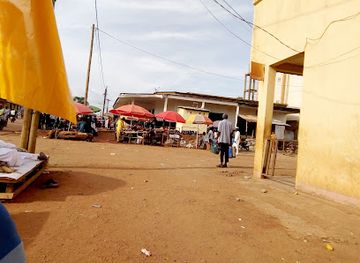
Nana-Mambéré does not have a substantial, tourist-oriented nightclub scene. Evening social life is concentrated in Bouar and other larger settlements, where modest bars, beer gardens, small restaurants and music venues may serve local residents. In villages, evenings are generally shaped more by family and community life than by formal entertainment venues. Availability, opening arrangements and security can change quickly, so visitors should rely on trusted local advice and avoid moving around after dark. Alcohol should not be treated as central to experiencing the region, and caution is important where roads, lighting, communications and emergency services are limited. In practice, the most rewarding evening experience is often a locally arranged meal or conversation in a safe setting rather than a search for commercial nightlife.
-
Restaurant
Mother Care
Experience the best of Cameroonian cuisine at Mother Care, a vibrant restaurant in Garoua-Mboulaï offering delicious dishes and a warm atmosphere.
-
Bar
Sewa Bar
Discover the vibrant nightlife at Sewa Bar in Bangui, where delicious drinks and a lively atmosphere await every visitor.
-
Bar
Central Bar Meiganga
Experience the vibrant nightlife of Meiganga at Central Bar, where local drinks and friendly conversations await.
-
Bar
Witchcraft Bar / YEMA MARTINE
Experience the vibrant local culture and lively atmosphere at Witchcraft Bar in Batouri, Cameroon, where great drinks and unforgettable moments await.


Best nightclubs in Nana-Mambéré
-
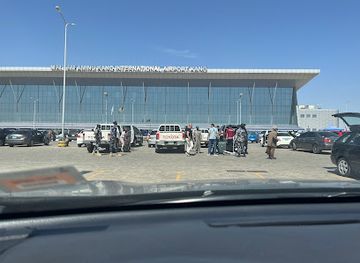
Airport
Aérodrome de Carnot
Explore the heart of Central Africa from Aérodrome de Carnot, your gateway to nature, culture, and adventure.
Best shops in Nana-Mambéré
Shopping in Nana-Mambéré is practical and market-based, with Bouar providing the broadest range of everyday goods, foodstuffs, clothing, household items and transport supplies. Local markets and roadside stalls reflect the agricultural economy, offering cassava products, maize, groundnuts, beans, seasonal fruit and other produce when available. Visitors may find handmade baskets, woven goods or simple craft items, but supply is inconsistent and there is no extensive specialist souvenir industry. Purchases should be made respectfully and at locally agreed prices, while archaeological stones, objects and undocumented antiquities must never be bought or removed. Carry sufficient cash in Central African CFA francs, as card payments are unlikely outside limited commercial settings. The most meaningful purchases are generally locally produced food or modest handicrafts obtained through transparent transactions rather than imported goods marketed as regional heritage.
-
Butcher shop
Marché Central de Garoua
Experience the vibrant atmosphere of Marché Central de Garoua, a cultural gem in Cameroon showcasing fresh meats and local produce.
-
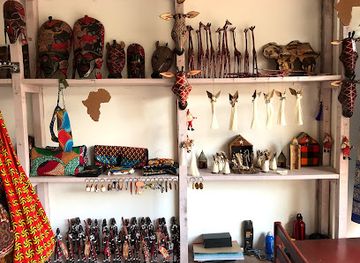
Gift shop
Mama Africa Gift Shop
Explore Mama Africa Gift Shop for unique Tanzanian art, antiques, and clothing that capture the spirit and culture of Tanzania.
-
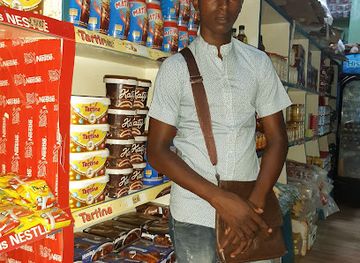
Supermarket
Boutique Alhaj Mahmoud
Experience the vibrant shopping scene at Boutique Alhaj Mahmoud, a supermarket offering local flavors and cultural insights in Garoua-Mboulaï, Cameroon.
-
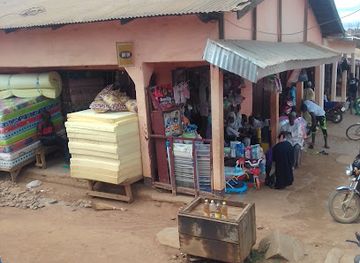
Shopping mall
Établissement AMANA
Discover a vibrant shopping experience at Établissement AMANA in Garoua-Mboulaï, where local culture and modern retail meet.

Get your free copy of our complete guide to Nana-Mambéré, delivered straight to you.
Everything on this page, from attractions and restaurants to essentials and local phrases, in one PDF you can read offline, print or share.
Already have an account? Sign in
Your Nana-Mambéré guide is ready.
We'll send it to · Not you? Sign out

Getting your guide ready…
We are putting together a fresh copy of the Nana-Mambéré guide. This can take up to a minute.
This can take a few moments. If your browser asks, choose Allow so the download can start. You'll find the guide in your Downloads folder.
Nothing happened? Download it again
Sorry, the guide is taking longer than usual. Please try again in a minute, or get it by email instead.
Nana-Mambéré essentials
Currency and Payment
Safety
Emergency Situations
Do's and Don'ts
Local Tips
From Eve
Local phrases worth knowing
You don't need to get them perfect. A few words go a long way, and locals appreciate the effort.
Basics
| English | Local | Say it |
|---|---|---|
| Hello | Mbote | [m-bo-te] |
| Goodbye | Nabali | [na-ba-li] |
| Yes | Ee | [ay] |
| No | Naa | [na-a] |
| Please/You're welcome | S'il te plaît | [seel te pleh] |
| Thank you | Mersi | [mer-see] |
| Excuse me/Sorry | Bokoo | [bo-coo] |
| How are you? | Ongana? | [on-ga-na] |
| Fine. And you? | Nani. Na yo? | [na-ni. na yo] |
| Do you speak English? | O loba Anglè? | [o lo-ba an-gleh] |
| I don't understand | Nako yebi | [na-ko ye-bi] |
Eating & Drinking
| English | Local | Say it |
|---|---|---|
| I'd like to see the menu, please | Nako zala menu, s'il te plaît | [na-ko za-la me-nu, seel te pleh] |
| I don't eat meat | Nako mamba yebè | [na-ko mam-ba ye-be] |
| Cheers! | Mokolo! | [mo-ko-lo] |
| I would like to pay, please | Nako zala kiti, s'il te plaît | [na-ko za-la ki-ti, seel te pleh] |
Emergencies
| English | Local | Say it |
|---|---|---|
| Help! | Tondé! | [ton-de] |
| Go away! | Kobé na mboka! | [ko-be na mbo-ka] |
| Call the Police! | Kota Polisi! | [ko-ta po-li-si] |
| Call a doctor! | Kota dokita! | [ko-ta do-ki-ta] |
| I'm lost | Nako yebè na mboka | [na-ko ye-be na mbo-ka] |
| I'm ill | Nako yebè na mboka | [na-ko ye-be na mbo-ka] |
Shopping
| English | Local | Say it |
|---|---|---|
| I'd like to buy... | Nako zala bonga... | [na-ko za-la bon-ga] |
| I'm just looking | Nako zala na kanga | [na-ko za-la na kan-ga] |
| How much is it? | Nani mabe? | [na-ni ma-be] |
| That's too expensive | O mabe mingi | [o ma-be min-gee] |
| Can you lower the price? | O kanzi kiti mabe? | [o kan-zi ki-ti ma-be] |
Time & Numbers
| English | Local | Say it |
|---|---|---|
| What time is it? | Nani ngana? | [na-ni ngan-a] |
| It's one o'clock | Ngana moko | [ngan-a mo-ko] |
| Half past (10) | Nani na nze | [na-ni na nze] |
| Morning | Mokolo | [mo-ko-lo] |
| Afternoon | Kandé | [kan-de] |
| Evening | Ngana ya mboka | [ngan-a ya mbo-ka] |
| Yesterday | Lobi | [lo-bi] |
| Today | Hona | [ho-na] |
| Tomorrow | Bokolo | [bo-ko-lo] |
| 1 | Moko | [mo-ko] |
| 2 | Mbala | [m-ba-la] |
| 3 | Mokolo minga | [mo-ko-lo min-ga] |
| 4 | Mokolo na mbala | [mo-ko-lo na m-ba-la] |
| 5 | Mokolo na minga | [mo-ko-lo na min-ga] |
| 6 | Mokolo na moke | [mo-ko-lo na mo-ke] |
| 7 | Mokolo na minga moke | [mo-ko-lo na min-ga mo-ke] |
| 8 | Mokolo na mwala | [mo-ko-lo na mwa-la] |
| 9 | Mokolo na mwala moke | [mo-ko-lo na mwa-la mo-ke] |
| 10 | Mokolo na mbala moke | [mo-ko-lo na m-ba-la mo-ke] |
Transport & Directions
| English | Local | Say it |
|---|---|---|
| Where's a/the...? | Wapi ...? | [wa-pi] |
| What's the address? | Nani adres? | [na-ni ad-res] |
| Can you show me (on the map)? | O kanzi zala na mboka? | [o kan-zi za-la na mbo-ka] |
| When's the next (bus)? | Lobi ngana bus? | [lo-bi ngan-a bus] |
| A ticket (to ....) | Kiti (na ...) | [ki-ti (na ...)] |
History of Nana-Mambéré
Early settlement and the Bouar megaliths
The countryside around Bouar contains numerous megalithic monuments, including lines and clusters of standing stones associated with burial practices and memorial traditions. Their dates and individual functions are not identical, and interpretation remains connected to archaeological research as well as local knowledge. The monuments demonstrate that the western Central African highlands supported organised communities with distinctive ritual practices long before the creation of modern states. Today they form the region’s most notable archaeological legacy and are a major reason Nana-Mambéré is considered in international heritage discussions.
Gbaya societies and regional exchange
Before colonial rule, the area was inhabited principally by Gbaya-speaking communities organised through local chiefly, kinship and village systems rather than a single centralised kingdom covering the present prefecture. Movement, marriage, farming and trade linked communities across the modern Central African Republic and Cameroon. The western corridor encouraged exchange in food, livestock and manufactured goods, while local political authority remained grounded in communities and their relationships with the land. These cross-border cultural connections remain important to Nana-Mambéré’s identity.
French conquest and Ubangi-Shari
French expansion into the region during the late nineteenth and early twentieth centuries incorporated western communities into the colony of Ubangi-Shari, later part of French Equatorial Africa. Colonial administration established posts and routes linking the interior with Cameroon and the wider Ubangi basin. The period brought taxation, labour demands and new commercial structures, often imposed with force, while also extending mission education and administrative use of French. Bouar grew in importance as a station on the western route.
Agriculture, missions and the colonial economy
During the colonial period and after, rural production remained central to Nana-Mambéré. Cassava, maize, groundnuts, beans and livestock supported household economies and local trade, while mission stations and schools contributed to new religious and educational networks. The region’s highland climate and road connections helped Bouar develop as a market and service centre. Economic development remained uneven, however, and limited infrastructure left many villages dependent on seasonal roads and informal exchange.
Independence and the Central African Republic
The Central African Republic became independent from France in 1960, and Nana-Mambéré became part of the new republic’s western administrative structure. Bouar retained its role as a prefectural centre and transport point. National political instability, changes of government and limited public investment affected the region as they did much of the country. Schools, health services and roads developed unevenly, leaving local communities and trading networks particularly important in maintaining everyday economic life.
Conflict and cross-border displacement
Armed conflict in the Central African Republic since the late twentieth century has affected western prefectures through insecurity, disrupted commerce and population displacement. Nana-Mambéré’s proximity to Cameroon has made the border region significant for movement, trade and humanitarian response. Conditions have varied over time and between localities, so historical descriptions should not be treated as a guide to current security. The legacy of conflict remains visible in damaged infrastructure, interrupted services and the need for carefully managed travel.
Contemporary heritage recognition
In the twenty-first century, the Megaliths of Bouar have received greater attention as a national and international heritage resource. Their inclusion on UNESCO’s Tentative List reflects recognition of their cultural importance, but it does not mean that the sites are inscribed World Heritage properties or equipped with extensive tourism infrastructure. Contemporary interest therefore combines archaeology, community knowledge and conservation. Protecting the stones and their surrounding landscapes is more important than treating them as isolated photographic objects.
Nana-Mambéré in Photos
Browse through our photo collection highlighting the charm and character of the destination.
Neighbouring regions of Nana-Mambéré
The closest regions to Nana-Mambéré, if you have time for more than one.
-

-

-

-

-


Swipe for more regions
Explore more

Explore more of Central African Republic
Explore the Central African Republic: A land of untamed wilderness, rich culture, and unforgettable adventures in the heart of Africa.
Explore Central African Republic