

Ouham-Pendé, Central African Republic Travel Guide
Discover Ouham-Pendé in Central African Republic: A Haven of Untouched Nature, Rich Wildlife, and Authentic Cultural Experiences.
Ouham-Pendé is a serene and captivating region in the Central African Republic, offering an escape into untouched wilderness and rich cultural heritage. This area is known for its lush landscapes, dense forests, and rolling hills that provide a stunning backdrop for nature enthusiasts and adventure seekers alike. The region is also home to a variety of wildlife, making it an ideal destination for those interested in ecotourism and wildlife photography. The local villages in Ouham-Pendé offer a glimpse into the traditional lifestyle and culture of the Central African Republic. Visitors can explore local markets, participate in traditional ceremonies, and engage with the friendly and hospitable communities. The cultural experiences here are authentic and deeply enriching, providing a unique insight into the way of life in this part of Africa. For those interested in history, Ouham-Pendé has several historical sites and landmarks that tell the story of the region’s past. From ancient rock carvings to colonial-era architecture, the area is rich in historical significance. Exploring these sites can provide a deeper understanding of the region's heritage and its place in the broader context of African history.

Know before you go
Hi, I'm Eve. Here are a few practical things to know before exploring Ouham-Pendé.
- Hire a local guide to explore the forests and wildlife; they can provide insights and ensure your safety.
- Visit local markets early in the morning for the freshest produce and unique handmade crafts.
- Pack light and breathable clothing; the weather can be warm and humid.
- Respect local customs and traditions; always ask for permission before taking photos of people.


Best bars in Ouham-Pendé
Top-rated picks
Best Bars

Bar Laitier
Discover the vibrant atmosphere of Bar Laitier in Ngaoundere, where local flavors and conviviality come together for an unforgettable experience.

Sewa Bar
Experience the vibrant nightlife of Bangui at Sewa Bar, where locals and tourists come together for unforgettable moments and delicious drinks.

Central Bar Meiganga
Discover the lively ambiance and local hospitality at Central Bar Meiganga, the perfect spot for drinks and socializing in Cameroon.

Le Balafon
Experience the vibrant nightlife of Bangui at Le Balafon, a lively bar serving delicious drinks and fostering local culture.


Best shops in Ouham-Pendé
Top-rated picks
Best Shops

Bangui Mall
Experience the lively atmosphere and diverse offerings at Bangui Mall - a shopping paradise in the heart of Central African Republic.

Corail
Discover the vibrant flavors of Bangui at Corail, your go-to grocery store for local and international delights in the heart of Central Africa.

Carrefour Ngoumi
Discover a shopping paradise at Carrefour Ngoumi in Touboro, Cameroon, featuring local and international brands, delicious dining, and a vibrant atmosphere.

Mbaymboum امبايبوم
Explore Mbaymboum in Panzama, Cameroon for unique home goods that celebrate local craftsmanship and culture.

Explore Ouham-Pendé on the Map
A handpicked selection of must-see spots in Ouham-Pendé, mapped for you.
Ouham-Pendé Essentials
-
Ouham-Pendé is located in the northwestern region of the Central African Republic. The nearest major airport is Bangui M'Poko International Airport in the capital city of Bangui. From Bangui, travelers can reach Ouham-Pendé by road. The journey typically takes around 12 to 15 hours by car due to the condition of the roads. It is advisable to hire a reliable 4x4 vehicle, especially during the rainy season. For those looking for a quicker option, domestic flights to Bouar or Bozoum are available, followed by shorter road trips to Ouham-Pendé.
-
Within Ouham-Pendé, transportation options include local taxis, motorbike taxis (boda-boda), and minibuses. These are the primary means of getting around, as public transport infrastructure is limited. Renting a car with a driver is also an option if you plan to explore remote areas. Be prepared for rough road conditions and ensure your vehicle is well-maintained. Walking is common in towns and villages, and it allows you to experience the local lifestyle up close.
-
The official currency in the Central African Republic is the Central African CFA franc (XAF). Credit cards are rarely accepted outside of Bangui, so it is essential to carry cash. ATMs are scarce in Ouham-Pendé, and it is advisable to withdraw sufficient cash in Bangui before traveling. Larger towns may have currency exchange services, but rates and availability can vary.
-
Ouham-Pendé has areas with varying safety levels. Travelers should exercise caution, especially in remote regions and near the borders. Avoid traveling at night and be aware of your surroundings. Petty crime, such as pickpocketing, can occur in crowded places, so keep an eye on your belongings. Some areas may experience armed conflict or banditry; it is best to stay informed through reliable sources and local contacts. Consult your embassy for updated travel advisories.
-
In case of emergency, dial 117 for police assistance and 118 for medical emergencies. The local healthcare facilities in Ouham-Pendé are limited, and serious medical issues may require evacuation to Bangui or another country. It is highly recommended to have comprehensive travel insurance that includes medical evacuation. Pharmacies can be found in larger towns, but the availability of medications may be limited. Keep a basic first aid kit with you.
-
Fashion: Do dress modestly, especially in rural areas. Lightweight, long-sleeved clothing is recommended to protect against mosquitoes. Avoid wearing flashy jewelry. Religion: Do respect local customs and religious practices. When visiting religious sites, dress modestly and remove your shoes if required. Public Transport: Do negotiate fares beforehand when using taxis or motorbike taxis. Don't expect strict schedules; transport often departs when full. Greetings: Do greet people with a handshake and a warm smile. Politeness is appreciated in all interactions. Eating & Drinking: Do try local dishes and be open to new flavors. Don't drink tap water; always use bottled or purified water.
-
To experience Ouham-Pendé like a local, visit the weekly markets where you can buy fresh produce, handcrafted goods, and traditional fabrics. Engage with local residents; they are often friendly and eager to share their culture and traditions. Don't miss visiting the Chutes de Boali (Boali Falls) and the scenic landscapes of the Bamingui-Bangoran National Park. Participating in community events and festivals is also a great way to immerse yourself in the local culture.
When is the best time to visit Ouham-Pendé?
Useful Local Phrases for Ouham-Pendé
You don't need to speak the language perfectly. Even learning a few simple words can make conversations warmer—and locals usually appreciate the effort.
— Eve

Here are the phrases I use most often in Ouham-Pendé. Try a few—you'll be surprised how far they go! 😊
❤️
-
- HelloMbote
[m-bo-te] - GoodbyeTala na yo
[ta-la na yo] - YesOyo
[o-yo] - NoTe
[te] - Please/You're welcomeS'il vous plaît
[sil vu ple] - Thank youMokili na yo
[mo-ki-li na yo] - Excuse me/SorryTondi
[ton-di] - How are you?Ombi malamu?
[om-bi ma-la-mu] - Fine. And you?Malamu. Na yo?
[ma-la-mu na yo] - Do you speak English?Ozali koloba English?
[o-za-li ko-lo-ba en-glish] - I don't understandNazali na komprende te
[na-za-li na kom-pren-de te]
- HelloMbote
-
- I'd like to see the menu, pleaseNalingi komona menu, s'il vous plaît
[na-lin-gi ko-mo-na me-nu sil vu ple] - I don't eat meatNaza na kolia nyama te
[na-za na ko-li-a nya-ma te] - Cheers!Nzo na bino!
[n-zo na bi-no] - I would like to pay, pleaseNalingi kobala, s'il vous plaît
[na-lin-gi ko-ba-la sil vu ple]
- I'd like to see the menu, pleaseNalingi komona menu, s'il vous plaît
-
- Help!Tika!
[ti-ka] - Go away!Pesa!
[pe-sa] - Call the Police!Lingi Polisi!
[lin-gi po-li-si] - Call a doctor!Lingi nganga!
[lin-gi n-gan-ga] - I'm lostNazali na komi na yo
[na-za-li na ko-mi na yo] - I'm illNazali na maladi
[na-za-li na ma-la-di]
- Help!Tika!
-
- I'd like to buy...Nalingi koza...
[na-lin-gi ko-za] - I'm just lookingNazali kokanga te
[na-za-li ko-kan-ga te] - How much is it?Mbongo mingi?
[m-bon-go min-gi] - That's too expensiveEza ya mbongo mingi
[e-za ya m-bon-go min-gi] - Can you lower the price?Ozalaki na koseka mbongo?
[o-za-la-ki na ko-se-ka m-bon-go]
- I'd like to buy...Nalingi koza...
-
- What time is it?Ntango nini ezali?
[n-tan-go ni-ni e-za-li] - It's one o'clockEzali ntango moko
[e-za-li n-tan-go mo-ko] - Half past (10)Kati ya (10)
[ka-ti ya] - MorningMokolo
[mo-ko-lo] - AfternoonMikolo
[mi-ko-lo] - EveningMokolo ya butu
[mo-ko-lo ya bu-tu] - YesterdayLobi
[lo-bi] - TodayLelo
[le-lo] - TomorrowBokoko
[bo-ko-ko] - 1Moko
[mo-ko] - 2Mibale
[mi-ba-le] - 3Mitatu
[mi-ta-tu] - 4Mine
[mi-ne] - 5Mitano
[mi-ta-no] - 6Mokongo
[mo-kon-go] - 7Mikongo
[mi-kon-go] - 8Mibale na moko
[mi-ba-le na mo-ko] - 9Mibale na mibale
[mi-ba-le na mi-ba-le] - 10Mibale na mitatu
[mi-ba-le na mi-ta-tu]
- What time is it?Ntango nini ezali?
-
- Where's a/the...?Eza wapi ...?
[e-za wa-pi] - What's the address?Nini adresse?
[ni-ni ad-res] - Can you show me (on the map)?Ozalaki na koyeba (na kati)?
[o-za-la-ki na ko-ye-ba na ka-ti] - When's the next (bus)?Ntango nini esengeli (bus)?
[n-tan-go ni-ni e-sen-ge-li] - A ticket (to ....)Billet (na ....)
[bi-llet]
- Where's a/the...?Eza wapi ...?
History of Ouham-Pendé
-
Before the arrival of European colonizers, the region now known as Ouham-Pendé was inhabited by various ethnic groups, each with its unique culture and traditions. The Gbaya and Banda people were among the most prominent communities. They engaged in hunting, farming, and trading with neighboring tribes. Oral histories suggest that these communities had complex social structures and spiritual beliefs deeply connected to the land.
-
In the late 19th century, the area that includes Ouham-Pendé became part of the French colony of Ubangi-Shari, which later formed part of French Equatorial Africa. The colonizers imposed harsh labor demands on the local population, particularly for the cultivation of cotton and rubber. This period was marked by significant resistance from the local communities, who resented the exploitation and loss of autonomy.
-
The Central African Republic gained independence from France in 1960. Ouham-Pendé, like many other regions, experienced the initial political instability that characterized the new nation. The area saw development projects aimed at improving infrastructure and education, but challenges such as poverty and lack of resources persisted.
-
In the late 20th and early 21st centuries, Ouham-Pendé was affected by ethnic and political conflicts that plagued the Central African Republic. Militia groups and rebel factions often clashed, leading to periods of violence and displacement of local communities. Humanitarian efforts have been ongoing to address the needs of those affected by these conflicts.
-
Despite the challenges, Ouham-Pendé remains rich in cultural heritage. Traditional music, dance, and art continue to play a vital role in the community's life. Festivals and ceremonies are held regularly, keeping the cultural practices and oral histories alive. The Gbaya and Banda people, among others, continue to maintain their unique cultural identities through these practices.
-
Ouham-Pendé is known for its stunning landscapes, including rolling hills, rivers, and dense forests. The region is home to several wildlife species, some of which are endangered. Efforts are being made to promote eco-tourism as a means to protect the natural environment and provide sustainable economic opportunities for local communities.
Neighbouring Regions of Ouham-Pendé
The closest regions to Ouham-Pendé, if you have time for more than one.


Your all‑in‑one travel companion app
Explore expert travel guides, compare and book tours, experiences, hotels, and more—all from the palm of your hand. Download now for seamless trip planning wherever your wanderlust takes you.


Explore More of Central African Republic

Looking beyond Ouham-Pendé? Discover Central African Republic for broader travel guides, local hot-spots, and regional highlights.
Explore Central African RepublicOuham-Pendé in Photos
Browse through our photo collection highlighting the charm and character of the destination.


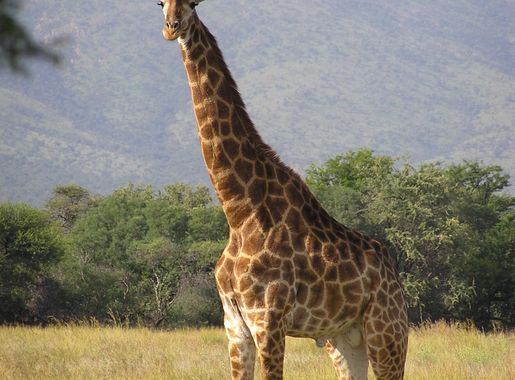


Ouham-Pendé: Nature's Untouched Canvas in Central African Republic
Ouham-Pendé is a serene and captivating region in the Central African Republic, offering an escape into untouched wilderness and rich cultural heritage. This area is known for its lush landscapes, dense forests, and rolling hills that provide a stunning backdrop for nature enthusiasts and adventure seekers alike. The region is also home to a variety of wildlife, making it an ideal destination for those interested in ecotourism and wildlife photography. The local villages in Ouham-Pendé offer a glimpse into the traditional lifestyle and culture of the Central African Republic. Visitors can explore local markets, participate in traditional ceremonies, and engage with the friendly and hospitable communities. The cultural experiences here are authentic and deeply enriching, providing a unique insight into the way of life in this part of Africa. For those interested in history, Ouham-Pendé has several historical sites and landmarks that tell the story of the region’s past. From ancient rock carvings to colonial-era architecture, the area is rich in historical significance. Exploring these sites can provide a deeper understanding of the region's heritage and its place in the broader context of African history.