

Free Mayo-Kebbi East Travel Guide & Mobile App
Explore Mayo-Kebbi East with free travel guides. Discover regional history, expert tips, proposed trips, and audio guides on web or mobile app.


Mayo-Kebbi Est reveals southern Chad through Bongor, Logone river landscapes, seasonal wetlands, rural markets and carefully planned cultural journeys.
Read more about Mayo-Kebbi East
When is the best time to visit Mayo-Kebbi East?
Best: November–January · 32–34°C| Month | High (°C) | Rainfall (mm) |
|---|---|---|
| January (best) | 33 | 0 |
| February | 36 | 0 |
| March | 39 | 1 |
| April | 40 | 16 |
| May | 38 | 67 |
| June | 35 | 109 |
| July | 33 | 143 |
| August | 32 | 175 |
| September | 33 | 136 |
| October | 35 | 58 |
| November (best) | 34 | 5 |
| December (best) | 32 | 0 |
Getting to and around Mayo-Kebbi East
How to get there
Transportation
Best attractions in Mayo-Kebbi East
Mayo-Kebbi Est’s attractions are primarily geographical and cultural rather than a large collection of formal visitor sites. Bongor provides the most accessible introduction, with its market life, river setting and role as the region’s administrative centre. The Logone River and its associated floodplain are central to the landscape, particularly when seasonal water levels transform farmland, fishing areas and transport routes. Visits should be arranged locally and should not interfere with working communities or river activities. Around Gounou Gaya and Fianga, rural roads lead into cultivated savannah and smaller settlements where agriculture, livestock keeping and seasonal trade remain visible parts of daily life. The wider Chari-Logone basin also offers historical context through archaeological traditions associated with the Sao cultural sphere, although Mayo-Kebbi Est does not have a dense circuit of excavated monuments or interpretive museums. Birdlife and wetland scenery may interest experienced travellers, but wildlife observation is informal and requires local knowledge rather than expecting a developed safari infrastructure. The region is best suited to carefully organised cultural, geographical and photographic journeys, with time allowed for weather, road conditions and local arrangements.
-
Tourist attraction
Waza National Park
Discover the breathtaking landscapes and diverse wildlife of Waza National Park, a hidden gem in Cameroon perfect for nature lovers and adventure seekers.

Explore Mayo-Kebbi East on the map
Plan your trip on one map. See where the top cities, national parks and sights are, and book hotels and experiences in a few clicks.
Best hotels in Mayo-Kebbi East
Best restaurants in Mayo-Kebbi East
Dining in Mayo-Kebbi Est is informal and closely tied to local markets, household cooking and small roadside establishments rather than a developed restaurant industry. Common foods include millet or sorghum-based boule served with sauces, rice, maize, beans, groundnuts, okra and seasonal vegetables. Fish from the Logone and associated waterways may appear where local supply allows, while grilled meat, brochettes and simple stews are found in larger markets and town centres. Seasonal produce can include leafy vegetables, fruit and market-garden crops grown in the fertile southern environment. In Bongor, cafés and modest eateries may offer Chadian staples alongside tea and soft drinks, but menus, hygiene standards and opening arrangements vary. Visitors should carry safe drinking water, choose freshly cooked food from busy establishments and avoid assuming that cold-chain storage is dependable. Food traditions overlap with those of neighbouring southern Chad and northern Cameroon, reflecting the region’s shared river basin and trading connections rather than a single dish exclusive to Mayo-Kebbi Est.
-
Restaurant
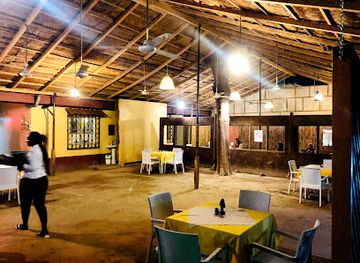
Layalina
Experience authentic Chadian cuisine blended with international flavors at Layalina in N'Djamena.
-
Restaurant
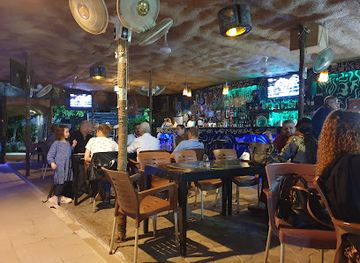
Perception Pub-Restaurant
Experience the vibrant dining and nightlife scene at Perception Pub-Restaurant in N'Djamena – where delicious food meets lively entertainment.
-
Restaurant
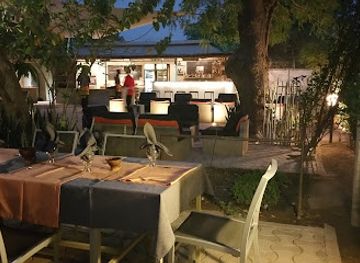
Au Bout Des Doigts
Discover authentic Chadian flavors at Au Bout Des Doigts, where every meal tells a story of tradition and taste in N'Djamena.
-
Restaurant
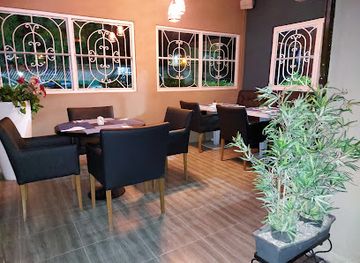
La CAVE
Experience the best of N'Djamena's culinary scene at La CAVE - where delicious pizzas meet Chadian flavors in a cozy atmosphere.
Best nightclubs in Mayo-Kebbi East
Mayo-Kebbi Est does not have a substantial, internationally oriented nightclub scene. Evening life is more likely to centre on modest cafés, roadside food stalls, tea drinking, private gatherings and informal socialising in Bongor and other larger settlements. Some establishments may serve beer or locally available alcoholic drinks, but visitors should follow local sensitivities and avoid making alcohol the focus of a visit. Outside the main towns, nightlife is limited and transport after dark is difficult, so returning to accommodation before nightfall is sensible. Live music, celebrations and community events may occur, but they are often seasonal or locally organised rather than reliably scheduled for visitors. Ask a trusted host about appropriate places and current conditions, and avoid photographing gatherings or entering unfamiliar venues without permission.
-
 Disco club
Le VIP
Experience the vibrant nightlife at Le VIP, N'Djamena's premier disco club, where music and dance create unforgettable memories.
Best shops in Mayo-Kebbi East
Shopping in Mayo-Kebbi Est is concentrated in Bongor and the market centres serving Gounou Gaya, Fianga and surrounding rural districts. Markets are practical places to find grain, rice, groundnuts, vegetables, dried fish, household goods, clothing and locally traded produce, while smaller stalls sell tea, snacks and everyday necessities. Visitors may encounter woven mats, baskets, simple textiles, leather goods or handmade household objects, but availability varies and products should not automatically be labelled as traditional regional crafts without local explanation. The most appropriate souvenirs are usually durable, modestly priced items purchased directly through reputable sellers, with fair bargaining and respect for photography restrictions. Cash is essential, and choices become narrower outside the main towns. Mayo-Kebbi Est is not a destination for department-store or luxury retail; its shopping interest comes from observing how riverine agriculture, cross-border commerce and weekly market activity sustain local communities.
-
Place of worship
N'DJIKETTE
Discover the tranquil beauty and cultural richness of N'DJIKETTE, a serene place of worship in Chad's Mayo Kebbi region.
Get your free copy of our complete guide to Mayo-Kebbi East, delivered straight to you.
Everything on this page, from attractions and restaurants to essentials and local phrases, in one PDF you can read offline, print or share.
Already have an account? Sign in
Your Mayo-Kebbi East guide is ready.
We'll send it to · Not you? Sign out

Getting your guide ready…
We are putting together a fresh copy of the Mayo-Kebbi East guide. This can take up to a minute.
This can take a few moments. If your browser asks, choose Allow so the download can start. You'll find the guide in your Downloads folder.
Nothing happened? Download it again
Sorry, the guide is taking longer than usual. Please try again in a minute, or get it by email instead.
Mayo-Kebbi East essentials
Currency and Payment
Safety
Emergency Situations
Do's and Don'ts
Local Tips
From Eve
Local phrases worth knowing
You don't need to get them perfect. A few words go a long way, and locals appreciate the effort.
Basics
| English | Local | Say it |
|---|---|---|
| Hello | Salam | [sa-lam] |
| Goodbye | Barka | [bar-ka] |
| Yes | Eey | [ey] |
| No | Alaa | [a-laa] |
| Please/You're welcome | Fadhal | [fad-hal] |
| Thank you | Shukran | [shu-kran] |
| Excuse me/Sorry | Afwan | [af-wan] |
| How are you? | Kayfa halak? | [kai-fa ha-lak] |
| Fine. And you? | Ana bikhair. Wa anta? | [a-na bi-khair. wa an-ta] |
| Do you speak English? | Hal tatakallam al-ingliziya? | [hal ta-ta-kal-lam al-ing-li-zi-ya] |
| I don't understand | Ana la afham | [a-na la af-ham] |
Eating & Drinking
| English | Local | Say it |
|---|---|---|
| I'd like to see the menu, please | Ureed an ara al-menu, fadhal | [u-reed an a-ra al-menu, fad-hal] |
| I don't eat meat | Ana la akul lahm | [a-na la a-kul lahm] |
| Cheers! | Sahtain! | [sah-tain] |
| I would like to pay, please | Ureed an adfa'a, fadhal | [u-reed an ad-fa'a, fad-hal] |
Emergencies
| English | Local | Say it |
|---|---|---|
| Help! | Ain al-musa'ada! | [ain al-mu-sa-a-da] |
| Go away! | Izhab! | [iz-hab] |
| Call the Police! | Ittasil bil shurta! | [it-ta-sil bil shur-ta] |
| Call a doctor! | Ittasil bi doctor! | [it-ta-sil bi doc-tor] |
| I'm lost | Ana ta'ban | [a-na ta-ban] |
| I'm ill | Ana marid | [a-na ma-rid] |
Shopping
| English | Local | Say it |
|---|---|---|
| I'd like to buy... | Ureed an ashtari... | [u-reed an ash-ta-ri] |
| I'm just looking | Ana just nadar | [a-na just na-dar] |
| How much is it? | Kam thamanuh? | [kam tha-ma-nuh] |
| That's too expensive | Hatha ghaly jiddan | [ha-tha ghal-y jid-dan] |
| Can you lower the price? | Hal mumkin an takhafid al-thaman? | [hal mum-kin an ta-kha-fid al-tha-man] |
Time & Numbers
| English | Local | Say it |
|---|---|---|
| What time is it? | Ay waqt? | [ay waqt] |
| It's one o'clock | Al-saa'a wahida | [al-saa-a wa-hi-da] |
| Half past (10) | Nisf al-ashra | [nisf al-ash-ra] |
| Morning | Sabaah | [sa-baah] |
| Afternoon | Ba'ad al-zuhur | [ba-ad al-zhu-r] |
| Evening | Masa' | [ma-sa'] |
| Yesterday | Ams | [ams] |
| Today | Al-yawm | [al-yawm] |
| Tomorrow | Ghad | [ghad] |
| 1 | Wahid | [wa-hid] |
| 2 | Ithnan | [ith-nan] |
| 3 | Thalatha | [tha-la-tha] |
| 4 | Arba'a | [ar-ba-a] |
| 5 | Khamsa | [khams-a] |
| 6 | Sitta | [sit-ta] |
| 7 | Sab'a | [sab-a] |
| 8 | Thamaniya | [tha-ma-ni-ya] |
| 9 | Tis'a | [tis-a] |
| 10 | Ashar | [a-shar] |
Transport & Directions
| English | Local | Say it |
|---|---|---|
| Where's a/the...? | Ayna ...? | [ay-na] |
| What's the address? | Ma huwa al-'unwan? | [ma hu-wa al-'un-wan] |
| Can you show me (on the map)? | Hal mumkin an turini (ala al-kharta)? | [hal mum-kin an tu-ri-ni (a-la al-khar-ta)] |
| When's the next (bus)? | Mata al-bus al-qadim? | [ma-ta al-bus al-qa-dim] |
| A ticket (to ....) | Tazkara (ila ...) | [taz-ka-ra (i-la)] |
History of Mayo-Kebbi East
Early settlement and the Chari-Logone cultural sphere
The waterways and fertile seasonal plains of the Chari-Logone basin have supported human settlement, farming, fishing and exchange for centuries. Archaeological evidence from the wider basin points to long-established communities whose material culture included pottery, ironworking and organised agriculture. Mayo-Kebbi Est belongs to this broader historical environment rather than possessing a single isolated founding tradition. Seasonal movement between cultivated land, floodplain and river helped shape settlement patterns and continued to influence local livelihoods long before the creation of modern administrative borders.
Sao and neighbouring riverine traditions
The region lies within the wider zone historically associated with Sao cultural traditions, known from archaeological sites around the Chari and Logone systems. Sao communities were not a single modern ethnic group or kingdom, but a series of societies whose settlements, craft production and burial practices left an important legacy in the basin. Their history demonstrates the antiquity of organised life along these waterways. Visitors should understand Sao heritage as a broad archaeological and cultural context for southern Chad, rather than expect a single monumental site in Mayo-Kebbi Est.
Bagirmi influence and regional states
From the later medieval and early modern periods, political power in the wider southern and central Chadian region was influenced by states and trading networks connected with Bagirmi, Kanem-Bornu and neighbouring riverine societies. The precise extent of authority varied over time, but trade, tribute, migration and religious connections linked the Logone corridor to larger regional systems. These relationships encouraged the movement of goods and people across what are now national boundaries, helping explain the cultural connections between Mayo-Kebbi Est and northern Cameroon.
Nineteenth-century commerce and frontier connections
During the nineteenth century, communities in the Mayo-Kebbi and Logone areas participated in regional commerce involving grain, livestock, fish, textiles and other goods. Markets and river crossings connected farming settlements with larger centres to the north and south. Political authority remained varied, and local rulers, communities and mobile groups negotiated control of land, routes and resources. The region’s present-day economic life, particularly its reliance on market towns and cross-border relationships, retains traces of these older patterns of exchange.
French conquest and colonial administration
French expansion into the Chad basin during the late nineteenth and early twentieth centuries brought military campaigns, new administrative structures and wider incorporation into French Equatorial Africa. Colonial authorities reorganised taxation, labour, transport and local governance, while Christian missions and schooling developed unevenly across the south. The Logone and Mayo-Kebbi areas became part of a frontier administration whose boundaries did not always correspond to older cultural or commercial networks. Many roads, administrative centres and official practices used today have roots in this period.
Independence, conflict and regional change
Chad became independent in 1960, but subsequent political conflict and civil war affected transport, public administration and economic life across the country. Mayo-Kebbi Est, like other southern regions, experienced the consequences of national instability even when major fighting was elsewhere. Population movement, limited infrastructure and changing relations between central authorities and local communities shaped the decades after independence. The region’s contemporary travel conditions, including the need for careful security planning and reliance on local knowledge, must be understood against this wider national history.
Creation of Mayo-Kebbi Est
Mayo-Kebbi Est became a distinct administrative region during Chad’s territorial reorganisation in the early twenty-first century, with Bongor as its capital. The region brought together departments including Mayo-Boneye, Kabbia and Mont d’Illi, formalising an administrative identity around the eastern part of the historic Mayo-Kebbi area. This modern boundary is different from older cultural and ecological geographies, which continue across neighbouring regions and into Cameroon. Regional government, education, markets and infrastructure now operate within this administrative framework.
Mayo-Kebbi East in Photos
Browse through our photo collection highlighting the charm and character of the destination.
Neighbouring regions of Mayo-Kebbi East
The closest regions to Mayo-Kebbi East, if you have time for more than one.
-

-

-

-

-


Swipe for more regions
Explore more

Explore more of Chad
Discover Chad: Explore Africa's untouched landscapes, rich cultural heritage, and captivating wildlife in one of the continent's most enchanting and remote destinations.
Explore Chad