

Free Logone Occidental Travel Guide & Mobile App
Explore Logone Occidental with free travel guides. Discover regional history, expert tips, proposed trips, and audio guides on web or mobile app.


Explore Logone Occidental in southern Chad for Moundou’s markets, Logone River landscapes, cotton heritage and rural cultural encounters.
Read more about Logone Occidental
When is the best time to visit Logone Occidental?
Best: November–January · 28–30°C| Month | High (°C) | Rainfall (mm) |
|---|---|---|
| January (best) | 28 | 0 |
| February | 30 | 0 |
| March | 34 | 1 |
| April | 36 | 2 |
| May | 35 | 5 |
| June | 33 | 12 |
| July | 31 | 20 |
| August | 30 | 18 |
| September | 32 | 10 |
| October | 34 | 4 |
| November (best) | 30 | 1 |
| December (best) | 28 | 0 |
Getting to and around Logone Occidental
How to get there
Transportation
Best landmarks in Logone Occidental
Moundou itself is Logone Occidental’s most recognisable urban landmark, not because of a single monumental building but because its commercial streets, public institutions and regional scale express the importance of southern Chad. The city’s cathedral and other major religious buildings reflect the presence of Christian missions and churches in a region where religious institutions have contributed to education, healthcare and community life. Lake Wey provides a geographical landmark on the edge of the urban area, with its seasonal waters and low-lying surroundings contrasting with the city’s built environment. The Logone River is the region’s defining natural landmark, shaping agriculture, fishing, settlement and movement while linking Logone Occidental to the wider Chari-Logone basin. Moundou’s markets are also important civic landmarks in a practical sense: they are places where regional produce, imported goods, clothing and household commerce converge. Outside the city, the most meaningful landmarks are often village compounds, cultivated landscapes, river crossings and older administrative or mission-related structures whose significance is best explained by a local guide rather than read from signage.
-
Mosque
N'Djamena Grand Mosque
Explore the grandeur of N'Djamena Grand Mosque, a stunning architectural gem and spiritual landmark in the heart of Chad's capital.
-
National museum
National Museum of Chad
Discover the treasures of Chad's history and culture at the National Museum of Chad, a must-visit destination for every traveler in N'Djamena.
-
National park
Zakouma National Park
Discover the breathtaking landscapes and diverse wildlife of Zakouma National Park, a premier destination for nature lovers and adventure seekers in Chad.
-
Tourist attraction
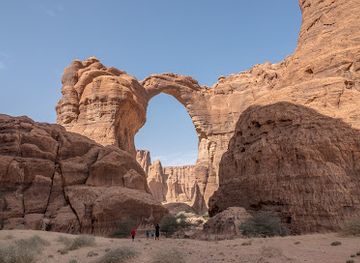
Aloba Arch
Experience the breathtaking beauty of Aloba Arch, a monumental natural wonder in Torohi that captivates nature lovers and adventure seekers alike.


Explore Logone Occidental on the map
Plan your trip on one map. See where the top cities, national parks and sights are, and book hotels and experiences in a few clicks.
Best hotels in Logone Occidental
Best restaurants in Logone Occidental
Dining in Logone Occidental is centred on Moundou and reflects the food systems of southern Chad rather than a highly formal restaurant culture. Meals commonly draw on millet, sorghum, rice, beans, groundnuts, vegetables and meat, while fish from the Logone basin and associated waters may appear when locally available. Grilled meat, sauces served with staple grains and simple rice-based dishes are typical options in informal eateries, cafés and family-run establishments. Moundou’s markets are useful for observing the ingredients that supply households and small food businesses, although visitors should choose cooked food carefully and drink treated or sealed water. Larger hotels may offer more familiar international dishes, but choice can be limited and supplies seasonal. French and Central African culinary influences are present alongside local traditions, while sweet tea and bottled drinks are common refreshments. Ask a local contact which establishments are currently operating and suitable for visitors rather than relying on old listings.
-
 Hotel
La Résidence Hotel N'Djamena
Experience luxury and comfort at La Résidence Hotel N'Djamena - your gateway to exploring Chad's vibrant culture.
-
Cafe
Amandine Bakery
Discover Amandine Bakery in N'Djamena: where delightful pastries meet local charm in a cozy cafe setting.
-
Restaurant
Layalina
Experience the best of N'Djamena's culinary scene at Layalina, where local flavors meet international cuisine in an inviting atmosphere.
-
Restaurant
Perception Pub-Restaurant
Experience the vibrant flavors of Chad at Perception Pub-Restaurant, where culinary excellence meets inviting ambiance in N'Djamena.


Best bars in Logone Occidental
Evening life in Logone Occidental is concentrated in Moundou and is more likely to involve modest bars, cafés, hotel restaurants, music, conversation and televised sport than a large nightclub scene. Informal venues may serve bottled beer, soft drinks and local or regional beverages, but standards, opening arrangements and atmosphere can change, so local advice is important. Rural communities generally have fewer dedicated nightlife venues, and evening activity often follows household, market or community routines rather than tourism. Visitors should avoid wandering after dark, use transport arranged with a trusted contact and respect local expectations around dress, photography and alcohol. Live music and social gatherings may occur without a fixed tourist programme, while religious and community events should be attended only by invitation or with appropriate local introduction. Nightlife is therefore a small part of the region’s appeal; the more significant evening experience is the social life of Moundou’s streets and neighbourhoods viewed responsibly and securely.
-
Bar
Perception Pub-Restaurant
Discover the vibrant atmosphere of Perception Pub-Restaurant in N'Djamena, where delightful cuisine meets lively nightlife for an unforgettable experience.
-
Restaurant
Centre commercial le principal
Experience Moundou's vibrant culinary scene at Centre Commercial Le Principal, where local flavors and warm hospitality await every visitor.
-
Lombardian restaurant
Chez Mme Manassé
Discover authentic Lombardian cuisine at Chez Mme Manassé, where flavors meet warm hospitality in the heart of Moundou.
-
Bar
Black&white
Experience the vibrant nightlife of N'Djamena at Black&White, a stylish bar blending local culture with modern flair for an unforgettable evening.


Best nightclubs in Logone Occidental
Evening life in Logone Occidental is concentrated in Moundou and is more likely to involve modest bars, cafés, hotel restaurants, music, conversation and televised sport than a large nightclub scene. Informal venues may serve bottled beer, soft drinks and local or regional beverages, but standards, opening arrangements and atmosphere can change, so local advice is important. Rural communities generally have fewer dedicated nightlife venues, and evening activity often follows household, market or community routines rather than tourism. Visitors should avoid wandering after dark, use transport arranged with a trusted contact and respect local expectations around dress, photography and alcohol. Live music and social gatherings may occur without a fixed tourist programme, while religious and community events should be attended only by invitation or with appropriate local introduction. Nightlife is therefore a small part of the region’s appeal; the more significant evening experience is the social life of Moundou’s streets and neighbourhoods viewed responsibly and securely.
-
Restaurant
Perception Pub-Restaurant
Discover the vibrant flavors and lively atmosphere of Perception Pub-Restaurant in N'Djamena, where culinary delights meet social relaxation.
-
Night club
Lake Chad Club
Discover Maiduguri's nightlife at Lake Chad Club—where vibrant music, delicious drinks, and a welcoming atmosphere await.
-
Bar
Platinium bling bling
Unleash your night at Platinium Bling Bling, the ultimate bar and night club experience in N'Djamena for an unforgettable nightlife adventure.
-
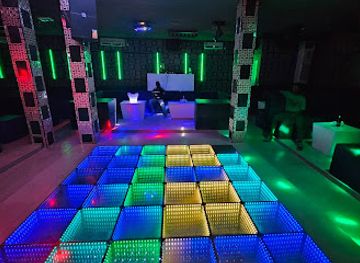
Night club
Lion’s club
Experience the vibrant nightlife of N'Djamena at Lion's Club, where music, dance, and local culture come together for an unforgettable evening.


Best shops in Logone Occidental
Shopping in Logone Occidental is concentrated in Moundou, especially its markets, roadside stalls and independent shops rather than purpose-built retail centres. Visitors can find locally grown foodstuffs, grains, vegetables, groundnuts, clothing, household goods and practical items brought through regional trade. Market visits are as much a way to understand the city’s economy as an opportunity to buy souvenirs, and bargaining should be conducted politely without turning ordinary purchases into a performance. Cotton is an important part of the regional economic story, although visitors should not assume that every textile sold locally was produced in Logone Occidental. Small craft items, woven goods and handmade household objects may be available, but quality and provenance vary; ask before attributing an item to a particular community. Bottled drinks and packaged foods are convenient purchases for road journeys, while rural markets offer a more limited and seasonal selection. Carry small XAF notes, seek permission before taking photographs and shop with a local companion when possible.
-
Produce market
Marché De Mil De Moundou
Explore the lively Marché De Mil De Moundou, a colorful produce market in Moundou, showcasing local flavors and vibrant culture.
-
Grocery store
Alimentation La Fraîcheur
Explore Alimentation La Fraîcheur for a taste of Moundou's fresh produce and local culinary delights.
-
Computer accessories store
Addah 235
Discover the best in computer accessories at Addah 235, Moundou's premier tech shop for tourists and locals alike.
-
Shopping mall
Alimentation Al Firdose
Explore the vibrant shopping experience and local delicacies at Alimentation Al Firdose, Moundou's premier shopping destination.



Get your free copy of our complete guide to Logone Occidental, delivered straight to you.
Everything on this page, from attractions and restaurants to essentials and local phrases, in one PDF you can read offline, print or share.
Already have an account? Sign in
Your Logone Occidental guide is ready.
We'll send it to · Not you? Sign out

Getting your guide ready…
We are putting together a fresh copy of the Logone Occidental guide. This can take up to a minute.
This can take a few moments. If your browser asks, choose Allow so the download can start. You'll find the guide in your Downloads folder.
Nothing happened? Download it again
Sorry, the guide is taking longer than usual. Please try again in a minute, or get it by email instead.
Logone Occidental essentials
Currency and Payment
Safety
Emergency Situations
Do's and Don'ts
Local Tips
From Eve
Local phrases worth knowing
You don't need to get them perfect. A few words go a long way, and locals appreciate the effort.
Basics
| English | Local | Say it |
|---|---|---|
| Hello | Nde ke | [N-deh keh] |
| Goodbye | Nde n'do | [N-deh n-doh] |
| Yes | Ehe | [Eh-heh] |
| No | Ayi | [Ah-yee] |
| Please/You're welcome | S'il vous plaît | [Seel voo pleh] |
| Thank you | Mérci | [Mehr-see] |
| Excuse me/Sorry | Pardon | [Par-dohn] |
| How are you? | Nde bô? | [N-deh boh?] |
| Fine. And you? | Bô. Nde bô? | [Boh. N-deh boh?] |
| Do you speak English? | Nde n'kôra anglais? | [N-deh n-kor-ah ahn-glay?] |
| I don't understand | Nde n'kôra na | [N-deh n-kor-ah nah] |
Eating & Drinking
| English | Local | Say it |
|---|---|---|
| I'd like to see the menu, please | Nde n'kôra l'menou, s'il vous plaît | [N-deh n-kor-ah l-meh-noo, seel voo pleh] |
| I don't eat meat | Nde n'kôra na n'zi | [N-deh n-kor-ah nah n-zee] |
| Cheers! | À la vôtre! | [Ah lah voh-truh!] |
| I would like to pay, please | Nde n'kôra pê, s'il vous plaît | [N-deh n-kor-ah pay, seel voo pleh] |
Emergencies
| English | Local | Say it |
|---|---|---|
| Help! | À l'aide! | [Ah leh-deh!] |
| Go away! | Va-t'en! | [Vah-tahn!] |
| Call the Police! | Appelle la Police! | [Ah-pel lah Po-lees!] |
| Call a doctor! | Appelle un docteur! | [Ah-pel un doh-kteur!] |
| I'm lost | Nde n'kôra perdu | [N-deh n-kor-ah pair-due] |
| I'm ill | Nde n'kôra mal | [N-deh n-kor-ah mahl] |
Shopping
| English | Local | Say it |
|---|---|---|
| I'd like to buy... | Nde n'kôra l'achète... | [N-deh n-kor-ah l-ah-shet...] |
| I'm just looking | Nde n'kôra l'vê | [N-deh n-kor-ah l-vay] |
| How much is it? | Kô komô? | [Koh koh-moh?] |
| That's too expensive | C'est trop cher | [Seh troh shair] |
| Can you lower the price? | Nde n'kôra rabâ la prix? | [N-deh n-kor-ah rah-bah lah pree?] |
Time & Numbers
| English | Local | Say it |
|---|---|---|
| What time is it? | Kô sa heure? | [Koh sah uhr?] |
| It's one o'clock | C'est une heure | [Seh oon uhr] |
| Half past (10) | Demi (10) | [Duh-mee (10)] |
| Morning | Matin | [Mah-tan] |
| Afternoon | Après-midi | [Ah-preh-mee-dee] |
| Evening | Soir | [Swahr] |
| Yesterday | Hier | [Ee-ehr] |
| Today | Aujourd'hui | [O-zhur-dwee] |
| Tomorrow | Demain | [Duh-mahn] |
| 1 | Un | [Uhn] |
| 2 | Deux | [Duh] |
| 3 | Trois | [Trwah] |
| 4 | Quatre | [Kah-truh] |
| 5 | Cinq | [Sank] |
| 6 | Six | [Sees] |
| 7 | Sept | [Set] |
| 8 | Huit | [Wheet] |
| 9 | Neuf | [Nuhf] |
| 10 | Dix | [Dees] |
Transport & Directions
| English | Local | Say it |
|---|---|---|
| Where's a/the...? | Kô y'a le...? | [Koh yah luh...?] |
| What's the address? | Kô l'adresse? | [Koh lah-dress?] |
| Can you show me (on the map)? | Nde n'kôra montrer (sur la carte)? | [N-deh n-kor-ah mohn-tray (sur lah kart)?] |
| When's the next (bus)? | Kô sa prochaine (bus)? | [Koh sah pro-shen (bus)?] |
| A ticket (to ....) | Un billet (pour....) | [Uhn bee-yay (poor....)] |
History of Logone Occidental
Early settlement and the Logone basin
The fertile and seasonally flooded lands of the Logone basin have supported settled communities, cultivation, fishing and livestock keeping for centuries. Archaeological knowledge of southwestern Chad is less developed for visitors than that of the central and northern parts of the country, but the region forms part of a long-established network of communities linked by rivers, paths and markets. Agricultural life, kinship structures and oral traditions remain important to understanding the human geography of Logone Occidental.
Sao and wider Central African influences
The wider Lake Chad and Chari-Logone region is associated with the Sao cultural world, known through archaeological remains, oral traditions and historic accounts of settled communities. The exact boundaries and dating of Sao influence are complex, and the label should not be treated as a simple description of every southern community. Nevertheless, Logone Occidental belonged to a broader zone of interaction connecting the lake basin, the Logone valley and the savannahs farther south.
Pre-colonial southern communities
Before European rule, the area that is now Logone Occidental was inhabited by communities with established agricultural economies, local authorities and trade relationships. Sara-speaking peoples form a major part of the region’s cultural landscape, although identities within the wider Sara grouping are diverse. Authority was distributed through local institutions rather than a single state covering the modern region, and rivers, seasonal roads and market networks shaped contact between settlements.
French conquest and colonial administration
French military expansion into the Chad basin during the early twentieth century brought the southern territories under colonial control. Moundou developed as an administrative and commercial centre during this period, while roads, mission stations and government institutions altered patterns of settlement and authority. Colonial rule also redirected production towards export needs and imposed new systems of taxation and labour. Buildings and urban layouts associated with this period are modest, but its institutional legacy remains visible in Moundou.
Cotton and the growth of Moundou
Cotton became one of the defining economic activities of southern Chad under colonial rule and remained central after independence. Production connected rural cultivators to ginneries, transport routes and national markets, while Moundou grew as a processing, commercial and administrative centre. Cotton brought income and infrastructure but also exposed farmers to fluctuating prices, climatic pressure and changing state policies. The crop’s importance helps explain the region’s urban development and its continuing connection with wider Chadian economic life.
Independence, conflict and contemporary change
Chad became independent from France in 1960, but political instability and armed conflict repeatedly affected national development. Although the most intense episodes were not confined to Logone Occidental, insecurity, displacement and economic disruption influenced southern communities as well. Moundou continued to function as a major regional centre, supported by agriculture, trade, public services and civil-society activity. Contemporary Logone Occidental reflects both the resilience of local communities and the practical constraints created by limited infrastructure and national instability.
Logone Occidental in Photos
Browse through our photo collection highlighting the charm and character of the destination.
Neighbouring regions of Logone Occidental
The closest regions to Logone Occidental, if you have time for more than one.
-

-

-

-

-


Swipe for more regions
Explore more

Explore more of Chad
Discover Chad: Explore Africa's untouched landscapes, rich cultural heritage, and captivating wildlife in one of the continent's most enchanting and remote destinations.
Explore Chad