

Free Tandjilé Travel Guide & Mobile App
Explore Tandjilé with free travel guides. Discover regional history, expert tips, proposed trips, and audio guides on web or mobile app.


Tandjilé offers river landscapes, rural markets and southern Chadian culture around Laï, with careful planning required for transport and security.
Read more about Tandjilé
When is the best time to visit Tandjilé?
Best: December–February · 33–35°C| Month | High (°C) | Rainfall (mm) |
|---|---|---|
| January (best) | 33 | 0 |
| February (best) | 35 | 0 |
| March | 40 | 0 |
| April | 41 | 1 |
| May | 39 | 4 |
| June | 37 | 5 |
| July | 35 | 7 |
| August | 34 | 8 |
| September | 36 | 5 |
| October | 39 | 3 |
| November | 36 | 0 |
| December (best) | 33 | 0 |
Getting to and around Tandjilé
How to get there
Transportation
Best attractions in Tandjilé
Tandjilé’s attractions are primarily environmental and cultural rather than a conventional collection of developed tourist sites. Laï provides the main introduction, with its riverside setting, market activity and role as the region’s administrative centre. The Logone floodplain is the defining natural feature: depending on the season, it supports fishing, farming, grazing and broad views across wetland and savannah landscapes. Rural journeys, undertaken with local permission and a trusted guide, reveal village settlement patterns, cultivated fields, seasonal waterways and the practical relationship between communities and the river. Markets in Laï and other established settlements offer insight into regional commerce, though they are working places rather than staged visitor attractions. Birdlife and other wetland wildlife may be encountered, but organised wildlife tourism and marked nature trails are limited. Travellers should not expect a dense network of museums, monuments or managed parks; the value of a visit lies in understanding southern Chad’s landscapes and daily life while travelling with restraint, preparation and respect.
-
Mosque
N'Djamena Grand Mosque
Discover the architectural and spiritual beauty of N'Djamena Grand Mosque, a must-see landmark in Chad's vibrant capital.
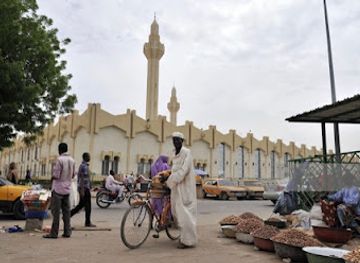
Best landmarks in Tandjilé
The Logone River is Tandjilé’s principal natural landmark, shaping Laï’s setting and the region’s agriculture, fishing, transport and seasonal geography. Its appearance changes markedly between the wetter months, when floodplain channels and low-lying fields fill, and the dry season, when exposed banks and cultivated plains become more prominent. Laï itself is the region’s most recognisable urban reference point, not because of a large monumental skyline but because it concentrates administration, markets, roads and riverside activity. Across the countryside, village compounds, cultivated savannah and traditional routes towards the floodplain form a dispersed cultural landscape rather than a series of formally protected monuments. Visitors should be cautious about assigning landmark status to religious or public buildings without local guidance, and should not photograph bridges, checkpoints or official structures without permission. Tandjilé’s most meaningful landmarks are therefore geographical and lived: the river, the market town and the agricultural landscapes connected to them.
-
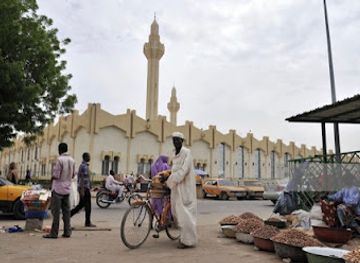
Mosque
N'Djamena Grand Mosque
Discover the architectural beauty and cultural significance of N'Djamena Grand Mosque, a must-visit landmark in Chad's capital.
-
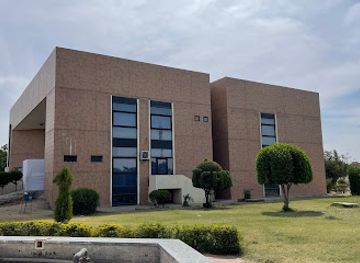
National museum
National Museum of Chad
Discover Chad's rich history and cultural heritage at the National Museum in N'Djamena, showcasing artifacts from prehistoric times to the present.
-
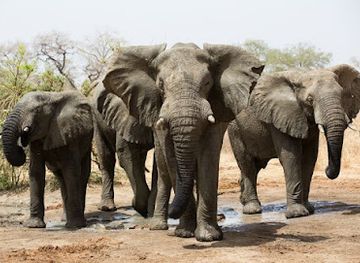
National park
Zakouma National Park
Explore Zakouma National Park: A Wildlife Sanctuary and Natural Beauty in Chad, Ideal for Adventure and Tranquility.
-
Tourist attraction
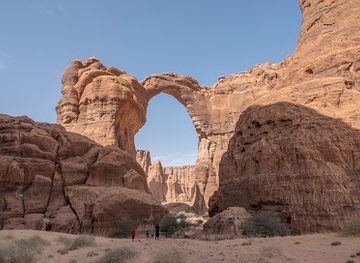
Aloba Arch
Experience the breathtaking beauty of Aloba Arch, one of the largest natural arches in the world, nestled in the scenic landscapes of Torohi.
Explore Tandjilé on the map
Plan your trip on one map. See where the top cities, national parks and sights are, and book hotels and experiences in a few clicks.
Best hotels in Tandjilé
Best restaurants in Tandjilé
Dining in Tandjilé is modest, local and closely connected to household agriculture and market supply. In Laï, small eateries and informal food stalls may serve dishes based on millet, sorghum, maize, rice, beans, vegetables and sauces, with fish from the Logone or locally available meat appearing where supply permits. Grilled meat, porridges and simple rice dishes are practical staples, while tea and sweet drinks are common refreshments. Rural meals are more likely to be arranged through a host, guide or accommodation than found in a formal restaurant. Visitors should carry appropriate snacks for journeys, use treated or sealed drinking water and avoid assuming that refrigeration is reliable. The region does not have a widely documented destination cuisine distinct from southern Chad as a whole, but its food reflects the importance of the river, seasonal crops, livestock and local markets.
-
 Hotel
HotelLa Résidence Hotel N'Djamena
Discover unparalleled luxury and comfort at La Résidence Hotel N'Djamena – your oasis in Chad's vibrant capital.
-
Cafe
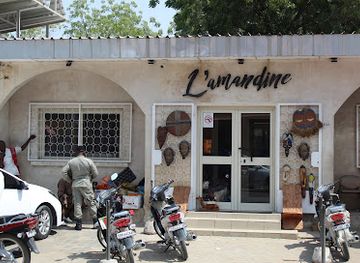
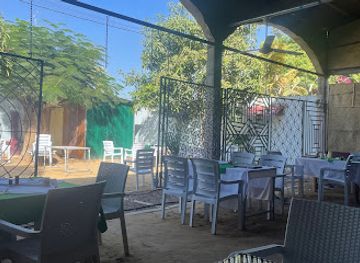
Amandine Bakery
Experience the rich flavors of N'Djamena at Amandine Bakery – where every bite tells a story.
-
Restaurant
Layalina
Experience the rich flavors of Chad at Layalina, where diverse cuisine meets warm hospitality in the heart of N'Djamena.
-
Restaurant
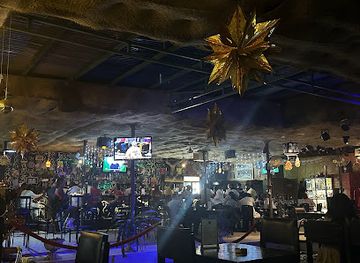
Perception Pub-Restaurant
Experience the vibrant flavors of Chad at Perception Pub-Restaurant in N'Djamena – where culinary tradition meets modern dining.
Best bars in Tandjilé
Tandjilé does not have a substantial, internationally oriented nightlife scene. In Laï, evening social life is more likely to centre on modest cafés, food stalls, tea gatherings, informal drinking places and conversation than on dedicated nightclubs. In smaller settlements, activity follows daylight, market rhythms and household life, with little dependable late-night infrastructure. Some venues may serve locally produced or commercially supplied alcoholic drinks, but availability and opening arrangements can change, and visitors should not treat drinking as a necessary part of experiencing the region. Avoid walking unfamiliar roads after dark, arrange transport in advance and follow local advice about security. Live music or celebrations may occur on particular occasions, but these should be approached through local introductions rather than assumed to be public tourism events.
-
Grill
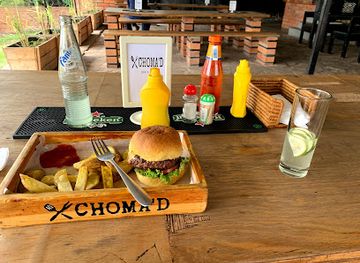
Choma'd Bar & Grill
Discover the flavors of Rwanda at Choma'd Bar & Grill, where grilled specialties meet modern ambiance for an unforgettable dining experience.
-
Hotel
La Résidence Hotel N'Djamena
Experience luxury and comfort at La Résidence Hotel N'Djamena, your gateway to exploring Chad's rich culture and vibrant capital.
-
Cafe
Amandine Bakery
Experience the flavors of France in the heart of N'Djamena at Amandine Bakery, where every bite is a delightful treat.
-
Restaurant
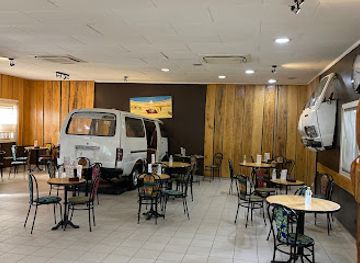
Layalina
Discover Layalina in N'Djamena, where diverse flavors meet warm hospitality in a vibrant restaurant setting.
Best nightclubs in Tandjilé
Tandjilé does not have a substantial, internationally oriented nightlife scene. In Laï, evening social life is more likely to centre on modest cafés, food stalls, tea gatherings, informal drinking places and conversation than on dedicated nightclubs. In smaller settlements, activity follows daylight, market rhythms and household life, with little dependable late-night infrastructure. Some venues may serve locally produced or commercially supplied alcoholic drinks, but availability and opening arrangements can change, and visitors should not treat drinking as a necessary part of experiencing the region. Avoid walking unfamiliar roads after dark, arrange transport in advance and follow local advice about security. Live music or celebrations may occur on particular occasions, but these should be approached through local introductions rather than assumed to be public tourism events.
-
Restaurant
Perception Pub-Restaurant
Discover the vibrant flavors of N'Djamena at Perception Pub-Restaurant, where local cuisine meets modern culinary artistry in a welcoming atmosphere.
-
Bar
Platinium bling bling
Discover the lively nightlife of N'Djamena at Platinium Bling Bling, a vibrant bar and nightclub where music and culture collide.
-
Night club
Lion’s club
Discover N'Djamena's nightlife at Lion's Club - a pulsating hub of music and dance that promises an unforgettable experience.
-
Bar
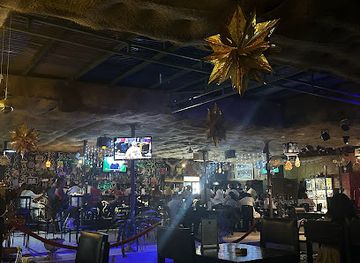
VIP Bar Dancing
Discover the pulse of N'Djamena's nightlife at VIP Bar Dancing, where vibrant music and dancing create unforgettable memories.
Best shops in Tandjilé
Shopping in Tandjilé is concentrated in Laï’s markets and small local shops rather than formal retail districts. Visitors may find grain, legumes, vegetables, household goods, clothing, simple tools and locally traded fish or meat, with the selection dependent on season and transport links. Market activity is primarily for residents, so ask permission before taking photographs and bargain politely without obstructing sellers. Regional purchases may include woven items, practical craftwork or locally produced foodstuffs, but availability and quality vary and should be assessed in person rather than promised in advance. Carry cash in small Central African CFA franc denominations, as electronic payment is unlikely to be dependable. Tandjilé is not a destination for luxury shopping or a large souvenir industry; the most appropriate purchases are modest, locally made goods obtained directly and respectfully, subject to customs and airline restrictions.
-
Shopping mall
Takoradi Mall
Discover a shopping paradise at Takoradi Mall, where retail therapy meets culinary delights in Ghana's vibrant coastal city.
-
Market
Dembé Market
Discover the vibrant Dembé Market in N'Djamena, a hub of local culture, flavors, and unique finds in Chad's bustling capital.
-
Hotel
Hôtel Irrisor
Experience comfort and serenity at Hôtel Irrisor in N'Djamena, overlooking the tranquil river and close to local attractions.
-
Media company
Le N'Djam Post
Discover Le N'Djam Post, a vibrant media hub in N'Djamena, showcasing local stories and providing insights into Chad's rich cultural landscape.

Get your free copy of our complete guide to Tandjilé, delivered straight to you.
Everything on this page, from attractions and restaurants to essentials and local phrases, in one PDF you can read offline, print or share.
Already have an account? Sign in
Your Tandjilé guide is ready.
We'll send it to · Not you? Sign out

Getting your guide ready…
We are putting together a fresh copy of the Tandjilé guide. This can take up to a minute.
This can take a few moments. If your browser asks, choose Allow so the download can start. You'll find the guide in your Downloads folder.
Nothing happened? Download it again
Sorry, the guide is taking longer than usual. Please try again in a minute, or get it by email instead.
Tandjilé essentials
Currency and Payment
Safety
Emergency Situations
Do's and Don'ts
Local Tips
From Eve
Local phrases worth knowing
You don't need to get them perfect. A few words go a long way, and locals appreciate the effort.
Basics
| English | Local | Say it |
|---|---|---|
| Hello | Njam | [nyam] |
| Goodbye | Njet | [nyet] |
| Yes | Wi | [wee] |
| No | Na | [nah] |
| Please/You're welcome | S'il vous plaît | [seel voo pleh] |
| Thank you | Mérci | [mehr-see] |
| Excuse me/Sorry | Pardon | [par-dohn] |
| How are you? | Njak na? | [nyak nah] |
| Fine. And you? | Ba na. To njak? | [bah nah. toh nyak?] |
| Do you speak English? | As tu le français? | [ah too leh frahn-say] |
| I don't understand | N'comprend pas | [n'kom-prahn pah] |
Eating & Drinking
| English | Local | Say it |
|---|---|---|
| I'd like to see the menu, please | Je voudrais voir le menu, s'il vous plaît | [zhuh voo-dray vwar leh meh-nu, seel voo pleh] |
| I don't eat meat | Je ne mange pas de viande | [zhuh nuh mahnj pah duh vyand] |
| Cheers! | À votre santé! | [ah voh-truh sahn-tay] |
| I would like to pay, please | Je voudrais payer, s'il vous plaît | [zhuh voo-dray pay-ay, seel voo pleh] |
Emergencies
| English | Local | Say it |
|---|---|---|
| Help! | Au secours! | [oh suh-koor] |
| Go away! | Allez-vous-en! | [ah-lay voo-zahn] |
| Call the Police! | Appelez la police! | [ah-peh-lay lah poh-lees] |
| Call a doctor! | Appelez un docteur! | [ah-peh-lay uhn doh-kteur] |
| I'm lost | Je suis perdu | [zhuh swee pair-doo] |
| I'm ill | Je suis malade | [zhuh swee mah-lahd] |
Shopping
| English | Local | Say it |
|---|---|---|
| I'd like to buy... | Je voudrais acheter... | [zhuh voo-dray ah-sheh-tay] |
| I'm just looking | Je regarde juste | [zhuh ruh-gard zhust] |
| How much is it? | C'est combien? | [say kom-byen] |
| That's too expensive | C'est trop cher | [say troh shair] |
| Can you lower the price? | Pouvez-vous baisser le prix? | [poo-vay voo beh-say leh pree] |
Time & Numbers
| English | Local | Say it |
|---|---|---|
| What time is it? | Quelle heure est-il? | [kel uhr eh-teel] |
| It's one o'clock | Il est une heure | [eel eh oon uhr] |
| Half past (10) | Dix heures et demie | [deez uhr eh deh-mee] |
| Morning | Matin | [mah-tan] |
| Afternoon | Après-midi | [ah-preh-mee-dee] |
| Evening | Soir | [swahr] |
| Yesterday | Hier | [ee-air] |
| Today | Aujourd'hui | [oh-zhoor-dwee] |
| Tomorrow | Demain | [duh-mahn] |
| 1 | Un | [uhn] |
| 2 | Deux | [duh] |
| 3 | Trois | [twah] |
| 4 | Quatre | [katr] |
| 5 | Cinq | [sank] |
| 6 | Six | [sees] |
| 7 | Sept | [set] |
| 8 | Huit | [weet] |
| 9 | Neuf | [nuhf] |
| 10 | Dix | [deez] |
Transport & Directions
| English | Local | Say it |
|---|---|---|
| Where's a/the...? | Où est le/la...? | [oo eh leh/lah] |
| What's the address? | Quelle est l'adresse? | [kel eh la-dress] |
| Can you show me (on the map)? | Pouvez-vous me montrer (sur la carte)? | [poo-vay voo muh mohn-tray (sur lah kart)] |
| When's the next (bus)? | Quand est le prochain (bus)? | [kahn eh leh proh-shan (boos)] |
| A ticket (to ....) | Un billet (pour....) | [uhn bee-yay (poor....)] |
History of Tandjilé
Early communities and the Logone floodplain
The Logone basin has long supported settled farming, fishing, livestock keeping and trade between communities of the southern Chad plain. Archaeological knowledge for Tandjilé is more limited than for some better-documented parts of the Lake Chad basin, but the region belongs to a wider cultural landscape shaped by river movement, seasonal flooding and exchanges across present-day southern Chad and neighbouring Cameroon. Older settlement patterns remain visible in the relationship between villages, cultivated fields, grazing areas and waterways. These environmental rhythms help explain why the Logone has remained both an economic resource and a route of communication.
Precolonial chiefdoms and regional exchange
Before European colonial rule, the territory that later became Tandjilé was organised through local communities and chiefly authorities rather than a single state corresponding to the modern region. Political influence, marriage ties, trade and conflict linked the area to neighbouring parts of the Logone basin and the wider southern Chadian savannah. Markets exchanged grain, livestock, fish, textiles and other goods, while religious practice varied among communities. Modern administrative boundaries therefore do not represent the older cultural geography of the region, which was shaped by overlapping local identities and long-distance connections.
French conquest and colonial administration
French rule spread through the southern Chad basin during the early twentieth century, after military expeditions and the establishment of colonial posts. Administration reorganised local territories into French-defined units and placed greater emphasis on taxation, labour and the movement of agricultural produce. Laï developed as an administrative centre on the Logone, helping connect the surrounding countryside to colonial government networks. The colonial period also brought Christian missions, new schools and commercial practices, although their reach was uneven. Many later roads, administrative institutions and town layouts have roots in this period.
Cotton and the transformation of agriculture
Agriculture became increasingly commercialised during the twentieth century, with cotton promoted as a major cash crop in southern Chad. Its cultivation altered household labour, links with traders and the use of land alongside food crops such as millet, sorghum and maize. Cotton production brought income and external administration but also exposed farmers to fluctuating prices, transport problems and changing state policies. In Tandjilé, farming remains central to the economy, and the region’s landscape still reflects the combination of subsistence cultivation, livestock keeping, river-based activities and participation in national agricultural markets.
Independence and political upheaval
Chad became independent from France in 1960, but the following decades were marked by rebellion, civil conflict and changing political control. Southern regions, including the Logone basin, were affected by instability, displacement and disruptions to administration and trade, even when fighting was not equally intense everywhere. These upheavals weakened infrastructure and public services and contributed to population movements across southern Chad and neighbouring countries. The legacy remains relevant for travellers because security conditions, official permissions and access to remote areas can change, and local memories of conflict call for discretion.
Contemporary Tandjilé
In the modern Republic of Chad, Tandjilé functions as an administrative region centred on Laï, with local government, markets, schools and agricultural networks serving a widely rural population. The region continues to depend heavily on seasonal rainfall, the Logone and road links to larger southern towns. Expansion of basic services has been gradual, while flooding, poor roads and insecurity can interrupt movement. Contemporary Tandjilé is therefore defined by continuity as well as change: long-established farming and river economies coexist with mobile-phone communication, modern administration and participation in national commerce.
Tandjilé in Photos
Browse through our photo collection highlighting the charm and character of the destination.
Neighbouring regions of Tandjilé
The closest regions to Tandjilé, if you have time for more than one.
-

-

-

-

-


Swipe for more regions
Explore more

Explore more of Chad
Discover Chad: Explore Africa's untouched landscapes, rich cultural heritage, and captivating wildlife in one of the continent's most enchanting and remote destinations.
Explore Chad