

Free Mayo-Kebbi West Travel Guide & Mobile App
Explore Mayo-Kebbi West with free travel guides. Discover regional history, expert tips, proposed trips, and audio guides on web or mobile app.


Explore Mayo-Kebbi West in southern Chad for Lake Léré, river landscapes, wildlife, Gauthiot Falls and diverse rural cultures.
Read more about Mayo-Kebbi West
When is the best time to visit Mayo-Kebbi West?
Best: November–January · 33–34°C| Month | High (°C) | Rainfall (mm) |
|---|---|---|
| January (best) | 34 | 1 |
| February | 37 | 3 |
| March | 41 | 5 |
| April | 43 | 10 |
| May | 43 | 20 |
| June | 40 | 40 |
| July | 38 | 80 |
| August | 37 | 80 |
| September | 38 | 40 |
| October | 37 | 20 |
| November (best) | 34 | 5 |
| December (best) | 33 | 1 |
Getting to and around Mayo-Kebbi West
How to get there
Transportation
Explore Mayo-Kebbi West on the map
Plan your trip on one map. See where the top cities, national parks and sights are, and book hotels and experiences in a few clicks.
Best hotels in Mayo-Kebbi West
Best bars in Mayo-Kebbi West
Mayo-Kebbi West does not have a large, internationally oriented nightlife scene. Evening social life centres on modest cafés, beer gardens, market-town eateries and informal gatherings, especially in Pala; Léré has a smaller and quieter evening economy. Music may be heard at local celebrations or in town venues, but schedules and locations are not reliably advertised. In rural districts, darkness, limited electricity and long distances mean that evenings usually end early, with social activity focused on family and community settings rather than clubs. Visitors should choose accommodation with secure arrangements, avoid walking unfamiliar roads after dark and ask locally about appropriate places to sit and eat. Alcohol is available in some urban settings but is not necessary for participating in regional culture, and customs differ between communities. Bars, restaurants and other commercial venues may close without notice during periods of political tension, religious observance or supply disruption.
-
Restaurant
2020 Foods and Restaurant Services
Experience the vibrant culinary scene of Birnin Kebbi at 2020 Foods and Restaurant Services, where local and international flavors meet.
-
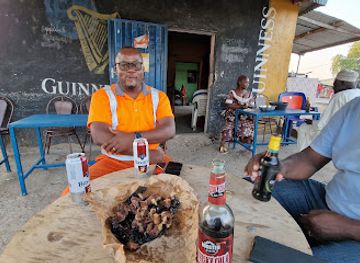
Bar
Référence Bar
Experience the essence of Figuil at Référence Bar, a cozy hub for drinks and local culture in Cameroon.
-
Bar
Charmant Nightclub
Discover the vibrant nightlife of Charmant Nightclub in Kaele, Cameroon, where fun, culture, and an unforgettable atmosphere collide.
-
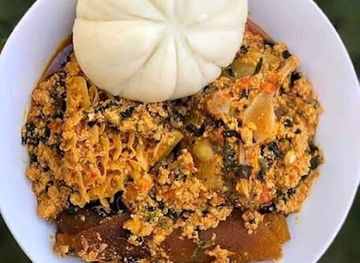
Restaurant
God's favour restaurant
Experience the best of Nigerian cuisine at God's Favour Restaurant in Birnin Kebbi, where flavor meets tradition and every meal tells a story.

Best nightclubs in Mayo-Kebbi West
Mayo-Kebbi West does not have a large, internationally oriented nightlife scene. Evening social life centres on modest cafés, beer gardens, market-town eateries and informal gatherings, especially in Pala; Léré has a smaller and quieter evening economy. Music may be heard at local celebrations or in town venues, but schedules and locations are not reliably advertised. In rural districts, darkness, limited electricity and long distances mean that evenings usually end early, with social activity focused on family and community settings rather than clubs. Visitors should choose accommodation with secure arrangements, avoid walking unfamiliar roads after dark and ask locally about appropriate places to sit and eat. Alcohol is available in some urban settings but is not necessary for participating in regional culture, and customs differ between communities. Bars, restaurants and other commercial venues may close without notice during periods of political tension, religious observance or supply disruption.
-
Night club
Lake Chad Club
Discover the heart of Maiduguri's nightlife at Lake Chad Club, where music, dance, and local culture come together for an unforgettable experience.
Best shops in Mayo-Kebbi West
Shopping in Mayo-Kebbi West is concentrated in Pala and Léré, where periodic markets serve local households and surrounding villages. Visitors may find woven goods, household articles, clothing, metalwork, grains, dried fish, fruit and other everyday products, although selection varies by market day and season. The most meaningful purchases are usually locally produced foodstuffs or practical crafts rather than branded souvenirs. Ask permission before photographing stalls or makers, and agree prices and quantities clearly before completing a transaction. In rural areas, cash is essential and storage or transport of delicate goods can be difficult. Pala offers the broadest range of small shops and market supplies, while Léré is more closely connected with lake-based commerce and fishing communities. Travellers should avoid buying archaeological objects, wildlife products or items made from protected species. Where possible, purchasing directly from craftspeople or small traders and paying fairly supports the local economy without turning cultural objects into anonymous commodities.
-
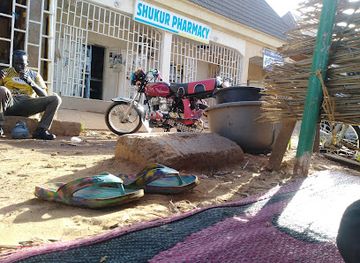
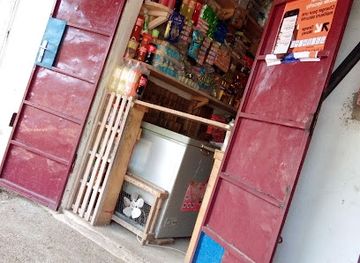
General store
Carrefour Mayo-Oulo
Discover the vibrant culture of Guider at Carrefour Mayo-Oulo, your go-to general store for local crafts and essentials.
-
Produce market
BOUTIQUE EL MAHMOUD QUARTIER NORGO GUIDER A CÔTÉ DE MOULIN
Discover the cultural essence of Guider at Boutique El Mahmoud, a vibrant produce market full of local flavor and community spirit.
-
Grocery store
Boutique HAMADOU ELH HAMAN MARA Ouro-Alkali
Experience local flavors and unique products at Boutique Hamadou Elh Haman Mara in Ouro-Alkali, Guider - a treasure for every traveler.
-
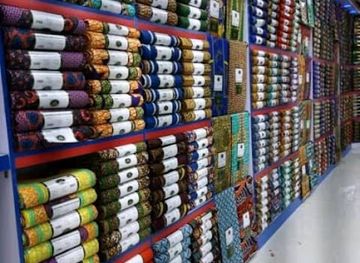
Sewing shop
Brothers's simple style
Experience the rich tradition of Cameroonian tailoring at Brothers's Simple Style in Kaele, where craftsmanship meets vibrant local culture.
Get your free copy of our complete guide to Mayo-Kebbi West, delivered straight to you.
Everything on this page, from attractions and restaurants to essentials and local phrases, in one PDF you can read offline, print or share.
Already have an account? Sign in
Your Mayo-Kebbi West guide is ready.
We'll send it to · Not you? Sign out

Getting your guide ready…
We are putting together a fresh copy of the Mayo-Kebbi West guide. This can take up to a minute.
This can take a few moments. If your browser asks, choose Allow so the download can start. You'll find the guide in your Downloads folder.
Nothing happened? Download it again
Sorry, the guide is taking longer than usual. Please try again in a minute, or get it by email instead.
Mayo-Kebbi West essentials
Currency and Payment
Safety
Emergency Situations
Do's and Don'ts
Local Tips
From Eve
Local phrases worth knowing
You don't need to get them perfect. A few words go a long way, and locals appreciate the effort.
Basics
| English | Local | Say it |
|---|---|---|
| Hello | Sannu | [sahn-noo] |
| Goodbye | Sai | [sah-ee] |
| Yes | Eh | [eh] |
| No | A'a | [ah-ah] |
| Please/You're welcome | Don Allah | [dawn ah-lah] |
| Thank you | Nagode | [nah-goh-day] |
| Excuse me/Sorry | Yi hakuri | [yee hah-koor-ee] |
| How are you? | Lafiya lau? | [lah-fee-yah lah-oo] |
| Fine. And you? | Lafiya. Kai fa? | [lah-fee-yah. kye fah] |
| Do you speak English? | Ka ku yi magana da Turanci? | [kah koo yee mah-gah-nah dah too-rah-nchee] |
| I don't understand | Ban gane ba | [bahn gah-neh bah] |
Eating & Drinking
| English | Local | Say it |
|---|---|---|
| I'd like to see the menu, please | Zan so in ga menu, don Allah | [zahn soh een gah meh-noo, dawn ah-lah] |
| I don't eat meat | Ban ci nama | [bahn chee nah-mah] |
| Cheers! | Lafiya! | [lah-fee-yah] |
| I would like to pay, please | Zan so in biya, don Allah | [zahn soh een bee-yah, dawn ah-lah] |
Emergencies
| English | Local | Say it |
|---|---|---|
| Help! | Taimako! | [tie-mah-koh] |
| Go away! | Tafi! | [tah-fee] |
| Call the Police! | Kira 'yan sanda! | [kee-rah yan sahn-dah] |
| Call a doctor! | Kira likita! | [kee-rah lee-kee-tah] |
| I'm lost | Na bata hanya | [nah bah-tah hahn-yah] |
| I'm ill | Ina rashin lafiya | [ee-nah rah-sheen lah-fee-yah] |
Shopping
| English | Local | Say it |
|---|---|---|
| I'd like to buy... | Zan so in sayi... | [zahn soh een sigh-ee] |
| I'm just looking | Ina kallon ne | [ee-nah kah-lon neh] |
| How much is it? | Nawa ne? | [nah-wah neh] |
| That's too expensive | Wannan yana da tsada | [wahn-nahn yah-nah dah tsah-dah] |
| Can you lower the price? | Za ka iya rage farashi? | [zah kah ee-yah rah-geh fah-rah-shee] |
Time & Numbers
| English | Local | Say it |
|---|---|---|
| What time is it? | Wane lokaci ne? | [wah-neh loh-kah-chee neh] |
| It's one o'clock | Karfe daya | [kar-feh dah-yah] |
| Half past (10) | Rabi (10) | [rah-bee (ten)] |
| Morning | Safiya | [sah-fee-yah] |
| Afternoon | Yamma | [yah-mah] |
| Evening | Yamma | [yah-mah] |
| Yesterday | Jiya | [jee-yah] |
| Today | Yau | [yow] |
| Tomorrow | Gobe | [goh-beh] |
| 1 | Daya | [dah-yah] |
| 2 | Biyu | [bee-yoo] |
| 3 | Ukku | [ook-koo] |
| 4 | Hudu | [hoo-doo] |
| 5 | Biyar | [bee-yahr] |
| 6 | Shida | [shee-dah] |
| 7 | Bakwai | [bah-kwah-ee] |
| 8 | Takwas | [tah-kwahs] |
| 9 | Tara | [tah-rah] |
| 10 | Goma | [goh-mah] |
Transport & Directions
| English | Local | Say it |
|---|---|---|
| Where's a/the...? | Ina...? | [ee-nah...?] |
| What's the address? | Menene adireshin? | [meh-neh-neh ah-dee-reh-sheen?] |
| Can you show me (on the map)? | Za ka iya nuna mini (a taswira)? | [zah kah ee-yah noo-nah mee-nee (ah tah-swee-rah)?] |
| When's the next (bus)? | Yaushe ne na gaba (bas)? | [yow-sheh neh nah gah-bah (bahs)?] |
| A ticket (to ....) | Tikit (zuwa ...) | [tee-kit (zoo-wah ...)] |
History of Mayo-Kebbi West
Early lake settlements and the Sao cultural world
The lakes and waterways of the Mayo-Kebbi basin have supported human settlement for centuries. Archaeological evidence from the wider Lake Chad region points to long traditions of fishing, farming, metalworking and trade, while oral histories preserve memories of earlier political communities often associated with the Sao cultural world. In present-day Mayo-Kebbi West, the combination of water, fertile seasonal soils and transport routes helped sustain settlements around Léré and the surrounding plains. Material remains and local traditions should be understood as part of a wider inland African history rather than as an isolated regional story.
Mound-building and precolonial communities
Across southern Chad, settlement patterns were shaped by seasonal flooding, cultivation and the need to protect homes and livestock from water and wildlife. Raised sites and settlement mounds found in the broader Mayo-Kebbi area reflect long-term occupation and changing relationships with rivers and lakes, although individual archaeological interpretations vary. Communities speaking different languages developed networks based on farming, fishing, livestock exchange and local markets. These precolonial systems created many of the cultural and economic connections that still link Mayo-Kebbi West with neighbouring parts of Chad and northern Cameroon.
Regional kingdoms, trade and Islamic influence
Before European rule, the southern Chad basin contained numerous local authorities rather than one uniform political system. Trade in livestock, grain, fish and manufactured goods connected communities to larger routes running towards the Lake Chad basin and the Benue region. Islam reached the area through wider commercial and political networks, while older religious practices and local institutions continued alongside it. The result was a layered cultural landscape in which language, belief and authority varied between communities. Pala and Léré later became important administrative and commercial centres within this region.
French colonial conquest and administration
French expansion into the Chad basin during the late nineteenth and early twentieth centuries brought military campaigns, new administrative boundaries and taxation. The territory that now forms Mayo-Kebbi West was incorporated into French Equatorial Africa and governed through structures that did not always match older local political or cultural geographies. Colonial administration also altered labour, trade and transport patterns, while mission activity and schooling introduced new institutions in parts of southern Chad. The period left a lasting imprint on official language, territorial administration and the prominence of towns such as Pala.
Independence and the making of modern Chad
Chad became independent from France in 1960, but the new state inherited uneven infrastructure and strong regional differences. Southern areas such as Mayo-Kebbi were more agriculturally productive and relatively better connected than the desert north, yet they were also affected by national political tensions and periods of conflict. Administrative reforms eventually divided the historic Mayo-Kebbi area into separate provinces, including Mayo-Kebbi West and Mayo-Kebbi East. Pala's role as a provincial capital reflects this modern reorganisation and its continuing importance to public services and regional trade.
Conservation and changing rural economies
In the twentieth century, concern for wetlands and wildlife around Lakes Léré and Tréné contributed to the creation of the Binder-Léré fauna reserve. Conservation has sought to protect habitats associated with hippopotamuses, manatees, crocodiles, fish and migratory birds, while local communities continue to depend on the same waters for fishing, farming and livestock. This creates an important contemporary tension: environmental protection must be balanced with access to land and water. The region's future tourism prospects therefore depend on community participation, practical infrastructure and careful management rather than on wildlife alone.
Mayo-Kebbi West in Photos
Browse through our photo collection highlighting the charm and character of the destination.
Neighbouring regions of Mayo-Kebbi West
The closest regions to Mayo-Kebbi West, if you have time for more than one.
-

-

-

-

-


Swipe for more regions
Explore more

Explore more of Chad
Discover Chad: Explore Africa's untouched landscapes, rich cultural heritage, and captivating wildlife in one of the continent's most enchanting and remote destinations.
Explore Chad