

Free Logone Oriental Travel Guide & Mobile App
Explore Logone Oriental with free travel guides. Discover regional history, expert tips, proposed trips, and audio guides on web or mobile app.


Logone Oriental reveals southern Chad through Doba, seasonal savanna, agricultural communities and the modern history of the oil-producing region.
Read more about Logone Oriental
When is the best time to visit Logone Oriental?
Best: November–January · 29–31°C| Month | High (°C) | Rainfall (mm) |
|---|---|---|
| January (best) | 31 | 0 |
| February | 33 | 0 |
| March | 35 | 1 |
| April | 36 | 25 |
| May | 35 | 60 |
| June | 32 | 90 |
| July | 31 | 120 |
| August | 31 | 120 |
| September | 31 | 90 |
| October | 32 | 50 |
| November (best) | 31 | 10 |
| December (best) | 29 | 0 |
Getting to and around Logone Oriental
How to get there
Transportation
Best landmarks in Logone Oriental
The most meaningful landmarks of Logone Oriental are associated with Doba, the Logone basin and the region’s recent industrial transformation rather than with a dense collection of monumental buildings. Doba’s position as regional capital gives its administrative centre, market areas and principal roads civic significance, although visitors should not assume that public buildings are open to tourists or suitable for photography. The seasonal waterways and floodplain landscapes linked to the Logone system are important geographical markers, reflecting the environmental conditions that support agriculture and shape travel. Around the Doba oil-producing zone, pipelines, service roads and associated infrastructure represent one of Chad’s defining economic changes since the early 2000s; these are controlled industrial sites and must be viewed only from lawful public locations or with formal permission. Rural compounds, churches, mosques and market spaces may possess strong local importance, but their significance is primarily communal rather than monumental. The region’s most distinctive visual contrast is therefore between cultivated southern savanna, expanding administrative settlements and oil infrastructure, a combination that records both long-established rural life and Chad’s modern resource economy.
-
 Water
WaterLogone
Experience the tranquil beauty and rich culture of Logone, a stunning river in Chad known for its breathtaking landscapes and vibrant local life.
Explore Logone Oriental on the map
Plan your trip on one map. See where the top cities, national parks and sights are, and book hotels and experiences in a few clicks.
Best hotels in Logone Oriental
Best restaurants in Logone Oriental
Dining in Logone Oriental is centred on local homes, market stalls, modest cafés and simple restaurants in Doba rather than a developed international restaurant scene. Meals commonly draw on southern Chad’s agricultural produce, including millet and other cereals, sorghum, rice, cassava, groundnuts, beans and seasonal vegetables. Grilled or stewed meat may be available, while fish can appear where local supply networks make it practical, though menus vary considerably. Street food and market cooking offer the clearest sense of everyday eating, but visitors should choose busy establishments, ensure food is thoroughly cooked and use treated or sealed water. French and Central African influences are visible in the region’s broader food culture, yet there is no need to expect a standardised regional menu. Doba has the greatest choice of provisions and prepared food; outside town, travellers should carry supplies and not assume that restaurants operate at fixed hours. Tea, coffee and soft drinks are easier to find than a wide selection of imported products. Tipping is discretionary rather than a defining local custom, and small CFA notes are useful for modest purchases.
-
Restaurant
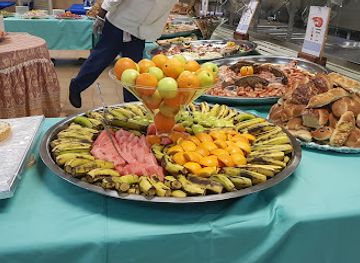
KFC Restaurant
Experience comfort food bliss with iconic fried chicken and sides at KFC Dildo – perfect for tourists seeking delicious meals.
Best bars in Logone Oriental
Evening life in Logone Oriental is understated and concentrated mainly in Doba. Small cafés, informal refreshment stalls and local bars provide places to meet, while some restaurants may remain open into the evening, but the region does not have a substantial nightclub circuit or a nationally prominent entertainment district. In smaller communities, social life is more likely to centre on family compounds, neighbourhood gatherings, religious communities and market activity than on commercial nightlife. Visitors should avoid walking unfamiliar roads after dark and arrange transport back to their accommodation before going out. Alcohol is available in some venues, but it is not necessary to participate in local social life, and public behaviour should remain discreet and respectful. Music, football broadcasts and conversation may be more common than organised live performances. Opening arrangements can change without notice, especially during security restrictions, religious periods or power interruptions, so local advice is more useful than assuming that online listings are current.
-
Restaurant
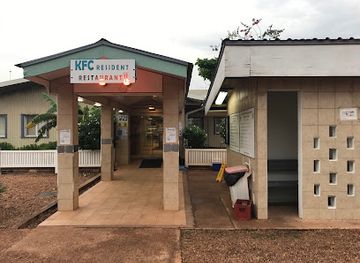
KFC Restaurant
Experience the comfort of familiar flavors at KFC Dildo, where delicious fast food meets a warm and inviting atmosphere.
-
Restaurant
Centre commercial le principal
Discover the vibrant flavors of Chad at Centre Commercial le Principal, a culinary gem in Moundou offering a diverse menu and warm ambiance.
-
Bar
Club Guinness
Discover the vibrant nightlife of Touboro at Club Guinness, where locals and tourists come together to enjoy drinks in a lively atmosphere.
-
Lombardian restaurant
Chez Mme Manassé
Experience authentic Lombardian cuisine at Chez Mme Manassé, a charming restaurant in Moundou offering a delightful culinary journey.

Best nightclubs in Logone Oriental
Evening life in Logone Oriental is understated and concentrated mainly in Doba. Small cafés, informal refreshment stalls and local bars provide places to meet, while some restaurants may remain open into the evening, but the region does not have a substantial nightclub circuit or a nationally prominent entertainment district. In smaller communities, social life is more likely to centre on family compounds, neighbourhood gatherings, religious communities and market activity than on commercial nightlife. Visitors should avoid walking unfamiliar roads after dark and arrange transport back to their accommodation before going out. Alcohol is available in some venues, but it is not necessary to participate in local social life, and public behaviour should remain discreet and respectful. Music, football broadcasts and conversation may be more common than organised live performances. Opening arrangements can change without notice, especially during security restrictions, religious periods or power interruptions, so local advice is more useful than assuming that online listings are current.
-
Disco club
Le VIP
Experience the vibrant nightlife of N'Djamena at Le VIP, where music and dance create unforgettable memories in the heart of Chad's capital.
Best shops in Logone Oriental
Shopping in Logone Oriental is practical and locally focused, with Doba offering the widest range of everyday goods through markets, small shops and roadside stalls. Visitors can look for locally produced cereals, groundnuts, cassava products, seasonal fruit, cooking ingredients and textiles, although availability changes with harvests, transport and market days. Tailors and small craft businesses may provide made-to-measure clothing or simple household goods, but the region is not organised around a large souvenir industry. Rural markets are useful places to observe exchange between farming communities and traders, yet visitors should ask before photographing sellers or stalls and should carry small CFA denominations. Imported drinks, packaged food, toiletries and reliable travel supplies are easier to obtain in Doba than outside it. Shopping for distinctive regional crafts is less predictable than in Chad’s major urban centres, so travellers should avoid promising purchases in advance and inspect quality carefully. The most appropriate mementoes are usually modest locally made textiles or food products that can be transported safely, purchased through respectful direct exchange rather than aggressive bargaining.
-
Produce market
Marché De Mil De Moundou
Discover the colorful and vibrant Marché De Mil De Moundou, a must-visit produce market in Moundou, Chad, brimming with local flavors and culture.
-
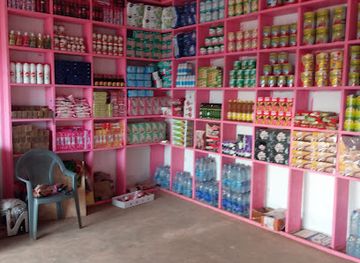
Grocery store
Alimentation La Fraîcheur
Discover the authentic flavors of Chad at Alimentation La Fraîcheur, a local grocery store bursting with fresh produce and traditional ingredients.
-
Computer accessories store
Addah 235
Explore the vibrant world of computer accessories at Addah 235 in Moundou - a tech haven for enthusiasts and casual users alike.
-
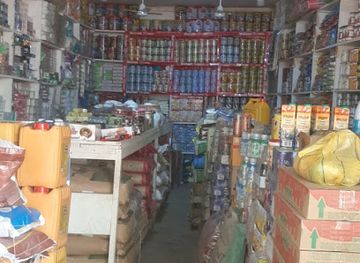
Shopping mall
Alimentation Al Firdose
Discover Alimentation Al Firdose in Moundou, where shopping meets Chadian culture in a vibrant mall experience.

Get your free copy of our complete guide to Logone Oriental, delivered straight to you.
Everything on this page, from attractions and restaurants to essentials and local phrases, in one PDF you can read offline, print or share.
Already have an account? Sign in
Your Logone Oriental guide is ready.
We'll send it to · Not you? Sign out

Getting your guide ready…
We are putting together a fresh copy of the Logone Oriental guide. This can take up to a minute.
This can take a few moments. If your browser asks, choose Allow so the download can start. You'll find the guide in your Downloads folder.
Nothing happened? Download it again
Sorry, the guide is taking longer than usual. Please try again in a minute, or get it by email instead.
Logone Oriental essentials
Currency and Payment
Safety
Emergency Situations
Do's and Don'ts
Local Tips
From Eve
Local phrases worth knowing
You don't need to get them perfect. A few words go a long way, and locals appreciate the effort.
Basics
| English | Local | Say it |
|---|---|---|
| Hello | Bonjour | [bɔ̃ʒuʁ] |
| Goodbye | Au revoir | [o ʁəvwaʁ] |
| Yes | Oui | [wi] |
| No | Non | [nɔ̃] |
| Please/You’re welcome | S'il vous plaît | [sil vu ple] |
| Thank you | Merci | [mɛʁsi] |
| Excuse me/Sorry | Pardon | [paʁdɔ̃] |
| How are you? | Comment ça va? | [kɔmɑ̃ sa va] |
| Fine. And you? | Bien. Et vous? | [bjɛ̃ e vu] |
| Do you speak English? | Parlez-vous anglais? | [paʁle vu ɑ̃ɡlɛ] |
| I don't understand | Je ne comprends pas | [ʒə nə kɔ̃pʁɑ̃ pa] |
Eating & Drinking
| English | Local | Say it |
|---|---|---|
| I’d like to see the menu, please | Je voudrais voir le menu, s'il vous plaît | [ʒə vudʁɛ vwaʁ lə məny s'il vu ple] |
| I don't eat meat | Je ne mange pas de viande | [ʒə nə mɑ̃ʒ pa də vjɑ̃d] |
| Cheers! | À votre santé! | [a vɔtʁə sɑ̃te] |
| I would like to pay, please | Je voudrais payer, s'il vous plaît | [ʒə vudʁɛ peje s'il vu ple] |
Emergencies
| English | Local | Say it |
|---|---|---|
| Help! | À l'aide! | [a lɛd] |
| Go away! | Allez-vous en! | [ale vu ɑ̃] |
| Call the Police! | Appelez la police! | [apəle la pɔlis] |
| Call a doctor! | Appelez un médecin! | [apəle ɛ̃ mɛdɛsɛ̃] |
| I’m lost | Je suis perdu | [ʒə sɥi pɛʁdy] |
| I’m ill | Je suis malade | [ʒə sɥi malaʁd] |
Shopping
| English | Local | Say it |
|---|---|---|
| I’d like to buy... | Je voudrais acheter... | [ʒə vudʁɛ aʃtə] |
| I’m just looking | Je regarde juste | [ʒə ʁəɡaʁd ʒyst] |
| How much is it? | C'est combien? | [se kɔ̃bjɛ̃] |
| That’s too expensive | C'est trop cher | [se tʁo ʃɛʁ] |
| Can you lower the price? | Pouvez-vous baisser le prix? | [puve vu bɛse lə pʁi] |
Time & Numbers
| English | Local | Say it |
|---|---|---|
| What time is it? | Quelle heure est-il? | [kɛl œʁ ɛ til] |
| It’s one o'clock | Il est une heure | [il ɛ yn œʁ] |
| Half past (10) | Dix heures et demie | [di zœʁ e dəmi] |
| Morning | Matin | [matɛ̃] |
| Afternoon | Après-midi | [apʁɛ midi] |
| Evening | Soir | [swaʁ] |
| Yesterday | Hier | [jɛʁ] |
| Today | Aujourd'hui | [oʒuʁdɥi] |
| Tomorrow | Demain | [dəmɛ̃] |
| 1 | Un | [œ̃] |
| 2 | Deux | [dø] |
| 3 | Trois | [tʁwa] |
| 4 | Quatre | [katʁ] |
| 5 | Cinq | [sɛ̃k] |
| 6 | Six | [sis] |
| 7 | Sept | [sɛt] |
| 8 | Huit | [ɥit] |
| 9 | Neuf | [nœf] |
| 10 | Dix | [di] |
Transport & Directions
| English | Local | Say it |
|---|---|---|
| Where's a/the...? | Où est un/une...? | [u ɛ ɛ̃ yn/yn...] |
| What’s the address? | Quelle est l'adresse? | [kɛl ɛ l'aʁɛs] |
| Can you show me (on the map)? | Pouvez-vous me montrer (sur la carte)? | [puve vu mə mɔ̃tʁe syʁ la kaʁt] |
| When's the next (bus)? | Quand est le prochain (bus)? | [kɑ̃ ɛ lə pʁɔʃɛ̃ (bys)] |
| A ticket (to ....) | Un billet (pour ....) | [œ̃ bijɛ (puʁ ....)] |
History of Logone Oriental
Early Southern Chad and Sara Cultural Landscapes
The southern Chadian plain has long been occupied by farming communities whose languages, kinship systems and local political traditions shaped the region before colonial rule. Sara-speaking peoples, including Ngambay communities, became particularly important across the wider southern belt. Agriculture, village networks and seasonal use of land formed the basic economic and social structure. Although written sources for earlier periods are limited, the persistence of local languages, settlement patterns and farming practices remains an important part of Logone Oriental’s historical identity.
Precolonial Trade and Regional Exchange
Before the establishment of modern borders, communities in the Logone basin participated in networks linking the southern Chadian plains with neighbouring territories and waterways. Exchange involved agricultural products, livestock and everyday manufactured goods, while movement followed seasonal conditions and established local relationships. The region was not an isolated frontier: its position near present-day Central African Republic and the wider Logone basin connected it to wider patterns of migration, trade and political influence in central Africa.
French Colonial Administration
French control expanded across southern Chad during the early twentieth century, gradually replacing precolonial political arrangements with a centralised colonial administration. The territory was governed through posts, taxation, labour demands and new transport links, while Christian missions and colonial schools introduced additional institutions. Colonial rule also encouraged the commercial development of southern agriculture, particularly cotton, and tied local production more closely to external markets. The administrative boundaries of the modern region have changed over time, but this period established many of the systems inherited by independent Chad.
Cotton, Agriculture and Early Independence
After Chad gained independence in 1960, agriculture remained central to the economy of the south. Cotton became especially significant, providing income for farmers and revenue for national institutions, although production was vulnerable to price fluctuations, weather and political disruption. Logone Oriental’s rural communities continued to depend on mixed farming, local markets and seasonal labour. National efforts to build a stronger state were repeatedly challenged by conflict, and southern regions experienced the consequences of military tension, displacement and uneven investment.
Civil Conflict and the Changing Southern Borderlands
Chad’s post-independence conflicts affected the south through insecurity, military mobilisation, disrupted trade and population movements. Logone Oriental’s proximity to the Central African Republic added a cross-border dimension to an already sensitive region, particularly during periods of instability in neighbouring countries. The local effects varied by district and period, but the legacy is visible in the continuing importance of checkpoints, official permissions and careful travel planning. These experiences also influenced relationships between agricultural communities, state institutions and security services.
Oil Development around Doba
The discovery and development of oil fields around Doba marked the region’s most important modern economic transformation. Commercial production began in the early 2000s, and the Chad-Cameroon pipeline was built to carry crude oil from inland fields through Cameroon to the Atlantic coast. Oil brought national revenue, industrial infrastructure and new employment, but also raised questions about land, environmental management, public spending and the distribution of benefits. Today, oil installations and agricultural settlements coexist as contrasting features of Logone Oriental’s landscape.
Logone Oriental in Photos
Browse through our photo collection highlighting the charm and character of the destination.
Neighbouring regions of Logone Oriental
The closest regions to Logone Oriental, if you have time for more than one.
-

-

-
-

-


Swipe for more regions
Explore more

Explore more of Chad
Discover Chad: Explore Africa's untouched landscapes, rich cultural heritage, and captivating wildlife in one of the continent's most enchanting and remote destinations.
Explore Chad