

Free Salamat Travel Guide & Mobile App
Explore Salamat with free travel guides. Discover regional history, expert tips, proposed trips, and audio guides on web or mobile app.


Explore Salamat in south-eastern Chad for Zakouma wildlife, seasonal wetlands, savanna landscapes and carefully organised remote travel.
Read more about Salamat
When is the best time to visit Salamat?
Best: December–February · 26–29°C| Month | High (°C) | Rainfall (mm) |
|---|---|---|
| January (best) | 26 | 2 |
| February (best) | 29 | 3 |
| March | 32 | 5 |
| April | 35 | 10 |
| May | 37 | 20 |
| June | 38 | 35 |
| July | 37 | 55 |
| August | 37 | 45 |
| September | 36 | 30 |
| October | 34 | 15 |
| November | 30 | 5 |
| December (best) | 27 | 3 |
Getting to and around Salamat
How to get there
Transportation
Best attractions in Salamat
Salamat’s principal attraction is the wildlife landscape of Zakouma National Park, where guided drives and walking activities, where authorised, reveal a broad Central African savanna ecosystem rather than a collection of built monuments. Seasonal floodplains, wooded grassland and permanent or semi-permanent water sources draw elephants, buffalo, giraffes, antelope, lions, wild dogs and large numbers of birds. The experience is strongly seasonal: the dry months often make animals easier to locate, while the rains renew the vegetation and fill temporary wetlands. Outside the park, the region’s appeal is quieter and more environmental, with the Salamat basin’s rivers, pasture and village surroundings offering insight into rural livelihoods and the rhythms of the wet and dry seasons. Am Timan provides the principal urban context, although its services are modest and it is not a conventional sightseeing centre. Independent nature excursions, casual wildlife viewing and unsupervised visits to remote communities are unsuitable because of security, access and conservation concerns. The attraction landscape is therefore best understood as a specialist, pre-arranged journey combining wildlife, ecology and carefully managed contact with a remote Chadian region.
-
Tourist attraction
Zakouma National Park
Experience the breathtaking landscapes and diverse wildlife of Zakouma National Park, Chad's premier national park for unforgettable adventures.

Best landmarks in Salamat
Zakouma National Park is Salamat’s defining geographical landmark: its broad plains, gallery woodland and seasonal wetlands form one of the region’s most recognisable landscapes and support a major concentration of Central African wildlife. The Bahr Azoum and associated Salamat basin are equally important natural reference points, shaping pasture, cultivation and seasonal movement across the south-east. Am Timan, the regional capital, is the principal civic landmark in human terms, with its market, administrative role and position as a local centre linking rural districts. The landscape’s significance lies less in monumental architecture than in the relationship between water, grassland, wildlife and settlement. There is no dense circuit of castles, cathedrals or colonial townscapes comparable with better-developed destinations elsewhere in Africa, and remote sites should not be promoted as accessible monuments without current local confirmation. Visitors should regard the region’s physical landmarks as living environments: a floodplain changes with rainfall, a wildlife corridor depends on careful management, and a town’s importance is often logistical rather than architectural.
-
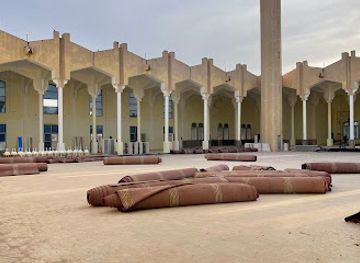
Mosque
N'Djamena Grand Mosque
Discover the architectural marvel & spiritual heart of Chad at N'Djamena Grand Mosque. Experience Islamic culture in N'Djamena.
-
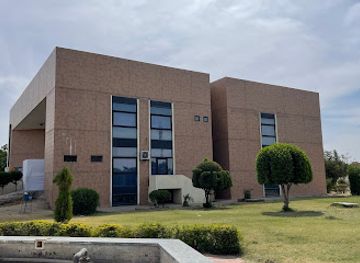
National museum
National Museum of Chad
Discover Chad's rich history and cultural heritage at the National Museum in N'Djamena, showcasing artifacts from prehistoric times to the present.
-
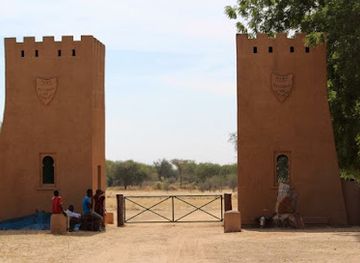
National park
Zakouma National Park
Explore the stunning Zakouma National Park, a wildlife haven in Chad, where adventure and natural beauty await every tourist.
-
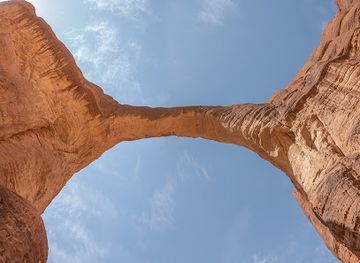
Tourist attraction
Aloba Arch
Experience the breathtaking beauty of Aloba Arch, a stunning natural wonder in Torohi, Chad, perfect for adventurers and nature lovers alike.
Explore Salamat on the map
Plan your trip on one map. See where the top cities, national parks and sights are, and book hotels and experiences in a few clicks.
Best hotels in Salamat
Best restaurants in Salamat
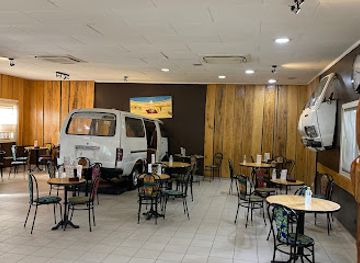
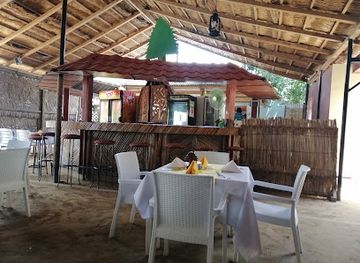
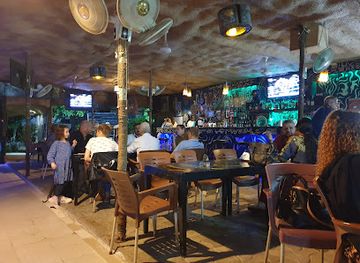
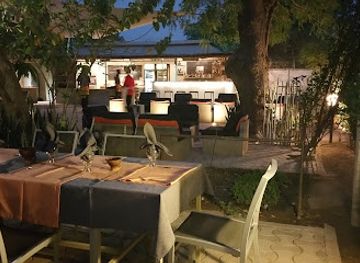
Dining in Salamat is primarily functional and locally based rather than a destination restaurant scene. In Am Timan, simple eateries and market stalls may serve staples such as millet or sorghum preparations, rice, beans, sauces, grilled meat and tea, reflecting the wider food culture of Chad and the Sahel. Availability changes with season, supply routes and local circumstances, so visitors should not expect a large choice of international food. Safari camps associated with Zakouma generally provide planned meals for guests, often using supplies brought in through a distant logistical chain; menus should be discussed in advance, especially for dietary, medical or religious requirements. Bottled or treated water is essential, and food hygiene deserves careful attention outside professionally managed accommodation. Local produce and preparations are more likely to be encountered through markets and community settings than through formal culinary tourism. Visitors should ask before sampling food in a private home or village and should avoid presenting rural hospitality as a sightseeing performance.
-
Cafe
Amandine Bakery
Discover Amandine Bakery in N'Djamena for a delightful mix of local and international pastries in a warm and inviting atmosphere.
-
Restaurant
Layalina
Experience authentic Chadian cuisine at Layalina in N'Djamena – where every dish tells a story and every meal is an adventure.
-
Restaurant
Perception Pub-Restaurant
Savor authentic Chadian cuisine and global favorites at Perception Pub-Restaurant in N'Djamena's vibrant dining scene.
-
Restaurant
Au Bout Des Doigts
Discover authentic Chadian cuisine at Au Bout Des Doigts in N'Djamena, where every dish tells a story.
Best bars in Salamat
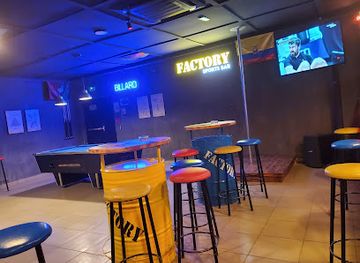
Salamat has no established large-scale nightlife industry, and evening activity centres on ordinary social life, tea, restaurants and modest local drinking places rather than clubs aimed at international visitors. Am Timan may offer simple bars or cafés, but opening arrangements, security conditions and availability can change, so travellers should follow local advice and avoid walking after dark. In and around Zakouma, evenings are shaped by the safari camp: guests may share dinner, listen to wildlife and discuss the day, but lighting, movement and noise are controlled for safety and conservation. Alcohol may be available at some established camps, though it should never be assumed and should be consumed discreetly. Rural settlements generally have little provision for visitors after sunset. The region’s evening character is therefore quiet and practical, with personal security, wildlife protocols and early starts taking precedence over nightlife.
-
Restaurant
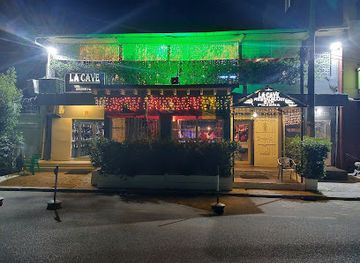
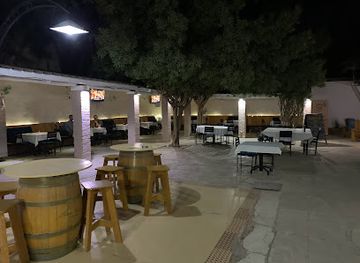
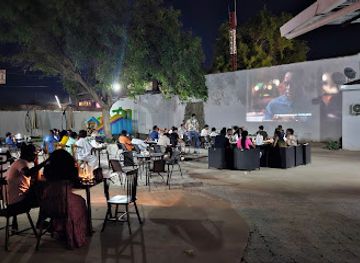
La CAVE
Experience the vibrant flavors of La CAVE in N'Djamena, where exceptional pizzas meet a warm and welcoming atmosphere for every traveler.
-
Restaurant
Le Central Bar Restaurant Hôtel Pizzeria
Experience the vibrant flavors of N'Djamena at Le Central Bar Restaurant Hôtel Pizzeria, a perfect blend of local cuisine and warm hospitality.
-
Restaurant
Zenzibar
Experience the vibrant flavors of Asia at Zenzibar, N'Djamena's premier destination for authentic Asian cuisine in a cozy setting.
-
Belgian
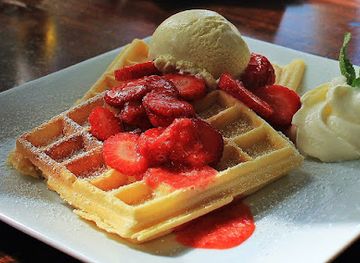
La Wafellerie au Tchad
Discover the authentic taste of Belgium at La Wafellerie au Tchad, where delectable waffles and warm hospitality await every visitor.
Best nightclubs in Salamat
Salamat has no established large-scale nightlife industry, and evening activity centres on ordinary social life, tea, restaurants and modest local drinking places rather than clubs aimed at international visitors. Am Timan may offer simple bars or cafés, but opening arrangements, security conditions and availability can change, so travellers should follow local advice and avoid walking after dark. In and around Zakouma, evenings are shaped by the safari camp: guests may share dinner, listen to wildlife and discuss the day, but lighting, movement and noise are controlled for safety and conservation. Alcohol may be available at some established camps, though it should never be assumed and should be consumed discreetly. Rural settlements generally have little provision for visitors after sunset. The region’s evening character is therefore quiet and practical, with personal security, wildlife protocols and early starts taking precedence over nightlife.
-
Recreation center
Le QG
Experience the vibrant nightlife and recreational charm of Le QG in N'Djamena, a perfect spot for relaxation and fun.
-
Night club
SEID MAHAMAT ZAKARIA
Experience the vibrant nightlife in N'Djamena at Seid Mahamat Zakaria, where every night is a celebration of music, dance, and culture.
-
 Night club
Sarco
Discover the vibrant atmosphere and exhilarating nightlife of Sarco, the premier night club in Mongo, where unforgettable experiences await.
-
Disco club
Le VIP
Experience the vibrant nightlife at Le VIP disco club in N'Djamena, where the music and energy keep you dancing all night long!
Best shops in Salamat
Shopping in Salamat is modest and practical. Am Timan is the main place to look for local markets, household goods, clothing, food staples and everyday supplies, while smaller settlements offer only limited provisions. Visitors may encounter woven items, leatherwork, beads, textiles or other handmade goods, but availability and quality vary and products should not automatically be labelled as traditional Salamat crafts without asking their source. Regional food products and locally traded goods are more likely to be found in markets than in dedicated souvenir shops. Safari camps may stock a small selection of crafts or conservation-related merchandise, although this depends on the individual operation. Bring essential toiletries, medicines, batteries, chargers and specialist equipment from N’Djamena, since replacement supplies are difficult to obtain in remote areas. Bargaining may be customary in some market settings, but it should remain courteous and proportionate. Do not buy archaeological objects, wildlife products or items made from protected species.
-
Women's clothing store
Gina Lavetti's Jeans
Explore Gina Lavetti's Jeans in Djikouba for trendy women's denim that fits your style and budget, perfect for every occasion.
-
Store
Aéroport d'Am Timan
Aéroport d'Am Timan: Your gateway to exploring the breathtaking landscapes and rich culture of Chad.
-
Store
Ahmat Izzo Moussa
Explore the vibrant culture of Am Timan at Ahmat Izzo Moussa, a must-visit store for unique local crafts and souvenirs.
-
Bakery
La boulangerie au tchad
Experience the heart of Tchad through the delightful baked goods at La Boulangerie au Tchad, a bakery that embodies local flavors.


Get your free copy of our complete guide to Salamat, delivered straight to you.
Everything on this page, from attractions and restaurants to essentials and local phrases, in one PDF you can read offline, print or share.
Already have an account? Sign in
Your Salamat guide is ready.
We'll send it to · Not you? Sign out

Getting your guide ready…
We are putting together a fresh copy of the Salamat guide. This can take up to a minute.
This can take a few moments. If your browser asks, choose Allow so the download can start. You'll find the guide in your Downloads folder.
Nothing happened? Download it again
Sorry, the guide is taking longer than usual. Please try again in a minute, or get it by email instead.
Salamat essentials
Currency and Payment
Safety
Emergency Situations
Do's and Don'ts
Local Tips
From Eve
Local phrases worth knowing
You don't need to get them perfect. A few words go a long way, and locals appreciate the effort.
Basics
| English | Local | Say it |
|---|---|---|
| Hello | Bonjour | [bɔ̃ʒuʁ] |
| Goodbye | Au revoir | [o ʁə.vwaʁ] |
| Yes | Oui | [wi] |
| No | Non | [nɔ̃] |
| Please/You're welcome | S'il vous plaît | [sil vu plɛ] |
| Thank you | Merci | [mɛʁ.si] |
| Excuse me/Sorry | Excusez-moi | [ɛkskyze mwa] |
| How are you? | Comment ça va? | [kɔmɑ̃ sa va] |
| Fine. And you? | Bien. Et vous? | [bjɛ̃ e vu] |
| Do you speak English? | Parlez-vous anglais? | [paʁle vu ɑ̃ɡlɛ] |
| I don't understand | Je ne comprends pas | [ʒə nə kɔ̃pʁɑ̃ pa] |
Eating & Drinking
| English | Local | Say it |
|---|---|---|
| I'd like to see the menu, please | Je voudrais voir le menu, s'il vous plaît | [ʒə vudʁɛ vwaʁ lə məny, sil vu plɛ] |
| I don't eat meat | Je ne mange pas de viande | [ʒə nə mɑ̃ʒ pa də vjɑ̃d] |
| Cheers! | Santé! | [sɑ̃.te] |
| I would like to pay, please | Je voudrais payer, s'il vous plaît | [ʒə vudʁɛ peje, sil vu plɛ] |
Emergencies
| English | Local | Say it |
|---|---|---|
| Help! | Au secours! | [o səkuʁ] |
| Go away! | Allez-vous-en! | [ale vu zɑ̃] |
| Call the Police! | Appelez la police! | [aple la pɔlis] |
| Call a doctor! | Appelez un médecin! | [aple ɛ̃ mɛdɛsɛ̃] |
| I'm lost | Je suis perdu | [ʒə sɥi pɛʁdy] |
| I'm ill | Je suis malade | [ʒə sɥi malad] |
Shopping
| English | Local | Say it |
|---|---|---|
| I'd like to buy... | Je voudrais acheter... | [ʒə vudʁɛ aʃte] |
| I'm just looking | Je regarde juste | [ʒə ʁəɡaʁd ʒyst] |
| How much is it? | Combien ça coûte? | [kɔ̃bjɛ̃ sa kut] |
| That's too expensive | C'est trop cher | [sɛ tʁo ʃɛʁ] |
| Can you lower the price? | Pouvez-vous baisser le prix? | [puve vu besɛʁ lə pʁi] |
Time & Numbers
| English | Local | Say it |
|---|---|---|
| What time is it? | Quelle heure est-il? | [kɛl œʁ ɛ til] |
| It's one o'clock | Il est une heure | [il ɛ yn œʁ] |
| Half past (10) | Dix heures et demie | [dis œʁ e dəmi] |
| Morning | Matin | [matɛ̃] |
| Afternoon | Après-midi | [apʁɛ midi] |
| Evening | Soir | [swaʁ] |
| Yesterday | Hier | [jɛʁ] |
| Today | Aujourd'hui | [oʒuʁdʁi] |
| Tomorrow | Demain | [dəmɛ̃] |
| 1 | Un | [ɛ̃] |
| 2 | Deux | [dø] |
| 3 | Trois | [tʁwa] |
| 4 | Quatre | [katʁ] |
| 5 | Cinq | [sɛ̃k] |
| 6 | Six | [si] |
| 7 | Sept | [sɛt] |
| 8 | Huit | [ɥit] |
| 9 | Neuf | [nœf] |
| 10 | Dix | [dis] |
Transport & Directions
| English | Local | Say it |
|---|---|---|
| Where's a/the...? | Où est le/la...? | [u ɛ lə/la] |
| What's the address? | Quelle est l'adresse? | [kɛl ɛ ladʁɛs] |
| Can you show me (on the map)? | Pouvez-vous me montrer (sur la carte)? | [puve vu mə mɔ̃tʁe (syʁ la kaʁt)] |
| When's the next (bus)? | Quand est le prochain (bus)? | [kɑ̃ ɛ lə pʁɔʃɛ̃ (bys)] |
| A ticket (to ....) | Un billet (pour ....) | [ɛ̃ bijɛ (puʁ)] |
History of Salamat
Early settlement and the Salamat basin
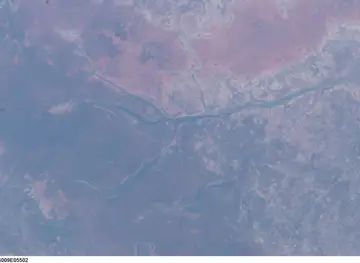
The Salamat basin has long supported communities through a combination of cultivation, livestock keeping, fishing and seasonal use of wetlands. Archaeological knowledge of south-eastern Chad remains less developed for visitors than that of the country’s better-known northern sites, but the region belongs to an ancient zone of movement linking the Chari basin with Darfur and the Central African savannas. Watercourses such as the Bahr Azoum and the seasonal floodplains have influenced settlement and migration for centuries, creating a landscape in which access to pasture and water has been as important as permanent urban infrastructure.
Sultanates, trade and Islamic influence
Before European colonial rule, communities in and around present-day Salamat were connected to wider political systems in the eastern Sudanese world. Trade, religious learning and the movement of pastoral groups linked the area with Darfur, Wadai and territories farther west and south. Authority was often exercised through sultanates, local rulers and lineage networks rather than through modern fixed borders. Islam became an important influence across much of the region, while local languages, customary law and social institutions continued to shape everyday life.
French colonial administration
French expansion into the Chad basin during the late nineteenth and early twentieth centuries gradually brought the Salamat area within the territory that became French Equatorial Africa and later the colony of Chad. Colonial administration relied on military posts, taxation, appointed intermediaries and control of transport routes, while much of the region remained difficult to govern directly. The colonial period altered political relationships and commercial patterns but did not eliminate older systems of seasonal movement, local authority and cross-border exchange.
Independence and regional conflict
Chad became independent in 1960, but the new state inherited limited infrastructure and deep regional inequalities. Political conflict and civil war across the country affected the east and south-east through displacement, insecurity, disrupted trade and pressure on rural livelihoods. Salamat’s proximity to Sudan and the Central African Republic has repeatedly made the region sensitive to events beyond Chad’s borders. The legacy remains visible in the need for security coordination, restricted access and humanitarian awareness when travelling through remote districts.
Zakouma National Park and conservation
Zakouma National Park was established in 1963 to protect a major savanna ecosystem in south-eastern Chad. During periods of severe insecurity and weak enforcement, elephant poaching and other pressures caused major losses to wildlife. From the 2010s, improved management, stronger ranger capacity and international conservation partnerships helped stabilise important animal populations and develop carefully controlled tourism. The park’s history illustrates both the vulnerability of Central African wildlife and the way conservation now intersects with employment, local communities and national security.
Contemporary rural transformation
Modern Salamat is shaped by the interaction of agriculture, pastoralism, conservation and regional insecurity. Population movement, changing rainfall patterns and competition over water and grazing influence relations between communities, while roads and communications remain limited outside the main centres. Conservation work has brought international attention and specialist tourism to part of the region, but most residents continue to rely on rural livelihoods rather than tourism. The region’s contemporary story is therefore one of adaptation in an environment where ecological and political conditions are closely linked.
Salamat in Photos
Browse through our photo collection highlighting the charm and character of the destination.
Neighbouring regions of Salamat
The closest regions to Salamat, if you have time for more than one.
-

-

-

-

-


Swipe for more regions
Explore more

Explore more of Chad
Discover Chad: Explore Africa's untouched landscapes, rich cultural heritage, and captivating wildlife in one of the continent's most enchanting and remote destinations.
Explore Chad