

Free Mandoul Travel Guide & Mobile App
Explore Mandoul with free travel guides. Discover regional history, expert tips, proposed trips, and audio guides on web or mobile app.


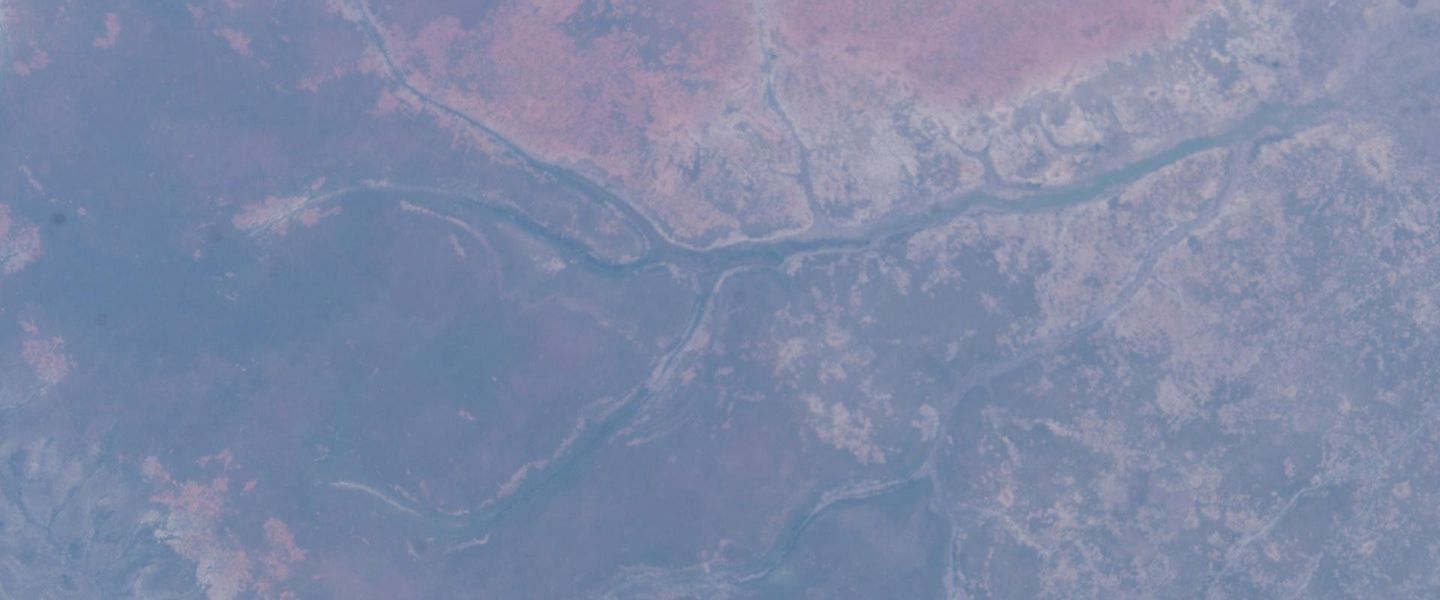

Explore Mandoul in southern Chad for savanna landscapes, Koumra markets, Sara heritage and an authentic view of rural life.
Read more about Mandoul
When is the best time to visit Mandoul?
Best: December–February · 29–31°C| Month | High (°C) | Rainfall (mm) |
|---|---|---|
| January (best) | 29 | 1 |
| February (best) | 31 | 1 |
| March | 35 | 2 |
| April | 37 | 5 |
| May | 37 | 10 |
| June | 35 | 15 |
| July | 35 | 25 |
| August | 35 | 25 |
| September | 35 | 15 |
| October | 35 | 10 |
| November | 32 | 2 |
| December (best) | 29 | 1 |
Getting to and around Mandoul
How to get there
Transportation
Explore Mandoul on the map
Plan your trip on one map. See where the top cities, national parks and sights are, and book hotels and experiences in a few clicks.
Best hotels in Mandoul
Best restaurants in Mandoul
Dining in Mandoul is generally informal and closely connected to household cooking, markets and small local eateries rather than a developed restaurant industry. Meals may include millet or sorghum-based staples, rice, beans, sauces, seasonal vegetables and grilled or stewed meat, with recipes varying between communities and households. In a predominantly agricultural region, availability follows the seasons, while markets in Koumra and other larger settlements are the most practical places to find prepared food and basic supplies. Tea, coffee and chilled drinks may be available in town, but reliable refrigeration cannot be assumed outside established businesses. Visitors should carry safe drinking water and use trusted food sources, taking particular care with raw produce and food kept in heat. A host’s home or a locally recommended eating place may provide the most useful introduction to everyday Mandoul cooking; dietary requirements should be explained clearly in advance, especially when travelling away from Koumra.
-
Restaurant
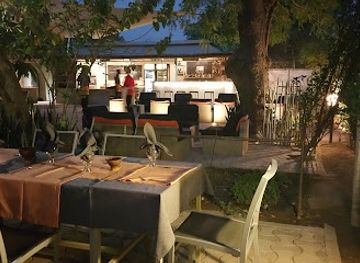
Au Bout Des Doigts
Experience the authentic flavors of Chad at Au Bout Des Doigts, N'Djamena's favorite restaurant for delicious pizzas and local cuisine.
-
Restaurant
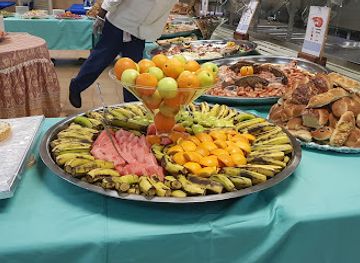
KFC Restaurant
Enjoy crispy fried chicken and comfort food at KFC Restaurant in Dildo - the perfect stop for travelers seeking tasty meals.
Best bars in Mandoul
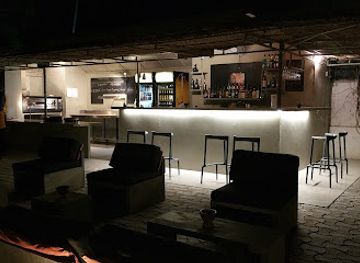
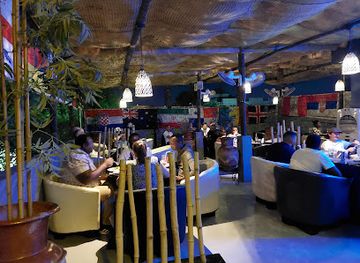
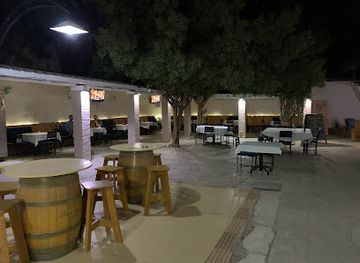
Mandoul does not have a significant organised nightclub scene. Evening social life is more likely to centre on small cafés, informal food stalls, local drinking places and conversation in Koumra or other larger settlements, while rural communities generally keep later activity closely tied to household and community routines. Entertainment, where available, may include recorded music or occasional live performances rather than a regular programme for visitors. Alcohol is not appropriate in every social or religious setting, so travellers should follow local guidance and avoid assuming that drinking defines nightlife. Streets and rural roads become harder to navigate after dark, and limited lighting, transport and communications make independent evening movement unwise. Visitors staying in the region should arrange their return transport before going out and rely on accommodation staff or trusted hosts for advice about suitable local venues.
-
Bar
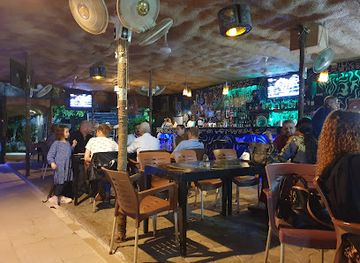
Perception Pub-Restaurant
Experience the vibrant nightlife and delectable cuisine at Perception Pub-Restaurant in N'Djamena, the perfect spot for relaxation and socializing.
-
Restaurant
Au Bout Des Doigts
Explore the flavors of Chad at Au Bout Des Doigts, a vibrant restaurant in N'Djamena offering authentic local cuisine and a warm atmosphere.
-
Restaurant
La CAVE
Savor authentic Italian flavors at La CAVE, N'Djamena's beloved pizza restaurant offering a cozy setting and diverse menu.
-
Restaurant
Le Central Bar Restaurant Hôtel Pizzeria
Discover the vibrant flavors of N'Djamena at Le Central Bar Restaurant Hôtel Pizzeria, where local cuisine meets international flair in a cozy setting.
Best shops in Mandoul
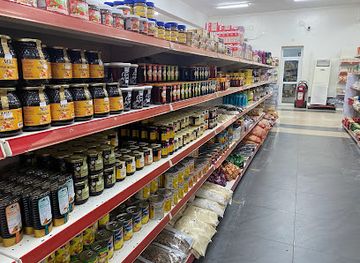
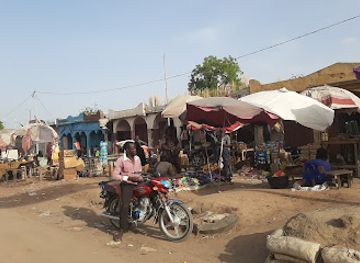
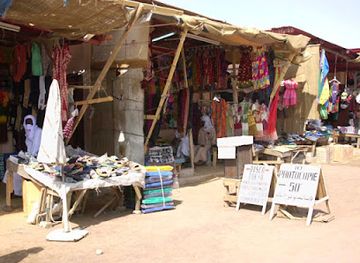
Shopping in Mandoul is concentrated in markets and small independent stalls, with Koumra offering the widest practical choice of food, household goods, clothing, phone credit and transport supplies. Smaller market centres in towns such as Moïssala and Goundi serve surrounding farming communities and are more useful for observing regional trade than for buying specialist souvenirs. Seasonal agricultural produce, grains, local vegetables, livestock and everyday craft items may be available, but selection changes with harvests and transport. Visitors should not expect formal craft galleries, large shopping centres or a stable export-souvenir industry. If purchasing locally made baskets, woven items, metalwork or other objects, ask about their use and agree prices respectfully. Small CFA-franc notes are useful, and bargaining should remain friendly and proportionate. Buying food and services locally, where safe and appropriate, can support household traders, but avoid purchasing objects that appear sacred, archaeologically significant or taken from protected places.
-
Supermarket
Modern Market
Explore Modern Market in N'Djamena for a local shopping experience filled with fresh produce, unique goods, and vibrant culture.
-
Market
Dembé Market
Discover the vibrant Dembé Market, a cultural hub in N'Djamena, offering local delicacies, crafts, and an authentic taste of Chad.
-
Market
Central Market السوق المركزي
Explore the vibrant Central Market in N'Djamena, a cultural hub filled with local crafts, delicious foods, and authentic Chadian experiences.
-
Grocery store
Le GRAND MARCHE
Explore the vibrant flavors and local culture at Le GRAND MARCHE, N'Djamena's bustling grocery store for an authentic taste of Chad.

Get your free copy of our complete guide to Mandoul, delivered straight to you.
Everything on this page, from attractions and restaurants to essentials and local phrases, in one PDF you can read offline, print or share.
Already have an account? Sign in
Your Mandoul guide is ready.
We'll send it to · Not you? Sign out

Getting your guide ready…
We are putting together a fresh copy of the Mandoul guide. This can take up to a minute.
This can take a few moments. If your browser asks, choose Allow so the download can start. You'll find the guide in your Downloads folder.
Nothing happened? Download it again
Sorry, the guide is taking longer than usual. Please try again in a minute, or get it by email instead.
Mandoul essentials
Currency and Payment
Safety
Emergency Situations
Do's and Don'ts
Local Tips
From Eve
Local phrases worth knowing
You don't need to get them perfect. A few words go a long way, and locals appreciate the effort.
Basics
| English | Local | Say it |
|---|---|---|
| Hello | Bonjour | [bɔ̃ʒuʁ] |
| Goodbye | Au revoir | [o ʁəvwaʁ] |
| Yes | Oui | [wi] |
| No | Non | [nɔ̃] |
| Please/You’re welcome | S'il vous plaît | [sil vu plɛ] |
| Thank you | Merci | [mɛʁsi] |
| Excuse me/Sorry | Excusez-moi | [ɛkskyze mwa] |
| How are you? | Comment ça va? | [kɔmɑ̃ sa va] |
| Fine. And you? | Bien. Et vous? | [bjɛ̃ e vu] |
| Do you speak English? | Parlez-vous anglais? | [paʁle vu ɑ̃ɡlɛ] |
| I don't understand | Je ne comprends pas | [ʒə nə kɔ̃pʁɑ̃ pa] |
Eating & Drinking
| English | Local | Say it |
|---|---|---|
| I’d like to see the menu, please | Je voudrais voir le menu, s'il vous plaît | [ʒə vudʁɛ vwaʁ lə məny, sil vu plɛ] |
| I don’t eat meat | Je ne mange pas de viande | [ʒə nə mɑ̃ʒ pa də vjɑ̃d] |
| Cheers! | Santé! | [sɑ̃te] |
| I would like to pay, please | Je voudrais payer, s'il vous plaît | [ʒə vudʁɛ peje, sil vu plɛ] |
Emergencies
| English | Local | Say it |
|---|---|---|
| Help! | À l'aide! | [a lɛd] |
| Go away! | Allez-vous-en! | [ale vu zɑ̃] |
| Call the Police! | Appelez la police! | [aple la pɔlis] |
| Call a doctor! | Appelez un médecin! | [aple ɛ̃ mɛdɛsɛ̃] |
| I’m lost | Je suis perdu | [ʒə sɥi pɛʁdy] |
| I’m ill | Je suis malade | [ʒə sɥi malad] |
Shopping
| English | Local | Say it |
|---|---|---|
| I’d like to buy... | Je voudrais acheter... | [ʒə vudʁɛ aʃte] |
| I’m just looking | Je regarde juste | [ʒə ʁəɡaʁd ʒyst] |
| How much is it? | C'est combien? | [se kɔ̃bjɛ̃] |
| That's too expensive | C'est trop cher | [se tʁo ʃɛʁ] |
| Can you lower the price? | Pouvez-vous baisser le prix? | [puve vu bese lə pʁi] |
Time & Numbers
| English | Local | Say it |
|---|---|---|
| What time is it? | Quelle heure est-il? | [kɛl œʁ e til] |
| It’s one o’clock | Il est une heure | [il ɛ yn œʁ] |
| Half past (10) | Dix heures et demie | [dis œʁ e dəmi] |
| Morning | Matin | [matɛ̃] |
| Afternoon | Après-midi | [apʁɛ midi] |
| Evening | Soir | [swaʁ] |
| Yesterday | Hier | [jɛʁ] |
| Today | Aujourd'hui | [oʒuʁdɥi] |
| Tomorrow | Demain | [dəmɛ̃] |
| 1 | Un | [ɛ̃] |
| 2 | Deux | [dø] |
| 3 | Trois | [tʁwa] |
| 4 | Quatre | [katʁ] |
| 5 | Cinq | [sɛ̃k] |
| 6 | Six | [sis] |
| 7 | Sept | [sɛt] |
| 8 | Huit | [ɥit] |
| 9 | Neuf | [nœf] |
| 10 | Dix | [dis] |
Transport & Directions
| English | Local | Say it |
|---|---|---|
| Where's a/the...? | Où est un/une...? | [u ɛ ɛ̃/yn] |
| What's the address? | Quelle est l'adresse? | [kɛl ɛ l‿adʁɛs] |
| Can you show me (on the map)? | Pouvez-vous me montrer (sur la carte)? | [puve vu mə mɔ̃tʁe (syʁ la kaʁt)] |
| When's the next (bus)? | Quand est le prochain (bus)? | [kɑ̃ ɛ lə pʁɔʃɛ̃ (bys)] |
| A ticket (to ....) | Un billet (pour ....) | [ɛ̃ bijɛ (puʁ ....)] |
History of Mandoul
Early settlement in the Chari-Logone savanna
The Mandoul area forms part of a wider southern Chadian landscape occupied by farming and pastoral communities for many centuries. Archaeological research across the Chari-Logone region indicates long histories of settlement, cultivation, metalworking and exchange, although the surviving evidence is uneven and many local histories remain preserved through oral traditions. Seasonal rivers, fertile soils and woodland resources helped shape settlement patterns. The region’s present cultural diversity reflects repeated movement and interaction rather than a single uninterrupted political tradition.
Sara societies and regional exchange
Before colonial rule, communities now broadly described as Sara developed their own political, social and religious institutions across southern Chad, including the area that became Mandoul. Authority was often organised through local communities and lineage structures rather than a single central kingdom. Trade and migration connected the savanna to territories around the Central African Republic and the Logone basin. Oral history remains important for understanding settlement origins, relationships between communities and the cultural significance of land and seasonal work.
The expansion of external states and long-distance trade
Northern and central Chadian states, including the wider spheres associated with Kanem-Bornu and later regional sultanates, influenced trade and political relations across parts of the country, though Mandoul was not the core of those states. Southern communities also experienced contact with armed traders and raiding networks moving through the wider basin. These encounters, together with migration and local alliances, affected settlement security and patterns of exchange without erasing the autonomy of many southern communities.
French conquest and colonial administration
French forces incorporated southern Chad into the colonial administration of French Equatorial Africa during the early twentieth century, following military campaigns and the consolidation of territorial rule. New administrative posts, taxation, labour demands and transport routes altered local authority and economic life. Missionary activity and colonial schooling expanded unevenly. The region later became part of the separate colony of Chad, whose southern savanna was increasingly connected to export agriculture and administrative centres.
Cotton and the colonial-to-national economy
Cotton became a major commercial crop in southern Chad during the colonial period and remained central after independence. Its expansion linked farming households in areas such as Mandoul to ginning, transport, credit and national export markets. Cotton generated income but also exposed farmers to fluctuating prices, irregular rainfall and changes in state policy. The legacy is visible in the region’s cultivated landscapes and in the continuing importance of farming cooperatives, market towns and seasonal labour.
Independence, conflict and contemporary Mandoul
Chad became independent in 1960, but successive political crises and armed conflicts disrupted administration, movement and rural livelihoods. Southern regions, including Mandoul, experienced the effects of displacement, insecurity and changing relations between local communities and the central state, even when fighting was concentrated elsewhere. Since the late twentieth century, population growth, cross-border movement, agricultural expansion and pressure on land and water have shaped the region’s contemporary challenges. Mandoul today remains primarily an agricultural region with limited visitor infrastructure.
Mandoul in Photos
Browse through our photo collection highlighting the charm and character of the destination.
Neighbouring regions of Mandoul
The closest regions to Mandoul, if you have time for more than one.
-

-

-

-

-


Swipe for more regions
Explore more

Explore more of Chad
Discover Chad: Explore Africa's untouched landscapes, rich cultural heritage, and captivating wildlife in one of the continent's most enchanting and remote destinations.
Explore Chad