

Free Moyen-Chari Travel Guide & Mobile App
Explore Moyen-Chari with free travel guides. Discover regional history, expert tips, proposed trips, and audio guides on web or mobile app.


Explore Moyen-Chari in southern Chad for Chari River landscapes, Sarh’s culture, Sara heritage and carefully guided savanna travel.
Read more about Moyen-Chari
When is the best time to visit Moyen-Chari?
Best: December–February · 29–32°C| Month | High (°C) | Rainfall (mm) |
|---|---|---|
| January (best) | 29 | 1 |
| February (best) | 32 | 1 |
| March | 34 | 3 |
| April | 36 | 20 |
| May | 37 | 60 |
| June | 36 | 105 |
| July | 34 | 160 |
| August | 34 | 200 |
| September | 34 | 140 |
| October | 34 | 60 |
| November | 31 | 10 |
| December (best) | 29 | 1 |
Getting to and around Moyen-Chari
How to get there
Transportation
Best attractions in Moyen-Chari
Moyen-Chari's attractions are primarily landscape-, culture- and community-based rather than built around a large tourism infrastructure. Sarh provides the region's most accessible introduction, with its Chari River setting, markets, everyday architecture and role as a southern administrative centre. Manda National Park is the principal protected-area attraction, offering savanna, woodland and wetland environments near the river basin; access, guiding and security must be confirmed locally before departure. Around Sarh and Koumra, visitors may encounter agricultural landscapes, village markets, fishing activity and craft traditions, but these should be approached through prior introductions rather than unannounced visits. The Chari and its seasonal channels are important for scenery and local livelihoods, although river excursions are not a standard, widely available tourism service. Birdlife and other wildlife can be present in suitable habitats, but sightings are unpredictable and conservation rules should be followed. The region is best suited to travellers interested in southern Chadian landscapes, cultural geography and carefully arranged field-style travel.
-
National park
Manda National Park
Explore the stunning biodiversity and breathtaking landscapes of Manda National Park, an untouched paradise for nature lovers and adventure seekers in Chad.

Explore Moyen-Chari on the map
Plan your trip on one map. See where the top cities, national parks and sights are, and book hotels and experiences in a few clicks.
Best hotels in Moyen-Chari
Best bars in Moyen-Chari
Moyen-Chari does not have a large, internationally oriented nightlife scene. In Sarh, evening social life is more likely to centre on modest cafés, restaurants, hotel compounds and informal meeting places than on dedicated nightclubs. Music, conversation and shared meals are important forms of socialising, but venues and operating arrangements can change, and visitors should follow local advice about where and when to go. In Koumra and smaller towns, nightlife is generally quieter and may consist mainly of tea stalls, food sellers and local bars serving beer or soft drinks. Outside urban centres, evenings are shaped by household and community life, darkness and limited electricity rather than organised entertainment. Alcohol is not necessary for experiencing the region, and travellers should drink discreetly, avoid becoming intoxicated and arrange secure transport back to their accommodation.
-
Bar
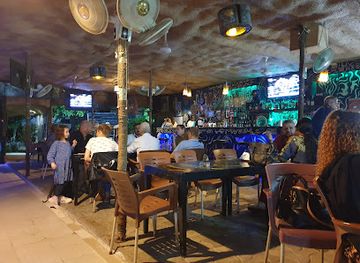
Perception Pub-Restaurant
Discover the vibrant atmosphere of Perception Pub-Restaurant in N'Djamena, where local flavors meet lively nightlife for an unforgettable experience.
-
Restaurant
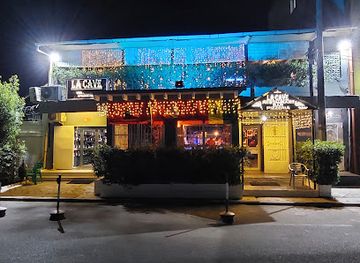
La CAVE
Discover the authentic flavors of N'Djamena at La CAVE, where delicious pizzas and a cozy atmosphere await every visitor.
-
Belgian
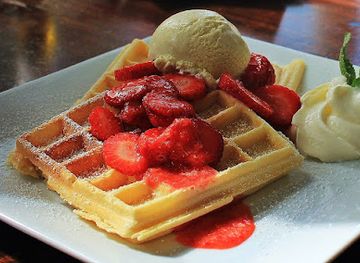
La Wafellerie au Tchad
Discover the flavors of Belgium at La Wafellerie au Tchad in Boum Kabir, where waffles and warmth await every visitor.
-
Restaurant
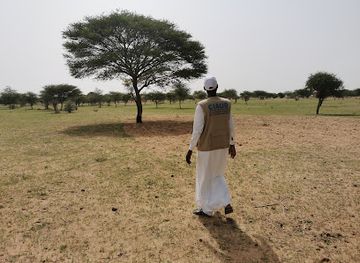
Le Chari Bar-Resto,Iriba Chad
Discover the flavors of Chad at Le Chari Bar-Resto, a culinary haven in Iriba offering authentic local dishes in a welcoming atmosphere.
Best shops in Moyen-Chari
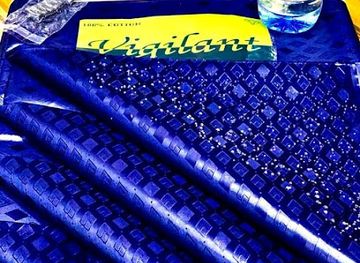
Shopping in Moyen-Chari is concentrated in Sarh's markets and commercial streets, with smaller-scale trading in Koumra and other settlements. Useful purchases include locally produced foodstuffs, woven items, baskets, mats, pottery, leather goods and practical household products, although selection and quality vary by season and market day. Cotton is historically important to the region, but visitors should avoid assuming that every textile is locally made or that a product represents a formal regional craft tradition. Food markets provide access to grains, pulses, fruit where available and other supplies for journeys, while rural markets offer a more direct view of agricultural exchange than souvenir shopping. Carry CFA francs in small notes, ask permission before photographing stalls and bargain politely where bargaining is customary. There is limited specialist retail for international visitors, so buy essentials in Sarh before travelling to remote areas and do not expect dependable card payment.
-
Bakery
Boulangerie Moderne
Discover the authentic flavors of Sarh at Boulangerie Moderne, where tradition meets taste in every delicious pastry.
-
Bakery
La boulangerie au tchad
Discover the authentic flavors of Chad at La Boulangerie au Tchad, where every bite tells a story of local tradition and craftsmanship.
-
Market
Marché de Kyabé
Explore the authentic cultural experience at Marché de Kyabé, where local flavors and crafts come to life in a vibrant market atmosphere.
-
 Shopping mall
Alimentation De Mahdi
Discover the heart of Sarh with diverse shopping and local cuisine at Alimentation De Mahdi, a vibrant shopping mall in Chad.

Get your free copy of our complete guide to Moyen-Chari, delivered straight to you.
Everything on this page, from attractions and restaurants to essentials and local phrases, in one PDF you can read offline, print or share.
Already have an account? Sign in
Your Moyen-Chari guide is ready.
We'll send it to · Not you? Sign out

Getting your guide ready…
We are putting together a fresh copy of the Moyen-Chari guide. This can take up to a minute.
This can take a few moments. If your browser asks, choose Allow so the download can start. You'll find the guide in your Downloads folder.
Nothing happened? Download it again
Sorry, the guide is taking longer than usual. Please try again in a minute, or get it by email instead.
Moyen-Chari essentials
Currency and Payment
Safety
Emergency Situations
Do's and Don'ts
Local Tips
From Eve
Local phrases worth knowing
You don't need to get them perfect. A few words go a long way, and locals appreciate the effort.
Basics
| English | Local | Say it |
|---|---|---|
| Hello | Nja | [n-zhah] |
| Goodbye | Kouda | [koo-dah] |
| Yes | Ewa | [eh-wah] |
| No | Ala | [ah-lah] |
| Please/You're welcome | S'il vous plaît | [seel voo pleh] |
| Thank you | Merci | [mehr-see] |
| Excuse me/Sorry | Pardon | [par-dohn] |
| How are you? | Comment ça va? | [koh-mohn sah vah] |
| Fine. And you? | Bien. Et toi? | [byehn. eh twa] |
| Do you speak English? | Parles-vous anglais? | [parl vooz ahn-glay] |
| I don't understand | Je ne comprends pas | [zhuh nuh kohm-pron pah] |
Eating & Drinking
| English | Local | Say it |
|---|---|---|
| I'd like to see the menu, please | Je voudrais voir le menu, s'il vous plaît | [zhuh voo-dray vwar luh meh-nu, seel voo pleh] |
| I don't eat meat | Je ne mange pas de viande | [zhuh nuh mahnj pah duh vyahnd] |
| Cheers! | Santé! | [sahn-tay] |
| I would like to pay, please | Je voudrais payer, s'il vous plaît | [zhuh voo-dray pay-ay, seel voo pleh] |
Emergencies
| English | Local | Say it |
|---|---|---|
| Help! | Au secours! | [oh suh-koor] |
| Go away! | Allez-vous-en! | [ah-lay voo-zahn] |
| Call the Police! | Appelez la police! | [ah-peh-lay lah poh-lees] |
| Call a doctor! | Appelez un médecin! | [ah-peh-lay uhn may-deh-seen] |
| I'm lost | Je suis perdu | [zhuh swee pehr-dyoo] |
| I'm ill | Je suis malade | [zhuh swee mah-lahd] |
Shopping
| English | Local | Say it |
|---|---|---|
| I'd like to buy... | Je voudrais acheter... | [zhuh voo-dray ah-sheh-tay] |
| I'm just looking | Je regarde juste | [zhuh reh-gahrd zhuhst] |
| How much is it? | C'est combien? | [seh kohm-byen] |
| That's too expensive | C'est trop cher | [seh troh shair] |
| Can you lower the price? | Pouvez-vous baisser le prix? | [poo-vay voo beh-say luh pree] |
Time & Numbers
| English | Local | Say it |
|---|---|---|
| What time is it? | Quelle heure est-il? | [kel uhr eh-teel] |
| It's one o'clock | Il est une heure | [eel eh oon uhr] |
| Half past (10) | Dix heures et demie | [dees uhr eh duh-mee] |
| Morning | Matin | [mah-tahn] |
| Afternoon | Après-midi | [ah-pray mee-dee] |
| Evening | Soir | [swahr] |
| Yesterday | Hier | [ee-yehr] |
| Today | Aujourd'hui | [oh-zhoor-dwee] |
| Tomorrow | Demain | [duh-mahn] |
| 1 | Un | [uhn] |
| 2 | Deux | [duh] |
| 3 | Trois | [twa] |
| 4 | Quatre | [ka-truh] |
| 5 | Cinq | [sank] |
| 6 | Six | [sees] |
| 7 | Sept | [seht] |
| 8 | Huit | [weet] |
| 9 | Neuf | [nuhf] |
| 10 | Dix | [dees] |
Transport & Directions
| English | Local | Say it |
|---|---|---|
| Where's a/the...? | Où est le...? | [oo eh luh...] |
| What's the address? | Quelle est l'adresse? | [kel eh luh-dress] |
| Can you show me (on the map)? | Pouvez-vous me montrer (sur la carte)? | [poo-vay voo muh mon-tray (sur lah kart)] |
| When's the next (bus)? | Quand est le prochain (bus)? | [kahn eh luh pro-shen (boos)] |
| A ticket (to ....) | Un billet (pour....) | [uhn bee-yay (poor....)] |
History of Moyen-Chari
Early Chari Basin Communities
The Chari basin has supported settled communities, farming and fishing for centuries, taking advantage of seasonal water, fertile soils and river transport. Archaeological knowledge of southern Chad is still less accessible to visitors than the country's best-known sites in the north, but the wider region formed part of networks linking the central African interior with Sahelian societies. Agriculture, ironworking, exchange and oral traditions shaped communities long before modern administrative boundaries were created. In Moyen-Chari, the river and its floodplain remain reminders of this older relationship between settlement and water.
Sara Societies and Regional Exchange
Much of Moyen-Chari lies within the cultural sphere of Sara-speaking peoples, though the region has always included several communities and languages. Village organisation, farming systems, initiation traditions, craft knowledge and oral history developed through local institutions rather than through a single centralised kingdom. Exchange along routes connecting the Chari basin with neighbouring parts of present-day Chad and the Central African Republic brought goods, ideas and religious influences. These historical patterns help explain why the region's cultural identity is diverse and why spoken language and local affiliation can vary from one area to another.
French Colonial Administration
French expansion into the Chad basin during the late nineteenth and early twentieth centuries was followed by military administration, taxation and the restructuring of local authority. Sarh, then known as Fort-Archambault, became an important colonial post on the Chari and a centre for administration and commerce. Colonial rule introduced new forms of schooling, Christian missionary activity and transport organisation, while also subordinating local communities to an extractive political system. The river town's later importance as a southern administrative centre is closely connected with this period.
Cotton and Agricultural Development
During the twentieth century, cotton became a major commercial crop in southern Chad, where rainfall and soils were more favourable than in the country's northern zones. Production linked farmers in Moyen-Chari to state agencies, ginneries, transport routes and international markets, but it also exposed rural households to fluctuating prices, taxation and demanding production systems. Cotton did not replace food cultivation or livestock keeping, which continued to underpin local livelihoods. Its legacy is visible in the region's agricultural economy and in the historic importance of Sarh and surrounding market towns.
Independence and Southern Political Importance
Chad became independent from France in 1960, and southern regions including Moyen-Chari assumed an important place in the new state's administration, education and agricultural economy. Early governments drew heavily on southern institutions and personnel, contributing to political tensions with northern and central areas of the country. The national imbalance was one factor in the conflicts and rebellions that marked Chad after independence. Sarh's position as a regional capital and educational centre made it an important setting within these broader political developments.
Conflict, Displacement and Recovery
Chad's civil wars and periods of armed conflict affected transport, public administration, local economies and relations between communities across the country, including the south. Insecurity and political upheaval disrupted farming and trade, while population movements connected Moyen-Chari with neighbouring regions and countries. The region has also experienced the longer-term effects of state fragility, limited infrastructure and uneven access to services. Contemporary travel should therefore be understood against a recent history in which roads, institutions and local livelihoods have had to recover repeatedly from national crises.
Manda National Park and Conservation
Manda National Park, established in the Chari basin near Sarh, represents a modern effort to protect southern Chad's savanna, woodland and wildlife habitats. Conservation has taken place within a working rural landscape where farming, grazing, fishing and access to natural resources remain important to local communities. The park's history is therefore not simply one of wildlife protection: it also reflects changing approaches to land management, the effects of insecurity and the practical challenge of safeguarding habitats with limited infrastructure. Its future depends on cooperation between conservation authorities and neighbouring communities.
Moyen-Chari in Photos
Browse through our photo collection highlighting the charm and character of the destination.
Neighbouring regions of Moyen-Chari
The closest regions to Moyen-Chari, if you have time for more than one.
-
-

-

-

-


Swipe for more regions
Explore more

Explore more of Chad
Discover Chad: Explore Africa's untouched landscapes, rich cultural heritage, and captivating wildlife in one of the continent's most enchanting and remote destinations.
Explore Chad