

Free Colchagua Valley Travel Guide & Mobile App
Explore Colchagua Valley with free travel guides. Discover regional history, expert tips, proposed trips, and audio guides on web or mobile app.


Explore Colchagua Valley in Chile for acclaimed red wines, historic haciendas, rural villages, museums and vineyard landscapes south of Santiago.
Read more about Colchagua Valley
When is the best time to visit Colchagua Valley?
Best: March, October–November · 24–26°C| Month | High (°C) | Rainfall (mm) |
|---|---|---|
| January | 29 | 2 |
| February | 29 | 3 |
| March (best) | 26 | 6 |
| April | 22 | 10 |
| May | 19 | 14 |
| June | 16 | 19 |
| July | 16 | 18 |
| August | 18 | 14 |
| September | 21 | 11 |
| October (best) | 24 | 6 |
| November (best) | 26 | 4 |
| December | 27 | 3 |
Getting to and around Colchagua Valley
How to get there
Transportation
Top city travel guides in Colchagua Valley
The cities of Colchagua Valley, and the easiest places to base yourself.
-

-


Swipe for more cities
Destinations in Colchagua Valley
Resorts, valleys and scenic spots worth a trip of their own.

Swipe for more destinations
Best attractions in Colchagua Valley
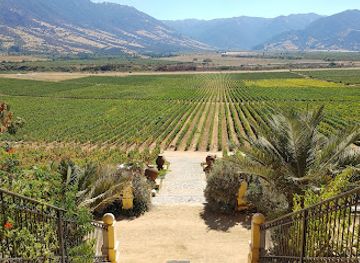
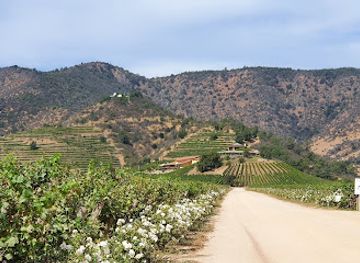
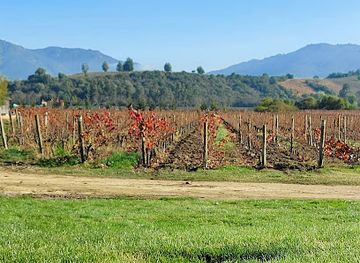
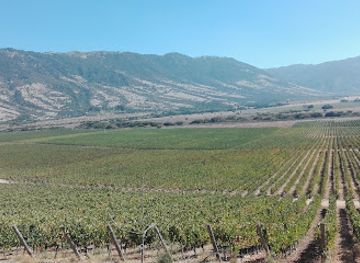
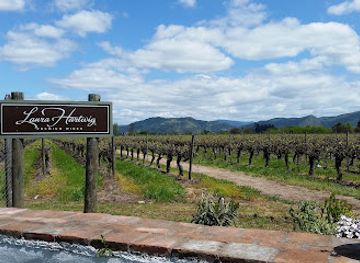
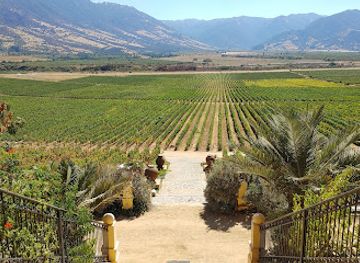
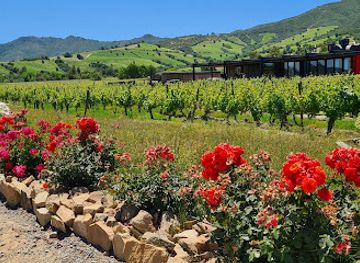
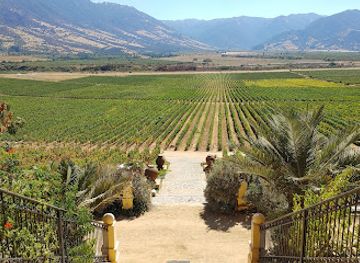
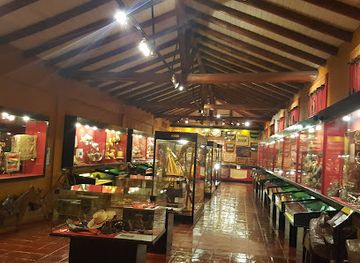
Colchagua Valley's attractions are organised around its vineyards but extend well beyond wine. Around Santa Cruz, visitors can tour historic and contemporary wineries, learn about grape growing and cellar production, and combine tastings with restaurants, gardens or rural views. The Museo de Colchagua provides a substantial cultural counterpoint, with collections covering Indigenous cultures, the colonial period, Chilean independence and later rural life. Smaller museums and heritage displays are found in and around the valley's towns, though opening arrangements can vary. The agricultural landscape itself is an attraction: roads between Santa Cruz, Palmilla, Peralillo, Nancagua and Lolol pass vineyards, orchards, old farm buildings and tree-lined estates. Horseback excursions, cycling and guided countryside drives offer alternatives to a conventional tasting itinerary, while selected wineries provide accommodation or food experiences. Chimbarongo adds a craft dimension through its long association with wickerwork, and the historic rural architecture of Lolol rewards a slower visit. The eastern sector near San Fernando and the Tinguiririca River has a more traditional farming character and can be combined with vineyard visits. Because estates are dispersed and public transport is limited, the valley is best explored through a planned route rather than an improvised list of stops.
-
Museum
Viña Santa Cruz
Experience the best of Chilean culture and wine at Viña Santa Cruz, where breathtaking landscapes meet exquisite flavors in O'Higgins.
-
Tourist attraction
Automobile Museum Colchagua
Explore the rich heritage of automobiles at the Automobile Museum Colchagua in O'Higgins, Chile - a must-visit for car enthusiasts and families.
-
Park
Parque Peralillo
Explore the serene beauty of Parque Peralillo in O'Higgins, Chile – a perfect retreat for nature lovers and families alike.
-
Winery
Viña Montes
Immerse yourself in Chile's exquisite wine culture at Viña Montes, where stunning vineyards and exceptional wines await in Santa Cruz.
Best landmarks in Colchagua Valley
The Plaza de Armas of Santa Cruz is the valley's most recognisable civic setting, framed by the town's church, public buildings and streets that lead towards museums, hotels and restaurants. The Museo de Colchagua, located near the square, is an important cultural landmark because its collections place the valley's wine landscape within the longer history of Indigenous life, Spanish colonisation, independence and rural society. San Fernando's central urban area reflects its eighteenth-century foundation as a planned colonial town, although subsequent rebuilding has changed much of its historic fabric. In the countryside, the most characteristic landmarks are less monumental: adobe farmhouses, estate walls, parish churches, old trees and vineyard-lined roads express the enduring hacienda landscape. Lolol is especially noted for its preserved traditional architecture and rural townscape, while the Tinguiririca River and the surrounding coastal-range foothills provide the valley's principal natural framework. Vineyard estates themselves, with their historic cellars, manor houses and rows of vines, form a distinctive modern heritage landscape, linking agricultural production with Colchagua's international identity.
-
Museum
Colchagua Museum
Explore Chile's rich history and cultural heritage at the Colchagua Museum, home to diverse collections from pre-Columbian times to the present.
-
Italian
Ristorante Vino Bello
Experience the authentic flavors of Italy at Ristorante Vino Bello in Santa Cruz, O'Higgins, where exquisite cuisine meets charming ambiance.
-
Wine store
Viña Santa Cruz
Experience the essence of Chilean viticulture at Viña Santa Cruz, a unique destination for wine tasting, culture, and breathtaking landscapes.
-
Restaurant
Fuegos de Apalta
Experience Chilean cuisine elevated by open-fire cooking amidst the stunning vineyards of Apalta Valley at Fuegos de Apalta.
Explore Colchagua Valley on the map
Plan your trip on one map. See where the top cities, national parks and sights are, and book hotels and experiences in a few clicks.
Best hotels in Colchagua Valley
Best restaurants in Colchagua Valley
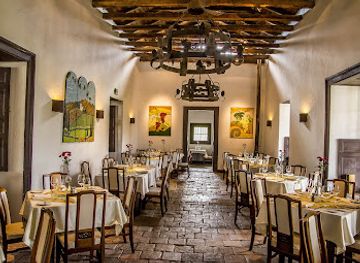
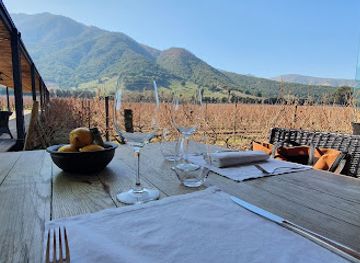
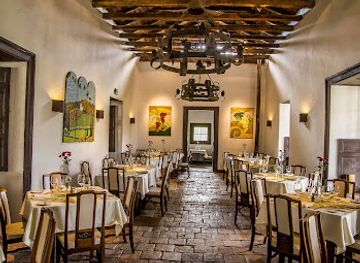
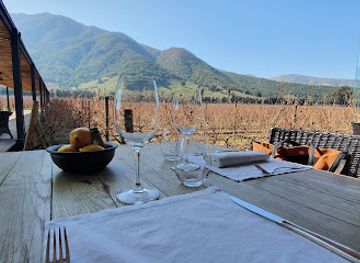
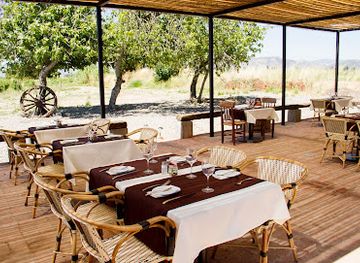
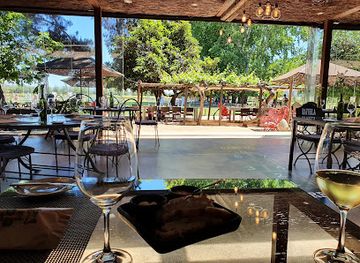
Dining in Colchagua Valley is closely connected to its vineyards and agricultural setting. Winery restaurants commonly pair local produce with the region's Cabernet Sauvignon, Carmenère, Syrah and other wines, ranging from polished multi-course menus to simpler countryside lunches. Seasonal fruit, vegetables, herbs, bread, cheese and Chilean meat feature prominently, while empanadas, pastel de choclo and other familiar Chilean dishes provide a link with the wider national food culture rather than an exclusively Colchaguan cuisine. Santa Cruz has the broadest choice of restaurants, cafés and bakeries, with informal options around the town centre and more elaborate dining at some estates outside town. In smaller communities, family-run eateries, rural inns and roadside food stands offer a less formal experience, though choices may be limited outside daytime and peak visitor periods. Markets and farm shops are useful for fruit, preserves and wine-related gifts, but opening patterns can be seasonal. Book winery dining in advance, especially when it forms part of a tasting itinerary, and allow enough time to travel between rural properties.
-
Italian
Ristorante Vino Bello
Discover Ristorante Vino Bello: An exquisite Italian restaurant offering breathtaking vineyard views and authentic cuisine in Santa Cruz.
-
Restaurant
Viña Santa Cruz
Discover Viña Santa Cruz: A charming fusion of fine dining, rich cultural heritage, and stunning vineyard views in O'Higgins.
-
Casino
Casino Colchagua
Discover excitement at Casino Colchagua - Santa Cruz's premier destination for gaming and entertainment amidst stunning landscapes.
-
Restaurant
Fuegos de Apalta
Experience the finest Chilean cuisine at Fuegos de Apalta - where every meal is a celebration of local flavors and culinary artistry.
Best bars in Colchagua Valley
Evenings in Colchagua Valley are generally low-key and centred on wine, food and conversation rather than a large nightclub scene. Santa Cruz has the widest selection of bars, hotel lounges, restaurants and casual places for a drink after visiting vineyards, while San Fernando provides a more locally oriented urban evening scene. Some wineries offer cellar-door tastings or evening meals on selected dates, but these are normally arranged in advance rather than treated as spontaneous nightlife. Traditional Chilean restaurants and pubs may serve local wines, beer and pisco-based drinks, and occasional live music can be found in town venues or during community events. Outside the principal towns, evenings are quiet, with rural inns and accommodation properties providing the main social setting. Visitors should confirm arrangements before travelling to an isolated estate and should use a pre-booked transfer or designated driver after tastings.
-
Italian
Ristorante Vino Bello
Savor the essence of Italy at Ristorante Vino Bello, where exquisite flavors meet breathtaking views in Santa Cruz, O'Higgins.
-
Restaurant
Fuegos de Apalta
Experience the epitome of fine dining at Fuegos de Apalta, where exquisite cuisine meets breathtaking vineyard views in Santa Cruz, Chile.
-
Chilean
Casa Colchagua Restaurante
Discover the authentic flavors of Chile at Casa Colchagua Restaurante, a culinary jewel in Santa Cruz, O'Higgins region.
-
Restaurant
Rayuela Wine & Grill, viña viu manent
Discover Rayuela Wine & Grill, where exquisite local cuisine meets breathtaking vineyard views in Chile's wine country.
Best nightclubs in Colchagua Valley
Evenings in Colchagua Valley are generally low-key and centred on wine, food and conversation rather than a large nightclub scene. Santa Cruz has the widest selection of bars, hotel lounges, restaurants and casual places for a drink after visiting vineyards, while San Fernando provides a more locally oriented urban evening scene. Some wineries offer cellar-door tastings or evening meals on selected dates, but these are normally arranged in advance rather than treated as spontaneous nightlife. Traditional Chilean restaurants and pubs may serve local wines, beer and pisco-based drinks, and occasional live music can be found in town venues or during community events. Outside the principal towns, evenings are quiet, with rural inns and accommodation properties providing the main social setting. Visitors should confirm arrangements before travelling to an isolated estate and should use a pre-booked transfer or designated driver after tastings.
-
Disco club
Moka
Experience Rancagua's vibrant nightlife at Moka, where lively music and a welcoming crowd await you for an unforgettable night out.
-
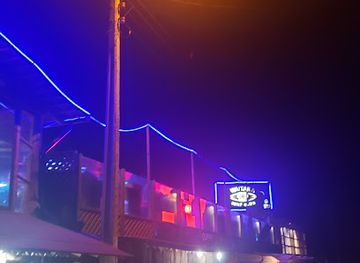
Disco club
Waitara Club
Discover the nightlife at Waitara Club in Pichilemu: dance, dine, and enjoy a unique coastal experience in O'Higgins.
-
Night club
Club Ansco
Experience the vibrant nightlife of Rancagua at Club Ansco, where music, dance, and unforgettable moments await.
-
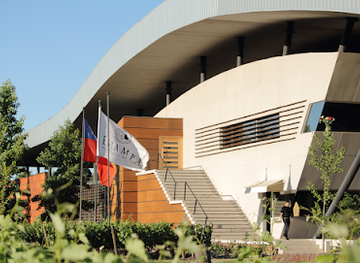
Disco club
Central Campus Del Valle
Discover the vibrant nightlife of Santa Cruz at Central Campus Del Valle, a premier disco club offering an electrifying atmosphere and diverse music.



Best shops in Colchagua Valley
Shopping in Colchagua Valley is focused on wine, food and locally made craft rather than large-scale retail. Santa Cruz has the broadest selection of wine shops, specialist outlets, small galleries and stores selling bottles from producers across the valley, making it easier to compare labels before travelling home. Wineries also sell reserve wines, olive oil, preserves, glassware and branded goods, although visitors should check airline and customs rules for transporting bottles. San Fernando provides a more conventional Chilean town shopping experience, with everyday shops, bakeries and markets. Chimbarongo is associated with wickerwork, and baskets, furniture and decorative pieces are among the region's most distinctive craft purchases. Rural shops and seasonal produce stalls may offer fruit, honey, jams and other foods from the agricultural area, but availability varies. Santa Cruz is the most reliable place for combining wine purchases with museums, cafés and independent retail; outside the main centres, opening hours can be limited and cash may still be useful.
-
Wine store
Viña Santa Cruz
Discover the enchanting world of winemaking at Viña Santa Cruz, where stunning vineyards meet rich culture and exquisite dining in O'Higgins, Chile.
-
Wine store
Viña Estampa
Discover the exquisite flavors of Chilean wines at Viña Estampa, a must-visit wine store in the stunning O'Higgins region.
-
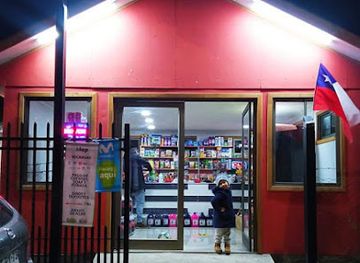
Gift shop
Antonella MiniMarket
Discover unique local gifts and fresh groceries at Antonella MiniMarket in Santa Cruz, a hidden gem for every traveler.
-
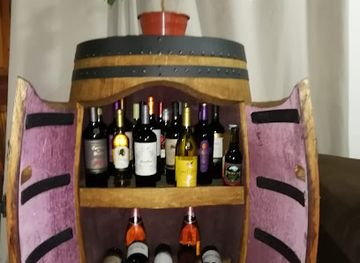
Home goods store
Barriles bar isla de yaquil
Explore unique outdoor furniture and home goods at Barriles Bar Isla de Yaqil, where local charm meets quality craftsmanship in O'Higgins, Chile.

Get your free copy of our complete guide to Colchagua Valley, delivered straight to you.
Everything on this page, from attractions and restaurants to essentials and local phrases, in one PDF you can read offline, print or share.
Already have an account? Sign in
Your Colchagua Valley guide is ready.
We'll send it to · Not you? Sign out

Getting your guide ready…
We are putting together a fresh copy of the Colchagua Valley guide. This can take up to a minute.
This can take a few moments. If your browser asks, choose Allow so the download can start. You'll find the guide in your Downloads folder.
Nothing happened? Download it again
Sorry, the guide is taking longer than usual. Please try again in a minute, or get it by email instead.
Colchagua Valley essentials
Currency and Payment
Safety
Emergency Situations
Do's and Don'ts
Local Tips
From Eve
Local phrases worth knowing
You don't need to get them perfect. A few words go a long way, and locals appreciate the effort.
Basics
| English | Local | Say it |
|---|---|---|
| Hello | Hola | [OH-lah] |
| Goodbye | Adiós | [ah-DYOS] |
| Yes | Sí | [SEE] |
| No | No | [NO] |
| Please/You're welcome | Por favor | [por fah-VOR] |
| Thank you | Gracias | [GRAH-syahs] |
| Excuse me/Sorry | Perdón | [per-DON] |
| How are you? | ¿Cómo estás? | [KOH-moh es-TAS] |
| Fine. And you? | Bien. ¿Y tú? | [BYEN. ee TOO] |
| Do you speak English? | ¿Hablas inglés? | [AH-blas een-GLES] |
| I don't understand | No entiendo | [NO en-TYEN-doh] |
Eating & Drinking
| English | Local | Say it |
|---|---|---|
| I'd like to see the menu, please | Me gustaría ver el menú, por favor | [meh goos-tah-REE-ah vehr el meh-NOO, por fah-VOR] |
| I don't eat meat | No como carne | [NO KOH-mo KAR-neh] |
| Cheers! | ¡Salud! | [sah-LOOD] |
| I would like to pay, please | Me gustaría pagar, por favor | [meh goos-tah-REE-ah pah-GAR, por fah-VOR] |
Emergencies
| English | Local | Say it |
|---|---|---|
| Help! | ¡Ayuda! | [ah-YOO-dah] |
| Go away! | ¡Vete! | [VEH-teh] |
| Call the Police! | ¡Llama a la policía! | [YAH-mah ah lah poh-lee-SIA] |
| Call a doctor! | ¡Llama a un doctor! | [YAH-mah ah oon dok-TOR] |
| I'm lost | Estoy perdido | [es-TOY per-DIDO] |
| I'm ill | Estoy enfermo | [es-TOY en-FER-mo] |
Shopping
| English | Local | Say it |
|---|---|---|
| I'd like to buy... | Me gustaría comprar... | [meh goos-tah-REE-ah kom-PRAR] |
| I'm just looking | Solo estoy mirando | [SO-lo es-TOY mee-RAN-doh] |
| How much is it? | ¿Cuánto cuesta? | [KWAN-toh KWES-tah] |
| That's too expensive | Eso es muy caro | [EH-so es mwee KAH-roh] |
| Can you lower the price? | ¿Puedes bajar el precio? | [PWEH-des bah-HAR el PREH-syo] |
Time & Numbers
| English | Local | Say it |
|---|---|---|
| What time is it? | ¿Qué hora es? | [KEH OH-rah es] |
| It's one o'clock | Es la una | [es lah OO-nah] |
| Half past (10) | Y diez y media | [ee DYAS ee MEH-dee-ah] |
| Morning | Mañana | [ma-NYAH-nah] |
| Afternoon | Tarde | [TAR-deh] |
| Evening | Noche | [NO-cheh] |
| Yesterday | Ayer | [ah-YER] |
| Today | Hoy | [OY] |
| Tomorrow | Mañana | [ma-NYAH-nah] |
| 1 | Uno | [OO-no] |
| 2 | Dos | [DOS] |
| 3 | Tres | [TRES] |
| 4 | Cuatro | [KWAT-ro] |
| 5 | Cinco | [SEEN-ko] |
| 6 | Seis | [SAYS] |
| 7 | Siete | [SYEH-teh] |
| 8 | Ocho | [OH-cho] |
| 9 | Nueve | [NWEH-veh] |
| 10 | Diez | [DYAS] |
Transport & Directions
| English | Local | Say it |
|---|---|---|
| Where's a/the...? | ¿Dónde está...? | [DON-deh es-TAH] |
| What's the address? | ¿Cuál es la dirección? | [KWAL es lah dee-rek-SYON] |
| Can you show me (on the map)? | ¿Puedes mostrarme (en el mapa)? | [PWEH-des mos-TRAR-meh en el MAH-pah] |
| When's the next (bus)? | ¿Cuándo es el próximo (bus)? | [KWAN-doh es el PROK-si-mo] |
| A ticket (to ....) | Un boleto (a ...) | [oon boh-LEH-toh] |
History of Colchagua Valley
Indigenous Colchagua Before Spanish Rule
Before Spanish colonisation, the Colchagua basin was inhabited by Indigenous communities connected with the wider central Chilean cultural world. Agriculture along the Tinguiririca and other waterways supported settled populations, while trade, seasonal movement and local political relationships linked the valley with neighbouring areas. Spanish accounts later used names associated with the Colchagua people and chiefdoms, although colonial descriptions do not provide a complete picture of earlier societies. Archaeological material from central Chile demonstrates long occupation before the arrival of Europeans, and the region's modern place names retain part of that earlier linguistic heritage.
Spanish Conquest and the Colonial Estancias
During the sixteenth century, Spanish authorities incorporated Colchagua into the colonial territory centred on Santiago. Land and Indigenous labour were reorganised through encomienda and estate systems, while livestock, wheat and other agricultural production became increasingly important. Over time, large haciendas controlled extensive areas of the valley, linking farming with Catholic institutions, roads and regional trade. The pattern of concentrated estates and dependent rural settlements left a durable mark on the landscape. Adobe buildings, parish churches, old farm boundaries and the continuing importance of agriculture offer reminders of this colonial transformation.
San Fernando and the Eighteenth-Century Frontier of Settlement
San Fernando was founded in 1742 as part of the Bourbon-era effort to organise central Chile through planned towns and stronger administrative control. Its establishment gave the southern part of the valley a civic and commercial centre, connecting surrounding estates with markets and government. The town's grid, central square and religious buildings reflect the urban planning conventions of colonial Chile, although later rebuilding and modern growth have altered much of the original fabric. The development of San Fernando helped integrate Colchagua more firmly into the agricultural economy of the central zone.
Independence and the Rural Order
The Colchagua area was involved in the political and military upheavals of Chilean independence in the early nineteenth century. The central valleys formed an important corridor between Santiago and southern Chile, and local estates supplied food, animals and other resources to competing forces. Independence did not immediately dismantle the hacienda system; landholding families, tenant farmers and rural labour continued to shape social and economic life. Towns such as San Fernando and Santa Cruz developed within this rural order, while the valley's agricultural importance endured through the creation of the Chilean republic.
Railways, Commercial Agriculture and Santa Cruz
Nineteenth-century improvements in roads and railways connected Colchagua's agricultural producers more efficiently with Santiago, ports and other Chilean markets. San Fernando became an important transport point, while Santa Cruz and neighbouring settlements expanded as service centres for farming communities. Wheat, livestock, fruit and other products circulated through this network, and improved movement of goods encouraged investment in estates and urban commercial buildings. The legacy is visible in the valley's town layouts, rural roads and historic properties, even though passenger rail no longer provides the same local connections that it once did.
The Rise of Modern Colchagua Wine
Although vines had been cultivated in Chile since the Spanish period, Colchagua's modern wine industry developed especially from the nineteenth century onwards, when Chilean producers introduced French grape varieties and new vineyard practices. In the late twentieth century, investment in technology, irrigation, cellar design and export marketing transformed the valley's international profile. Producers began to emphasise differences between the warm valley floor, cooler coastal-influenced zones and foothill sites. The result was a wine landscape combining historic estates with contemporary wineries, and a regional economy increasingly shaped by wine tourism as well as farming.
Heritage Conservation and Wine Tourism
In recent decades, Colchagua has developed from a primarily agricultural territory into one of Chile's best-known wine destinations. Wineries have added tasting rooms, restaurants, museums, accommodation and guided vineyard experiences, while Santa Cruz has consolidated its role as the main visitor hub. At the same time, interest in rural architecture, local crafts and historic communities has encouraged a broader interpretation of regional heritage. This transformation has brought international attention and employment, but it also makes careful water management, landscape protection and respect for established communities important issues for the valley's future.
Colchagua Valley in Photos
Browse through our photo collection highlighting the charm and character of the destination.
Neighbouring regions of Colchagua Valley
The closest regions to Colchagua Valley, if you have time for more than one.
-

-

-

-

-


Swipe for more regions
Explore more

Explore more of Chile
Discover Chile: From the Atacama Desert to Patagonia's Glaciers, Experience Diverse Landscapes, Rich Culture, and World-Class Wine in This South American Gem.
Explore Chile