

Free Maule Valley Travel Guide & Mobile App
Explore Maule Valley with free travel guides. Discover regional history, expert tips, proposed trips, and audio guides on web or mobile app.


Explore Chile’s Maule Valley for historic Talca, family vineyards, old-vine wines, fertile countryside and Andean foothill landscapes.
Read more about Maule Valley
When is the best time to visit Maule Valley?
Best: December–February · 26°C| Month | High (°C) | Rainfall (mm) |
|---|---|---|
| January (best) | 26 | 1 |
| February (best) | 26 | 2 |
| March | 23 | 3 |
| April | 19 | 6 |
| May | 15 | 7 |
| June | 13 | 10 |
| July | 12 | 9 |
| August | 14 | 8 |
| September | 18 | 6 |
| October | 21 | 5 |
| November | 23 | 3 |
| December (best) | 26 | 2 |
Getting to and around Maule Valley
How to get there
Transportation
Top city travel guides in Maule Valley
The cities of Maule Valley, and the easiest places to base yourself.

Swipe for more cities
Destinations in Maule Valley
Resorts, valleys and scenic spots worth a trip of their own.

Swipe for more destinations
Best attractions in Maule Valley
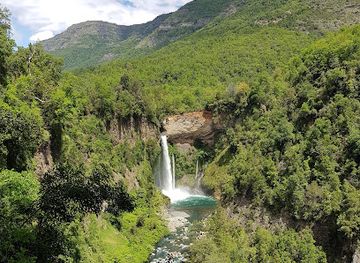
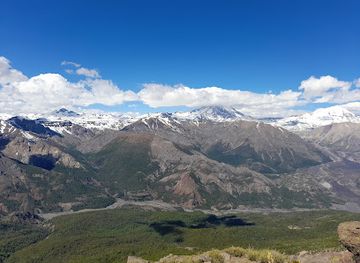
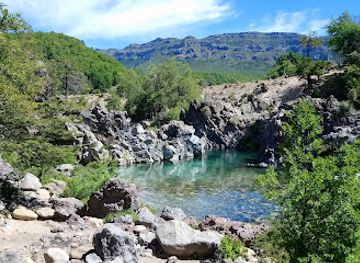
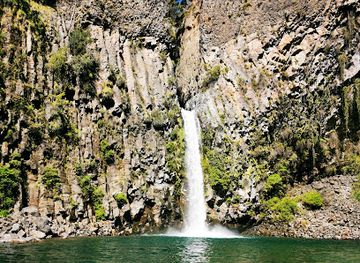
The Maule Valley’s attractions are spread across a working agricultural landscape rather than concentrated in one resort town. Wine routes around San Javier, Villa Alegre, Loncomilla and the countryside near Talca offer tastings, cellar visits and views of old vineyards, with experiences ranging from larger estates to small producers that require prior booking. Talca contributes museums, public buildings and cultural institutions, while Linares is a practical base for exploring the eastern valley. Historic rural settlements such as Yerbas Buenas provide insight into colonial-era architecture and the region’s independence history. The Maule River, Colbún reservoir and surrounding foothills add opportunities for boating, fishing, birdwatching and scenic drives, subject to local conditions. Hikers can head towards the Reserva Nacional Altos de Lircay for native forest, volcanic landscapes and Andean trails, while thermal resorts around the Colbún and Panimávida area offer a slower countryside experience. Agricultural markets, churches, adobe heritage and seasonal harvest activity complete the visitor offering. Distances are substantial, so a route focused on wine, heritage or mountain scenery is generally more rewarding than attempting to see every part of the valley in a short stay.
-
National park
Parque Nacional Radal Siete Tazas
Explore the stunning landscapes and unique waterfalls of Parque Nacional Radal Siete Tazas, a must-visit national park in Chile's Maule region.
-
National reserve
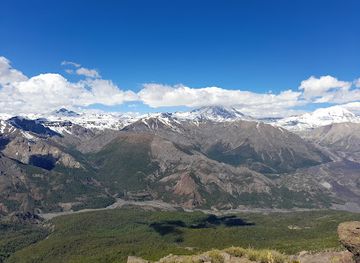
Altos de Lircay Reserva Nacional
Explore Altos de Lircay National Reserve: a captivating blend of hiking trails, lush forests, and stunning landscapes in the heart of Chile's Maule region.
-
National reserve
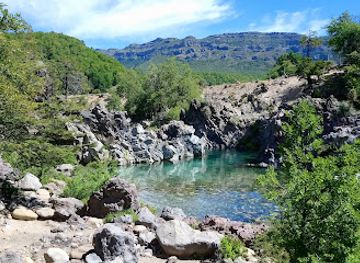
Ingles Park
Experience the breathtaking beauty of Ingles Park in Maule, Chile – a national reserve with stunning waterfalls and vibrant landscapes.
-
Observation deck
Salto La Leona
Discover the breathtaking views and serene beauty of Salto La Leona, a must-visit observation deck in Chile's stunning Maule region.
Best landmarks in Maule Valley
The Maule River is the valley’s principal geographical landmark, cutting across the agricultural plain and giving the region much of its name and historical coherence. Talca’s civic centre, including the Plaza de Armas and its cathedral precinct, reflects the city’s importance as a regional capital, although successive earthquakes have produced layers of rebuilding. The streets and surviving adobe architecture of Yerbas Buenas preserve a strong connection with the colonial period and the campaigns of independence. Around Villa Alegre, rural churches, traditional houses and tree-lined avenues reveal the settlement pattern of the agricultural interior. The vineyard landscapes of San Javier and Loncomilla are landmarks of a different kind: their low-trained old vines and dry hills express the valley’s long wine tradition. To the east, the forested slopes and volcanic scenery of the Reserva Nacional Altos de Lircay mark the transition from the cultivated valley floor to the Andes. Colbún’s broad reservoir and the Maule’s wooded banks add major natural reference points to the regional landscape.
-
National park
Parque Nacional Radal Siete Tazas
Discover cascading waterfalls and unique natural pools carved by ancient rivers in Chile's breathtaking Radal Siete Tazas National Park.
-
National reserve
Altos de Lircay Reserva Nacional
Discover Chile's Andean paradise: Hiking, wildlife, and stunning landscapes await at Altos de Lircay National Reserve in the Maule region.
-
National reserve
Ingles Park
Explore Ingles Park in Chile's Maule region, where stunning waterfalls, diverse wildlife, and breathtaking landscapes await outdoor enthusiasts.
-
Observation deck
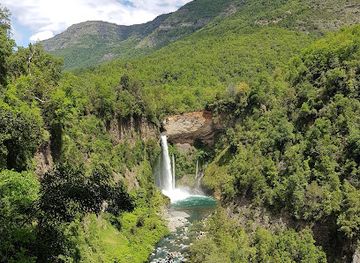
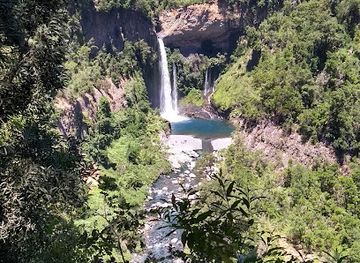
Mirador Salto Velo de la Novia
Discover breathtaking views and serene landscapes at Mirador Salto Velo de la Novia, the ultimate observation deck in Molina, Maule, Chile.
Explore Maule Valley on the map
Plan your trip on one map. See where the top cities, national parks and sights are, and book hotels and experiences in a few clicks.
Best hotels in Maule Valley
Best restaurants in Maule Valley
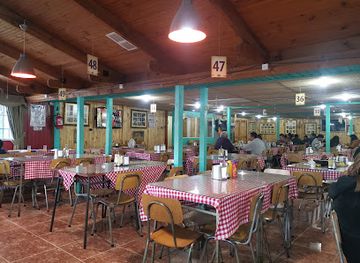
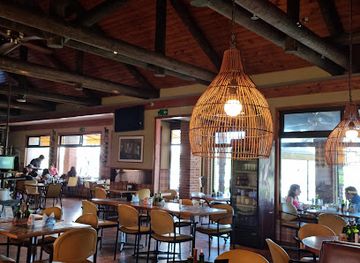
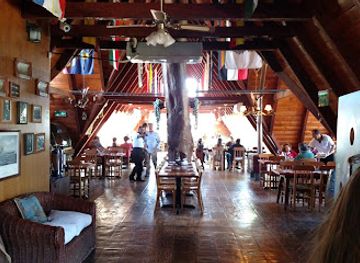
Dining in the Maule Valley reflects its productive inland setting, with seasonal fruit, vegetables, wheat, pulses, pork, beef and poultry appearing alongside Chilean staples such as empanadas, pastel de choclo and cazuela. Rural inns and vineyard restaurants often build menus around local produce and regional wines, while Talca and Linares provide the broadest selection of cafés, family restaurants and contemporary dining rooms. Traditional bread, preserves, olives and orchard fruit are useful discoveries at markets and roadside stalls, although quality and availability vary by season. Wine is the principal regional drink, complemented by Chilean beer, grape-based beverages and, in some rural settings, chicha associated with harvest traditions. Visitors should distinguish between a winery’s tasting programme and a full meal: many cellar doors offer small pairings rather than all-day dining. Reservations are sensible for vineyard meals, particularly during harvest periods and at weekends.
-
Restaurant
Las Viejas Cochinas
Discover Las Viejas Cochinas in Talca – where authentic Chilean flavors meet warm hospitality for an unforgettable dining experience.
-
Restaurant
Los Ganaderos
Experience the authentic taste of Chile at Los Ganaderos in Maule – where tradition meets flavor in every bite.
-
German
Restaurante Alemán Nueva Baviera
Discover authentic German cuisine at Restaurante Alemán Nueva Baviera in Retiro, Maule - where hearty flavors meet warm hospitality.
-
Restaurant
Hostería Alcázar
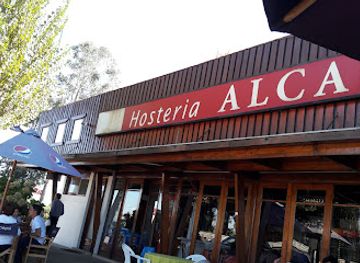
Experience authentic Chilean cuisine at Hostería Alcázar in Longaví, where local flavors meet warm hospitality amidst stunning landscapes.
Best bars in Maule Valley
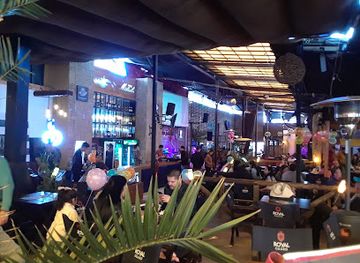
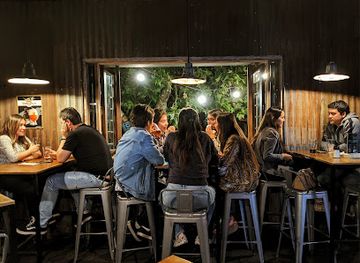
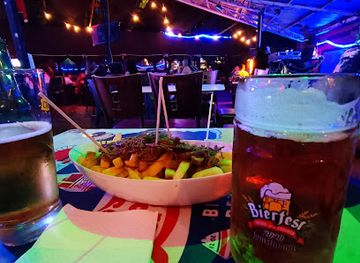
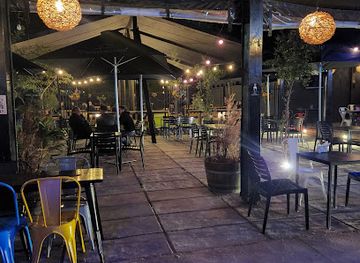
Evening life in the Maule Valley is centred on Talca and Linares, with smaller towns such as San Javier and Villa Alegre offering a more limited selection of restaurants, traditional pubs and social venues. In the cities, visitors can find casual bars, cafés, wine-focused venues and occasional live music, while rural nightlife generally revolves around family restaurants, local inns and gatherings rather than dedicated clubs. Wine bars and tasting rooms provide a natural way to explore Maule producers, but their opening patterns can be seasonal or appointment-based. Talca has the region’s broadest late-evening choice, although it remains considerably quieter than Santiago. Always arrange a safe return after tastings, since vineyard districts are dispersed and public transport between rural properties is limited.
-
Gastropub
Bahía Juárez
Experience the culinary delights of Bahía Juárez, a vibrant gastropub in Talca, Chile, where local flavors meet a lively atmosphere.
-
Grill
ambar
Discover the flavors of Talca at Ambar, a top-rated grill restaurant offering delicious dishes in a cozy ambiance.
-
-
Pub
Terraza Borderio
Experience the vibrant atmosphere and diverse flavors at Terraza Borderio, Talca's premier pub destination for locals and tourists alike.
Best nightclubs in Maule Valley
Evening life in the Maule Valley is centred on Talca and Linares, with smaller towns such as San Javier and Villa Alegre offering a more limited selection of restaurants, traditional pubs and social venues. In the cities, visitors can find casual bars, cafés, wine-focused venues and occasional live music, while rural nightlife generally revolves around family restaurants, local inns and gatherings rather than dedicated clubs. Wine bars and tasting rooms provide a natural way to explore Maule producers, but their opening patterns can be seasonal or appointment-based. Talca has the region’s broadest late-evening choice, although it remains considerably quieter than Santiago. Always arrange a safe return after tastings, since vineyard districts are dispersed and public transport between rural properties is limited.
-
Disco club
Taboo Club
Discover the vibrant nightlife at Taboo Club, Talca's premier disco destination for music, dance, and unforgettable experiences.
-
Disco club
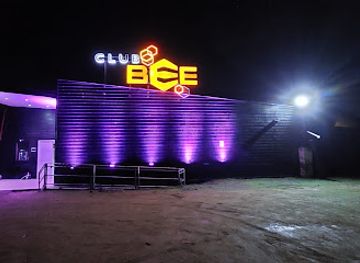
Club Bee
Experience the vibrant nightlife at Club Bee, Maule's premier disco club, where music and dance create unforgettable memories.
-
Disco club
CASABLANCA VILLA ALEGRE
Immerse yourself in the vibrant nightlife of Maule at Casablanca Villa Alegre, the ultimate disco destination for unforgettable dance experiences.
-
Bar
Golden Club Linares
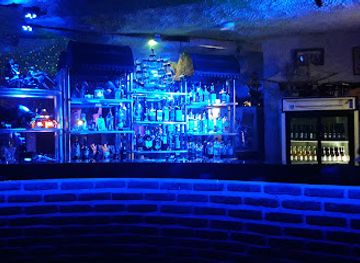
Experience the vibrant nightlife at Golden Club Linares, where exceptional cocktails and a lively atmosphere await you in the heart of Maule.

Best shops in Maule Valley
Shopping in the Maule Valley is primarily practical, local and food-oriented. Talca and Linares have the largest concentrations of supermarkets, department stores, independent retailers and everyday markets, while smaller towns offer modest high streets and produce stalls. Visitors can look for bottled wines from Maule producers, olive oil, preserves, dried fruit, honey, seasonal orchard produce and traditional Chilean food products. Farmers’ markets are particularly useful for seeing the agricultural character of the valley, though opening days and stock vary between communities. Wine shops and vineyard cellars provide better opportunities for buying specialist bottles than general tourist shops, and producers can advise on transport and storage. Handmade textiles, pottery, woodwork and rural crafts may be found through local cultural venues or small workshops, but they are not uniformly available. Choose goods with clear provenance and leave room for heat-sensitive products when travelling onward.
-
Shopping mall
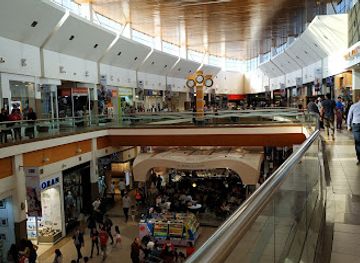
Plaza Maule Shopping Center
Discover the vibrant Plaza Maule Shopping Center in Talca, where shopping, dining, and entertainment come together for an unforgettable experience.
-
Shopping mall
Mall Chino
Discover the vibrant shopping experience at Mall Chino in San Javier, featuring a blend of local and international brands, dining, and entertainment.
-
Home goods store
Quipantoba
Explore the unique charm of Quipantoba, a home goods store in Maule, showcasing exquisite local craftsmanship and decor items.
-
Cheese shop
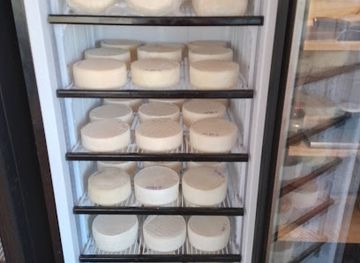
Quesería de Unihue
Explore the culinary charm of Quesería de Unihue, where artisanal cheeses and local flavors create an unforgettable tasting experience in Maule.
Get your free copy of our complete guide to Maule Valley, delivered straight to you.
Everything on this page, from attractions and restaurants to essentials and local phrases, in one PDF you can read offline, print or share.
Already have an account? Sign in
Your Maule Valley guide is ready.
We'll send it to · Not you? Sign out

Getting your guide ready…
We are putting together a fresh copy of the Maule Valley guide. This can take up to a minute.
This can take a few moments. If your browser asks, choose Allow so the download can start. You'll find the guide in your Downloads folder.
Nothing happened? Download it again
Sorry, the guide is taking longer than usual. Please try again in a minute, or get it by email instead.
Maule Valley essentials
Currency and Payment
Safety
Emergency Situations
Do's and Don'ts
Local Tips
From Eve
Local phrases worth knowing
You don't need to get them perfect. A few words go a long way, and locals appreciate the effort.
Basics
| English | Local | Say it |
|---|---|---|
| Hello | Hola | [OH-lah] |
| Goodbye | Adiós | [ah-DYOS] |
| Yes | Sí | [SEE] |
| No | No | [NO] |
| Please/You're welcome | Por favor / De nada | [POR fah-VOR / de NAH-dah] |
| Thank you | Gracias | [GRAH-see-as] |
| Excuse me/Sorry | Perdón | [pehr-DON] |
| How are you? | ¿Cómo estás? | [KOH-moh es-TAS] |
| Fine. And you? | Bien. ¿Y tú? | [BYEN. ee TOO] |
| Do you speak English? | ¿Hablas inglés? | [AH-blas een-GLES] |
| I don't understand | No entiendo | [NO en-TIEN-do] |
Eating & Drinking
| English | Local | Say it |
|---|---|---|
| I'd like to see the menu, please | Me gustaría ver el menú, por favor | [meh goos-tah-REE-ah BEHR el meh-NOO, por fah-VOR] |
| I don't eat meat | No como carne | [NO KOH-mo KAR-neh] |
| Cheers! | ¡Salud! | [sah-LOOD] |
| I would like to pay, please | Me gustaría pagar, por favor | [meh goos-tah-REE-ah pah-GAR, por fah-VOR] |
Emergencies
| English | Local | Say it |
|---|---|---|
| Help! | ¡Ayuda! | [ah-YOO-dah] |
| Go away! | ¡Vete! | [BEH-teh] |
| Call the Police! | ¡Llama a la policía! | [YAH-ma ah la poh-lee-SEE-ah] |
| Call a doctor! | ¡Llama a un doctor! | [YAH-ma ah oon dok-TOR] |
| I'm lost | Estoy perdido | [es-TOY per-DI-do] |
| I'm ill | Estoy enfermo | [es-TOY en-FER-mo] |
Shopping
| English | Local | Say it |
|---|---|---|
| I'd like to buy... | Me gustaría comprar... | [meh goos-tah-REE-ah kom-PRAR...] |
| I'm just looking | Solo estoy mirando | [SO-lo es-TOY mee-RAN-do] |
| How much is it? | ¿Cuánto cuesta? | [KWAN-toh KWES-ta] |
| That's too expensive | Eso es muy caro | [EH-so es MOO-ee KAR-o] |
| Can you lower the price? | ¿Puedes bajar el precio? | [PWEH-des bah-HAR el PREH-syo] |
Time & Numbers
| English | Local | Say it |
|---|---|---|
| What time is it? | ¿Qué hora es? | [KEH OH-rah es] |
| It's one o'clock | Es la una | [es la OO-nah] |
| Half past (10) | Diez y media | [DYEZ ee MEH-dee-ah] |
| Morning | Mañana | [ma-NYAH-nah] |
| Afternoon | Tarde | [TAR-deh] |
| Evening | Noche | [NO-cheh] |
| Yesterday | Ayer | [ah-YER] |
| Today | Hoy | [OY] |
| Tomorrow | Mañana | [ma-NYAH-nah] |
| 1 | Uno | [OO-no] |
| 2 | Dos | [DOS] |
| 3 | Tres | [TRES] |
| 4 | Cuatro | [KWA-tro] |
| 5 | Cinco | [SEEN-ko] |
| 6 | Seis | [SAYSS] |
| 7 | Siete | [SYEH-teh] |
| 8 | Ocho | [OH-cho] |
| 9 | Nueve | [NWEH-beh] |
| 10 | Diez | [DYEZ] |
Transport & Directions
| English | Local | Say it |
|---|---|---|
| Where's a/the...? | ¿Dónde hay un/una...? | [DON-deh eye oon/OO-na...?] |
| What's the address? | ¿Cuál es la dirección? | [KWAL es la dee-rek-SYON] |
| Can you show me (on the map)? | ¿Puedes mostrarme (en el mapa)? | [PWEH-des mos-TRAR-me (en el MAH-pah)?] |
| When's the next (bus)? | ¿Cuándo es el próximo (bus)? | [KWAN-do es el PROH-simo (boos)?] |
| A ticket (to ....) | Un pasaje (a ...) | [OON pah-SAH-heh (ah ...)] |
History of Maule Valley
Indigenous Settlement Before Spanish Rule
Before the Spanish conquest, the central Chilean valleys were inhabited by agricultural communities whose livelihoods depended on grains, beans, maize and local natural resources. The Maule River formed an important southern boundary in the history of the Inca advance into Chile, while Mapuche influence was significant farther south. Archaeological evidence and surviving landscape patterns indicate long-established cultivation and settlement, although the valley’s later Spanish estates transformed both landholding and rural society. Indigenous knowledge of farming, irrigation and local plants remained part of the region’s cultural background even as colonial institutions were imposed.
Spanish Estates and Colonial Agriculture
Spanish colonisation introduced new systems of landholding, livestock management and crop production across the Maule Valley. Large rural estates, or haciendas, developed around wheat, cattle and other agricultural activities, with labour organised through strongly unequal social structures. Churches, farmhouses and settlement patterns in the valley reflect this colonial period, although many original buildings were damaged by earthquakes or replaced over time. The region’s dry summers and productive soils helped establish it as an important agricultural zone between Santiago and the southern frontier.
Independence and the Maule Campaigns
The Maule Valley was closely involved in Chile’s struggle for independence. Talca and its surrounding countryside became strategically important during the military campaigns of the early nineteenth century, and the Battle of Cancha Rayada took place near Talca in March 1818. The setback suffered there was followed by the patriot victory at Maipú, which secured Chilean independence later that year. Talca’s civic identity and historic buildings continue to recall the political importance of the city during the formation of the Chilean republic.
Railways, Wheat and Commercial Agriculture
During the nineteenth century, improved roads and the railway connected the Maule Valley more closely with Santiago, ports and southern Chile. Wheat production, livestock, vineyards and fruit-growing expanded as markets became more accessible, while Talca developed as a commercial and administrative centre. The railway also helped establish a chain of towns and stations across central Chile, linking rural producers with urban consumers. Many present-day vineyard districts, orchards and agricultural estates owe their scale and organisation to this period of commercial development.
The Growth of Chilean Viticulture
Wine production has deep colonial roots in central Chile, but the Maule Valley’s modern wine industry developed through successive waves of investment, technical change and export growth. Alongside international varieties such as Cabernet Sauvignon and Carménère, the valley preserved old plantings of País and, increasingly, Cinsault. These vineyards are often associated with dry-farmed or low-intervention traditions and have helped revive interest in heritage grape varieties. Wine tourism now provides a new interpretation of the valley’s agricultural history, connecting cellars and vineyards with long-established rural communities.
Earthquakes and Rural Renewal
Earthquakes have repeatedly reshaped the Maule Valley, where adobe construction and historic churches are especially vulnerable. The 1928 Talca earthquake caused major destruction, and the February 2010 earthquake again damaged homes, churches, civic buildings and wine infrastructure across the region. Reconstruction has altered town centres while also encouraging the repair and conservation of selected heritage structures. The continuing contrast between earthquake-resistant modern buildings and older adobe or masonry architecture is an important part of the valley’s contemporary appearance.
Maule Valley in Photos
Browse through our photo collection highlighting the charm and character of the destination.
Neighbouring regions of Maule Valley
The closest regions to Maule Valley, if you have time for more than one.
-

-

-

-

-


Swipe for more regions
Explore more

Explore more of Chile
Discover Chile: From the Atacama Desert to Patagonia's Glaciers, Experience Diverse Landscapes, Rich Culture, and World-Class Wine in This South American Gem.
Explore Chile