

Free Maipo Valley Travel Guide & Mobile App
Explore Maipo Valley with free travel guides. Discover regional history, expert tips, proposed trips, and audio guides on web or mobile app.


Explore Maipo Valley south of Santiago for Andean vineyards, historic estates, Chilean Cabernet Sauvignon and rural wine-country experiences.
Read more about Maipo Valley
When is the best time to visit Maipo Valley?
Best: February–March, November · 24–27°C| Month | High (°C) | Rainfall (mm) |
|---|---|---|
| January | 27 | 1 |
| February (best) | 27 | 1 |
| March (best) | 24 | 3 |
| April | 21 | 6 |
| May | 17 | 12 |
| June | 14 | 18 |
| July | 14 | 23 |
| August | 16 | 18 |
| September | 19 | 12 |
| October | 23 | 6 |
| November (best) | 25 | 3 |
| December | 27 | 2 |
Getting to and around Maipo Valley
How to get there
Transportation
Top city travel guides in Maipo Valley
The cities of Maipo Valley, and the easiest places to base yourself.
-

-

-


Swipe for more cities
Destinations in Maipo Valley
Resorts, valleys and scenic spots worth a trip of their own.
-

-


Swipe for more destinations
Best attractions in Maipo Valley
Maipo Valley’s attractions centre on wine, agriculture and the changing landscape between Santiago and the Andes. Wineries range from historic estates with formal cellars and gardens to smaller producers offering vineyard walks, tastings and explanations of irrigation, soils and grape varieties. Alto Maipo, particularly around Pirque and the Andean foothills, provides a cooler mountain-framed setting, while Buin, Paine and Isla de Maipo reveal the valley’s broader agricultural character, with orchards, farms and quieter rural roads alongside vineyards. Food-led visits are an important part of the experience, and several properties combine tastings with seasonal menus. Cycling and gentle countryside touring are possible on selected roads, though routes require careful planning because traffic, heat and limited public transport can make the valley less accessible than its proximity to Santiago suggests. The nearby Cajón del Maipo is a separate mountain destination that can be combined with a longer itinerary, offering ravines and high-country scenery rather than conventional vineyard tourism. For visitors interested in Chilean wine, the principal attraction is the opportunity to compare producers and landscapes within one historically important valley instead of treating it as a single uniform wine route.
-
Stadium
David Arellano Monumental Stadium
Experience the thrilling atmosphere of David Arellano Monumental Stadium, the pride of Chilean football and home to Club Colo-Colo.
-
Catholic church
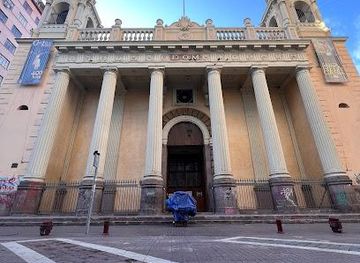
Church of St. Augustine, Augustinians
Explore the architectural beauty and spiritual heritage of the Church of St. Augustine in Santiago, a must-visit destination for every traveler.
-
Hotel
Cascada de las Animas
Discover the breathtaking beauty and adventure at Cascada de las Animas, where stunning waterfalls meet exhilarating outdoor activities in Cajón del Maipo.
-
Winery
Viña Cousiño Macul
Explore the historical charm and exquisite wines of Viña Cousiño Macul, a premier winery in Chile’s Santiago Metropolitan Region.

Best landmarks in Maipo Valley
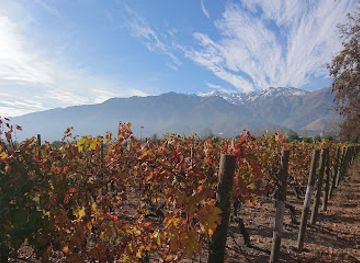
The Maipo River is the valley’s defining geographical landmark, carrying water from the Andes across the agricultural plain and underpinning the irrigation system that sustains vineyards, orchards and fields. In the eastern sector, the Andes form a powerful backdrop to Pirque, Puente Alto and the upper valley, while the foothill setting helps distinguish Alto Maipo from the flatter districts farther west. Historic wine estates and their cellars are important cultural landmarks because they preserve the architectural and agricultural legacy of nineteenth-century wine modernisation, when French grape varieties and European techniques reshaped Chilean viticulture. The rural streets and estate landscapes around Buin, Paine and Isla de Maipo are less monumental but significant for the continuity of farming close to Santiago. The Battle of Maipú memorial and associated historic sites lie in the wider area south-west of the capital, near the valley’s metropolitan edge, and are relevant to the region’s independence history; they should not be confused with vineyard landmarks. Together, river, mountain, estate and agricultural landscapes explain Maipo’s distinct visual identity.
-
Vineyard
Viña Undurraga
Discover the heritage of Chilean wine at Viña Undurraga, where rich history meets exquisite tasting experiences in the stunning Maipo Valley.
-
Tourist attraction
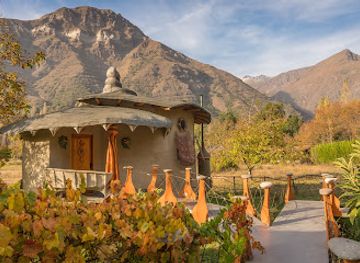
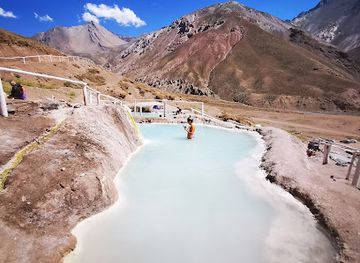
Termas Valle de Colina
Relax and rejuvenate in the heart of the Andes Mountains at Termas Valle de Colina's natural hot spring pools.
-
Hotel
Cascada de las Animas
Explore the breathtaking Cascada de las Animas in Cajón del Maipo, a paradise for adventure and relaxation, featuring rafting, swimming, and stunning landscapes.
-
Tourist attraction
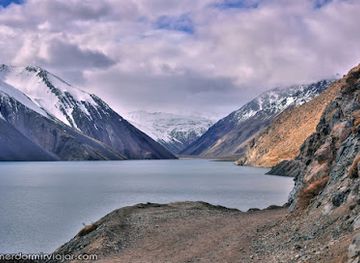
Cajón del Maipo
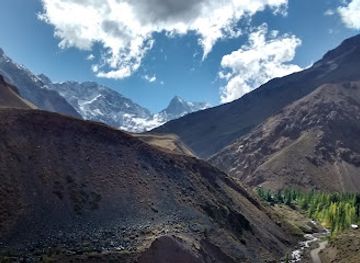
Explore Cajón del Maipo: A breathtaking valley near Santiago, filled with outdoor adventures, stunning landscapes, and rich Chilean culture.

Explore Maipo Valley on the map
Plan your trip on one map. See where the top cities, national parks and sights are, and book hotels and experiences in a few clicks.
Best hotels in Maipo Valley
Best restaurants in Maipo Valley
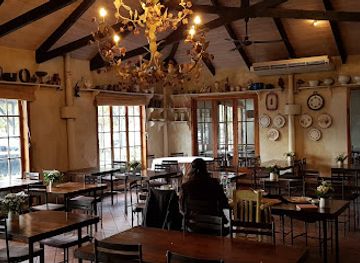
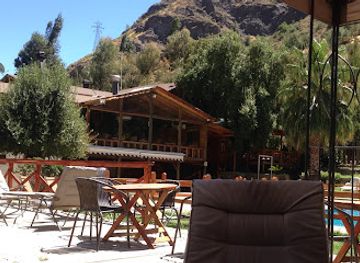
Dining in Maipo Valley is closely tied to vineyard hospitality and Chile’s central agricultural belt. Winery restaurants commonly pair local wines with Chilean produce such as beef, lamb, seasonal vegetables, tomatoes, maize, stone fruit and berries, while rural establishments may offer empanadas, grilled meats and traditional home-style cooking. Menus vary by estate and season, so advance booking is prudent when lunch is intended to accompany a tasting. Around Pirque, Buin, Paine and Isla de Maipo, visitors will find a mixture of vineyard restaurants, family-run eateries, cafés and informal roadside food businesses rather than one concentrated dining quarter. Chilean seafood is widely available nationally, but it is not the defining speciality of this inland valley; the stronger local connection is with farm produce, barbecue traditions and wine. Small producers and agricultural markets can also provide fruit, preserves and other regional goods, although availability changes throughout the year.
-
Hotel
Cascada de las Animas
Explore Cascada de las Animas: A breathtaking waterfall oasis offering adventure and tranquility in Cajón del Maipo.
-
Restaurant
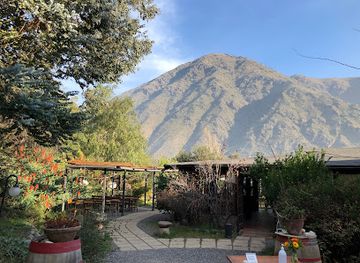
Trattoria Calypso
Experience authentic Italian cuisine surrounded by breathtaking mountain views at Trattoria Calypso in Cajon del Maipo.
-
German
Kuchen Haus
Experience authentic German flavors at Kuchen Haus in Calera de Tango—where tradition meets taste in every delicious bite.
-
Restaurant
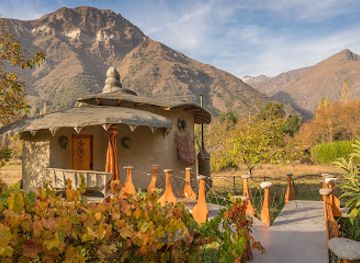
Santuario del rio
Experience tranquility at Santuario del Rio, where gourmet dining meets serene spa retreats amidst stunning natural landscapes.
Best bars in Maipo Valley
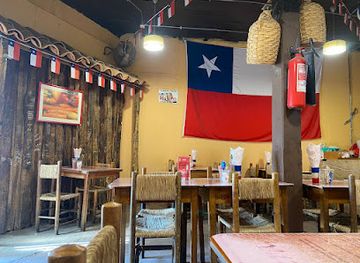
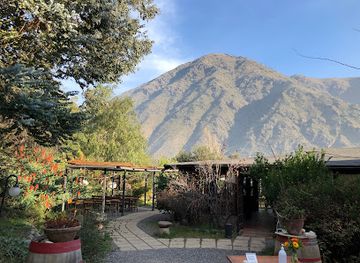
Maipo Valley is not a major late-night destination, and evening life generally revolves around winery restaurants, rural inns, hotel bars and relaxed meals rather than nightclubs. Tasting rooms and vineyard properties may offer cellar-door drinking, seasonal events or live music, but these arrangements are commercial and change over time, so visitors should check directly rather than assume a regular programme. Pirque and the larger settlements provide the widest choice of cafés, restaurants and informal bars, while smaller communities tend to become quiet after dinner. Santiago remains the practical nearby base for extensive late-night entertainment, although it lies outside the valley. The region’s evening appeal is better suited to a planned meal, a vineyard sunset or a conversation over a bottle purchased responsibly than to bar-hopping. Anyone returning to Santiago after tastings should arrange transport in advance, particularly from rural properties where taxis and ride-hailing services may be limited.
-
Chilean
La Piojera
Discover the heart of Chilean culture at La Piojera, where traditional dishes and lively atmosphere create an unforgettable dining experience.
-
Restaurant
Trattoria Calypso
Experience authentic Italian cuisine in the stunning Cajon del Maipo, where fresh ingredients meet breathtaking mountain views.
-
Bar
Bar La Junta
Experience the vibrant nightlife of Santiago at Bar La Junta, where local culture meets innovative drinks in a lively atmosphere.
-
Bar
Bar Calafate
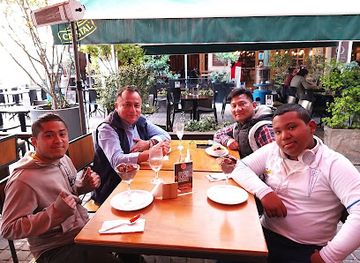
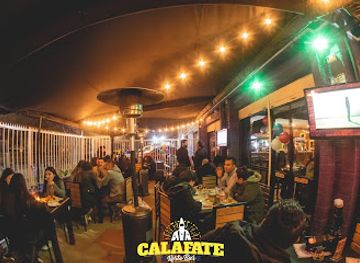
Experience the vibrant nightlife of Puente Alto at Bar Calafate, a lively bar and grill offering delicious food and an extensive drink menu.
Best nightclubs in Maipo Valley
Maipo Valley is not a major late-night destination, and evening life generally revolves around winery restaurants, rural inns, hotel bars and relaxed meals rather than nightclubs. Tasting rooms and vineyard properties may offer cellar-door drinking, seasonal events or live music, but these arrangements are commercial and change over time, so visitors should check directly rather than assume a regular programme. Pirque and the larger settlements provide the widest choice of cafés, restaurants and informal bars, while smaller communities tend to become quiet after dinner. Santiago remains the practical nearby base for extensive late-night entertainment, although it lies outside the valley. The region’s evening appeal is better suited to a planned meal, a vineyard sunset or a conversation over a bottle purchased responsibly than to bar-hopping. Anyone returning to Santiago after tastings should arrange transport in advance, particularly from rural properties where taxis and ride-hailing services may be limited.
-
Disco club
Club Amanda
Discover the heart of Santiago's nightlife at Club Amanda, a lively disco club offering music, cocktails, and unforgettable experiences.
-
Night club
Club Ambar
Dive into Santiago's nightlife at Club Ambar, a premier destination for unforgettable music, dancing, and vibrant social gatherings.
-
Live music bar
Club Subterraneo
Discover the vibrant nightlife of Santiago at Club Subterraneo, a premier live music bar offering great food and unforgettable performances.
-
Disco club
Bar89
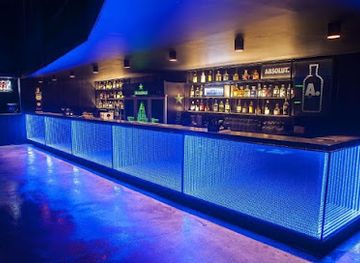
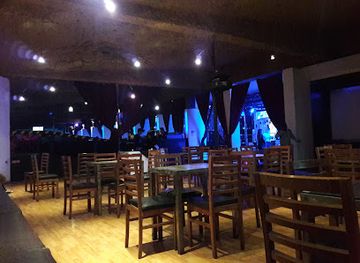
Discover the electrifying nightlife and vibrant atmosphere at Bar89, the ultimate disco club and gastropub in Puente Alto, Chile.


Best shops in Maipo Valley
Shopping in Maipo Valley is primarily connected with wine, farm produce and locally made food rather than large-scale retail. Winery cellar doors offer bottles from established estates and smaller producers, often alongside olive oil, preserves, chocolates or branded accessories. Buying directly can be useful for comparing subregions, but check luggage rules and transport arrangements if carrying bottles internationally. Pirque, Buin, Paine and Isla de Maipo have local shops and market activity serving residents, with seasonal fruit and vegetables reflecting the valley’s agricultural economy. Small craft stalls and rural businesses may sell ceramics, woven goods or food products, although their opening patterns are not always predictable. Visitors seeking extensive fashion, department-store or luxury shopping should use Santiago, outside the region, while Maipo is better suited to edible souvenirs, wine-related gifts and produce bought during a planned countryside visit.
-
Restaurant
Cajon del Maipo Chocolatería Adicción del maipo
Experience the sweet side of Cajon del Maipo at Chocolatería Adicción del Maipo, where artisanal chocolates and rich coffees await your taste buds.
-
Supermarket
Santa Isabel
Explore the vibrant flavors of Chile at Santa Isabel Supermarket, your one-stop destination for fresh produce and local delicacies.
-
Supermarket
Unimarc
Discover the local flavors and everyday life at Unimarc, a charming supermarket in Buin, Santiago Metropolitan Region, Chile.
-
Home goods store
El Baratillo.
Explore El Baratillo in Maipo for a unique selection of home goods that blend quality and charm, perfect for every traveler’s taste.


Get your free copy of our complete guide to Maipo Valley, delivered straight to you.
Everything on this page, from attractions and restaurants to essentials and local phrases, in one PDF you can read offline, print or share.
Already have an account? Sign in
Your Maipo Valley guide is ready.
We'll send it to · Not you? Sign out

Getting your guide ready…
We are putting together a fresh copy of the Maipo Valley guide. This can take up to a minute.
This can take a few moments. If your browser asks, choose Allow so the download can start. You'll find the guide in your Downloads folder.
Nothing happened? Download it again
Sorry, the guide is taking longer than usual. Please try again in a minute, or get it by email instead.
Maipo Valley essentials
Currency and Payment
Safety
Emergency Situations
Do's and Don'ts
Local Tips
From Eve
Local phrases worth knowing
You don't need to get them perfect. A few words go a long way, and locals appreciate the effort.
Basics
| English | Local | Say it |
|---|---|---|
| Hello | Hola | [oh-lah] |
| Goodbye | Adiós | [ah-dee-ohs] |
| Yes | Sí | [see] |
| No | No | [noh] |
| Please/You’re welcome | Por favor/De nada | [por fah-vor/deh nah-dah] |
| Thank you | Gracias | [grah-syahs] |
| Excuse me/Sorry | Disculpe/Lo siento | [dees-kool-peh/loh syen-toh] |
| How are you? | ¿Cómo estás? | [koh-moh es-tahs] |
| Fine. And you? | Bien. ¿Y tú? | [byen. ee too] |
| Do you speak English? | ¿Hablas inglés? | [ah-blahs een-glehs] |
| I don't understand | No entiendo | [noh en-tyen-doh] |
Eating & Drinking
| English | Local | Say it |
|---|---|---|
| I’d like to see the menu, please | Me gustaría ver el menú, por favor | [meh goo-stah-ree-ah vehr el meh-noo, por fah-vor] |
| I don't eat meat | No como carne | [noh koh-moh kar-neh] |
| Cheers! | ¡Salud! | [sah-lood] |
| I would like to pay, please | Quisiera pagar, por favor | [kee-syeh-rah pah-gar, por fah-vor] |
Emergencies
| English | Local | Say it |
|---|---|---|
| Help! | ¡Ayuda! | [ah-yoo-dah] |
| Go away! | ¡Vete! | [beh-teh] |
| Call the Police! | ¡Llama a la policía! | [yah-mah ah lah poh-lee-see-ah] |
| Call a doctor! | ¡Llama a un doctor! | [yah-mah ah oon dok-tor] |
| I’m lost | Estoy perdido | [es-toy pehr-dee-doh] |
| I’m ill | Estoy enfermo/a | [es-toy en-fehr-mo/a] |
Shopping
| English | Local | Say it |
|---|---|---|
| I’d like to buy... | Quisiera comprar... | [kee-syeh-rah kohm-prar] |
| I’m just looking | Solo estoy mirando | [soh-lo es-toy mee-ran-doh] |
| How much is it? | ¿Cuánto cuesta? | [kwan-toh kwes-tah] |
| That’s too expensive | Eso es muy caro | [eh-so es mwee kah-roh] |
| Can you lower the price? | ¿Puedes bajar el precio? | [pweh-des bah-har el preh-syo] |
Time & Numbers
| English | Local | Say it |
|---|---|---|
| What time is it? | ¿Qué hora es? | [keh oh-rah es] |
| It’s one o'clock | Es la una | [es lah oo-nah] |
| Half past (10) | Y diez y media | [ee dyess ee meh-dee-ah] |
| Morning | Mañana | [mah-nyah-nah] |
| Afternoon | Tarde | [tar-deh] |
| Evening | Noche | [noh-cheh] |
| Yesterday | Ayer | [ah-yer] |
| Today | Hoy | [oy] |
| Tomorrow | Mañana | [mah-nyah-nah] |
| 1 | Uno | [oo-no] |
| 2 | Dos | [dohs] |
| 3 | Tres | [tres] |
| 4 | Cuatro | [kwah-tro] |
| 5 | Cinco | [seen-koh] |
| 6 | Seis | [says] |
| 7 | Siete | [syet-eh] |
| 8 | Ocho | [oh-cho] |
| 9 | Nueve | [nweh-veh] |
| 10 | Diez | [dyess] |
Transport & Directions
| English | Local | Say it |
|---|---|---|
| Where's a/the...? | ¿Dónde hay un/a...? | [dohn-deh eye oon/a] |
| What's the address? | ¿Cuál es la dirección? | [kwahl es lah dee-rek-syon] |
| Can you show me (on the map)? | ¿Puedes mostrarme (en el mapa)? | [pweh-des mohs-trar-meh (en el mah-pah)] |
| When's the next (bus)? | ¿Cuándo sale el próximo (bus)? | [kwan-doh sah-leh el prohk-see-mo (boos)] |
| A ticket (to ....) | Un boleto (a ....) | [oon boh-leh-toh (ah ....)] |
History of Maipo Valley
Indigenous Settlement and the Maipo River
Long before European settlement, the Maipo basin supported Indigenous communities whose agriculture depended on the river and its tributaries. The central valley was shaped by irrigation, seasonal movement and trade, while the surrounding Andes influenced water supply and routes across the landscape. The name Maipo is generally associated with an Indigenous place-name tradition, although linguistic interpretations vary. Today’s vineyards occupy land whose agricultural potential was recognised well before the arrival of European grapevines.
Spanish Conquest and Colonial Agriculture
After the Spanish conquest in the sixteenth century, land around the Maipo River was incorporated into colonial estates and agricultural systems. Wheat, livestock, fruit and early vineyards developed alongside irrigation channels and roads linking rural properties with Santiago. Catholic institutions and landholding families also shaped settlement patterns. Many later wine estates inherited the basic structure of these large agricultural holdings, even though ownership, production methods and land use have changed substantially.
Independence and the Expansion of Santiago
The Maipo basin was closely connected to the political and military history of Chile’s independence period because of its proximity to Santiago. The Battle of Maipú, fought in 1818 in the wider area southwest of the capital, secured a decisive patriot victory and helped consolidate Chilean independence. As Santiago expanded during the nineteenth and twentieth centuries, roads, railways and irrigation infrastructure strengthened the valley’s role as an agricultural hinterland and linked its estates more closely to urban markets.
Nineteenth-Century Wine Modernisation
During the nineteenth century, prosperous Chilean landowners imported French grape varieties, winemaking knowledge and estate practices, transforming the country’s wine industry. Maipo became one of the principal settings for this development, particularly for Cabernet Sauvignon and other Bordeaux varieties suited to its dry climate and irrigated soils. Large vineyard estates introduced more formal cellars, improved transport and commercial bottling, laying the foundations for Maipo’s enduring reputation as a centre of Chilean fine wine.
Railways, Irrigation and Commercial Wine
Improved rail and road connections helped Maipo’s agricultural products reach Santiago and ports during the late nineteenth and early twentieth centuries. Irrigation remained fundamental: meltwater and river flows from the Andes made intensive cultivation possible in an otherwise dry Mediterranean climate. Wine production gradually became more commercial and technically organised, while fruit, vegetables and livestock continued to occupy much of the valley. The resulting mixture of vineyards and working farmland remains visible outside the largest urban settlements.
The Modern Maipo Wine Region
From the late twentieth century onwards, Chilean wine producers invested heavily in export quality, vineyard research, sustainable farming and tourism. Maipo’s recognised subregions, including Alto Maipo, Central Maipo and Maipo Bajo, reflect differences in elevation, soils, climate and proximity to the Andes or the coast. New tasting rooms and restaurant-led experiences have opened alongside historic estates, while expanding suburbs and industrial development have placed pressure on agricultural land. The valley now balances global wine production with its traditional rural identity.
Maipo Valley in Photos
Browse through our photo collection highlighting the charm and character of the destination.
Neighbouring regions of Maipo Valley
The closest regions to Maipo Valley, if you have time for more than one.
-

-

-

-

-


Swipe for more regions
Explore more

Explore more of Chile
Discover Chile: From the Atacama Desert to Patagonia's Glaciers, Experience Diverse Landscapes, Rich Culture, and World-Class Wine in This South American Gem.
Explore Chile