

Free O'Higgins Region Travel Guide & Mobile App
Explore O'Higgins Region with free travel guides. Discover regional history, expert tips, proposed trips, and audio guides on web or mobile app.


Explore Chile's O'Higgins Region for celebrated vineyards, Andean heritage, historic Rancagua, Pacific surf and rural culinary traditions.
Read more about O'Higgins Region
When is the best time to visit O'Higgins Region?
Best: December–February · 24–25°C| Month | High (°C) | Rainfall (mm) |
|---|---|---|
| January (best) | 25 | 1 |
| February (best) | 25 | 2 |
| March | 23 | 4 |
| April | 20 | 10 |
| May | 17 | 20 |
| June | 14 | 25 |
| July | 14 | 30 |
| August | 16 | 25 |
| September | 19 | 20 |
| October | 22 | 10 |
| November | 24 | 5 |
| December (best) | 24 | 2 |
Getting to and around O'Higgins Region
How to get there
Transportation
Top city travel guides in O'Higgins Region
The cities of O'Higgins Region, and the easiest places to base yourself.
-

-


Swipe for more cities
Destinations in O'Higgins Region
Resorts, valleys and scenic spots worth a trip of their own.

Swipe for more destinations
Best attractions in O'Higgins Region
O'Higgins offers an unusually varied collection of attractions within a compact section of central Chile, although the distances between them still require planning. Wine estates in Cachapoal and Colchagua form the region's best-known visitor circuit, combining tastings with vineyard landscapes, traditional architecture, gardens and regional food. Around Rancagua, visitors can explore independence-era history, the Termas de Cauquenes and routes towards the Andes. The former mining settlement of Sewell provides a powerful industrial and social history experience, generally approached through organised access rather than casual independent touring. Further east, the Río de los Cipreses National Reserve introduces high-country scenery, native vegetation and hiking opportunities. Lake Rapel is associated with boating and waterside recreation, while the Pacific coast centres on Pichilemu's surfing beaches, dunes and seaside atmosphere. Smaller coastal communities, rural estates, equestrian traditions and agricultural markets add a slower dimension beyond the principal attractions. The result is a destination best experienced through several linked themes—wine, history, mountains, water and countryside—rather than a single sightseeing route.
-
Mountain peak
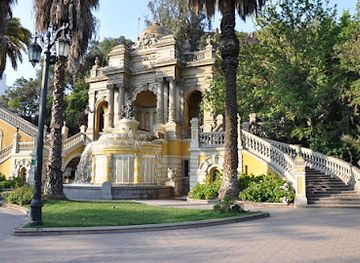
Santa Lucía Hill
Explore the breathtaking Santa Lucía Hill in Santiago, Chile – a perfect blend of nature, history, and stunning city views.
-
Museum
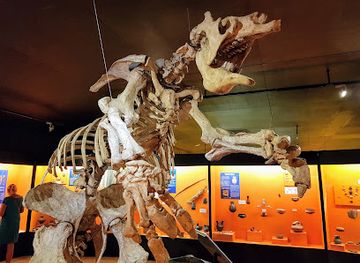
Colchagua Museum
Immerse yourself in Chile's vibrant history and culture at the renowned Colchagua Museum in Santa Cruz, a treasure trove for every traveler.
-
Tourist attraction
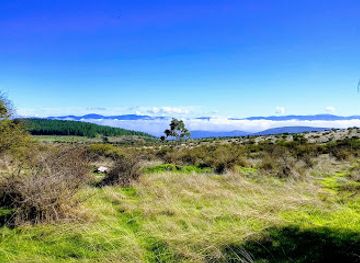
Cerro La Virgen
Discover the breathtaking views and spiritual serenity of Cerro La Virgen, a must-visit tourist attraction in Talca, Maule, Chile.
-
Park
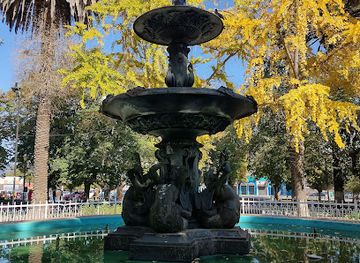
Plaza De Armas De San Fernando
Discover the vibrant heart of San Fernando at Plaza De Armas, a beautiful park filled with culture, history, and local charm.
Best landmarks in O'Higgins Region
Rancagua's historic centre and the Iglesia de la Merced recall the city's role in the independence struggle and its destruction during the Battle of Rancagua in 1814. The most distinctive historic landmark in the mountains is Sewell, the former El Teniente mining settlement whose stairways, communal buildings and steeply arranged streets express the demands of life at high altitude; its outstanding industrial heritage is recognised by UNESCO. In the countryside, colonial and nineteenth-century church buildings, vineyard estates and traditional rural architecture give the Cachapoal and Colchagua valleys much of their visual identity, although earthquake damage and restoration have altered some historic settings. The Andes themselves provide the region's most imposing natural landmarks, particularly the high valleys and peaks accessed through the Río de los Cipreses area. On the coast, Pichilemu's long beaches, dunes and headlands create a landscape landmark shaped by Pacific surf rather than monumental construction. Lake Rapel, surrounded by dry central-Chilean hills, offers a contrasting inland water landscape and a recognisable recreational focus.
-
Tourist attraction
Monument to the mining family
Explore the Monument to the Mining Family in Machalí, a tribute to the mining heritage of O'Higgins, Chile, surrounded by stunning landscapes.
-
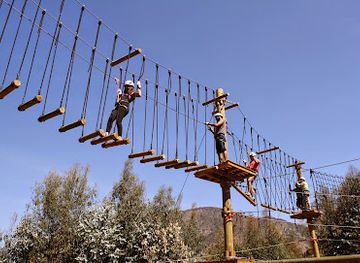
Adventure sports center
Park in the Air
Discover the thrill of adventure sports in the heart of O'Higgins at Park in the Air, where nature and excitement come together for an unforgettable experience.
-
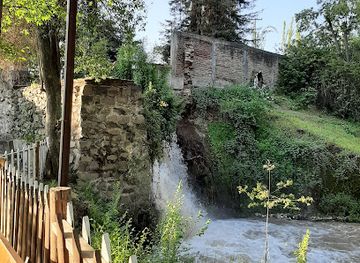
Historical landmark
Cascada, La Compañia
Discover the historical charm and natural beauty of Cascada, La Compañia in Graneros, O'Higgins, Chile.
-
Tourist attraction
Alpacas Machalí
Discover the charm of Alpacas Machalí, where you can interact with friendly alpacas in a serene setting amidst the beautiful landscapes of O'Higgins.
Explore O'Higgins Region on the map
Plan your trip on one map. See where the top cities, national parks and sights are, and book hotels and experiences in a few clicks.
Best hotels in O'Higgins Region
Best restaurants in O'Higgins Region
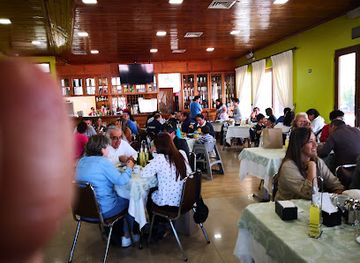
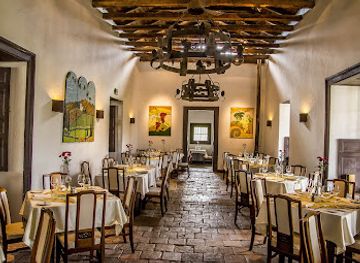
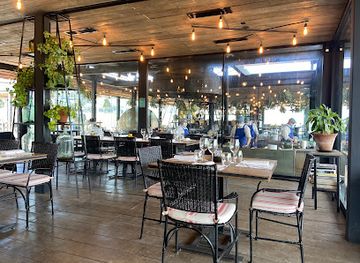
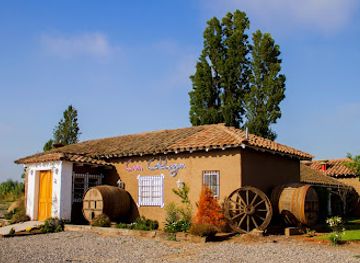
Dining in O'Higgins is closely tied to its productive valleys and vineyards. Winery restaurants are a natural focus, pairing local wines with seasonal produce, grilled meats, salads, bread and contemporary interpretations of Chilean cooking. Rural inns and family-run eateries commonly feature empanadas, cazuela, pastel de choclo and barbecue, while fruit-growing districts contribute peaches, cherries, plums and other seasonal produce. Colchagua and Cachapoal each have a developing food-and-wine culture, but the region's character is not limited to formal tastings: markets, bakeries and roadside farm stalls reveal its everyday agricultural economy. Pichilemu and the coast offer seafood, fish, shellfish when available and casual cafés suited to beach days, while inland towns provide traditional Chilean meals and cafés. Local wines dominate the drinks landscape, alongside beer, pisco-based cocktails and non-alcoholic fruit drinks. Menus change with harvests, so asking about seasonal produce is often more rewarding than looking for a single dish said to represent the whole region.
-
Restaurant
Restaurante Mini Restaurant. Ex-Mini Sheraton
Experience authentic Chilean cuisine at Restaurante Mini Restaurant in Olivar - where every dish tells a story.
-
Italian
Ristorante Vino Bello
Experience authentic Italian cuisine at Ristorante Vino Bello in Santa Cruz – where every dish tells a story.
-
Restaurant
Fuegos de Apalta
Experience culinary excellence at Fuegos de Apalta in Santa Cruz - where exquisite flavors meet breathtaking vineyard views.
-
Chilean
Casa Colchagua Restaurante
Experience authentic Chilean cuisine amidst beautiful vineyards at Casa Colchagua Restaurante in Santa Cruz.
Best bars in O'Higgins Region
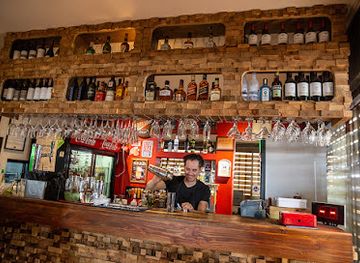
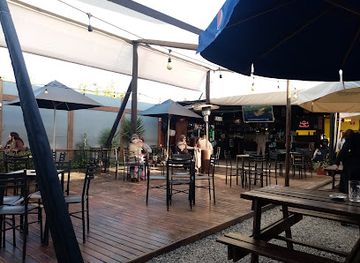
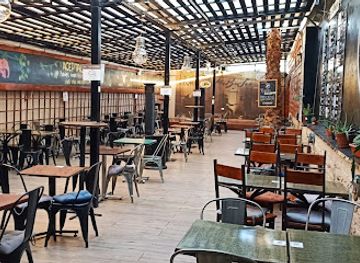
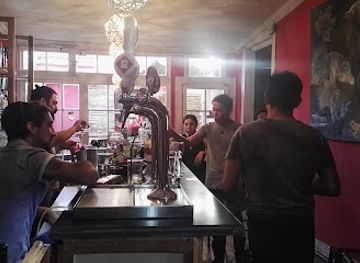
Evenings in O'Higgins are generally sociable rather than dominated by large-scale clubbing. Rancagua has the region's broadest choice of bars, restaurants and live entertainment, with activity concentrated around central streets and commercial areas rather than a single nationally famous nightlife district. In Santa Cruz and other wine towns, evenings often centre on cellar-door tastings, hotels, restaurants and small bars, while rural districts favour family gatherings, local inns and traditional Chilean pubs. Pichilemu has the liveliest seasonal seaside atmosphere, especially during warm months and surfing periods, with casual bars, restaurants and occasional live music; its pace can be much quieter outside the main season. Beer, wine and pisco-based drinks are widely available, but visitors should not drive after tastings or drinking. In smaller towns, check local arrangements in advance, as opening patterns and entertainment can vary considerably by season and day of the week.
-
Bar
B - Restobar Lounge
Discover B - Restobar Lounge in Rancagua, where exceptional food meets vibrant nightlife for an unforgettable experience.
-
Bar
Barley Terraza Restobar
Discover the vibrant flavors of Barley Terraza Restobar in Rancagua, where exquisite drinks and local cuisine meet a lively atmosphere.
-
Brewpub
Cervecería MUBEFRI
Experience the vibrant flavors of Cervecería MUBEFRI, a top brewpub in Rancagua, Chile, blending craft beer and gourmet dining in a lively atmosphere.
-
Bar
Barrio Gamero
Discover the lively ambiance of Barrio Gamero, a top bar in Rancagua, offering exquisite drinks and a taste of local nightlife.
Best nightclubs in O'Higgins Region
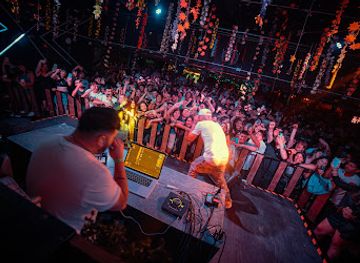
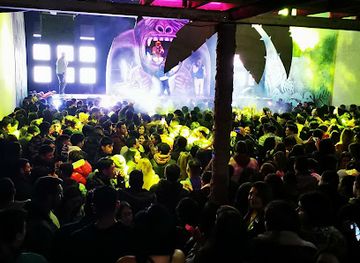
Evenings in O'Higgins are generally sociable rather than dominated by large-scale clubbing. Rancagua has the region's broadest choice of bars, restaurants and live entertainment, with activity concentrated around central streets and commercial areas rather than a single nationally famous nightlife district. In Santa Cruz and other wine towns, evenings often centre on cellar-door tastings, hotels, restaurants and small bars, while rural districts favour family gatherings, local inns and traditional Chilean pubs. Pichilemu has the liveliest seasonal seaside atmosphere, especially during warm months and surfing periods, with casual bars, restaurants and occasional live music; its pace can be much quieter outside the main season. Beer, wine and pisco-based drinks are widely available, but visitors should not drive after tastings or drinking. In smaller towns, check local arrangements in advance, as opening patterns and entertainment can vary considerably by season and day of the week.
-
Disco club
Moka
Discover the electrifying nightlife at Moka, Rancagua's top disco club, where dance and music create unforgettable memories in O'Higgins.
-
Dance club
Secreto Rancagua
Experience the pulse of Rancagua's nightlife at Secreto Rancagua, the ultimate dance club destination for music lovers and party-goers.
-
Bar
Hakuna Club
Experience vibrant nightlife at Hakuna Club in San Vicente de Tagua Tagua, where delicious cocktails and lively atmosphere meet.
-
Night club
Club Ansco
Discover Rancagua's nightlife at Club Ansco, where vibrant music, delicious cocktails, and unforgettable memories come together in a lively atmosphere.

Best shops in O'Higgins Region
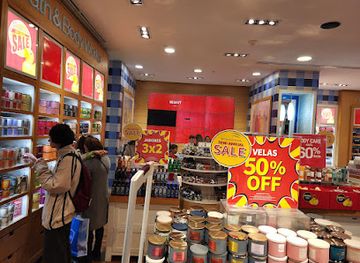
Shopping in O'Higgins is strongest in market towns and agricultural districts rather than in luxury retail centres. Rancagua provides the widest selection of mainstream shops, services and supermarkets, while San Fernando and Santa Cruz are useful for everyday purchases and regional food. In the wine valleys, visitors can buy bottles directly from estates, together with olive oil, preserves, honey, dried fruit and other products connected with local farming. Rural markets and farm stalls are good places to look for seasonal fruit, vegetables, bread and traditional Chilean ingredients, though availability follows the harvest calendar. Santa Cruz also has galleries, craft outlets and tourism-oriented shops associated with the Colchagua valley. Pichilemu's retail character is shaped by the coast and surf culture, with informal beachwear, boards and locally made crafts rather than extensive designer shopping. Huasos-inspired leather goods, woven items, pottery and small artisan products can make more meaningful souvenirs than generic imports; check quality and provenance, especially when buying food or crafts from temporary stalls.
-
Shopping mall
Parque Arauco
Discover the ultimate shopping experience at Parque Arauco, Santiago's top mall with luxury stores, diverse dining, and exciting entertainment.
-
Outlet mall
Easton Outlet Mall
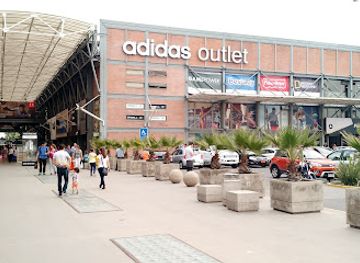
Discover unbeatable discounts and a lively shopping experience at Easton Outlet Mall, Santiago's premier destination for fashion and fun.
-
Shopping mall
Cenco Rancagua
Discover the ultimate shopping experience at Cenco Rancagua, with diverse stores, dining options, and entertainment for everyone.
-
Gift shop
Mall Plaza America
Discover the ultimate shopping experience at Mall Plaza America, where unique gifts and stylish fashion meet in Rancagua.

Get your free copy of our complete guide to O'Higgins Region, delivered straight to you.
Everything on this page, from attractions and restaurants to essentials and local phrases, in one PDF you can read offline, print or share.
Already have an account? Sign in
Your O'Higgins Region guide is ready.
We'll send it to · Not you? Sign out

Getting your guide ready…
We are putting together a fresh copy of the O'Higgins Region guide. This can take up to a minute.
This can take a few moments. If your browser asks, choose Allow so the download can start. You'll find the guide in your Downloads folder.
Nothing happened? Download it again
Sorry, the guide is taking longer than usual. Please try again in a minute, or get it by email instead.
O'Higgins Region essentials
Currency and Payment
Safety
Emergency Situations
Do's and Don'ts
Local Tips
From Eve
Local phrases worth knowing
You don't need to get them perfect. A few words go a long way, and locals appreciate the effort.
Basics
| English | Local | Say it |
|---|---|---|
| Hello | Hola | [OH-lah] |
| Goodbye | Adiós | [ah-DYOS] |
| Yes | Sí | [SEE] |
| No | No | [NO] |
| Please/You're welcome | Por favor/De nada | [por fah-VOR/deh NAH-dah] |
| Thank you | Gracias | [GRAH-syahs] |
| Excuse me/Sorry | Perdón | [pehr-DON] |
| How are you? | ¿Cómo estás? | [KOH-moh ehs-TAHS] |
| Fine. And you? | Bien. ¿Y tú? | [BYEN. ee TOO] |
| Do you speak English? | ¿Hablas inglés? | [AH-blahs een-GLES] |
| I don't understand | No entiendo | [NO ehn-TYEN-doh] |
Eating & Drinking
| English | Local | Say it |
|---|---|---|
| I'd like to see the menu, please | Me gustaría ver el menú, por favor | [meh goos-tah-REE-ah BEHR el meh-NOO, por fah-VOR] |
| I don't eat meat | No como carne | [NO KOH-moh KAR-neh] |
| Cheers! | ¡Salud! | [sah-LOOD] |
| I would like to pay, please | Me gustaría pagar, por favor | [meh goos-tah-REE-ah pah-GAR, por fah-VOR] |
Emergencies
| English | Local | Say it |
|---|---|---|
| Help! | ¡Ayuda! | [ah-YOO-dah] |
| Go away! | ¡Vete! | [VEH-teh] |
| Call the Police! | ¡Llama a la policía! | [YAH-mah ah lah poh-lee-SYAH] |
| Call a doctor! | ¡Llama a un médico! | [YAH-mah ah oon MEH-dee-koh] |
| I'm lost | Estoy perdido | [eh-STOY pehr-DEE-doh] |
| I'm ill | Estoy enfermo/enferma | [eh-STOY en-FER-mo/en-FER-mah] |
Shopping
| English | Local | Say it |
|---|---|---|
| I'd like to buy... | Me gustaría comprar... | [meh goos-tah-REE-ah kom-PRAHR] |
| I'm just looking | Solo estoy mirando | [SO-lo eh-STOY mee-RAN-doh] |
| How much is it? | ¿Cuánto cuesta? | [KWAN-toh KWEHS-tah] |
| That's too expensive | Es demasiado caro | [es deh-mah-SYAH-doh KAH-roh] |
| Can you lower the price? | ¿Puedes bajar el precio? | [PWEH-des bah-HAR el PREH-syo] |
Time & Numbers
| English | Local | Say it |
|---|---|---|
| What time is it? | ¿Qué hora es? | [keh OH-rah es] |
| It's one o'clock | Es la una | [es lah OO-nah] |
| Half past (10) | Y diez y media | [ee DYESS ee MEH-dyah] |
| Morning | Mañana | [mah-NYAH-nah] |
| Afternoon | Tarde | [TAR-deh] |
| Evening | Noche | [NOH-cheh] |
| Yesterday | Ayer | [ah-YER] |
| Today | Hoy | [OY] |
| Tomorrow | Mañana | [mah-NYAH-nah] |
| 1 | Uno | [OO-noh] |
| 2 | Dos | [DOS] |
| 3 | Tres | [TRES] |
| 4 | Cuatro | [KWAT-roh] |
| 5 | Cinco | [SEEN-koh] |
| 6 | Seis | [SAYS] |
| 7 | Siete | [SYEH-teh] |
| 8 | Ocho | [OH-choh] |
| 9 | Nueve | [NWEH-beh] |
| 10 | Diez | [DYESS] |
Transport & Directions
| English | Local | Say it |
|---|---|---|
| Where's a/the...? | ¿Dónde hay un/una...? | [DON-deh eye oon/OO-nah] |
| What's the address? | ¿Cuál es la dirección? | [KWAL es lah dee-rek-SYON] |
| Can you show me (on the map)? | ¿Puedes mostrarme (en el mapa)? | [PWEH-des mos-TRAR-meh (en el MAH-pah)] |
| When's the next (bus)? | ¿Cuándo es el próximo (bus)? | [KWAN-doh es el PROK-see-mo (boos)] |
| A ticket (to ....) | Un pasaje (a ....) | [OON pah-SAH-heh (ah ....)] |
History of O'Higgins Region
Indigenous Communities and Pre-Hispanic Valleys
Before Spanish arrival, the valleys and coast of present-day O'Higgins were occupied by Indigenous communities, including groups commonly associated in central Chile with the Promaucae and later with Mapuche cultural influence. Their lives were shaped by river valleys, seasonal agriculture, fishing and movement between the coast, foothills and interior. Archaeological evidence across central Chile records farming, pottery and settlement traditions that predate European colonisation. Although much of this heritage is less visibly monumental than later colonial architecture, it remains important to understanding why the region's fertile valleys and river corridors became the foundation of its subsequent agricultural economy.
Spanish Settlement and the Colonial Hacienda
Spanish colonisation reorganised O'Higgins around agricultural estates, livestock and settlements connected to the colonial road system south of Santiago. Land was concentrated in large haciendas, where irrigation, wheat production, vineyards and animal husbandry developed over generations. Towns such as Rancagua and San Fernando acquired churches, civic buildings and market functions, while rural estates created social and economic structures that continued well beyond the colonial period. The region's later traditions of horsemanship, rodeo, vineyard production and countryside cuisine are linked to this long agricultural history, although they also reflect subsequent changes in landholding and rural society.
The Battle of Rancagua and Chilean Independence, 1814
Rancagua occupies a central place in Chile's independence story because of the Battle of Rancagua, fought on 1 and 2 October 1814. Royalist forces defeated the patriot army, bringing the period known as the Patria Vieja to an end and prompting the retreat of Chilean independence leaders across the Andes. The defeat did not end the independence movement, but it marked a decisive turning point before the patriot victory at Chacabuco in 1817. Rancagua's historic centre, museums and civic commemorations preserve the memory of an event that gives the regional capital significance far beyond its administrative role.
Agricultural Expansion and the Central Valley Economy
During the nineteenth and early twentieth centuries, O'Higgins became increasingly integrated into Chile's national economy through agriculture, livestock, irrigation and rail transport. The central valleys supplied wheat, fruit, wine and other products to growing urban markets, while roads and railways strengthened connections with Santiago and southern Chile. San Fernando, Rancagua and smaller market towns developed as commercial centres for surrounding estates and farms. The persistence of rural estates, combined with later land reforms and mechanisation, shaped the region's distinctive pattern of productive valleys, agricultural towns and countryside communities that visitors still encounter beyond the main urban areas.
El Teniente and the Creation of Sewell
Copper mining transformed the Andean district east of Rancagua after the development of El Teniente, one of the world's major copper mines. The company town of Sewell grew at high altitude during the twentieth century to house workers and their families, with steep streets, stairways, communal buildings and colourful architecture adapted to difficult mountain conditions. As mining operations and settlement patterns changed, the town was largely abandoned as a residential community. Its preserved urban form and industrial history led to UNESCO World Heritage recognition in 2006, making Sewell one of the region's most important links between Chile's modern economy and its mountainous landscape.
Wine Modernisation and Rural Tourism
O'Higgins's historic vineyards entered a new phase during the late twentieth century as Chilean wine production modernised and gained international recognition. Producers in the Cachapoal and Colchagua valleys invested in improved viticulture, technology, cellar facilities and visitor programmes, while retaining older vineyard landscapes and rural estates. Wine tourism now forms a major part of the regional economy, linking agriculture with gastronomy, architecture and cultural interpretation. This development has not replaced the area's broader farming identity: fruit production, livestock, grain cultivation and local food traditions remain important across the valleys.
The 2010 Maule Earthquake and Regional Renewal
The 27 February 2010 earthquake, centred offshore near central Chile, caused serious damage across O'Higgins as well as neighbouring regions. Historic churches, adobe buildings, homes and rural infrastructure were affected, and many communities faced a long process of repair and reconstruction. The disaster highlighted the vulnerability of traditional earthen architecture while also prompting conservation work and renewed attention to heritage buildings. Its effects are part of the region's recent history, particularly in older settlements where restored structures stand alongside newer construction and where earthquake-aware building practices are now an important part of everyday life.
O'Higgins Region in Photos
Browse through our photo collection highlighting the charm and character of the destination.
Neighbouring regions of O'Higgins Region
The closest regions to O'Higgins Region, if you have time for more than one.
-

-

-

-

-


Swipe for more regions
Explore more

Explore more of Chile
Discover Chile: From the Atacama Desert to Patagonia's Glaciers, Experience Diverse Landscapes, Rich Culture, and World-Class Wine in This South American Gem.
Explore Chile