

Coquimbo Region, Chile Travel Guide
Discover the Coquimbo Region in Chile: From historic La Serena to the starry skies of Elqui Valley, experience pristine beaches, rich culture, and diverse wildlife.
The Coquimbo Region in Chile is a captivating blend of natural beauty and rich cultural heritage. Nestled between the Atacama Desert and the Pacific Ocean, this region boasts a diverse landscape that includes serene beaches, rolling hills, and fertile valleys. The city of La Serena, one of the oldest in Chile, is known for its colonial architecture and charming churches. Visitors can stroll through its historic streets, visit the vibrant markets, and enjoy the tranquil ambiance of its many parks and plazas. The Elqui Valley, another highlight of the Coquimbo Region, is famous for its clear skies and is a prime location for stargazing. The valley is also renowned for producing some of the best pisco, a traditional Chilean spirit, and offers numerous vineyards and distilleries for tours and tastings. Adventure seekers can explore the rugged beauty of Fray Jorge National Park, where the coastal fog sustains a unique forest ecosystem amidst the arid surroundings. For those interested in marine life, the Humboldt Penguin National Reserve is a must-visit. Located on the islands of Choros and Damas, this reserve is home to penguins, sea lions, and a variety of seabirds. Boat tours provide an opportunity to observe these creatures in their natural habitat. Whether you are looking to relax on the beach, immerse yourself in local culture, or embark on an outdoor adventure, the Coquimbo Region has something for everyone.

Know before you go
Hi, I'm Eve. Here are a few practical things to know before exploring Coquimbo Region.
- Visit La Serena in summer (December to February) for the best weather and local events.
- Book stargazing tours in Elqui Valley in advance, as they are very popular.
- Try the local pisco at different distilleries to appreciate the variety in taste.
- Wear layered clothing when visiting Fray Jorge National Park due to variable weather conditions.
- Take a boat tour to the Humboldt Penguin National Reserve early in the morning for the best wildlife sightings.
Top City Travel Guides in Coquimbo Region
The cities of Coquimbo Region, and the easiest places to base yourself.


Explore Coquimbo Region: Things to Do, Places to Eat, Hotels & More
Handpicked recommendations for top attractions, local dining, accommodations, and more

Top Attractions & Sightseeing in Coquimbo Region
Top-rated picks
Best Attractions

Faro Monumental
Explore Faro Monumental, a stunning maritime landmark in La Serena, Chile, offering rich history and breathtaking coastal views for every traveler.

La Recova
Discover the vibrant heart of La Serena at La Recova, where culture, crafts, and Chilean cuisine come together in a delightful market experience.

Japonés La Serena Garden
Discover the enchanting beauty and tranquility of Jardín Japonés La Serena, a captivating Japanese garden in the heart of La Serena, Chile.

Cruz Del Tercer Milenio
Discover the breathtaking Cruz Del Tercer Milenio in Coquimbo, Chile, a monumental blend of faith, culture, and stunning ocean views.

Best landmarks in Coquimbo Region
Top-rated picks
Best Landmarks

Faro Monumental
La Serena's iconic lighthouse, a blend of history and coastal beauty, offering panoramic views and a glimpse into Chile's maritime past.
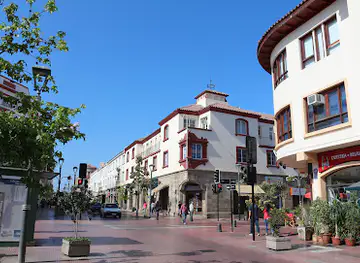
La Recova
Discover local culture and cuisine at La Recova, a vibrant market in La Serena, Chile, filled with artisan crafts and delicious traditional dishes.

Cruz Del Tercer Milenio
Discover the iconic Cruz del Tercer Milenio in Coquimbo, Chile: a soaring monument offering panoramic views and a glimpse into local faith and history.

Plaza de Armas de Ovalle
Discover the vibrant heart of Ovalle at Plaza de Armas, a cultural hub filled with lush gardens, historic architecture, and lively community events.

Best restaurants in Coquimbo Region
Top-rated picks
Best Restaurants

Huentelauquen Resto-Bar Pizzería
Experience delightful cuisine at Huentelauquen Resto-Bar Pizzería in Coquimbo – where local flavors meet stunning ocean views.
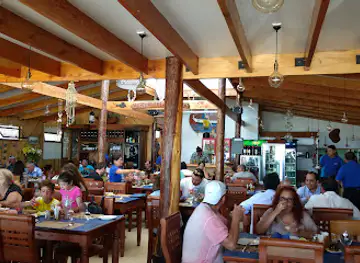
Mar Adentro restaurant
Experience exquisite seafood and authentic Chilean cuisine at Mar Adentro Restaurant in Coquimbo - a true culinary delight by the sea.

Restaurant Bakulic
Savor the best of Chilean cuisine at Restaurant Bakulic in La Serena - where fresh ingredients meet exquisite flavors.

Pilla La Vaca
Experience the vibrant flavors of Coquimbo at Pilla La Vaca, where fresh ingredients meet traditional Chilean cuisine in a warm atmosphere.

Best bars in Coquimbo Region
Top-rated picks
Best Bars

Huentelauquen Resto-Bar Pizzería
Discover the flavors of Italy at Huentelauquen Resto-Bar Pizzería in Coquimbo, where gourmet pizzas and cocktails meet stunning coastal views.

Pub El Muelle
Discover the lively atmosphere and delicious grilled cuisine at Pub El Muelle in La Serena, a must-visit for food lovers and nightlife enthusiasts.

Mar Adentro restaurant
Experience the flavors of the Pacific at Mar Adentro Restaurant in Coquimbo, where fresh seafood meets stunning ocean views.

New Pirats
Experience the vibrant culinary scene of Coquimbo at New Pirats, where delicious dishes and refreshing drinks await you in a lively atmosphere.

Best nightclubs in Coquimbo Region
Top-rated picks
Best Nightclubs

Club O2
Discover the vibrant nightlife at Club O2, a premier gastropub and disco club in Coquimbo, where great food meets energetic dancing.

BlueMoon Chile
Experience the best of Coquimbo's nightlife and seafood cuisine at BlueMoon Chile, the ultimate gastropub destination.

Discoteca Kamikaze
Dive into the electrifying nightlife of Discoteca Kamikaze, a premier disco club in La Serena, where music and dance unite for an unforgettable experience.

Z garden Bar
Experience the vibrant nightlife and delicious grilled cuisine at Z Garden Bar in Coquimbo, where every night is a celebration.

Best shops in Coquimbo Region
Top-rated picks
Best Shops

Mallplaza La Serena
Discover the ultimate shopping experience at Mallplaza La Serena, where retail therapy meets culinary delights in a vibrant atmosphere.

La Recova
Explore La Recova, a vibrant market in La Serena showcasing local artisans, traditional foods, and the spirit of Chilean culture.

VIVO Mall Coquimbo
Discover VIVO Mall Coquimbo – your ultimate shopping destination featuring great deals, dining, and entertainment in the heart of Coquimbo.

Patio Outlet Peñuelas
Discover unbeatable deals at Patio Outlet Peñuelas, Coquimbo's premier outlet mall, where shopping meets excitement and savings.

Explore Coquimbo Region on the Map
A handpicked selection of must-see spots in Coquimbo Region, mapped for you.
Coquimbo Region Essentials
-
Coquimbo Region is located in the northern part of Chile. The nearest major airport is La Florida Airport (LSC) in La Serena, which offers domestic flights from Santiago. From Santiago, you can also take a long-distance bus or drive; the journey takes approximately 6-7 hours by road. Alternatively, you can take a train from Santiago to La Serena, but this option is less common and more time-consuming.
-
Within Coquimbo Region, public buses and collectivos (shared taxis) are common and affordable options for getting around. Car rentals are available in La Serena and are a good option if you plan to explore more remote areas. Taxis are also plentiful, but make sure to agree on the fare before starting your journey to avoid misunderstandings.
-
The official currency in Chile is the Chilean Peso (CLP). Credit and debit cards are widely accepted in urban areas, including most hotels, restaurants, and shops. However, it is advisable to carry some cash, especially when visiting smaller towns or rural areas. ATMs are available in most cities and towns, but they may charge a fee for international cards.
-
Coquimbo Region is generally safe for tourists, but it is always advisable to stay vigilant. Avoid walking alone at night in isolated areas, especially in downtown Coquimbo and La Serena where pickpocketing can occur. Keep your belongings secure and be cautious when using ATMs. Consult locals or your accommodation for up-to-date information on safe areas.
-
In case of emergency, dial 133 for police assistance, 131 for medical emergencies, and 132 for the fire department. Hospitals and clinics are available in major cities like La Serena and Coquimbo. It's recommended to have travel insurance that covers medical emergencies. Pharmacies are widely available for minor health issues.
-
Fashion: Do dress in layers as the weather can be unpredictable. Avoid overly casual clothing when dining at fine restaurants. Religion: Do respect local customs and traditions, especially in religious sites. Public Transport: Do be courteous and give up your seat to elderly passengers. Don't eat or drink on public transport. Greetings: Do greet people with a handshake. A friendly smile or a slight nod is also appreciated. Eating & Drinking: Do try the local seafood, especially in coastal towns. Don't forget to tip, as it is customary in restaurants.
-
To experience Coquimbo Region like a local, visit the local markets such as La Recova in La Serena for fresh produce and artisanal goods. Engage with locals, who are often friendly and willing to share stories about the region's history and culture. Don't miss visiting the Elqui Valley, famous for its pisco production and stargazing opportunities. For a unique experience, consider taking a boat tour to see the Humboldt Penguin National Reserve.
When is the best time to visit Coquimbo Region?
Useful Local Phrases for Coquimbo Region
You don't need to speak the language perfectly. Even learning a few simple words can make conversations warmer—and locals usually appreciate the effort.
— Eve

Here are the phrases I use most often in Coquimbo Region. Try a few—you'll be surprised how far they go! 😊
❤️
-
- HelloHola
[Ola] - GoodbyeAdiós
[Adios] - YesSí
[Si] - NoNo
[No] - Please/You're welcomePor favor/De nada
[Por favor/De nada] - Thank youGracias
[Grasias] - Excuse me/SorryPerdón/Lo siento
[Perdon/Lo siento] - How are you?¿Cómo estás?
[Como estas] - Fine. And you?Bien. ¿Y tú?
[Bien. Y tu] - Do you speak English?¿Hablas inglés?
[Hablas ingles] - I don't understandNo entiendo
[No entiendo]
- HelloHola
-
- I'd like to see the menu, pleaseMe gustaría ver el menú, por favor
[Me gustaria ver el menu, por favor] - I don't eat meatNo como carne
[No como carne] - Cheers!¡Salud!
[Salud] - I would like to pay, pleaseMe gustaría pagar, por favor
[Me gustaria pagar, por favor]
- I'd like to see the menu, pleaseMe gustaría ver el menú, por favor
-
- Help!¡Ayuda!
[Ayuda] - Go away!¡Vete!
[Vete] - Call the Police!¡Llama a la Policía!
[Llama a la Policia] - Call a doctor!¡Llama a un doctor!
[Llama a un doctor] - I'm lostEstoy perdido
[Estoy perdido] - I'm illEstoy enfermo
[Estoy enfermo]
- Help!¡Ayuda!
-
- I'd like to buy...Quisiera comprar...
[Quisiera comprar] - I'm just lookingSolo estoy mirando
[Solo estoy mirando] - How much is it?¿Cuánto cuesta?
[Cuanto cuesta] - That's too expensiveEso es muy caro
[Eso es muy caro] - Can you lower the price?¿Puedes bajar el precio?
[Puedes bajar el precio]
- I'd like to buy...Quisiera comprar...
-
- What time is it?¿Qué hora es?
[Que hora es] - It's one o'clockEs la una
[Es la una] - Half past (10)Y media (10)
[Y media 10] - MorningMañana
[Mañana] - AfternoonTarde
[Tarde] - EveningNoche
[Noche] - YesterdayAyer
[Ayer] - TodayHoy
[Hoy] - TomorrowMañana
[Mañana] - 1Uno
[Uno] - 2Dos
[Dos] - 3Tres
[Tres] - 4Cuatro
[Cuatro] - 5Cinco
[Cinco] - 6Seis
[Seis] - 7Siete
[Siete] - 8Ocho
[Ocho] - 9Nueve
[Nueve] - 10Diez
[Diez]
- What time is it?¿Qué hora es?
-
- Where's a/the...?¿Dónde hay un/una...?
[Donde hay un/una] - What's the address?¿Cuál es la dirección?
[Cual es la direccion] - Can you show me (on the map)?¿Puedes mostrarme (en el mapa)?
[Puedes mostrarme en el mapa] - When's the next (bus)?¿Cuándo es el próximo (bus)?
[Cuando es el proximo bus] - A ticket (to ....)Un boleto (a ....)
[Un boleto a]
- Where's a/the...?¿Dónde hay un/una...?
History of Coquimbo Region
-
Long before the arrival of the Spanish, the Coquimbo Region was home to various indigenous cultures such as the Diaguita people. The Diaguita were known for their advanced agricultural techniques, pottery, and intricate social structures. The region's fertile valleys supported these communities, allowing them to thrive and develop a rich cultural heritage.
-
The Spanish arrived in the Coquimbo Region in the mid-16th century, led by conquistadors such as Francisco de Aguirre. The city of La Serena was founded in 1544, making it one of the oldest cities in Chile. The colonial period saw the establishment of missions, forts, and settlements, transforming the region into a strategic location for Spanish colonization and trade.
-
In the late 17th and early 18th centuries, Coquimbo was frequently targeted by pirates, including the infamous English pirate, Bartholomew Sharp. These raids led to the construction of defensive structures, such as forts, to protect the region's inhabitants and resources from these maritime threats.
-
The Coquimbo Region played a pivotal role during Chile's struggle for independence from Spanish rule in the early 19th century. After independence was achieved in 1818, the region experienced significant growth and development, particularly in mining. The discovery of rich mineral deposits, especially copper and silver, attracted both local and international investment, leading to economic prosperity.
-
In the late 19th and early 20th centuries, the nitrate boom brought immense wealth to the Coquimbo Region. Nitrate mining became a major industry, and the region saw an influx of workers and entrepreneurs. This period of economic boom also spurred the development of infrastructure, including railways and ports, further integrating Coquimbo into global trade networks.
-
In the 20th and 21st centuries, the Coquimbo Region has continued to evolve, balancing its rich history with modernization. Efforts to preserve indigenous culture and historical sites have gained momentum, with initiatives aimed at celebrating the region's diverse heritage. The city of La Serena, for example, has become a cultural hub, known for its colonial architecture, vibrant festivals, and educational institutions.
Neighbouring Regions of Coquimbo Region
The closest regions to Coquimbo Region, if you have time for more than one.



Your all‑in‑one travel companion app
Explore expert travel guides, compare and book tours, experiences, hotels, and more—all from the palm of your hand. Download now for seamless trip planning wherever your wanderlust takes you.


Explore More of Chile

Looking beyond Coquimbo Region? Discover Chile for broader travel guides, local hot-spots, and regional highlights.
Explore ChileCoquimbo Region in Photos
Browse through our photo collection highlighting the charm and character of the destination.


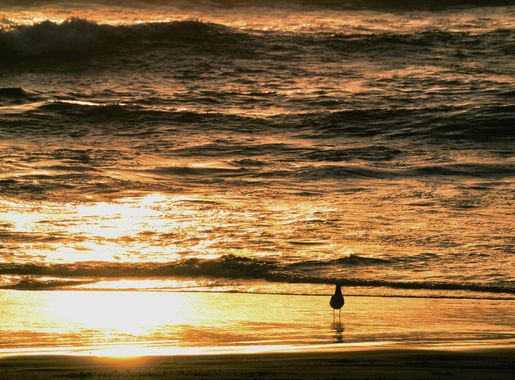


Coquimbo Region: Chile's Coastal Gem
The Coquimbo Region in Chile is a captivating blend of natural beauty and rich cultural heritage. Nestled between the Atacama Desert and the Pacific Ocean, this region boasts a diverse landscape that includes serene beaches, rolling hills, and fertile valleys. The city of La Serena, one of the oldest in Chile, is known for its colonial architecture and charming churches. Visitors can stroll through its historic streets, visit the vibrant markets, and enjoy the tranquil ambiance of its many parks and plazas. The Elqui Valley, another highlight of the Coquimbo Region, is famous for its clear skies and is a prime location for stargazing. The valley is also renowned for producing some of the best pisco, a traditional Chilean spirit, and offers numerous vineyards and distilleries for tours and tastings. Adventure seekers can explore the rugged beauty of Fray Jorge National Park, where the coastal fog sustains a unique forest ecosystem amidst the arid surroundings. For those interested in marine life, the Humboldt Penguin National Reserve is a must-visit. Located on the islands of Choros and Damas, this reserve is home to penguins, sea lions, and a variety of seabirds. Boat tours provide an opportunity to observe these creatures in their natural habitat. Whether you are looking to relax on the beach, immerse yourself in local culture, or embark on an outdoor adventure, the Coquimbo Region has something for everyone.