

Cerro Alegre (Valparaíso) Travel Guide - Free
Explore Cerro Alegre in Valparaíso with Evendo's free guide. Find the best shops, historic streets, restaurants, and gems on web or mobile.


Cerro Alegre in Valparaíso pairs hillside heritage homes, Paseo Yugoslavo, street art, galleries, cafés and Pacific views in Chile’s port city.
Hillside Streets and Bay Views
Cerro Alegre rises above Valparaíso’s historic port, its steep lanes and stairways unfolding into viewpoints over the bay, tiled roofs and working waterfront. The neighbourhood is part of the city’s historic hillside area recognised by UNESCO, although its identity remains distinct from nearby Cerro Concepción. At street level, brightly painted façades, corrugated-iron houses, small plazas and exuberant murals create a setting that rewards unhurried walking. The historic Ascensor El Peral links the lower city with the heights of Cerro Alegre, arriving near Paseo Yugoslavo and the Palacio Baburizza.Read more about Cerro Alegre
Heritage and Creative Life
Walking the Upper City
Best attractions in Cerro Alegre
Cerro Alegre’s principal attractions are experienced as a connected hillside walk rather than a single concentrated complex. Ascensor El Peral provides an atmospheric arrival from the lower city, emerging beside Paseo Yugoslavo, one of Valparaíso’s most memorable viewing terraces. From here, visitors can explore the Museo Municipal de Bellas Artes in Palacio Baburizza, whose collections and ornate former residence add cultural depth to the district. Paseo Dimalow offers another route through the upper neighbourhood, with bay-facing outlooks, stairways, murals and adapted historic buildings along the way. Almirante Montt, Templeman and the surrounding lanes reveal the area’s characteristic mixture of colourful houses, galleries, cafés and residential doorways. The appeal is not limited to formal sights: changing views through passages, painted walls, small public spaces and the steep relationship between upper streets and port make ordinary movement through Cerro Alegre part of the sightseeing experience.
-
Tourist attraction
Muelle Prat
Discover the vibrant atmosphere of Muelle Prat, a must-visit waterfront hub in Valparaíso, Chile, rich in culture, views, and local delicacies.
9 min walk · 0.7 km from neighbourhood centre
-
Scenic spot
Cerro Alegre
Explore the vibrant Cerro Alegre in Valparaíso, a scenic neighborhood bursting with colorful murals, stunning views, and rich cultural experiences.
2 min walk · 0.2 km from neighbourhood centre
-
Tourist attraction
Ascensor Concepcion
Discover the historic Ascensor Concepcion in Valparaíso, a vibrant funicular offering stunning views and a taste of Chile's artistic heritage.
5 min walk · 0.4 km from neighbourhood centre
-
Tourist attraction
Paseo Yugoslavo
Explore the vibrant Paseo Yugoslavo in Valparaíso - a scenic walkway adorned with art, gardens, and stunning ocean views.
5 min walk · 0.4 km from neighbourhood centre


Best landmarks in Cerro Alegre
Cerro Alegre’s landmarks express Valparaíso’s relationship with the sea, the hillside and its nineteenth-century prosperity. Ascensor El Peral is both a functioning piece of transport history and a recognisable link between Plaza Justicia and the upper neighbourhood. Near its upper station, Palacio Baburizza gives Paseo Yugoslavo an architectural focal point; the former residence now houses the Museo Municipal de Bellas Artes. Paseo Yugoslavo itself is significant as a public terrace oriented towards the bay and port, while Paseo Dimalow forms another characteristic promenade through the hill’s built landscape. The neighbourhood’s less monumental landmarks are equally important: timber and masonry houses, corrugated façades, stairways and narrow lanes preserve the visual logic of a port city built on difficult slopes. Together these structures illustrate the layered development of Cerro Alegre and its continuing connection to Valparaíso’s historic quarter.
-
Tourist attraction
Ascensor Reina Victoria
Ascend to panoramic views of Valparaíso aboard a historic funicular, connecting you to the vibrant Cerro Alegre and its artistic soul.
4 min walk · 0.3 km from neighbourhood centre
-
Art museum
Baburizza Palace
Explore the artistic heritage and stunning architecture of Baburizza Palace, an essential destination for art lovers in Valparaíso, Chile.
5 min walk · 0.4 km from neighbourhood centre
-
Tourist attraction
Ascensor El Peral
Experience Valparaíso's charm and history with a ride on the iconic Ascensor El Peral, offering stunning views from Plaza de la Justicia to Cerro Alegre.
5 min walk · 0.4 km from neighbourhood centre
-
Tourist attraction
Escalera de Colores
Experience the vibrant artistry and breathtaking views of Escalera de Colores, the colorful staircase that captures the spirit of Valparaíso.
4 min walk · 0.3 km from neighbourhood centre


Explore Cerro Alegre on the map
A handpicked selection of must-see spots in Cerro Alegre, mapped for you.
Best hotels in Cerro Alegre
Best restaurants in Cerro Alegre
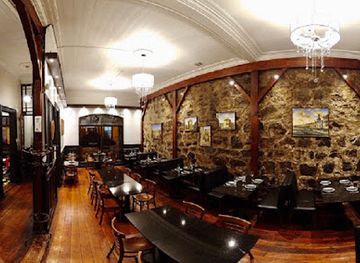
Cerro Alegre’s dining scene occupies restored houses and compact premises along streets such as Almirante Montt, Templeman and the routes leading towards Paseo Dimalow. Restaurants and cafés range from informal daytime places to more polished dining rooms, with menus that draw on Chilean seafood, produce from central Chile and the city’s long relationship with the Pacific. Coffee, pastries and light meals suit the neighbourhood’s gallery-and-viewpoint walks, while evening restaurants make use of balconies, terraces and rooms with exposed historic details. The area’s international past is reflected less in a single defined cuisine than in the adaptation of old residences to contemporary hospitality, alongside familiar Chilean dishes and modern interpretations. Visitors should distinguish the neighbourhood’s restaurants from the better-known venues of adjacent Cerro Concepción, as the two hills merge visually while retaining separate local identities.
-
Restaurant
Restaurante Café Vinilo
Discover the vibrant flavors and artistic ambiance at Restaurante Café Vinilo in Valparaíso's charming Cerro Alegre neighborhood.
2 min walk · 0.2 km from neighbourhood centre
-
Restaurant
IL PAPARAZZO RISTORANTE & WINEBAR
Experience the exquisite flavors of Italy at Il Paparazzo Ristorante & Winebar in Valparaíso—where every dish tells a story.
4 min walk · 0.4 km from neighbourhood centre
-
Restaurant
Casalegre Restaurante
Experience authentic Chilean flavors and stunning views at Casalegre Restaurante in Valparaíso's vibrant cultural scene.
3 min walk · 0.2 km from neighbourhood centre
-
Restaurant
Café Del Pintor
Discover Café Del Pintor in Valparaíso – where local flavors meet artistic ambiance in every dish.
2 min walk · 0.2 km from neighbourhood centre



Best bars in Cerro Alegre
After dark, Cerro Alegre is more associated with small bars, restaurant terraces and sociable conversation than with large nightclubs. The streets around Templeman, Almirante Montt and Paseo Dimalow provide the main evening focus, with drinks served in adapted houses and venues that take advantage of the hillside setting. The offer can include Chilean wine, pisco-based cocktails, beer and music-led informal gatherings, while cultural events and gallery openings occasionally extend the neighbourhood’s creative life into the evening. Its steep lanes and residential character mean that nightlife is interwoven with ordinary homes rather than concentrated in a purpose-built entertainment strip. Visitors should expect changing opening patterns and keep noise low when leaving venues, particularly on narrow streets where sound carries readily.
-
Bar
tio bar
Discover Tio Bar in Valparaíso: a colorful cocktail experience that captures the essence of Chilean nightlife.
5 min walk · 0.4 km from neighbourhood centre
-
Restaurant
Restaurante Café Vinilo
Explore the vibrant flavors and artistic ambiance of Café Vinilo, a culinary gem in the heart of Valparaíso's Cerro Alegre.
2 min walk · 0.2 km from neighbourhood centre
-
Bar
UK Bar - Cervezas Premium, Coctelería, Pizzería y Burger en Valparaíso
Experience the vibrant atmosphere at UK Bar in Valparaíso, where gourmet burgers, artisanal pizzas, and premium craft beers come together for an unforgettable dining experience.
4 min walk · 0.3 km from neighbourhood centre
-
Tapas Bar
Taulat - tapas.copas
Experience the vibrant flavors of Mediterranean cuisine at Taulat - tapas.copas in Valparaíso, where every dish is a celebration of Spanish culinary heritage.
2 min walk · 0.2 km from neighbourhood centre


Best nightclubs in Cerro Alegre
After dark, Cerro Alegre is more associated with small bars, restaurant terraces and sociable conversation than with large nightclubs. The streets around Templeman, Almirante Montt and Paseo Dimalow provide the main evening focus, with drinks served in adapted houses and venues that take advantage of the hillside setting. The offer can include Chilean wine, pisco-based cocktails, beer and music-led informal gatherings, while cultural events and gallery openings occasionally extend the neighbourhood’s creative life into the evening. Its steep lanes and residential character mean that nightlife is interwoven with ordinary homes rather than concentrated in a purpose-built entertainment strip. Visitors should expect changing opening patterns and keep noise low when leaving venues, particularly on narrow streets where sound carries readily.
-
Bar
Proa Bar
Discover the vibrant nightlife of Valparaíso at Proa Bar, where eclectic music and lively dance create unforgettable experiences.
10 min walk · 0.8 km from neighbourhood centre
-
Disco club
Mero Club
Discover the energetic nightlife at Mero Club in Valparaíso, where dancing, music, and vibrant socializing create unforgettable memories.
9 min walk · 0.7 km from neighbourhood centre
-
Disco club
Terraza Bellavista
Discover Terraza Bellavista: Valparaíso's vibrant disco club offering stunning views, eclectic music, and an unforgettable nightlife experience.
8 min walk · 0.7 km from neighbourhood centre
-
Disco club
Club Area Multiespacio
Discover the essence of Valparaíso's nightlife at Club Area Multiespacio, where dancing meets delectable dining in a vibrant atmosphere.
9 min walk · 0.7 km from neighbourhood centre


Best shops in Cerro Alegre
Shopping in Cerro Alegre is concentrated in small-scale independent businesses rather than department stores or a conventional retail boulevard. Along Almirante Montt, Templeman, Paseo Dimalow and nearby hillside lanes, visitors may find design shops, galleries, craft outlets, books, jewellery, homeware and locally made gifts in premises adapted from old houses. The selection changes as businesses open and close, but the commercial character remains closely tied to the neighbourhood’s artistic identity and heritage architecture. Galleries provide an opportunity to browse Chilean painting, illustration, photography and handmade work, while cafés and specialist food shops complement the walking routes. This is not primarily a bargain-shopping district or a traditional produce market; its interest lies in independent retail, creative work and the experience of entering small spaces embedded in the historic hillside fabric.
-
Gift shop
PutaMadre Bazar
Explore the vibrant PutaMadre Bazar in Valparaíso for unique gifts, local art, and handcrafted treasures that capture the essence of Chilean culture.
4 min walk · 0.4 km from neighbourhood centre
-
Clothing store
Bazar La Pasión
Discover the heart of Valparaíso's fashion scene at Bazar La Pasión, where local artistry meets contemporary style in a vibrant shopping experience.
3 min walk · 0.2 km from neighbourhood centre
-
Gift shop
Lapislázuli Faba Valparaiso
Explore Lapislázuli Faba in Valparaíso for unique jewelry and souvenirs that reflect the vibrant culture and artistry of Chile.
5 min walk · 0.4 km from neighbourhood centre
-
Gift shop
Valmati La Tienda
Discover unique souvenirs, stylish clothing, and a cozy atmosphere at Valmati La Tienda in Valparaíso, a perfect stop for every traveler.
5 min walk · 0.4 km from neighbourhood centre


Cerro Alegre essentials
Getting There
Getting Around
Safety
Emergency Situations
Do's and Don'ts
Local Tips

From Eve
Local phrases worth knowing
You don't need to get them perfect. A few words go a long way, and locals appreciate the effort.
Basics
| English | Local | Say it |
|---|---|---|
| Hello | Hola | [oh-lah] |
| Goodbye | Adiós | [ah-dee-ohs] |
| Yes | Sí | [see] |
| No | No | [noh] |
| Please/You're welcome | Por favor | [por fah-vohr] |
| Thank you | Gracias | [grah-see-ahs] |
| Excuse me/Sorry | Perdón | [pair-dohn] |
| How are you? | ¿Cómo estás? | [koh-moh ehs-tahs] |
| Fine. And you? | Bien. ¿Y tú? | [bee-ehn. ee too] |
| Do you speak English? | ¿Hablas inglés? | [ah-blahs een-glays] |
| I don't understand | No entiendo | [noh ehn-tyen-doh] |
Eating & Drinking
| English | Local | Say it |
|---|---|---|
| I'd like to see the menu, please | Me gustaría ver el menú, por favor | [meh goos-tah-ree-ah behr ehl meh-noo, pohr fah-vohr] |
| I don't eat meat | No como carne | [noh koh-moh kahr-neh] |
| Cheers! | ¡Salud! | [sah-lood] |
| I would like to pay, please | Me gustaría pagar, por favor | [meh goos-tah-ree-ah pah-gahr, pohr fah-vohr] |
Emergencies
| English | Local | Say it |
|---|---|---|
| Help! | ¡Ayuda! | [ah-yoo-dah] |
| Go away! | ¡Vete! | [veh-teh] |
| Call the Police! | ¡Llama a la policía! | [yah-mah ah lah poh-lee-see-ah] |
| Call a doctor! | ¡Llama a un médico! | [yah-mah ah oon meh-dee-koh] |
| I'm lost | Estoy perdido | [ehs-toy pair-dee-doh] |
| I'm ill | Estoy enfermo | [ehs-toy ehn-fehr-moh] |
Shopping
| English | Local | Say it |
|---|---|---|
| I'd like to buy... | Me gustaría comprar... | [meh goos-tah-ree-ah kohm-prahr...] |
| I'm just looking | Solo estoy mirando | [soh-loh ehs-toy meer-ahn-doh] |
| How much is it? | ¿Cuánto cuesta? | [kwan-toh kwehs-tah] |
| That's too expensive | Eso es demasiado caro | [eh-soh ehs deh-mah-see-ah-doh kah-roh] |
| Can you lower the price? | ¿Puedes bajar el precio? | [pweh-dehs bah-hahr ehl pree-syoh] |
Time & Numbers
| English | Local | Say it |
|---|---|---|
| What time is it? | ¿Qué hora es? | [keh oh-rah ehs] |
| It's one o'clock | Es la una | [ehs lah oo-nah] |
| Half past (10) | Y media (10) | [ee meh-dee-ah (diez)] |
| Morning | Mañana | [mah-nyah-nah] |
| Afternoon | Tarde | [tahr-deh] |
| Evening | Noche | [noh-cheh] |
| Yesterday | Ayer | [ah-yehr] |
| Today | Hoy | [oy] |
| Tomorrow | Mañana | [mah-nyah-nah] |
| 1 | Uno | [oo-noh] |
| 2 | Dos | [dohs] |
| 3 | Tres | [trehs] |
| 4 | Cuatro | [kwah-troh] |
| 5 | Cinco | [seen-koh] |
| 6 | Seis | [says] |
| 7 | Siete | [syeh-teh] |
| 8 | Ocho | [oh-choh] |
| 9 | Nueve | [nweh-veh] |
| 10 | Diez | [dyehs] |
Transport & Directions
| English | Local | Say it |
|---|---|---|
| Where's a/the...? | ¿Dónde está...? | [dohn-deh ehs-tah] |
| What's the address? | ¿Cuál es la dirección? | [kwal ehs lah dee-rehk-syon] |
| Can you show me (on the map)? | ¿Puedes mostrarme (en el mapa)? | [pweh-dehs mohs-trahr-meh (ehn ehl mah-pah)] |
| When's the next (bus)? | ¿Cuándo es el próximo (autobús)? | [kwan-doh ehs ehl proh-ksee-moh (ow-toh-boos)] |
| A ticket (to ....) | Un boleto (a ...) | [oon boh-leh-toh (ah ...)] |
History of Cerro Alegre
A Hillside Residential Quarter
Cerro Alegre took shape during Valparaíso’s nineteenth-century expansion, when the port’s growing commercial importance encouraged settlement on the hills above the waterfront. The slopes offered healthier and more spacious sites than the crowded lower city, and the neighbourhood acquired substantial residences, gardens and religious buildings. Its built character reflects the city’s international connections, particularly the presence of British and other European merchant communities, although the area was never isolated from Chilean urban life. Steep streets, stairways and narrow passages became practical responses to the terrain, while the hill’s relationship with the port remained central to its prosperity and identity.
Transport Across the Slopes
The construction of hillside lifts transformed movement between Cerro Alegre and the lower city. Ascensor El Peral, opened in 1902, connected the area around Plaza Justicia with the upper slopes and the viewpoint now known as Paseo Yugoslavo. Its operation reduced the effort required to climb the hill and reinforced the relationship between the residential heights and Valparaíso’s commercial centre. The lift belongs to the wider network of ascensores that became one of the port’s defining forms of urban infrastructure. Other local improvements, including roads, stairways and public promenades, gradually made the steep terrain more accessible without erasing its distinctive topography.
The 1906 Earthquake and Reconstruction
The earthquake of 1906 caused extensive damage across Valparaíso, affecting buildings and infrastructure on the hills as well as in the port area. Cerro Alegre’s later architectural appearance therefore combines surviving nineteenth-century structures with repairs, replacement buildings and adaptations made during the twentieth century. The disaster accelerated changes already under way in the city, including new construction methods and altered patterns of investment. Rather than producing a single uniform style, reconstruction added further layers to the neighbourhood’s mixture of timber houses, masonry façades, corrugated cladding and institutional buildings.
Heritage Recognition and Renewal
By the late twentieth century, Cerro Alegre and neighbouring Cerro Concepción had become increasingly valued for their urban form, historic buildings and views across the port. Restoration of old houses and the adaptation of premises for galleries, restaurants, cafés and small hotels brought new visitors and investment to streets that had experienced periods of decline. In 2003, Valparaíso’s historic quarter, including these hills, was inscribed on the UNESCO World Heritage List. The designation strengthened the area’s cultural profile, while its continuing challenge has been to balance conservation, tourism and the everyday needs of residents.
Cerro Alegre in Photos
Browse through our photo collection highlighting the charm and character of the destination.
Neighbourhoods near Cerro Alegre
The closest neighbourhoods to Cerro Alegre, if you have time for more than one stop.
-

-

-

-


Swipe for more neighbourhoods
Explore more

Explore more of Valparaíso
Valparaíso, Chile, pairs colourful hillside architecture with Pacific views, historic funiculars, street art, seafood, museums and memorable cultural sightseeing.
Explore Valparaíso