

Free The Dales Travel Guide & Mobile App
Explore The Dales with free travel guides. Discover regional history, expert tips, proposed trips, and audio guides on web or mobile app.


Explore The Dales on Christmas Island for rainforest walks, freshwater cascades, endemic wildlife and quiet national-park scenery.
Read more about The Dales
When is the best time to visit The Dales?
Best: June–August · 31°C| Month | High (°C) | Rainfall (mm) |
|---|---|---|
| January | 31 | 150 |
| February | 31 | 140 |
| March | 31 | 130 |
| April | 31 | 120 |
| May | 31 | 110 |
| June (best) | 31 | 100 |
| July (best) | 31 | 100 |
| August (best) | 31 | 100 |
| September | 31 | 110 |
| October | 31 | 120 |
| November | 31 | 130 |
| December | 31 | 140 |
Getting to and around The Dales
How to get there
Transportation
Best attractions in The Dales
The principal attraction at The Dales is the rainforest walk to Hugh's Dale Waterfall, where a boardwalk leads through dense vegetation to a freshwater cascade and spring-fed stream. The journey is as important as the destination: limestone topography, buttressed trees, palms and shaded gullies reveal how water behaves on Christmas Island's porous plateau. Birdwatching and quiet nature observation are more rewarding here than formal sightseeing, with endemic and resident species possible along the route. The Dales forms part of Christmas Island National Park, so some tracks or access roads may be restricted for conservation, weather or maintenance reasons. Visitors staying elsewhere on the island can combine it with separate national-park experiences, including coastal viewpoints and seabird habitats, but those are outside The Dales and should not be treated as part of the same trail system. There are no substantial visitor facilities, restaurants or shopping areas at the site itself, making preparation important. The attraction's value lies in its accessible example of Christmas Island's original rainforest and freshwater environment, set apart from the island's phosphate-mining landscapes and settlement areas.
-
Tourist attraction
Anderson Dale
Explore the breathtaking Anderson Dale on Christmas Island, where lush landscapes and unique wildlife await your discovery.

Best landmarks in The Dales
Hugh's Dale Waterfall is The Dales' defining natural landmark, combining a visible freshwater cascade with the shaded rainforest that surrounds it. Its significance comes from the rarity of permanent surface water on a limestone island where rainfall commonly drains through porous rock. The boardwalk and associated stream make the relationship between geology, vegetation and water legible without requiring a long expedition. The Dales itself is also a landmark landscape within Christmas Island National Park: a protected valley and forest setting that contrasts with mined areas, roads and coastal cliffs elsewhere on the island. Its value is ecological as well as visual, providing habitat for endemic island wildlife and preserving a representative section of old rainforest. Other famous Christmas Island features, including coastal blowholes and settlement landmarks, lie elsewhere and should be visited separately rather than folded into The Dales. Temporary closures, storm damage or conservation works can affect access to the waterfall and should be respected.
-
National park
Christmas Island National Park
Experience the breathtaking natural beauty and unique wildlife of Christmas Island National Park, a hidden gem in Australia's Indian Ocean.
-
Visitor center
Christmas Island Visitor Centre
Explore the unique beauty and culture of Christmas Island at the Visitor Centre, your gateway to adventure and discovery.
-
Tourist attraction
Dolly Beach
Explore the scenic beauty of Dolly Beach, a pristine paradise on Christmas Island, perfect for relaxation, adventure, and vibrant marine life.
-
Tourist attraction
Ethel Beach
Explore Ethel Beach on Christmas Island, where turquoise waters meet pristine sands in a serene tropical paradise filled with adventure and beauty.


Explore The Dales on the map
Plan your trip on one map. See where the top cities, national parks and sights are, and book hotels and experiences in a few clicks.
Best hotels in The Dales
Best restaurants in The Dales
The Dales has no restaurant or established café, so dining is arranged in Christmas Island's settlements, particularly around Flying Fish Cove and other populated areas outside the national-park district. Food on the island reflects its multicultural history, with Chinese, Malay and Australian influences visible in home cooking and local eateries, alongside practical café and takeaway options. Visitors should buy water, packed meals and snacks before travelling to The Dales, as there are no reliable refreshment facilities at the waterfall or boardwalk. Seafood may appear on island menus, while imported goods and locally available produce vary with supply shipments and transport conditions. A meal in the settlements offers more insight into Christmas Island's social history than expecting a developed resort dining scene. Check current opening arrangements locally, as the island's small commercial community does not operate with the breadth or late-night choice found in a mainland city.
-
Bar
The Golden Bosun
Experience the essence of Christmas Island at The Golden Bosun - your tropical retreat for exquisite drinks and stunning views.
-
Chinese
Lucky Ho
Experience authentic Chinese flavors at Lucky Ho in Christmas Island - where every dish tells a story.
-
Chinese
Le CLA Café and Restaurant
Discover authentic Chinese flavors at Le CLA Café and Restaurant in Flying Fish Cove, Christmas Island - where culinary tradition meets tropical charm.
-
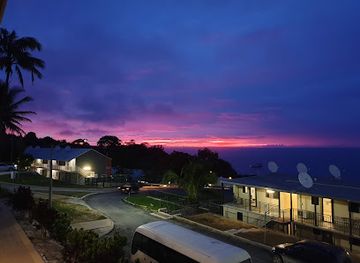
Hotel
Swell Lodge
Experience serenity and nature at Swell Lodge on Christmas Island – your perfect escape into paradise.


Best bars in The Dales
The Dales has no nightlife venues; evenings there are defined by rainforest quiet, distant wildlife and the need to leave the national park before access restrictions or darkness become a concern. Christmas Island's limited evening scene is concentrated in settlements outside The Dales, where licensed restaurants, social clubs and community-oriented venues may provide drinks and conversation rather than a major nightclub circuit. Availability can be affected by the island's small population, supply logistics and changing business arrangements, so current local information is more dependable than assuming fixed opening hours. Visitors should avoid drinking before driving to remote tracks and should not treat wildlife watching after dark as an improvised activity without suitable guidance. The island's evening character is generally low-key, with food, community events and quiet observation more representative than a dedicated entertainment district.
-
Bar
The Golden Bosun
Experience the vibrant atmosphere and delightful beverages at The Golden Bosun, a must-visit bar on Christmas Island.
-
Chinese
Lucky Ho
Experience the vibrant taste of Chinese cuisine at Lucky Ho, a culinary gem in the heart of Christmas Island offering a unique dining experience.
-
Chinese
Le CLA Café and Restaurant
Experience the authentic taste of Chinese cuisine with stunning views at Le CLA Café and Restaurant in Christmas Island.
-
 Hotel
Swell Lodge
Discover the natural beauty and unique charm of Christmas Island at Swell Lodge, your perfect retreat for adventure and relaxation.


Best nightclubs in The Dales
The Dales has no nightlife venues; evenings there are defined by rainforest quiet, distant wildlife and the need to leave the national park before access restrictions or darkness become a concern. Christmas Island's limited evening scene is concentrated in settlements outside The Dales, where licensed restaurants, social clubs and community-oriented venues may provide drinks and conversation rather than a major nightclub circuit. Availability can be affected by the island's small population, supply logistics and changing business arrangements, so current local information is more dependable than assuming fixed opening hours. Visitors should avoid drinking before driving to remote tracks and should not treat wildlife watching after dark as an improvised activity without suitable guidance. The island's evening character is generally low-key, with food, community events and quiet observation more representative than a dedicated entertainment district.
-
Bar
The Golden Bosun
Discover the vibrant atmosphere and stunning views at The Golden Bosun, a must-visit bar on Christmas Island.
-
Chinese
Lucky Ho
Experience the vibrant flavors of authentic Chinese cuisine at Lucky Ho, a must-visit restaurant on Christmas Island offering delightful dishes in a cozy ambiance.
-
Tourist attraction
Ethel Beach
Discover the breathtaking beauty of Ethel Beach on Christmas Island, a tranquil paradise for sunbathing, snorkeling, and relaxing amidst nature's splendor.
-
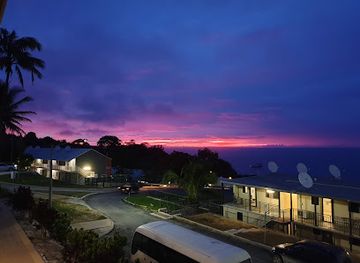
Hotel
Swell Lodge
Discover tranquility at Swell Lodge, a serene hotel retreat on Christmas Island, surrounded by stunning ocean views and vibrant wildlife.


Best shops in The Dales
There is no shopping at The Dales. Souvenirs, groceries, fuel and practical outdoor supplies must be obtained in Christmas Island's settlements before travelling to the national park. Shopping on the island is small-scale rather than mall-based, with general stores, service businesses and locally oriented retail serving residents and visitors. Regional products may include locally themed crafts, books, artwork and food items, although stock and availability can change with supply shipments. Visitors interested in the island's history should look for products connected with its rainforest, red crabs, seabirds and phosphate-mining past, while checking that any natural-material souvenir has been legally sourced. Do not collect leaves, shells, rocks or other material from The Dales or the national park. Planning purchases in advance is particularly important because remote forest sites have no retail infrastructure and the island's commercial hours may be limited.
-
National park
Christmas Island National Park
Explore the breathtaking Christmas Island National Park, a natural wonder with unique wildlife, stunning landscapes, and vibrant marine life.
-
Visitor center
Christmas Island Visitor Centre
Discover the unparalleled beauty and unique wildlife at the Christmas Island Visitor Centre, your gateway to an unforgettable island adventure.
-
Tourist attraction
Dolly Beach
Discover the serene beauty of Dolly Beach, a tropical paradise on Christmas Island, perfect for relaxation, adventure, and unforgettable memories.
-
Hotel
Swell Lodge
Discover paradise at Swell Lodge, your ultimate getaway on Christmas Island, where nature and luxury meet for an unforgettable experience.


Get your free copy of our complete guide to The Dales, delivered straight to you.
Everything on this page, from attractions and restaurants to essentials and local phrases, in one PDF you can read offline, print or share.
Already have an account? Sign in
Your The Dales guide is ready.
We'll send it to · Not you? Sign out

Getting your guide ready…
We are putting together a fresh copy of the The Dales guide. This can take up to a minute.
This can take a few moments. If your browser asks, choose Allow so the download can start. You'll find the guide in your Downloads folder.
Nothing happened? Download it again
Sorry, the guide is taking longer than usual. Please try again in a minute, or get it by email instead.
The Dales essentials
Currency and Payment
Safety
Emergency Situations
Do's and Don'ts
Local Tips
From Eve
Local phrases worth knowing
You don't need to get them perfect. A few words go a long way, and locals appreciate the effort.
Basics
| English | Local | Say it |
|---|---|---|
| Hello | G'day | [g'day] |
| Goodbye | See ya | [see ya] |
| Yes | Yep | [yep] |
| No | Nah | [nah] |
| Please/You're welcome | No worries | [no worries] |
| Thank you | Cheers | [cheers] |
| Excuse me/Sorry | Pardon | [pardon] |
| How are you? | How's it going? | [how's it going?] |
| Fine. And you? | Good, and you? | [good, and you?] |
| Do you speak English? | Do ya speak English? | [do ya speak English?] |
| I don't understand | I don't get it | [I don't get it] |
Eating & Drinking
| English | Local | Say it |
|---|---|---|
| I'd like to see the menu, please | Can I see the menu? | [can I see the menu?] |
| I don't eat meat | I'm a vegetarian | [I'm a vegetarian] |
| Cheers! | Cheers! | [cheers!] |
| I would like to pay, please | Can I get the bill, please? | [can I get the bill, please?] |
Emergencies
| English | Local | Say it |
|---|---|---|
| Help! | Help! | [help!] |
| Go away! | Leave me alone! | [leave me alone!] |
| Call the Police! | Ring the cops! | [ring the cops!] |
| Call a doctor! | Get a doctor! | [get a doctor!] |
| I'm lost | I'm a bit lost | [I'm a bit lost] |
| I'm ill | I'm not feeling well | [I'm not feeling well] |
Shopping
| English | Local | Say it |
|---|---|---|
| I'd like to buy... | I want to buy... | [I want to buy...] |
| I'm just looking | Just browsing, thanks | [just browsing, thanks] |
| How much is it? | What's the price? | [what's the price?] |
| That's too expensive | That's a bit pricey | [that's a bit pricey] |
| Can you lower the price? | Can you do a better price? | [can you do a better price?] |
Time & Numbers
| English | Local | Say it |
|---|---|---|
| What time is it? | What’s the time? | [what's the time?] |
| It's one o'clock | It's one o'clock | [it's one o'clock] |
| Half past (10) | Half past ten | [half past ten] |
| Morning | Mornin' | [mornin'] |
| Afternoon | Arvo | [arvo] |
| Evening | Evenin' | [evenin'] |
| Yesterday | Yesterday | [yesterday] |
| Today | Today | [today] |
| Tomorrow | Tomorrow | [tomorrow] |
| 1 | One | [one] |
| 2 | Two | [two] |
| 3 | Three | [three] |
| 4 | Four | [four] |
| 5 | Five | [five] |
| 6 | Six | [six] |
| 7 | Seven | [seven] |
| 8 | Eight | [eight] |
| 9 | Nine | [nine] |
| 10 | Ten | [ten] |
Transport & Directions
| English | Local | Say it |
|---|---|---|
| Where's a/the...? | Where's the...? | [where's the...?] |
| What's the address? | What's the address? | [what's the address?] |
| Can you show me (on the map)? | Can you point it out? | [can you point it out?] |
| When's the next (bus)? | When's the next bus? | [when's the next bus?] |
| A ticket (to ....) | A ticket to ... | [a ticket to ...] |
History of The Dales
Discovery and the Island's Remote Beginnings
Christmas Island was recorded by European navigators in the seventeenth century and named after its discovery on Christmas Day in 1643. It remained uninhabited and rarely visited for centuries, allowing its rainforest and unusual wildlife to develop with limited outside disturbance. The Dales landscape belongs to this long natural history: its freshwater springs, limestone formations and forest communities existed before permanent settlement, roads or mining altered parts of the island.
British Annexation and Phosphate Potential, 1888–1899
Britain formally annexed Christmas Island in 1888 after the discovery of commercially valuable phosphate deposits. Mining began in 1899 and transformed the island's economy, landscape and population. The Dales itself retained a more natural character, but the wider island became connected to global commodity networks, with imported labour and new transport infrastructure. The contrast between protected forest and mined terrain remains central to understanding Christmas Island today.
Mining, Migration and a Multicultural Island
The phosphate industry brought workers and families from Malaya, China and elsewhere, creating the multicultural society associated with Christmas Island. Chinese, Malay and other communities established religious, culinary and social traditions that remain visible around the settlements. Mining also shaped roads and access routes across the island, making places such as The Dales reachable while leaving large areas of rainforest comparatively intact.
Japanese Occupation during the Second World War
Japanese forces occupied Christmas Island from 1942 until 1945, during the wider Pacific War. Mining ceased, the population suffered disruption and violence, and the island's strategic location became more apparent. War-era traces are found in several parts of Christmas Island, although The Dales is chiefly valued for its natural environment rather than military remains. The occupation forms part of the island's modern history and explains some of the insecurity surrounding the wartime years.
Transfer to Australian Administration, 1958
Christmas Island was transferred from British to Australian administration in 1958. This change brought new governmental arrangements while phosphate mining continued to underpin the local economy. Australian administration also strengthened the island's connection with national conservation policy and regional environmental management. The Dales is now understood within that framework as part of a protected national-park landscape rather than simply as undeveloped land beside a mining operation.
National Park and Conservation Recognition
Christmas Island National Park was established in 1980 and later expanded to protect rainforest, coastal habitats, seabird colonies and endemic species. Conservation has become particularly important because the island supports wildlife found nowhere else and faces pressures from introduced species, habitat change and human activity. The Dales, with its permanent freshwater features and accessible rainforest, is one of the clearest places for visitors to see why protection is necessary.
The Dales in Photos
Browse through our photo collection highlighting the charm and character of the destination.
Neighbouring regions of The Dales
The closest regions to The Dales, if you have time for more than one.
-

-

-

-

-


Swipe for more regions
Explore more

Explore more of Christmas Island
Discover Christmas Island: A tropical paradise with stunning beaches, unique wildlife, and a rich cultural heritage. Perfect for nature lovers and adventure seekers.
Explore Christmas Island