

Free Lily Beach Travel Guide & Mobile App
Explore Lily Beach with free travel guides. Discover regional history, expert tips, proposed trips, and audio guides on web or mobile app.


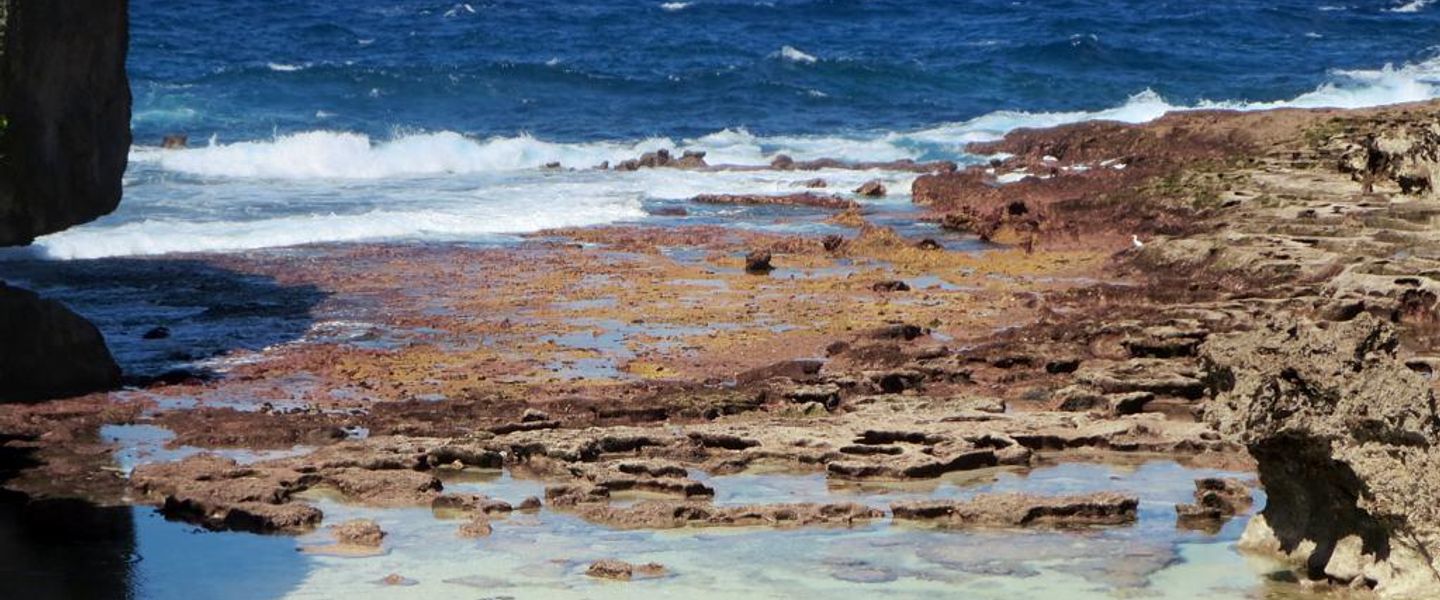


Lily Beach on Christmas Island offers rainforest-fringed coast, quiet swimming conditions and access to a protected Indian Ocean landscape.
Read more about Lily Beach
When is the best time to visit Lily Beach?
Best: June–August · 30°C| Month | High (°C) | Rainfall (mm) |
|---|---|---|
| January | 29 | 150 |
| February | 29 | 140 |
| March | 30 | 130 |
| April | 30 | 120 |
| May | 30 | 110 |
| June (best) | 30 | 100 |
| July (best) | 30 | 90 |
| August (best) | 30 | 101 |
| September | 30 | 111 |
| October | 30 | 121 |
| November | 29 | 130 |
| December | 29 | 140 |
Getting to and around Lily Beach
How to get there
Transportation
Top city travel guides in Lily Beach
The cities of Lily Beach, and the easiest places to base yourself.
-

-

-

-

-


Swipe for more cities
Destinations in Lily Beach
Resorts, valleys and scenic spots worth a trip of their own.
-

-


Swipe for more destinations
Best attractions in Lily Beach
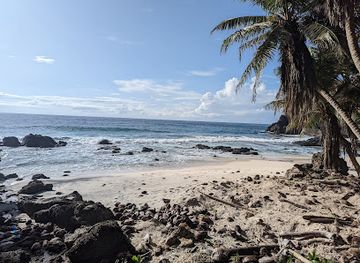
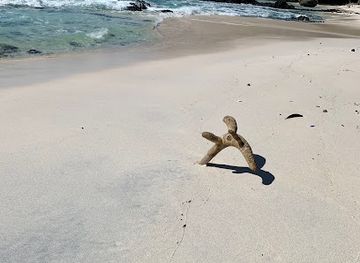
Lily Beach’s attractions are primarily natural and work best as part of a wider Christmas Island National Park itinerary. The beach provides a quiet coastal setting for careful swimming, shore observation and photography when conditions are favourable, while the surrounding rainforest illustrates the island’s unusual limestone ecology. Wildlife watching is a major reason to visit, with red crabs and other land crabs appearing along roads and forest margins at appropriate times of year; sightings should be enjoyed without touching or feeding animals. The nearby southern and eastern coast contains additional forested viewpoints, secluded shorelines and habitats associated with Christmas Island’s endemic birds and plants, although access and sea conditions vary. Visitors interested in geology can observe the relationship between raised coral rock, cliffs and tropical vegetation, while those seeking active recreation should treat walking as a self-sufficient activity requiring water, suitable footwear and awareness of heat and slippery ground. There are no resort amusements or dense museum-and-gallery attractions at Lily Beach itself. Its appeal is the combination of protected habitat, open ocean and limited development, complemented by the island’s broader historical and cultural sites around settled areas elsewhere on Christmas Island.
-
Tourist attraction
Winifred Beach
Experience the untouched beauty of Winifred Beach, a serene paradise on Christmas Island with pristine sands and vibrant marine life.

Best landmarks in Lily Beach
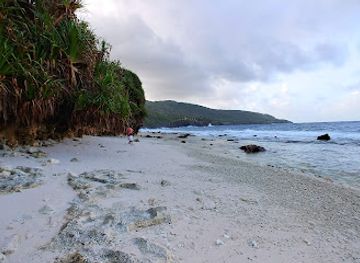
Lily Beach’s principal landmark is the meeting of a narrow tropical shore with Christmas Island’s raised limestone coast. Rather than a monument or historic building, its visual identity comes from forested slopes, pale rock, ocean horizons and the sense of a protected coast with little construction. The surrounding national-park landscape is significant because it preserves habitat for endemic species and the island’s internationally recognised red crab population. The beach should also be read in relation to Christmas Island’s broader geological structure: uplifted coral and limestone have produced cliffs, terraces and caves across the island, distinguishing its shores from ordinary volcanic or continental beaches. There are no major civic buildings or commercial promenades at Lily Beach, and this absence is part of its character. Historic landmarks elsewhere on Christmas Island, including places connected with phosphate mining, wartime occupation and early settlement, provide the island’s built heritage, but they should be visited as separate destinations rather than attributed to Lily Beach. At the beach itself, responsible observation of the coast and forest is more significant than collecting physical souvenirs or altering the landscape.
-
National park
Christmas Island National Park
Explore the breathtaking beauty of Christmas Island National Park, a unique blend of pristine nature and rich biodiversity in the Indian Ocean.
-
Visitor center
Christmas Island Visitor Centre
Discover the unique biodiversity and cultural richness of Christmas Island at the Visitor Centre, your gateway to adventure and education.
-
Tourist attraction
Dolly Beach
Discover the serene beauty of Dolly Beach on Christmas Island, where golden sands meet turquoise waters in a tranquil paradise.
-
Tourist attraction
Ethel Beach
Explore the untouched beauty of Ethel Beach on Christmas Island, a tropical paradise perfect for relaxation, snorkeling, and nature appreciation.



Explore Lily Beach on the map
Plan your trip on one map. See where the top cities, national parks and sights are, and book hotels and experiences in a few clicks.
Best hotels in Lily Beach
Best restaurants in Lily Beach
Lily Beach has no established restaurant strip, café quarter or reliable on-site food service, so visitors should take provisions and remove all rubbish afterwards. Dining associated with a visit normally takes place in the island’s settled communities, especially around Flying Fish Cove, after returning from the coast. Christmas Island’s food culture reflects its multicultural population and remote location, with Asian-influenced home cooking and seafood appearing alongside familiar Australian dishes. Fresh supplies can be limited and availability changes with shipping and flights, so menus and opening arrangements should not be assumed. Picnicking is practical if carried out discreetly and in accordance with park rules, but food should be secured from wildlife and never used to attract crabs or birds. Visitors can ask locally about current cafés, takeaway meals and community-run food events rather than relying on mainland-style choice at this remote beach. The most distinctive culinary context is therefore the island as a whole, not Lily Beach as a dining destination.
-
Bar
The Golden Bosun
Experience the vibrant atmosphere at The Golden Bosun Bar on Christmas Island - where relaxation meets tropical charm in paradise.
-
Chinese
Lucky Ho
Discover the authentic taste of China at Lucky Ho, where every dish tells a story of tradition and flavor in the heart of Christmas Island.
-
Chinese
Le CLA Café and Restaurant
Experience authentic Chinese cuisine at Le CLA Café in beautiful Christmas Island - where flavor meets paradise!
-
Hotel
Swell Lodge
Experience unparalleled comfort and natural beauty at Swell Lodge on Christmas Island - your perfect tropical retreat.


Best bars in Lily Beach
Lily Beach has no bars, clubs or regular evening entertainment. After dark, the area is a quiet natural setting with limited lighting and no dependable services, so visitors should not plan to arrive without transport, supplies and knowledge of their return route. Christmas Island’s modest evening life is concentrated in settled areas, where resident-oriented community activity, casual meals and occasional social gatherings are more relevant than a large tourist nightlife scene. Flying Fish Cove and other inhabited parts of the island may offer the most practical choices for an evening drink or meal, but opening arrangements can vary and should be checked locally. The island’s nocturnal environment can be interesting for responsible wildlife observation, yet visitors must follow park restrictions, avoid disturbing animals and never wander unfamiliar coastal or forest areas in darkness. Lily Beach is best appreciated during daylight, with the evening reserved for settled areas or pre-arranged accommodation.
-
Bar
The Golden Bosun
Experience the vibrant atmosphere and local flavors at The Golden Bosun, a must-visit bar on stunning Christmas Island.
-
Chinese
Lucky Ho
Experience authentic Chinese cuisine at Lucky Ho, a must-visit restaurant on Christmas Island offering a delightful culinary journey amidst stunning natural beauty.
-
Tourist attraction
Dolly Beach
Experience the tranquil beauty of Dolly Beach, a pristine paradise on Christmas Island, with turquoise waters and lush landscapes perfect for relaxation and adventure.
-
Tourist attraction
Ethel Beach
Explore Ethel Beach, a serene paradise on Christmas Island, offering stunning landscapes, vibrant marine life, and endless adventure.


Best nightclubs in Lily Beach
Lily Beach has no bars, clubs or regular evening entertainment. After dark, the area is a quiet natural setting with limited lighting and no dependable services, so visitors should not plan to arrive without transport, supplies and knowledge of their return route. Christmas Island’s modest evening life is concentrated in settled areas, where resident-oriented community activity, casual meals and occasional social gatherings are more relevant than a large tourist nightlife scene. Flying Fish Cove and other inhabited parts of the island may offer the most practical choices for an evening drink or meal, but opening arrangements can vary and should be checked locally. The island’s nocturnal environment can be interesting for responsible wildlife observation, yet visitors must follow park restrictions, avoid disturbing animals and never wander unfamiliar coastal or forest areas in darkness. Lily Beach is best appreciated during daylight, with the evening reserved for settled areas or pre-arranged accommodation.
-
Visitor center
Christmas Island Visitor Centre
Explore the unique wildlife and vibrant culture of Christmas Island at the Visitor Centre, your gateway to unforgettable adventures.
-
Bar
The Golden Bosun
Experience the vibrant atmosphere and refreshing cocktails at The Golden Bosun, your tropical bar retreat on Christmas Island.
-
Tourist attraction
Dolly Beach
Experience the serene beauty of Dolly Beach on Christmas Island, where pristine sands meet crystal-clear waters and lush greenery.
-
Tourist attraction
Ethel Beach
Discover the tranquil beauty of Ethel Beach, a stunning coastal paradise on Christmas Island, perfect for relaxation and adventure alike.
Best shops in Lily Beach
Lily Beach has no shops, market or craft quarter, so shopping must be completed in Christmas Island’s settled areas before travelling to the coast. Visitors may find basic provisions, practical supplies and locally themed souvenirs around the island’s main community, but stock can be limited because Christmas Island depends on imported goods and irregular freight links. Shopping is therefore more functional than resort-oriented. Appropriate souvenirs may include locally produced artwork, books about the island’s wildlife and conservation, or other products sold through established local outlets; visitors should avoid buying coral, shells, protected wildlife material or anything collected from the national park. Food and drinks for a Lily Beach outing should be purchased in advance, with water given priority. The most useful preparation is not a search for beachside retail but checking supplies, fuel and payment arrangements before leaving settled areas. Local businesses and community initiatives can change over time, so ask residents or accommodation providers about current opening arrangements rather than assuming mainland-style retail hours.
-
National park
Christmas Island National Park
Experience the extraordinary landscapes and unique biodiversity of Christmas Island National Park, a hidden gem in the Indian Ocean.
-
International airport
Christmas Island International Airport
Discover the enchanting beauty of Christmas Island, a paradise known for its breathtaking landscapes and unique biodiversity, starting from its international airport.
-
Visitor center
Christmas Island Visitor Centre
Explore the unique beauty and culture of Christmas Island at the Visitor Centre, your gateway to adventure and discovery.
-
Tourist attraction
Dolly Beach
Discover the untouched beauty of Dolly Beach on Christmas Island, where serene sands meet vibrant marine life in a tropical paradise.



Get your free copy of our complete guide to Lily Beach, delivered straight to you.
Everything on this page, from attractions and restaurants to essentials and local phrases, in one PDF you can read offline, print or share.
Already have an account? Sign in
Your Lily Beach guide is ready.
We'll send it to · Not you? Sign out

Getting your guide ready…
We are putting together a fresh copy of the Lily Beach guide. This can take up to a minute.
This can take a few moments. If your browser asks, choose Allow so the download can start. You'll find the guide in your Downloads folder.
Nothing happened? Download it again
Sorry, the guide is taking longer than usual. Please try again in a minute, or get it by email instead.
Lily Beach essentials
Currency and Payment
Safety
Emergency Situations
Do's and Don'ts
Local Tips
From Eve
Local phrases worth knowing
You don't need to get them perfect. A few words go a long way, and locals appreciate the effort.
Basics
| English | Local | Say it |
|---|---|---|
| Hello | G'day | [g'day] |
| Goodbye | See ya | [see ya] |
| Yes | Yeah | [yeah] |
| No | Nah | [nah] |
| Please/You're welcome | No worries | [no worries] |
| Thank you | Thanks | [thanks] |
| Excuse me/Sorry | Sorry mate | [sorry mate] |
| How are you? | How ya going? | [how ya going] |
| Fine. And you? | Good, you? | [good, you?] |
| Do you speak English? | You speak English? | [you speak English?] |
| I don't understand | I don't get it | [I don't get it] |
Eating & Drinking
| English | Local | Say it |
|---|---|---|
| I'd like to see the menu, please | Can I see the menu? | [can I see the menu?] |
| I don't eat meat | I'm vegetarian | [I'm vegetarian] |
| Cheers! | Cheers! | [cheers] |
| I would like to pay, please | Can I get the bill? | [can I get the bill?] |
Emergencies
| English | Local | Say it |
|---|---|---|
| Help! | Help! | [help] |
| Go away! | Leave me alone! | [leave me alone] |
| Call the Police! | Call the cops! | [call the cops] |
| Call a doctor! | Need a doctor! | [need a doctor] |
| I'm lost | I'm lost | [I'm lost] |
| I'm ill | I'm not feeling well | [I'm not feeling well] |
Shopping
| English | Local | Say it |
|---|---|---|
| I'd like to buy... | I want to buy... | [I want to buy...] |
| I'm just looking | Just browsing | [just browsing] |
| How much is it? | How much? | [how much?] |
| That's too expensive | That's pricey | [that's pricey] |
| Can you lower the price? | Can you do a better price? | [can you do a better price?] |
Time & Numbers
| English | Local | Say it |
|---|---|---|
| What time is it? | What's the time? | [what's the time?] |
| It's one o'clock | It's one | [it's one] |
| Half past (10) | Half past ten | [half past ten] |
| Morning | Morning | [morning] |
| Afternoon | Arvo | [arvo] |
| Evening | Evening | [evening] |
| Yesterday | Yesterday | [yesterday] |
| Today | Today | [today] |
| Tomorrow | Tomorrow | [tomorrow] |
| 1 | One | [one] |
| 2 | Two | [two] |
| 3 | Three | [three] |
| 4 | Four | [four] |
| 5 | Five | [five] |
| 6 | Six | [six] |
| 7 | Seven | [seven] |
| 8 | Eight | [eight] |
| 9 | Nine | [nine] |
| 10 | Ten | [ten] |
Transport & Directions
| English | Local | Say it |
|---|---|---|
| Where's a/the...? | Where's the...? | [where's the...?] |
| What's the address? | What's the address? | [what's the address?] |
| Can you show me (on the map)? | Can you point it out? | [can you point it out?] |
| When's the next (bus)? | When's the next bus? | [when's the next bus?] |
| A ticket (to ....) | A ticket to... | [a ticket to...] |
History of Lily Beach
Raised coral island and traditional ocean setting
Christmas Island is the exposed summit of a submerged volcanic formation capped by uplifted limestone and coral material. Its isolation in the Indian Ocean produced a distinctive ecosystem with many species found nowhere else. Before permanent European administration, the island was known to passing mariners and formed part of the wider maritime world of the Indian Ocean. Lily Beach’s cliffs, forest and reef are physical expressions of this geological and ecological history rather than remnants of a built settlement.
European sighting and naming, 1643
English navigator William Mynors recorded Christmas Island on Christmas Day in 1643, giving the island its present name. The sighting did not lead to immediate permanent settlement, and for centuries the island remained remote from the main routes of European colonisation. Its steep shores, forested interior and limited natural harbours made access difficult. Lily Beach belongs to this largely undeveloped coastal landscape, where natural geography continued to shape human use.
Phosphate discovery and colonial development
Commercially valuable phosphate was identified on Christmas Island in the late nineteenth century, leading to permanent settlement and an export industry under British control. Mining transformed the island’s population, infrastructure and economy, with workers arriving from several parts of Asia as well as Europe. Extraction was concentrated in particular districts rather than at Lily Beach itself, but the roads, administration and settlement pattern created by the phosphate industry influenced access to the island’s wider coast and forest.
Japanese occupation during the Second World War
Japanese forces occupied Christmas Island from 1942 until 1945 after the island’s phosphate industry and strategic position drew wartime attention. The occupation disrupted mining and caused hardship for residents, while the island’s communications and movement were placed under military control. Evidence of the wider wartime period survives in historic sites and local memory around Christmas Island. Lily Beach remains primarily a natural place, but its setting forms part of an island shaped by this period of military interruption.
Transfer to Australian administration, 1958
Christmas Island was transferred from British to Australian administration in 1958. The change established the constitutional framework under which the island is governed today as an Australian external territory, with Australian laws and services applying alongside local institutions and conditions. Its economy continued to be associated with phosphate for decades, while government and conservation became increasingly important. Visitors at Lily Beach therefore encounter an Australian-administered territory with a history distinct from mainland Australia.
From extraction towards conservation and nature tourism
Mining remains part of Christmas Island’s modern history, but conservation has become increasingly central to the island’s identity and visitor economy. Christmas Island National Park protects much of the island’s rainforest, coast and wildlife habitat, including landscapes around Lily Beach. The red crab migration and the island’s endemic species have brought international attention to its natural environment. Contemporary visits require a balance between access and protection, since roads, beaches and forest tracks cross habitats that are ecologically fragile.
Lily Beach in Photos
Browse through our photo collection highlighting the charm and character of the destination.
Neighbouring regions of Lily Beach
The closest regions to Lily Beach, if you have time for more than one.
-

-

-

-

-


Swipe for more regions
Explore more

Explore more of Christmas Island
Discover Christmas Island: A tropical paradise with stunning beaches, unique wildlife, and a rich cultural heritage. Perfect for nature lovers and adventure seekers.
Explore Christmas Island