

Free Ethel Beach Travel Guide & Mobile App
Explore Ethel Beach with free travel guides. Discover regional history, expert tips, proposed trips, and audio guides on web or mobile app.


Ethel Beach on Christmas Island offers rainforest-fringed coast, turtle habitat, rugged limestone scenery and a quiet alternative to developed beaches.
Read more about Ethel Beach
When is the best time to visit Ethel Beach?
Best: May–July · 28°C| Month | High (°C) | Rainfall (mm) |
|---|---|---|
| January | 28 | 250 |
| February | 28 | 250 |
| March | 28 | 200 |
| April | 28 | 150 |
| May (best) | 28 | 100 |
| June (best) | 28 | 100 |
| July (best) | 28 | 100 |
| August | 28 | 100 |
| September | 28 | 100 |
| October | 28 | 150 |
| November | 28 | 200 |
| December | 28 | 250 |
Getting to and around Ethel Beach
How to get there
Transportation
Top city travel guides in Ethel Beach
The cities of Ethel Beach, and the easiest places to base yourself.
-

-

-

-

-


Swipe for more cities
Destinations in Ethel Beach
Resorts, valleys and scenic spots worth a trip of their own.
-

-


Swipe for more destinations
Best attractions in Ethel Beach
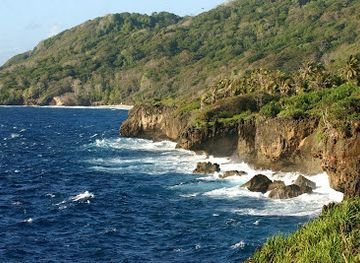
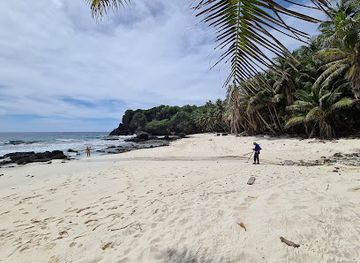
Ethel Beach’s attractions are chiefly ecological and scenic. The beach itself provides a striking meeting point between tropical forest, limestone coastal terrain and the open Indian Ocean, while the approach can reveal the dense vegetation and wildlife that make Christmas Island nationally significant. Visitors may encounter red crabs and other land crabs on nearby forest routes, although sightings depend on season, rainfall and movement patterns. Marine turtles use parts of the island’s coastline for nesting, but encounters should always be passive and distant. The area is also suited to quiet photography, landscape observation and short exploratory walks where routes are open. There are no purpose-built family attractions, cafés or watersports operators at Ethel Beach, and the absence of development is central to its character. It works best as one stop within a broader Christmas Island programme that includes rainforest, coastal viewpoints, historic mining landscapes and the island’s settlements. Weather, erosion and conservation measures can affect access, so the most rewarding visit begins with current local information and realistic expectations of a wild, lightly serviced shore.
-
Tourist attraction
Christmas Island National Park
Explore the stunning landscapes and unique wildlife of Christmas Island National Park, a hidden gem in the Indian Ocean perfect for nature enthusiasts.
-
Visitor center
Christmas Island Visitor Centre
Discover the wonders of Christmas Island at the Visitor Centre, your gateway to unique wildlife and breathtaking landscapes.
-
Tourist attraction
The Grotto
Experience the breathtaking beauty of The Grotto on Christmas Island, a natural wonder offering adventure and tranquility amidst stunning landscapes.
-
Tourist attraction
The Blowholes
Discover the breathtaking power of nature at The Blowholes on Christmas Island, where the ocean erupts in spectacular displays of water and beauty.
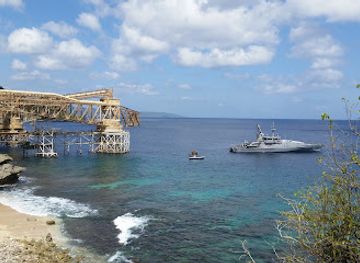
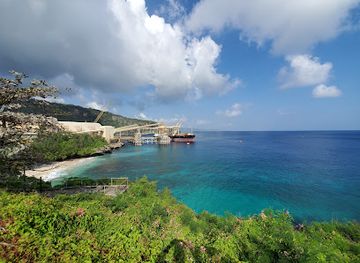
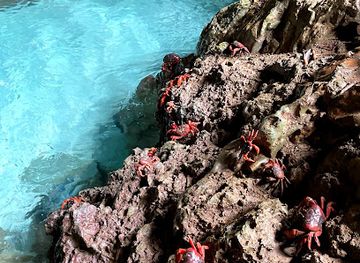
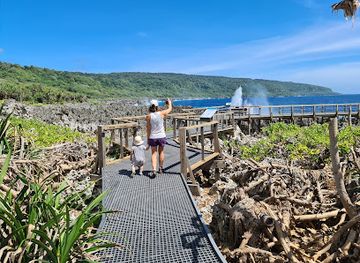
Best landmarks in Ethel Beach
Ethel Beach is itself the defining landmark: a remote strip of Indian Ocean shoreline framed by Christmas Island’s distinctive limestone coast and tropical forest. Its significance lies less in built architecture than in the way it expresses the island’s geology and protected natural character. The surrounding cliffs and forested slopes reveal the elevated coral-limestone structure that shapes much of the island’s coast, while the open southern seaward aspect gives the beach a notably exposed appearance. Nearby track entrances, viewing points and coastal formations should be treated as parts of a managed natural site rather than as independent monuments, since routes and access can change. There are no historic houses, piers or commercial structures at Ethel Beach, and that lack of development is an important part of its visual identity. For architectural and mining landmarks, visitors need to travel elsewhere on Christmas Island, particularly towards the established settlements and former industrial areas; these should not be confused with landmarks within the Ethel Beach coastal setting.
-
National park
Christmas Island National Park
Uncover the natural beauty and unique wildlife of Christmas Island National Park, a serene escape into paradise.
-
Visitor center
Christmas Island Visitor Centre
Discover the unique wildlife and rich culture of Christmas Island at the Visitor Centre, your gateway to adventure and exploration.
-
Tourist attraction
Dolly Beach
Explore the untouched beauty of Dolly Beach on Christmas Island, a serene escape with breathtaking views and vibrant marine life.
-
Tourist attraction
Lily Beach
Discover Lily Beach on Christmas Island: dramatic cliffs, tranquil rock pools, and stunning coastal views await in this island paradise.



Explore Ethel Beach on the map
Plan your trip on one map. See where the top cities, national parks and sights are, and book hotels and experiences in a few clicks.
Best hotels in Ethel Beach
Best restaurants in Ethel Beach
There are no restaurants, cafés or food stalls at Ethel Beach, so visitors should eat before leaving the island’s settled areas and carry all provisions in reusable containers. Dining on Christmas Island is concentrated around accommodation providers and the main communities, particularly Settlement and Flying Fish Cove, where menus reflect the island’s multicultural population and Australian setting. Visitors may find Asian-influenced home-style cooking, familiar Australian meals, seafood when locally available, takeaway food and simple café fare, but the range and opening arrangements are limited compared with a mainland destination. Fresh supplies can depend on shipping and air freight, making advance planning sensible for self-catering. Do not leave fruit, wrappers or scraps at the beach: food waste can attract wildlife and harm the protected environment. A picnic can suit a daytime visit, provided everything is packed out and prepared without disturbing crabs, birds or turtle habitat.
-
Visitor center
Christmas Island Visitor Centre
Explore Christmas Island's natural beauty and cultural richness at the Visitor Centre - your gateway to unforgettable adventures.
-
Bar
The Golden Bosun
Experience vibrant nightlife at The Golden Bosun on Christmas Island – where stunning views meet refreshing drinks in a tropical paradise.
-
Chinese
Lucky Ho
Experience authentic Chinese cuisine in the heart of Christmas Island at Lucky Ho - where flavor meets hospitality.
-
Tourist attraction
Dolly Beach
Explore Dolly Beach: A Tropical Paradise on Christmas Island with Pristine Sands and Vibrant Marine Life.


Best bars in Ethel Beach
Ethel Beach has no bar, nightclub or evening entertainment, and its remote setting makes it unsuitable for an unplanned night visit. Christmas Island’s modest nightlife is centred on licensed premises, restaurants and community venues in the main settlements, particularly around Flying Fish Cove and Settlement, with activity shaped by the island’s small population and visiting workforce rather than by a large tourist club scene. Evening options may include a quiet drink, dinner, social gatherings or occasional community events, but services and opening arrangements can vary. Visitors should not expect a dedicated seafront nightlife district or late transport to remote beaches. If returning from the coast after sunset, take care on unlit roads, watch for wildlife and confirm that the route is open. The natural environment is often the island’s most compelling evening setting, but night walks or turtle observation should only be undertaken with appropriate local guidance and without using disruptive lights.
-
Bar
The Golden Bosun
Experience the vibrant atmosphere and local flavors at The Golden Bosun, your go-to bar on Christmas Island for relaxation and entertainment.
-
Chinese
Lucky Ho
Experience the authentic flavors of Chinese cuisine at Lucky Ho on Christmas Island, where every dish tells a story of tradition and taste.
-
Tourist attraction
Dolly Beach
Discover the stunning beauty of Dolly Beach, a tropical paradise on Christmas Island known for its pristine sands and vibrant marine life.
-
Tourist attraction
Lily Beach
Experience the tranquil beauty of Lily Beach, a stunning tourist attraction on Christmas Island, perfect for relaxation and exploration.


Best nightclubs in Ethel Beach
Ethel Beach has no bar, nightclub or evening entertainment, and its remote setting makes it unsuitable for an unplanned night visit. Christmas Island’s modest nightlife is centred on licensed premises, restaurants and community venues in the main settlements, particularly around Flying Fish Cove and Settlement, with activity shaped by the island’s small population and visiting workforce rather than by a large tourist club scene. Evening options may include a quiet drink, dinner, social gatherings or occasional community events, but services and opening arrangements can vary. Visitors should not expect a dedicated seafront nightlife district or late transport to remote beaches. If returning from the coast after sunset, take care on unlit roads, watch for wildlife and confirm that the route is open. The natural environment is often the island’s most compelling evening setting, but night walks or turtle observation should only be undertaken with appropriate local guidance and without using disruptive lights.
-
Bar
The Golden Bosun
Discover the vibrant atmosphere of The Golden Bosun, a must-visit bar in Christmas Island offering great drinks, snacks, and breathtaking views.
-
Chinese
Lucky Ho
Discover authentic Chinese flavors at Lucky Ho, a top-rated restaurant in Christmas Island, perfect for a memorable dining experience.
-
Tourist attraction
Dolly Beach
Explore the serene beauty of Dolly Beach on Christmas Island, where stunning landscapes and rich biodiversity create an unforgettable getaway.
-
Hotel
Swell Lodge
Discover tranquility and adventure at Swell Lodge, a serene retreat on Christmas Island surrounded by breathtaking nature and local wildlife.


Best shops in Ethel Beach
Ethel Beach has no shops, market or craft outlet, so shopping must be completed in Christmas Island’s main settlements before travelling to the coast. Retail options on the island are limited and practical, with small stores and service businesses supplying food, drinks, toiletries, outdoor necessities and basic travel requirements rather than a large range of international brands. Visitors may also encounter locally themed souvenirs, wildlife imagery and products connected with Christmas Island’s natural and cultural identity, although stock can vary with supply deliveries. Buy only what is needed for the beach and take all packaging home or back to an appropriate settlement disposal point. For a more local purchase, look for island-produced or community-related goods when available, while remembering that not every item labelled with the island’s name is locally made. Australian dollars are used, and card facilities cannot be assumed at every small business.
-
Visitor center
Christmas Island Visitor Centre
Explore the natural beauty and cultural heritage of Christmas Island at the Visitor Centre, your gateway to unforgettable experiences.
-
Tourist attraction
Dolly Beach
Discover the stunning beauty and diverse marine life at Dolly Beach, a must-visit destination on Christmas Island.
-
Tourist attraction
Lily Beach
Lily Beach on Christmas Island: A breathtaking tourist attraction with stunning waters, vibrant marine life, and perfect relaxation spots.
-
Cafe
Smash Espresso Bar
Experience the rich flavors of Christmas Island at Smash Espresso Bar, where every cup of coffee tells a story and breakfast is a delight.


Get your free copy of our complete guide to Ethel Beach, delivered straight to you.
Everything on this page, from attractions and restaurants to essentials and local phrases, in one PDF you can read offline, print or share.
Already have an account? Sign in
Your Ethel Beach guide is ready.
We'll send it to · Not you? Sign out

Getting your guide ready…
We are putting together a fresh copy of the Ethel Beach guide. This can take up to a minute.
This can take a few moments. If your browser asks, choose Allow so the download can start. You'll find the guide in your Downloads folder.
Nothing happened? Download it again
Sorry, the guide is taking longer than usual. Please try again in a minute, or get it by email instead.
Ethel Beach essentials
Currency and Payment
Safety
Emergency Situations
Do's and Don'ts
Local Tips
From Eve
Local phrases worth knowing
You don't need to get them perfect. A few words go a long way, and locals appreciate the effort.
Basics
| English | Local | Say it |
|---|---|---|
| Hello | Aloha | [ah-LOH-hah] |
| Goodbye | A hui hou | [ah HOO-ee hoh] |
| Yes | Ae | [ah-eh] |
| No | Aole | [ah-OH-leh] |
| Please/You're welcome | E kala mai | [eh KAH-lah my] |
| Thank you | Mahalo | [mah-HAH-loh] |
| Excuse me/Sorry | E kala mai | [eh KAH-lah my] |
| How are you? | Pehea ʻoe? | [peh-HEH-ah oh-eh] |
| Fine. And you? | Maika'i. A ʻoe? | [my-KAH-ee. ah oh-eh] |
| Do you speak English? | E ʻōlelo ana ʻoe i ke ʻōlelo Pelekania? | [eh OH-leh-loh AH-nah oh-eh ee keh oh-LEH-loh peh-leh-KAH-nee-ah] |
| I don't understand | Aʻole au e ʻike | [ah-OH-leh ow eh EE-keh] |
Eating & Drinking
| English | Local | Say it |
|---|---|---|
| I'd like to see the menu, please | E makemake ana au e ʻike i ka menu, please | [eh mah-kah-MEH ah-nah ow eh EE-keh ee kah MEN-oo, please] |
| I don't eat meat | Aʻole au eʻai i ka mea ʻai | [ah-OH-leh ow eh-EYE ee kah MAY-ah ah-EE] |
| Cheers! | Kamaʻāina! | [kah-mah-AH-ee-nah] |
| I would like to pay, please | E makemake ana au e noho i ka uku, please | [eh mah-kah-MEH ah-nah ow eh NOH-hoh ee kah OO-koo, please] |
Emergencies
| English | Local | Say it |
|---|---|---|
| Help! | Kōkua! | [KOH-koo-ah] |
| Go away! | E hele i kahi! | [eh HEH-leh ee KAH-hee] |
| Call the Police! | Kipa i ke Kānaka ʻĀkau! | [KEE-pah ee keh KAH-nah-kah AH-kau] |
| Call a doctor! | Kipa i ke Kauka! | [KEE-pah ee keh KAU-kah] |
| I'm lost | Aia au i kahi lōʻihi | [AH-ee-ah ow ee KAH-hee LOH-ee-hee] |
| I'm ill | E ʻoluʻolu mai | [eh OH-loo-OH-loo my] |
Shopping
| English | Local | Say it |
|---|---|---|
| I'd like to buy... | E makemake ana au e kūʻai i... | [eh mah-kah-MEH ah-nah ow eh KOO-ee ee...] |
| I'm just looking | Ke nānā wale aku au | [keh NAH-nah WAH-leh ah-KOO ow] |
| How much is it? | Ehia kēia? | [eh-HEE-ah keh-EE-ah] |
| That's too expensive | O nā mea ʻoi aku ka uku | [oh nah MAY-ah OY ah-KOO kah OO-koo] |
| Can you lower the price? | E hiki anei iā ʻoe ke hoʻemi i ka uku? | [eh HEE-kee ah-NEI ee-YAH oh-eh keh HOH-eh-mee ee kah OO-koo] |
Time & Numbers
| English | Local | Say it |
|---|---|---|
| What time is it? | He aha ka hora? | [he AH-hah kah HOH-rah] |
| It's one o'clock | He hoʻokahi o ka hora | [he HOH-oh-kah-hee oh kah HOH-rah] |
| Half past (10) | Kāleka hapaha (10) | [KAH-leh-kah hah-PAH-hah (10)] |
| Morning | Komo mai | [KOH-moh my] |
| Afternoon | Aloha ʻauinalā | [ah-LOH-hah ah-EE-noh-lah] |
| Evening | Kū i ke aumoe | [KOO ee keh ah-OO-moh-eh] |
| Yesterday | I nehinei | [ee neh-HEE-neh] |
| Today | I kēia lā | [ee keh-EE-ah lah] |
| Tomorrow | I ka lā ʻapōpō | [ee kah lah ah-POH-poh] |
| 1 | Kahi | [KAH-hee] |
| 2 | Elua | [eh-LOO-ah] |
| 3 | Ekolu | [eh-KOH-loo] |
| 4 | Eha | [eh-HAH] |
| 5 | Elima | [eh-LEE-mah] |
| 6 | Eono | [eh-OH-noh] |
| 7 | Ehe | [eh-HEH] |
| 8 | Ewalu | [eh-WAH-loo] |
| 9 | Eiwa | [eh-EE-wah] |
| 10 | Umi | [OO-mee] |
Transport & Directions
| English | Local | Say it |
|---|---|---|
| Where's a/the...? | Aia i hea ka...? | [AH-ee-ah ee HEH-ah kah...?] |
| What's the address? | He aha ka helu? | [he AH-hah kah HEL-oo] |
| Can you show me (on the map)? | E hiki anei iā ʻoe e hōʻike mai iaʻu (ma ke ʻāina)? | [eh HEE-kee ah-NEI ee-YAH oh-eh eh HOH-eh-kee my ee-AH-oo (mah keh AH-ee-nah)?] |
| When's the next (bus)? | Kāhea ka bus aʻe? | [KAH-heh-ah kah bus AH-eh] |
| A ticket (to ....) | He pepa kuʻuna (i ...) | [he PEH-pah KOO-oo-nah (ee ...)] |
History of Ethel Beach
An Oceanic Island Formed on a Seamount
Christmas Island is the elevated summit of an undersea mountain in the eastern Indian Ocean. Its limestone terraces, cliffs and caves developed over geological time as coral and marine sediments accumulated and the island rose relative to sea level. Around Ethel Beach, steep coastal relief and exposed shoreline reflect this geological setting. The island’s isolation also encouraged the evolution of distinctive plants and animals, helping explain why its forests and crab populations are so important to modern conservation.
Early Voyages and European Naming
The island was recorded by European navigators in the seventeenth century and named Christmas Island after its sighting on Christmas Day in 1643. For many generations it remained remote from permanent settlement, although its position in the Indian Ocean placed it within wider maritime routes linking Asia and Europe. The difficult coastline, including the rough southern shore near Ethel Beach, offered little shelter for regular landing and contributed to the island’s limited early development.
Phosphate Mining and Permanent Settlement
Commercial phosphate deposits transformed Christmas Island from an isolated island into a mining territory in the late nineteenth century. Permanent settlement expanded around the industry, with workers arriving from different parts of Asia and from Australia. Mining shaped roads, housing, employment and the island’s social composition, while extraction also altered parts of the interior. Ethel Beach lies in a landscape where forest conservation and the legacy of mining exist close together, even though the beach itself is valued primarily for its natural setting.
Japanese Occupation during the Second World War
Japanese forces occupied Christmas Island from 1942 until 1945, disrupting the mining settlement and placing residents within the wider conflict in the Indian Ocean and Southeast Asia. The occupation brought hardship, forced labour and severe shortages. After the war, administration and mining operations were restored, but the period remained an important part of the island’s collective history. Visitors encounter this past through historical interpretation across the island rather than through a single memorial at Ethel Beach.
Transfer to Australian Administration
Christmas Island was transferred from British to Australian administration in 1958 and is now an Australian external territory. This change brought closer links with Australian government services while the island retained a distinct multicultural population and Indian Ocean identity. Administrative arrangements, conservation policy and infrastructure have continued to evolve, influencing how remote places such as Ethel Beach are managed and accessed.
National Park and Conservation
Christmas Island National Park was declared in 1980, placing much of the island’s rainforest, coastline and wildlife habitat under formal protection. Conservation work has focused on endemic species, seabirds, land crabs, marine turtles and the control of invasive animals and plants. Ethel Beach is part of this protected coastal environment, so access, walking routes and visitor behaviour are governed by ecological considerations as well as practical safety. The island’s natural heritage is now central to its identity alongside its mining history.
Ethel Beach in Photos
Browse through our photo collection highlighting the charm and character of the destination.
Neighbouring regions of Ethel Beach
The closest regions to Ethel Beach, if you have time for more than one.
-

-

-

-

-


Swipe for more regions
Explore more

Explore more of Christmas Island
Discover Christmas Island: A tropical paradise with stunning beaches, unique wildlife, and a rich cultural heritage. Perfect for nature lovers and adventure seekers.
Explore Christmas Island