

Free Murray Hill Travel Guide & Mobile App
Explore Murray Hill with free travel guides. Discover regional history, expert tips, proposed trips, and audio guides on web or mobile app.


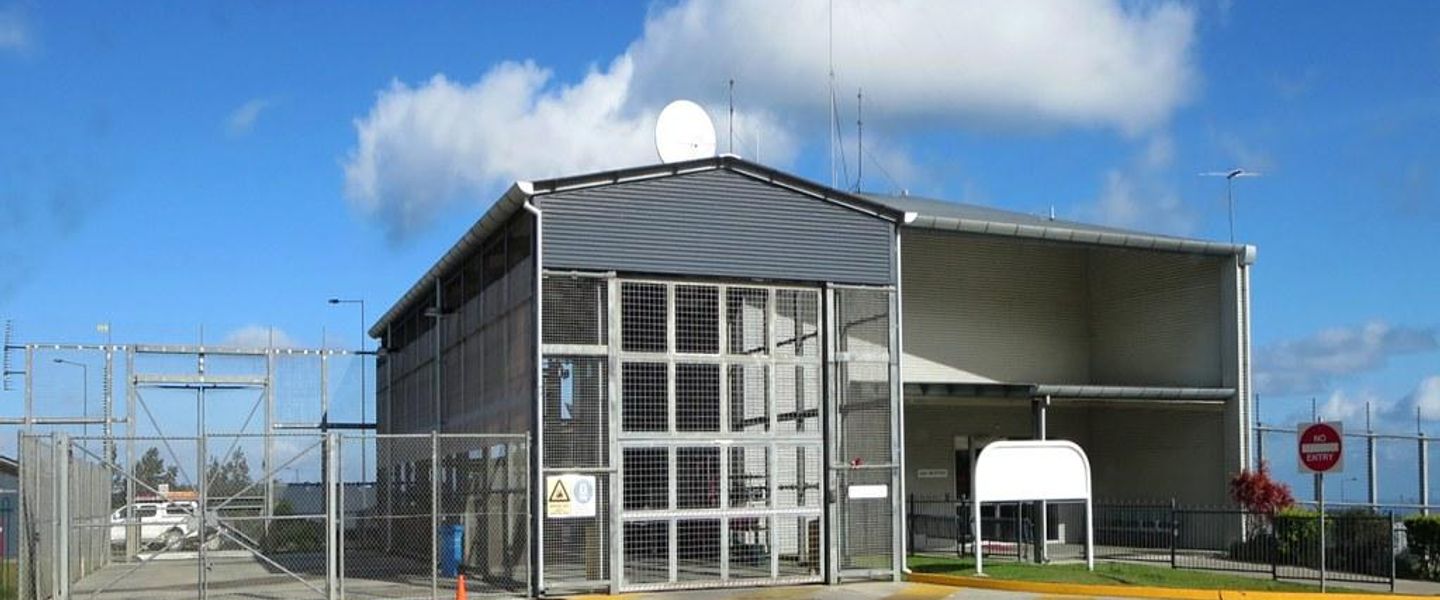


Murray Hill reveals Christmas Island’s rainforest plateau, highest summit, phosphate heritage and protected wildlife landscapes in Australia’s Indian Ocean territory.
Read more about Murray Hill
When is the best time to visit Murray Hill?
Best: June–August · 31–32°C| Month | High (°C) | Rainfall (mm) |
|---|---|---|
| January | 31 | 150 |
| February | 32 | 140 |
| March | 32 | 130 |
| April | 33 | 120 |
| May | 32 | 110 |
| June (best) | 32 | 100 |
| July (best) | 31 | 90 |
| August (best) | 31 | 90 |
| September | 32 | 100 |
| October | 32 | 110 |
| November | 33 | 120 |
| December | 32 | 130 |
Getting to and around Murray Hill
How to get there
Transportation
Top city travel guides in Murray Hill
The cities of Murray Hill, and the easiest places to base yourself.

Swipe for more cities
Destinations in Murray Hill
Resorts, valleys and scenic spots worth a trip of their own.

Swipe for more destinations
Best attractions in Murray Hill
Murray Hill’s attractions are primarily ecological and landscape-based. The summit and surrounding upland forest provide a sense of Christmas Island’s elevated interior, where dense rainforest, limestone terrain and seasonal wildlife activity replace the coastal views found around the settlements. Access to particular tracks can change, so visitors should consult local authorities or park staff rather than treating every mapped route as open. The broader Christmas Island National Park is the area’s principal natural setting, protecting endemic plants, seabirds, reptiles, land crabs and unusual cave environments. The locality also helps explain the island’s phosphate story: roads, cleared ground and other industrial traces contrast with vigorous forest regeneration. Visitors interested in nature can look for the island’s distinctive red crabs and other endemic wildlife without disturbing them, while those interested in history can combine Murray Hill with the island’s former mining areas and coastal loading landscape. There are few developed attractions, retail facilities or organised entertainment venues in Murray Hill itself; its appeal lies in quiet observation, forest walking where permitted and understanding how conservation and extraction have shaped the plateau.
-
Tourist attraction
Dolly Beach
Discover the serene beauty of Dolly Beach on Christmas Island, a hidden gem perfect for relaxation, snorkeling, and exploring unique ecosystems.
-
Tourist attraction
Ethel Beach
Discover the unspoiled beauty of Ethel Beach on Christmas Island, where tranquil waters meet stunning natural landscapes for the perfect getaway.
-
Tourist attraction
The Blowholes
Experience the breathtaking natural spectacle of the Blowholes on Christmas Island, a must-see attraction for every traveler seeking adventure and beauty.
-
Tourist attraction
Greta Beach
Experience the serene allure of Greta Beach on Christmas Island, a hidden paradise perfect for relaxation, exploration, and breathtaking views.


Best landmarks in Murray Hill
Murray Hill itself is the principal geographical landmark, rising to approximately 361 metres and forming the highest point on Christmas Island. Its significance is less architectural than topographical: the summit represents the island’s central limestone plateau and places the surrounding rainforest in context. The forested uplands around it are also important as part of the island’s protected ecological landscape, particularly for endemic species and the annual movement of red crabs. Beyond the summit, the wider Murray Hill area carries a quieter industrial landmark value. Cleared corridors, old mining infrastructure and altered terrain recall the phosphate industry that created permanent settlement and shaped the island’s economy for more than a century. These traces should be viewed from authorised public areas because abandoned workings and restricted land can be hazardous. Unlike Flying Fish Cove, Murray Hill has no concentration of civic buildings, churches or historic streets; its identity is defined by altitude, forest and the meeting of conservation with mining history.
-
National park
Christmas Island National Park
Explore the breathtaking landscapes and unique wildlife of Christmas Island National Park, a hidden gem in the Indian Ocean ideal for nature lovers and adventurers.
-
Visitor center
Christmas Island Visitor Centre
Explore the unique landscapes and rich culture of Christmas Island at the Visitor Centre, your essential guide to this tropical paradise.
-
Tourist attraction
Dolly Beach
Discover the serene beauty of Dolly Beach on Christmas Island, a hidden gem perfect for snorkeling, sunbathing, and witnessing nature's wonders.
-
Tourist attraction
Ethel Beach
Discover the stunning Ethel Beach, a tropical paradise on Christmas Island, perfect for relaxation and snorkeling adventures amidst vibrant marine life.


Explore Murray Hill on the map
Plan your trip on one map. See where the top cities, national parks and sights are, and book hotels and experiences in a few clicks.
Best hotels in Murray Hill
Best restaurants in Murray Hill
Murray Hill has no established restaurant quarter and very limited visitor services, so meals should normally be arranged in the island’s settled districts before travelling inland. Flying Fish Cove and nearby communities provide the main choice of cafés, takeaway food, home-style cooking and community-oriented dining, although availability can be limited and subject to supply shipments. The island’s food culture reflects its Chinese and Malay heritage alongside broader Australian influences, with rice-based dishes, noodles, seafood, curries and practical takeaway meals commonly more relevant than a formal regional cuisine identified solely with Murray Hill. Fresh fish may appear when local catches and supply conditions allow, while groceries and packed lunches are important for excursions. Visitors staying in self-catering accommodation should plan purchases in advance, since the island is remote and product ranges can be narrower and more expensive than on mainland Australia. Dining arrangements are particularly important on public holidays, during local events and when flights or freight are disrupted.
-
Bar
The Golden Bosun
Experience tropical bliss at The Golden Bosun on Christmas Island – where great drinks meet stunning views.
-
Chinese
Lucky Ho
Experience the rich flavors of traditional Chinese cuisine at Lucky Ho on beautiful Christmas Island.
-
Chinese
Le CLA Café and Restaurant
Discover authentic Chinese flavors and stunning views at Le CLA Café on Christmas Island.
-
Restaurant
Idah Kitchen
Experience authentic island cuisine at Idah Kitchen in Christmas Island – where fresh flavors meet stunning scenery.


Best bars in Murray Hill
Murray Hill does not have a dedicated nightlife scene. Evening activity on Christmas Island is concentrated in the settled communities, especially around Flying Fish Cove, where licensed venues, community gatherings, restaurants and informal social occasions provide a quieter alternative to a city club circuit. Traditional Australian-style pubs or bars may be part of the island’s social life, but visitors should verify current opening arrangements rather than expect late-night service. Chinese and Malay community events, sporting activities and cultural gatherings can be as significant as commercial nightlife, depending on the calendar. After dark, the interior around Murray Hill is mainly a place for rest and, where conditions permit, observing the forest environment; it is not suitable for unplanned driving or walking on unfamiliar tracks. Alcohol should never be combined with remote-road driving, and visitors should respect residential areas and local community spaces.
-
Bar
The Golden Bosun
Discover vibrant nightlife and refreshing drinks at The Golden Bosun, the ideal bar for tourists in Christmas Island.
-
Chinese
Lucky Ho
Experience the rich flavors of authentic Chinese cuisine at Lucky Ho on Christmas Island, where every dish tells a story.
-
Chinese
Le CLA Café and Restaurant
Experience the best of Chinese cuisine at Le CLA Café and Restaurant, a culinary gem in Christmas Island, perfect for any food lover.
-
Restaurant
Idah Kitchen
Experience the flavors of Christmas Island at Idah Kitchen, where local cuisine meets warm hospitality in a cozy setting.


Best nightclubs in Murray Hill
Murray Hill does not have a dedicated nightlife scene. Evening activity on Christmas Island is concentrated in the settled communities, especially around Flying Fish Cove, where licensed venues, community gatherings, restaurants and informal social occasions provide a quieter alternative to a city club circuit. Traditional Australian-style pubs or bars may be part of the island’s social life, but visitors should verify current opening arrangements rather than expect late-night service. Chinese and Malay community events, sporting activities and cultural gatherings can be as significant as commercial nightlife, depending on the calendar. After dark, the interior around Murray Hill is mainly a place for rest and, where conditions permit, observing the forest environment; it is not suitable for unplanned driving or walking on unfamiliar tracks. Alcohol should never be combined with remote-road driving, and visitors should respect residential areas and local community spaces.
-
Grill
Tracks Tavern
Experience the flavors of Christmas Island at Tracks Tavern, a vibrant grill restaurant perfect for food lovers and social gatherings.
-
Pub
Rumah Tinggi
Experience the local charm and lively atmosphere at Rumah Tinggi, a popular pub on Christmas Island, perfect for a refreshing drink and socializing.

Best shops in Murray Hill
Shopping is not a feature of Murray Hill itself. Visitors should buy food, water, fuel and outdoor necessities in Christmas Island’s settled districts, particularly before travelling to the inland plateau. Retail options across the territory are limited compared with mainland Australia, reflecting the island’s small population, distance from suppliers and irregular freight logistics. In the wider community, practical groceries, takeaway provisions, locally themed souvenirs and small gifts are more relevant than large shopping centres or designer retail. Products connected with Christmas Island’s wildlife and landscape may be available through local businesses or community initiatives, but visitors should choose responsibly and never buy shells, coral, plants, live animals or historic mining material collected from the environment. Local shops and community events can also offer insight into the island’s Chinese and Malay heritage, although stock and opening arrangements vary. For a Murray Hill excursion, the most useful purchases are durable provisions rather than souvenirs.
-
National park
Christmas Island National Park
Discover the natural wonders of Christmas Island National Park, a UNESCO biosphere reserve showcasing unique wildlife and stunning landscapes.
-
Visitor center
Christmas Island Visitor Centre
Discover the unique biodiversity and cultural heritage of Christmas Island at the Visitor Centre, your gateway to unforgettable adventures.
-
Grocery store
Christmas Island Supermarket
Experience the unique flavors and vibrant atmosphere of Christmas Island at the local supermarket, a must-visit for every traveler.
-
Hiking area
West White Beach Trailhead
Experience the natural beauty of Christmas Island at West White Beach Trailhead, where stunning landscapes and unique wildlife await every hiker.


Get your free copy of our complete guide to Murray Hill, delivered straight to you.
Everything on this page, from attractions and restaurants to essentials and local phrases, in one PDF you can read offline, print or share.
Already have an account? Sign in
Your Murray Hill guide is ready.
We'll send it to · Not you? Sign out

Getting your guide ready…
We are putting together a fresh copy of the Murray Hill guide. This can take up to a minute.
This can take a few moments. If your browser asks, choose Allow so the download can start. You'll find the guide in your Downloads folder.
Nothing happened? Download it again
Sorry, the guide is taking longer than usual. Please try again in a minute, or get it by email instead.
Murray Hill essentials
Currency and Payment
Safety
Emergency Situations
Do's and Don'ts
Local Tips
From Eve
Local phrases worth knowing
You don't need to get them perfect. A few words go a long way, and locals appreciate the effort.
Basics
| English | Local | Say it |
|---|---|---|
| Hello | Hello | [Hello] |
| Goodbye | Goodbye | [Goodbye] |
| Yes | Yes | [Yes] |
| No | No | [No] |
| Please/You’re welcome | Please/You're welcome | [Please/You're welcome] |
| Thank you | Thank you | [Thank you] |
| Excuse me/Sorry | Excuse me/Sorry | [Excuse me/Sorry] |
| How are you? | How are you? | [How are you?] |
| Fine. And you? | Fine. And you? | [Fine. And you?] |
| Do you speak English? | Do you speak English? | [Do you speak English?] |
| I don't understand | I don't understand | [I don't understand] |
Eating & Drinking
| English | Local | Say it |
|---|---|---|
| I'd like to see the menu, please | I'd like to see the menu, please | [I'd like to see the menu, please] |
| I don't eat meat | I don't eat meat | [I don't eat meat] |
| Cheers! | Cheers! | [Cheers!] |
| I would like to pay, please | I would like to pay, please | [I would like to pay, please] |
Emergencies
| English | Local | Say it |
|---|---|---|
| Help! | Help! | [Help!] |
| Go away! | Go away! | [Go away!] |
| Call the Police! | Call the Police! | [Call the Police!] |
| Call a doctor! | Call a doctor! | [Call a doctor!] |
| I'm lost | I'm lost | [I'm lost] |
| I'm ill | I'm ill | [I'm ill] |
Shopping
| English | Local | Say it |
|---|---|---|
| I'd like to buy... | I'd like to buy... | [I'd like to buy...] |
| I'm just looking | I'm just looking | [I'm just looking] |
| How much is it? | How much is it? | [How much is it?] |
| That's too expensive | That's too expensive | [That's too expensive] |
| Can you lower the price? | Can you lower the price? | [Can you lower the price?] |
Time & Numbers
| English | Local | Say it |
|---|---|---|
| What time is it? | What time is it? | [What time is it?] |
| It's one o'clock | It's one o'clock | [It's one o'clock] |
| Half past (10) | Half past (10) | [Half past (10)] |
| Morning | Morning | [Morning] |
| Afternoon | Afternoon | [Afternoon] |
| Evening | Evening | [Evening] |
| Yesterday | Yesterday | [Yesterday] |
| Today | Today | [Today] |
| Tomorrow | Tomorrow | [Tomorrow] |
| 1 | 1 | [1] |
| 2 | 2 | [2] |
| 3 | 3 | [3] |
| 4 | 4 | [4] |
| 5 | 5 | [5] |
| 6 | 6 | [6] |
| 7 | 7 | [7] |
| 8 | 8 | [8] |
| 9 | 9 | [9] |
| 10 | 10 | [10] |
Transport & Directions
| English | Local | Say it |
|---|---|---|
| Where's a/the...? | Where's a/the...? | [Where's a/the...?] |
| What's the address? | What's the address? | [What's the address?] |
| Can you show me (on the map)? | Can you show me (on the map)? | [Can you show me (on the map)?] |
| When's the next (bus)? | When's the next (bus)? | [When's the next (bus)?] |
| A ticket (to ....) | A ticket (to ....) | [A ticket (to ....)] |
History of Murray Hill
European discovery and the Christmas Day name, 1643
Captain William Mynors of the English East India Company sighted the island on 25 December 1643, giving it the name Christmas Island. European visits remained infrequent for more than two centuries, and the island had no permanent indigenous population before the development of the phosphate industry. Its isolation allowed distinctive rainforest ecosystems and many endemic species to develop with limited outside disturbance.
British annexation and the search for phosphate, 1888–1899
Britain formally annexed Christmas Island in 1888, partly because of its position and its mineral potential. Geological investigation identified substantial phosphate deposits formed from ancient seabird material and limestone. Commercial extraction began in 1899, transforming the island from an uninhabited outpost into a permanently occupied mining territory. Murray Hill and the central plateau belong to the upland landscape where mining, roads and forest clearance became especially significant.
Phosphate mining and a multicultural workforce
Mining dominated Christmas Island’s economy through the twentieth century. Chinese and Malay workers formed a large part of the labour force, alongside European managers and other residents, creating the multicultural communities associated with the island today. Railways, stockpiles, workshops and settlement roads connected the mines with the loading facilities at Flying Fish Cove. The industrial landscape around the plateau, including the Murray Hill area, remains an important reminder of this history even where rainforest has returned.
Japanese occupation during the Second World War, 1942–1945
Japanese forces occupied Christmas Island from 1942 until the end of the Second World War. Mining operations were disrupted, food supplies became difficult and residents experienced wartime restrictions and displacement. The occupation followed the famous 1942 mutiny by Indian troops stationed on the island, who resisted their officers rather than support the British war effort. Wartime traces and memorials form part of the wider historical context visitors encounter beyond Murray Hill.
Transfer to Australian administration, 1958
Christmas Island was transferred from British to Australian administration in 1958 under the Christmas Island Act. Australia assumed responsibility for the territory while phosphate mining continued as its principal economic activity. Government services, infrastructure and migration patterns subsequently developed within an Australian administrative framework, while the island retained a distinct Indian Ocean identity and strong connections between its Chinese, Malay and other communities.
Environmental protection and post-mining change
Large parts of Christmas Island were progressively protected for their ecological importance, culminating in the establishment of Christmas Island National Park in 1980. Conservation has focused on endemic rainforest species, seabirds, reptiles, land crabs and the island’s unusual subterranean ecosystems. Mining has continued in a reduced and changing form, but areas around the central plateau have also undergone regeneration. Murray Hill illustrates this transition particularly clearly, combining elevated forest habitat with the wider evidence of earlier phosphate extraction.
Murray Hill in Photos
Browse through our photo collection highlighting the charm and character of the destination.
Neighbouring regions of Murray Hill
The closest regions to Murray Hill, if you have time for more than one.
-

-

-

-

-


Swipe for more regions
Explore more

Explore more of Christmas Island
Discover Christmas Island: A tropical paradise with stunning beaches, unique wildlife, and a rich cultural heritage. Perfect for nature lovers and adventure seekers.
Explore Christmas Island