

Free The Grotto Travel Guide & Mobile App
Explore The Grotto with free travel guides. Discover regional history, expert tips, proposed trips, and audio guides on web or mobile app.


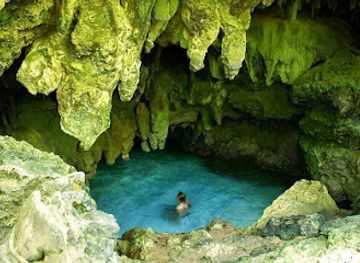
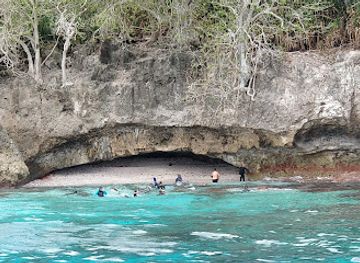
Explore The Grotto on Christmas Island, a sheltered sea cave framed by rainforest, limestone coast and the island’s remarkable wildlife.
Read more about The Grotto
When is the best time to visit The Grotto?
Best: June–August · 29°C| Month | High (°C) | Rainfall (mm) |
|---|---|---|
| January | 29 | 250 |
| February | 29 | 230 |
| March | 29 | 200 |
| April | 29 | 150 |
| May | 29 | 130 |
| June (best) | 29 | 120 |
| July (best) | 29 | 110 |
| August (best) | 29 | 110 |
| September | 29 | 130 |
| October | 29 | 150 |
| November | 29 | 200 |
| December | 29 | 230 |
Getting to and around The Grotto
How to get there
Transportation
Top city travel guides in The Grotto
The cities of The Grotto, and the easiest places to base yourself.
-

-

-

-

-


Swipe for more cities
Destinations in The Grotto
Resorts, valleys and scenic spots worth a trip of their own.
-

-


Swipe for more destinations
Best attractions in The Grotto
-
National park
Christmas Island National Park
Explore the breathtaking landscapes and unique wildlife of Christmas Island National Park, a tropical paradise in the Indian Ocean.
-
Visitor center
Christmas Island Visitor Centre
Explore the natural beauty and unique wildlife of Christmas Island at the Visitor Centre, your gateway to unforgettable adventures.
-
Tourist attraction
Dolly Beach
Discover the pristine beauty of Dolly Beach on Christmas Island, where turquoise waters meet lush landscapes, perfect for adventure and relaxation.
-
Tourist attraction
Lily Beach
Experience the tropical charm of Lily Beach in Christmas Island, a perfect destination for relaxation, snorkeling, and stunning views of nature.
Best landmarks in The Grotto
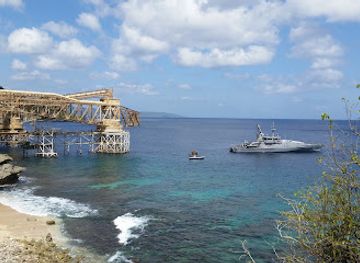
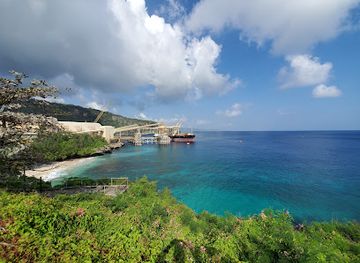
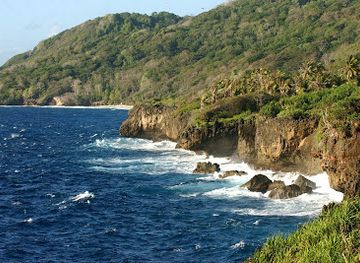
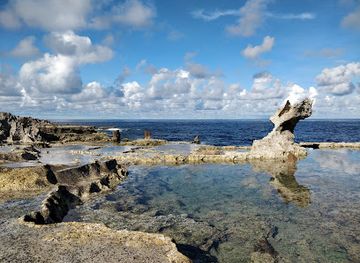
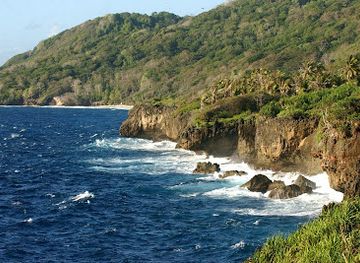
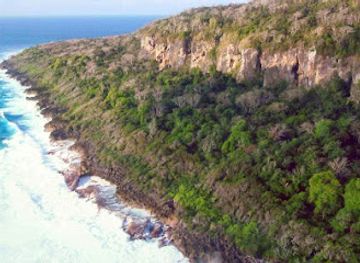
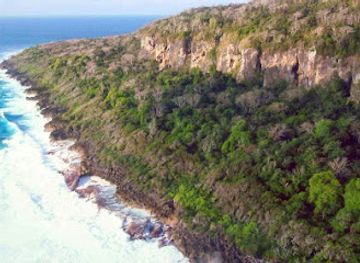
The Grotto is a natural landmark defined by its limestone cave, enclosed seawater and direct connection with Christmas Island’s rugged coast. Its significance is geological and scenic rather than architectural, and its appearance changes with sunlight, tide and ocean conditions. The broader island contains other notable natural markers, including forested escarpments, coastal cliffs, blowholes and limestone formations, but these should be visited as separate sites rather than treated as parts of The Grotto. Human landmarks elsewhere on Christmas Island include remnants of the phosphate-mining era, historic settlement areas and wartime traces, which provide context for an island shaped by resource extraction and strategic isolation. The island’s national park is also an important defining presence, protecting rainforest and habitats around many of its natural features. Together, these places show the contrast between the enclosed, water-shaped space of The Grotto and the larger exposed coastline and forest environment of Christmas Island.
-
National park
Christmas Island National Park
Explore the enchanting landscapes and rich biodiversity of Christmas Island National Park, a tropical paradise for nature lovers and adventure seekers.
-
Visitor center
Christmas Island Visitor Centre
Explore the vibrant ecology and culture of Christmas Island at the Visitor Centre – your gateway to unforgettable adventures.
-
Bar
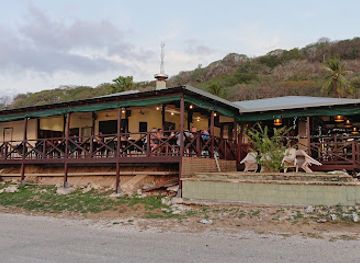
The Golden Bosun
Experience the vibrant atmosphere of The Golden Bosun on Christmas Island, where refreshing drinks meet stunning ocean views in a tropical paradise.
-
Tourist attraction
Dolly Beach
Discover the unspoiled beauty of Dolly Beach on Christmas Island, where stunning landscapes and vibrant marine life await every traveler.
Explore The Grotto on the map
Plan your trip on one map. See where the top cities, national parks and sights are, and book hotels and experiences in a few clicks.
Best hotels in The Grotto
Best restaurants in The Grotto
There are no restaurants or cafés at The Grotto, so food must be arranged in Christmas Island’s settled areas before or after visiting. Dining on the island reflects its small population and multicultural history, with Australian, Chinese and Malay influences visible in home-style cooking, cafés, takeaway food and community occasions. Seafood, noodles, rice dishes and other Asian-influenced meals may appear alongside familiar Australian fare, while supply can be seasonal and menus may be limited by the island’s remote location. Flying Fish Cove and Settlement are the main places to look for everyday meals, although opening arrangements can change and advance planning is sensible. Visitors should carry water and any picnic provisions needed for a coastal outing, and all rubbish should be removed from natural sites. The island’s food culture is best approached as part of its living community rather than as a formal gastronomic district.
-
Tourist attraction
Christmas Island National Park
Explore Christmas Island National Park - A breathtaking blend of unique wildlife, stunning landscapes, and vibrant marine life awaits you in this Australian paradise.
-
Visitor center
Christmas Island Visitor Centre
Explore Christmas Island's unique biodiversity at the Visitor Centre - your gateway to adventure and knowledge in this Australian paradise.
-
Bar
The Golden Bosun
Experience vibrant nightlife at The Golden Bosun, where refreshing drinks meet breathtaking ocean views on Christmas Island.
-
Chinese
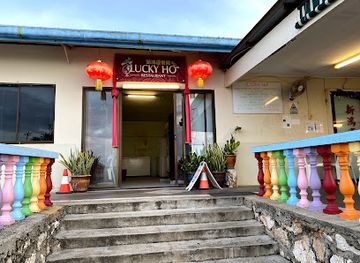
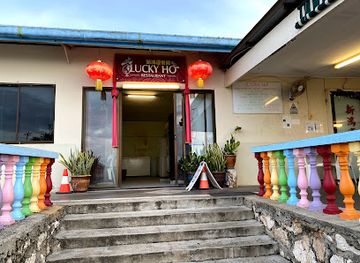
Lucky Ho
Savor authentic Chinese flavors at Lucky Ho - a culinary treasure on Christmas Island offering delightful dishes in a cozy atmosphere.


Best bars in The Grotto
The Grotto has no nightlife, lighting, licensed venue or evening facilities. Christmas Island’s social life is centred on small local establishments, community activities and relaxed meals rather than a concentrated bar or nightclub district. Any pubs, bars or licensed restaurants are found in the settled areas, particularly around the island’s main communities, and their opening arrangements may vary. Evening entertainment can also depend on local events, accommodation facilities and seasonal activity. Visitors should not travel to The Grotto after dark: the coastal approach, uneven surfaces, cliffs and changing sea conditions are difficult to assess without daylight. A quiet evening in the settlements, with attention to local community etiquette and wildlife protection, is more realistic than expecting a late-night entertainment scene.
-
National park
Christmas Island National Park
Explore the stunning landscapes and unique wildlife of Christmas Island National Park, a hidden gem for nature enthusiasts and adventurers.
-
Visitor center
Christmas Island Visitor Centre
Explore the Christmas Island Visitor Centre for an unforgettable introduction to the island's unique culture and stunning natural beauty.
-
Bar
The Golden Bosun
Experience the vibrant atmosphere and local flavors at The Golden Bosun, the perfect bar for relaxation on Christmas Island.
-
Chinese
Lucky Ho
Experience authentic Chinese flavors at Lucky Ho, a beloved restaurant on Christmas Island with a warm atmosphere and delicious dishes.


Best nightclubs in The Grotto
The Grotto has no nightlife, lighting, licensed venue or evening facilities. Christmas Island’s social life is centred on small local establishments, community activities and relaxed meals rather than a concentrated bar or nightclub district. Any pubs, bars or licensed restaurants are found in the settled areas, particularly around the island’s main communities, and their opening arrangements may vary. Evening entertainment can also depend on local events, accommodation facilities and seasonal activity. Visitors should not travel to The Grotto after dark: the coastal approach, uneven surfaces, cliffs and changing sea conditions are difficult to assess without daylight. A quiet evening in the settlements, with attention to local community etiquette and wildlife protection, is more realistic than expecting a late-night entertainment scene.
-
Bar
The Golden Bosun
Discover the tropical charm of The Golden Bosun, a bar in Christmas Island offering refreshing drinks and stunning views for an unforgettable experience.
-
Chinese
Lucky Ho
Discover authentic Chinese flavors at Lucky Ho, a culinary haven nestled in the beautiful Christmas Island.
-
Tourist attraction
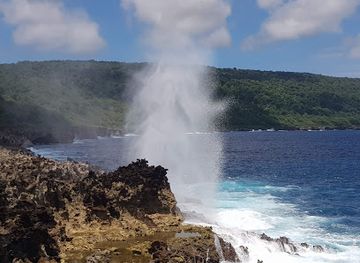
The Blowholes
Experience the breathtaking natural geysers at The Blowholes on Christmas Island, a must-visit destination for nature lovers.
-
Restaurant
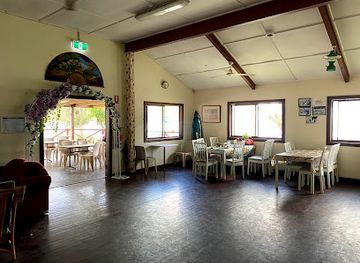
Idah Kitchen
Idah Kitchen: Savor the Flavors of Christmas Island in a Cozy, Inviting Restaurant Setting.
Best shops in The Grotto
There is no shopping at The Grotto, and visitors should obtain water, food, sun protection and outdoor supplies in Christmas Island’s settled areas before travelling to the coast. Shopping on the island is modest and practical, with small stores and services rather than large retail centres. Souvenirs and gifts may reflect Christmas Island’s wildlife, red crabs, rainforest and maritime setting, while locally relevant purchases can include books, artwork, clothing and small craft items when available. Food shops are useful for picnic supplies, but imported goods and retail choice are naturally limited by the island’s remoteness. Buying from local businesses supports the community, and visitors should avoid removing shells, coral, plants or geological material from natural places as souvenirs. Retail hours and stock can change, so plan essential purchases rather than relying on finding supplies near The Grotto.
-
National park
Christmas Island National Park
Discover the untouched beauty and unique wildlife of Christmas Island National Park, a must-visit destination for nature lovers and adventurers.
-
Visitor center
Christmas Island Visitor Centre
Explore the Christmas Island Visitor Centre, your gateway to the island's natural wonders and rich cultural heritage.
-
Bar
The Golden Bosun
Experience the vibrant atmosphere of The Golden Bosun, a tropical bar in Christmas Island offering refreshing drinks and unforgettable sunsets.
-
Tourist attraction
Dolly Beach
Discover the pristine beauty and vibrant marine life at Dolly Beach on Christmas Island, a hidden paradise for nature lovers and adventure seekers.

Get your free copy of our complete guide to The Grotto, delivered straight to you.
Everything on this page, from attractions and restaurants to essentials and local phrases, in one PDF you can read offline, print or share.
Already have an account? Sign in
Your The Grotto guide is ready.
We'll send it to · Not you? Sign out

Getting your guide ready…
We are putting together a fresh copy of the The Grotto guide. This can take up to a minute.
This can take a few moments. If your browser asks, choose Allow so the download can start. You'll find the guide in your Downloads folder.
Nothing happened? Download it again
Sorry, the guide is taking longer than usual. Please try again in a minute, or get it by email instead.
The Grotto essentials
Currency and Payment
Safety
Emergency Situations
Do's and Don'ts
Local Tips
From Eve
Local phrases worth knowing
You don't need to get them perfect. A few words go a long way, and locals appreciate the effort.
Basics
| English | Local | Say it |
|---|---|---|
| Hello | Aloha | [ah-loh-hah] |
| Goodbye | A hui hou | [ah hoo-ee hoh] |
| Yes | ʻAe | [ah-eh] |
| No | ʻAʻole | [ah-oh-leh] |
| Please/You're welcome | E komo mai | [eh koh-moh mai] |
| Thank you | Mahalo | [mah-hah-loh] |
| Excuse me/Sorry | E kala mai | [eh kah-lah mai] |
| How are you? | Pehea ʻoe? | [peh-heh-ah oy] |
| Fine. And you? | Maikaʻi. A oe? | [mah-ee-kah-ee ah oy] |
| Do you speak English? | Kōkua mai i ka ʻōlelo Pelekāne? | [koh-koo-ah mai ee kah oh-leh-loh peh-leh-kah-neh] |
| I don't understand | Aʻole au e ʻike. | [ah-oh-leh ow eh ee-keh] |
Eating & Drinking
| English | Local | Say it |
|---|---|---|
| I'd like to see the menu, please | E ʻoluʻolu e hōʻike mai i ka menu | [eh oh-loo-oh-loo eh hoh-kee mai ee kah meh-noo] |
| I don't eat meat | Aʻole au e ʻai i ka mea ʻai | [ah-oh-leh ow eh ai ee kah meh-ah ai] |
| Cheers! | Kampai! | [kahm-pai] |
| I would like to pay, please | E ʻoluʻolu e uku, please | [eh oh-loo-oh-loo eh oo-koo, please] |
Emergencies
| English | Local | Say it |
|---|---|---|
| Help! | Kōkua! | [koh-koo-ah] |
| Go away! | E hoʻi! | [eh hoh-ee] |
| Call the Police! | Kāhea i ka ʻŌlelo Pākīpika! | [kah-heh-ah ee kah oh-leh-loh pah-kee-pi-kah] |
| Call a doctor! | Kāhea i ke kānāwai! | [kah-heh-ah ee keh kah-nah-wai] |
| I'm lost | Aia au i loko o nā wahi | [ah-ee-ah ow ee loh-koh oh nah wah-hee] |
| I'm ill | Ke ʻoluʻolu au i ka mea ʻai | [keh oh-loo-oh-loo ow ee kah meh-ah ai] |
Shopping
| English | Local | Say it |
|---|---|---|
| I'd like to buy... | E makemake au e kūʻai... | [eh mah-kah-meh ow eh koo-eye] |
| I'm just looking | Ke nānā wale aku nei au | [keh nah-nah vah-leh ah-koo nay ow] |
| How much is it? | Ehia ka mea? | [eh-hee-ah kah meh-ah] |
| That's too expensive | O nā mea ʻē aʻe kēia | [oh nah meh-ah eh eh keh-ee-ah] |
| Can you lower the price? | E hiki iā ʻoe ke hoʻemi i ka kumukūʻai? | [eh hee-kee ee-ah oy keh hoh-eh-mee ee kah koo-moo-kee-eye] |
Time & Numbers
| English | Local | Say it |
|---|---|---|
| What time is it? | He aha ka manawa? | [he ah-hah kah mah-nah-wah] |
| It's one o'clock | He hoʻokahi o ke aupuni | [he hoh-oh-kah-hee oh keh ow-poo-nee] |
| Half past (10) | Kā ʻumi | [kah oo-mee] |
| Morning | Kau wela | [kah-oo weh-lah] |
| Afternoon | Kā ʻauinalā | [kah ow-ee-nah-lah] |
| Evening | Kā pō | [kah poh] |
| Yesterday | I nehinei | [ee neh-hee-neh] |
| Today | I kēia lā | [ee keh-ee-ah lah] |
| Tomorrow | I ka lā ʻapōpō | [ee kah lah ah-poh-poh] |
| 1 | Kā hoʻokahi | [kah hoh-oh-kah-hee] |
| 2 | Kā ʻelua | [kah eh-loo-ah] |
| 3 | Kā ʻekolu | [kah eh-koh-loo] |
| 4 | Kā ʻehā | [kah eh-hah] |
| 5 | Kā ʻelima | [kah eh-lee-mah] |
| 6 | Kā ʻono | [kah oh-noh] |
| 7 | Kā ʻehiku | [kah eh-hee-koo] |
| 8 | Kā ʻewalu | [kah eh-wah-loo] |
| 9 | Kā ʻiwa | [kah ee-vah] |
| 10 | Kā ʻumi | [kah oo-mee] |
Transport & Directions
| English | Local | Say it |
|---|---|---|
| Where's a/the...? | Aia i hea ka...? | [ah-ee-ah ee heh-ah kah] |
| What's the address? | He aha ka ʻāina? | [he ah-hah kah ah-ee-nah] |
| Can you show me (on the map)? | E hiki iā ʻoe ke hōʻike mai iaʻu (ma ke kiʻi)? | [eh hee-kee ee-ah oy keh hoh-kee mai ee-ow (mah keh key-ee)?] |
| When's the next (bus)? | Kā ʻōhua ʻē aʻe? | [kah oh-hoo-ah eh eh] |
| A ticket (to ....) | He tiket (i ...) | [he tee-ket ee] |
History of The Grotto
Geological formation and early understanding
The Grotto reflects Christmas Island’s limestone geology, created from uplifted marine material and later shaped by tropical weathering and wave action. The island’s cliffs, caves, blowholes and underground formations are part of a long geological story rather than a human-built heritage. Before modern settlement, Christmas Island was an isolated oceanic environment with no permanent Indigenous population recorded on the island. Its forests and coastline developed in relative isolation, helping produce the distinctive wildlife for which the territory is now known.
European sighting and British annexation, seventeenth to nineteenth centuries
Christmas Island was recorded by European navigators in the seventeenth century and was named for its sighting on Christmas Day in 1643. It remained remote and lightly visited for centuries because of its distance from major sea routes and lack of a permanent settlement. Britain formally annexed the island in 1888, partly because of its strategic position and interest in its mineral resources. The coastal caves and rugged shore, including places such as The Grotto, remained natural features rather than developed visitor sites.
Phosphate mining and imported labour
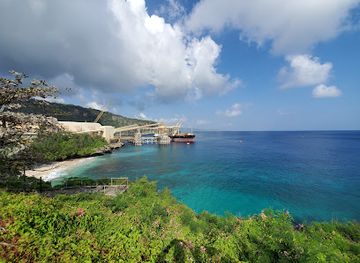
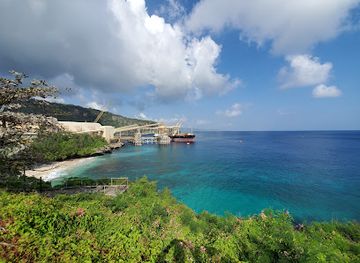
Commercial phosphate extraction began in the late nineteenth century and became the central force in Christmas Island’s modern history. Mining attracted workers and administrators, including large Chinese and Malay communities whose descendants remain important to the island’s social and cultural life. Roads, settlements, port facilities and industrial workings altered parts of the island, while the rainforest and difficult coast constrained development elsewhere. The contrast between former mining areas and protected natural places such as The Grotto is one of the clearest themes in the island’s landscape.
Japanese occupation during the Second World War
Japanese forces occupied Christmas Island from 1942 until 1945 during the Second World War. The occupation disrupted mining and caused hardship for the island’s residents, many of whom experienced shortages, forced labour and displacement. Military activity and wartime damage added another layer to the island’s already complex history of colonial administration and resource extraction. Although The Grotto is a natural feature rather than a principal military monument, the wider island contains reminders of wartime occupation and the strategic importance of this remote territory.
Transfer to Australian administration, 1958
Christmas Island was transferred from British control to the Commonwealth of Australia in 1958. The change brought the island into Australia’s external-territory system while its established Asian communities, phosphate economy and distinctive local institutions continued to shape everyday life. The Australian dollar and Australian emergency arrangements apply today. For visitors, the transfer is significant because it explains why an island geographically close to Southeast Asia is governed and serviced within an Australian constitutional and administrative framework.
National park protection and nature-based tourism
As the importance of Christmas Island’s endemic wildlife and rainforest became increasingly recognised, conservation gained a larger role alongside mining. Christmas Island National Park now protects much of the island and supports research, environmental management and nature-based tourism. The red crab migration is the best-known seasonal natural event, while seabirds, reptiles, rainforest plants and marine habitats add to the island’s ecological significance. The Grotto’s appeal comes from this protected setting, although visitors must follow current access advice because weather, wildlife and conservation needs can affect coastal sites.
The Grotto in Photos
Browse through our photo collection highlighting the charm and character of the destination.
Neighbouring regions of The Grotto
The closest regions to The Grotto, if you have time for more than one.
-

-

-

-

-


Swipe for more regions
Explore more

Explore more of Christmas Island
Discover Christmas Island: A tropical paradise with stunning beaches, unique wildlife, and a rich cultural heritage. Perfect for nature lovers and adventure seekers.
Explore Christmas Island