

Southern Colorado, Colorado Travel Guide
Explore the natural beauty, rich history, and vibrant culture of Southern Colorado, where adventure and relaxation come together in perfect harmony.
Southern Colorado is a blend of stunning landscapes, rich history, and vibrant culture. This region is home to the majestic San Juan Mountains, where outdoor enthusiasts can explore endless hiking trails, picturesque camping spots, and exhilarating ski slopes. The Great Sand Dunes National Park is another must-see, offering towering sand dunes that make for a unique and unforgettable adventure. History buffs will find plenty to explore in Southern Colorado, from the ancient cliff dwellings of Mesa Verde National Park to the historic towns of Durango and Alamosa. These towns offer a glimpse into the region's past with preserved architecture, museums, and cultural festivals that celebrate Native American and pioneer heritage. For a taste of local flavor, visitors can enjoy farm-to-table dining experiences, local wineries, and breweries that showcase the best of Southern Colorado's agricultural bounty. The region's warm hospitality and friendly locals make it a perfect destination for those looking to immerse themselves in the authentic Colorado experience.

Know before you go
Hi, I'm Eve. Here are a few practical things to know before exploring Southern Colorado.
- Visit in the fall to witness stunning foliage and avoid summer crowds.
- Pack layers – weather can change quickly in the mountains.
- Book guided tours for Mesa Verde to fully appreciate the history.
- Check out local farmers' markets for fresh produce and unique crafts.
- Consider renting a 4x4 vehicle for easier access to remote scenic spots.
Explore Southern Colorado: Things to Do, Places to Eat, Hotels & More
Handpicked recommendations for top attractions, local dining, accommodations, and more

Top Attractions & Sightseeing in Southern Colorado
Top-rated picks
Best Attractions

Red Rocks Park and Amphitheatre
Experience the unparalleled beauty and acoustics of Red Rocks Park and Amphitheatre, a legendary Colorado landmark near Denver.

Garden of the Gods
Experience the breathtaking beauty of Garden of the Gods, a natural wonder in Colorado Springs with stunning rock formations and hiking trails.

Rocky Mountain National Park
Discover the majestic peaks, pristine lakes, and untamed wilderness of Colorado's iconic Rocky Mountain National Park.

Cheyenne Mountain Zoo
Discover wildlife wonders at America's highest zoo! Explore diverse habitats, hand-feed giraffes, and enjoy breathtaking mountain views in Colorado Springs.

Best landmarks in Southern Colorado
Top-rated picks
Best Landmarks

Rocky Mountain National Park
Discover the stunning beauty of Rocky Mountain National Park, a must-visit natural wonder in Colorado, filled with breathtaking landscapes and outdoor adventures.

Cave of the Winds Mountain Park
Discover the thrilling attractions and breathtaking beauty of Cave of the Winds Mountain Park in Colorado, a perfect blend of adventure and nature.

Royal Gorge Bridge & Park
Discover the breathtaking Royal Gorge Bridge & Park, where adventure, history, and stunning views collide in Colorado's natural wonderland.

Great Sand Dunes National Park and Preserve
Explore the breathtaking Great Sand Dunes National Park and Preserve in Colorado, home to towering sand dunes and diverse outdoor adventures.

Best restaurants in Southern Colorado
Top-rated picks
Best Restaurants

Edelweiss German Restaurant
Discover authentic German flavors at Edelweiss German Restaurant in Colorado Springs - where every meal is a celebration of tradition.

ViewHouse
Discover ViewHouse in Colorado Springs - A top-notch grill offering delicious dishes with breathtaking views and a lively atmosphere.

The Rabbit Hole
Experience exquisite American cuisine and enchanting cocktails at The Rabbit Hole in downtown Colorado Springs.

Linger
Experience global flavors at Linger, where innovative cuisine meets vibrant atmosphere in Denver's Highland neighborhood.

Best bars in Southern Colorado
Top-rated picks
Best Bars

The Rabbit Hole
Discover the whimsical culinary delights at The Rabbit Hole, a unique American dining experience with creative cocktails in Colorado Springs.

Mother Muffs
Experience the vibrant flavors of Mother Muffs, a gastropub in Old Colorado City offering gourmet burgers, pizzas, and a lively atmosphere perfect for any occasion.

Oskar Blues Grill & Brew - Colorado Springs
Discover the unique flavors of craft brews and delicious grill dishes at Oskar Blues Grill & Brew in Colorado Springs.

Golden Bee
Discover the vibrant atmosphere of Golden Bee, a lively bar and restaurant in Colorado Springs, perfect for enjoying craft beers and delicious pub fare.

Best nightclubs in Southern Colorado
Top-rated picks
Best Nightclubs

The Church Nightclub
Experience the electrifying atmosphere of The Church Nightclub in Denver, a unique venue combining nightlife with historic charm and live music.

Copperhead Road Bar & Nightclub
Discover the vibrant nightlife at Copperhead Road Bar & Nightclub in Colorado Springs, where music and flavor blend for an unforgettable experience.

Temple Nightclub Denver
Experience the exhilarating nightlife at Temple Nightclub Denver, where live music and energetic vibes create unforgettable evenings.

Blondie's
Experience the vibrant nightlife of Colorado Springs at Blondie's, where music and fun come together in a lively bar and nightclub atmosphere.

Best shops in Southern Colorado
Top-rated picks
Best Shops

Garden of the Gods Trading Post
Discover local art, delicious dining, and unique gifts at the Garden of the Gods Trading Post, the gateway to Colorado's stunning landscapes.

American Classics Marketplace
Discover unique antiques, collectibles, and vintage treasures at American Classics Marketplace in Colorado Springs, a must-visit for every traveler.

Fifty Two 80's A Totally Awesome Shop
Explore the vibrant world of the 1980s at Fifty Two 80's, a collectibles store brimming with vintage clothing and nostalgic memorabilia in Denver.

St Elmo General Store Inc
Explore the enchanting St Elmo General Store in Colorado, where history meets charm through unique antiques and local treasures.

Explore Southern Colorado on the Map
A handpicked selection of must-see spots in Southern Colorado, mapped for you.
Southern Colorado Essentials
-
Southern Colorado can be accessed via several major routes. The closest major airport is Denver International Airport, located about 3.5 hours north of the region by car. Alternatively, Colorado Springs Airport provides a more direct route, being roughly 1.5 hours away. Amtrak trains also service the area via the Southwest Chief line, which stops in cities like Trinidad and La Junta.
-
A personal vehicle is the most convenient mode of transport in Southern Colorado, given the vast distances between attractions. Rental cars are available at major airports. Public transportation is limited but includes local bus services in larger towns like Pueblo and Trinidad. Biking is also a viable option in many of the smaller, scenic towns.
-
The official currency is the US Dollar (USD). Credit and debit cards are widely accepted in most establishments. ATMs are available in larger towns and cities, but it is advisable to carry some cash, especially when visiting remote areas or local markets. Ensure you inform your bank of your travel plans to avoid any issues with card transactions.
-
Southern Colorado is generally safe for tourists. However, it is wise to exercise standard precautions such as avoiding poorly lit areas at night and keeping an eye on personal belongings in crowded places. Some areas in Pueblo have higher crime rates, so staying in well-populated and well-lit areas is recommended. Always keep your car locked and valuables out of sight.
-
In case of an emergency, dial 911 for immediate assistance. Emergency services in Southern Colorado are reliable and efficient. Major hospitals are located in cities like Pueblo and Colorado Springs. It is recommended to have travel insurance that covers medical emergencies. Pharmacies are available in larger towns for minor health issues.
-
Fashion: Do dress in layers as weather can vary significantly. Outdoor gear is highly recommended for hiking and exploring. Religion: Respect local customs and traditions, especially when visiting indigenous and historical sites. Public Transport: Do check schedules in advance as services can be infrequent. Greetings: A friendly handshake is a common greeting. Eating & Drinking: Do try the local cuisine, including green chili, and be sure to stay hydrated, especially at high altitudes. Don't litter and always follow Leave No Trace principles when exploring natural areas.
-
To experience Southern Colorado like a local, visit local farmers' markets, especially in towns like Alamosa and Trinidad. Engage with locals who are often willing to share stories about the region's rich history and culture. Don't miss the Great Sand Dunes National Park, a unique natural wonder. Attend local festivals and events, such as the Pueblo Chile & Frijoles Festival, to immerse yourself in the local culture. Additionally, take the time to explore the scenic byways, such as the Highway of Legends, for breathtaking landscapes and historical sites.
When is the best time to visit Southern Colorado?
Useful Local Phrases for Southern Colorado
You don't need to speak the language perfectly. Even learning a few simple words can make conversations warmer—and locals usually appreciate the effort.
— Eve

Here are the phrases I use most often in Southern Colorado. Try a few—you'll be surprised how far they go! 😊
❤️
-
- HelloHowdy
['haʊdi] - GoodbyeSee ya
['si jə] - YesYep
['jɛp] - NoNope
['noʊp] - Please/You're welcomeSure thing
['ʃʊr θɪŋ] - Thank youThanks a lot
['θæŋks ə lɑt] - Excuse me/SorryPardon me
['pɑrdən mi] - How are you?How's it going?
['haʊz ɪt 'goʊɪŋ] - Fine. And you?Good. And you?
['gʊd. ənd ju] - Do you speak English?Do ya speak English?
['du jə spiːk 'ɪŋɡlɪʃ] - I don't understandI ain't gettin' it
['aɪ eɪnt 'ɡɛtɪn ɪt]
- HelloHowdy
-
- I'd like to see the menu, pleaseCan I see the menu, please?
['kæn aɪ si ðə 'mɛnju pliz] - I don't eat meatI don't do meat
['aɪ doʊnt du mit] - Cheers!Cheers!
['tʃɪrz] - I would like to pay, pleaseCan I pay, please?
['kæn aɪ peɪ pliz]
- I'd like to see the menu, pleaseCan I see the menu, please?
-
- Help!Help!
['hɛlp] - Go away!Get lost!
['ɡɛt lɔst] - Call the Police!Call the cops!
['kɔl ðə kɑps] - Call a doctor!Get a doctor!
['ɡɛt ə 'dɑktər] - I'm lostI'm turned around
['aɪm tɜrnd ə'raʊnd] - I'm illI'm not feelin' well
['aɪm nɑt 'fiːlɪn wɛl]
- Help!Help!
-
- I'd like to buy...I wanna buy...
['aɪ 'wɑnə baɪ] - I'm just lookingJust browsing, thanks
['dʒʌst 'braʊzɪŋ, θæŋks] - How much is it?What's the price?
['wʌts ðə praɪs] - That's too expensiveThat's a bit pricey
['ðæts ə bɪt 'praɪsi] - Can you lower the price?Can ya knock down the price?
['kæn jə nɑk daʊn ðə praɪs]
- I'd like to buy...I wanna buy...
-
- What time is it?What's the time?
['wʌts ðə taɪm] - It's one o'clockIt's one
['ɪts wʌn] - Half past (10)Half past ten
['hæf pæst tɛn] - MorningMornin'
['mɔrnɪn] - AfternoonAfternoon
['æftərnun] - EveningEvenin'
['ivnɪn] - YesterdayYesterday
['jɛstərdeɪ] - TodayToday
['tə'deɪ] - TomorrowTomorrow
[tə'mɔroʊ] - 1One
['wʌn] - 2Two
['tu] - 3Three
['θri] - 4Four
['fɔr] - 5Five
['faɪv] - 6Six
['sɪks] - 7Seven
['sɛvən] - 8Eight
['eɪt] - 9Nine
['naɪn] - 10Ten
['tɛn]
- What time is it?What's the time?
-
- Where's a/the...?Where's the...?
['wɛrz ðə] - What's the address?What's the address?
['wʌts ði 'ædrɛs] - Can you show me (on the map)?Can ya show me on the map?
['kæn jə 'ʃoʊ mi ɑn ðə mæp] - When's the next (bus)?When's the next bus?
['wɛn z ðə nɛkst bʌs] - A ticket (to ....)A ticket to...
[ə 'tɪkɪt tə]
- Where's a/the...?Where's the...?
History of Southern Colorado
-
Long before European explorers set foot in what is now Southern Colorado, the region was home to the Ancient Puebloans, also known as the Anasazi. These indigenous people constructed elaborate stone and adobe dwellings into the cliff faces of Mesa Verde. This UNESCO World Heritage Site offers a fascinating glimpse into their advanced society, which thrived from approximately 600 to 1300 AD. Visitors can explore the well-preserved ruins and learn about the Puebloans' unique architectural feats, agricultural practices, and spiritual life.
-
In the late 16th century, Spanish explorers ventured into Southern Colorado, including figures like Juan de Oñate. The Spanish brought with them horses, new agricultural techniques, and Catholicism. They established missions and settlements, significantly impacting the Native American tribes in the region. This period also saw the naming of many geographic features, such as the Sangre de Cristo Mountains, which means 'Blood of Christ' in Spanish, a reference to the range's striking red hues at sunrise and sunset.
-
The Santa Fe Trail, which opened in 1821, was a crucial trade route connecting Missouri to Santa Fe, passing through Southern Colorado. This trail facilitated commerce and cultural exchange between the United States and Mexico. Bent's Old Fort, located near present-day La Junta, served as a key trading post along the trail. The fort became a melting pot of diverse cultures, including Native Americans, Mexicans, and American traders, who exchanged goods like furs, silver, and textiles.
-
The discovery of gold in the late 1850s brought a wave of prospectors and settlers to Colorado, including its southern regions. This influx led to the establishment of mining towns and camps, some of which are now ghost towns or historical sites. The gold rush also accelerated the displacement of Native American tribes and altered the region's landscape and economy. Historical markers and museums in Southern Colorado provide insight into this transformative period.
-
One of the most tragic events in Southern Colorado's history is the Ludlow Massacre of 1914. Coal miners, many of whom were immigrants, went on strike to demand better working conditions and pay from the Colorado Fuel & Iron Company. Tensions escalated, and on April 20, 1914, the Colorado National Guard attacked a tent colony of striking miners and their families near Ludlow, resulting in the deaths of around 20 people, including women and children. The event had a profound impact on labor rights in the United States and is commemorated at the Ludlow Monument.
-
The San Luis Valley, often referred to as the 'Breadbasket of the Southwest,' is a cultural and agricultural heartland in Southern Colorado. San Luis, founded in 1851, is the oldest continuously occupied town in Colorado, and it retains a rich Hispanic heritage. The valley's unique blend of Spanish, Native American, and Anglo cultures is evident in its festivals, architecture, and cuisine. Visitors can explore historical sites such as the Stations of the Cross Shrine and the historic adobe churches scattered throughout the region.
Neighbouring Regions of Southern Colorado
The closest regions to Southern Colorado, if you have time for more than one.



Your all‑in‑one travel companion app
Explore expert travel guides, compare and book tours, experiences, hotels, and more—all from the palm of your hand. Download now for seamless trip planning wherever your wanderlust takes you.


Explore More of Colorado

Looking beyond Southern Colorado? Discover Colorado for broader travel guides, local hot-spots, and regional highlights.
Explore ColoradoSouthern Colorado in Photos
Browse through our photo collection highlighting the charm and character of the destination.


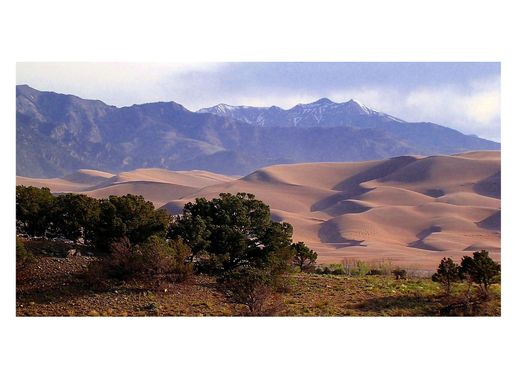


Southern Colorado: A Scenic Adventure Awaits
Southern Colorado is a blend of stunning landscapes, rich history, and vibrant culture. This region is home to the majestic San Juan Mountains, where outdoor enthusiasts can explore endless hiking trails, picturesque camping spots, and exhilarating ski slopes. The Great Sand Dunes National Park is another must-see, offering towering sand dunes that make for a unique and unforgettable adventure. History buffs will find plenty to explore in Southern Colorado, from the ancient cliff dwellings of Mesa Verde National Park to the historic towns of Durango and Alamosa. These towns offer a glimpse into the region's past with preserved architecture, museums, and cultural festivals that celebrate Native American and pioneer heritage. For a taste of local flavor, visitors can enjoy farm-to-table dining experiences, local wineries, and breweries that showcase the best of Southern Colorado's agricultural bounty. The region's warm hospitality and friendly locals make it a perfect destination for those looking to immerse themselves in the authentic Colorado experience.