

Free San Juan Mountains Travel Guide & Mobile App
Explore San Juan Mountains with free travel guides. Discover regional history, expert tips, proposed trips, and audio guides on web or mobile app.


Explore the San Juan Mountains for Colorado’s high-alpine scenery, historic mining towns, hot springs, scenic roads and demanding mountain trails.
Read more about San Juan Mountains
Getting to and around San Juan Mountains
How to get there
Transportation
Top city travel guides in San Juan Mountains
The cities of San Juan Mountains, and the easiest places to base yourself.
-

-

-
-

-
-


Swipe for more cities
Destinations in San Juan Mountains
Resorts, valleys and scenic spots worth a trip of their own.
-
-

-
-

-

-


Swipe for more destinations
Best attractions in San Juan Mountains
The San Juan Mountains offer a varied combination of high-country scenery, historic settlements and outdoor recreation. Ouray’s hot springs and steep valley setting provide an accessible introduction to the range, while Silverton’s preserved mining-town streets, local heritage displays and nearby mountain routes reveal the region’s industrial past. Telluride combines a historic canyon town with skiing, hiking, mountain biking and access to high terrain; the free gondola connects it with Mountain Village. Around Lake City, quieter roads, lakes and trails lead into broad mountain landscapes. The San Juan Skyway and Million Dollar Highway are attractions in their own right, although drivers must allow for slow travel and changing conditions. Hiking ranges from relatively gentle valley walks to strenuous alpine routes such as those near Ice Lakes Basin, where seasonal rules and parking arrangements may apply. Four-wheel-drive roads, climbing areas, fishing waters, winter ski terrain and wildlife habitats broaden the choice, but many experiences depend on weather, fitness and vehicle suitability. Museums, historic districts and mining remnants add cultural depth without requiring every visitor to venture above the tree line.
-
National forest
San Juan National Forest
Explore 1.8 million acres of Colorado's stunning wilderness: hiking, camping, history, and outdoor adventures in the San Juan National Forest.
-
Wildlife park
Box Cañon Falls Park
Discover a 285-foot waterfall cascading through a narrow canyon at Ouray's Box Cañon Falls Park. Trails, views, and nature await!
-
Park
Cascade Falls Park
Discover the majestic Cascade Falls in Ouray, Colorado: a stunning waterfall, scenic trails, and breathtaking mountain views await!
-
Tourist attraction
Old Hundred Gold Mine Tour
Explore a real gold mine near Silverton, Colorado! Ride a vintage train, pan for gold, and experience the life of a miner.
Best landmarks in San Juan Mountains
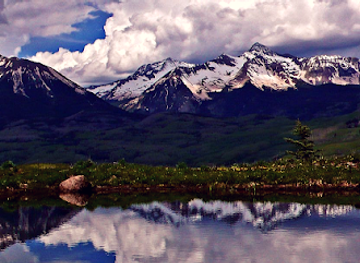
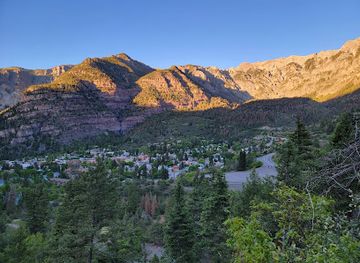
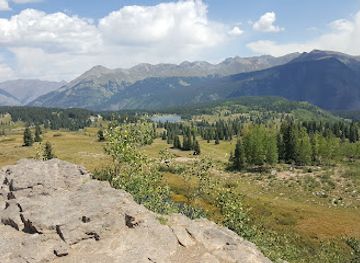
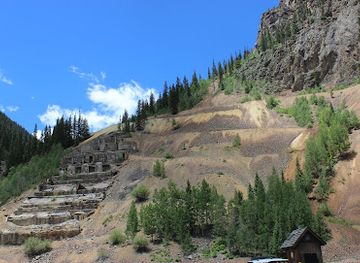
The Million Dollar Highway between Ouray and Silverton is the San Juans’ most recognisable road landmark, climbing dramatically over Red Mountain Pass through a landscape marked by mining scars, cliffs and high basins. Silverton’s compact National Historic Landmark district preserves a striking concentration of late nineteenth-century commercial and residential architecture, while Ouray’s historic core occupies a narrow valley beneath steep walls. Telluride’s town grid and box-canyon setting express the transition from mining settlement to resort, and the nearby Bridal Veil Falls forms one of the area’s most visible natural features. The San Juan Skyway gives wider context, linking distinct valleys and viewpoints around the range. Lake City’s historic streets and the surrounding heights of the Continental Divide offer a quieter architectural and geographical counterpoint. Old mine structures, tailings and rail remnants are important visual evidence of industrial history, but they are not merely scenic ruins: many are unstable or privately controlled and should be viewed from authorised areas.
-
Restaurant
Two Chicks & A Hippie
Discover the delightful flavors of Two Chicks & A Hippie in Pagosa Springs, where breakfast meets charm in a cozy café atmosphere.
-
Coffee shop
Higher Grounds Coffee
Discover the perfect blend of coffee, pastries, and community spirit at Higher Grounds Coffee in the scenic Pagosa Springs, Colorado.
-
Cafe
Cafe Colorado
Discover the charm of Cafe Colorado, a must-visit breakfast spot in Pagosa Springs, perfect for fueling your adventures in the stunning Colorado outdoors.
-
Novelty store
The Choke Cherry Tree
Explore the delightful world of gourmet chocolates and candies at The Choke Cherry Tree in Pagosa Springs, the sweetest spot for tourists and locals alike.


Explore San Juan Mountains on the map
Plan your trip on one map. See where the top cities, national parks and sights are, and book hotels and experiences in a few clicks.
Best hotels in San Juan Mountains
Best restaurants in San Juan Mountains
Dining in the San Juan Mountains reflects small mountain communities, outdoor tourism and the region’s mining-era past rather than a single formal cuisine. Ouray, Silverton, Telluride and Lake City offer cafés, bakeries, pubs, casual restaurants and a limited selection of more ambitious dining rooms, with seasonal variation in opening arrangements. Menus commonly draw on broader Colorado and American traditions, including burgers, steaks, soups, pizza, elk or other game when available, and hearty food suited to cold weather and active days. Telluride generally has the widest range, while smaller towns reward early planning and flexibility. Local beer, Colorado-produced spirits and coffee are easy themes to find, and western-style breakfasts remain useful before a day on the trails. Farmers’ markets and farm-linked produce appear seasonally, but the high-altitude environment means much of the region’s food supply arrives from elsewhere. Reservations are prudent at busy times, particularly in Telluride and during summer events.
-
Restaurant
Two Chicks & A Hippie
Experience delightful breakfasts and fresh baked goods at Two Chicks & A Hippie in picturesque Pagosa Springs.
-
Steak
Boss Hogg's Restaurant & Saloon
Experience mouthwatering steaks in a rustic saloon setting at Boss Hogg's Restaurant & Saloon in Pagosa Springs.
-
Restaurant
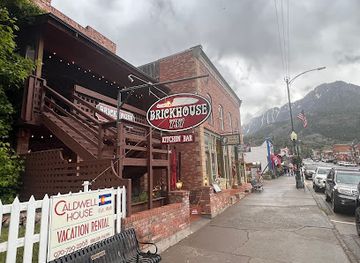
Brickhouse 737
Discover exceptional American cuisine at Brickhouse 737 in Ouray, Colorado - where culinary artistry meets breathtaking mountain views.
-
Pizza
Rosie's Pizzeria
Discover the charm of authentic Italian cuisine at Rosie's Pizzeria – where every slice tells a story.



Best bars in San Juan Mountains
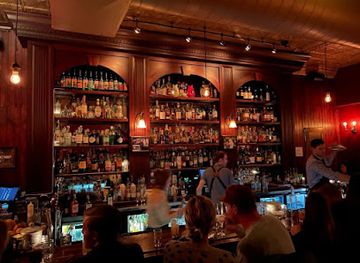
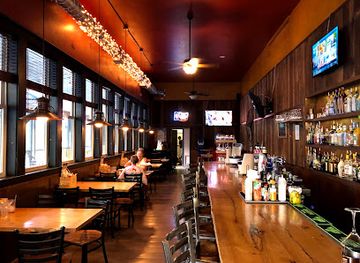
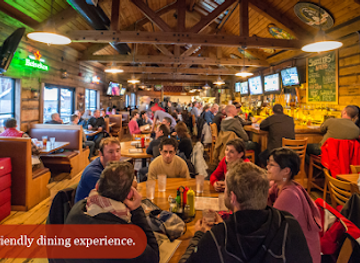
Evening life in the San Juan Mountains is concentrated in town centres and is more closely associated with pubs, restaurants, live music and historic bars than with large-scale clubbing. Telluride has the broadest late-evening choice, including bars and venues linked to its resort and festival economy, while Ouray and Silverton offer compact pub scenes where locals, seasonal workers and visitors share small spaces. Lake City and the smaller settlements are generally quieter, with evenings centred on dining, conversation and accommodation-based relaxation. Brewery and cocktail options may be available in the principal towns, but hours and seasonal offerings change. Mountain weather, early trail starts and limited transport make it sensible to plan a walkable evening rather than drink and drive on remote roads. During major events, reservations and accommodation can be difficult to secure, so visitors should check arrangements well ahead.
-
Bar
Williams & Graham
Discover the enchanting ambiance and exquisite cocktails at Williams & Graham, Denver's premier speakeasy-inspired bar and lounge.
-
Grill
Gold Belt Bar & Grill
Discover the culinary delights of Gold Belt Bar & Grill in Ouray, Colorado, where local flavors meet a warm, inviting atmosphere.
-
Steak
Boss Hogg's Restaurant & Saloon
Experience the essence of the Wild West at Boss Hogg's Restaurant & Saloon, where steak lovers unite in a charming rustic atmosphere.
-
Brewpub
Smuggler Union Restaurant & Brewery
Experience the best of Telluride at Smuggler Union Restaurant & Brewery, where delicious food meets craft beer in a cozy mountain setting.

Best nightclubs in San Juan Mountains
Evening life in the San Juan Mountains is concentrated in town centres and is more closely associated with pubs, restaurants, live music and historic bars than with large-scale clubbing. Telluride has the broadest late-evening choice, including bars and venues linked to its resort and festival economy, while Ouray and Silverton offer compact pub scenes where locals, seasonal workers and visitors share small spaces. Lake City and the smaller settlements are generally quieter, with evenings centred on dining, conversation and accommodation-based relaxation. Brewery and cocktail options may be available in the principal towns, but hours and seasonal offerings change. Mountain weather, early trail starts and limited transport make it sensible to plan a walkable evening rather than drink and drive on remote roads. During major events, reservations and accommodation can be difficult to secure, so visitors should check arrangements well ahead.
-
Art gallery
ABOA Gallery and Lounge
Experience the vibrant fusion of art and leisure at ABOA Gallery and Lounge in Pagosa Springs, a must-visit for art lovers and socialites alike.
-
Night club
Lux Ultra Lounge
Discover the vibrant nightlife at Lux Ultra Lounge, Grand Junction's premier destination for music, dancing, and unforgettable experiences.


Best shops in San Juan Mountains
Shopping in the San Juan Mountains is concentrated in historic town centres rather than large retail districts. Telluride offers the broadest selection, with galleries, outdoor equipment, clothing, books, jewellery, design-led gifts and locally produced artwork reflecting its resort economy. Ouray and Silverton have smaller main-street collections of independent shops, western goods, antiques, books, art and practical mountain supplies, while Lake City has a more relaxed selection tied to its historic town setting and seasonal visitors. Useful regional purchases include Colorado food and drink, locally made crafts, photography, maps, handmade jewellery and mining-themed heritage items, provided they are modern products rather than removed historic material. Seasonal farmers’ markets may offer produce, baked goods and prepared foods, but availability varies by town and date. Outdoor equipment is widely available in the larger communities, although specialist items and unusual sizes may be limited, so serious hikers should arrive prepared. Shopping hours can be seasonal and shorter in small settlements.
-
Gift shop
Garden of the Gods Trading Post
Explore a unique blend of art, gifts, and local flavors at the Garden of the Gods Trading Post, a must-visit destination in Colorado.
-
Souvenir store
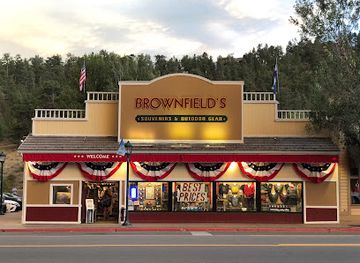
Brownfield's - Souvenirs & Outdoor Gear
Discover unique souvenirs and outdoor gear at Brownfield's, Estes Park's premier destination for tourists seeking adventure and keepsakes.
-
Novelty store
The Choke Cherry Tree
Explore The Choke Cherry Tree, a charming novelty store in Pagosa Springs, offering artisanal candies, chocolates, and gourmet treats for every sweet tooth.
-
Gift shop
Made in Colorado Shoppe
Explore the essence of Colorado with unique handmade gifts, chocolates, jewelry, and pottery at Made in Colorado Shoppe in Pagosa Springs.

Get your free copy of our complete guide to San Juan Mountains, delivered straight to you.
Everything on this page, from attractions and restaurants to essentials and local phrases, in one PDF you can read offline, print or share.
Already have an account? Sign in
Your San Juan Mountains guide is ready.
We'll send it to · Not you? Sign out

Getting your guide ready…
We are putting together a fresh copy of the San Juan Mountains guide. This can take up to a minute.
This can take a few moments. If your browser asks, choose Allow so the download can start. You'll find the guide in your Downloads folder.
Nothing happened? Download it again
Sorry, the guide is taking longer than usual. Please try again in a minute, or get it by email instead.
San Juan Mountains essentials
Currency and Payment
Safety
Emergency Situations
Do's and Don'ts
Local Tips
From Eve
Local phrases worth knowing
You don't need to get them perfect. A few words go a long way, and locals appreciate the effort.
Basics
| English | Local | Say it |
|---|---|---|
| Hello | Howdy | [haʊ.di] |
| Goodbye | See ya | [si jə] |
| Yes | Yep | [jɛp] |
| No | Nope | [noʊp] |
| Please/You're welcome | Sure thing | [ʃʊr θɪŋ] |
| Thank you | Thanks a lot | [θæŋks ə lɑt] |
| Excuse me/Sorry | Pardon me | [ˈpɑrdən mi] |
| How are you? | How's it goin'? | [haʊz ɪt ˈɡoʊ.ɪn] |
| Fine. And you? | Good. You? | [ɡʊd. ju?] |
| Do you speak English? | You speakin' English? | [ju ˈspikɪn ˈɪŋɡlɪʃ] |
| I don't understand | I'm not followin' | [aɪm nɑt ˈfɑloʊɪn] |
Eating & Drinking
| English | Local | Say it |
|---|---|---|
| I'd like to see the menu, please | Can I see the menu? | [kæn aɪ si ðə ˈmɛnju] |
| I don't eat meat | I ain't into meat | [aɪ eɪnt ˈɪntu mit] |
| Cheers! | Cheers! | [ʧɪrz] |
| I would like to pay, please | Can I get the check? | [kæn aɪ ɡɛt ðə ʧɛk] |
Emergencies
| English | Local | Say it |
|---|---|---|
| Help! | Help! | [hɛlp] |
| Go away! | Beat it! | [biːt ɪt] |
| Call the Police! | Call the cops! | [kɔl ðə kɑps] |
| Call a doctor! | Get a doc! | [ɡɛt ə dɑk] |
| I'm lost | I'm turned around | [aɪm tɜrnd əˈraʊnd] |
| I'm ill | I'm feelin' bad | [aɪm ˈfilɪn bæd] |
Shopping
| English | Local | Say it |
|---|---|---|
| I'd like to buy... | I wanna buy... | [aɪ ˈwɑnə baɪ] |
| I'm just looking | Just browsin' | [dʒʌst ˈbraʊzɪn] |
| How much is it? | What's the price? | [wɑts ðə praɪs] |
| That's too expensive | That's too pricey | [ðæts tu ˈpraɪsi] |
| Can you lower the price? | Can ya drop the price? | [kæn jə drɑp ðə praɪs] |
Time & Numbers
| English | Local | Say it |
|---|---|---|
| What time is it? | What time ya got? | [wɑt taɪm jə ɡɑt] |
| It's one o'clock | It's one o'clock | [ɪts wʌn əˈklɑk] |
| Half past (10) | Half past ten | [hæf pæst tɛn] |
| Morning | Mornin' | [ˈmɔrnɪn] |
| Afternoon | Afternoon | [ˌæf.tɚˈnun] |
| Evening | Evenin' | [ˈivnɪn] |
| Yesterday | Yestiddy | [jɛstədi] |
| Today | Today | [təˈdeɪ] |
| Tomorrow | Tomorra | [təˈmɔrə] |
| 1 | One | [wʌn] |
| 2 | Two | [tu] |
| 3 | Three | [θri] |
| 4 | Four | [fɔr] |
| 5 | Five | [faɪv] |
| 6 | Six | [sɪks] |
| 7 | Seven | [ˈsɛvən] |
| 8 | Eight | [eɪt] |
| 9 | Nine | [naɪn] |
| 10 | Ten | [tɛn] |
Transport & Directions
| English | Local | Say it |
|---|---|---|
| Where's a/the...? | Where's the...? | [wɛrz ðə] |
| What's the address? | What's the addy? | [wɑts ði ˈædi] |
| Can you show me (on the map)? | Show me on the map? | [ʃoʊ mi ɑn ðə mæp] |
| When's the next (bus)? | When's the next bus? | [wɛn'z ðə nɛkst bʌs] |
| A ticket (to ....) | One ticket to... | [wʌn ˈtɪkɪt tə] |
History of San Juan Mountains
Ute homelands before American settlement
The San Juan Mountains form part of the traditional homelands of the Ute peoples, including communities associated with the Southern Ute and Ute Mountain Ute tribes. Seasonal movement, hunting and knowledge of mountain routes long predated mining and tourism. Nineteenth-century United States expansion, treaties, military pressure and forced removal drastically disrupted Ute life and landholding. Understanding this history is essential: the region’s later mining towns were established on landscapes with much older Indigenous histories.
The Colorado Gold Rush and early prospecting
After the discovery of precious metals in the wider Colorado mountains during the late nineteenth century, prospectors entered the San Juans in increasing numbers. Gold and silver discoveries brought surveyors, merchants, labourers and investors into valleys that had previously been difficult for outsiders to reach. Settlements developed rapidly around mines, often in places exposed to avalanches, steep terrain and severe winters. The resulting pattern of compact mining towns still defines the region’s historic character.
Silver mining and the rise of the San Juan towns
Silver became the economic foundation of communities such as Silverton, Ouray and Telluride during the late nineteenth century. Mines, mills, freight routes and boarding houses transformed the valleys, while cycles of speculation and falling metal prices produced repeated booms and crises. Telluride’s mines became particularly important, and the town later gained a place in industrial history through early alternating-current electricity experiments associated with the Gold King Mine. Mining wealth also shaped the region’s architecture and transport infrastructure.
Otto Mears and mountain transport
Entrepreneur Otto Mears played a major role in connecting the San Juans to wider markets through toll roads and railways. His engineering projects included routes across difficult passes and links associated with the Silverton Railroad system. Narrow-gauge railways carried ore, supplies and passengers through terrain that ordinary roads could scarcely cross. Much of this network disappeared after mining declined, but surviving rail heritage, historic road alignments and preserved townscapes reveal how transport made the mountain economy possible.
Mining decline and heritage preservation
The collapse of silver prices after the federal government’s changing monetary policies in the 1890s weakened many San Juan communities. Some mines continued producing gold and other minerals, but employment and population fluctuated sharply through the twentieth century. Historic districts, museums and preserved commercial buildings later became important to local economies. Silverton, Ouray and Telluride demonstrate different versions of this transition, retaining mining-era physical character while adapting to heritage tourism, recreation and seasonal visitors.
From extraction to public-land recreation
During the twentieth century, improved roads, highway construction, federal land management and the growth of skiing and outdoor recreation gradually reshaped the region. Telluride developed into a major resort, while Ouray became associated with hot springs, climbing and mountain access and Silverton retained a more strongly historic and remote identity. Large areas of the San Juans remain public land, including wilderness and national forest landscapes, making conservation, access, mining legacies and tourism management continuing regional concerns.
San Juan Mountains in Photos
Browse through our photo collection highlighting the charm and character of the destination.
Neighbouring regions of San Juan Mountains
The closest regions to San Juan Mountains, if you have time for more than one.
-

-

-

-

-


Swipe for more regions
Explore more

Explore more of Colorado
Discover Colorado: A stunning blend of rugged mountains, vibrant cities, and rich history, offering endless adventures and unforgettable experiences.
Explore Colorado