

Free South Central Colorado Travel Guide & Mobile App
Explore South Central Colorado with free travel guides. Discover regional history, expert tips, proposed trips, and audio guides on web or mobile app.


South Central Colorado combines Arkansas River adventures, mountain towns, Pueblo culture, high-desert scenery and Great Sand Dunes landscapes.
Read more about South Central Colorado
When is the best time to visit South Central Colorado?
Best: June, August–September · 23–28°C| Month | High (°C) | Rainfall (mm) |
|---|---|---|
| January | 3 | 11 |
| February | 6 | 10 |
| March | 11 | 15 |
| April | 15 | 20 |
| May | 20 | 31 |
| June (best) | 25 | 26 |
| July | 28 | 43 |
| August (best) | 28 | 45 |
| September (best) | 23 | 28 |
| October | 16 | 19 |
| November | 9 | 13 |
| December | 5 | 11 |
Getting to and around South Central Colorado
How to get there
Transportation
Top city travel guides in South Central Colorado
The cities of South Central Colorado, and the easiest places to base yourself.
-

-

-

-

-

-


Swipe for more cities
Destinations in South Central Colorado
Resorts, valleys and scenic spots worth a trip of their own.
-

-

-

-

-
-


Swipe for more destinations
Best attractions in South Central Colorado
South Central Colorado's attractions are distributed across very different environments. Pueblo offers museums, historic districts, public art and cultural institutions shaped by the city's steel and immigrant history, while the Arkansas River corridor leads to the Royal Gorge and its canyon scenery near Cañon City. Farther west, Salida and Buena Vista provide access to rafting, fishing, climbing, hiking and mountain biking, with hot springs and high-country roads nearby. The Wet Mountain Valley combines ranching landscapes with access to the Sangre de Cristo Mountains, and the Spanish Peaks area adds distinctive volcanic-looking mountain forms and historic communities. In the San Luis Valley, Great Sand Dunes National Park and Preserve is the defining natural attraction, backed by alpine peaks and seasonal Medano Creek, while wildlife areas and wetlands offer quieter observation. Historic sites such as Fort Garland and San Luis add cultural depth, and local museums interpret Indigenous, Hispanic, agricultural, railway and industrial histories. The region rewards visitors who alternate scenic drives with focused activities rather than expecting a single concentrated attraction district.
-
Park
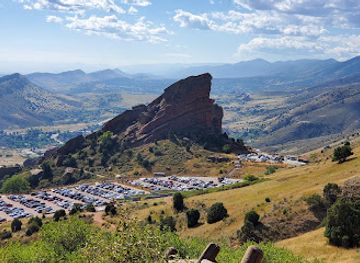
Red Rocks Park and Amphitheatre
Experience world-class performances amidst breathtaking natural beauty at the iconic Red Rocks Amphitheatre in Morrison, Colorado.
-
Park
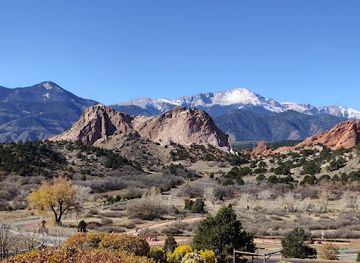
Garden of the Gods
Explore the breathtaking red rock formations and scenic trails of Garden of the Gods, a must-see park in Colorado Springs, Colorado.
-
National park
Rocky Mountain National Park
Discover the towering peaks, pristine lakes, and abundant wildlife of Colorado's majestic Rocky Mountain National Park.
-
Zoo
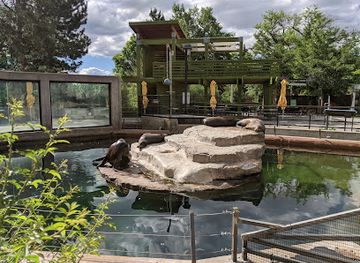
Denver Zoo
Discover wildlife from around the world at the Denver Zoo, a leading conservation organization committed to animal care and education in the heart of Denver.


Best landmarks in South Central Colorado
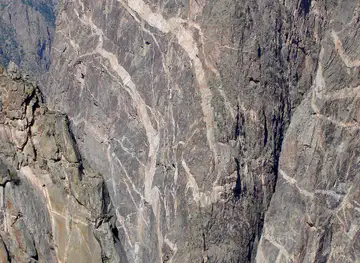
The Royal Gorge is South Central Colorado's most recognisable natural landmark, where the Arkansas River cuts through a deep granite canyon west of Cañon City. The nearby Royal Gorge Bridge is a prominent engineered structure, but the gorge itself is the enduring geographical feature. Pueblo's historic Union Avenue and the surviving industrial landscape associated with the former Colorado Fuel and Iron steelworks express the city's railway and manufacturing history. In the upper Arkansas Valley, the Collegiate Peaks form a dramatic mountain backdrop west of Buena Vista, while the Arkansas River gives Salida and neighbouring communities a defining linear landscape. The Spanish Peaks, two conspicuous mountain summits south of the Wet Mountain Valley, are important geographical and cultural markers. In the San Luis Valley, Great Sand Dunes rise abruptly from the valley floor against the Sangre de Cristo Mountains, creating one of Colorado's most distinctive landforms. Fort Garland's preserved military buildings and San Luis's historic acequia-based settlement pattern represent different chapters of the region's Hispanic, military and territorial past.
-
Park
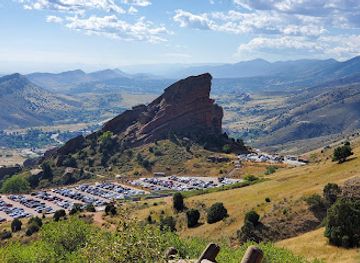
Red Rocks Park and Amphitheatre
Experience the stunning beauty and iconic music history at Red Rocks Park and Amphitheatre, a must-visit destination in Colorado.
-
Park
Garden of the Gods
Experience the stunning red rock formations and breathtaking views at Garden of the Gods, a must-visit park in Colorado Springs, perfect for outdoor adventures.
-
Theme park
Royal Gorge Bridge & Park
Discover breathtaking views and thrilling adventures at the Royal Gorge Bridge & Park, a historical landmark in Colorado boasting stunning natural beauty.
-
National park
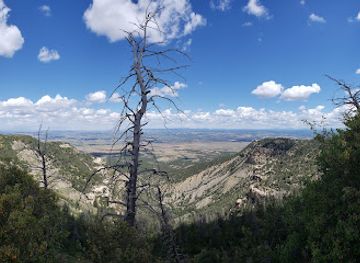
Mesa Verde National Park
Explore the ancient cliff dwellings and rich history of Mesa Verde National Park, a breathtaking testament to the ingenuity of the Ancestral Puebloans.

Explore South Central Colorado on the map
Plan your trip on one map. See where the top cities, national parks and sights are, and book hotels and experiences in a few clicks.
Best hotels in South Central Colorado
Best restaurants in South Central Colorado
Dining in South Central Colorado reflects a meeting of high-plains agriculture, Hispanic traditions, mountain-town tourism and Pueblo's industrial-era diversity. Pueblo is particularly associated with its locally grown Pueblo chile, used in green chile, sauces and other regional dishes when in season; the city also has Mexican-American restaurants, bakeries, cafés and long-established family eateries. Along the Arkansas River, restaurants and brewpubs cater to river users, climbers and mountain travellers, often emphasising casual meals and Colorado produce. The San Luis Valley contributes potatoes, grains and other farm products, while rural communities offer diners, general stores and modest local cafés rather than a dense restaurant scene. Farmers' markets, farm stands and seasonal produce are useful places to encounter regional ingredients. Colorado craft beer is widely available, but it is part of a broader state tradition rather than an exclusive South Central speciality. In smaller settlements, plan meals around limited opening patterns and keep provisions for long drives.
-
German
Edelweiss German Restaurant
Experience the taste of Germany in Colorado Springs at Edelweiss German Restaurant - where tradition meets family-friendly dining.
-
Grill
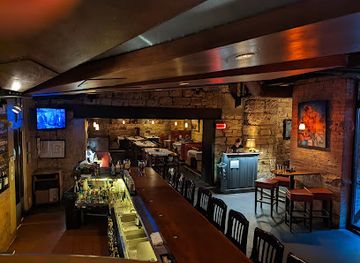
ViewHouse
Discover the vibrant culinary scene at ViewHouse in Colorado Springs—where delicious grilled dishes meet stunning mountain views.
-
American
The Rabbit Hole
Discover the enchanting dining experience at The Rabbit Hole in Colorado Springs, where exquisite American cuisine meets whimsical charm.
-
Restaurant
Linger
Discover Linger in Denver: A unique restaurant offering global street food flavors in a vibrant atmosphere with stunning rooftop views.



Best bars in South Central Colorado
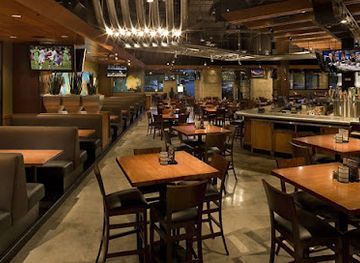
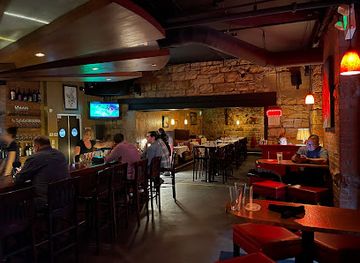
Evening life is concentrated in Pueblo, Cañon City, Salida and Buena Vista, with smaller communities relying on local taverns, restaurants and community events. Pueblo has the broadest urban choice, including traditional bars, breweries, live music and venues associated with its historic and cultural districts. In the mountain towns, the scene is generally informal: brewpubs, wine or cocktail bars, historic-style saloons and restaurants provide a sociable evening after rafting, hiking or climbing. Salida sometimes has live performances and arts programming, while Buena Vista's evening activity is shaped by its outdoor-tourism calendar. Cañon City offers bars and restaurants rather than a large club district. The San Luis Valley is quieter and more dispersed, so nightlife often means an early meal, stargazing or a local gathering instead of late dancing. Opening arrangements and seasonal activity vary, particularly in small towns, and a car journey after drinking should never be part of the plan.
-
Sports bar
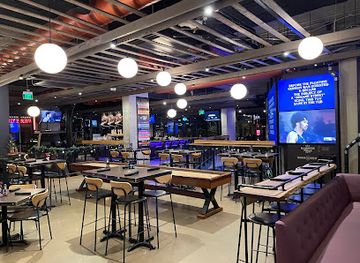
Tom's Watch Bar - Coors Field
Experience the thrill of sports and delicious dining at Tom's Watch Bar near Coors Field, Denver's premier destination for food and fun.
-
Bar
Yard House
Experience the vibrant atmosphere and extensive menu at Yard House in Denver, where craft beer meets New American cuisine in a lively gastropub setting.
-
American
The Rabbit Hole
Discover The Rabbit Hole in Colorado Springs: A whimsical fine dining experience with exquisite American cuisine and creative cocktails.
-
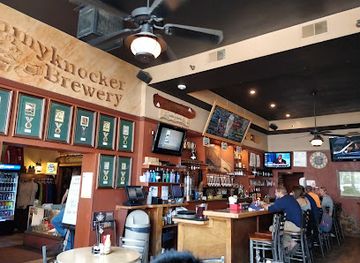
Brewpub
Tommyknocker Brewery & Pub
Experience the Best of Local Craft Beer and Pub Fare at Tommyknocker Brewery & Pub in Idaho Springs, Colorado.
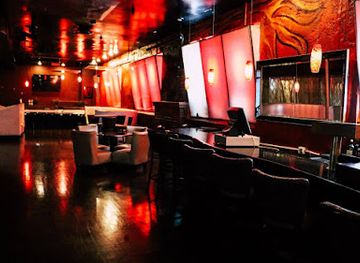
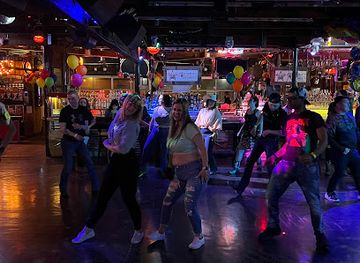
Best nightclubs in South Central Colorado
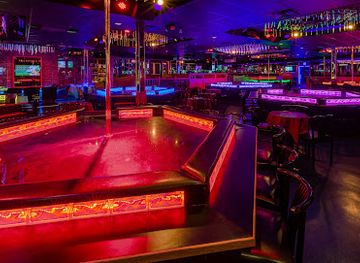
Evening life is concentrated in Pueblo, Cañon City, Salida and Buena Vista, with smaller communities relying on local taverns, restaurants and community events. Pueblo has the broadest urban choice, including traditional bars, breweries, live music and venues associated with its historic and cultural districts. In the mountain towns, the scene is generally informal: brewpubs, wine or cocktail bars, historic-style saloons and restaurants provide a sociable evening after rafting, hiking or climbing. Salida sometimes has live performances and arts programming, while Buena Vista's evening activity is shaped by its outdoor-tourism calendar. Cañon City offers bars and restaurants rather than a large club district. The San Luis Valley is quieter and more dispersed, so nightlife often means an early meal, stargazing or a local gathering instead of late dancing. Opening arrangements and seasonal activity vary, particularly in small towns, and a car journey after drinking should never be part of the plan.
-
Bar
Shotgun Willie's
Discover the vibrant nightlife at Shotgun Willie's in Glendale, CO, where cocktails, dining, and live entertainment unite for an unforgettable experience.
-
Night club
The Church Nightclub
Discover the electrifying nightlife at The Church Nightclub, where music, dancing, and a historic setting create unforgettable nights in Denver.
-
Night club
Copperhead Road Bar & Nightclub
Discover Copperhead Road Bar & Nightclub, a lively nightlife hub in Colorado Springs, offering music, dancing, and delicious food in a vibrant atmosphere.
-
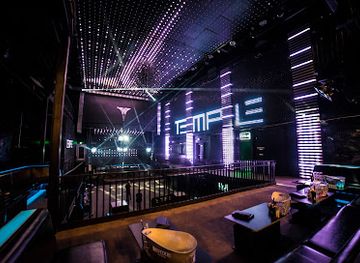
Night club
Temple Nightclub Denver
Discover the vibrant nightlife at Temple Nightclub in Denver, where music, dance, and unforgettable memories come alive.
Best shops in South Central Colorado
Shopping varies sharply between the region's cities, mountain towns and rural valleys. Pueblo has the broadest range of practical retail, independent businesses, galleries, antiques and food shops, with locally produced Pueblo chile and chile-based products among the most recognisable regional purchases. Cañon City, Salida and Buena Vista combine everyday high-street services with outdoor-equipment shops, art galleries, craft studios, books, antiques and locally made goods aimed at residents and visitors. Salida is particularly associated with an active arts and crafts community, although individual studios and retail businesses change over time. San Luis Valley communities offer farm produce, regional foods, woven or handmade items and small local shops rather than extensive commercial centres. Farmers' markets and seasonal farm stands are useful for potatoes, vegetables, preserves and other produce when available. Visitors should not expect continuous shopping between towns: carry essentials on long drives and check market days locally, since rural retail hours can be limited.
-
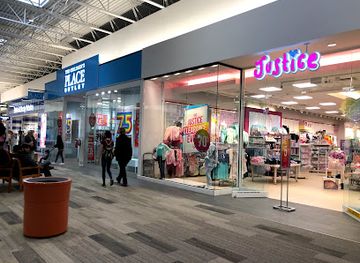
Outlet mall
Colorado Mills
Experience premier shopping at Colorado Mills, where top brands meet unbeatable prices in a vibrant outlet mall atmosphere.
-
Gift shop
Garden of the Gods Trading Post
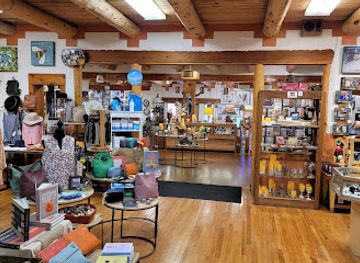
Explore the Garden of the Gods Trading Post: a unique blend of art, gifts, and delicious treats set against a backdrop of stunning Colorado landscapes.
-
Tourist attraction
Hidee Gold Mine Tours and Panning
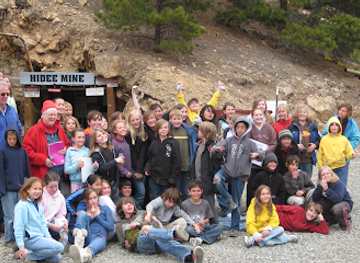
Explore the rich history of the Colorado Gold Rush at Hidee Gold Mine – where adventure meets heritage in an unforgettable underground experience.
-
Gift shop
Argo Gold Mill and Tunnel
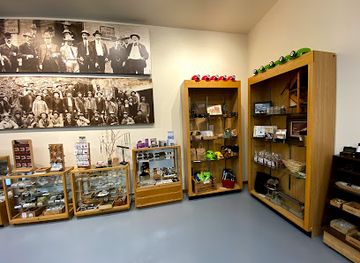
Explore the historic Argo Gold Mill and Tunnel in Idaho Springs, Colorado, and uncover the fascinating stories of the gold mining era.
Get your free copy of our complete guide to South Central Colorado, delivered straight to you.
Everything on this page, from attractions and restaurants to essentials and local phrases, in one PDF you can read offline, print or share.
Already have an account? Sign in
Your South Central Colorado guide is ready.
We'll send it to · Not you? Sign out

Getting your guide ready…
We are putting together a fresh copy of the South Central Colorado guide. This can take up to a minute.
This can take a few moments. If your browser asks, choose Allow so the download can start. You'll find the guide in your Downloads folder.
Nothing happened? Download it again
Sorry, the guide is taking longer than usual. Please try again in a minute, or get it by email instead.
South Central Colorado essentials
Currency and Payment
Safety
Emergency Situations
Do's and Don'ts
Local Tips
From Eve
Local phrases worth knowing
You don't need to get them perfect. A few words go a long way, and locals appreciate the effort.
Basics
| English | Local | Say it |
|---|---|---|
| Hello | Howdy | [haʊdi] |
| Goodbye | See you later | [si ju ˈleɪtər] |
| Yes | Yep | [jɛp] |
| No | Nope | [noʊp] |
| Please/You're welcome | Sure thing | [ʃʊr θɪŋ] |
| Thank you | Thanks | [θæŋks] |
| Excuse me/Sorry | Pardon me | [ˈpɑrdən mi] |
| How are you? | How's it going? | [haʊz ɪt ˈgoʊɪŋ] |
| Fine. And you? | I'm good, you? | [aɪm gʊd, ju] |
| Do you speak English? | Do ya speak English? | [du jə spiːk ˈɪŋɡlɪʃ] |
| I don't understand | I don’t get it | [aɪ doʊnt ɡɛt ɪt] |
Eating & Drinking
| English | Local | Say it |
|---|---|---|
| I'd like to see the menu, please | Can I see the menu? | [kæn aɪ si ðə ˈmɛnju] |
| I don't eat meat | I’m vegetarian | [aɪm ˌvɛdʒəˈtɛriən] |
| Cheers! | Cheers! | [tʃɪrz] |
| I would like to pay, please | Can I get the check? | [kæn aɪ ɡɛt ðə tʃɛk] |
Emergencies
| English | Local | Say it |
|---|---|---|
| Help! | Help! | [hɛlp] |
| Go away! | Leave me alone! | [liv mi əˈloʊn] |
| Call the Police! | Call the cops! | [kɔl ðə kɑps] |
| Call a doctor! | Get a doctor! | [ɡɛt ə ˈdɑktər] |
| I'm lost | I’m lost | [aɪm lɔst] |
| I'm ill | I’m sick | [aɪm sɪk] |
Shopping
| English | Local | Say it |
|---|---|---|
| I'd like to buy... | I want to buy... | [aɪ wɑnt tə baɪ] |
| I'm just looking | Just browsing | [dʒʌst ˈbraʊzɪŋ] |
| How much is it? | What's the price? | [wʌts ðə praɪs] |
| That's too expensive | That's a bit pricey | [ðæts ə bɪt ˈpraɪsi] |
| Can you lower the price? | Can you drop the price? | [kæn jə drɑp ðə praɪs] |
Time & Numbers
| English | Local | Say it |
|---|---|---|
| What time is it? | What time is it? | [wʌt taɪm ɪt] |
| It's one o'clock | It's one o'clock | [ɪts wʌn əˈklɑk] |
| Half past (10) | Half past ten | [hæf pæst tɛn] |
| Morning | Morning | [ˈmɔrnɪŋ] |
| Afternoon | Afternoon | [ˌæftərˈnun] |
| Evening | Evening | [ˈivnɪŋ] |
| Yesterday | Yesterday | [ˈjɛstərdeɪ] |
| Today | Today | [təˈdeɪ] |
| Tomorrow | Tomorrow | [təˈmɔroʊ] |
| 1 | One | [wʌn] |
| 2 | Two | [tu] |
| 3 | Three | [θri] |
| 4 | Four | [fɔr] |
| 5 | Five | [faɪv] |
| 6 | Six | [sɪks] |
| 7 | Seven | [ˈsɛvən] |
| 8 | Eight | [eɪt] |
| 9 | Nine | [naɪn] |
| 10 | Ten | [tɛn] |
Transport & Directions
| English | Local | Say it |
|---|---|---|
| Where's a/the...? | Where's the...? | [wɛrz ðə] |
| What's the address? | What’s the address? | [wʌts ði əˈdrɛs] |
| Can you show me (on the map)? | Can you point it out? | [kæn jə pɔɪnt ɪt aʊt] |
| When's the next (bus)? | When's the next bus? | [wɛnz ðə nɛkst bʌs] |
| A ticket (to ....) | A ticket to... | [ə ˈtɪkɪt tə] |
History of South Central Colorado
Indigenous Homelands and Early Trade Routes
South Central Colorado lies within the historic homelands and travel networks of peoples including the Ute, Jicarilla Apache, Comanche and Apache communities, among others. The Arkansas River, mountain passes and high valleys connected peoples across the Southern Rocky Mountains and the Great Plains. Trade, seasonal movement and the use of plants, animals and water shaped the landscape long before American or Spanish settlement. Indigenous history remains an essential part of the region's story, although many associated sites are culturally sensitive and should be treated with respect rather than as recreational curiosities.
Spanish and Mexican Frontier Influence
The southern valleys were connected to New Spain and later Mexico through trade routes running north from New Mexico. Hispanic settlers established agricultural communities using acequias, or shared irrigation channels, and adobe building traditions. San Luis, founded in 1851, became the first permanent Euro-American settlement in what became Colorado and preserves an important water-management and community history. In the San Luis Valley and along the southern Arkansas corridor, Spanish and Mexican influence remains visible in family traditions, religious buildings, place names, foodways and land-use patterns.
Forts, Treaties and Territorial Expansion
During the nineteenth century, expanding American settlement and military activity altered the balance of power across the region. Fort Garland, established in 1858 near the southern San Luis Valley, supported military operations and protected routes during a period of conflict and rapid territorial change. Treaties and forced removals profoundly affected Indigenous communities, while trails linking New Mexico, the Arkansas Valley and the Front Range encouraged traders, prospectors and settlers. Colorado Territory was created in 1861, bringing the region into a new political framework during the Civil War era.
Mining, Railways and the Royal Gorge
Gold, silver, coal and other mineral resources drove settlement in mountain districts and the Arkansas Valley. Railways became critical to moving ore, people and supplies, with competing companies fighting for routes through the narrow Royal Gorge during the Royal Gorge Railroad War of 1878 and 1879. Communities such as Cañon City grew as transport and mining centres, while the surrounding mountains acquired roads, tramways, mills and camps. Much of the region's nineteenth-century urban form, including historic commercial buildings and railway infrastructure, derives from this period of extraction and connection.
Pueblo's Industrial Transformation
Pueblo developed from an Arkansas River trading settlement into one of Colorado's major industrial cities. The arrival of railways, coal supplies and iron and steel production in the late nineteenth century attracted workers and entrepreneurs from across the United States and overseas. The Colorado Fuel and Iron Company became particularly influential, operating a large steelworks and associated communities. Industrial growth brought prosperity but also difficult labour conditions and social conflict, including the 1913–1914 Colorado Coalfield War. Pueblo's museums, historic districts and working industrial landscape still reflect this complex legacy.
Irrigation and Agricultural Development
In the high, dry valleys and plains of South Central Colorado, reliable agriculture depended on diverting and storing scarce water. Hispanic acequia traditions predated later American irrigation projects, while canals, reservoirs and river diversions expanded farming during the nineteenth and twentieth centuries. The Arkansas Valley became known for crops including melons, vegetables and grains, while the San Luis Valley developed important potato production and other high-altitude agriculture. Water remains both an economic foundation and a contested environmental issue, linking farming communities to mountain watersheds.
Conservation and Outdoor Recreation
The twentieth century brought a growing emphasis on protecting the region's exceptional landscapes. Great Sand Dunes became a national monument in 1932 and a national park and preserve in 2004, while the Royal Gorge, mountain forests and alpine basins gained protection through parks, forests and wilderness designations. At the same time, rafting, climbing, skiing, hiking and heritage tourism became important parts of the regional economy. The modern visitor landscape therefore rests on both older industries and a continuing effort to balance recreation, conservation, agriculture and local community needs.
South Central Colorado in Photos
Browse through our photo collection highlighting the charm and character of the destination.
Neighbouring regions of South Central Colorado
The closest regions to South Central Colorado, if you have time for more than one.
-

-

-

-

-


Swipe for more regions
Explore more

Explore more of Colorado
Discover Colorado: A stunning blend of rugged mountains, vibrant cities, and rich history, offering endless adventures and unforgettable experiences.
Explore Colorado