

Free Sterling Travel Guide & Mobile App
Plan your Sterling trip with Evendo. Get free guides to top attractions, restaurants, hotels, and bars. Web access or download the mobile app.


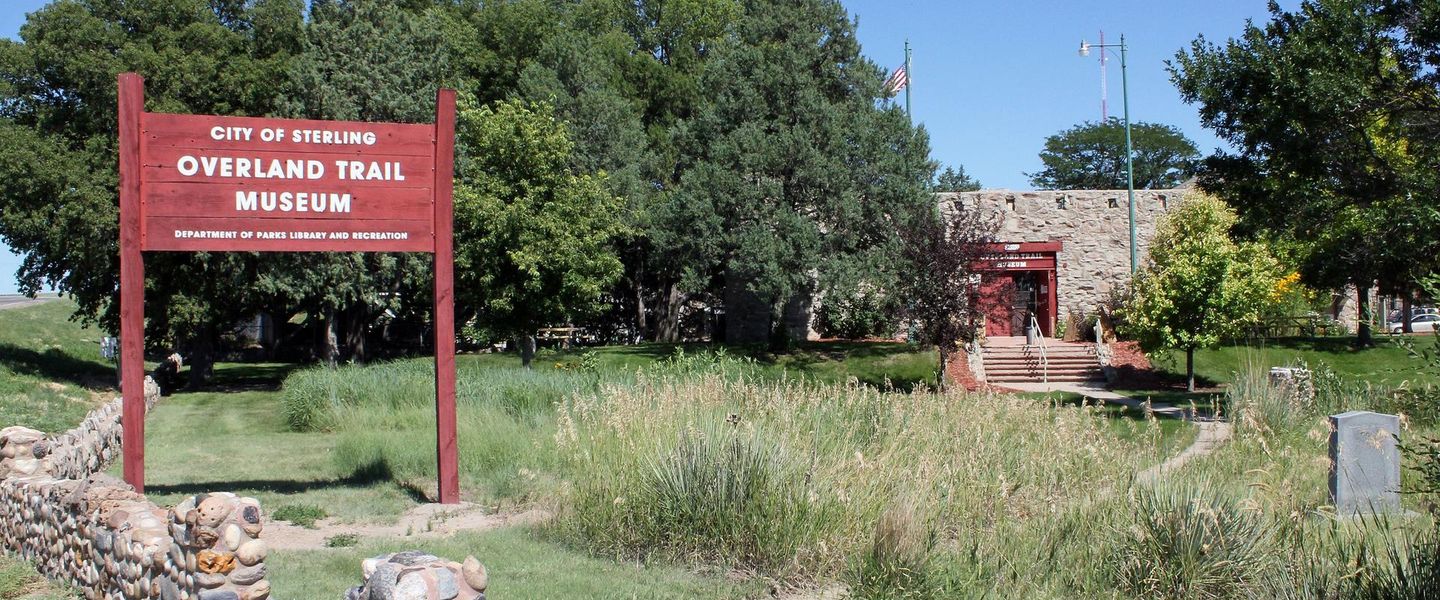


Sterling, Colorado pairs South Platte landscapes, frontier history, local museums and small-town culture with outdoor recreation in northeast Colorado.
River, Rail and Prairie
Sterling lies in northeastern Colorado, where the South Platte River crosses a broad agricultural plain near the state’s border with Nebraska. The city grew from the meeting of rail transport, irrigation and farming, and its landscape still reflects that history: shelterbelts and fields extend beyond a compact centre, while the river provides a green corridor through an otherwise open landscape. Sterling is Logan County’s seat and serves as a regional centre for shopping, education, healthcare and services across the surrounding plains.Read more about Sterling
Frontier Stories and Local Institutions
Open-Air Colorado
When is the best time to visit Sterling?
Best: May–June, September · 22–27°C| Month | High (°C) | Rainfall (mm) |
|---|---|---|
| January | 4 | 8 |
| February | 7 | 10 |
| March | 12 | 20 |
| April | 17 | 36 |
| May (best) | 22 | 53 |
| June (best) | 27 | 53 |
| July | 31 | 53 |
| August | 29 | 48 |
| September (best) | 24 | 31 |
| October | 17 | 15 |
| November | 8 | 10 |
| December | 4 | 6 |
Getting to and around Sterling
How to get there
Transportation
Best attractions in Sterling
Sterling’s principal attractions reflect its role as a South Platte agricultural and railway centre. The Overland Trail Museum is the city’s leading historical institution, with exhibits and preserved structures that interpret Indigenous history, pioneer travel, homesteading, farming and transport across northeastern Colorado. Downtown provides a quieter sightseeing experience through its civic architecture, local businesses and historic town layout rather than a dense concentration of monuments. North Sterling State Park, a short drive from the city, broadens the itinerary with reservoir boating, fishing, camping, walking and birdwatching amid open grassland. The South Platte River and its irrigated surroundings offer a close view of the landscape that made settlement possible, while Northeastern Junior College contributes educational and community interest. Nearby rural roads reveal the scale of the plains, where grain fields, farmsteads and distant horizons are part of the regional character.
-
Tourist attraction
Pioneer Park
Explore nature trails, disc golf, and family fun at Sterling's popular Pioneer Park, a scenic outdoor escape for all ages.
9 min drive · 3.2 km from city centre
-
Tourist attraction
Columbine Park
Experience outdoor bliss at Sterling's Columbine Park: trails, playgrounds, and community spirit in a scenic setting.
17 min walk · 1.3 km from city centre
-
Tourist attraction
Overland Trail Museum
Discover the captivating stories of pioneers and westward expansion at Sterling's Overland Trail Museum. A journey through Colorado's heartland history.
7 min drive · 2.5 km from city centre
-
Tourist attraction
Wisdom Park
Discover a tranquil escape in Sterling, Colorado's Wisdom Park: lush greenery, walking trails, and community events await!
6 min drive · 2.1 km from city centre
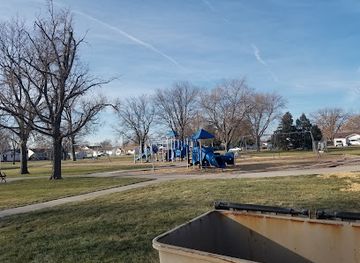
Best landmarks in Sterling
Sterling’s landmarks are practical expressions of a county seat and agricultural railway town rather than grand urban monuments. The Overland Trail Museum is significant for its preservation of buildings, objects and stories connected with travel, settlement and work on the northeastern Colorado plains. The Logan County Courthouse represents the city’s long civic role as the county’s administrative centre, while the historic downtown street pattern and surviving commercial architecture show how rail-linked businesses served farmers and travellers. North Sterling State Park’s reservoir is a modern landscape landmark, created through water management and now associated with recreation as well as irrigation. The South Platte River itself is an important geographical landmark: its water, valley and associated canals explain why a town could develop in an otherwise dry grassland setting.
-
Family-friendly
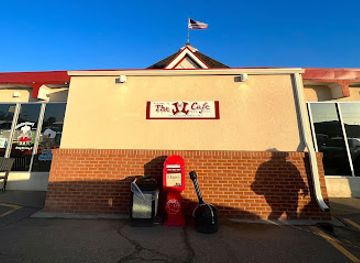
J & L Cafe
Experience the delightful flavors of American cuisine at J & L Cafe, a family-friendly cafe in Sterling, Colorado, perfect for breakfast and lunch.
4 min walk · 0.3 km from city centre
-
Italian
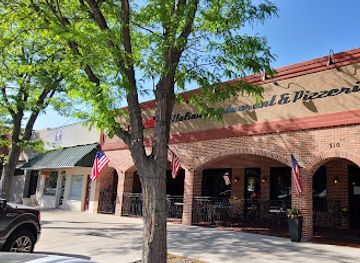
Sam & Louie's Italian Restaurant & New York Pizzeria
Experience the authentic taste of Italy at Sam & Louie's Italian Restaurant & New York Pizzeria in Sterling, Colorado, with family-friendly dining and a vibrant atmosphere.
2 min walk · 0.2 km from city centre
-
Rest stop
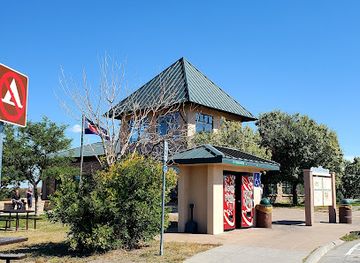
CDOT Rest Area: Sterling
Discover a clean and welcoming rest stop along I-76 in Sterling, Colorado, perfect for a quick break and refreshment during your travels.
7 min drive · 2.4 km from city centre
-
Hotel
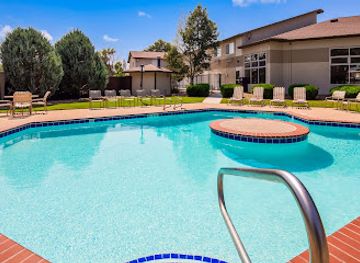
Best Western Sundowner
Experience comfort and convenience at the Best Western Sundowner - your ideal base for exploring the charming town of Sterling, Colorado.
7 min drive · 2.4 km from city centre
Explore Sterling on the map
Plan your Sterling trip on one map. See where the top attractions, landmarks, restaurants, bars and hotels are, find what's near where you're staying, and book hotels and experiences in a few clicks.
Best hotels in Sterling
Best restaurants in Sterling
Sterling’s dining scene serves a regional population rather than operating as a destination restaurant quarter. Visitors will find familiar American meals, Mexican-influenced cooking, casual cafés, bakeries, takeaway food and practical options clustered around downtown and the main commercial roads. The surrounding agricultural economy shapes the emphasis on filling breakfasts, lunch specials, burgers, steaks and other straightforward fare, while local Mexican restaurants reflect the wider cultural mix of eastern Colorado. Supermarkets and convenience stores are useful for provisions before visiting North Sterling State Park, where dining services are limited compared with the town. Independent businesses may keep shorter or changing hours, especially outside peak meal periods, so current local information matters more than expecting a late-night food scene. Tipping is customary in table-service restaurants under normal US practice.
-
Family-friendly
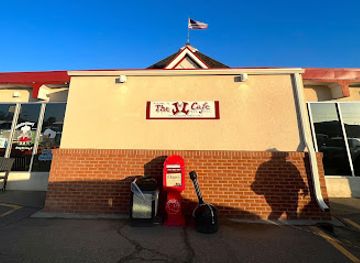
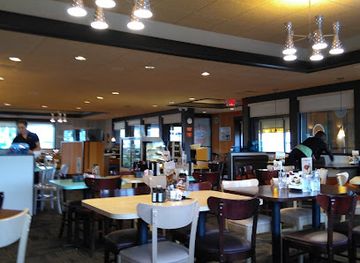
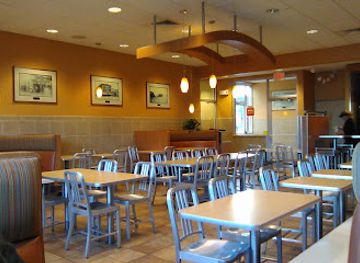
J & L Cafe
Discover the charm of J & L Cafe in Sterling - where family-friendly dining meets delicious American breakfasts in a cozy setting.
4 min walk · 0.3 km from city centre
-
Breakfast
Village Inn
Discover the heartwarming charm of Village Inn in Sterling, CO – where delicious breakfasts meet delightful pies in a family-friendly atmosphere.
2 min walk · 0.1 km from city centre
-
Fast Food
McDonald's
Discover comfort food at McDonald's in Sterling - where fast meets friendly in beautiful Colorado.
7 min walk · 0.5 km from city centre
-
Italian
Sam & Louie's Italian Restaurant & New York Pizzeria
Savor authentic Italian cuisine at Sam & Louie's - your go-to spot for delicious pizzas and hearty pastas in Sterling, Colorado.
2 min walk · 0.2 km from city centre
Best bars in Sterling
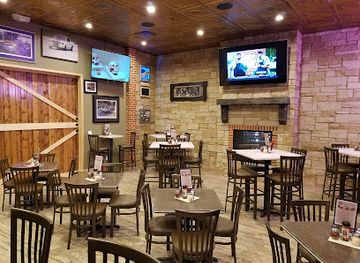
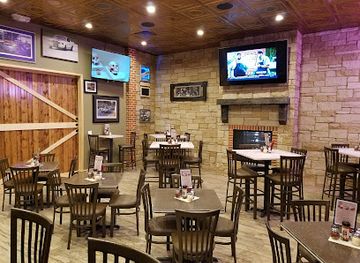
Sterling’s evening scene is modest and locally oriented, with casual bars, restaurant lounges and community entertainment providing more of the nightlife than dedicated clubs. Downtown is the natural area for an evening drink or social stop, while local events, performances and college activities can add variety when scheduled. Northeastern Junior College contributes to the city’s cultural calendar, although its events are not a permanent nightlife district. After dark, the character changes quickly outside the centre: roads, residential areas and open country are quiet, and North Sterling State Park is suited to camping, stargazing and lakeside recreation rather than clubbing. Visitors should not assume late opening hours or extensive rideshare coverage, and should arrange transport before an evening out if staying beyond walkable downtown.
-
Italian
Sam & Louie's Italian Restaurant & New York Pizzeria
Discover authentic Italian cuisine and delightful pizzas at Sam & Louie's Italian Restaurant in Sterling, Colorado.
2 min walk · 0.2 km from city centre
-
Restaurant
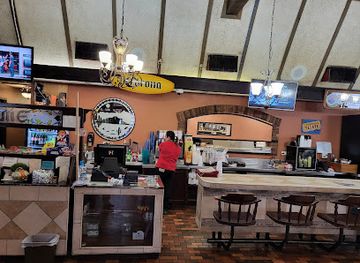
The Grill at River City Restaurant
Experience a delightful fusion of seafood and steak in a vibrant sports bar atmosphere at The Grill at River City in Sterling, Colorado.
5 min drive · 1.6 km from city centre
-
Grill
Hootenannies
Discover the vibrant flavors of Hootenannies in Sterling, CO, where great food meets a lively atmosphere for an unforgettable dining experience.
9 min walk · 0.7 km from city centre
-
Mexican
Mi Ranchito Mexican Restaurant
Experience the rich flavors of authentic Mexican cuisine at Mi Ranchito Mexican Restaurant in Sterling, Colorado.
12 min walk · 1.0 km from city centre
Best nightclubs in Sterling
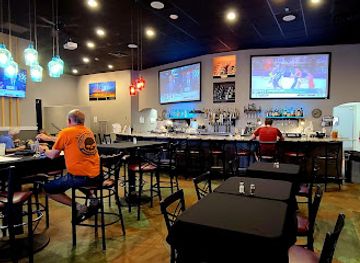
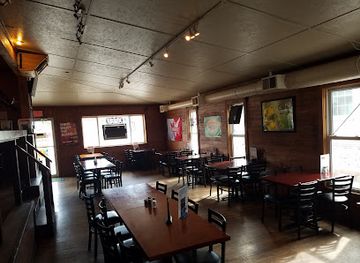
Sterling’s evening scene is modest and locally oriented, with casual bars, restaurant lounges and community entertainment providing more of the nightlife than dedicated clubs. Downtown is the natural area for an evening drink or social stop, while local events, performances and college activities can add variety when scheduled. Northeastern Junior College contributes to the city’s cultural calendar, although its events are not a permanent nightlife district. After dark, the character changes quickly outside the centre: roads, residential areas and open country are quiet, and North Sterling State Park is suited to camping, stargazing and lakeside recreation rather than clubbing. Visitors should not assume late opening hours or extensive rideshare coverage, and should arrange transport before an evening out if staying beyond walkable downtown.
-
Italian
Sam & Louie's Italian Restaurant & New York Pizzeria
Explore the taste of Italy right in Sterling, Colorado, at Sam & Louie's Italian Restaurant & New York Pizzeria, your go-to destination for delicious Italian cuisine.
2 min walk · 0.2 km from city centre
-
Restaurant
The Grill at River City Restaurant
Discover a culinary gem in Sterling, Colorado, where delicious seafood, mouthwatering steaks, and sports converge at The Grill at River City.
5 min drive · 1.6 km from city centre
-
Grill
Hootenannies
Experience the vibrant flavors of Hootenannies, a must-visit grill in Sterling, Colorado, where delicious food and a lively atmosphere await.
9 min walk · 0.7 km from city centre
-
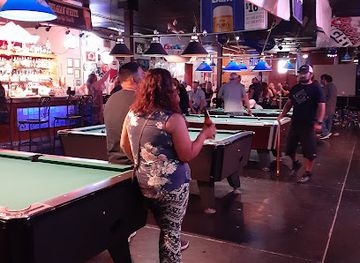
Bar
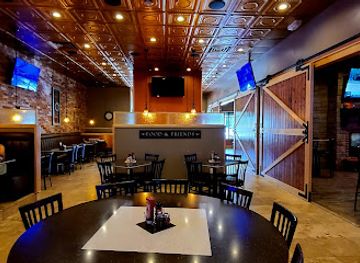
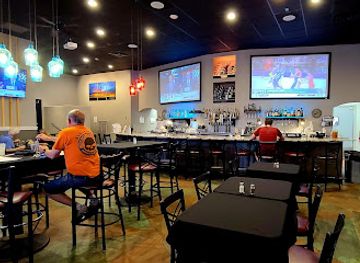
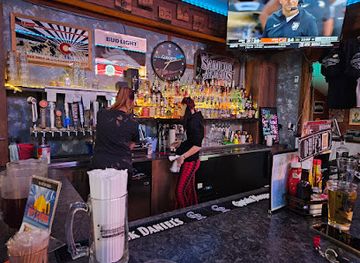
Henry's Pub & Club
Discover the lively charm of Henry's Pub & Club in Sterling, where great drinks and a friendly atmosphere await every visitor.
5 min walk · 0.4 km from city centre
Best shops in Sterling
Shopping in Sterling is centred on everyday regional needs, with downtown independent businesses complemented by larger stores and services along the main commercial corridors. Visitors can browse local shops for practical goods, gifts, books, clothing and small-town Colorado souvenirs, while supermarkets provide provisions for road trips and visits to the reservoir. The area’s agricultural identity is more evident in locally produced food, farm-related goods and seasonal community sales than in a specialised craft market. Sterling does not have the concentrated artisan quarter or large traditional bazaar found in bigger tourist cities, so shopping is best understood as part of the town’s working regional life. Opening hours can vary among independent retailers, particularly at weekends, and specialist goods may require advance planning.
-
Department store
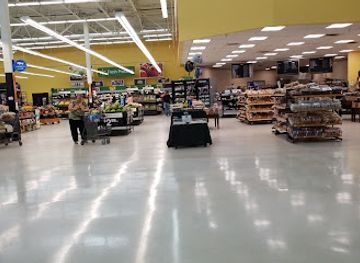
Walmart Supercenter
Explore the Walmart Supercenter in Sterling, Colorado for affordable shopping across groceries, clothing, electronics, and more.
7 min drive · 2.4 km from city centre
-
Business center
High Plains Shopping Center
Discover unique shops and local flavors at the High Plains Shopping Center, the premier shopping destination in Sterling, Colorado.
6 min drive · 2.0 km from city centre
-
Vaporizer store
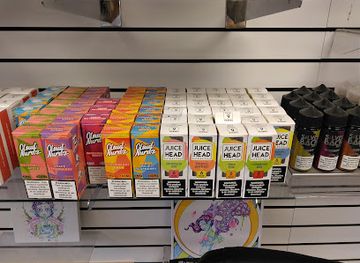
Sacred Matter
Discover the vibrant intersection of art, spirituality, and unique products at Sacred Matter in Sterling, Colorado.
2 min walk · 0.1 km from city centre
-
Shopping mall
Broadway Plaza
Discover Broadway Plaza, Sterling's shopping mall offering a wide range of stores, dining options, and entertainment for the whole family.
15 min walk · 1.2 km from city centre

Get your free copy of our complete guide to Sterling, delivered straight to you.
Everything on this page, from attractions and restaurants to essentials and local phrases, in one PDF you can read offline, print or share.
Already have an account? Sign in
Your Sterling guide is ready.
We'll send it to · Not you? Sign out

Getting your guide ready…
We are putting together a fresh copy of the Sterling guide. This can take up to a minute.
This can take a few moments. If your browser asks, choose Allow so the download can start. You'll find the guide in your Downloads folder.
Nothing happened? Download it again
Sorry, the guide is taking longer than usual. Please try again in a minute, or get it by email instead.
Sterling essentials
Currency and Payment
Safety
Emergency Situations
Do's and Don'ts
Local Tips
From Eve
Local phrases worth knowing
You don't need to get them perfect. A few words go a long way, and locals appreciate the effort.
Basics
| English | Local | Say it |
|---|---|---|
| Hello | Howdy | [haw-dee] |
| Goodbye | See ya | [see yuh] |
| Yes | Yup | [yuhp] |
| No | Nope | [nohp] |
| Please/You're welcome | Please/Thank ya | [pleez/thank yuh] |
| Thank you | Thanks | [thanks] |
| Excuse me/Sorry | Pardon me/My bad | [par-dun me/my bad] |
| How are you? | Howdy | [haw-dee] |
| Fine. And you? | Fine. Y'all? | [fahyn. yawl?] |
| Do you speak English? | Y'all speak English? | [yawhl speak ing-glish?] |
| I don't understand | I dunno what ya mean | [ah dun-noh what yuh mean] |
Eating & Drinking
| English | Local | Say it |
|---|---|---|
| I'd like to see the menu, please | Can I see the menu, please | [kan ah see the menu, pleez] |
| I don't eat meat | I don't eat meat | [ah dun't eat meet] |
| Cheers! | Cheers! | [cheers] |
| I would like to pay, please | Can I pay now, please | [kan ah pay now, pleez] |
Emergencies
| English | Local | Say it |
|---|---|---|
| Help! | Help! | [help] |
| Go away! | Git! | [git] |
| Call the Police! | Call the Cops! | [call the cops] |
| Call a doctor! | Call a doc! | [call a doc] |
| I'm lost | I'm lost | [ahm lost] |
| I'm ill | I'm sick | [ahm sik] |
Shopping
| English | Local | Say it |
|---|---|---|
| I'd like to buy... | I wanna buy... | [ah wanna buy] |
| I'm just looking | I'm just lookin' | [ahm just lookin] |
| How much is it? | How much does it cost? | [how much duhz it cost] |
| That's too expensive | That's too spendy | [thats tooh spend-ee] |
| Can you lower the price? | Can ya drop the price? | [kan yuh drop the price] |
Time & Numbers
| English | Local | Say it |
|---|---|---|
| What time is it? | What time is it? | [what time iz it] |
| It's one o'clock | It's one | [its one] |
| Half past (10) | Half past ten | [half past ten] |
| Morning | Mornin' | [mornin] |
| Afternoon | Afternoon | [afternoon] |
| Evening | Evenin' | [evenin] |
| Yesterday | Yesterday | [yesterday] |
| Today | Today | [today] |
| Tomorrow | Tomorrow | [tomorrow] |
| 1 | One | [wuhn] |
| 2 | Two | [too] |
| 3 | Three | [three] |
| 4 | Four | [four] |
| 5 | Five | [five] |
| 6 | Six | [six] |
| 7 | Seven | [seven] |
| 8 | Eight | [ait] |
| 9 | Nine | [nine] |
| 10 | Ten | [ten] |
Transport & Directions
| English | Local | Say it |
|---|---|---|
| Where's a/the...? | Where's the... at? | [wheres the at] |
| What's the address? | What's the address? | [whats the address] |
| Can you show me (on the map)? | Can ya show me (on the map)? | [kan yuh show me (on the map)] |
| When's the next (bus)? | When's the next (bus)? | [whens the next bus] |
| A ticket (to ....) | A ticket (to ....) | [a ticket (to)] |
History of Sterling
Plains Peoples and the South Platte
Long before Sterling was established, the South Platte valley formed part of the wider homeland and travel landscape of Indigenous peoples of the Great Plains, including the Cheyenne and Arapaho. The river offered water, wildlife and a natural route across northeastern Colorado, while the surrounding grasslands supported seasonal movement and hunting. Later trails and roads followed many of the same geographic advantages. The arrival of American settlement transformed the valley through land claims, agriculture and transport, but the region’s Indigenous history remains an essential part of understanding the landscape rather than a prelude that ended with town building.
Railway Settlement in Logan County
Sterling emerged in the 1880s as railways and organised settlement reshaped the South Platte country. The town developed as a service point for farms, ranches and travellers, with rail connections helping move crops, livestock, supplies and people across the plains. Logan County was organised in 1887, and Sterling became its county seat, strengthening its civic role. Streets, commercial buildings and public institutions followed the practical pattern of a growing railway town. The railway did more than provide transport: it connected local production to distant markets and helped turn a river valley settlement into a durable regional centre.
Irrigation and Agricultural Growth
The most consequential transformation of the surrounding landscape came through irrigation. Water diverted from the South Platte made more dependable cultivation possible in a dry environment, supporting crops, livestock and the businesses that served rural producers. Canals, reservoirs and farm settlements altered the relationship between river and plain, creating the agricultural economy on which Sterling’s regional importance rests. Over time, grain, livestock and other farm products moved through local commercial networks and transport links. The green fields around the city are therefore not simply natural scenery: they record generations of engineering, labour and adaptation to the high-plains climate.
A Regional County Seat
During the twentieth century Sterling consolidated its role as northeastern Colorado’s administrative and service centre. County government, schools, healthcare, retail and agricultural businesses made the city important to communities spread across Logan County and the wider plains. Northeastern Junior College, established in 1941, added higher education and vocational training to the local institutional landscape. The city’s development followed the broader history of rural America, including mechanised farming, changing rail use, highway travel and the concentration of services in regional towns. Its civic buildings and downtown businesses reflect this gradual evolution more clearly than grand monuments or monumental urban planning.
Sterling in the Present
Modern Sterling continues to balance the functions of a working agricultural community with recreation, education and local culture. North Sterling State Park, created around the reservoir and its surrounding grasslands, reflects the growing importance of outdoor leisure alongside farming and water management. The Overland Trail Museum preserves material evidence of earlier settlement and regional life, while downtown and community institutions continue to serve residents rather than existing solely for visitors. Sterling’s contemporary identity is consequently grounded in continuity: the South Platte, irrigated agriculture, transport and county services remain central, even as the city adapts to changing patterns of work and travel.
Sterling in Photos
Browse through our photo collection highlighting the charm and character of the destination.
Cities near Sterling
The closest cities to Sterling, if you have time for more than one stop.
-

-

-

-

-


Swipe for more cities
Explore more

Explore more of Colorado
Discover Colorado: A stunning blend of rugged mountains, vibrant cities, and rich history, offering endless adventures and unforgettable experiences.
Explore Colorado